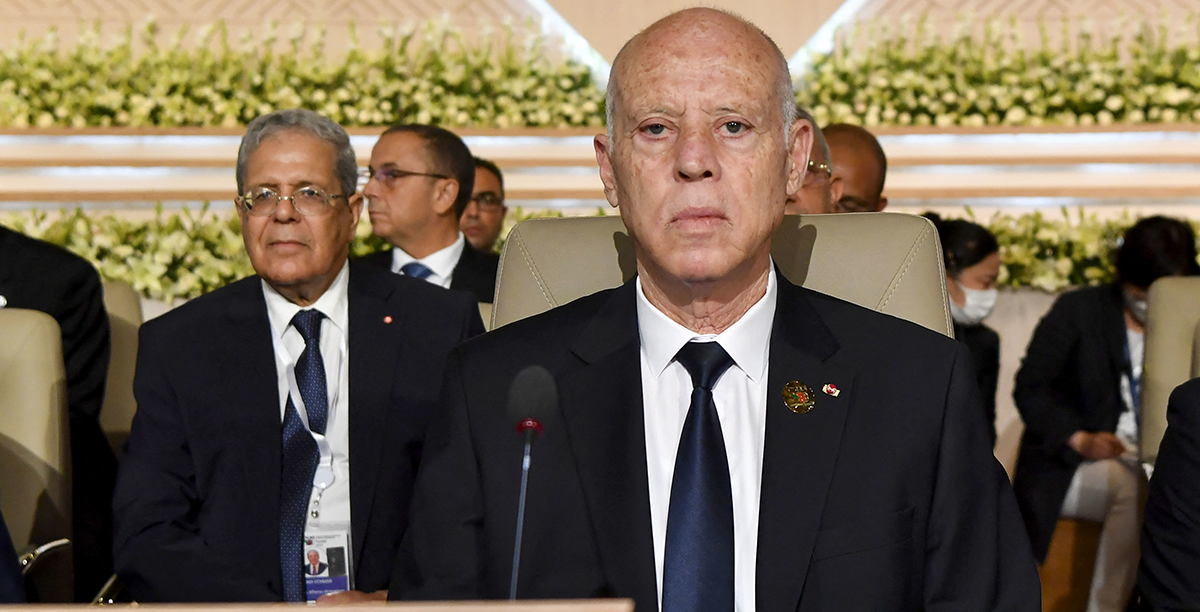
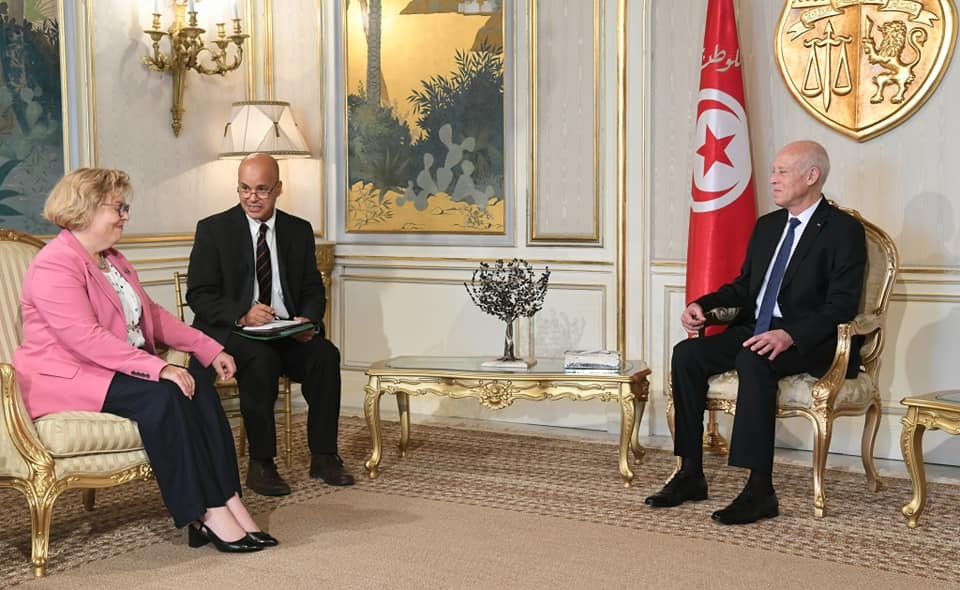
With the decree of a new election law on Sept. 15, President Kais Saied continues rebuilding the formal political mechanisms of the Tunisian state — what some see as a “third republic.” The new law sets the terms for the legislative elections scheduled to be held on Dec. 17, 2022, and it comes only shortly before nominations for candidacies for those elections begin on Oct. 17.
Will Italy’s MENA policy change under the new government?
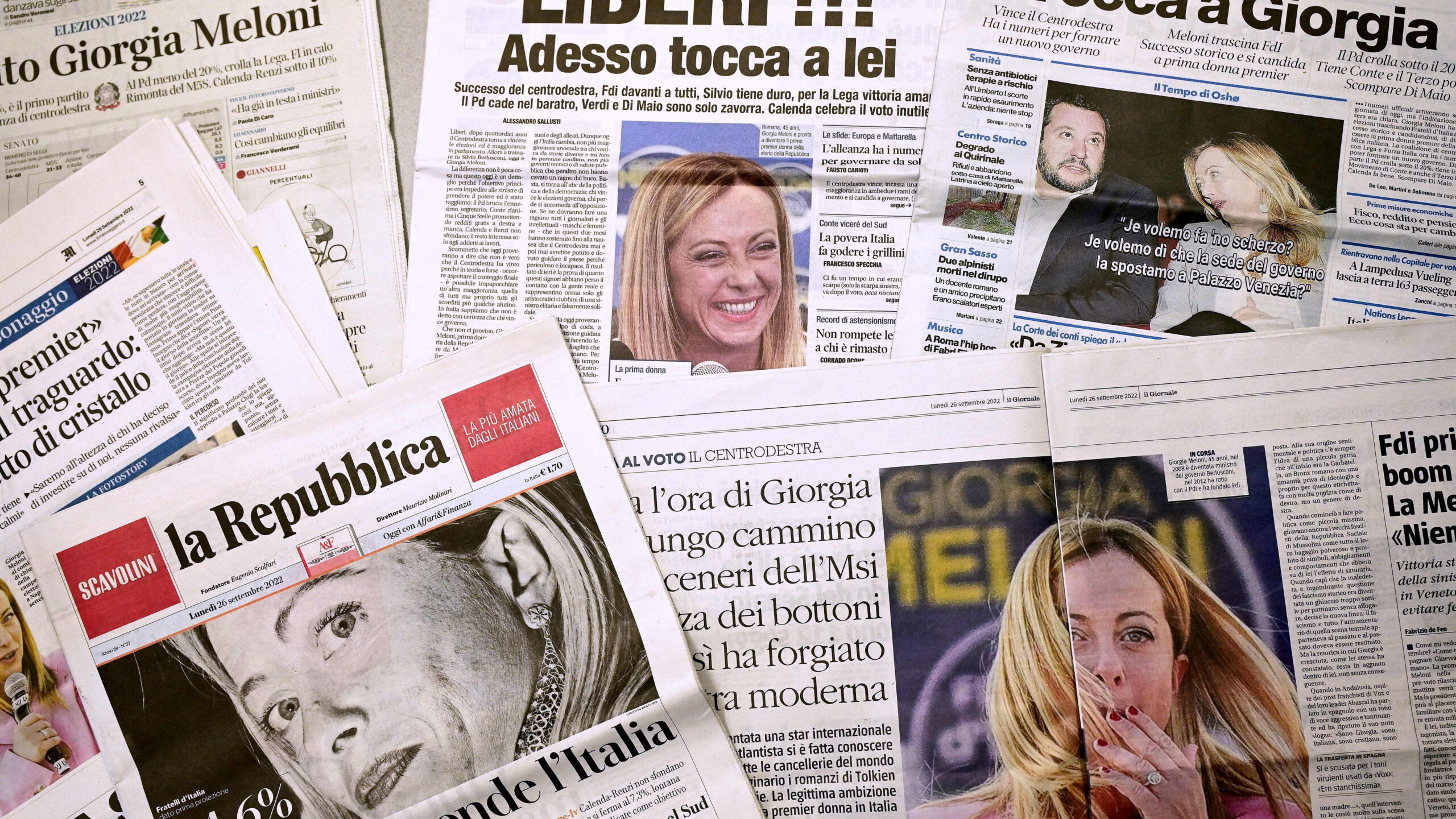
Although Italians have elected the most far-right government of the postwar era, the future might be marked more by evolution than drastic change, at least in the short term. This is especially true when it comes to Italian foreign policy, including toward the Middle East and North Africa.
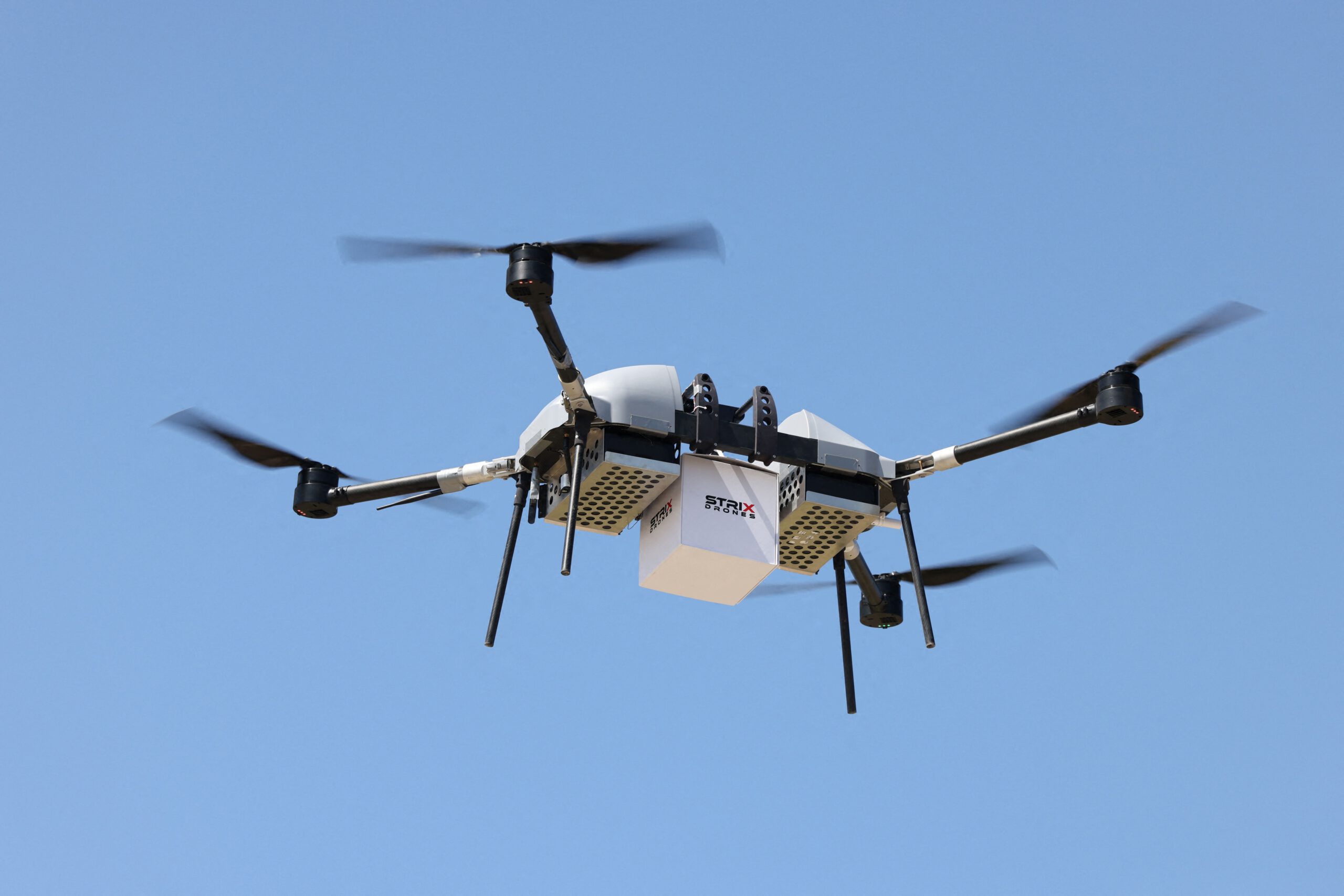
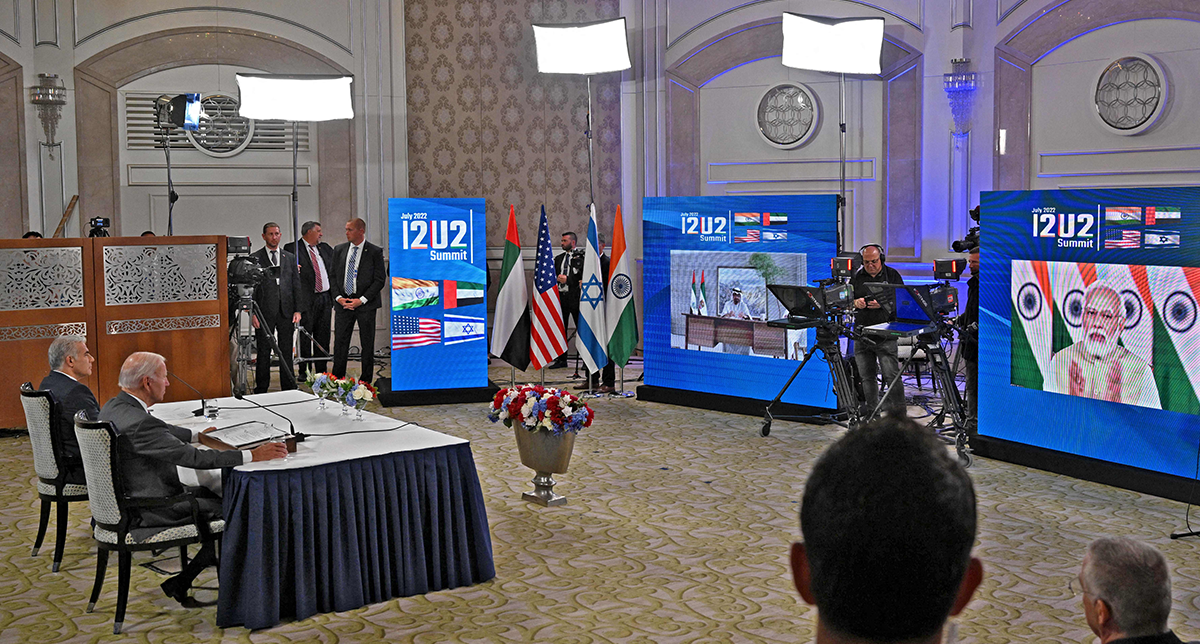
Technology represents one potentially fruitful area where the I2U2 member states — Israel, India, the U.S. and the UAE — could cooperate together, expand their format to include more countries, deliver tangible results, and avoid agitating other global and regional powers.
Two years on, what is the state of the Abraham Accords?
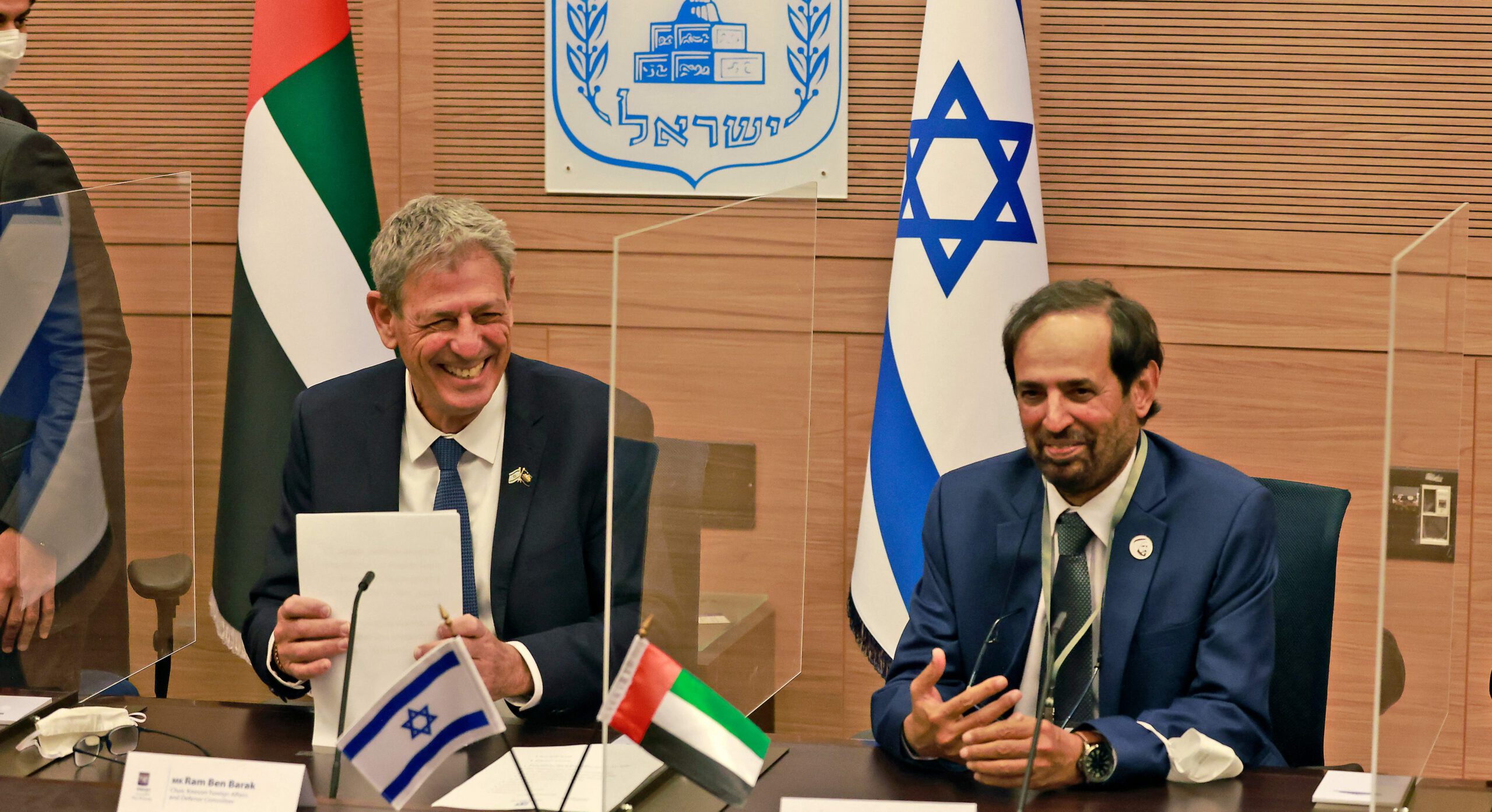
Two years after the signing of the Abraham Accords, progress in developing relations between Israel and its Arab neighbors has achieved mixed results, opening up some greater cooperation in the security sphere but failing to change Arab publics’ minds due to the lack of movement on the Israeli-Palestinian conflict.
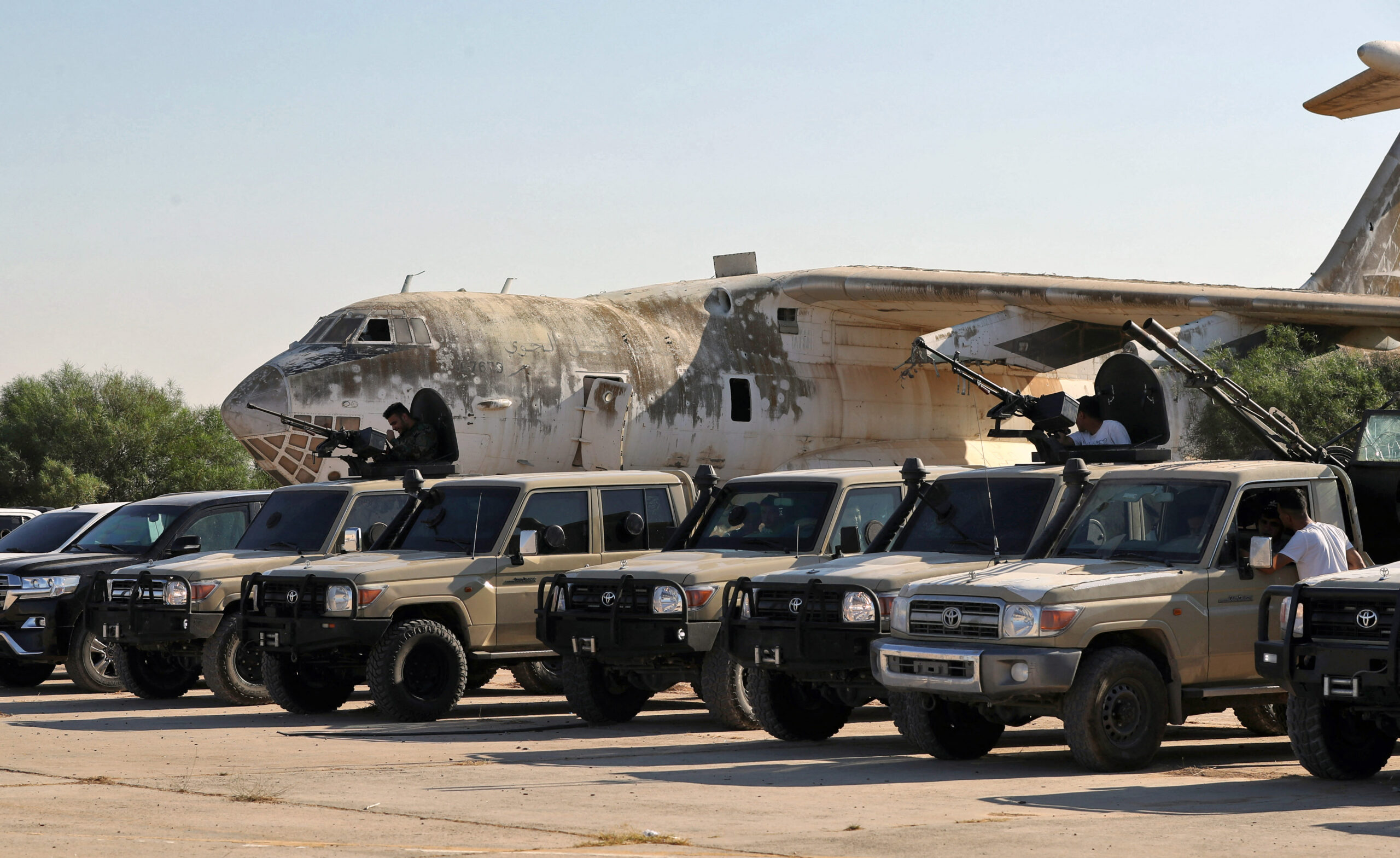
On Sept. 2, the United Nations appointed a new special envoy for Libya, Senegalese diplomat Abdoulaye Bathily. But to have any chance of success, Bathily will need to reach out to local-level Libyan leaders who oppose the status quo preferred by Libya’s national politicians.
French President Emmanuel Macron’s recent visit to Algeria brought talks of cooperation and reconciliation to the fore in an otherwise fraught relationship. France and Algeria share a long and painful history, including 132 years of colonial occupation and an eight year war of devastation. In an effort to unpack the motivations and context behind Macron’s visit, MEI Senior Fellow and Director of the North Africa and the Sahel Program Intissar Fakir speaks with Francis Ghilès, Senior Research Fellow with the Barcelona Center for International Affairs.
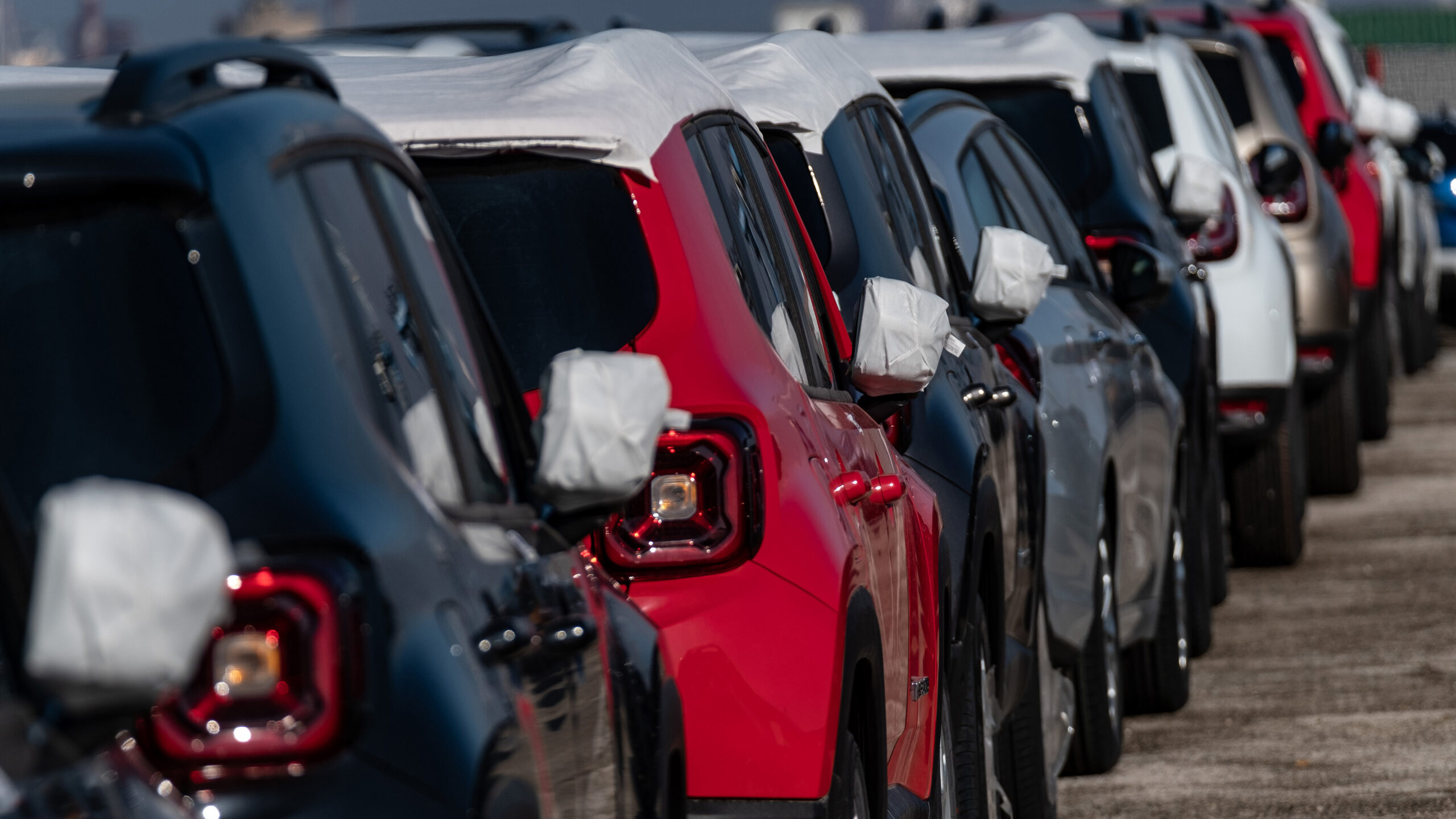
Morocco’s green mobility revolution: The geo-economic factors driving its rise as an electric vehicle manufacturing hub
Rabat’s recent announcement that it would soon sign an agreement for the construction of a “gigafactory” to make electric vehicle (EV) batteries has placed Morocco in pole position to become a green mobility leader in the Middle East and North Africa.
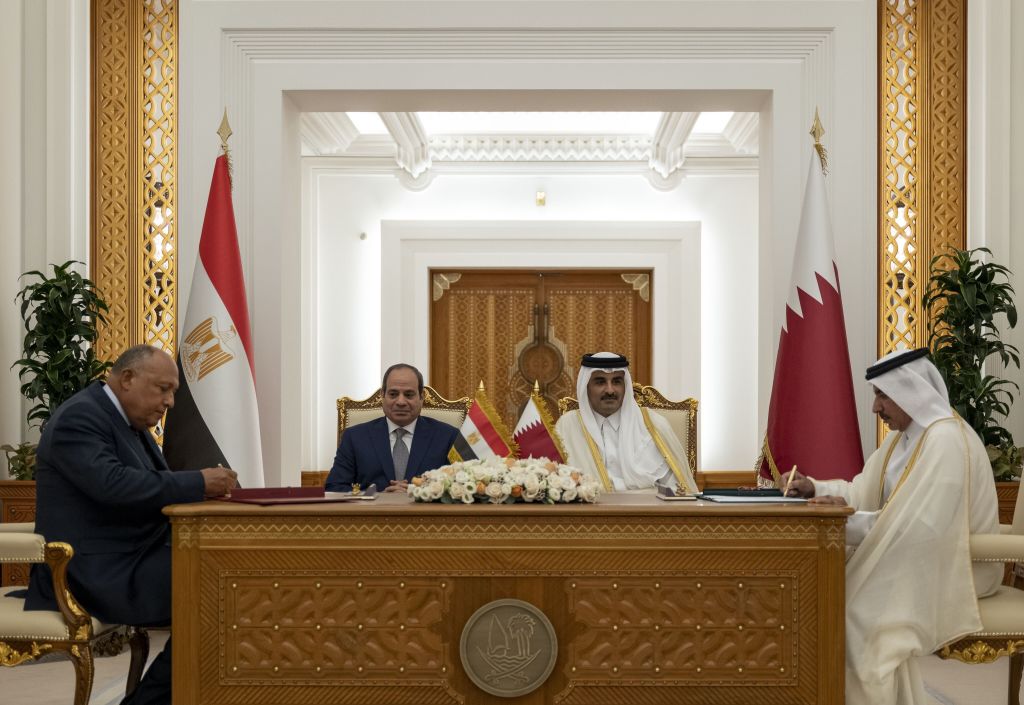
The July 2022 leaders’ meeting took good steps on energy and food security, but Egypt and Saudi Arabia can help take the I2U2 to the next level when it comes to regional security.
مثل الولايات المتحدة وأوروبا، شهد المغرب بدوره ارتفاعًا في معدلات التضخم مؤخرًا، مسجلة معدلا وصل 6.4 في المائة خلال يوليو 2022، وهو تضخم قادم من الخارج، يسمى ب”التضخم المستورد”. فبفضل سياسته النقدية المتينة، تمكن البلد من إبقاء التضخم عند الحد الأدنى في الماضي، لكن الوضع تغير الآن، كما أن السياسة النقدية المحلية غير قادرة على مواجهة العوامل الخارجية التي أدت إلى الارتفاع الأخير في الأسعار.
Like the U.S. and Europe, Morocco, too, has seen inflation rates rise recently. Morocco was able to keep inflation to a minimum over the past decade, but now things have changed and domestic monetary policy seems unable to address the external factors driving the recent rise.