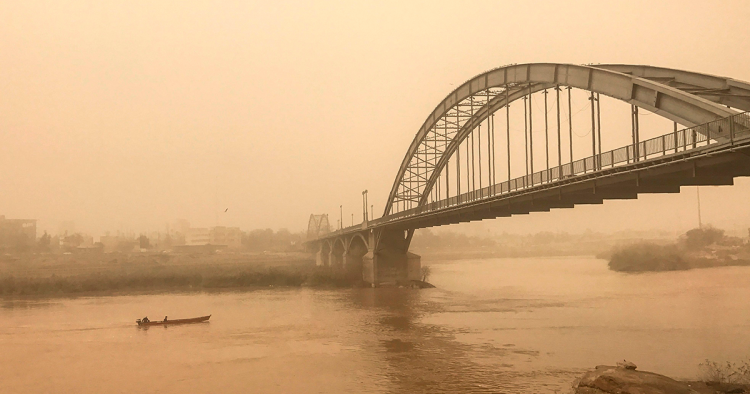
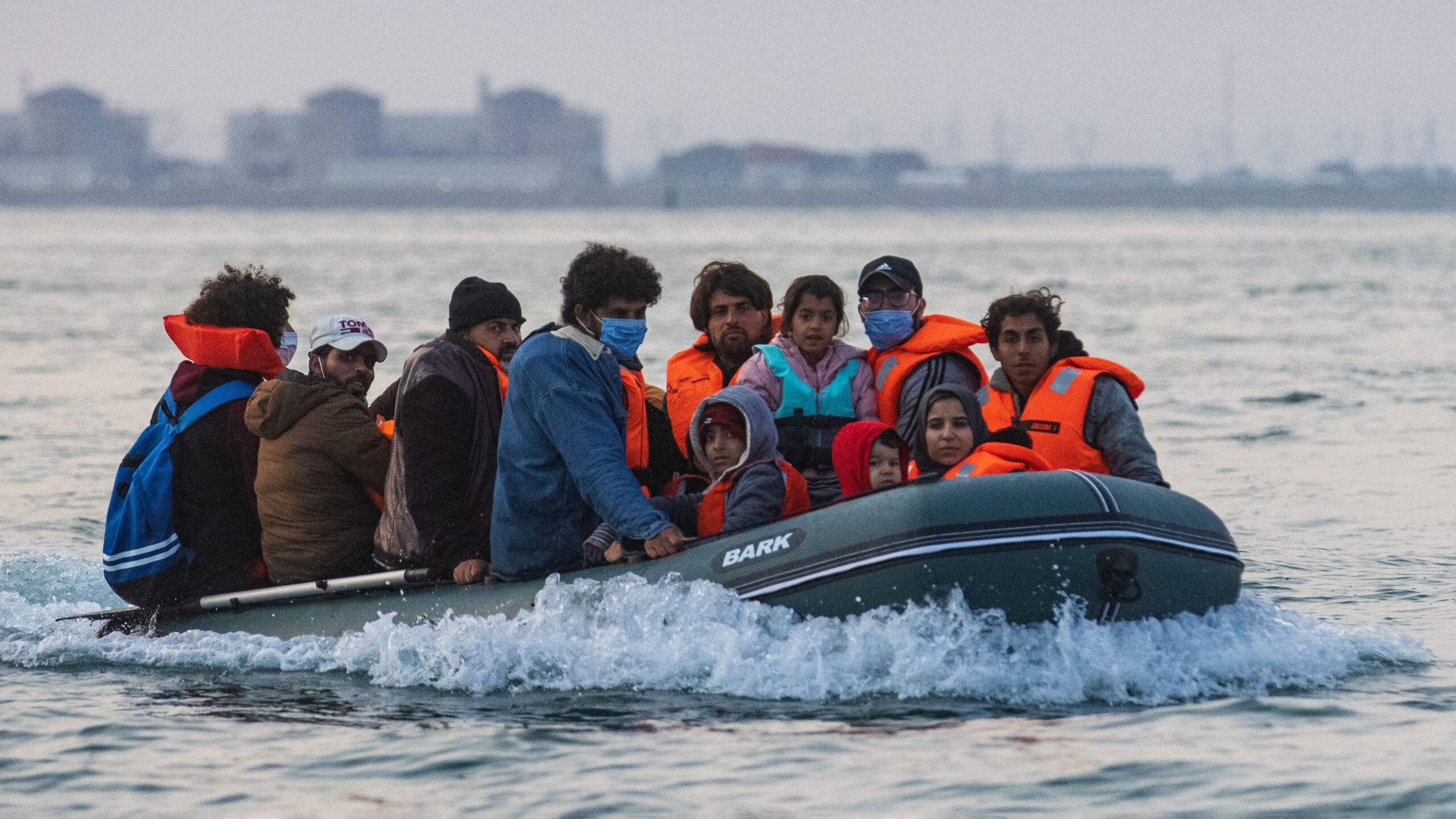
A decline in average annual precipitation, rise in temperatures, and dire water shortages are leading drivers of climate-induced internal migration in Iran. This long-term trend was further exacerbated in 2022 by more intense heat waves, resulting in a spike in seasonal migration.
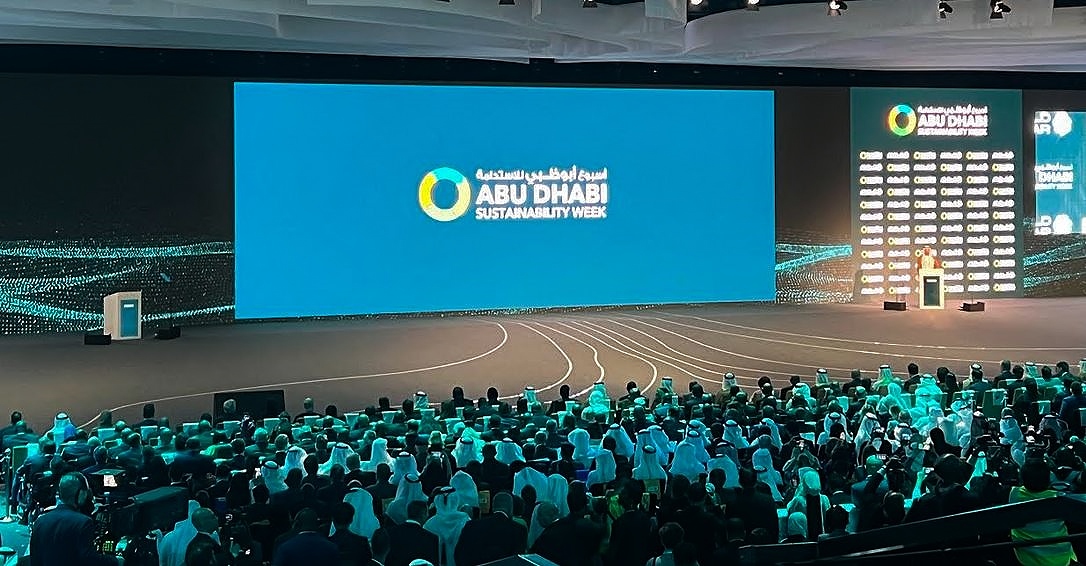
2023 ADSW: A solid start for a climate-focused year in the UAE
This year’s Abu Dhabi Sustainability Week focused on both adaptation strategies and mitigation actions. Judging by the solid foundation established at this conference, and building on the efforts the UAE launched in previous years, the upcoming COP28, which will be hosted in Dubai, appears to have all the ingredients to bring together relevant stakeholders and deliver on its promises.
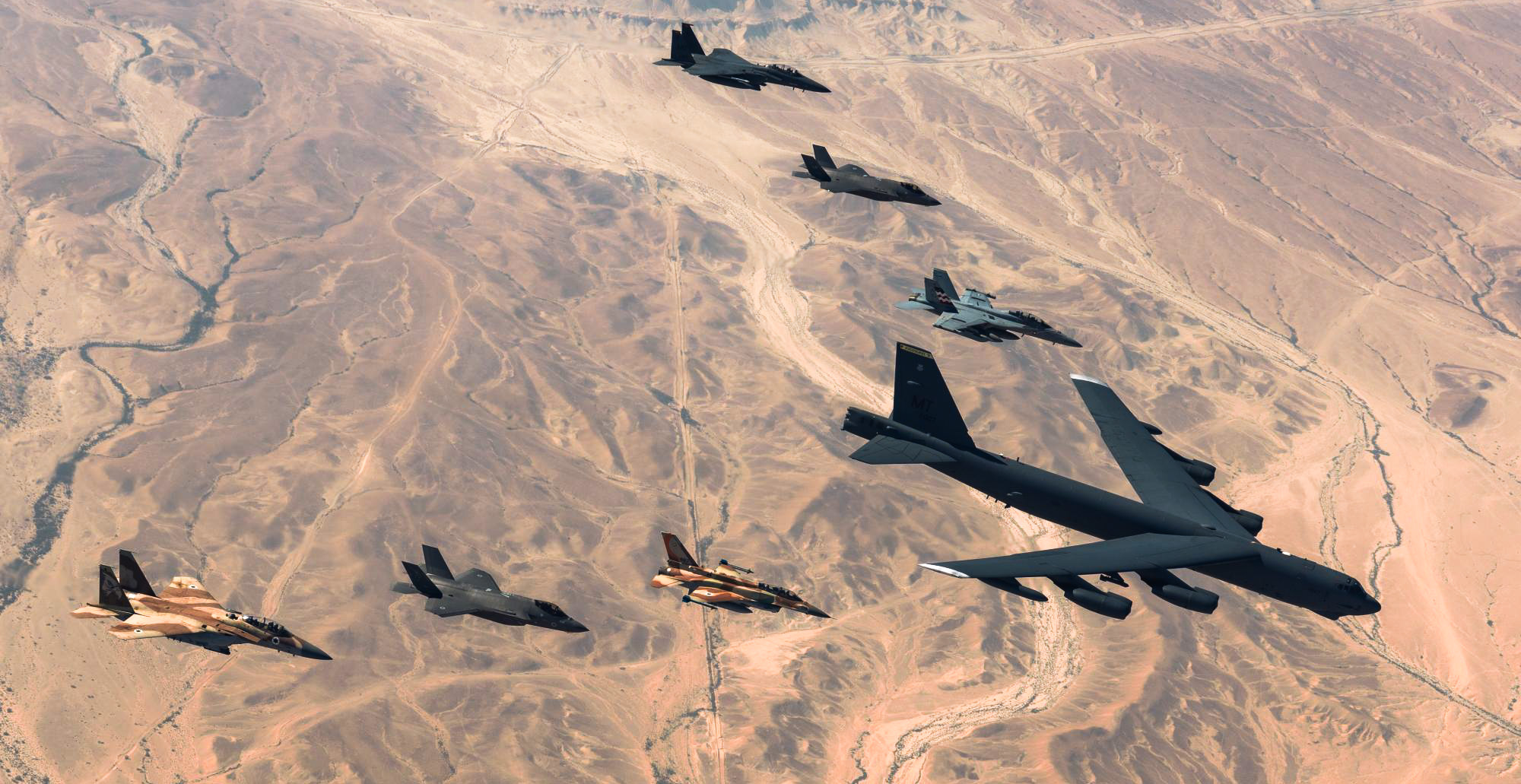
Juniper Oak 2023 reinforces US commitment to Middle East, sets standard for future regional exercises
This week, the United States Central Command (CENTCOM) concluded what it called on social media, “the largest ever U.S.-Israel combined exercise.” The drills reasserted U.S. support for partnerships, deterrence, and integration, despite posture reductions and continued concern among partners about Washington’s commitment to the Middle East.
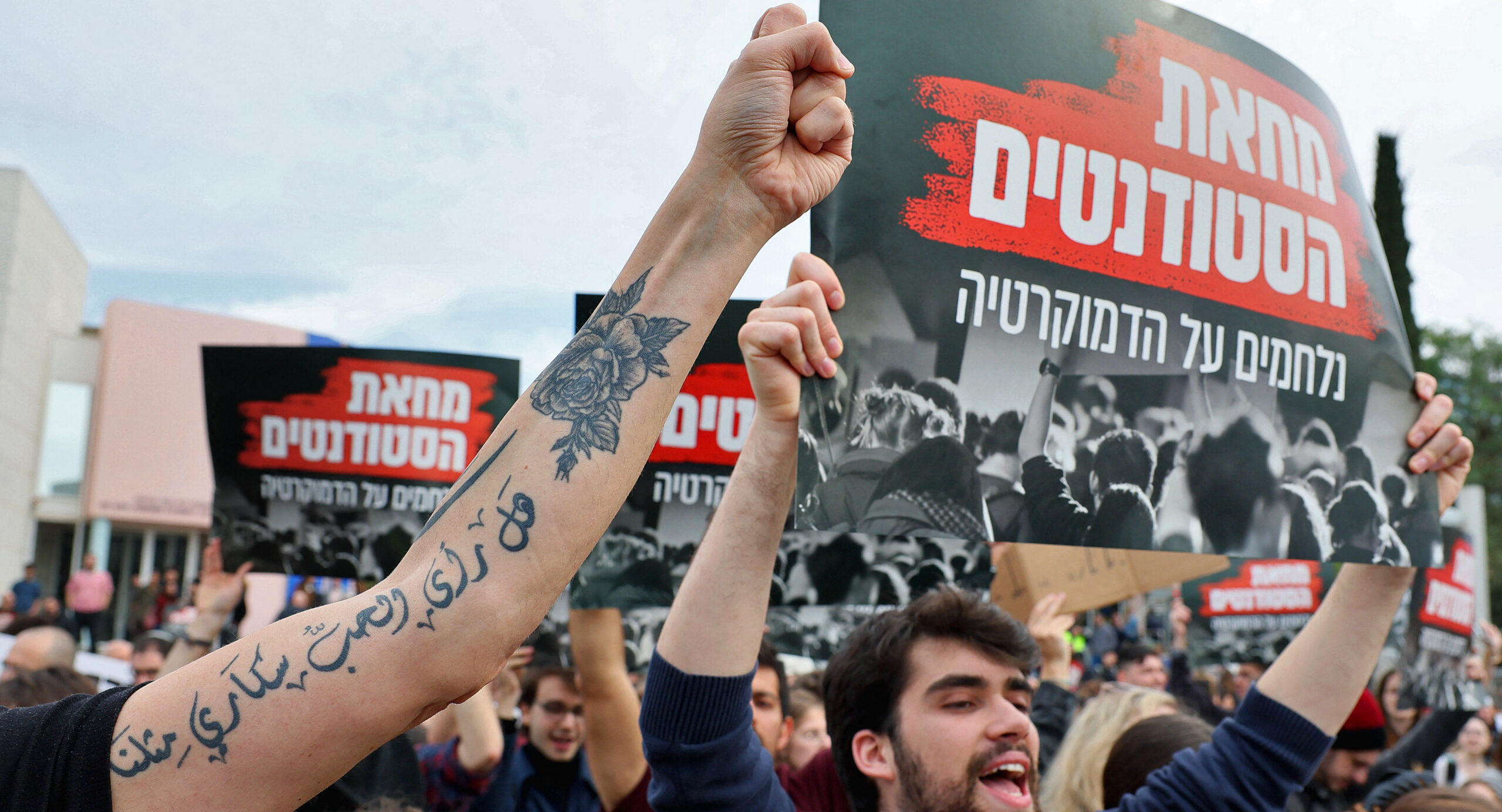
Israelis’ evolving pushback to democratic erosion under Netanyahu
A movement of Israelis who resist the new Netanyahu government is crystallizing and taking initial steps to push back against democratic erosion. It will need to evolve quickly and effectively to make an impact and could benefit from some international helping hands along the way.
Climate-induced migration in the GCC states: A looming challenge
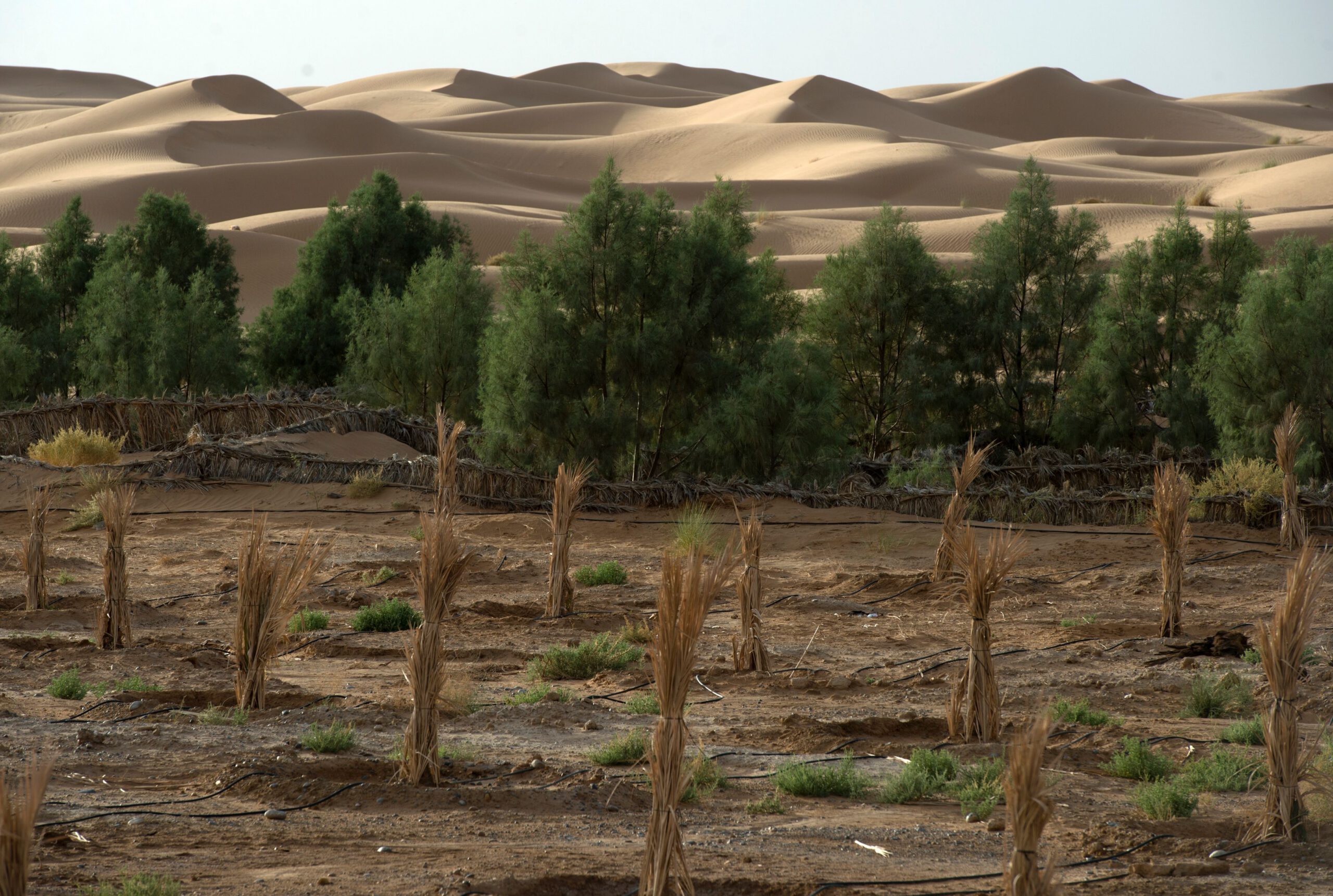
Gulf states are collectively investing billions of dollars in developing renewable energy. Yet climate change patterns in neighboring regions, combined with rising average temperatures, could eventually trigger more serious climate migration problems for the Gulf countries themselves.
What the UN vote tells us about international sentiments and Israeli diplomacy
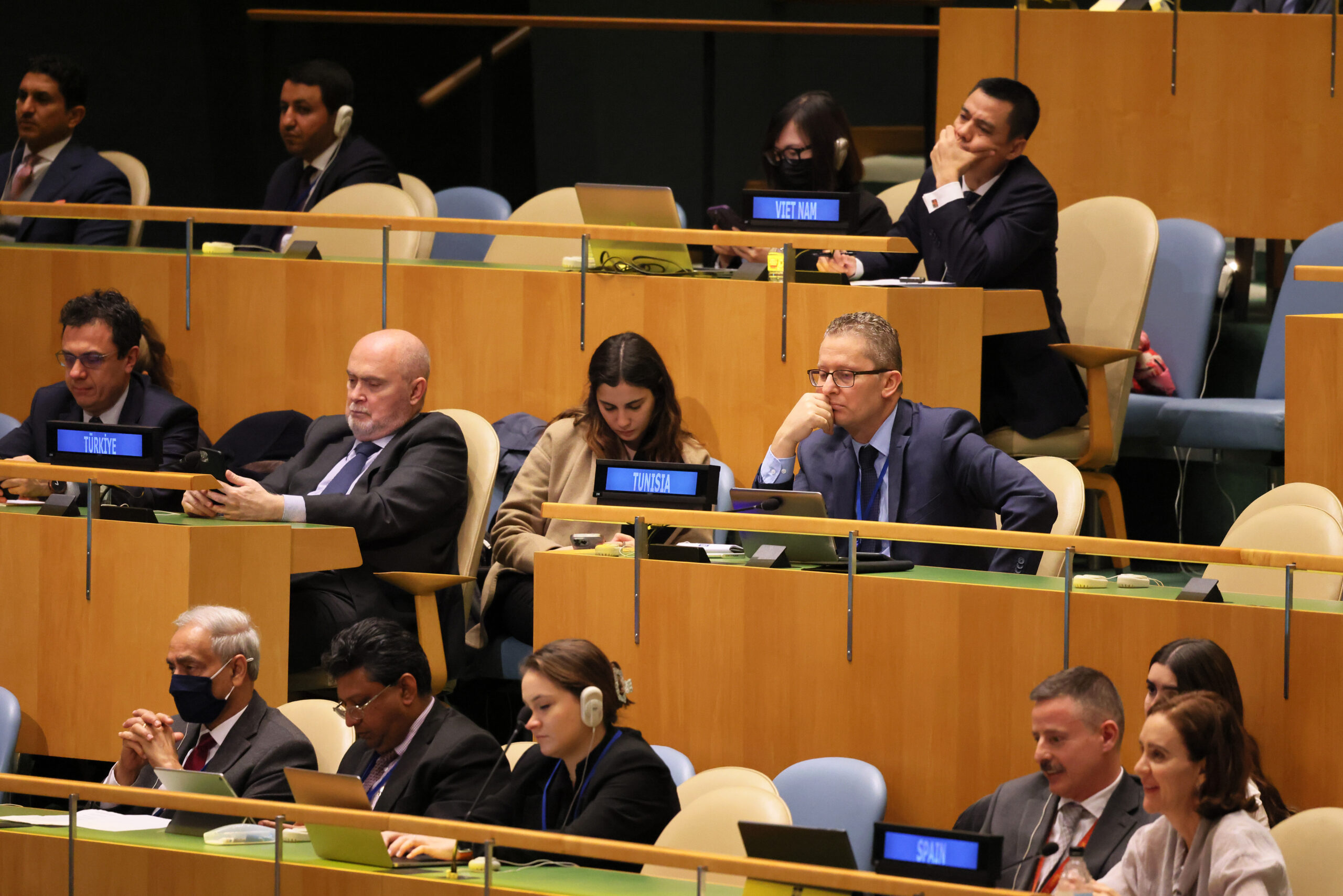
The Dec. 30 vote at the United Nations General Assembly (UNGA) regarding Israel reflected once again that the international community does not generally accept the Israeli narrative regarding the Palestinian issue. It also highlights that the Palestinian issue, while not a top priority on the global agenda, is still one of concern around the world.
What the United Nations’ 6th Climate Assessment tells us about the Mediterranean’s climate future
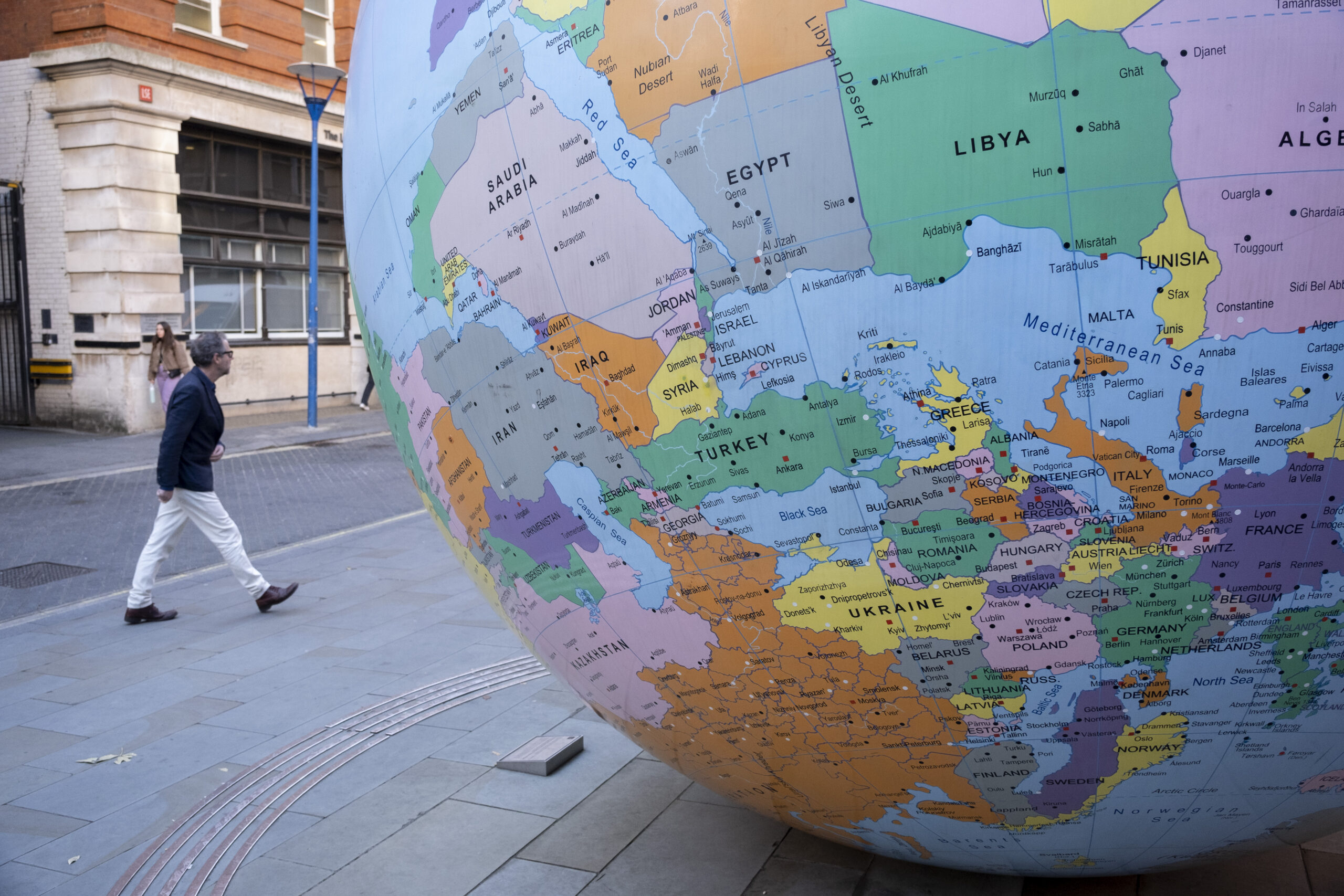
The latest U.N. IPCC report details the alarming changes that Mediterranean countries will experience in the coming decades due to climate change, highlighting three critical areas — warming and droughts, declining ecosystems, as well as socioeconomic and public health risks.
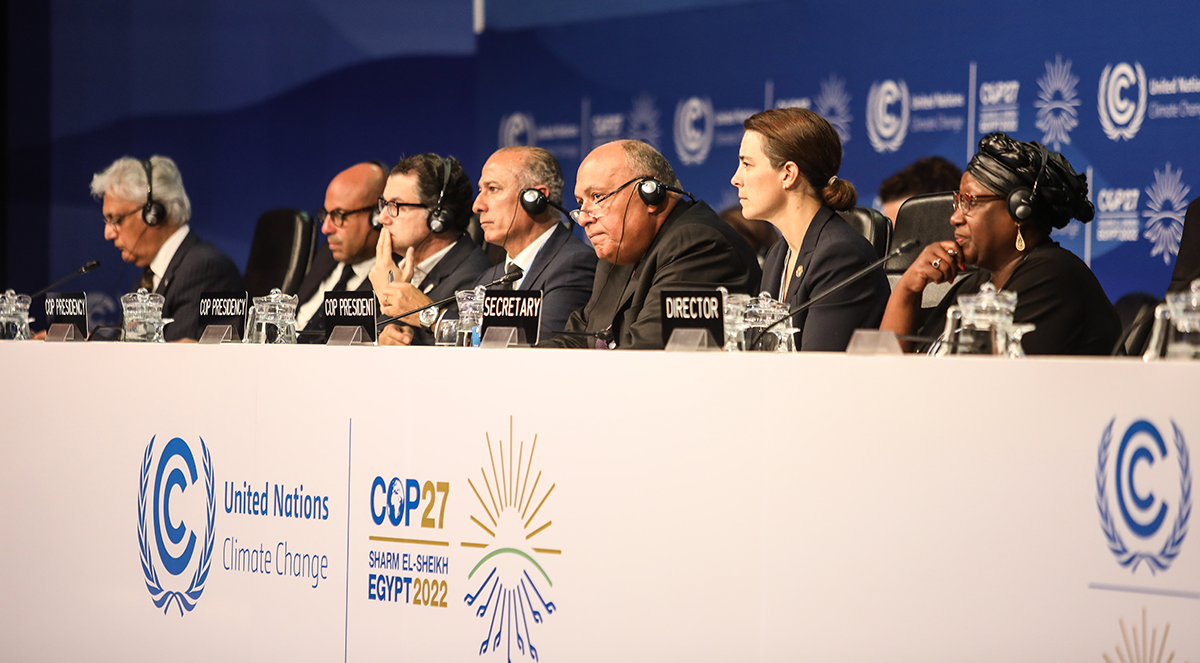
With COP27 concluded, we asked experts from across MEI, some of whom attended the meeting, to offer their perspectives on the developments that came out of the conference and what it means moving forward, especially for the Middle East and North Africa.
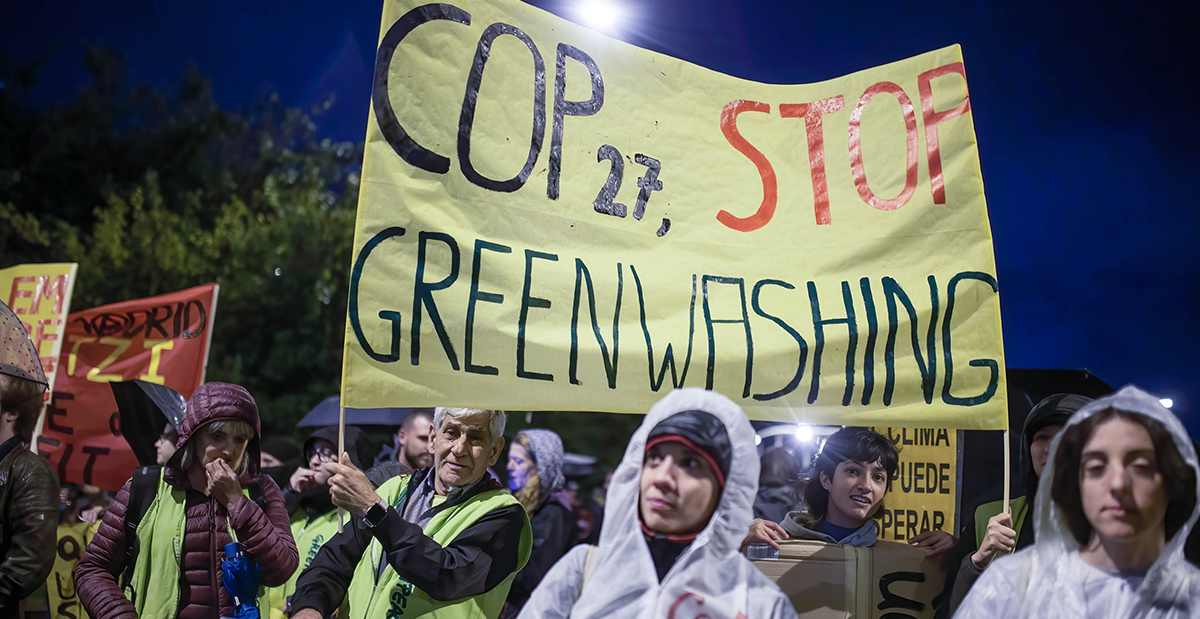
Many big polluters around the world, including in the Middle East and North Africa, use “greenwashing” to cover up their environmentally detrimental practices by claiming they are sustainable, eco-friendly, and low carbon in an effort to deceive people about climate action. This creates the false impression that everything has changed without actually changing anything at all.
Morocco and Israel: Economic Opportunities, Military Incentives, and Moral Hazards
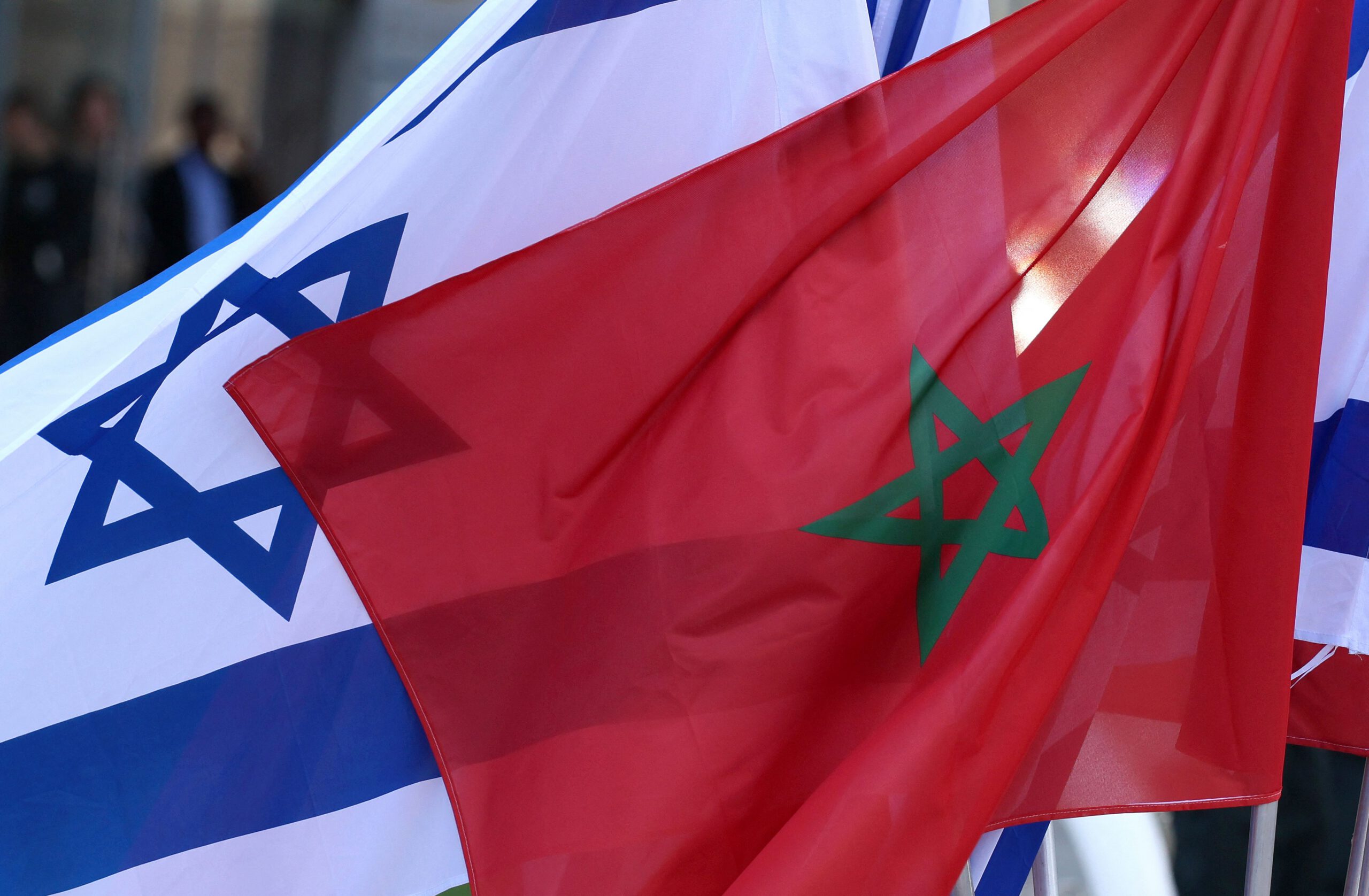
The December 2020 Moroccan-Israeli normalization deal has evolved from a vehicle enabling Morocco to gain long-sought U.S. recognition of its claims on Western Sahara to a broader strategic partnership with Israel. But the relationship further strains relations with neighboring rival Algeria.