Skip to Content

Research & Commentary Results

Filter by
1525 Results
The return of the pharaohs: The rise of Egypt’s civilization-state
Photo by KHALED DESOUKI/AFP via Getty Images
  • Analysis
  • The return of the pharaohs: The rise of Egypt’s civilization-state

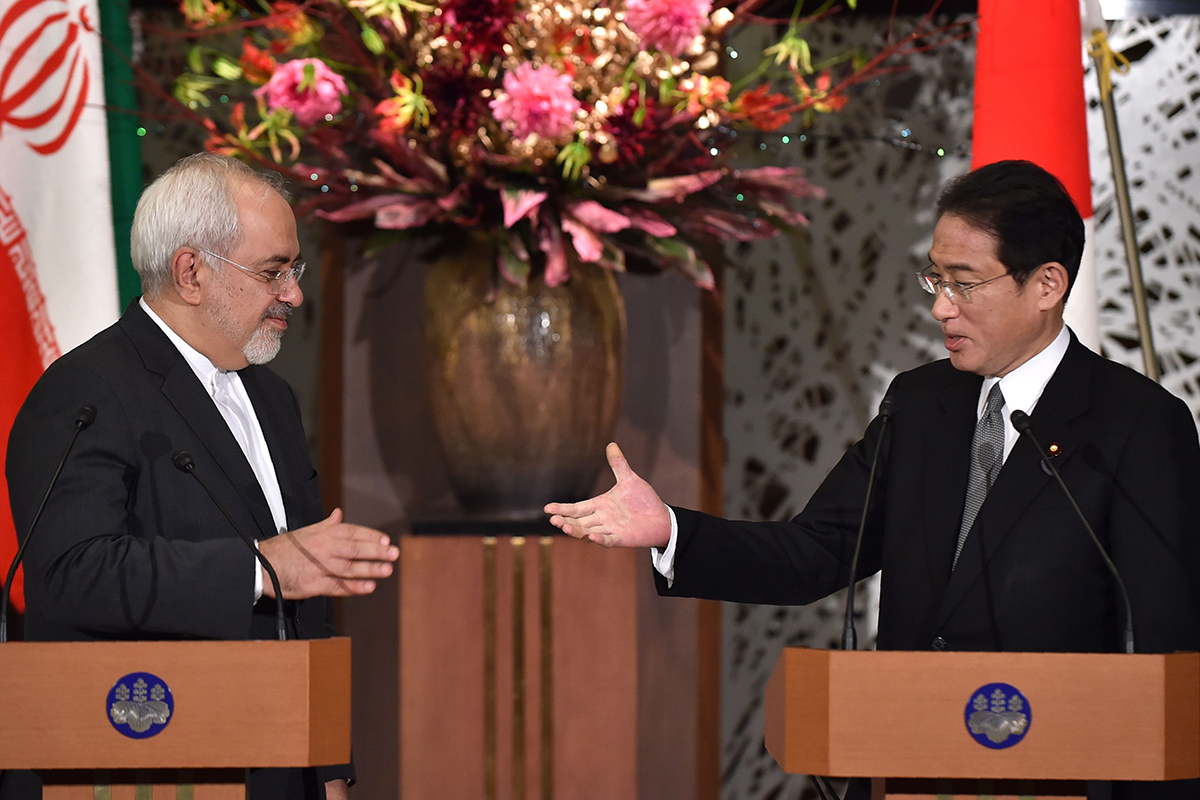
    After decades of soul searching to define itself as a state, Egypt is building its own civilization-state and seeks to join an emerging club of nations that center historical and cultural tradition in their policy and governance structures and reject the West’s cultural dominance. The civilization-state is the prism through which Western capitals should view and understand Egypt’s domestic and foreign policy moves. 

    East Med gas needs clean tech and regional integration to support investment case
    Photo by Athanasios Gioumpasis/Getty Images
  • Analysis
  • East Med gas needs clean tech and regional integration to support investment case

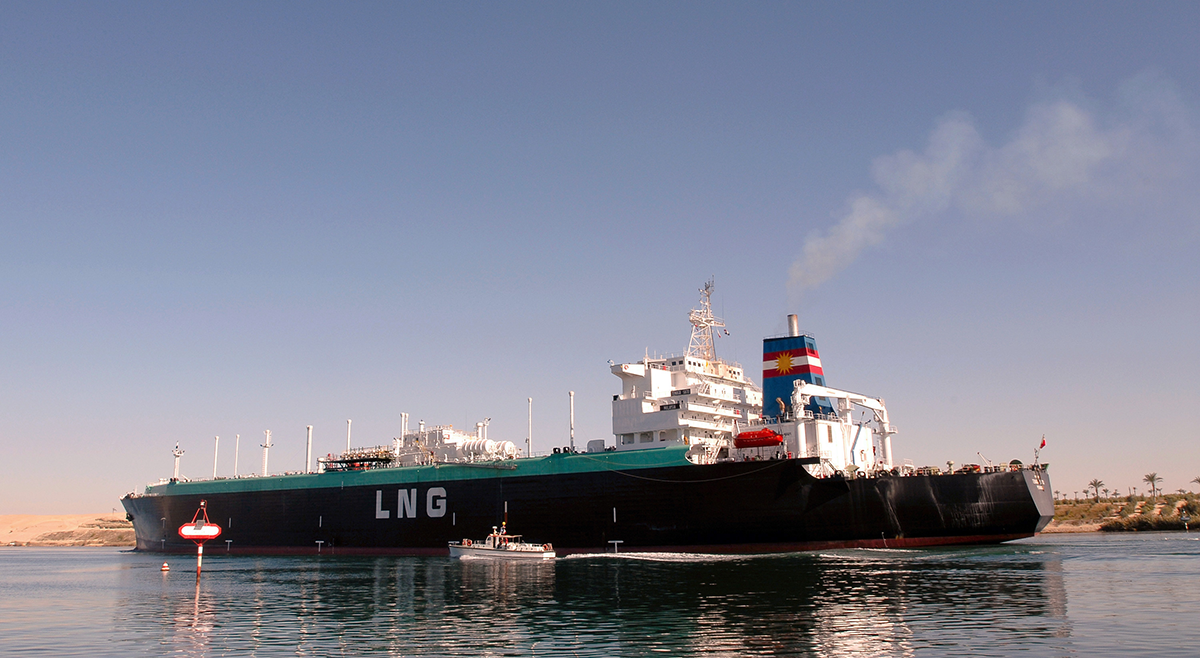
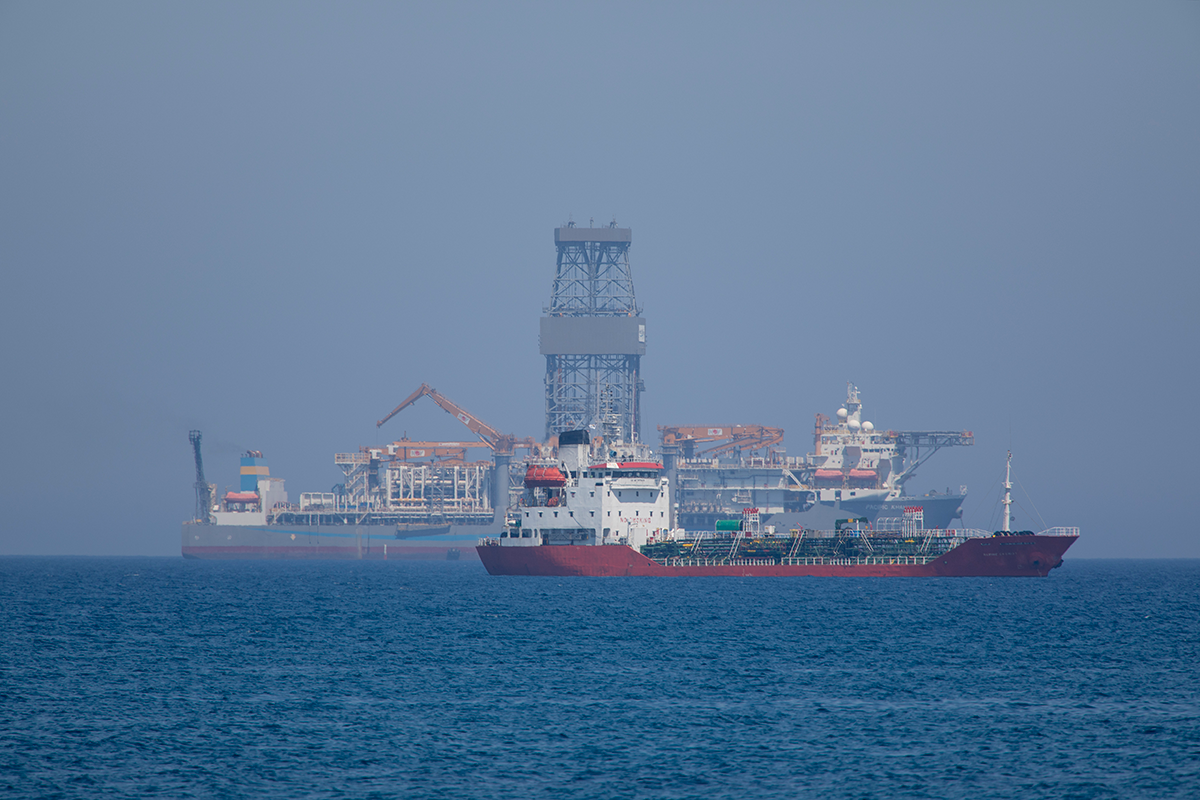
    The viability of Eastern Mediterranean natural gas resources has long been a source of debate for reasons including cost considerations, market demand, and regional geopolitical tensions. The past couple of years have further complicated the debate, introducing new questions about the role of these resources in supporting post-pandemic economic recovery or helping more advanced markets achieve net-zero policies by replacing coal and other fuel sources (a particularly relevant topic of debate given Europe and Asia are key export targets for East Med gas).

    September 14, 2021

    Budget dust: Better approaches for security and sustainability — lessons learned from Iraq and Afghanistan
    Photo by MARCUS YAM/LOS ANGELES TIMES/GETTY IMAGES
  • Analysis
  • Budget dust: Better approaches for security and sustainability — lessons learned from Iraq and Afghanistan

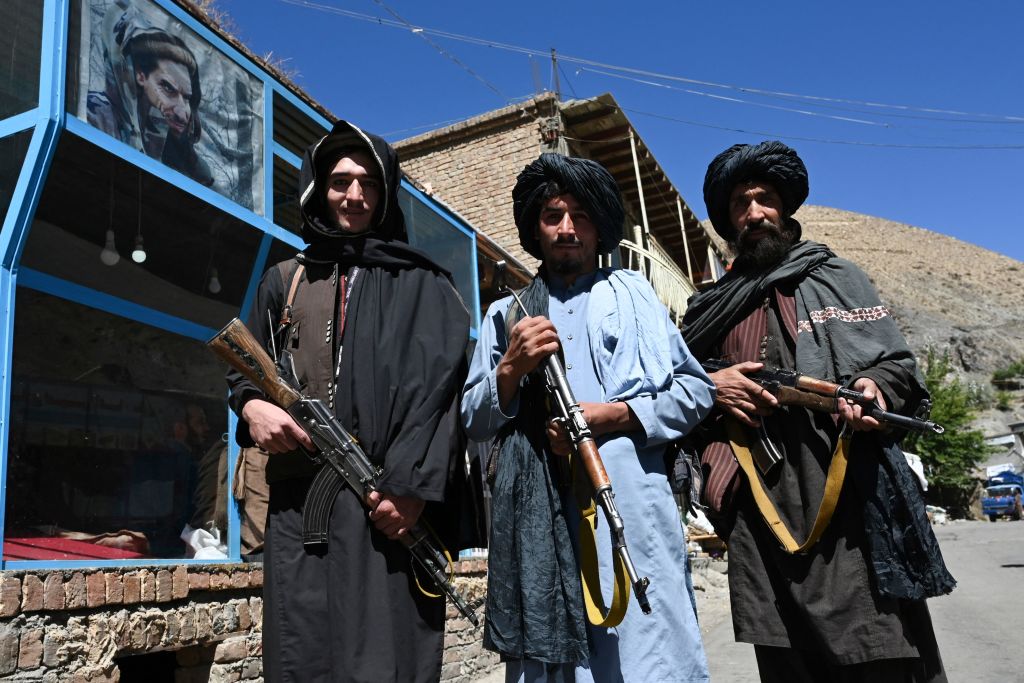
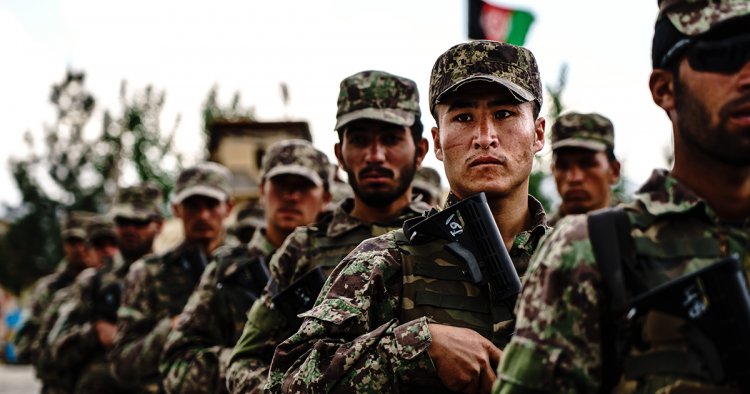
    It took the Taliban just three and a half months to undermine a 20-year international effort to build a competent Afghan military. The Afghanistan National Army (ANA) collapsed once it was clear the U.S. was pulling out ground troops and ceasing air support operations after two decades of training and sustainment that cost the American taxpayer approximately $83 billion. When required to stand alone, against a Taliban force, the ANA failed unequivocally. Building the ANA as a mirror image of the U.S. military was strategically and operationally flawed. If they are designed to fight like the U.S. but cannot fight in the absence of U.S. forces, they are ineffective. What lessons should we learn from this and how could our approach be different in the future?

    9/11’s legacy for U.S.-Middle East relations
    Middle East Institute
  • Podcast
  • 9/11’s legacy for U.S.-Middle East relations

    Ross Harrison, Paul Salem, and Randa Slim join host Alistair Taylor to reflect on 9/11’s impact on US policy in the Middle East over the past 20 years and how its legacy has been viewed by the region.

    September 9, 2021

    Baghdad, Beirut, and the politics of Lebanon’s power crisis
    Photo by AFP via Getty Images
  • Analysis
  • Baghdad, Beirut, and the politics of Lebanon’s power crisis

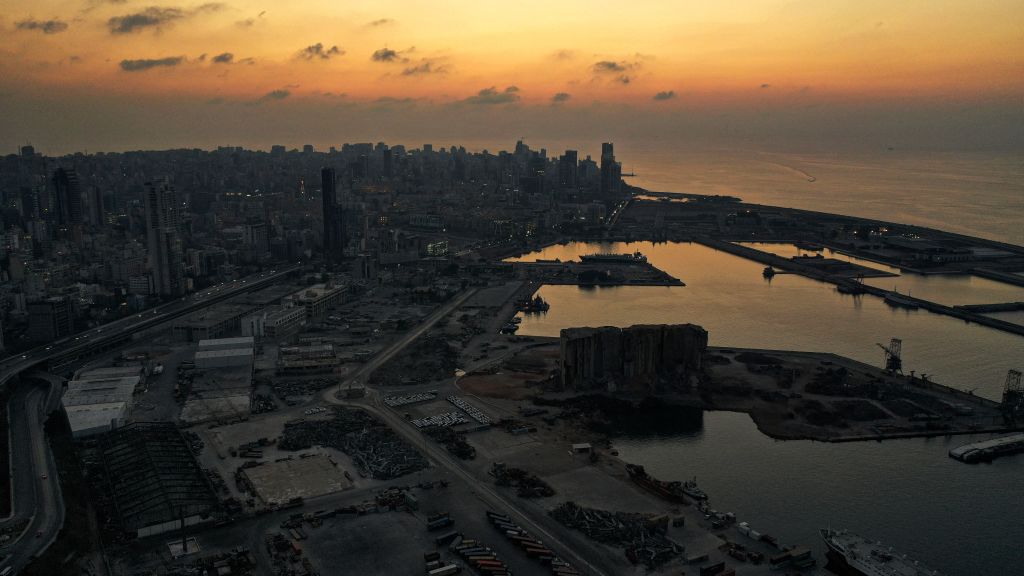
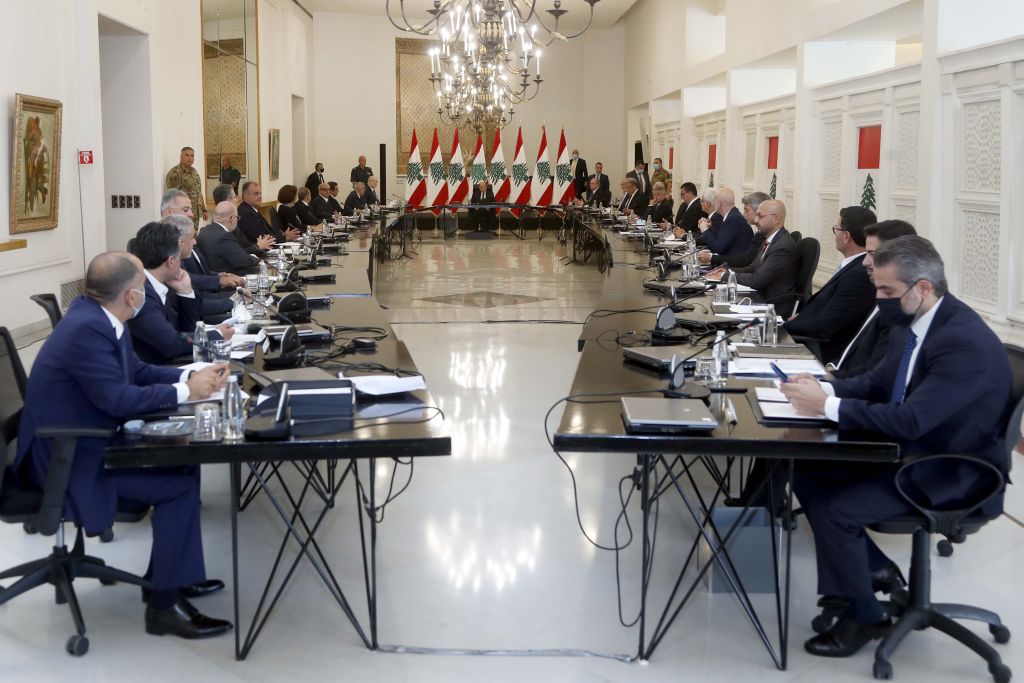
    On July 24, Beirut and Baghdad signed a governmental framework agreement under which Iraq pledged 1 million tons of heavy fuel oil to Lebanon over a full year.

    September 7, 2021

    A Case Study in Irregular Warfare
    Middle East Institute
  • Podcast
  • A Case Study in Irregular Warfare

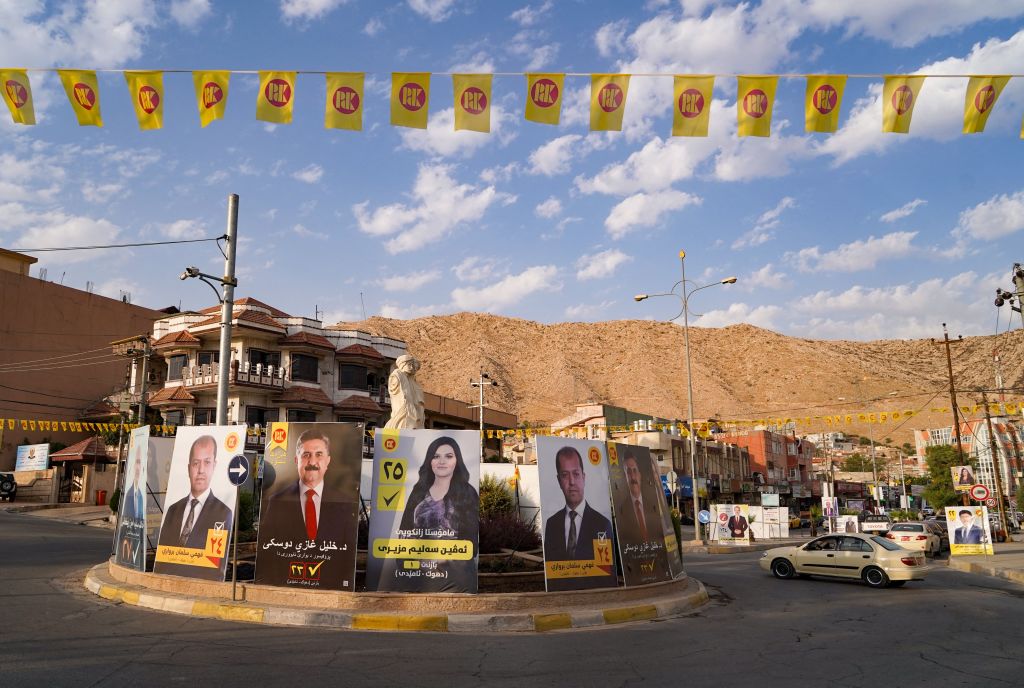
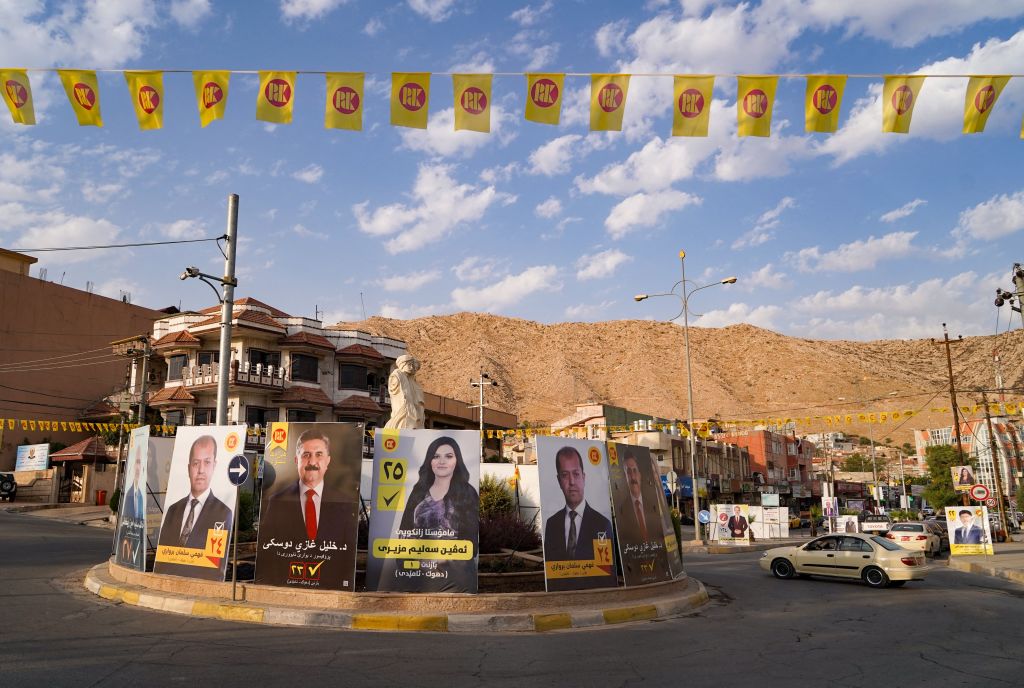
    Mick Mulroy and Ken Tovo join host Alistair Taylor to discuss their recent paper on how US intelligence and military operatives effectively collaborated with local Kurdish partners in Northern Iraq in the early 2000s, why it was a successful partnership, and what lessons it may provide for future operations. The paper, “Irregular Warfare: A Case Study in CIA and US Army Special Forces Operations in Northern Iraq, 2002-03,” is available now on MEI’s website.

    September 1, 2021

    Egypt needs a more inclusive approach to subsidy reform
    Photo by Shawn Baldwin/Bloomberg via Getty Images
  • Analysis
  • Egypt needs a more inclusive approach to subsidy reform

    Speaking at a public event earlier this month, Egyptian President Abdel-Fattah el-Sisi made the surprise announcement that the next step in the country’s economic reform agenda will include the removal of bread subsidies. He becomes the latest in a long line of presidents to target the bread subsidies that provide cheap sustenance to a country of (now) over 100 million people at a huge cost to the state, although none of his predecessors ever successfully managed to remove or significantly reduce them.

    August 25, 2021

    إسرائيل ومصر تتصدران توقعات النمو في الشرق الأوسط وشمال إفريقيا: قصة استراتيجيتين متباينتين
  • Commentary
  • إسرائيل ومصر تتصدران توقعات النمو في الشرق الأوسط وشمال إفريقيا: قصة استراتيجيتين متباينتين

    الدولتان في الشرق الأوسط اللتان تتمتعان بأعلى توقعات نمو لعام 2022 هما إسرائيل ومصر. وتقدر مؤسسة فيتش سوليوشنز أن الناتج المحلي الإجمالي على مستوى منطقة الشرق الأوسط وشمال إفريقيا سينمو بنسبة 3.6% في عام 2021، بعد انكماش بنسبة 4% في عام 2020. هنا نجد أن مصر وإسرائيل هما الدولتان الوحيدتان في المنطقة اللتان يُتوقع نمو اقتصادهما بما يتجاوز حجم مستويات ما قبل كوفيد-19.

    Israel and Egypt top growth expectations in MENA: A tale of two divergent strategies
    Photographer: Kobi Wolf/Bloomberg via Getty Images
  • Analysis
  • Israel and Egypt top growth expectations in MENA: A tale of two divergent strategies

    The two countries in the Middle East with the highest growth expectations for 2022 are Israel and Egypt. Fitch Solutions estimates that MENA-wide GDP will grow by 3.6% in 2021, after a contraction of 4% in 2020. Egypt and Israel are the only countries within the region expected to grow their economies beyond the size of their pre-COVID-19 levels for 2021.

    Russia and the GERD: An uneasy balancing act
    Photo by Russian Foreign MinistryTASS via Getty Images
  • Analysis
  • Russia and the GERD: An uneasy balancing act

    Since late June, Russia has expanded its diplomatic involvement in the Grand Ethiopian Renaissance Dam (GERD) dispute between Egypt, Sudan, and Ethiopia. While Russia has offered technical assistance to the GERD’s conflicting parties, it has refrained from inserting itself into the Nile dam dispute as a mediator and instead balanced the views of Egypt, Sudan, and Ethiopia in multilateral fora. Russia’s balancing strategy has been positively received in Sudan and Ethiopia but has created latent frictions with Egypt. Russia has persisted with this non-interference policy, as it has largely prevented a spillover of tensions over the GERD to other areas of cooperation with Egypt and believes that its position will help consolidate its partnership with Ethiopia.

    August 16, 2021

    Irregular Warfare: A Case Study in CIA and US Army Special Forces Operations in Northern Iraq, 2002-03
    Photo Patrick Barth/Getty Images
  • Analysis
  • Irregular Warfare: A Case Study in CIA and US Army Special Forces Operations in Northern Iraq, 2002-03

    Irregular warfare (IW) is increasingly common in the 21st century and the U.S. must learn from its successful experiences with it and apply those lessons to great power competition. For the past two decades the CIA and Army Special Forces have demonstrated how to leverage interagency relationships and apply complementary capabilities to achieve successful IW outcomes. The CIA/Army Special Forces partnership in Northern Iraq during the invasion of Iraq demonstrates the value of this interagency team and provides lessons and a model for the conduct of IW in the future.