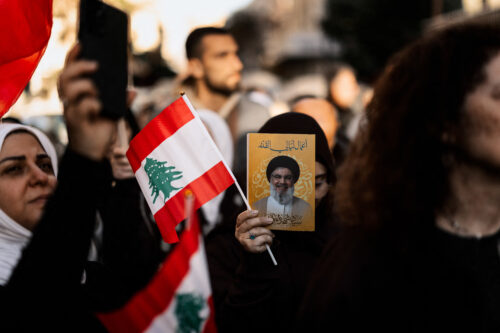
US President Donald Trump recently proposed that Syria intervene militarily against Hizballah in Lebanon. Is that a good idea? This episode of Middle East Focus features a recent MEI Virtual Briefing. Director of Communications Zeina Al-Shaib is joined by Ambassador David Hale, MEI Distinguished Diplomatic Fellow and Charles Lister, MEI Senior Fellow. Together they examine the prospects and implications of renewed Syrian involvement in Lebanon, the potential impact on US relations with both countries, and how evolving dynamics in Lebanon and Syria could reshape the regional balance of power and affect countries such as Turkey and Israel.
The 2026 Iran war has made Lebanon a core Gulf security concern, and Saudi Arabia, the UAE, and Qatar now have a narrow opportunity to curb Hizballah’s influence by leading reconstruction, strengthening Lebanese state institutions, and tying economic re-engagement to reform.
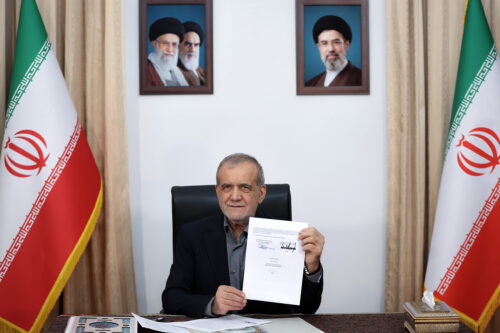
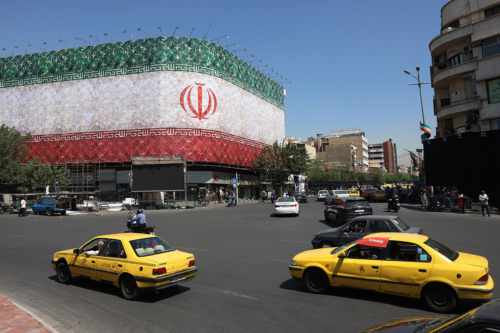
Unconditional surrender of an adversary is possible only if the victor conducts unconditional war, which the American public clearly was not prepared for in the conflict with Iran. Ending this conflict was always going to entail some compromises. The U.S.-Iran MOU is being oversold by virtually everyone. The tangible parts of it are a ceasefire, sanctions relief for Iran and the reopening of Hormuz. Everything else in the agreement is conditioned to good faith negotiations on Iran’s nuclear program.
Iran: What’s Next for US Policy as the Region Seeks to Move On
As the US and Iran move to reopen the Strait of Hormuz, the war’s real lesson lies in how Gulf states rapidly adapted — building pipelines, ports, and rail to bypass the chokepoint. Washington should seize this momentum, pursuing a “long game” of regional connectivity that serves shared security and economic interests.
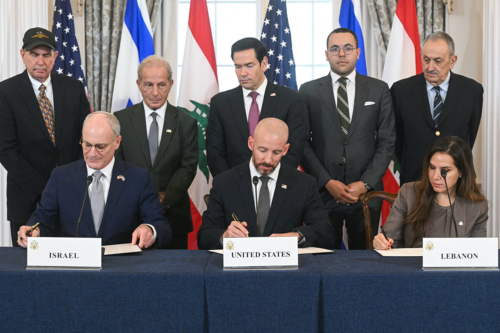
A fragile cease-fire between Lebanon and Israel is barely holding as military delegations from both countries arrive in Washington for a new round of direct talks scheduled for this Friday. But diplomatic success could mean new strategic opportunities for the Lebanese nation. Guest host and MEI Senior Fellow Brian Katulis is joined by Lebanese Member of Parliament Fouad Makhzoumi to unpack the challenges facing the Lebanese government today, Hizballah’s influence over state institutions, and what all of this means for the country’s future. Makhzoumi also reflects on his personal journey and what inspired him to transition from business to politics in an effort to help shape a better life for his granddaughters in Lebanon.
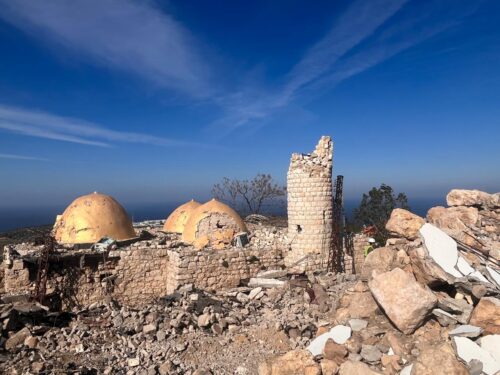
The news from Lebanon reads like a litany of loss. Since the war began more than two months ago, not only have 2,882 people been killed and 8,768 wounded, according to Lebanon’s Health Ministry, but once again multiple heritage sites — especially those in the south — have been damaged and destroyed. Indeed, Lebanese heritage, inexorably linked to its peoples, shares in their vulnerability and suffering.
Despite efforts to extend the cease-fire in Lebanon and disarm Iranian proxy Hizballah, fighting continues between the militant group and Israeli forces. Hosts Alistair Taylor and Matthew Czekaj are joined by MEI Senior Fellow Fadi Nicholas Nassar to examine what the renewed fighting means for attempts to counter Iranian influence in Lebanon and what could lie ahead. They discuss the prospects for a lasting agreement, Iran’s broader proxy strategy, and how Washington can help strengthen the sovereignty of the Lebanese state.
America Cannot Afford to Miss This Opening in Lebanon
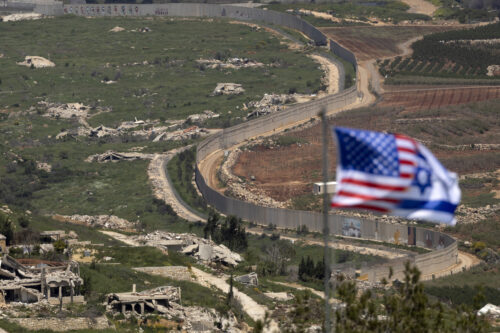
President Donald Trump has an opportunity to do something no American president has managed in nearly half a century: end the war between Israel and Lebanon for good.
The US Has Secured a Cease-Fire in Lebanon. But Its Role Shouldn’t End There
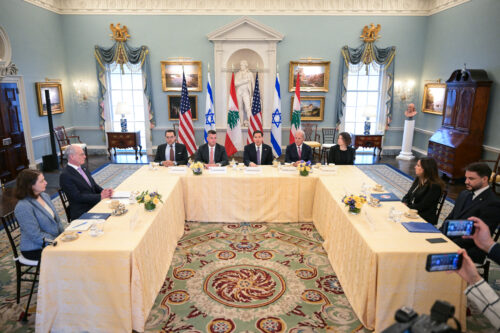
Last Thursday, the US announced a 10-day cease-fire “to enable peace negotiations between Israel and Lebanon”. The State Department statement – reportedly agreed to by both governments – marked a significant diplomatic shift. It included an affirmation that “the two countries are not at war,” a commitment to work toward “full recognition of each other’s sovereignty and territorial integrity,” as well as “achieving a permanent agreement that ensures lasting security, stability, and peace.”
As Lebanese, Israeli, and American teams prepare for their first-ever trilateral leaders summit, it is time to reflect on this opportunity and lessons from the past.
Currency Boards as Political Commitments: Comparative Experience, Gold Reserves, and the Lebanese Case
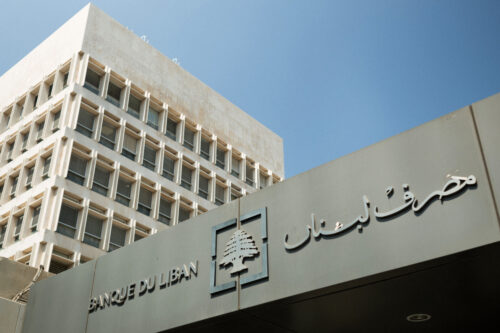
The following study discusses the role of Lebanon’s gold reserves in the establishment of a currency board and evaluates four policy options: a true currency board, constrained central bank reform, full dollarization, and a unified managed float. Gold reserves are relevant under all four. The conclusion is consistent across them: no monetary framework, however carefully designed and however well backed, can substitute for the prior political decision on who bears Lebanon’s losses and how the state will finance itself sustainably.
Lebanon at the Brink: War, Hizballah, and the Fate of Democracy
Israel’s escalating campaign against Iran-backed Hezbollah is rapidly turning Lebanon into one of the most unstable fronts in the wider US-Israel confrontation with Iran — pushing an already fragile state to the brink. The war is tearing at Lebanon’s sectarian and political fabric, displacing Shiite communities and deepening polarization between Hezbollah and its rivals.
Operation Epic Fury has created a dramatic opportunity in Lebanon that the US cannot afford to miss. Sustained leadership and support for the Lebanese Armed Forces can result in real disarmament, eliminating Hizballah as an Iranian proxy, and dealing Tehran another massive defeat that would further undermine the Iranian regime and help bring about its collapse.