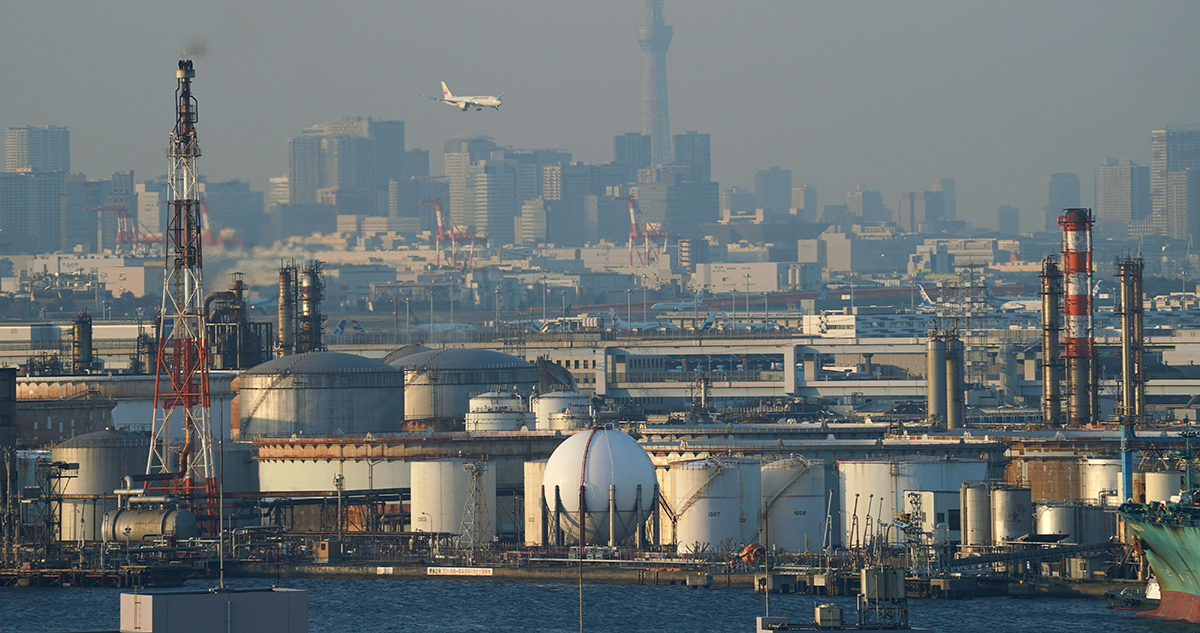
When Saudi Arabia suddenly announced in early April that it would reduce its oil production by 500,000 bpd, followed shortly thereafter by several other OPEC+ members, bringing the total cut to 1.1 million bpd, Japan was greatly concerned. In spite of Japan’s serious efforts to work toward a carbon-neutral society, the country is still heavily dependent on oil, the overwhelming majority of which comes from the Persian Gulf.
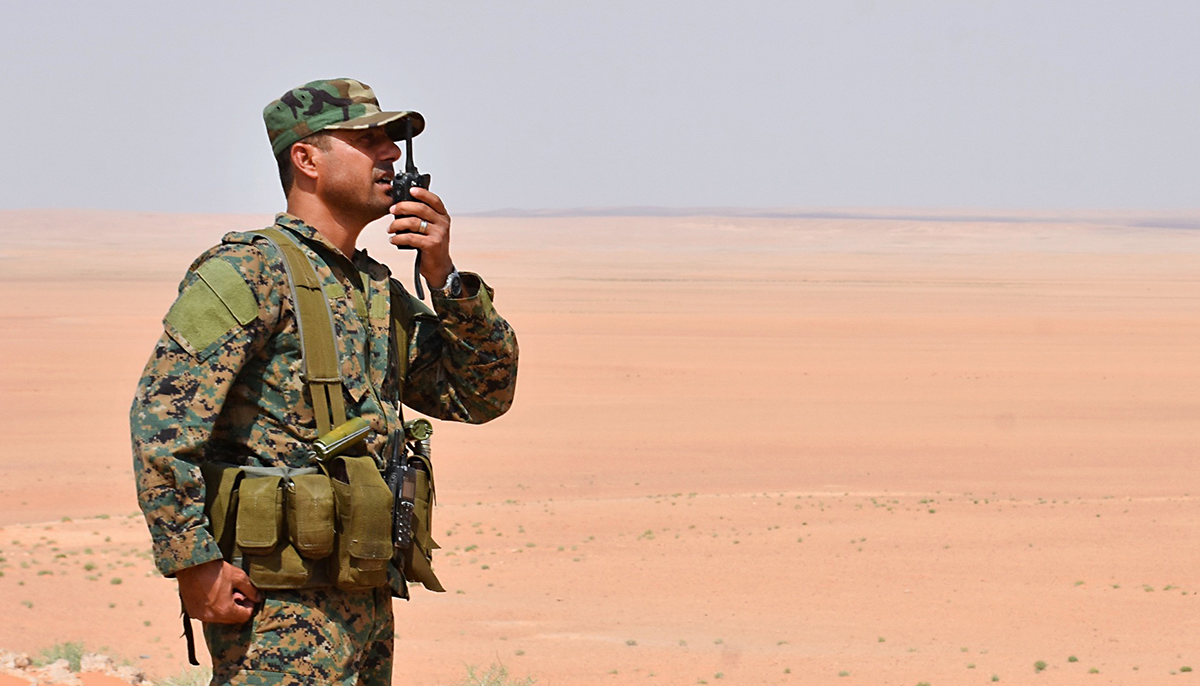
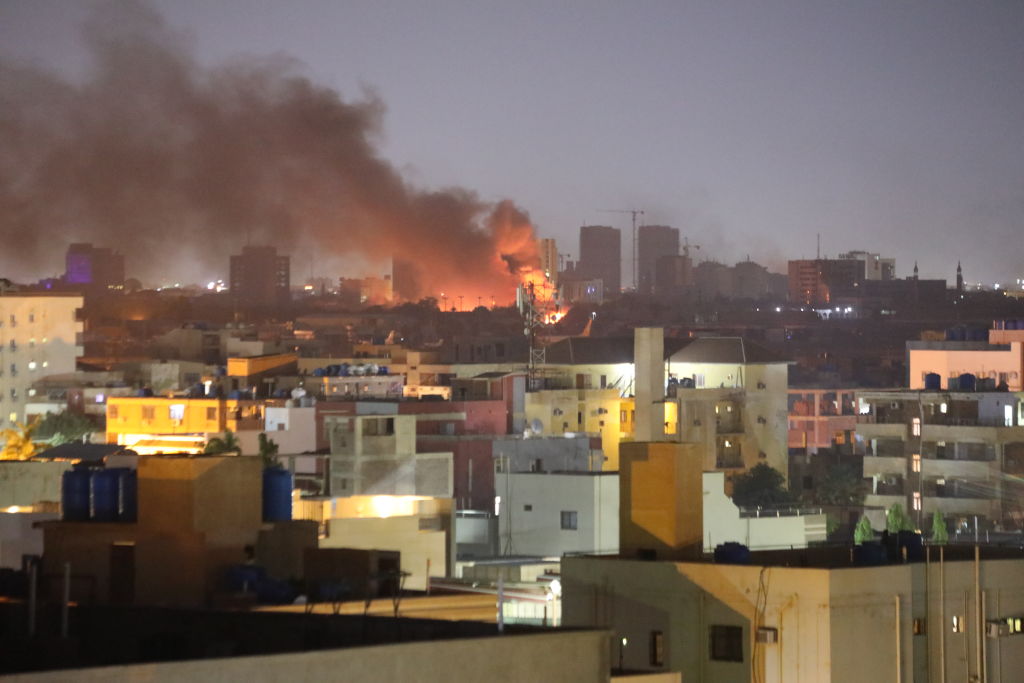
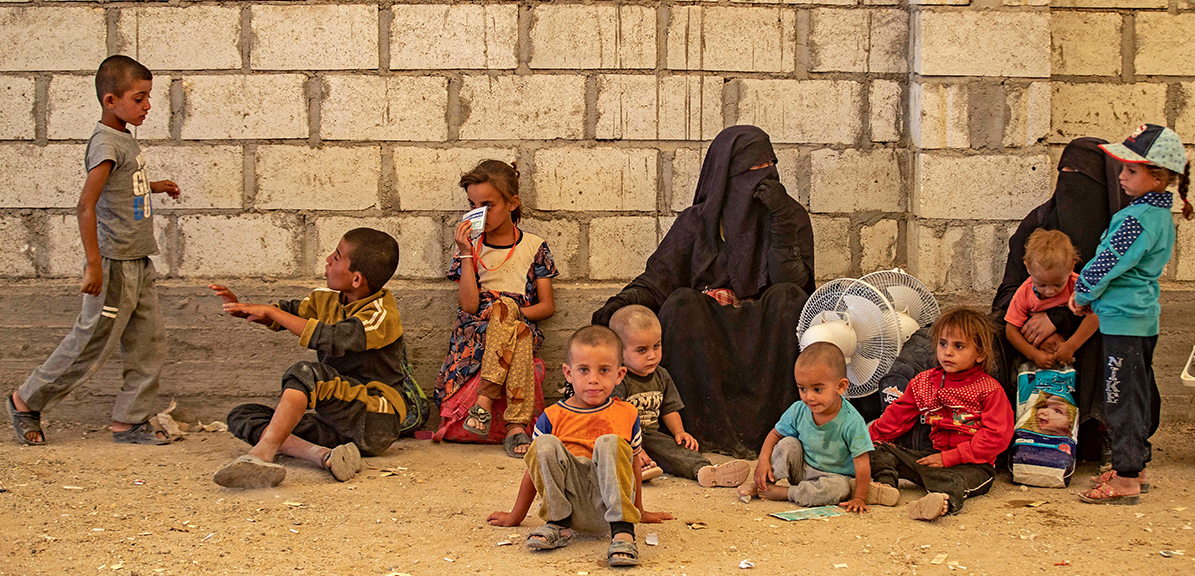
It has been an accepted fact that ISIS ceased being a territory-controlling entity in Syria after its March 2019 defeat in the town of Baghouz. Yet it is perhaps time to reevaluate this perspective on the group and its insurgent trajectory in the country. While recent massacres of civilians in central Syria have refocused some international attention on the desert region, known as the Badia, the renewed widespread battles between militants and regime security forces that have occurred in parallel to these attacks have gone unnoticed.
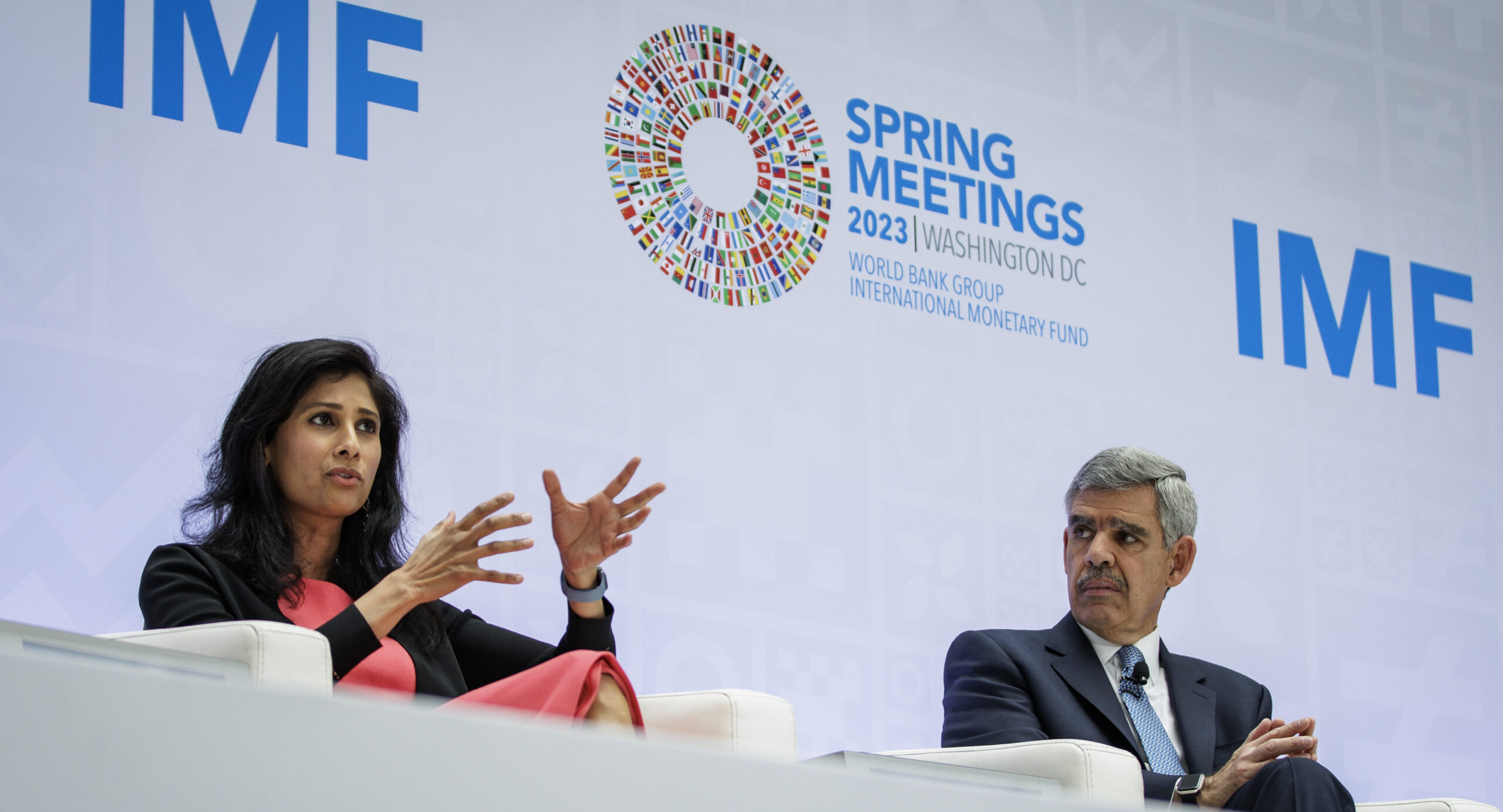
The road to Marrakech: US-China tensions loom over IMF/WB spring meetings
Last week’s spring meetings of the IMF and World Bank in Washington, D.C., were an important occasion for financial and economic leaders from the MENA region to meet with their counterparts from these IFIs and major bilateral donor countries. At the same time, they serve as a lead up to the important Annual Meetings that will be held in Marrakech, Morocco, in the fall — the first time they will be hosted by an Arab or African country.
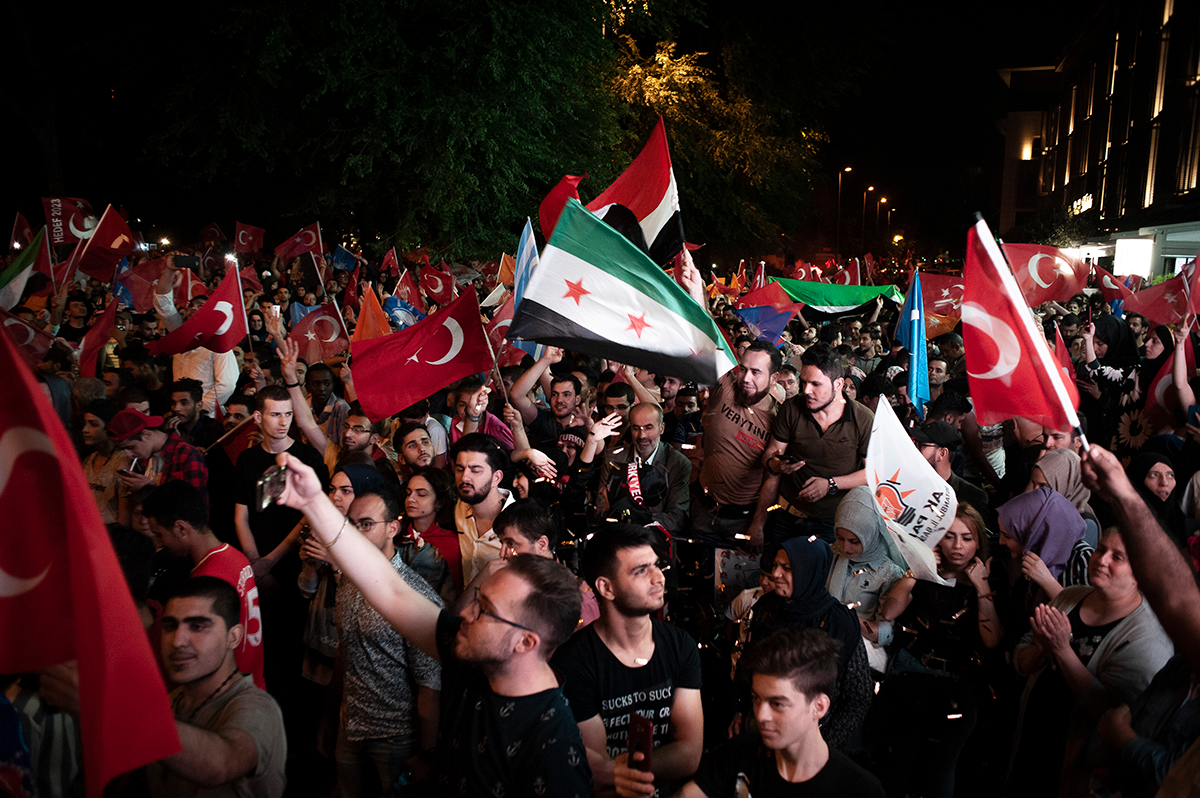
Naturalized Syrians are in the spotlight ahead of Turkey’s upcoming elections
The most consequential elections in Turkey’s recent history are less than a month away, set to be held on May 14. While the more than 200,000 Syrians who have been granted Turkish citizenship since their arrival in the wake of the Syrian war will not play a significant role in determining the outcome given their numbers, migration is a top campaign issue, putting them at the heart of the vote.
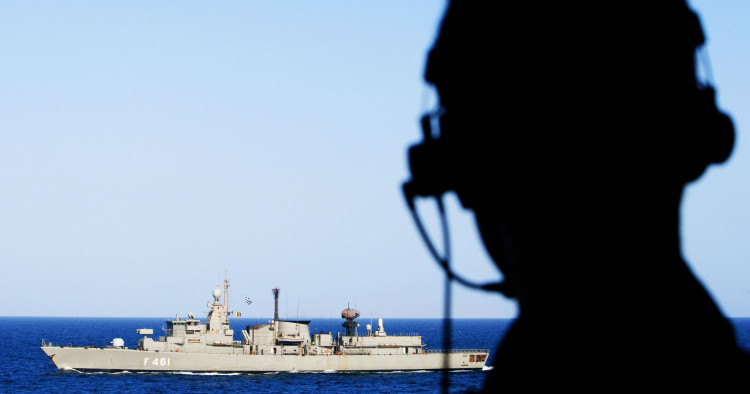
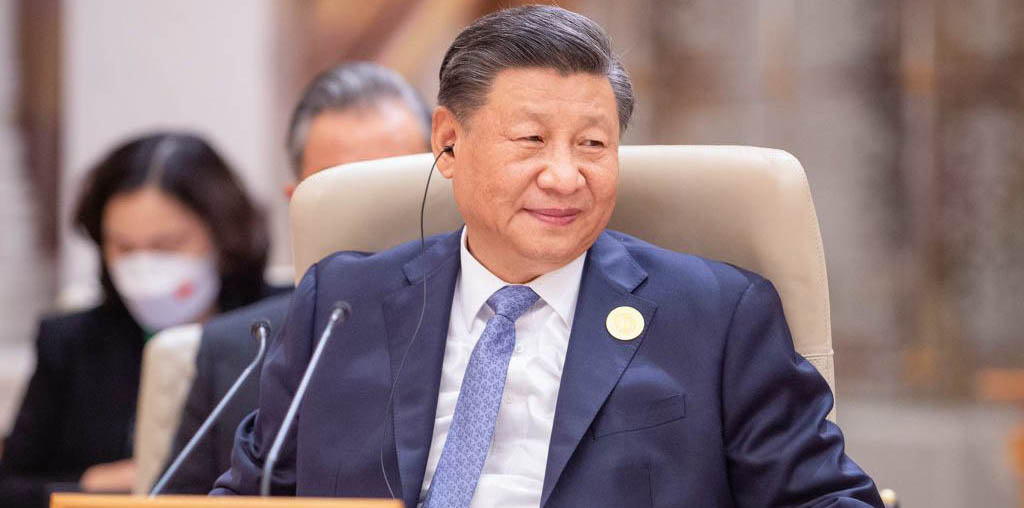
It is clear that the era of US hegemony in the Gulf, and the Middle East more broadly, is over. What is less certain is what security system will replace it and whether it will better serve regional security and US interests.
The Gulf is becoming a more crowded geopolitical space than ever, with external powers such as China, Russia and India increasing their involvement in the region to safeguard their economic interests, while local powers, most notably Saudi Arabia, the UAE and Qatar, are rising and pursuing a more independent foreign policy course.
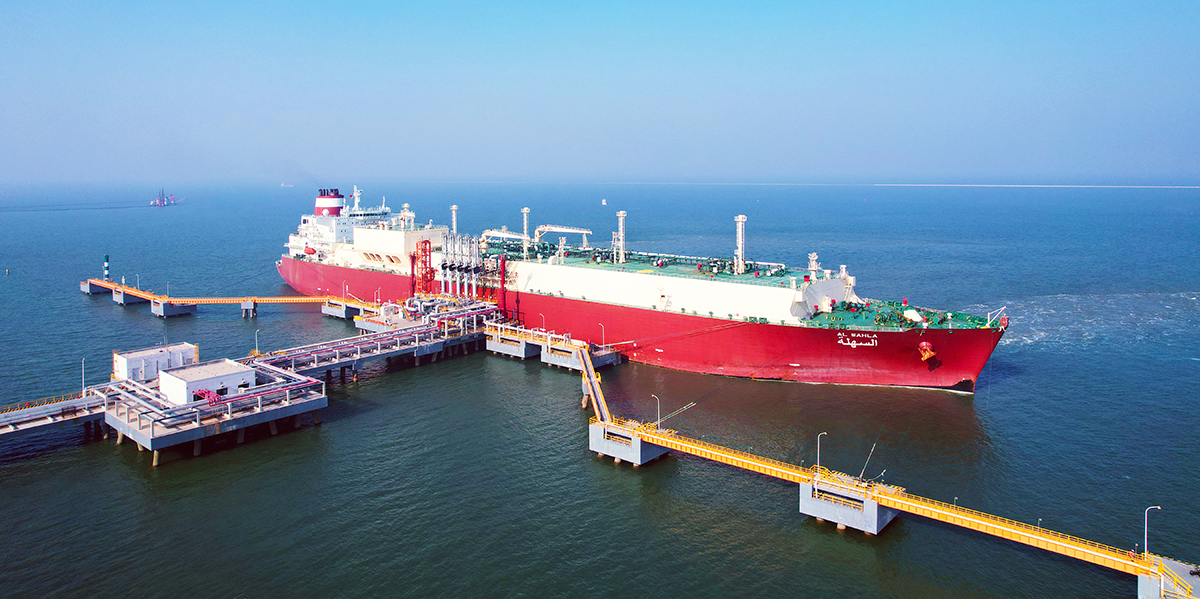
Qatar doubles down on LNG amid energy market volatility
The oil and gas sector has been the dominant driver of Qatar’s economy. Over the years, although that sector has remained the major focus of Qatari investments, the emphasis has increasingly shifted towards the expansion of the country’s gas production and LNG export capacity. While the construction boom ahead of the 2022 FIFA World Cup powered the Qatari economy in recent years, income generated by the expansion of the country’s LNG production and export capacity is likely to drive the economy for many years to come — both despite and partly because of the market turmoil caused by the fallout from Russia’s invasion of Ukraine in February 2022.
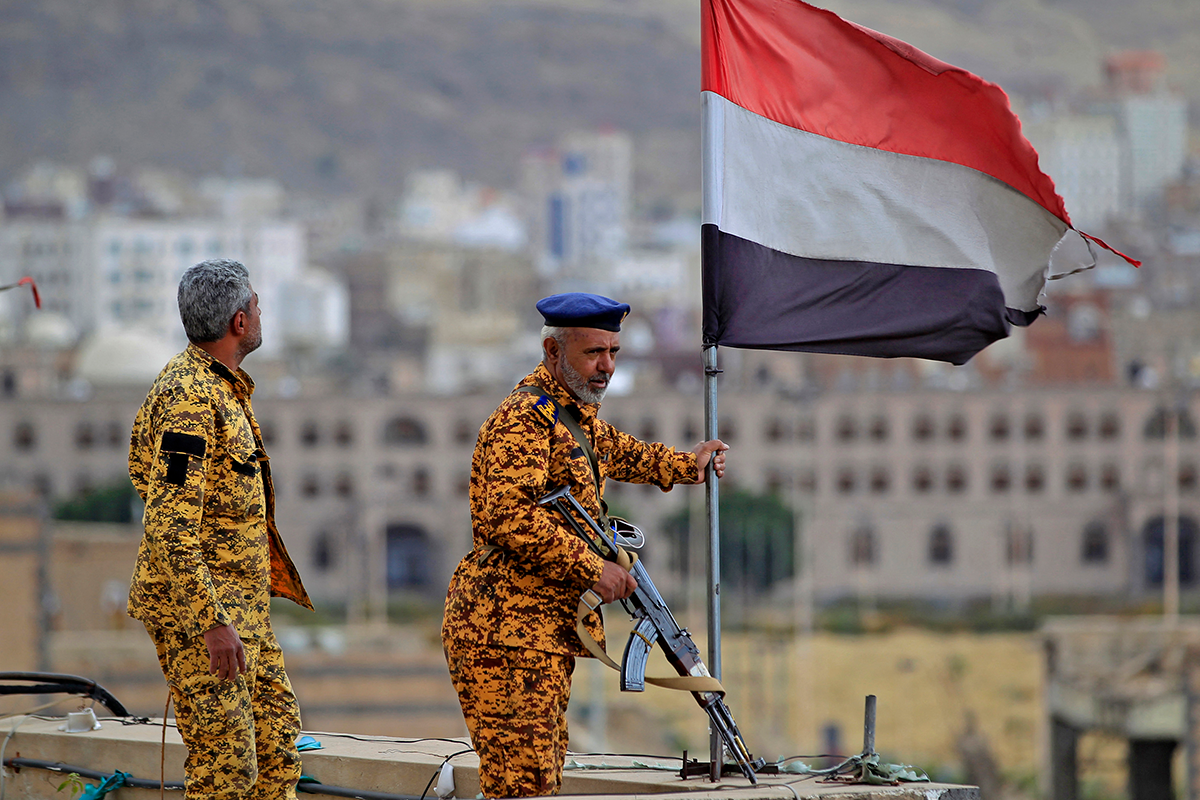
China and the Saudi-Iran rapprochement: Implications for Yemen
The conclusion of the China-brokered Saudi-Iranian détente on March 10, which aims to thaw long-standing enmity and manage competition between the two regional arch rivals, has multi-layered implications for Yemen.
Why the Iranian public remains silent in the face of Israeli attacks
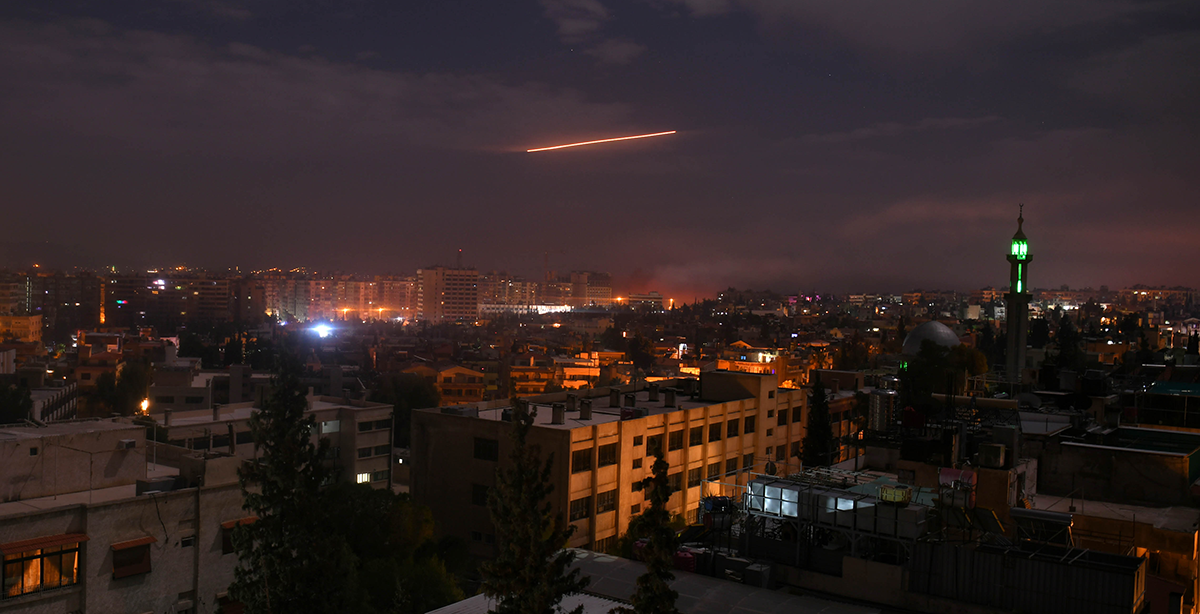
The silence from Iran is deafening. Judging by social media reactions and media reports from Iran, few, if any, members of the Iranian public seem to care that, since 2011, the Israeli air force has attacked Iranian and Iranian-affiliated positions in Syria on more than a thousand occasions, reportedly killing a number of Iranian members of the IRGC.
Arab women break boundaries and stereotypes in Middle Eastern militaries
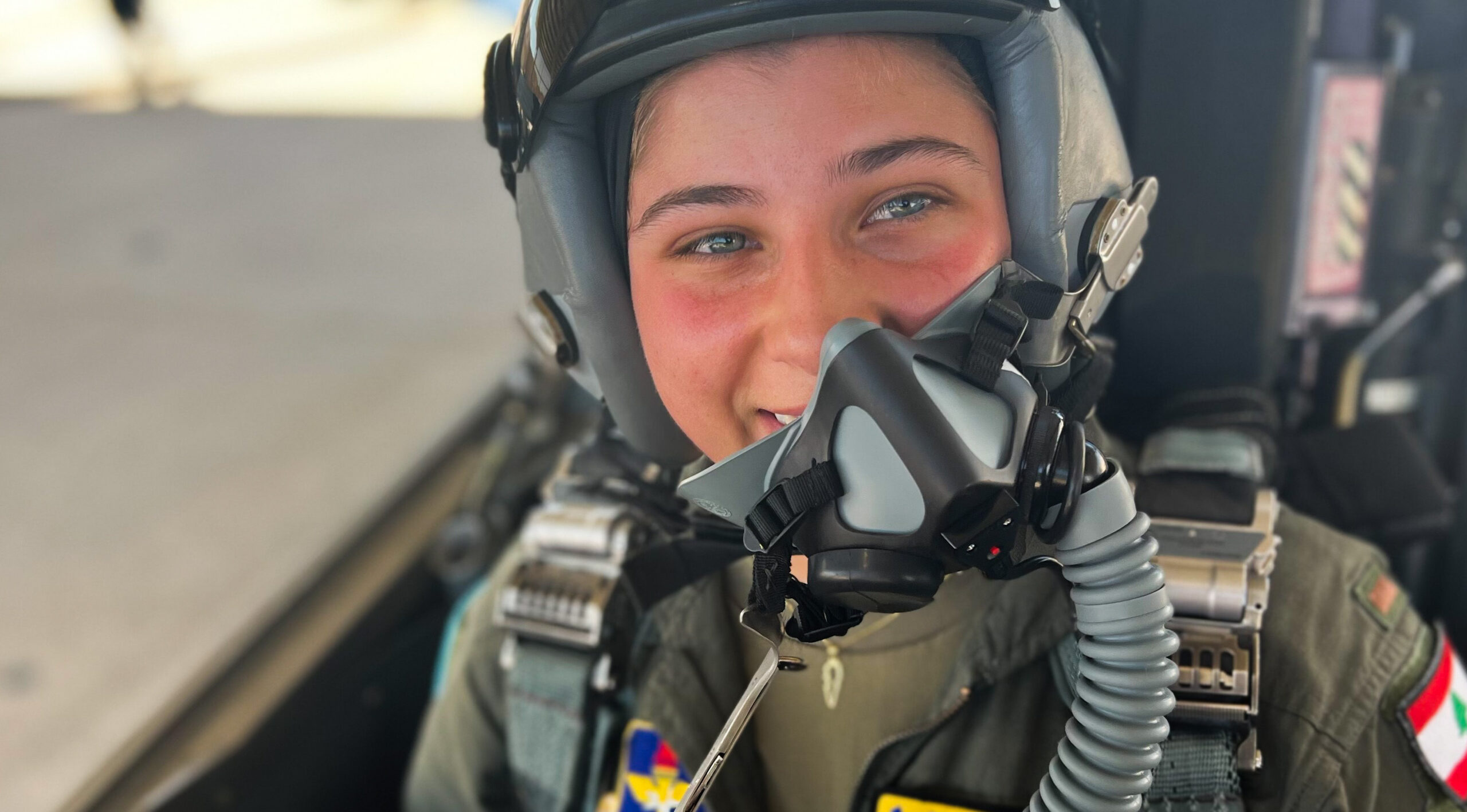
As Women’s History Month in the U.S. draws to a close, women in the armed forces of several Middle Eastern countries continue to achieve historic milestones, with many now serving as pilots, engineers, peacekeepers, and in special forces units. The role of women is steadily increasing as the result of new initiatives, policies, and gradually changing mindsets in the Middle East.
Missed opportunities: The billions sacrificed annually to generate electricity in the GCC
The GCC governments still cover over 40% of the cost of domestic electricity production. Yet, electricity subsidy bills alone do not reflect the full extent of their economic losses. Once the forgone revenues from the export of natural gas and oil used to meet rising domestic energy demand are added in, the total economic cost of the GCC’s electricity is too great to ignore.