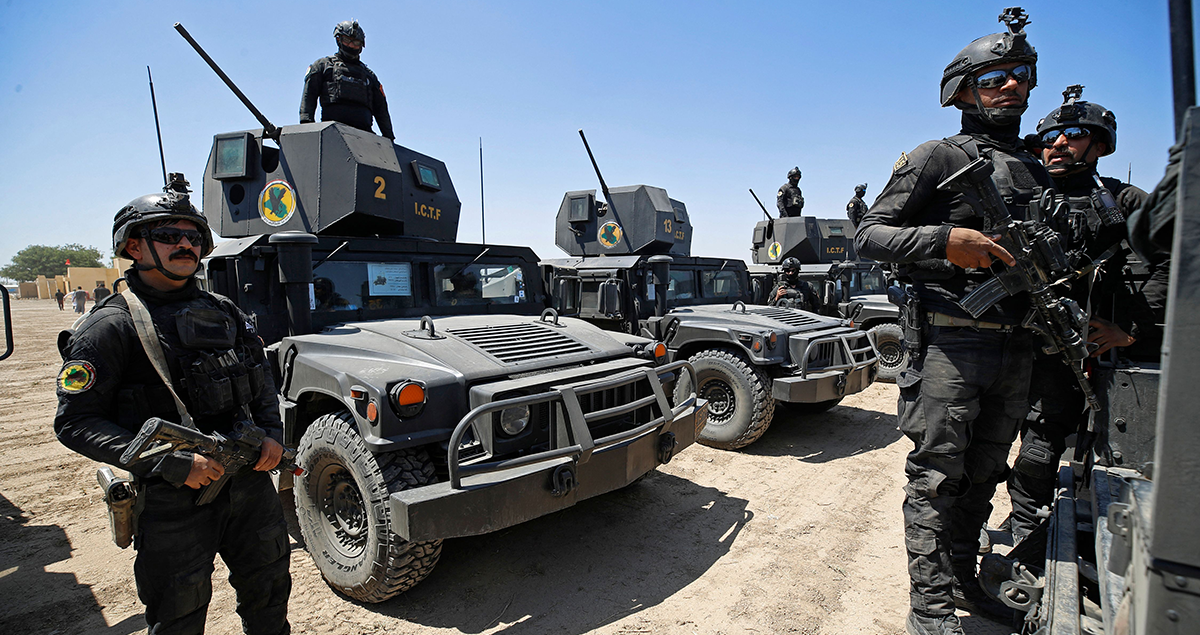
Maintaining the best thing the US built in Iraq: Continued support to the Iraqi Counterterrorism Service
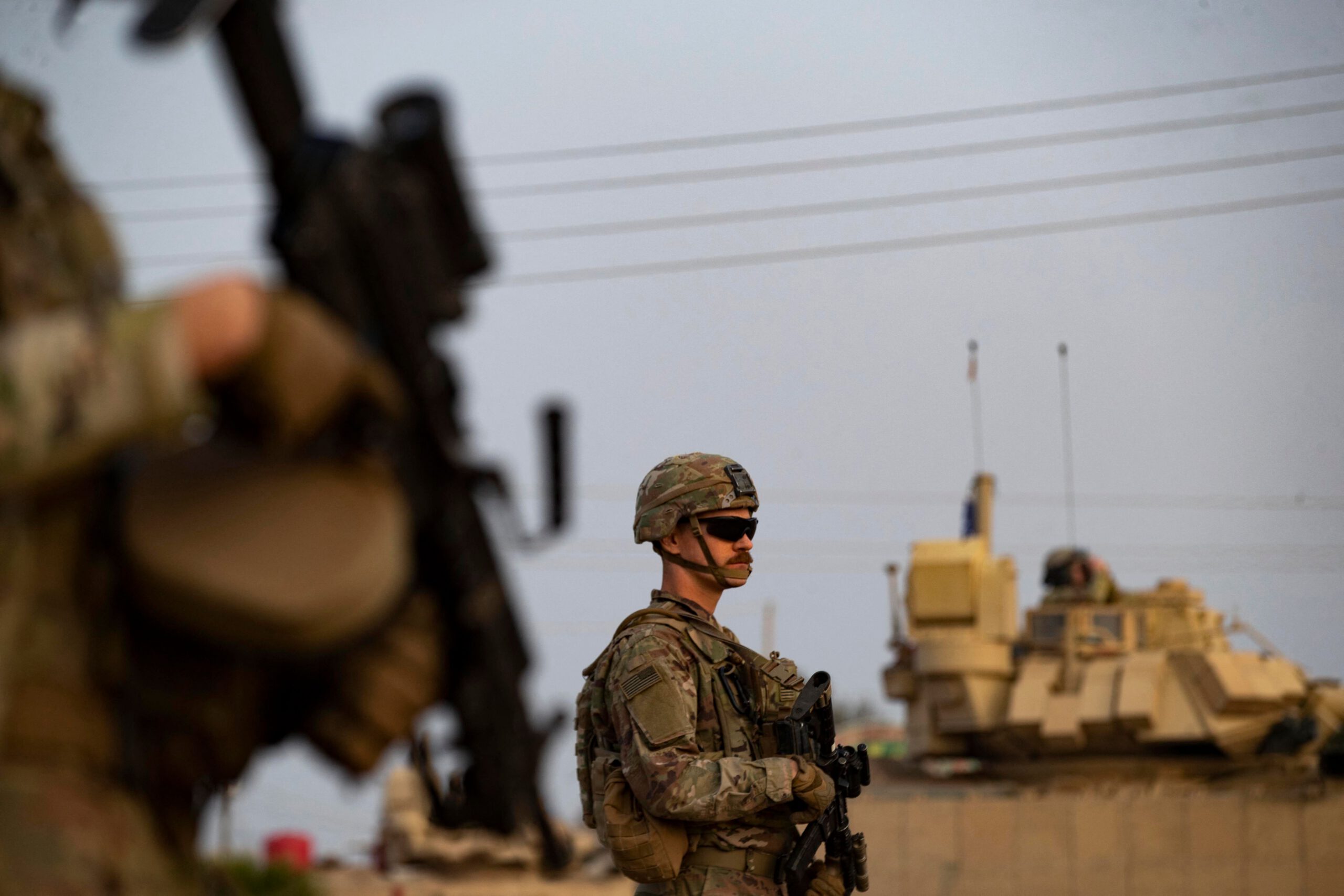
As the US engages in a dialogue with the Iraqi government over the future of the coalition forces combating the Islamic State, Washington must ensure a continued relationship between the US Special Operations Forces and the Iraqi Counterterrorism Service.
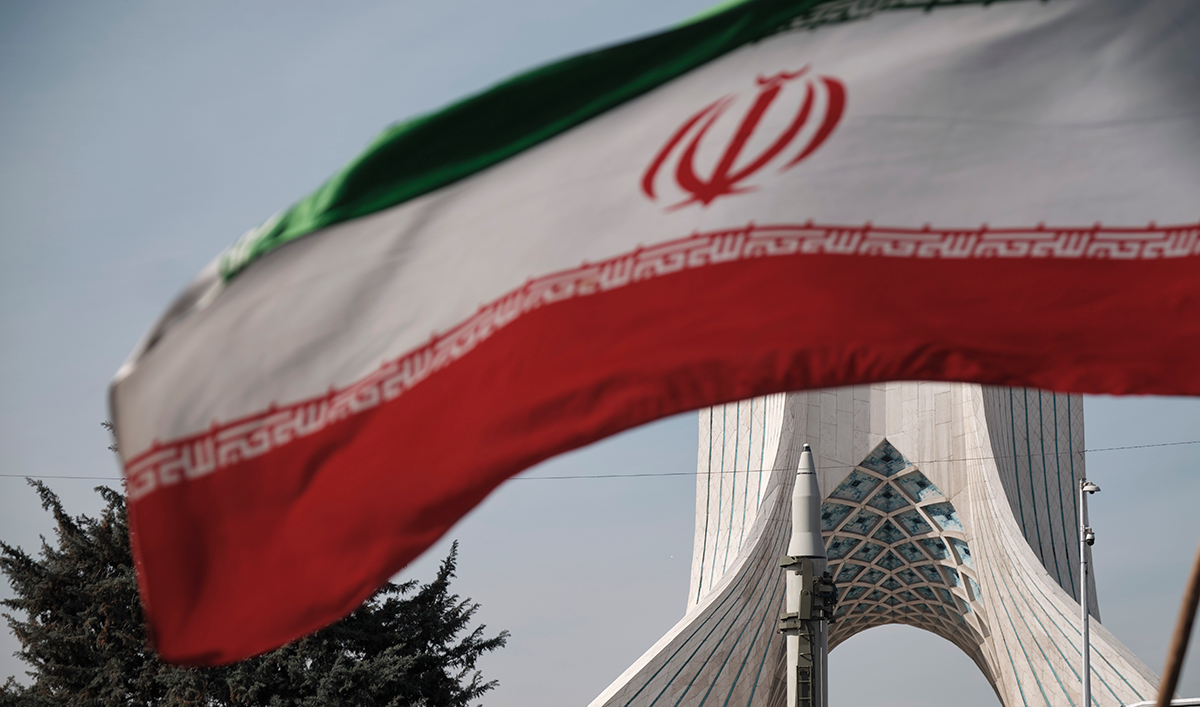
The road to war with Iran is paved with good intentions and serious miscalculations
Forty-five years after Iran’s February 1979 revolution, American officials continue to struggle to understand this nation of almost 90 million. Rather than trying to solve a crisis that threatens to draw the US into direct conflict with Iran, the Biden administration appears more intent to manage it.
On this week’s episode, President and CEO of the Middle East Institute Paul Salem and Director of MEI’s Conflict Resolution and Track II Dialogues Program Randa Slim speak to MEI’s Editor-in-Chief Alistair Taylor about growing concerns over the potential for large-scale regional escalation as the Gaza war continues.
*Note: This episode was recorded before drone attacks that killed US soldiers in Jordan on 1/28.*
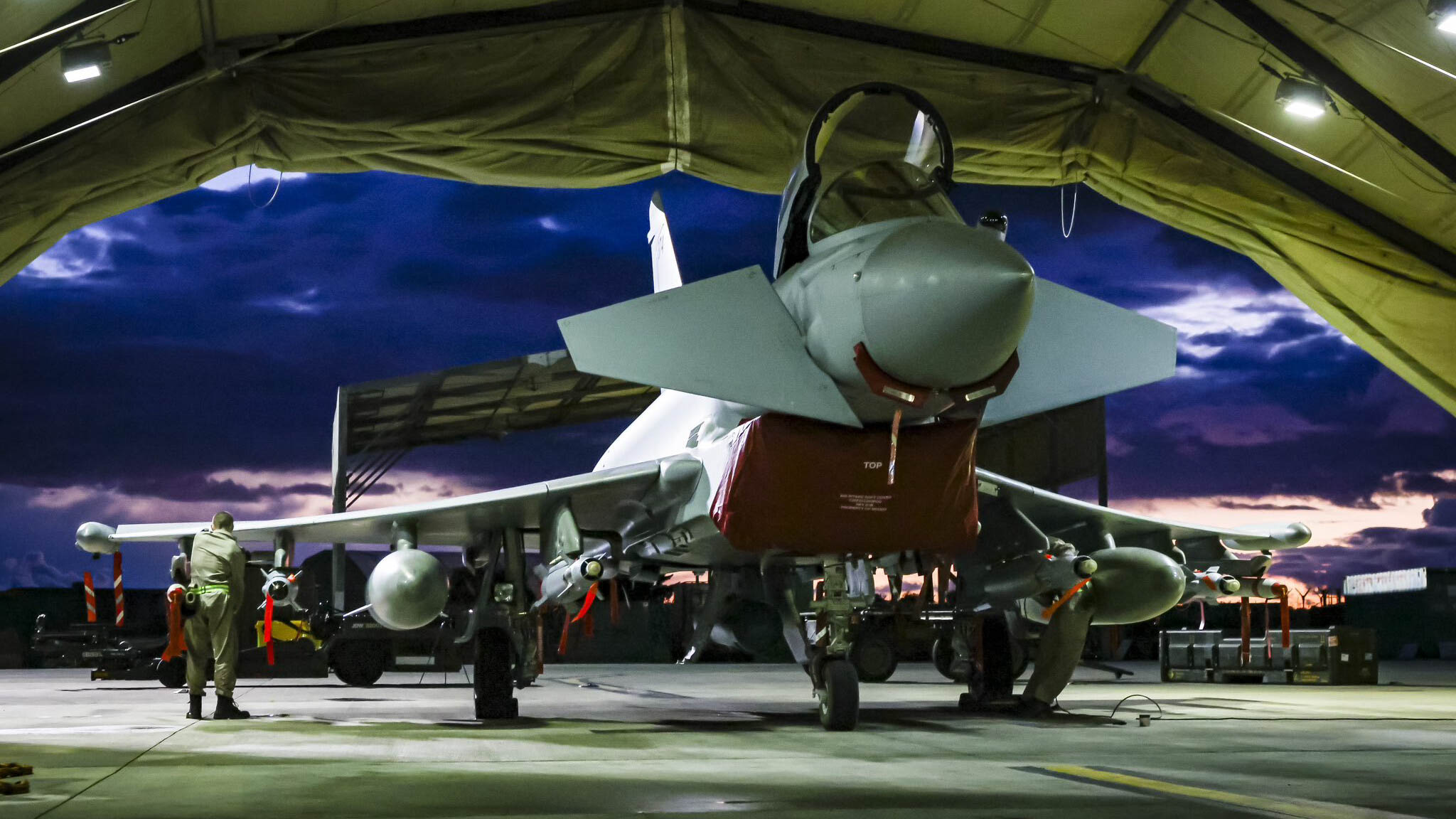
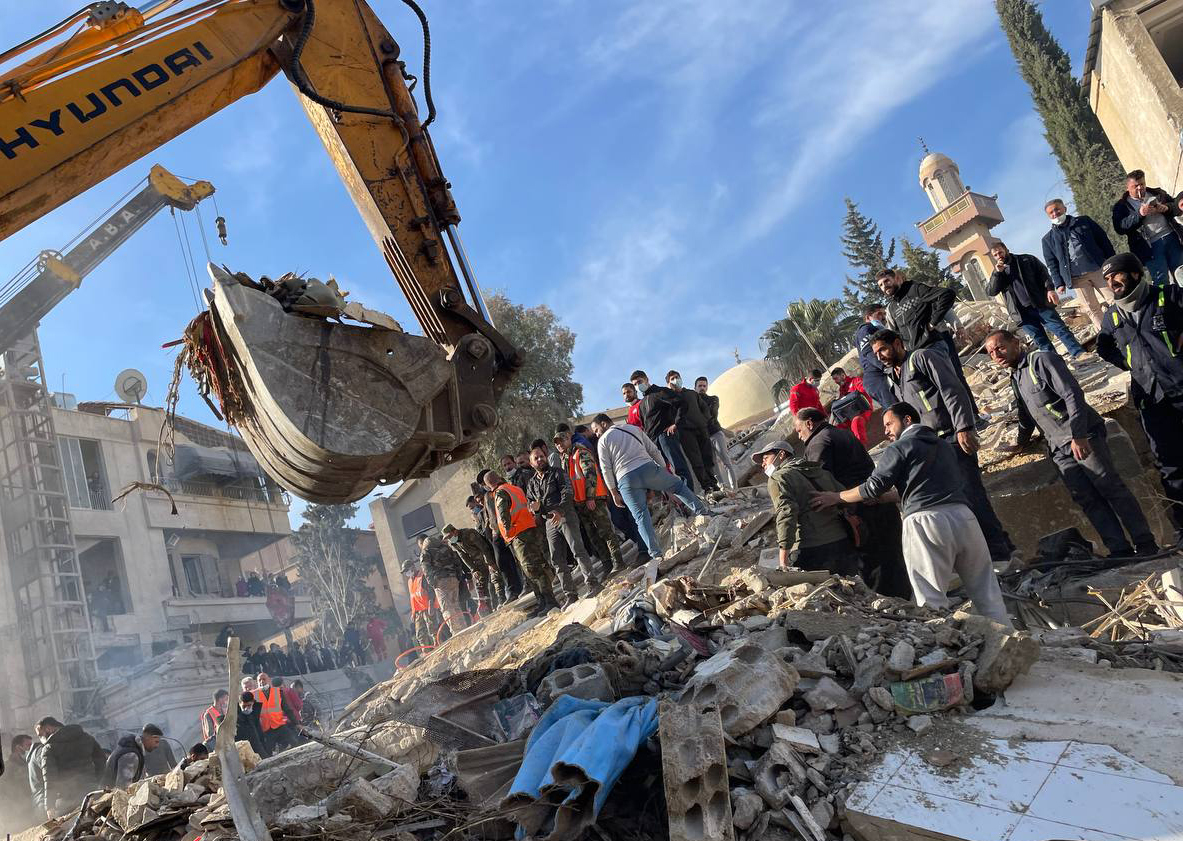
What it means when nine nations bomb in the Middle East in two weeks
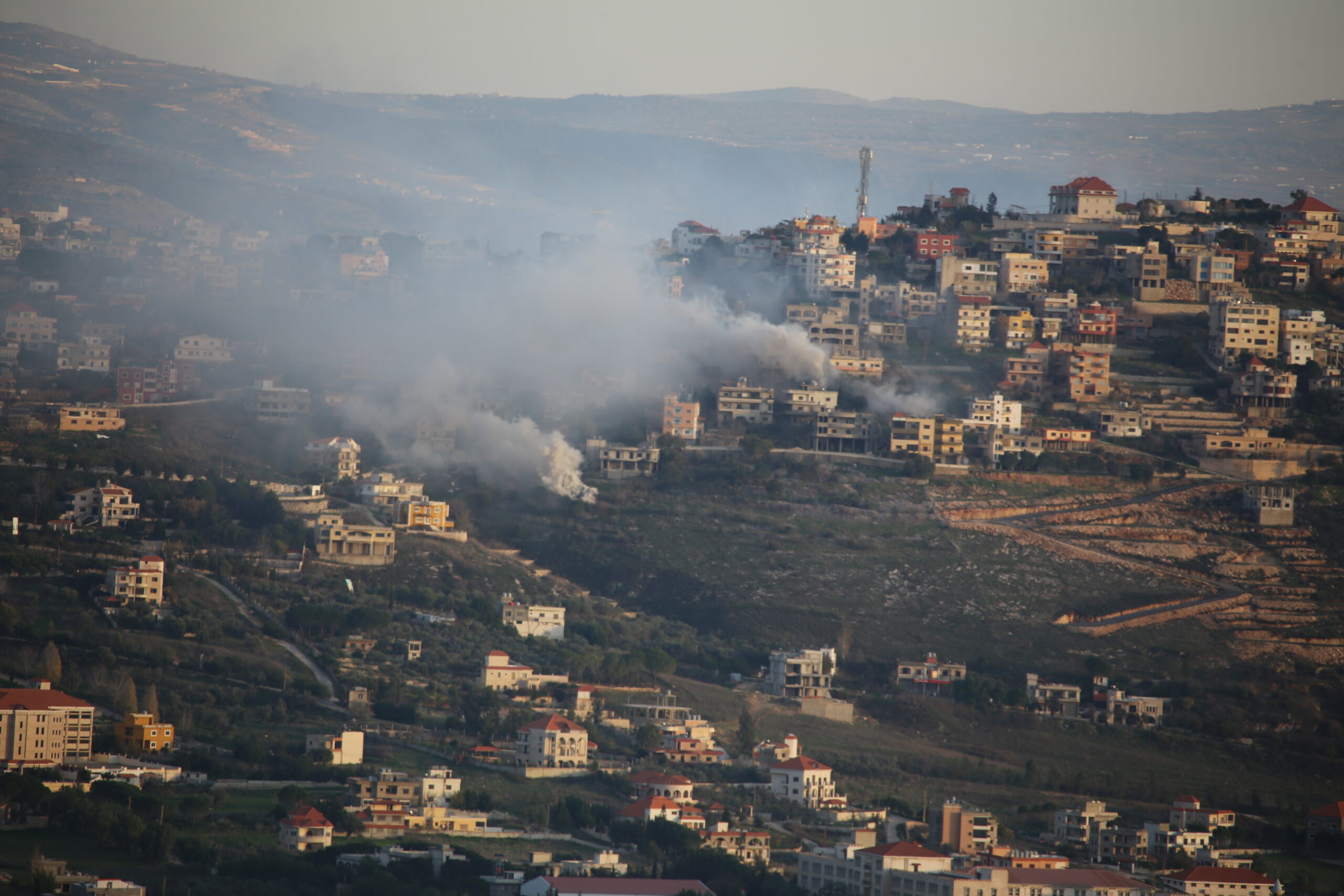
Nine nations, including terrorist groups that are de facto governments, have attacked other countries in the region over the course of about two weeks. Numerous commentators have drawn the conclusion that a regional war is already underway or soon will be.
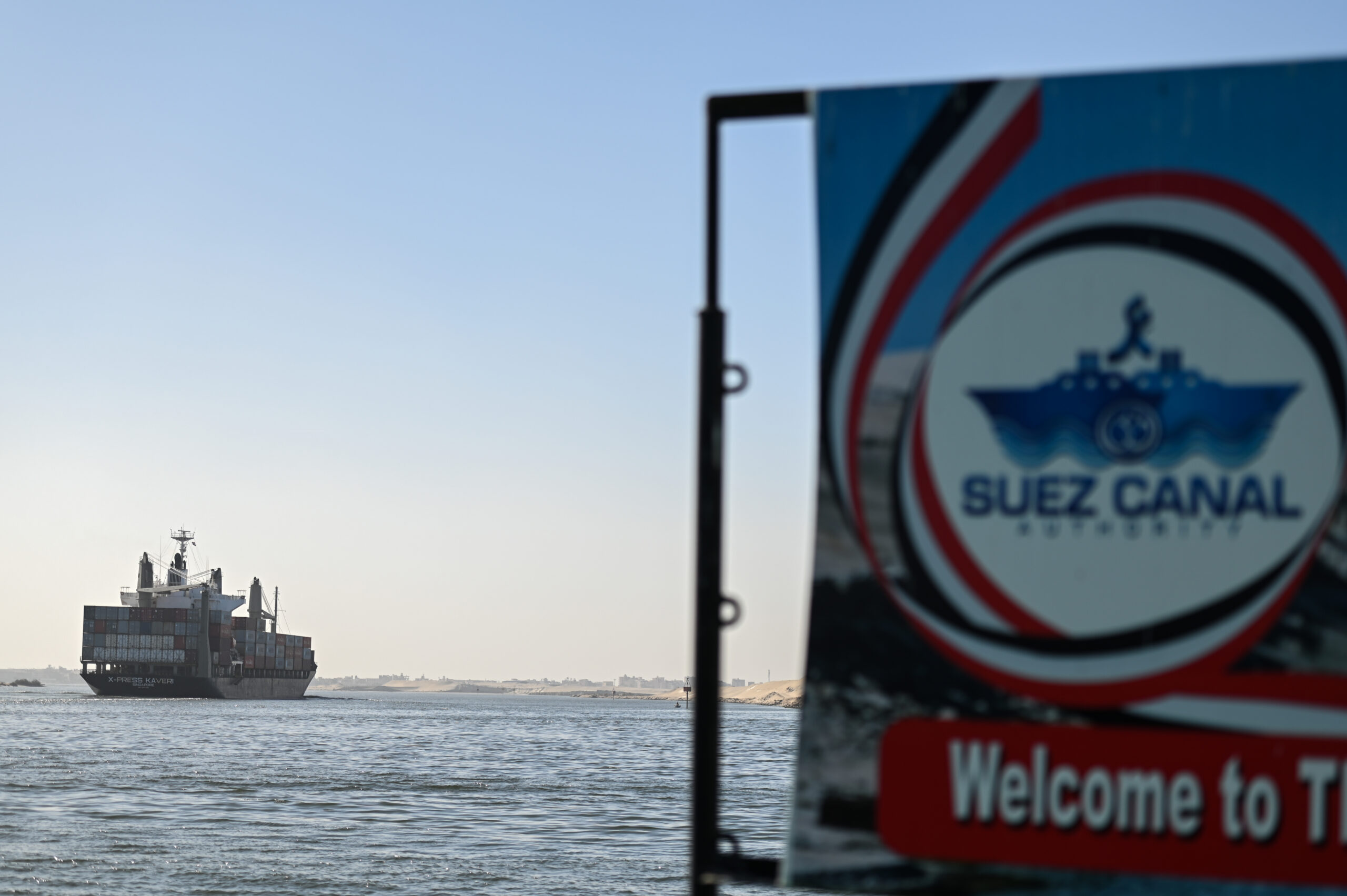
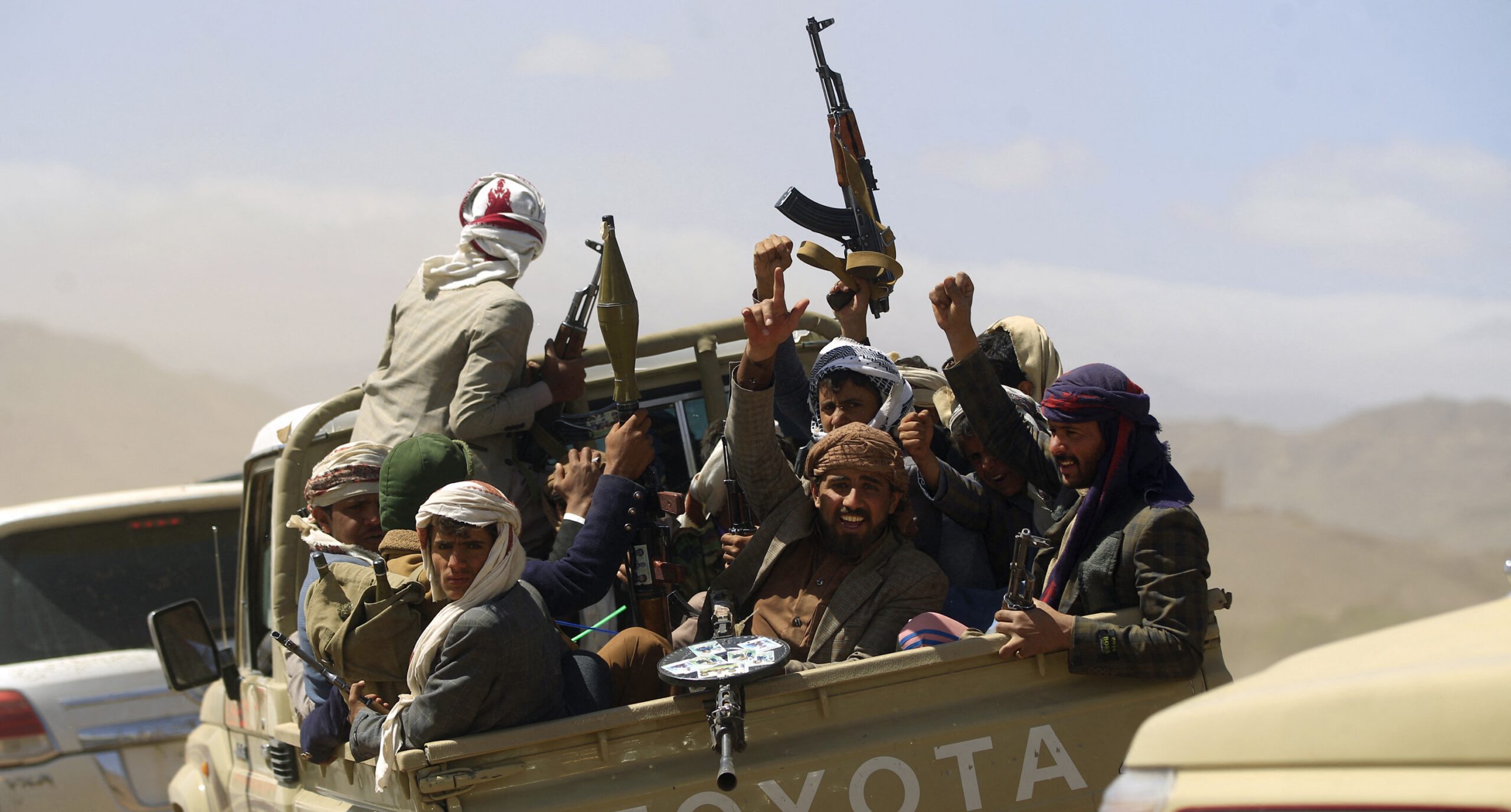
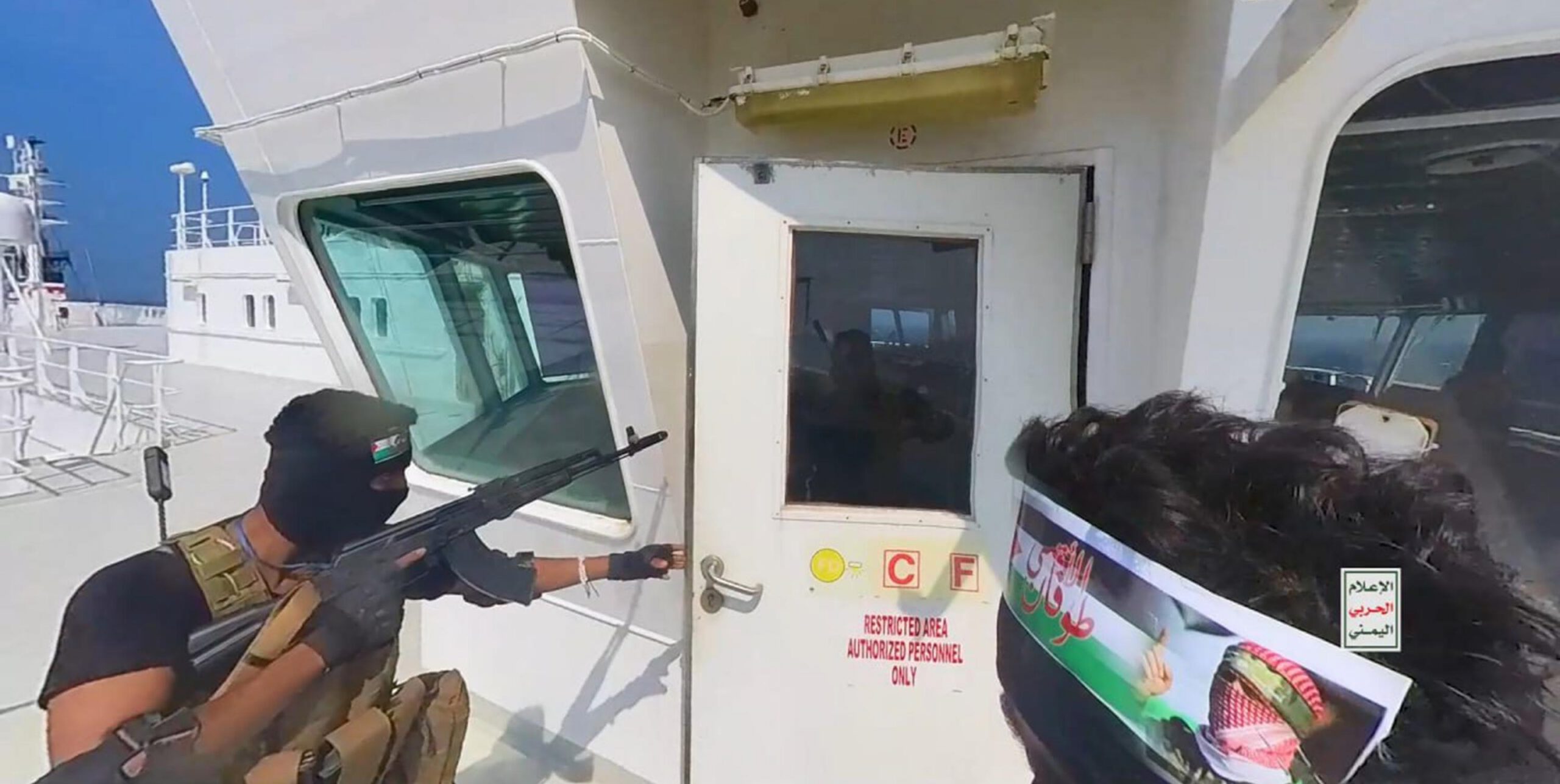
Ansar Allah, the Yemen-based militant group commonly referred to as the Houthis, is arguably the latest and largest addition to the Iran-led Axis of Resistance. Present tensions in the Red Sea illustrate both the utility of the Houthis for Tehran’s anti-American and anti-Israel regional agenda as well as the challenges their actions can create for the Iranians.
Houthis see domestic and regional benefit to continued Red Sea attacks
Since the outbreak of the Israel-Hamas conflict in October, Yemen’s Houthi rebels have sought means to capitalize on the war in Gaza to raise their profile, enhance their pan-Arab legitimacy, and burnish their credentials both domestically and in the region. In their effort to insert themselves into the Gaza conflict, the Houthis believe their actions will strengthen their support base at home while also cementing their movement more firmly into the Iranian “Axis of Resistance.”