
Big News! Conscription in the Gulf
The introduction of the draft in Gulf monarchies — after decades of sovereign statehood — presents an interesting puzzle. What are the reasons behind the newly implemented conscription? What broader implications does this phenomenon have for the Gulf? This essay addresses these questions.
Saudi Interest in the Red Sea Islands of Tiran and Sanafir Grows as Its Security Interests Expand
Notwithstanding Egypt’s political and judicial contretemps, the Egyptian parliament is expected to vote soon in favor of the return of Tiran and Sanafir islands to Saudi Arabia. The decision, after months of controversy in Egypt, will fulfill the April 2016 agreement reached between Egyptian president Abdel Fattah al Sisi and Saudi King Salman bin Abdul Aziz Al Saud that formally acknowledged Saudi sovereignty over the two small islands and provided for their return to Riyadh’s control.
MEI VantagePoint: "Arab Fall" with Eric Trager
January 5, 2017 – Eric Trager, Esther K. Wagner Fellow at the Washington Institute for Near East Policy, joins host Paul Salem to discuss his new book, “Arab Fall: How the Muslim Brotherhood Won and Lost Egypt in 891 Days.”
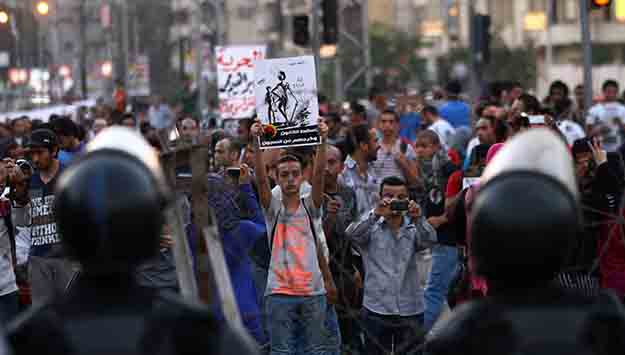
What Egypt’s Court Ruling on Protest Law Means
Egypt’s Supreme Constitutional Court (S.C.C.) recently ruled that a central element of the country’s controversial Protest Law relating to police power to ban public demonstrations is unconstitutional.
The Samuel Lewis Collection

Introduction
New to the Oman Library’s shelves is a distinct collection, donated by Sallie Lewis on behalf of her late husband, Ambassador Samuel Lewis. This new addition brings a unique set of stories to the library, with many works containing signatures and personal notes from well known figures who worked closely with the ambassador during his career in the foreign service.
Life in service
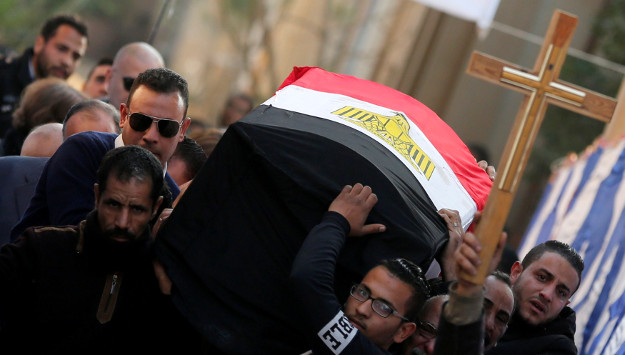
Monday Briefing: Egypt Faces New Wave of Terrorist Attacks
In this week’s Monday Briefing, MEI experts Paul Salem, Randa Slim, Charles Lister, Jean-François Seznec, Eran Etzion, and Marvin G. Weinbaum provide analysis on recent and upcoming events including yesterday’s terrorist attack on the Coptic Christian Cathedral in Cairo, the Sryian regime’s progress in retaking Aleppo, the continued threat presented by ISIS, the potential selection of Rex Tillerson as the next Secretary of State, Ash Carter’s farewell trip to Israel, and new Congressional pressure for Pakistan to crack down on the Haqqani Network.
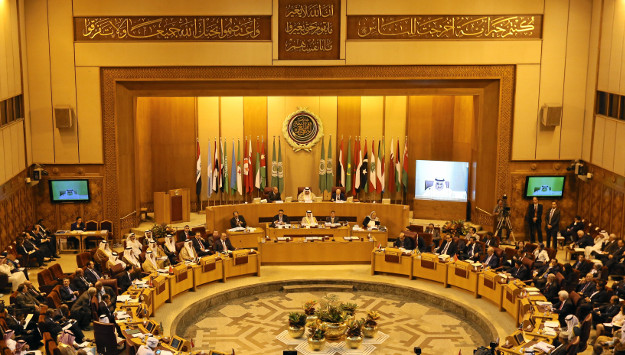
Toward a Regional Framework for the Middle East: Takeaways from other Regions
Regional Cooperation Series
This Policy Paper is part of the Middle East Institute’s Regional Cooperation Series. Throughout 2016, MEI will be releasing several policy papers by renowned scholars and experts exploring possibilities to foster regional cooperation across an array of sectors. The purpose is to highlight the myriad benefits and opportunities associated with regional cooperation, and the high costs of the continued business-as-usual model of competition and intense rivalry.
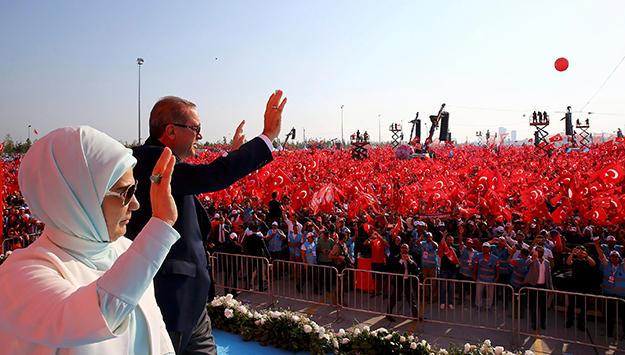
Islamists in Government: Lessons from their Successes and Failures
The question of whether Islamist groups are compatible with democracy has been a topic of serious discussion for some time, especially considering the claims that Islamists have structural impediments when it comes to adapting to various social and political contexts.
Iran Trying to Exploit Cairo-Riyadh Rift for Political Gains
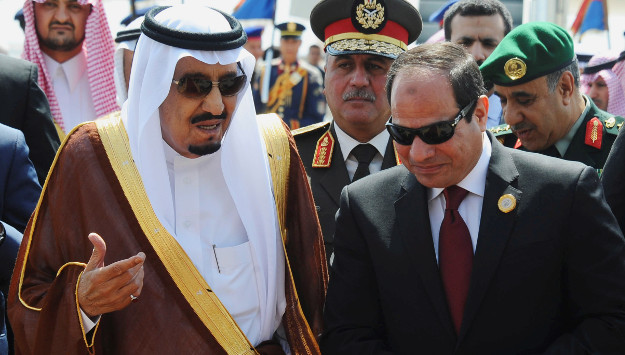
On November 21, Iran’s Foreign Ministry Spokesman Bahran Ghasemi praised Egypt as a leading country in the Arab world and stressed that Tehran sought closer ties with Cairo.
Monday Briefing: Huge Humanitarian Challenges in Mosul
In this week’s Monday Briefing, MEI experts Randa Slim, Gonul Tol, Charles Lister, and Paul Salem provide analysis on recent and upcoming events including potential fallout from the battle for Mosul, how the row between Turkey and Iraq will complicate the operations in Mosul, the implications of ISIS’ loss of Dabiq, and recent military cooperation between Egypt and Russia.
I.M.F. Reforms Not Enough to Repair Egypt’s Economy
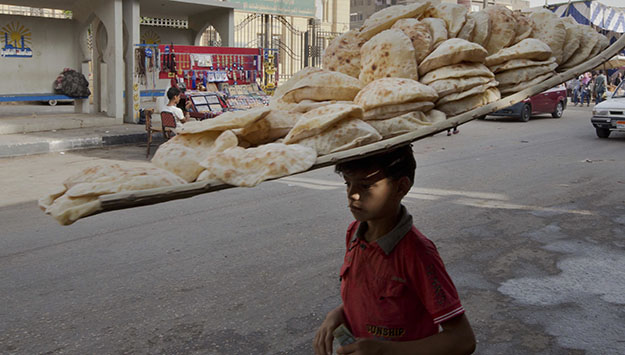
Addressing Egypt’s economic woes remains a matter of urgency for the stability of the government and the country as a whole. Egypt’s economic recovery plan, which was spearheaded by President Abdel Fattah el-Sisi in 2015, promised an improvement in living standards and social justice in the Middle East’s most populous nation. More than two years since the president assumed power, living standards have yet to see much improvement.
Food Security in the Middle East
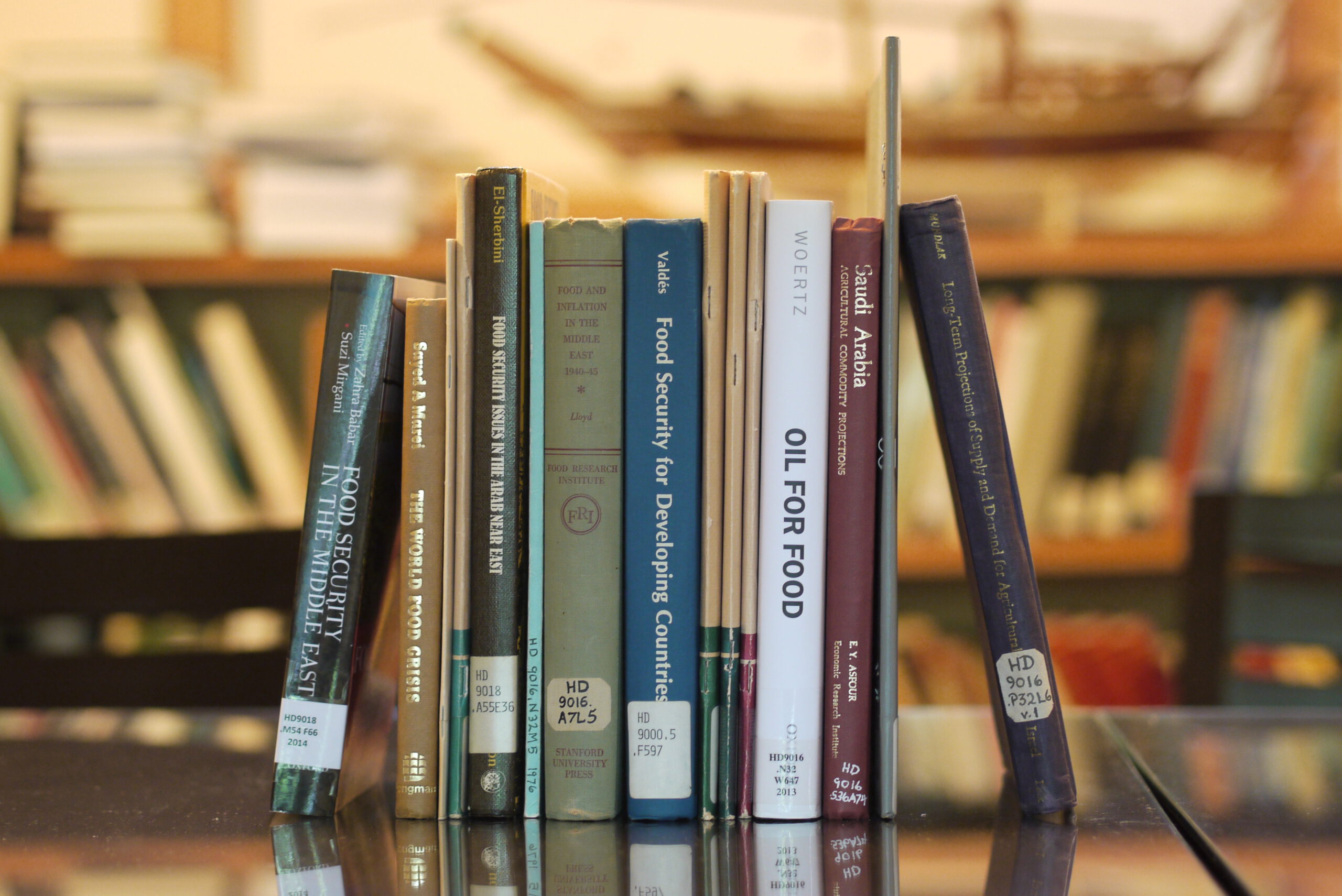
“[Food insecurity has] the potential to amplify destabilization, engender violence, and even accelerate state failure processes in an already geopolitically charged region”
– Andy Spiess in Food Security in the GCC Economies (2012)
I. Introduction
Clash—Hit Movie about Post-2011 Egypt Fails to Provoke
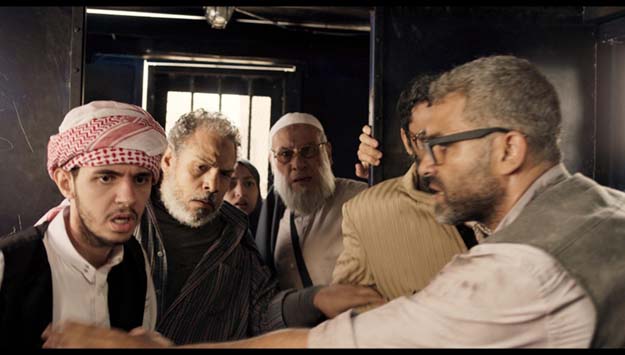
How do you comprehensively depict an impossibly complex event like the Egyptian January 25 Revolution and its aftermath on screen? This is the question Egyptian filmmakers have ventured to tackle since the outbreak of the country’s transformative uprising in 2011. The first batch of movies—omnibus fiction 18 Days, the documentary The Good, the Bad and the Politician, Ahmed Rashawan’s Born on January 25 —were reactionary pieces, imbued with the jubilant sensation of Mubarak’s ouster.
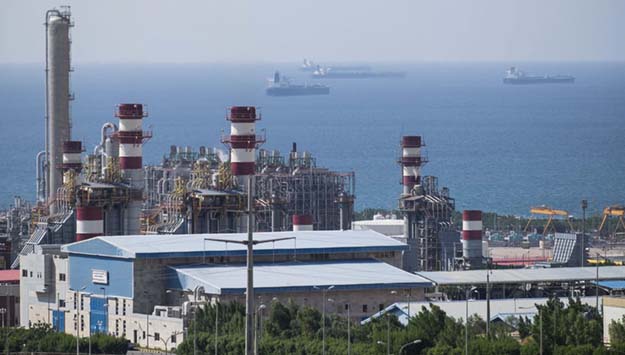
Sharing a Pot of Gold: Iran, Qatar and the Pars Gas Field
Summary