“Self-rule” in Aden and the implications for Russia
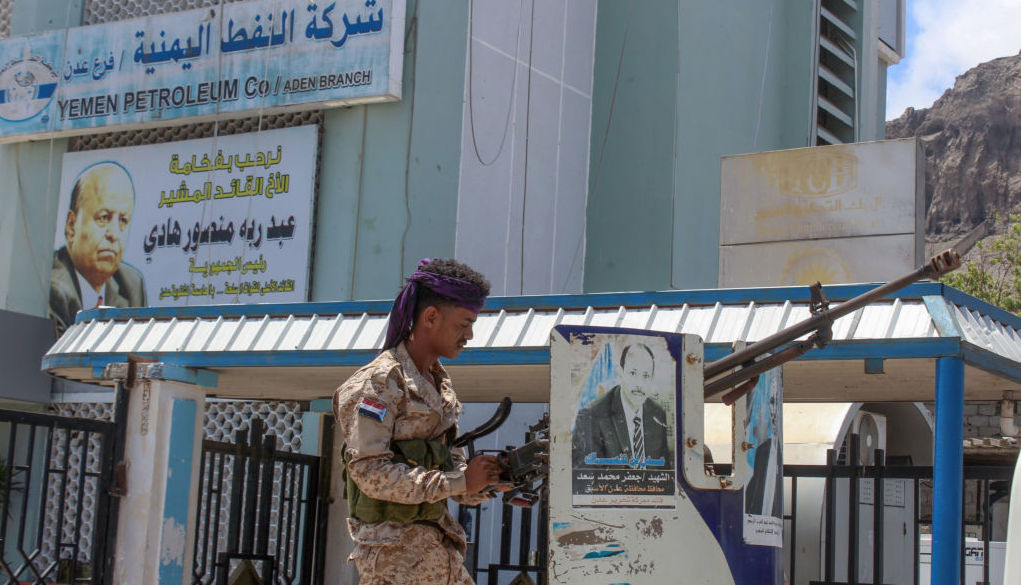
Russia acts as a “key if quiet player” in southern Yemen, where its approach has been based on strategic neutrality. The goal has been to position Moscow as a greater stakeholder in mediation between the various Yemeni parties and outside players. Moscow has engaged the Southern Transitional Council, the UN-recognized Yemeni government led by President Abed Rabbo Mansour Hadi, the Houthi rebels, as well as the three main regional powers intervening in Yemen — Saudi Arabia, the UAE, and Iran.
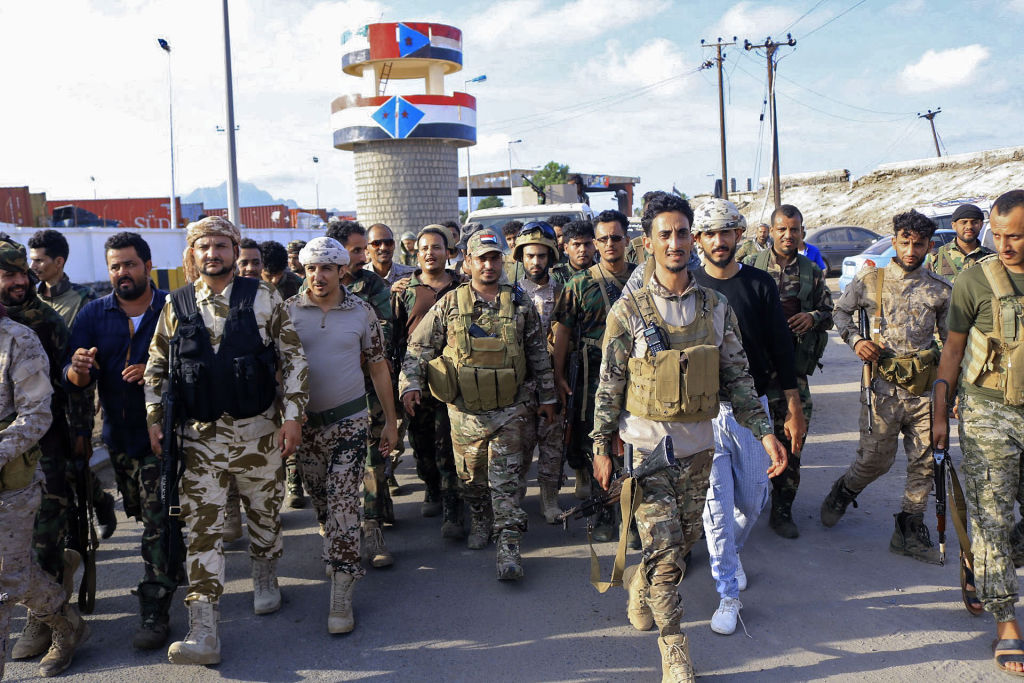
Yemen's competition for Saudi patronage heats up as the STC declares self-rule
On April 25, the Southern Transitional Council declared self-administration and claimed authority over state institutions in the interim capital of Aden. The declaration demonstrates the region’s volatility, the limited reach of Yemen’s government, and the difficulty of imposing a solution to the problem of secessionism. It is also sparking political competition for Saudi patronage, and all of this poses a major diplomatic challenge for the Saudis.
Turkey’s Dangerous New Exports: Pan-Islamist, Neo-Ottoman Visions and Regional Instability
There is certainly no shortage of writings on Turkey today regarding that country’s “drift” away from its Western orientation. Some who espouse this argument frame the consequences in terms of Turkey’s increased ties to China. While Turkey itself has launched an “Asia Anew” policy, the outsized focus on this and other alleged signs of Turkey’s “drift from the West” distracts from the very palpable effects of its adventurism in the Middle East, North Africa, and Eastern Mediterranean. Turkey’s increasingly reckless foreign policy is on full display — from weaponizing refugees to extort the European Union to exporting mercenary Jihadist fighters to Libya. These are hardly the actions of a responsible regional power, much less a key member of the NATO alliance.
MEI senior fellows Mick Mulroy and Eric Oehlerich join host Alistair Taylor to discuss child soldiering, a growing global problem that has a disproportionate impact on the Middle East and Africa. Click here to read their new report, “Begin with the children: Child soldier numbers doubled in the Middle East in 2019.”
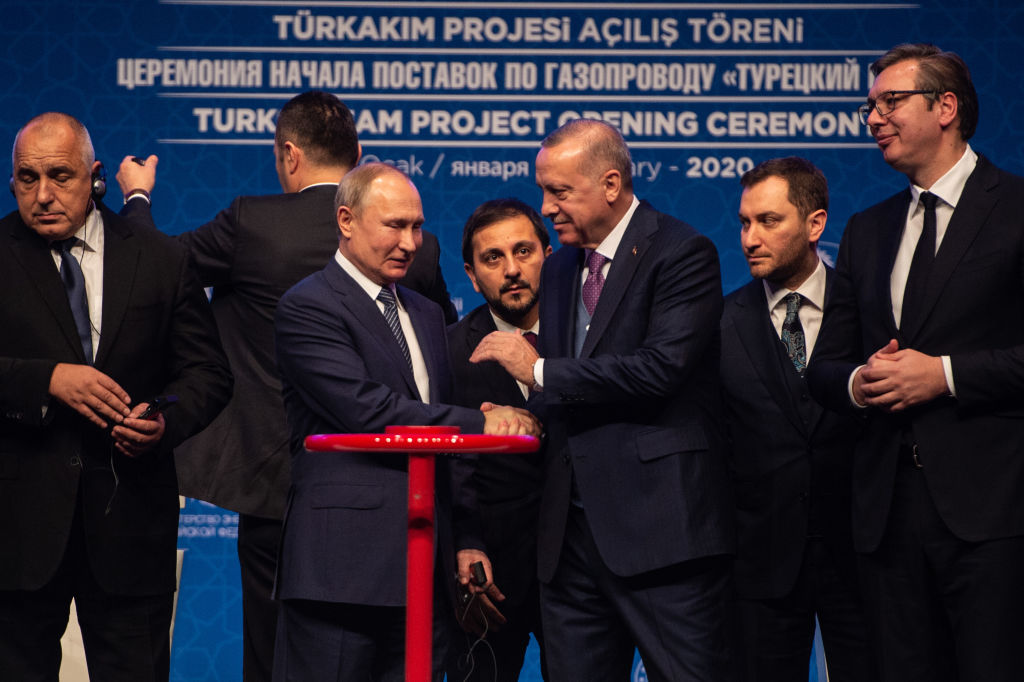
Diversify and expand: Turkey’s drive towards natural gas security
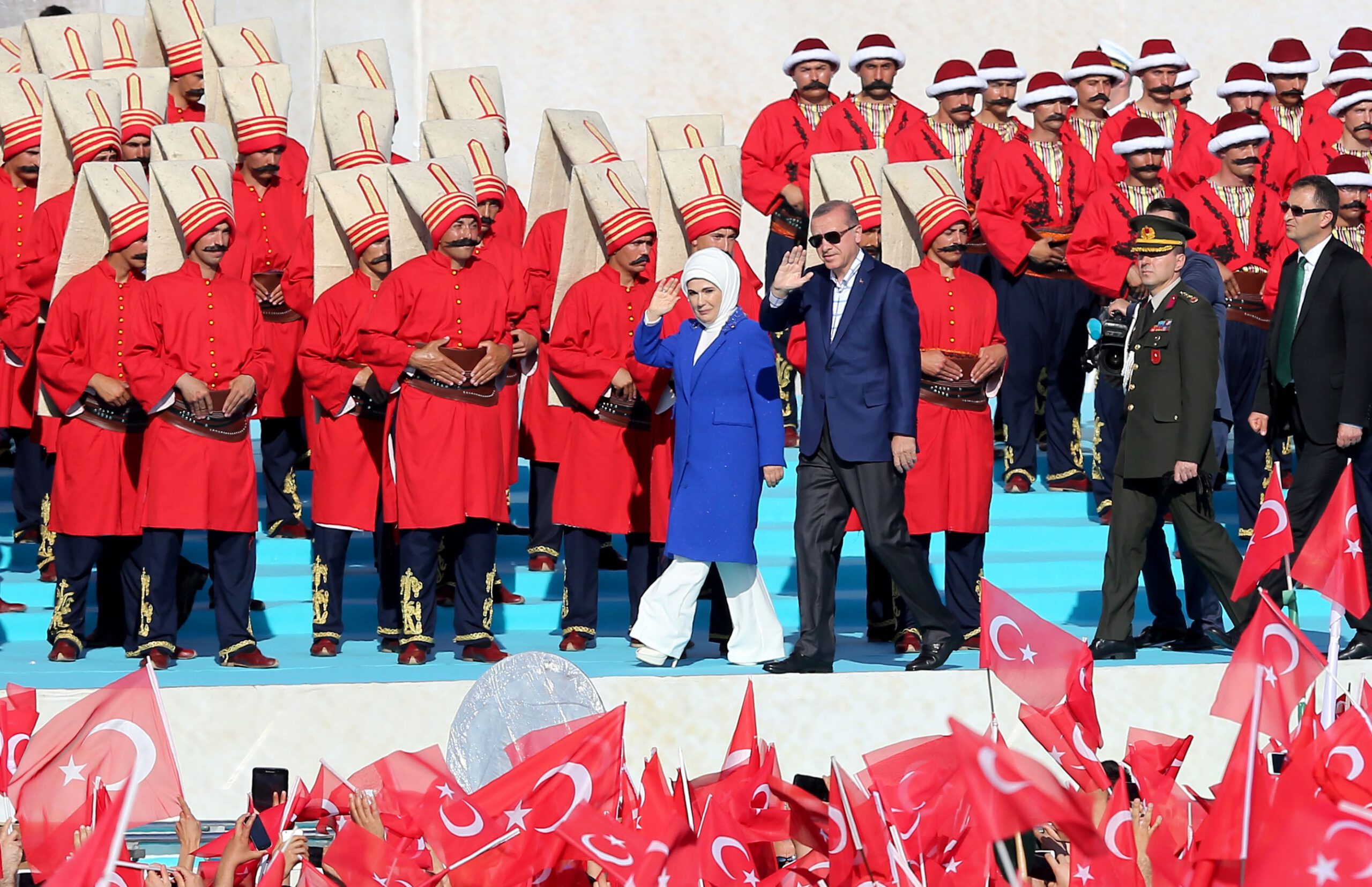
President Recip Tayyip Erdogan has sought to dramatically reorient Turkey’s role and relationships in the region. Gradually at first but then abruptly, he has pivoted from the Republic’s historical status as a key member of the transatlantic alliance towards new partnerships – including Russia. Erdogan has consistently aimed for freedom in executing his foreign policy agenda, of which energy concerns are pivotal. It remains to be seen whether this hard-sought autonomy will be limited or expanded by Turkey’s domestic energy needs and its prime position as a hydrocarbon transit state.
Saudi Arabia eyes the exit in Yemen, but Saudi-Houthi talks alone won’t resolve the conflict
During the Munich Security Conference in February 2020, Saudi Arabia’s foreign minister, Prince Faisal bin Farhan, signaled that the Saudi-Houthi backchannel talks were not “ready to move to the highest level.” However, the situation changed following the Houthi ballistic missile attack on Jazan and Riyadh in late March, and on April 8, the coalition’s Joint Forces Command
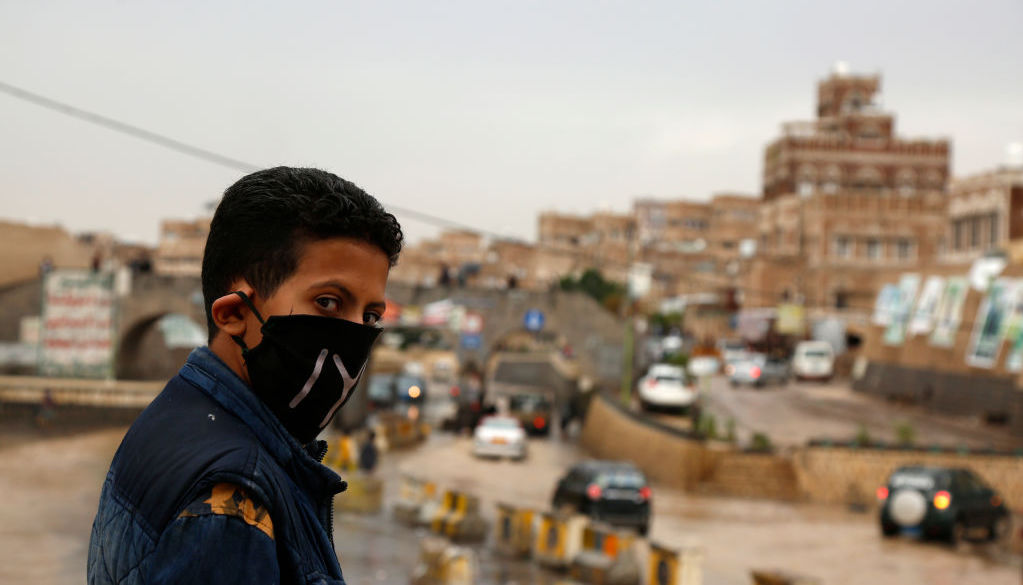
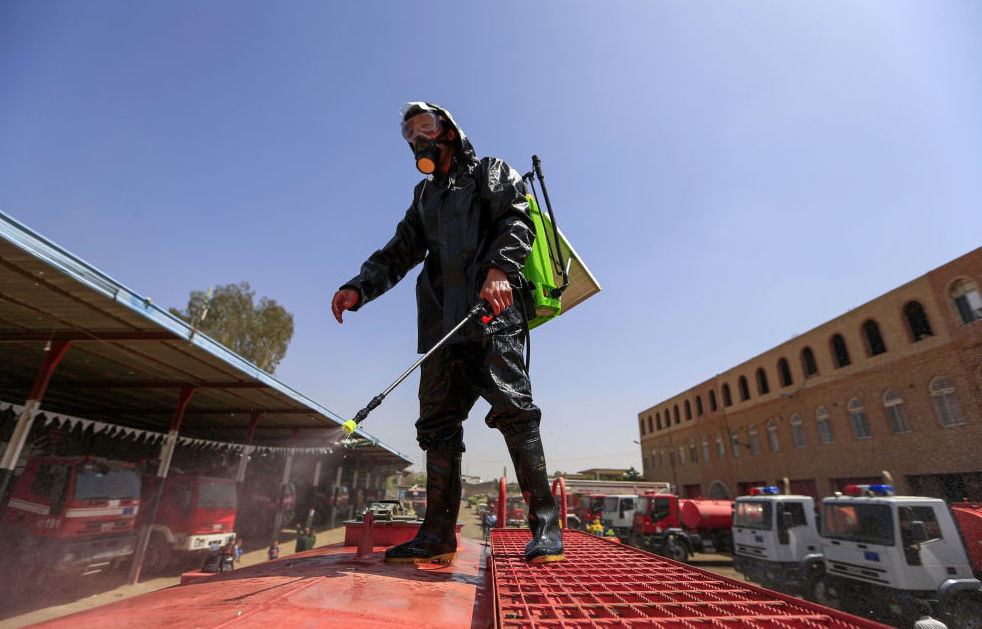
Without a Houthi commitment, the cease-fire could make Yemen more vulnerable to COVID-19
The Houthis’ lack of interest in halting their military operations could displace millions of civilians in the midst of a potential COVID-19 outbreak, defeating the very purpose of the cease-fire.
US engagement in the Black Sea and Middle East. What more can be done?
US support for the Black Sea and the Middle East has been through several phases in recent years, with President Donald Trump’s generals having the biggest impact on policy change. While there has been increased engagement in the region, much more is needed from the US – as well as NATO and the EU – to ensure Black Sea security.
Gonul Tol and Alex Vatanka join host Alistair Taylor to discuss how the coronavirus pandemic is affecting Iran, one of the first countries hit by the outbreak, and Turkey, where it arrived later but has since spread rapidly.
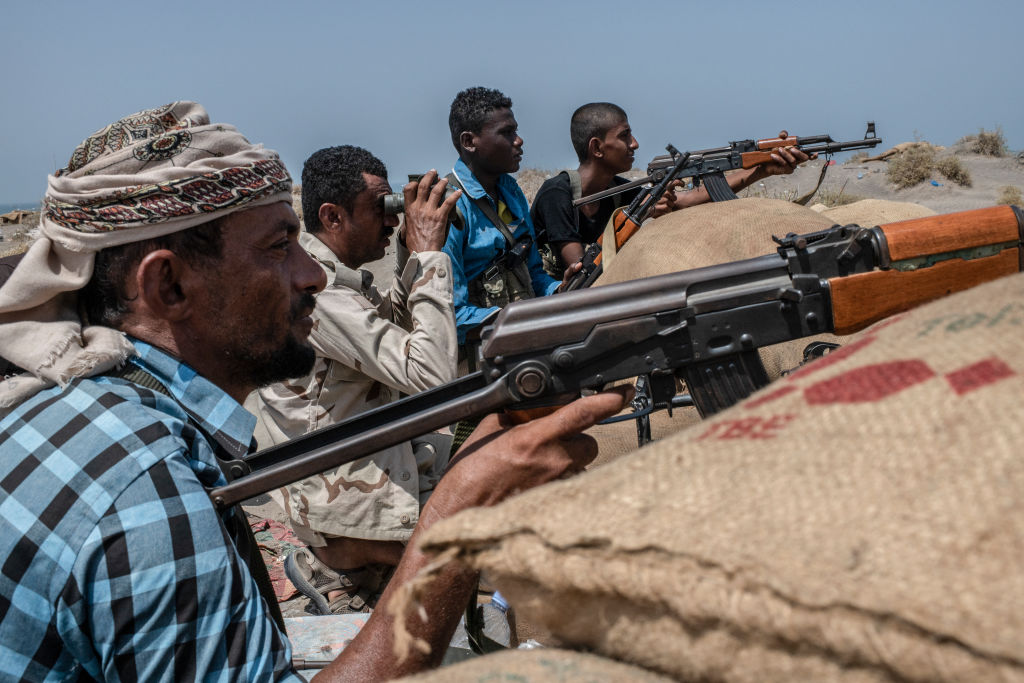
Five years on, has the Arab coalition achieved its objectives in Yemen?
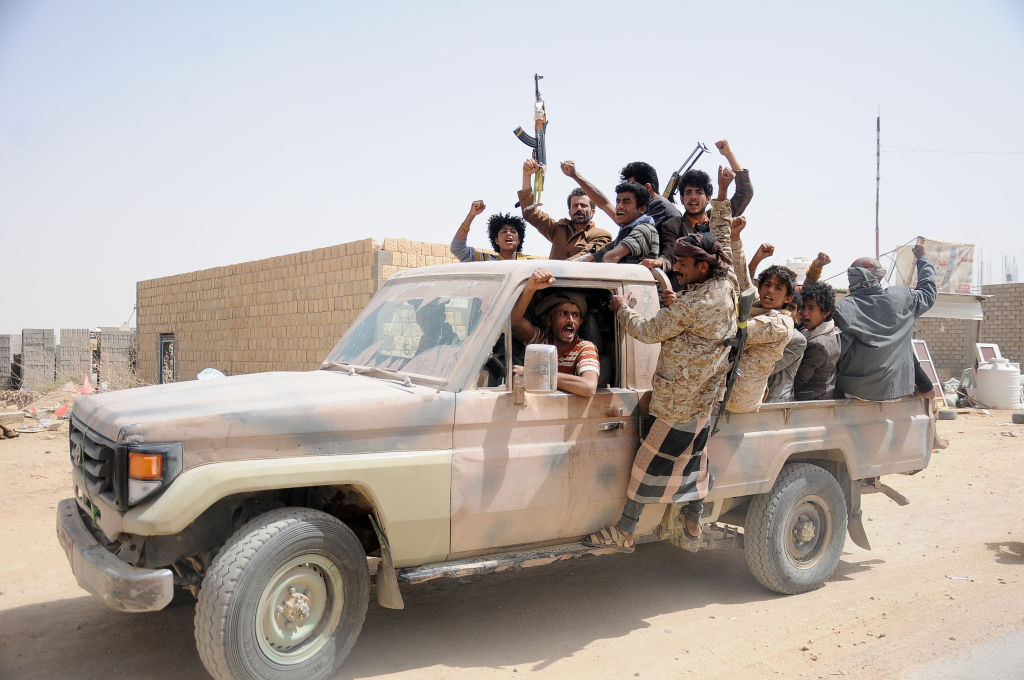
On March 26, 2015, the former Saudi ambassador to the U.S., Adel al-Jubeir, announced the beginning of a Saudi-led military campaign in Yemen to curtail Iran’s influence in the country, reinstate the regime of President Abed Rabbo Mansour Hadi in Sanaa, and deter the Iranian-backed Houthi threat. Five years on, however, the objectives of Operation Decisive Storm are far from realized, and the situation on the ground is as volatile as ever.
As with the rest of the world, COVID-19 is likely to wreak havoc across the Black Sea region in a very short period of time. With the outbreak projected to peak in April or May – and with some predicting the pandemic will last two years and infect 60 to 70 percent of the global population – it is difficult to fathom the potential consequences for this region.
MEI’s Paul Salem, Khaled Elgindy, and Fatima Abo Alasrar join host Alistair Taylor to discuss the coronavirus pandemic’s impact on the Middle East as nations scramble to contain the spread of COVID-19 and the massive humanitarian and economic toll it could take on already vulnerable populations.
The fight for Syria’s skies: Turkey challenges Russia with new drone doctrine
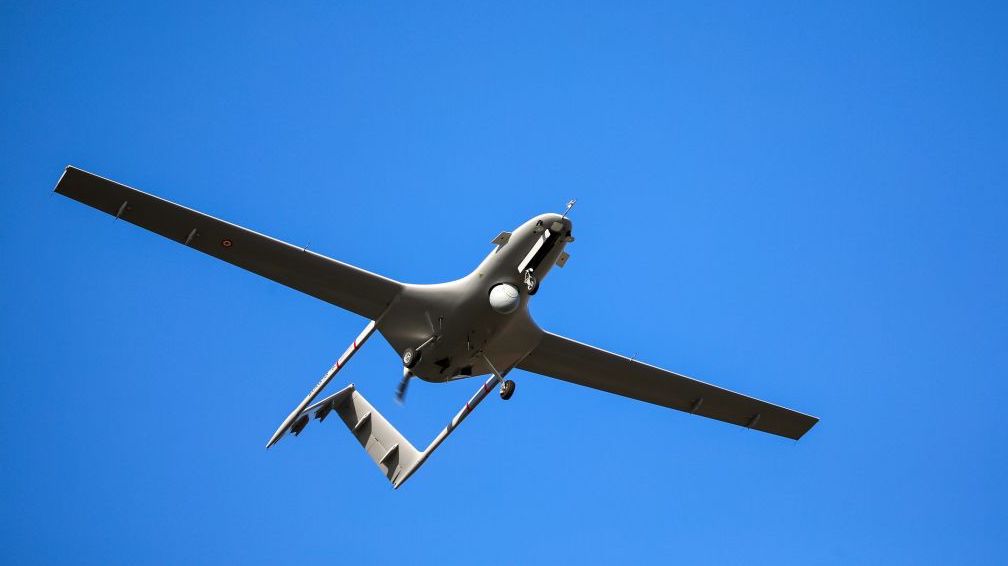
In retaliation for an airstrike that killed 33 Turkish soldiers at the end of February, Ankara launched “Operation Spring Shield” (OSS) against the Syrian regime and the pro-Iranian militias supporting it. Despite being unable to rely on its fleet of F-16s due to Russia’s control of the Syrian airspace over Idlib, Turkey managed to successfully wipe out a large portion of Assad’s army in the area within just a couple of days by making innovative use of drones.