MEI experts Gerald Feierstein, Alex Vatanka, Gonul Tol, and Charles Lister join host Alistair Taylor to survey what lies ahead for the region in the year ahead, with particular attention to Yemen, Iran, Turkey, and Syria.
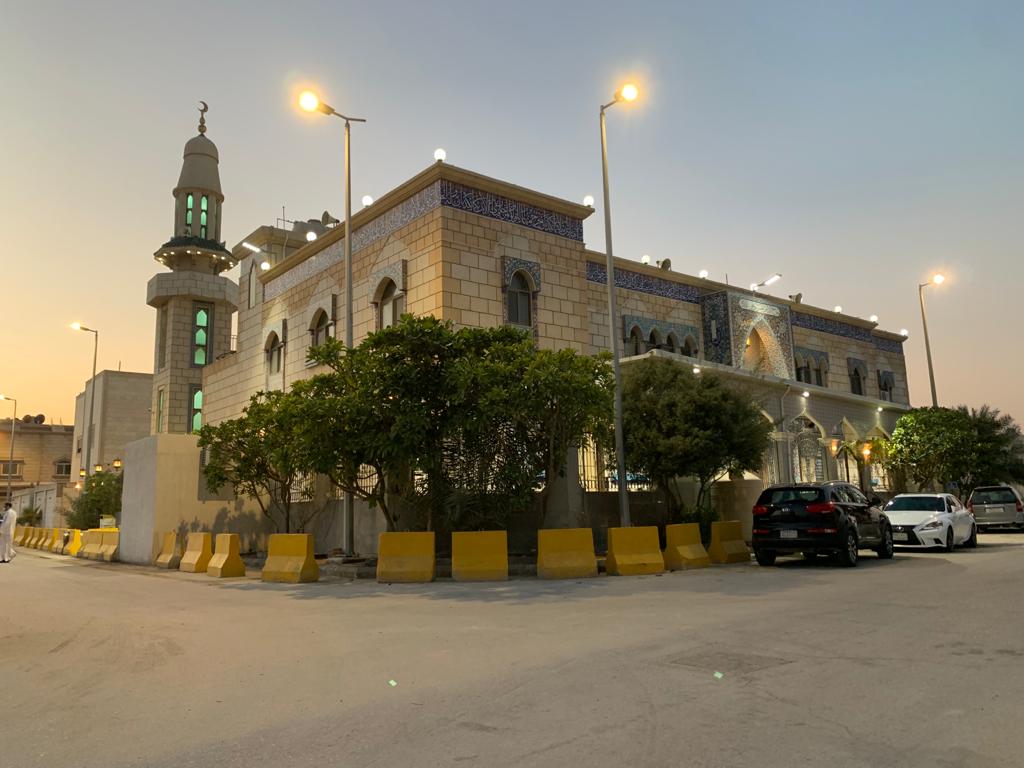
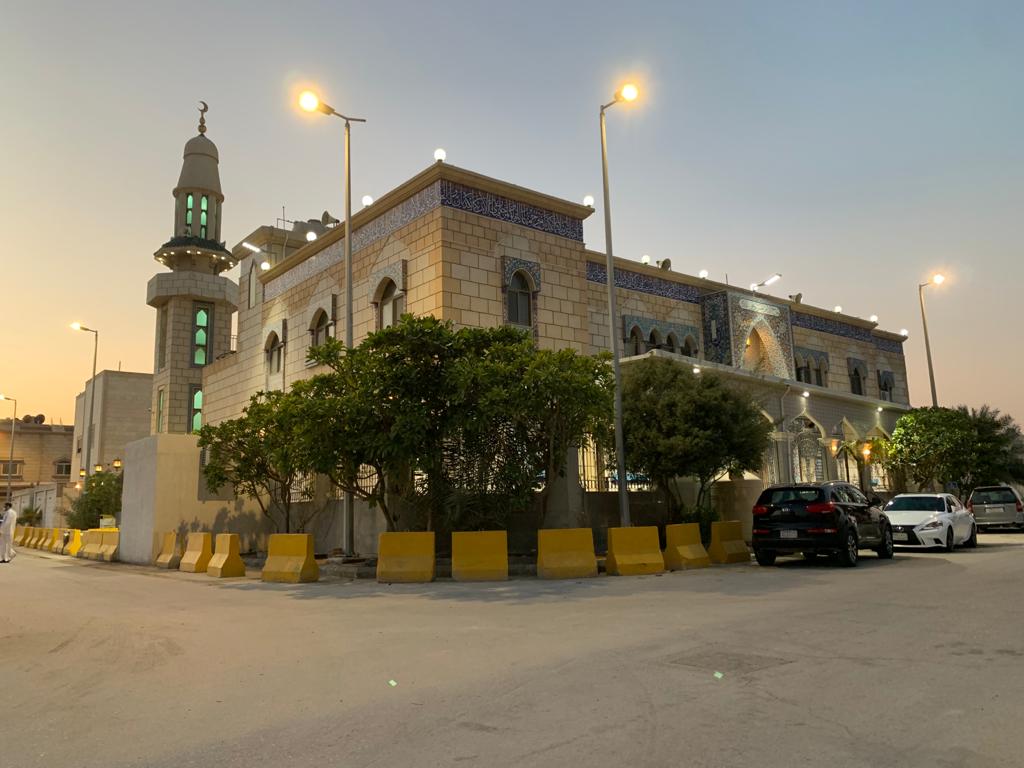
A Shift Among the Shi'a: Will a Marj'a Emerge from the Arabian Peninsula?
This paper looks at the political implications of the relationship between Shi’a in the Gulf states and Iranian marj‘as, the historical background to these ties, and Gulf states’ concerns surrounding the outflow to Iran of religious taxes. In some Gulf countries, these issues are tied to concerns about the loyalty of Shi’a to the nation. The authors argue that the emergence of a marj‘a who would be based in one of the Gulf states could quell these concerns.The authors identify potential marj‘as from the region and steps that Gulf states must take so that their Shi’a citizens will shift their allegiance from foreign-based marj‘as to domestically based ones.
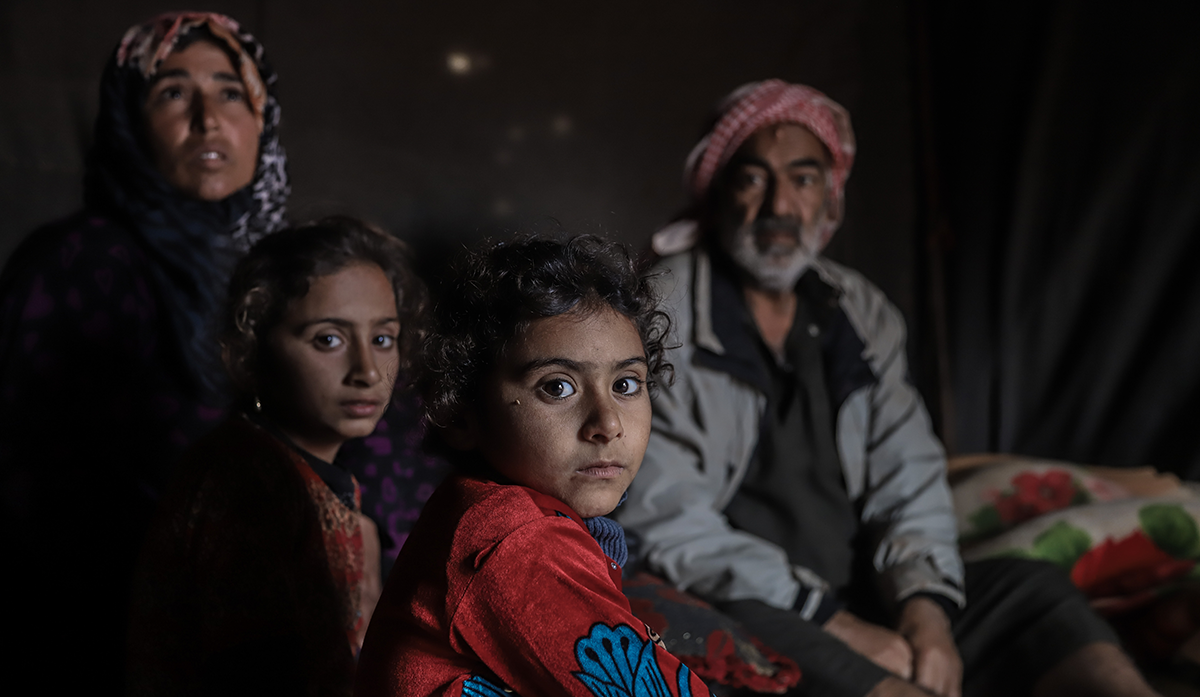
In two months’ time, Syria’s crisis will turn 10 years old — a grim milestone for what has been the most deadly and destructive civil conflict in recent history.
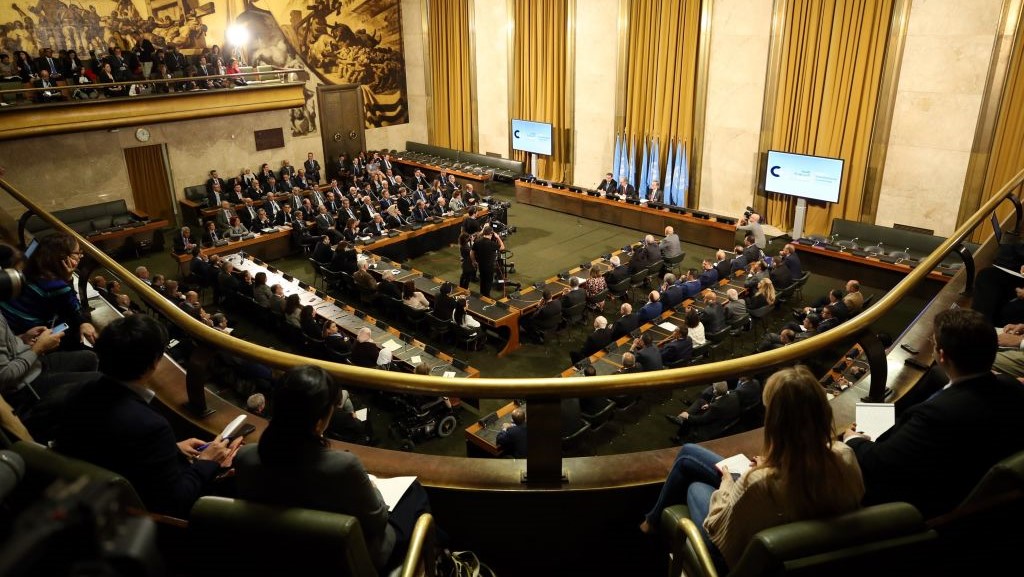
Syria’s Constitutional Committee: The Devil in the Detail
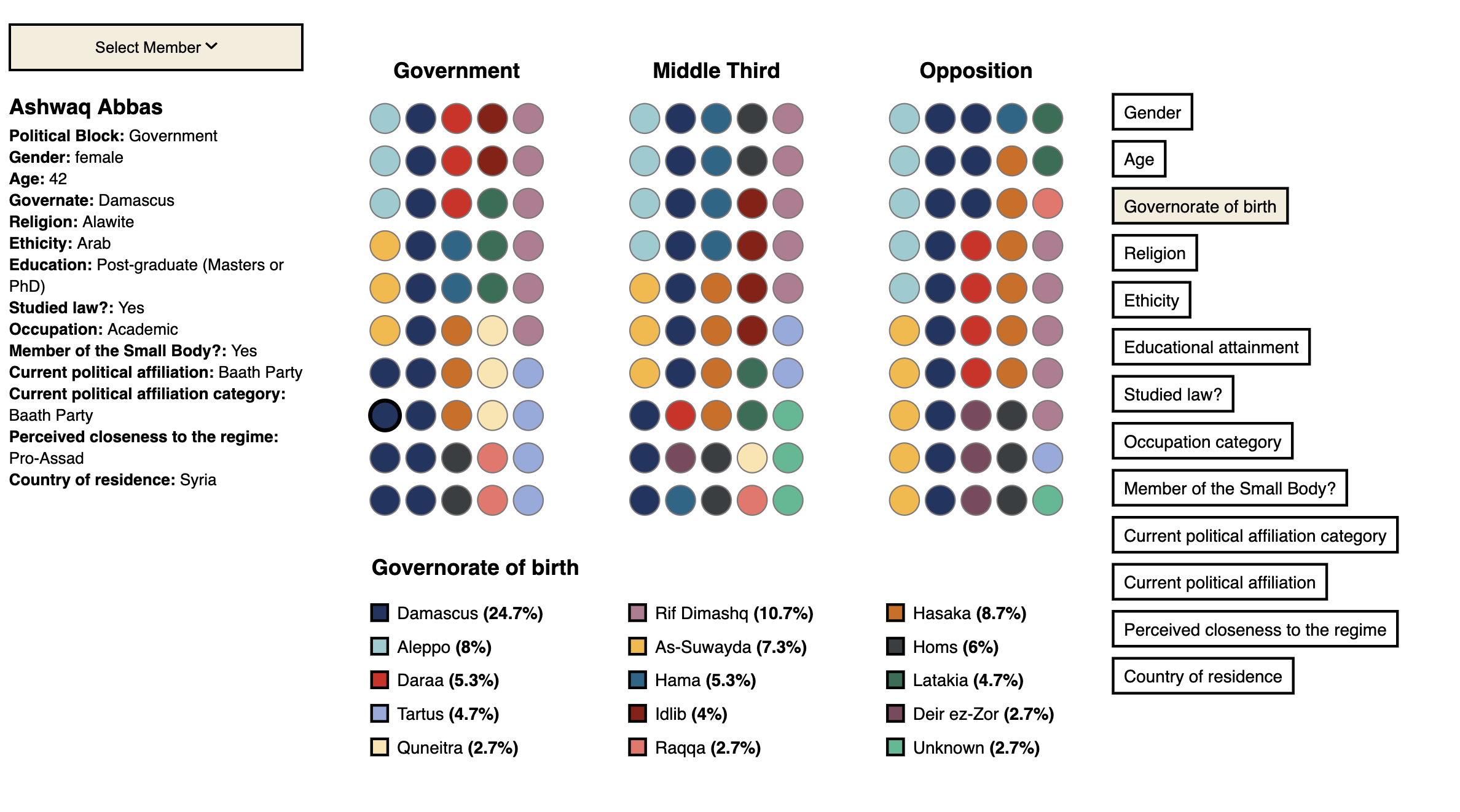
This interactive data visualization and accompanying article provide background information on the members of the Syrian Constitutional Committee as well as analysis of its dynamics and policy recommendations on how to improve it.
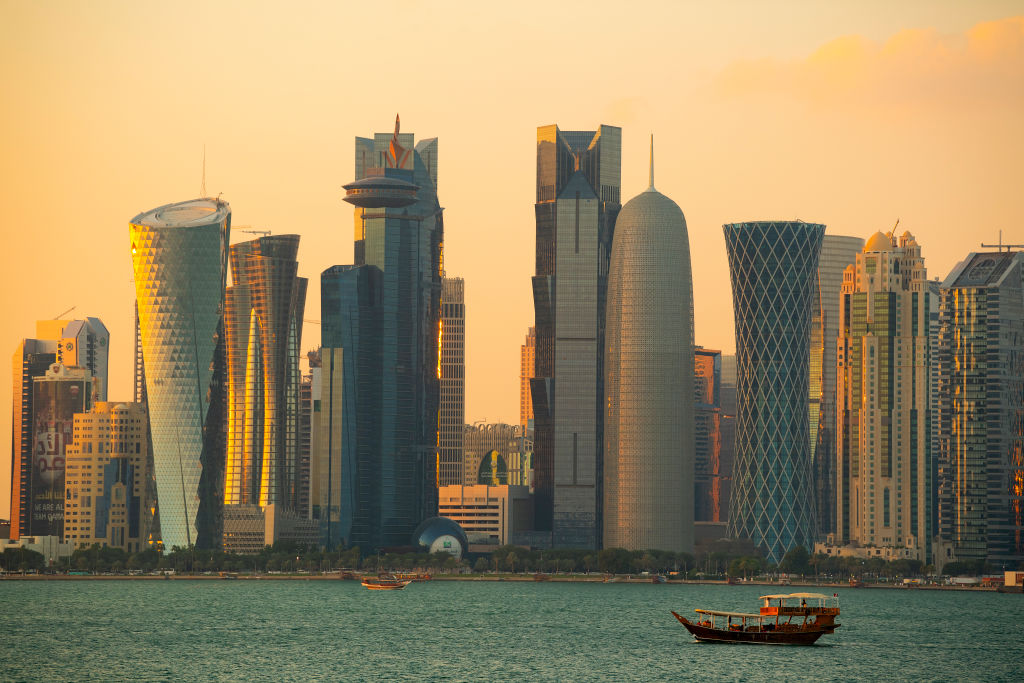
The GCC al-Ula Statement: Perhaps a step, but not a solution
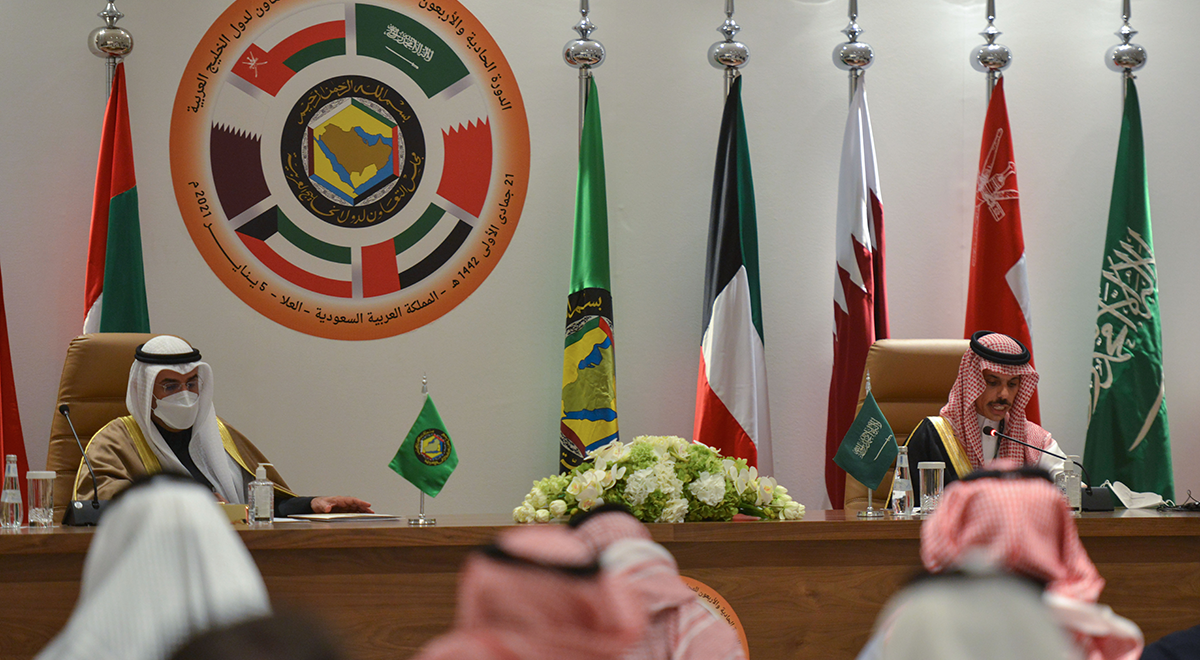
The leaders of the six Gulf Cooperation Council (GCC) member states — Saudi Arabia, the United Arab Emirates, Oman, Kuwait, Bahrain, and Qatar — signed a “solidarity and stability” agreement, dubbed the “al-Ula Statement” after the Saudi city in which it was inked, at their Jan. 5 summit meeting.
In the Middle East, cyber sovereignty hampers economic diversification
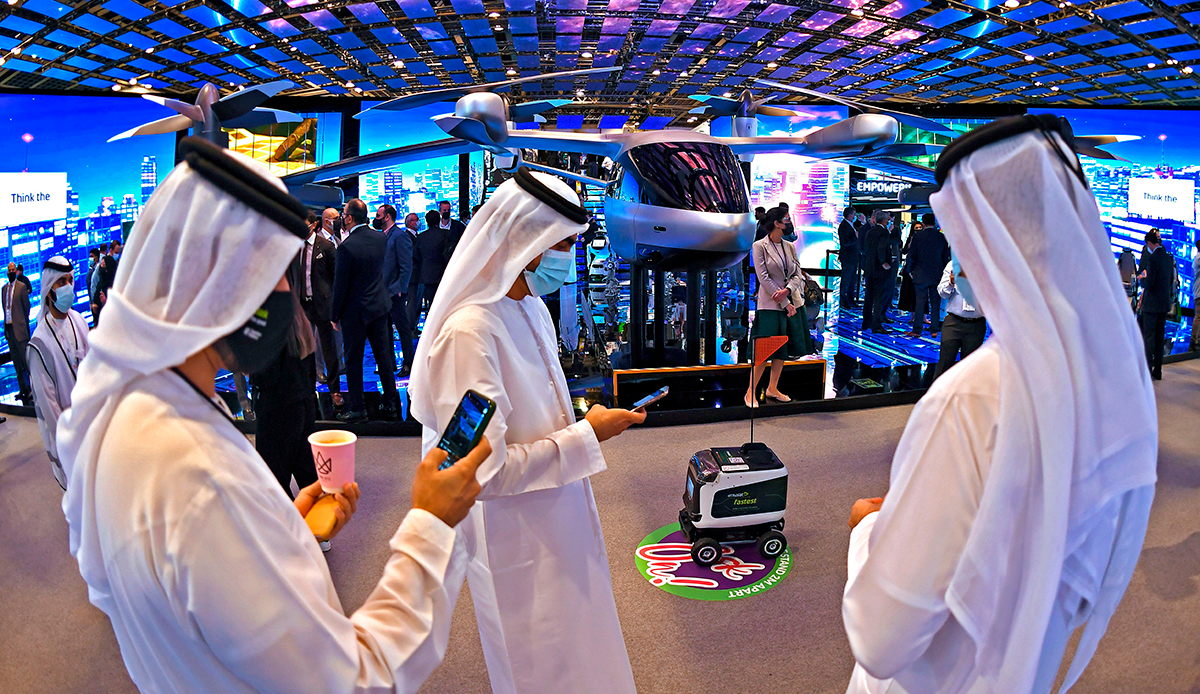
Rapid and unprecedented transformation in the Middle East, whether political, social, or technological, is forcing governments to reckon with enormous changes. Many governments are responding by attempting to pursue two contradictory paths forward — cyber sovereignty and digital transformation — and they might end up not achieving either.
The United States and the Gulf: Trapped in transition?
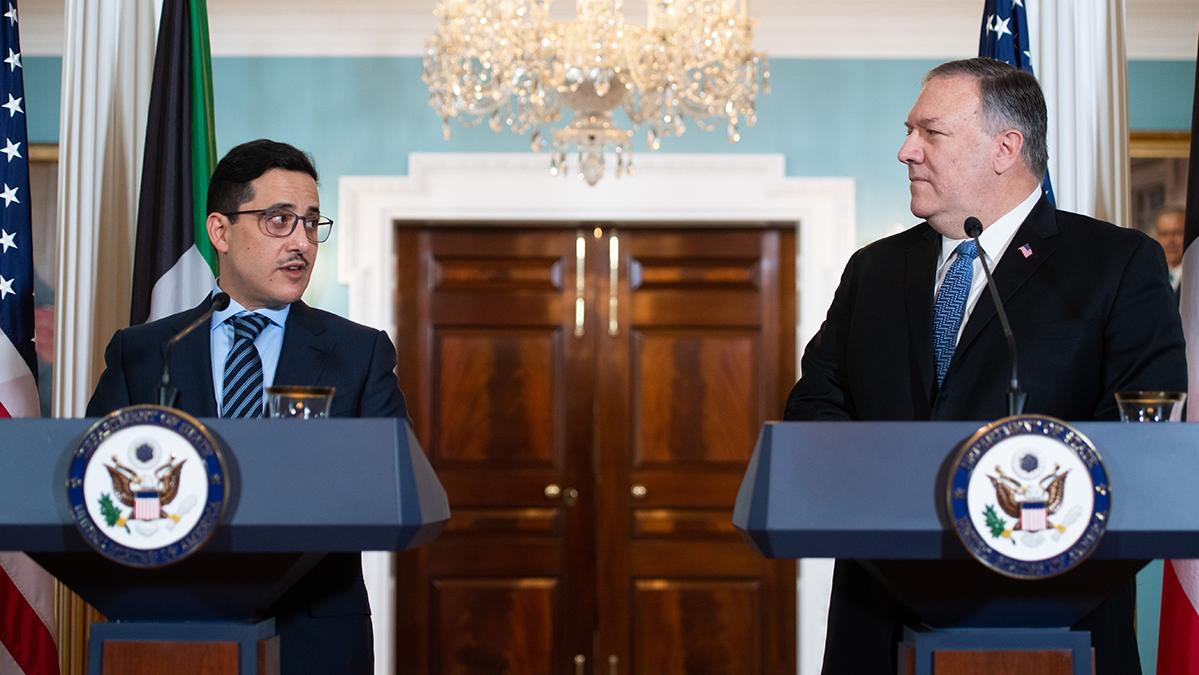
The mixed messages and pendulum swings in U.S. Gulf policy in recent years are rooted in and have further fueled deep questioning and a largely unresolved debate within the United States about America’s role in the region, and indeed in the world. Like the U.S., relations between the GCC and Iran are locked in confrontation. Breaking this impasse requires decisive U.S. reengagement in Gulf affairs led by vigorous, sustained diplomacy that promotes intra-GCC reconciliation and supports efforts aimed at tempering the Saudi-Iran strategic rivalry.
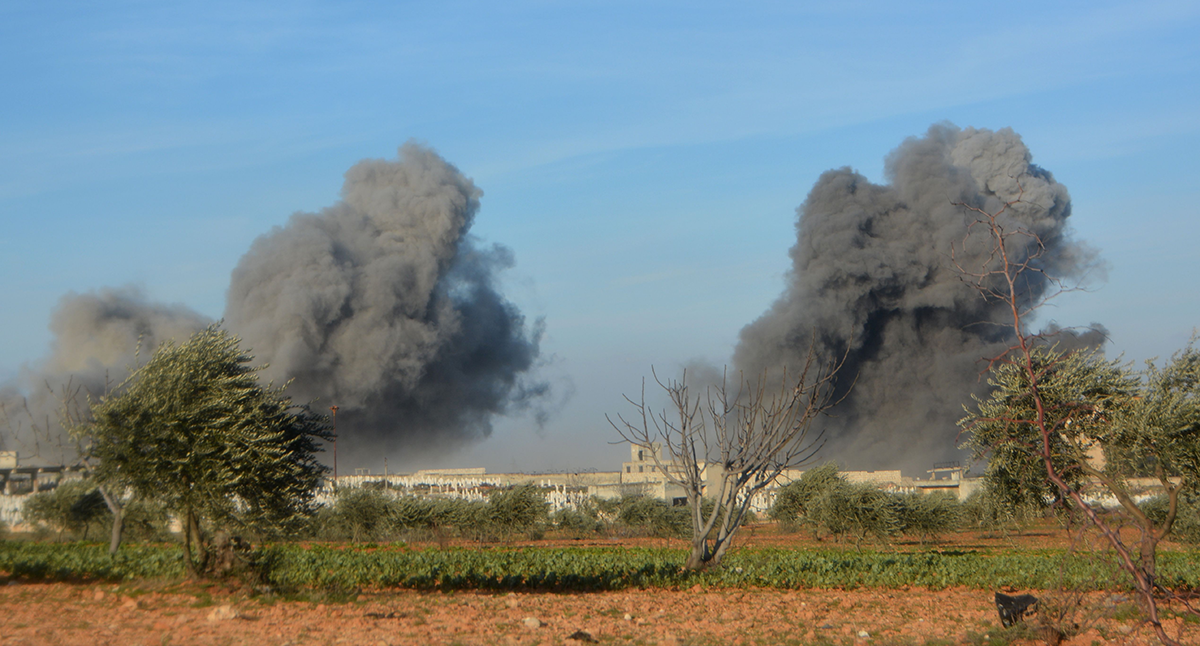
Weighing the scales of violence in northwest Syria
When looking at a map of all artillery and airstrikes in the period from November 2019 through November 2020, first, it is quite clear that the majority of attack are carried out by either Syrian, Russia, or pro-government forces across the northwest of the country, save for northern Aleppo, where the Turkish military is more active.
A look back at the year’s most important developments with analysis from Paul Salem, Alex Vatanka, Randa Slim, Gerald Feierstein, Gonul Tol, Jonathan M. Winer, Khaled Elgindy, Marvin G. Weinbaum, Mirette F. Mabrouk, Grace Wermenbol, Syed Mohammad Ali, Robert S. Ford, and Khaldoun Khelil.
Syrian opinion split on decentralizing power in new constitution
Under U.N. Security Council Resolution 2254, a critical step toward a political solution to the Syrian crisis is the drafting of a new Syrian constitution. To that end, the Constitutional Committee in Geneva has conducted three rounds of discussions, with little to show for it. One of the key components of the new constitution is the decentralization of power. The issue is hard for Syrians to approach objectively, however, because — depending on their class, ethnicity, and religion — they have been impacted by the highly centralized system of governance in vastly different ways. In order to understand the different views of Syrians on the issue of decentralization in a new constitution, The Day After (TDA), a Syrian organization that works toward empowering civil society, democratic transition, and justice in Syria, conducted a survey of 2,966 persons between June and July 2020, including Syrians within the country as well as in the diaspora. In general, support for a decentralized political system is on the rise. Compared to a survey conducted by TDA two years earlier, there was an increase of over 20 percentage points among all respondents for a decentralized system in Syria.
What could environmental cooperation between Iran and the GCC look like?
The Persian Gulf states are among the most vulnerable on earth to the effects of climate change, which makes environmental cooperation necessary for their survival. Located in one of the hottest and driest parts of the planet, the region is vulnerable to extreme heat waves, dust storms, and water scarcity. All of these will increase in frequency and severity with further climate change. Protecting the natural environment of the region is not just an ecological concern, but a security one as well. Unmitagated climate change could spur conflict over limited resources and produce waves of migrants. While the future may seem bleak, environmental cooperation also presents a unique opportunity for improving the relationship between the Gulf Cooperation Council (GCC) states and Iran. Successes from cooperation on essential environmental issues could be the start of a more general rapprochement.
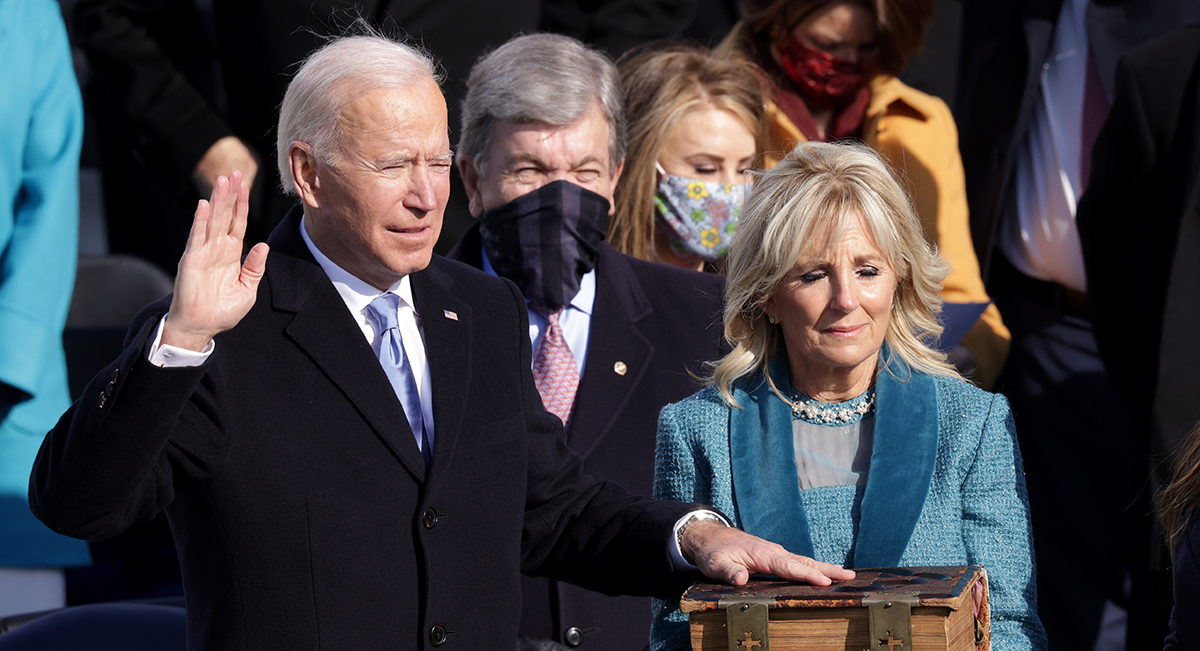
The Middle East and American Democracy’s Near-Death Experience
The fascination with the peaceful removal of leaders by a simple vote in the United States has always contrasted painfully with the inability of most Middle Eastern populations to do the same.
Monday Briefing: An end to the intra-GCC dispute: Headline or hype?
This week’s briefing on recent news and upcoming events in the region featuring Gerald Feierstein, W. Robert Pearson, Mirette F. Mabrouk, Paul Scham, and Marvin G. Weinbaum.