Energy Prospects in the Gulf: The Oil Price Ascent, in Brief
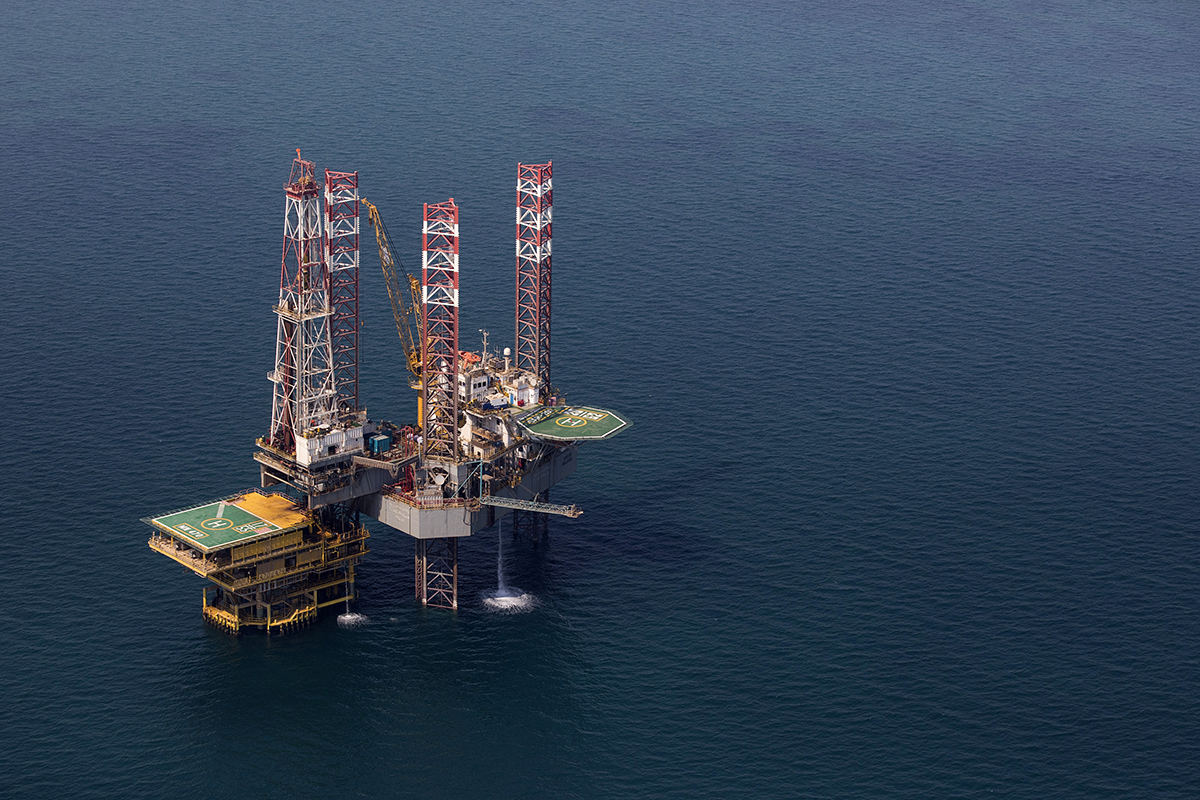
While oil prices have rebounded before soaring since the depths of collapse in the spring of 2020 — with Brent crude prices skyrocketing from $19 per barrel in April 2020 to a three-year high of $86 per barrel in October 2021 — the prospects for a sustained high oil price for Gulf producers is unlikely.
A personal vantage point on the gamble of the Abraham Accords: Dubai’s first international backgammon championship
Jason Pack on the 2021 Oasis Backgammon Championship, the first major international backgammon tournament to be hosted in the Arab World in recent memory, and how it reflects broader changes in the Middle East.
Integrated Air and Missile Defense Will Enhance Security in the Middle East
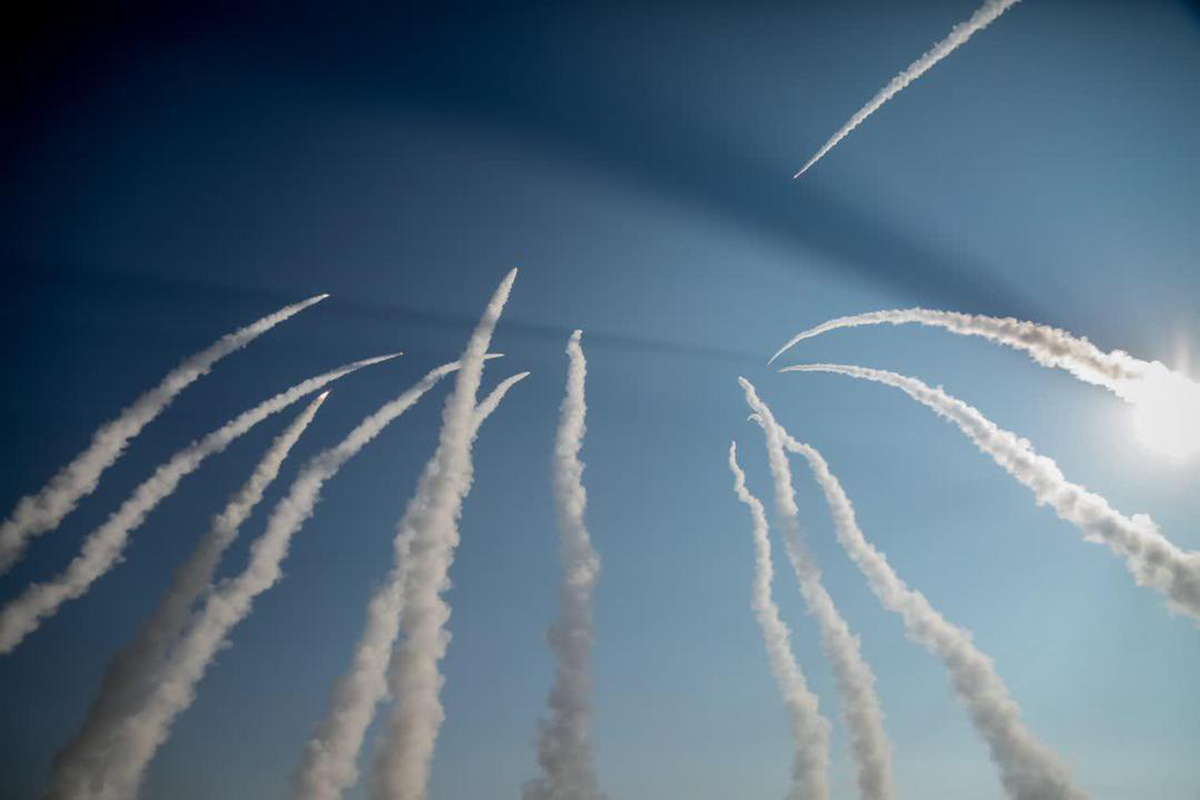
Integrated air and missile defense will make America’s partners in the Persian Gulf safer and bolster America’s policy against Iran. It’s past time to make IAMD a priority.
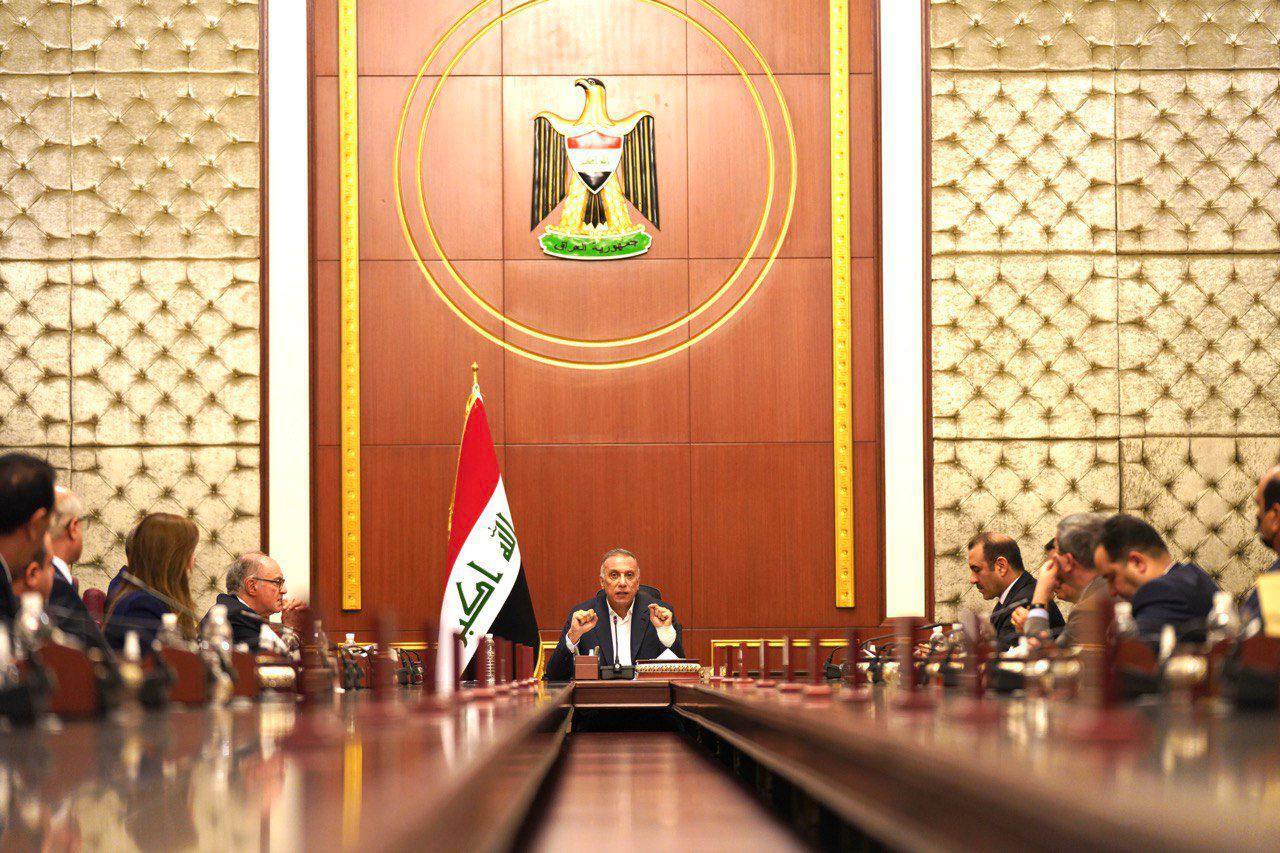
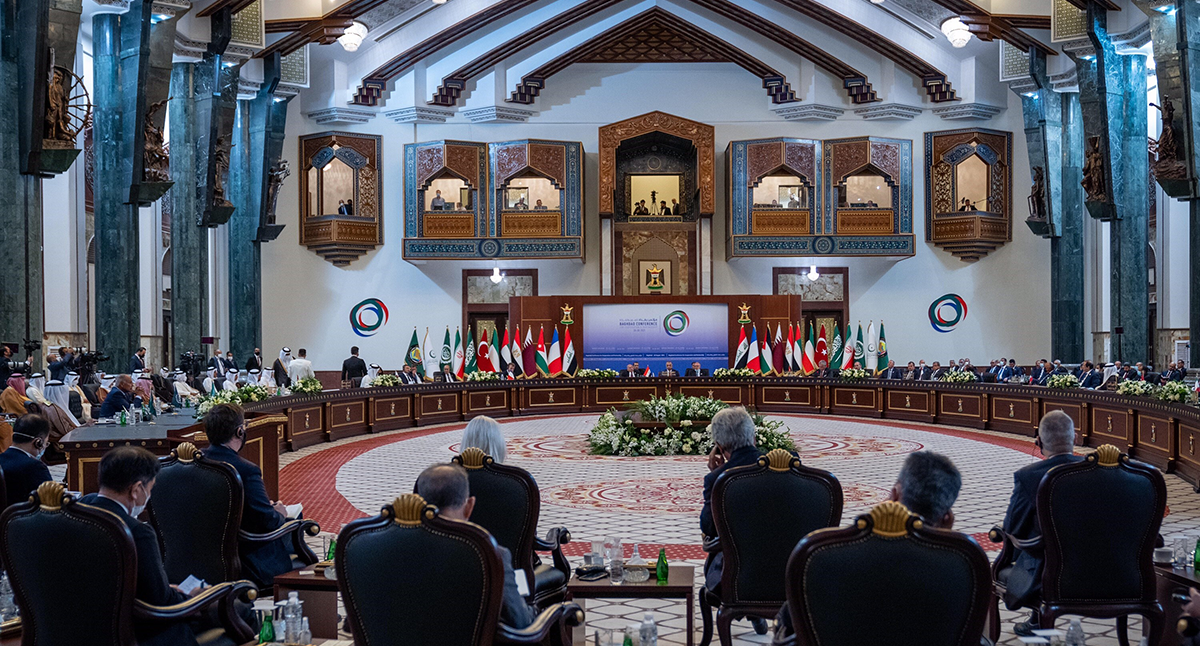
Mohammed Alsulami and Kasra Aarabi join Banafsheh Keynoush to discuss the latest talks between long-time regional rivals Saudi Arabia and Iran. Several rounds of talks between Riyadh and Tehran been held in Baghdad since April. They are taking place amid a broader regional trend toward deconfliction and as negotiations in Vienna over the revival of the 2015 Iran nuclear deal appear to have bogged down.
Has Israel’s campaign between the wars reached an impasse?
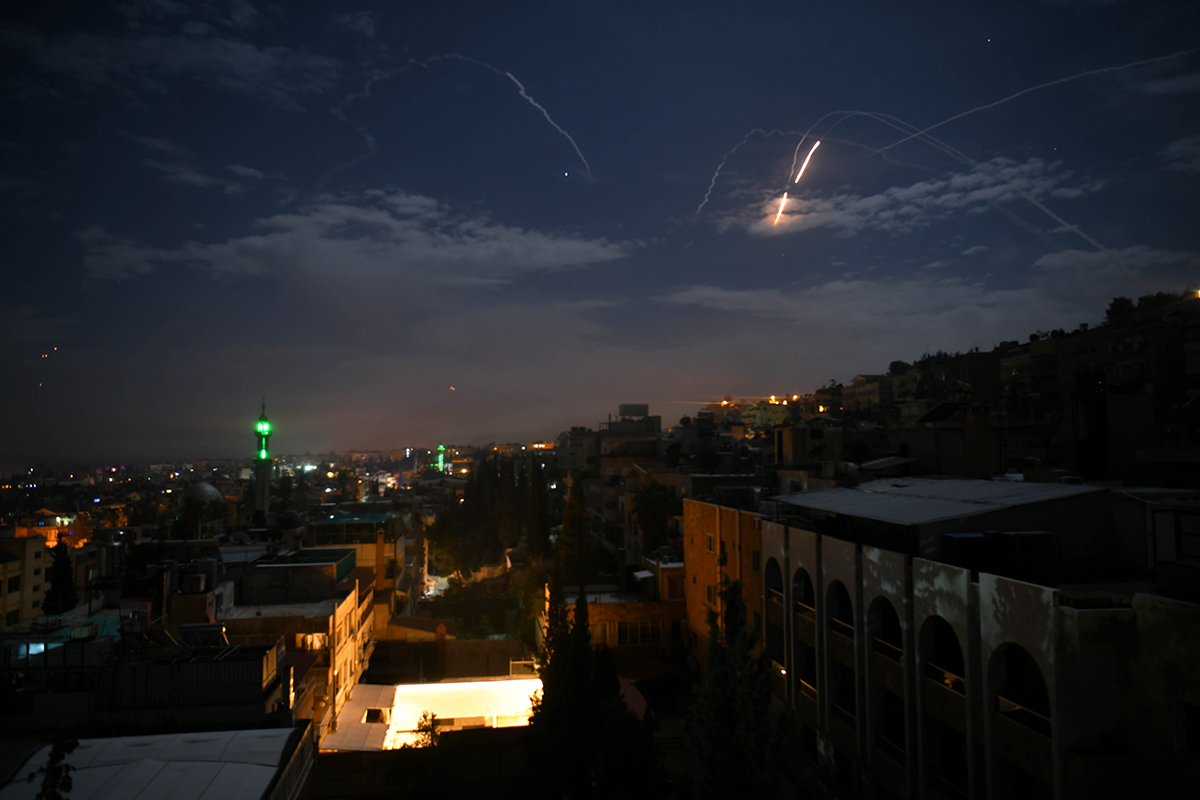
In recent years, Israel has waged a campaign against the military buildup of its enemies, mainly Iran, Syria, and Hezbollah. This ongoing effort is called “the campaign between the wars,” or the Mabam Campaign. Several events in recent weeks have given rise to questions about the effectiveness of this campaign, however, and have underscored the need to rethink its future.
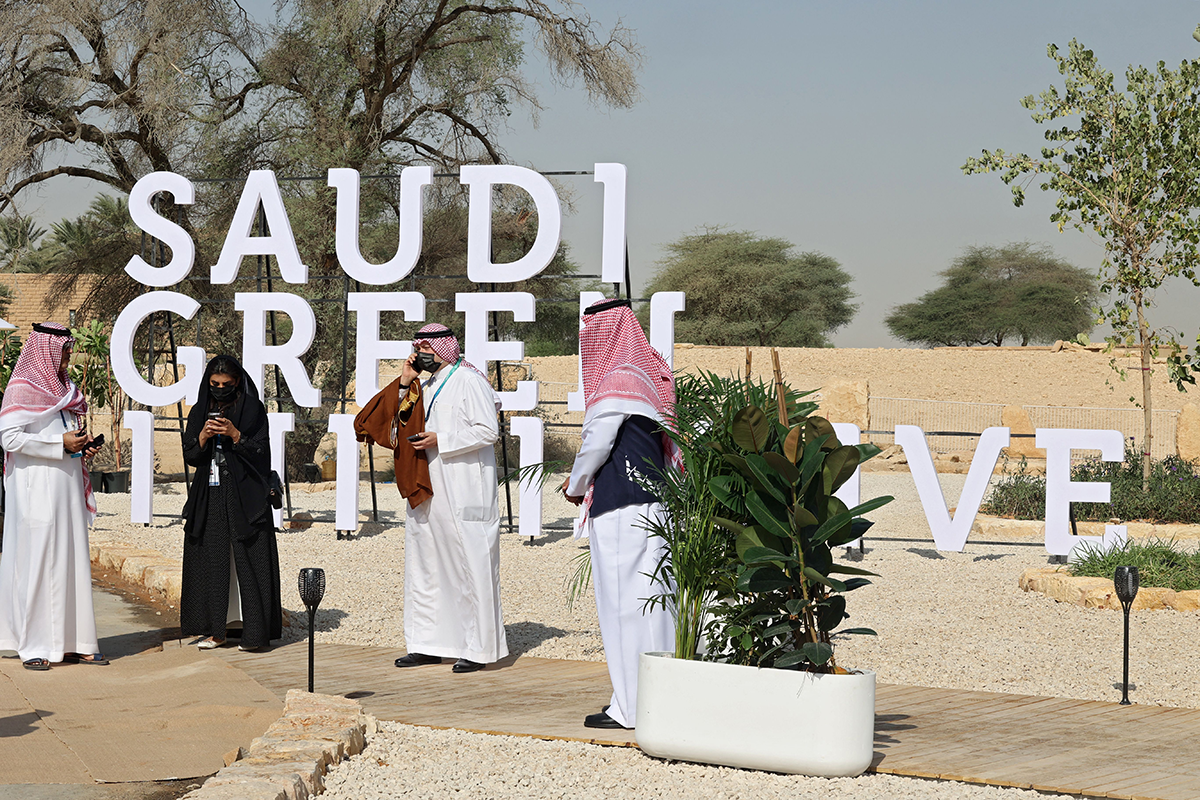
The kingdom is unlikely to achieve net zero emissions soon, but the ambition to do so, and the plan, is an impactful step in the right direction, write Jim Krane and Karen E. Young in their new piece for Al-Monitor.
The US competes to be the “partner of choice” in the Gulf
Even as the United States continues the strategic pivot to the Pacific inaugurated by the Obama administration, the competition for security and control of maritime space in the Red Sea and eastern Mediterranean is intensifying.
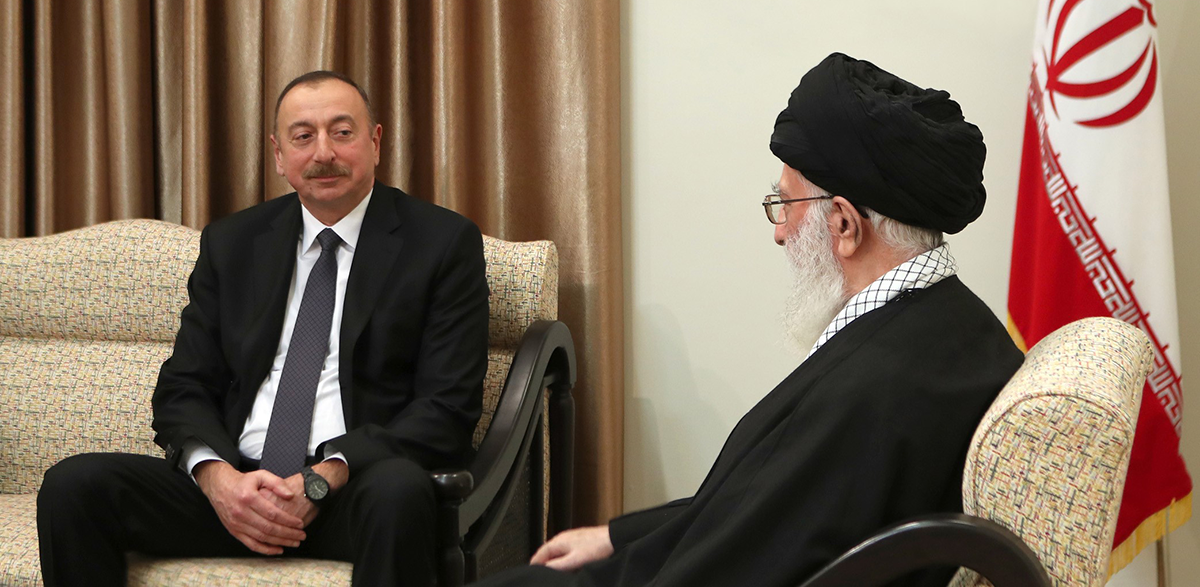
Iran is a neighboring country for Saudi Arabia and we from the Gulf states respect its people and culture, sharing many similarities as nations throughout different historical periods. However, there are, unfortunately, profound disagreements that have significantly increased since the 1979 revolution because of Tehran’s foreign policy approach based on ideological promotion and projection.
Century-old grievances continue to fester in Yemen’s Tihama region
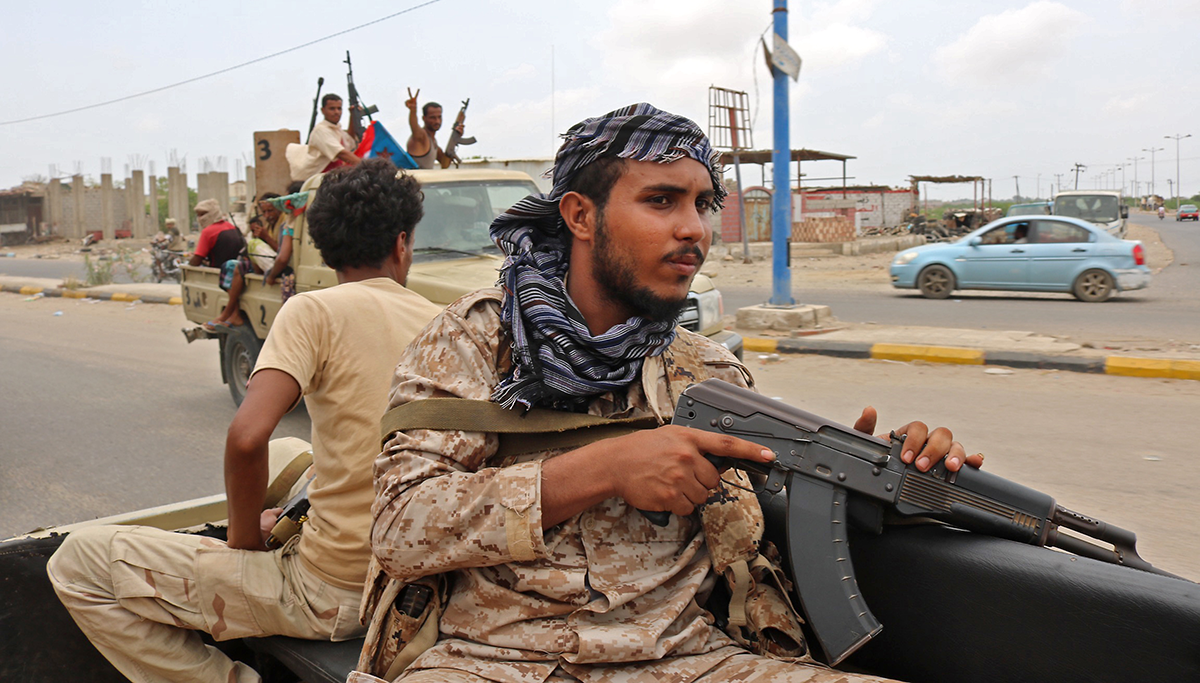
Grievances have been piling up unaddressed in Tihama, Yemen’s Red Sea coastal plain, for almost a hundred years. Since the revolt of al-Zaraniq against Imam Yahya Hameed al-Din of the Mutawakkilite Kingdom (then North Yemen) in 1925-26, consecutive Imams and the republican elite have pursued policies that have systematically marginalized the Tihamis. They have been deprived of a fair share of their region’s wealth, as well as opportunities for equitable power-sharing and economic empowerment.
Does a new Israeli government mean a new regional policy? A look at the first 100 days
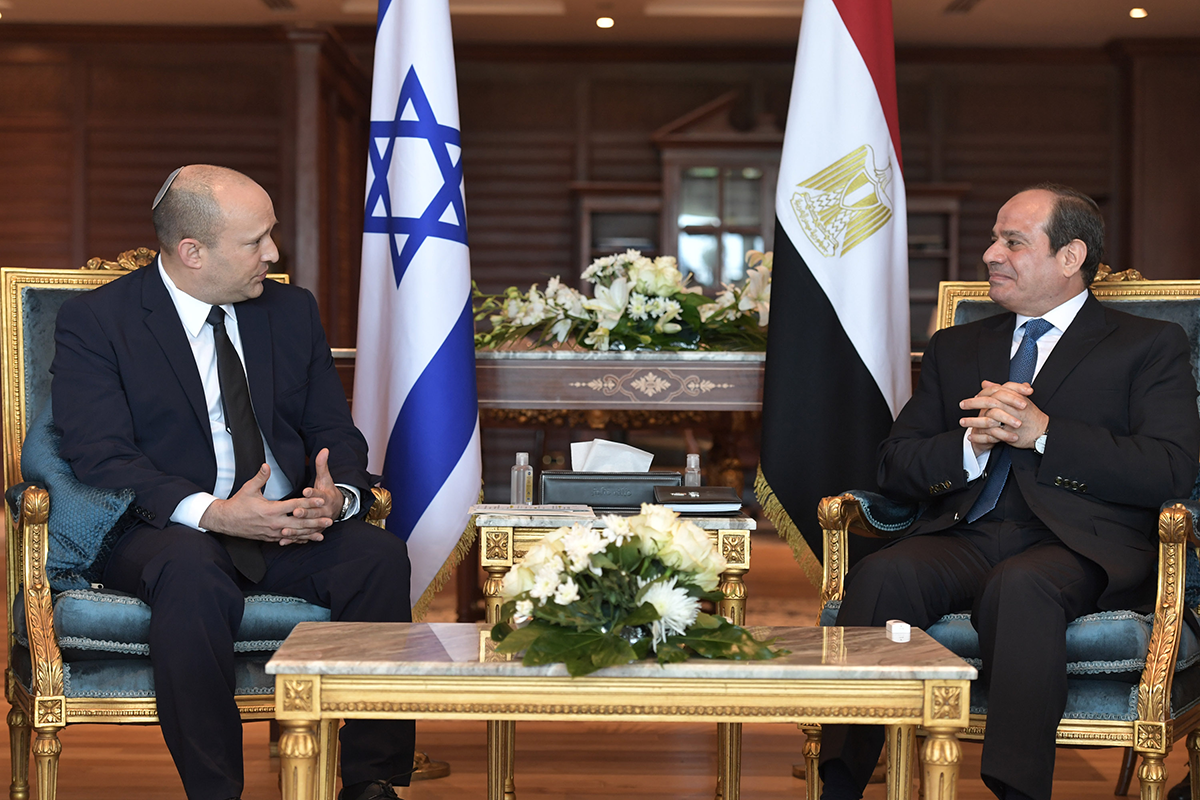
Naftali Bennett found his way to the Israeli prime minister’s office, even though his party won only six out of 120 seats in the Knesset (the Israeli parliament) in the March 2021 elections. He replaced the country’s long-time prime minister, Benjamin Netanyahu, who held the position for a combined total of 12 years and set the tone for Israeli policy, especially in the region. With the new government, formed in June, recently passing the 100-day mark, it is time to ask whether the change in the prime minister’s office has resulted in a real change in Israel’s regional policy.