The potential impact of Ukraine-Russia conflict on the MENA region
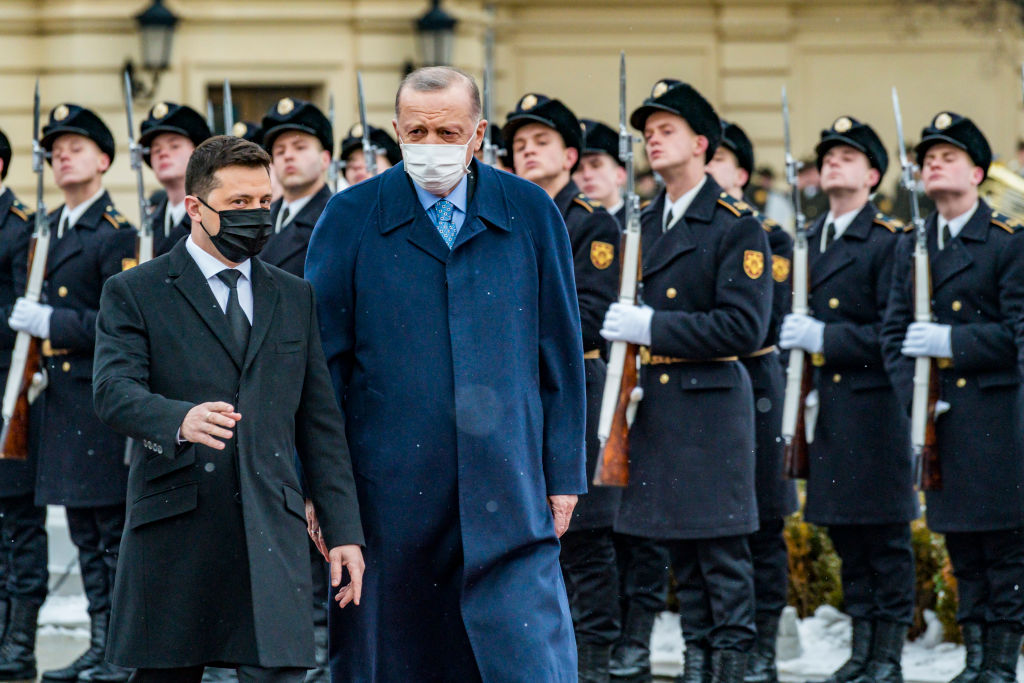
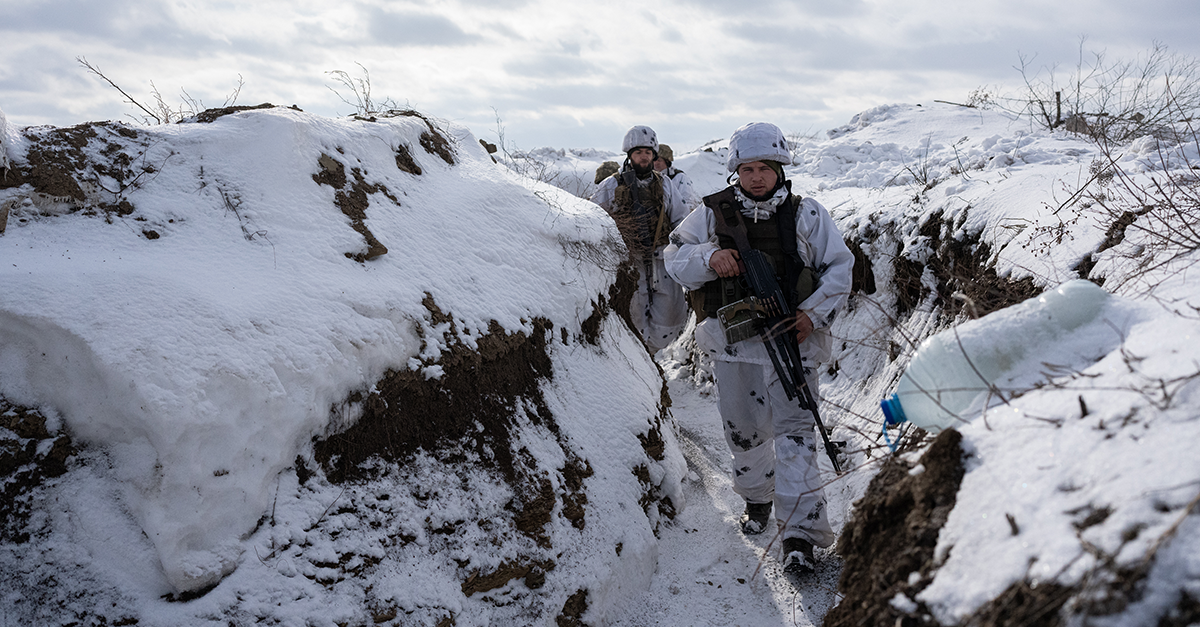
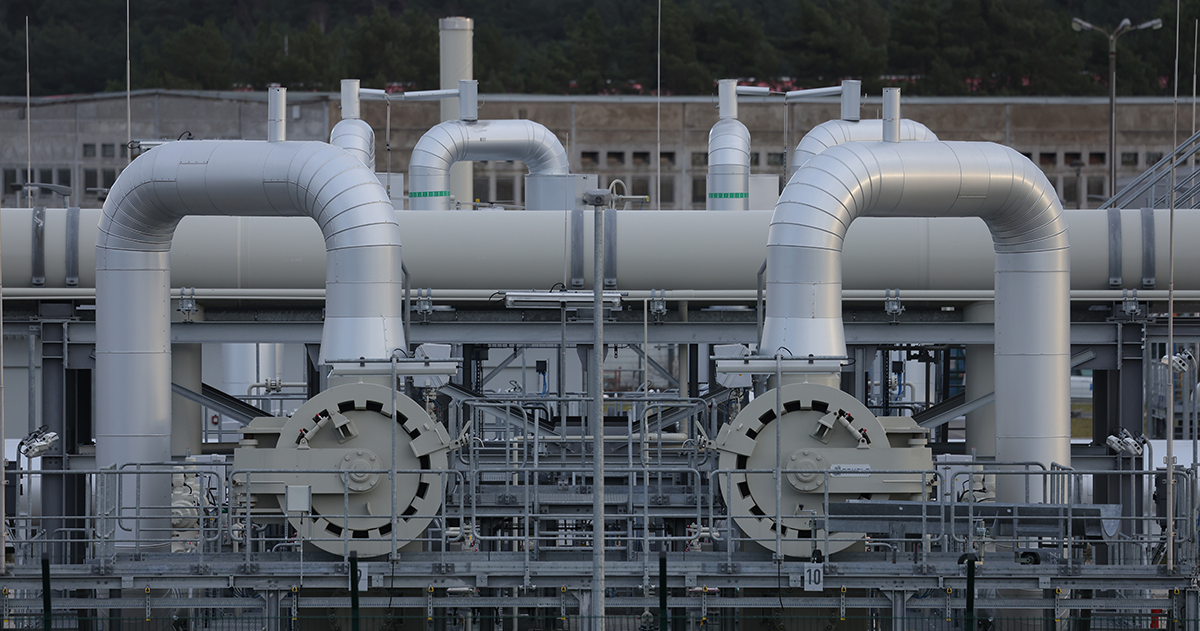
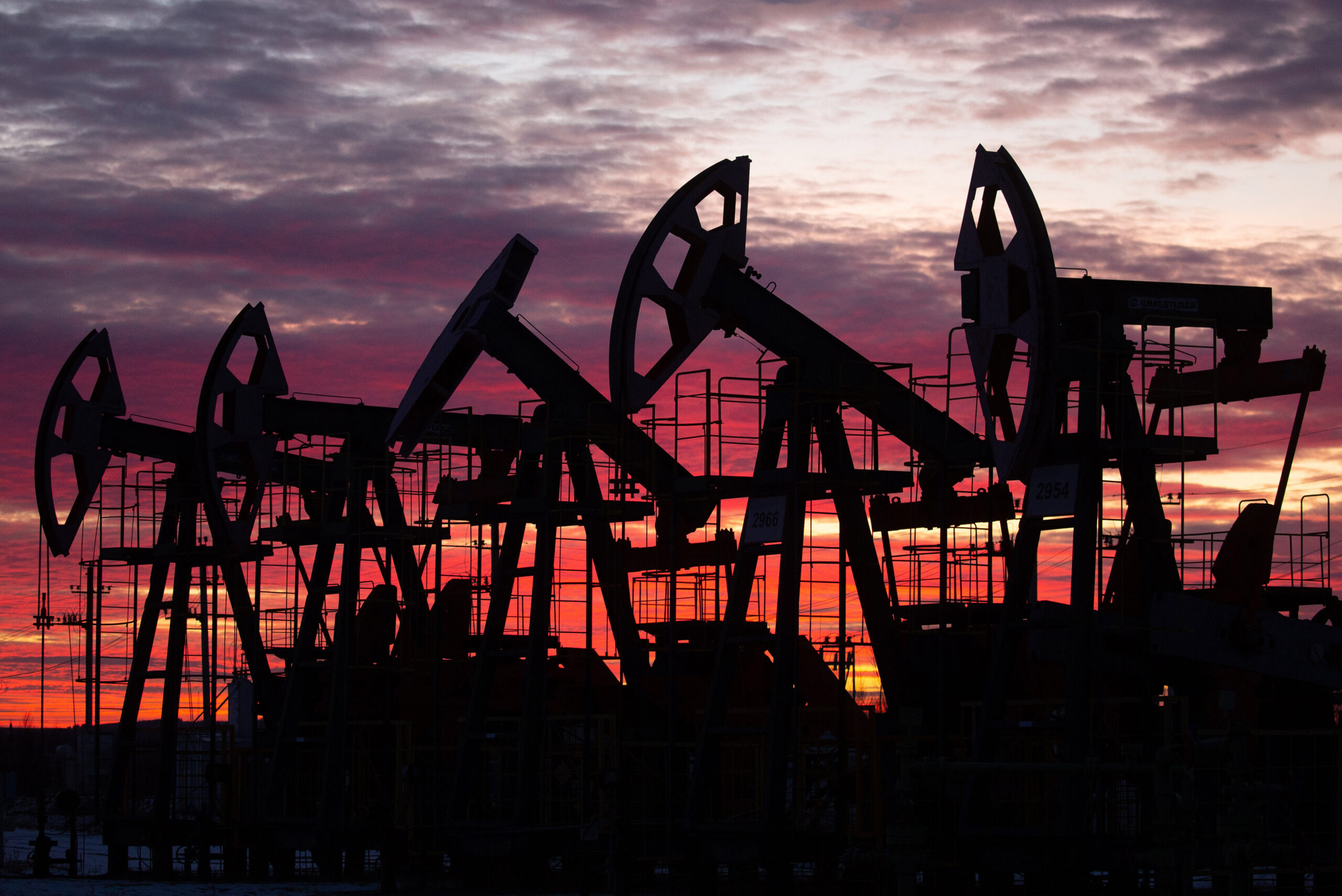
The Black Sea basin has become a flashpoint due to Russia’s interventions in Georgia and Ukraine. This has implications not only for European security, but also for Mediterranean security as well. There are three key areas where the MENA region will be affected by a large-scale confrontation between Russia and Ukraine: energy, agriculture, and refugees.
Qatar is no short-term savior, but it may still play a role in strengthening EU energy security
The U.S. request for Qatari assistance in ensuring the EU’s energy security in case of a Russian supply disruption should be perceived as a political gesture of support addressed to Western allies and a warning to Russia. In reality, however, the American request is just one factor in Qatar’s calculations as it considers increasing its energy exports to Europe, and Doha’s final decision will be determined by an intricate combination of long-term economic and political considerations. In this equation political reasons may not be dominant and economic drivers will not always be in the West’s favor.
The Program on Economics and Energy asked our non-resident scholars and advisory council members for their outlook for 2022 on some pointed energy questions. Topics include oil prices, Iran’s production, OPEC+ output targets, and the adequacy of current SWF savings levels.
في 24 يناير/كانون الأول، أصدرت القيادة المركزية الأمريكية (CENTCOM) بيانًا أكدت فيه أن “القوات الأمريكية في قاعدة الظفرة الجوية، بالقرب من أبو ظبي في دولة الإمارات العربية المتحدة، اعترضت صاروخيين متجهين للداخل بالاستعانة بعدة صواريخ باتريوت اعتراضية بالتزامن مع جهود القوات المسلحة الإماراتية في الساعات الأولى من صباح 24 يناير 2022. نجحت الجهود المشتركة في منع كلا الصاروخين من إصابة القاعدة.
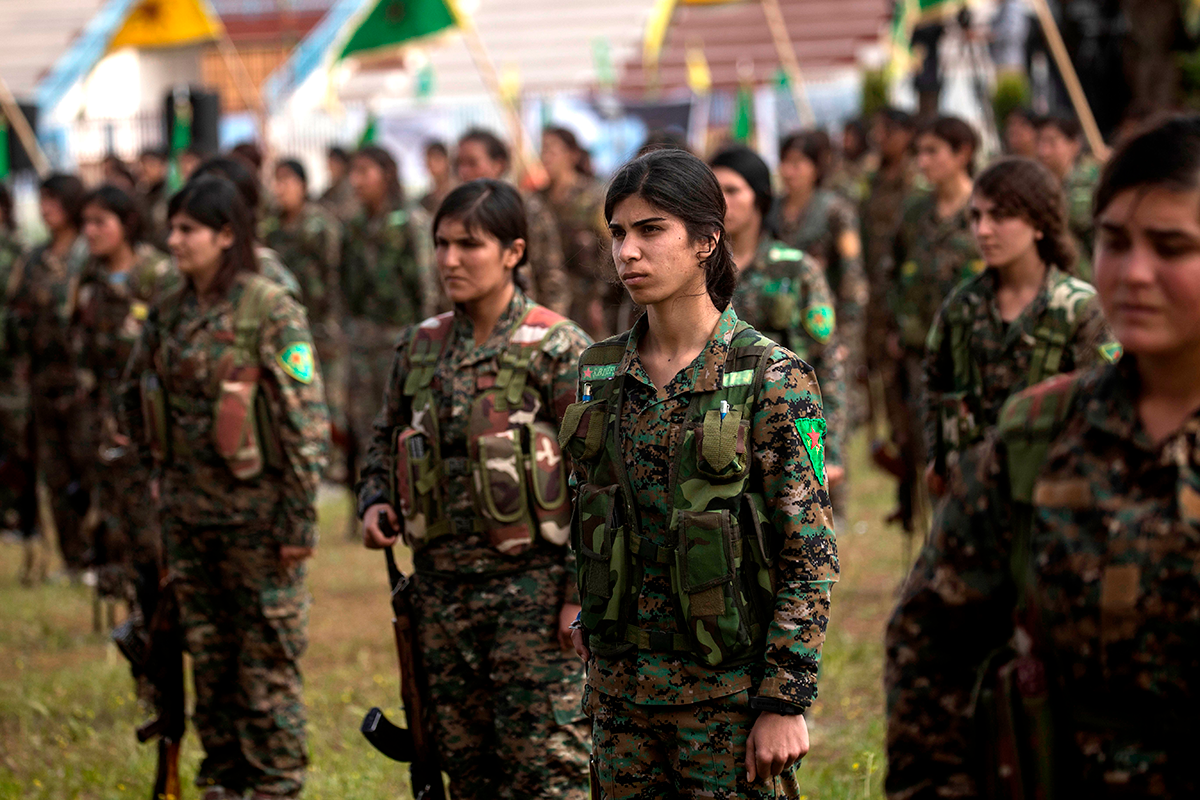
Reassessing women’s role in peace and security in the Middle East
When addressing security challenges in the Middle East, the United States must re-examine how it engages with and views women’s potential security contributions.
For Gulf producers, decarbonization does not mean zero oil production
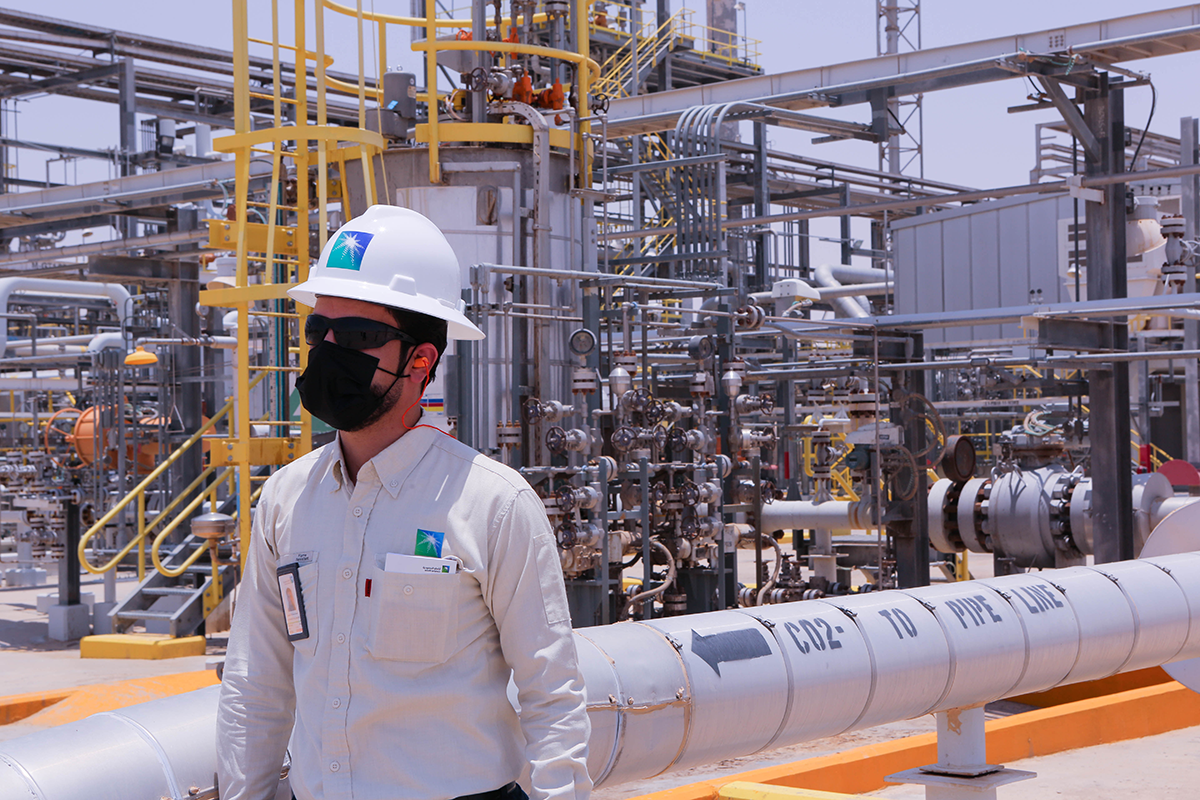
Gulf oil producers do not envisage a post-2050 world devoid of hydrocarbons, even though two of the region’s biggest producers, the UAE and Saudi Arabia, have committed to net-zero carbon emissions by 2050 and 2060, respectively. Reconciling their future environmental commitments with their current reliance on hydrocarbons is going to be an arduous and expensive journey that starts with decarbonizing their oil and gas production to reduce their carbon footprint and increasing their domestic green energy production. With demand for oil and gas forecast to continue post-2050 — albeit at lower levels than now — their net-zero target does not equate to zero oil and gas production. Instead, their transition will differ from that of other countries and will happen at a different pace.
Saudi Arabia has undergone tremendous social change in recent years, but it has struggled to make good on some of its more ambitious financial goals. Much of the promised foreign direct investment has yet to arrive, and the kingdom’s growth agenda has drained its foreign reserves. Most of Mohammed bin Salman’s more eye-catching promises, including futuristic urban megaprojects, remain unfinished.
Iran to remain a key partner for Ethiopia in the Tigray conflict
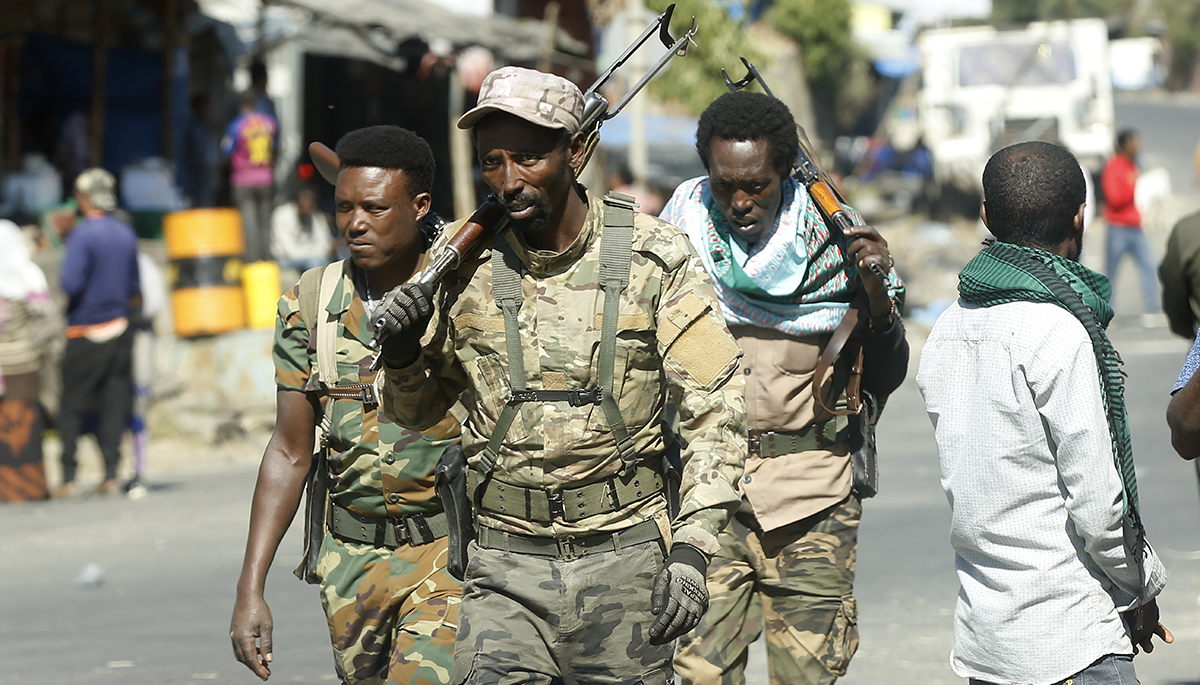
Ethiopia is Iran’s gateway to the Horn of Africa and the broader East Africa region. By helping Ethiopia in its ongoing conflict with the rebel Tigray Defense Forces, which represent the Tigray ethnic minority, Iran is preserving its so-called strategic depth in the region to bolster its influence.
What these attacks and many others in the region have in common is Iran’s irrefutable involvement. They may have different local contexts and their perpetrators, all loyal to Iran, may have different motivations, but every single one of those attacks was possible only because Iran provided either the weapons or the know-how to assemble and use them.
As Russia demands legal guarantees from the West, is Georgia on anyone’s mind?
As Russia amasses more than 100,000 troops along Ukraine’s borders, the Kremlin is holding the country at gunpoint while imposing outrageous demands on the West. NATO has never attacked Russia, while Moscow has waged wars against Georgia and Ukraine and still occupies their lands and militarizes the Black Sea.
How involved was Iran in the Houthi attack on the UAE?
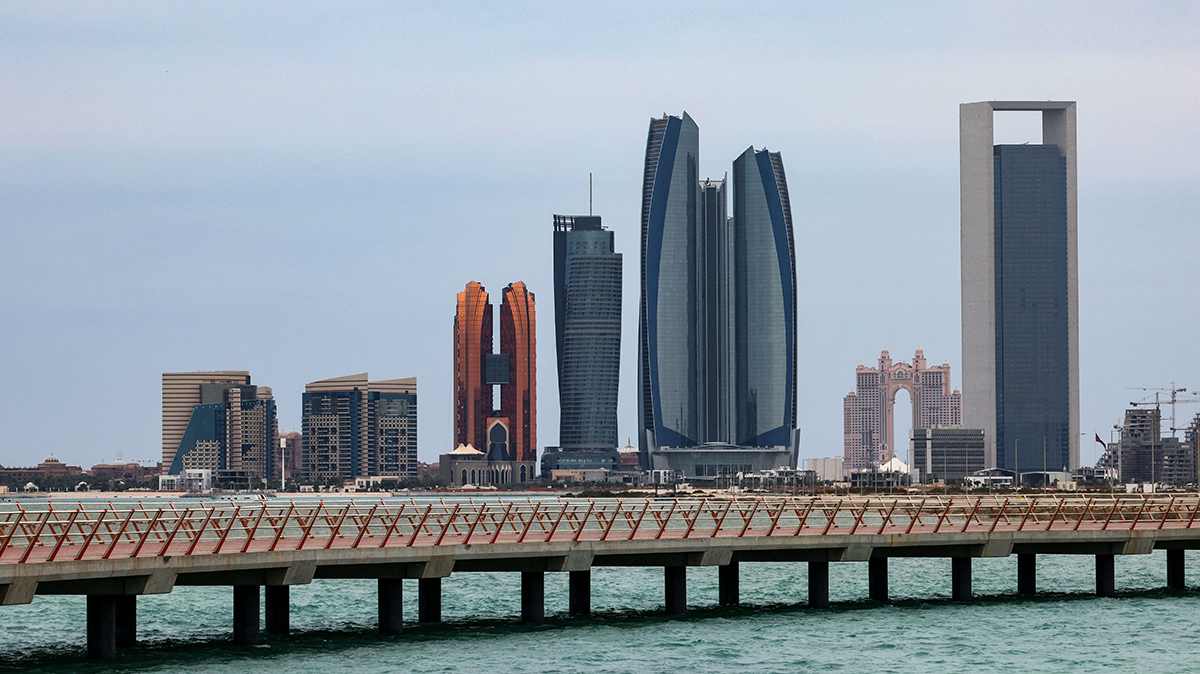
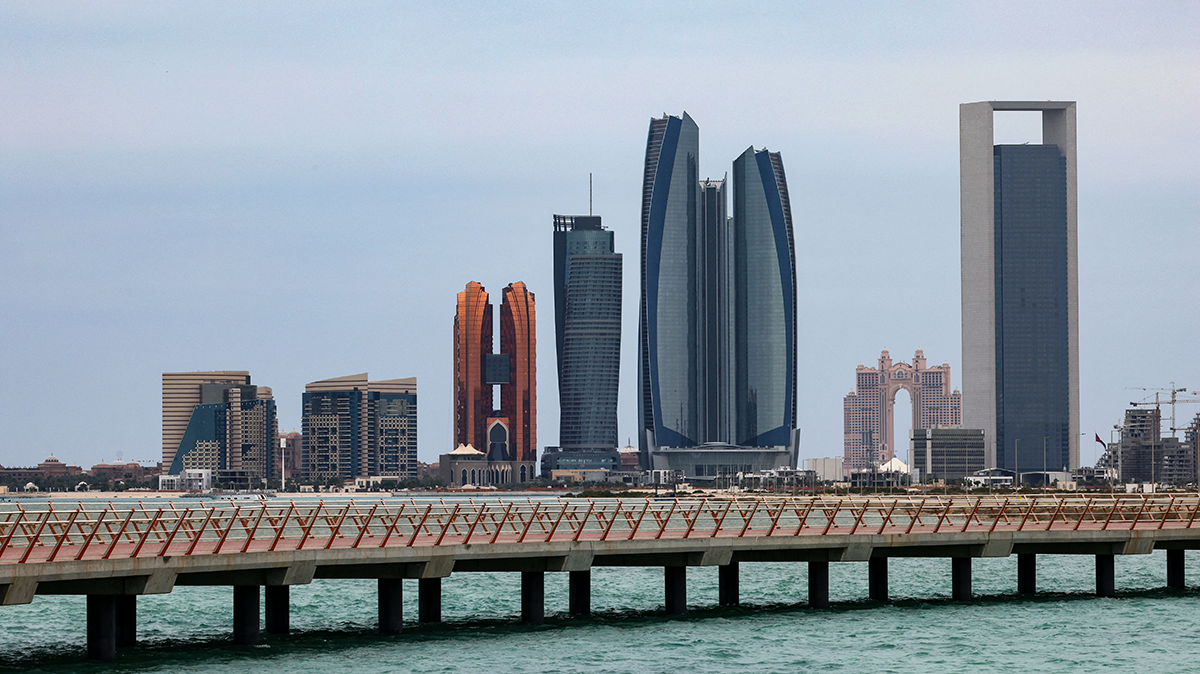
Three days have passed since the Houthi attack on the UAE, yet there’s still a lot we don’t know about what really happened. Here’s what we do know: The Houthis officially stated that they were the ones who struck Abu Dhabi, and unlike in September 2019 when they made the same claim, this time they might not be lying. Yet this is not enough to help us answer what in my opinion is the ultimate question: to what extent were the Iranians involved in this attack?
يوم 17 يناير/كانون الثاني، نفذ الحوثيون هجومًا آخر استهدف منشأة نفطية إماراتية في أبوظبي، ما أدى إلى مقتل ثلاثة وافدين، وإلحاق أضرار بالبنية التحتية. ظاهريًا، يبدو أنهم يذكَّرون الإماراتيين بمدى ضعفهم وإمكانية الإضرار بهم إذا استمرت الهجمات ضد مصالح الحوثيين في اليمن. وبحسب ما ورد، كانت وسائل الهجوم عبارة عن طائرات مسيرة، وهي أداة بسيطة غير متماثلة متاحة للكثيرين واستخدمها الحوثيون على نطاق واسع في جميع أنحاء المنطقة. لسوء الحظ فإن القصة هنا قد أصبحت مألوفة للغاية وتتطلب استجابة متسقة الآن. ففي نهاية المطاف، من المرجح أن يتم نسخ وتكرار ما أصبح روتينيًا في الخليج في مواقع أخرى.
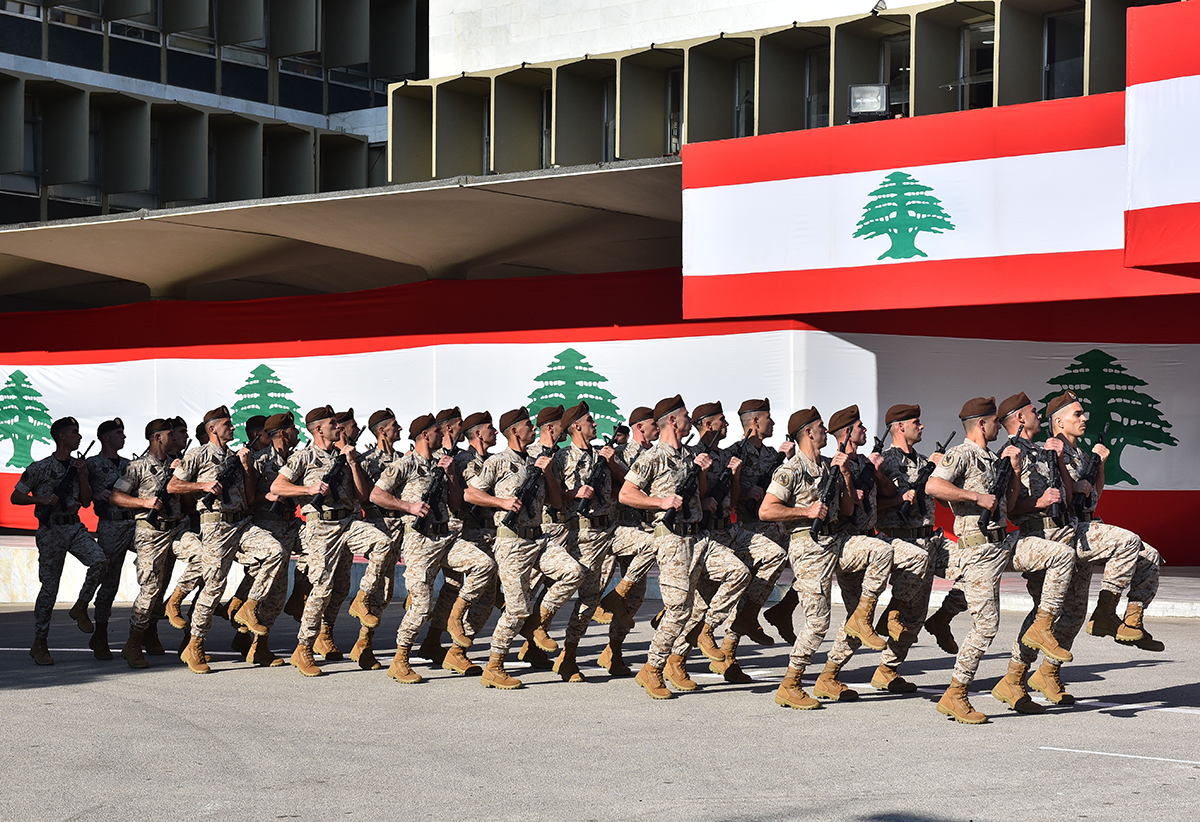
Back to basics? Lebanon’s critical role in Biden’s Middle East
In the past several months, Biden administration officials have been pushing back against an encroaching narrative that the United States has abandoned the Middle East. But deepening partnerships built on a shared threat are not enough to assuage the concerns of all valuable allies in the region given the increasing perceptions of U.S. unreliability. To address these concerns, the U.S. needs to identify positive nexuses across policy priorities as well. One ripe option in this frame is Lebanon, where the United States has a reliable and long-standing partner in the Lebanese Armed Forces.
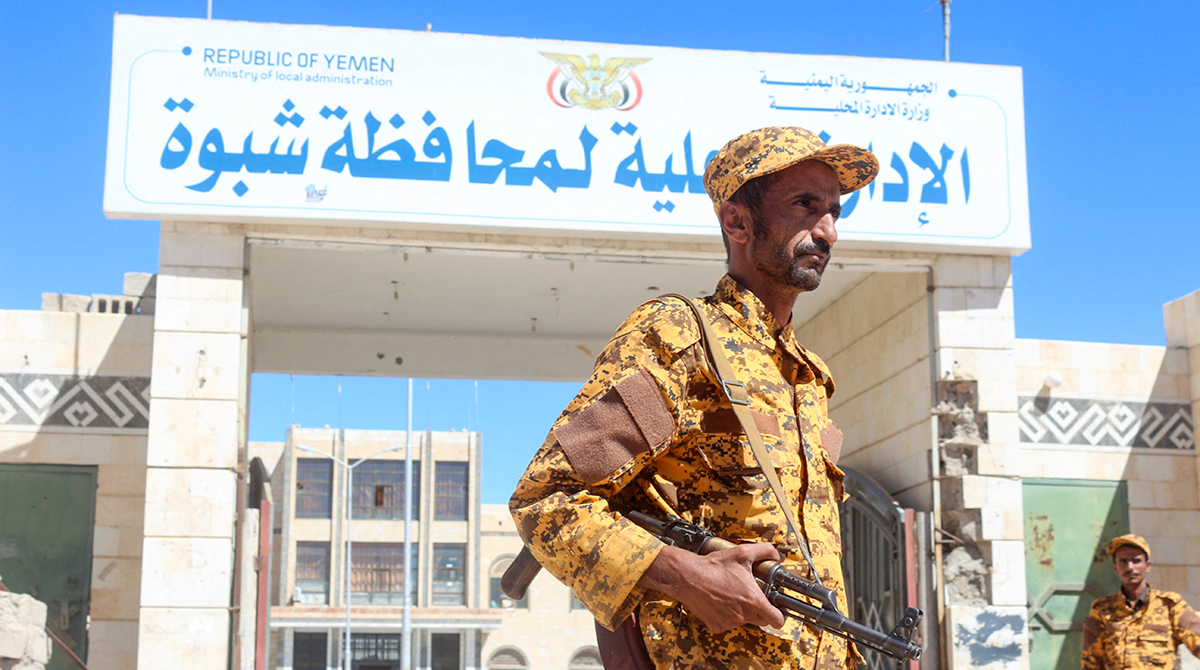
On Jan. 10, the governor of Shabwa announced its liberation from the Iran-backed Houthis. This victory followed a seemingly successful Houthi military campaign over the past couple of years to expand their influence around the city of Marib, weaken the internationally-backed government of Abed Rabbo Mansour Hadi, and solidify their grasp on strategic northern areas. However, while significant, the victory in Shabwa is unlikely to be replicated in the rest of the country, given the very specific political and regional dynamics that helped to bring it about. Moreover, the Houthis’ drone attack on Abu Dhabi on Jan. 17 presents a further challenge to the advance of pro-UAE forces into Marib.