For Mali and the Sahel, New Tensions and an Old — and Worsening — Security Problem
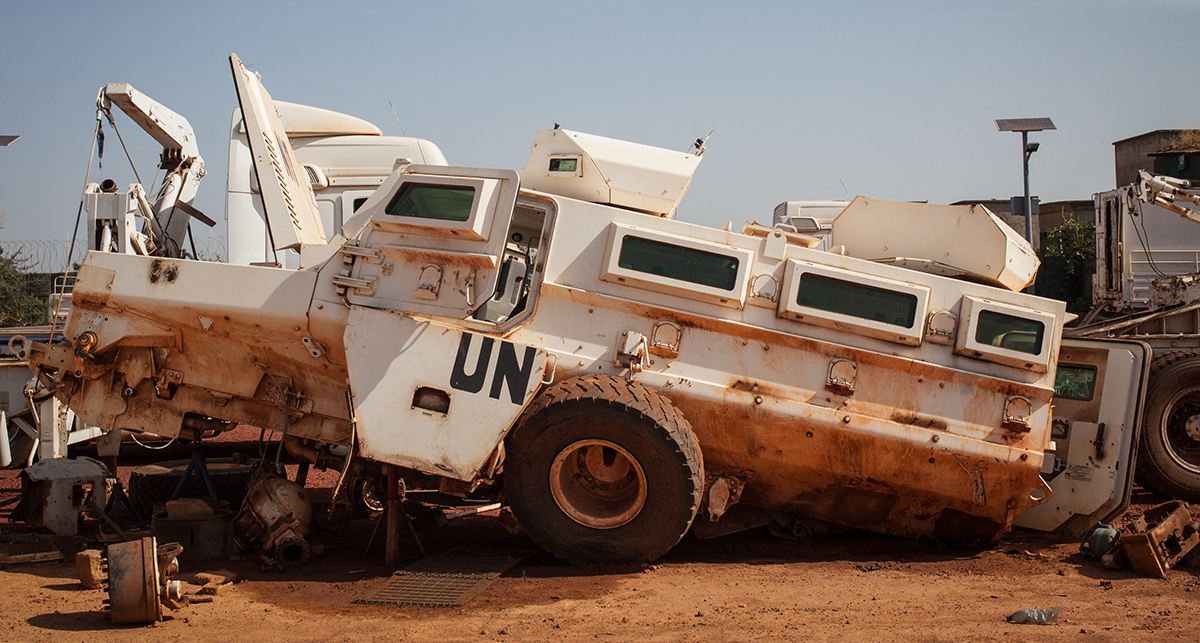
Events in the Sahel, and Mali especially, are taking an uncertain and worrying turn. Mali witnessed two coups d’état in less than a year, while the West African Sahel went through its most violent year yet and there are no signs that the violence is slowing down. In the midst of this unprecedented instability, recent developments involving Mali’s transitional government and the international community, France in particular, provide no assurances that things are likely to improve anytime soon.
The IRGC and the Persian Gulf Region in a Period of Contested Deterrence
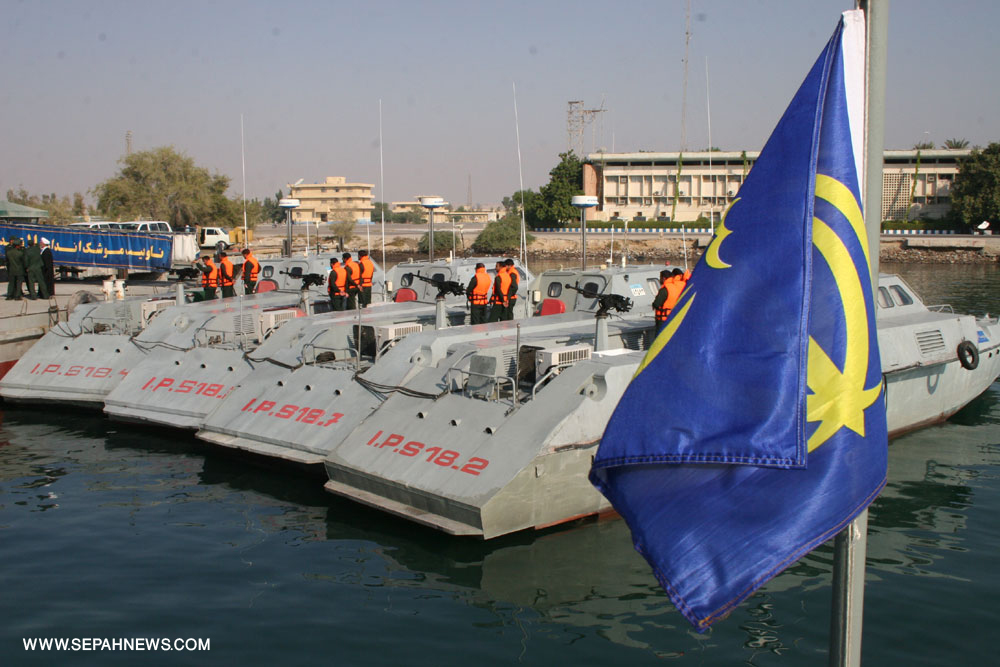
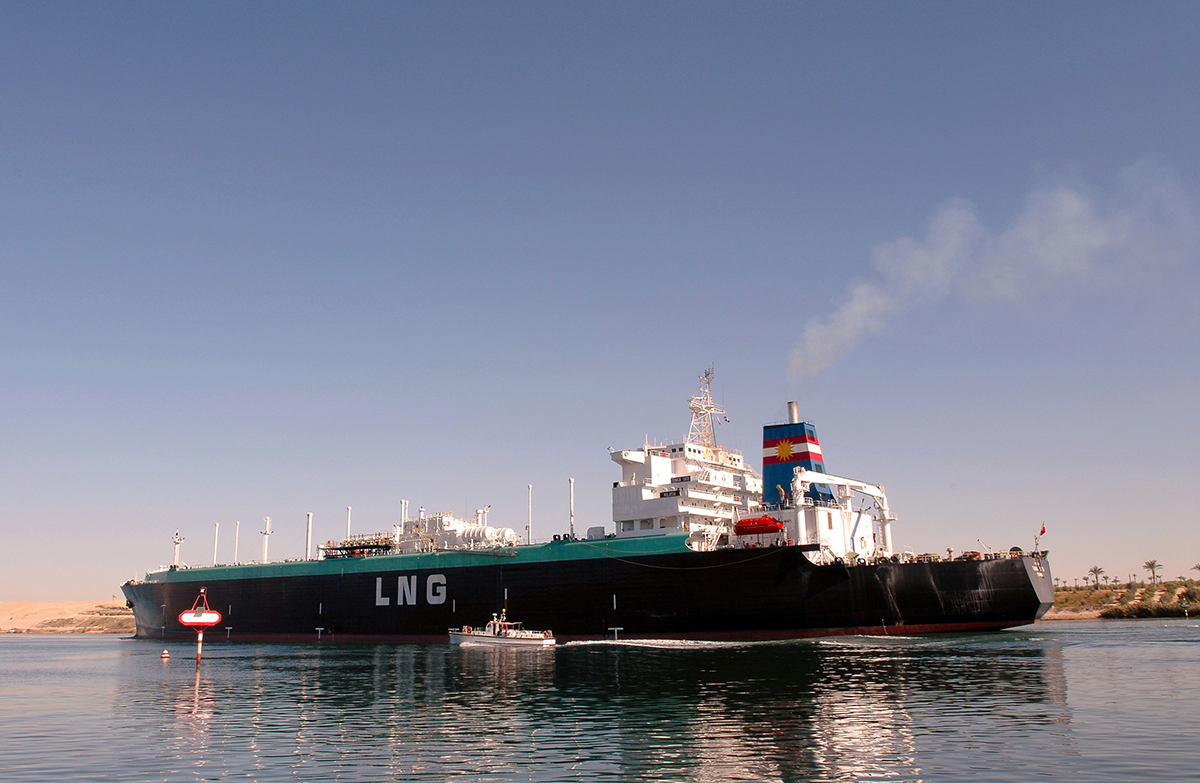
The Strait of Hormuz is one of the world’s most important maritime chokepoints, vital to the global supply of both oil and liquefied natural gas. The issue of freedom of navigation in the strait has long been a source of tension, but until recently any attempt by Iran to physically close it looked highly implausible, unless it resulted from either a major embargo or total blockade of Iranian ports by the West, or a large-scale military confrontation. However, the events of the past three years showed Iran can still ensure a major disruption of the flow of energy without a formal blockade and without an increased risk of military confrontation with the West. Iran has a variety of means at its disposal, especially through its Islamic Revolutionary Guard Corps naval forces, and the Iranians make no secret of their desire to be recognized as the dominant military power in the Gulf and the Strait of Hormuz.
Integrated Air and Missile Defense Will Enhance Security in the Middle East
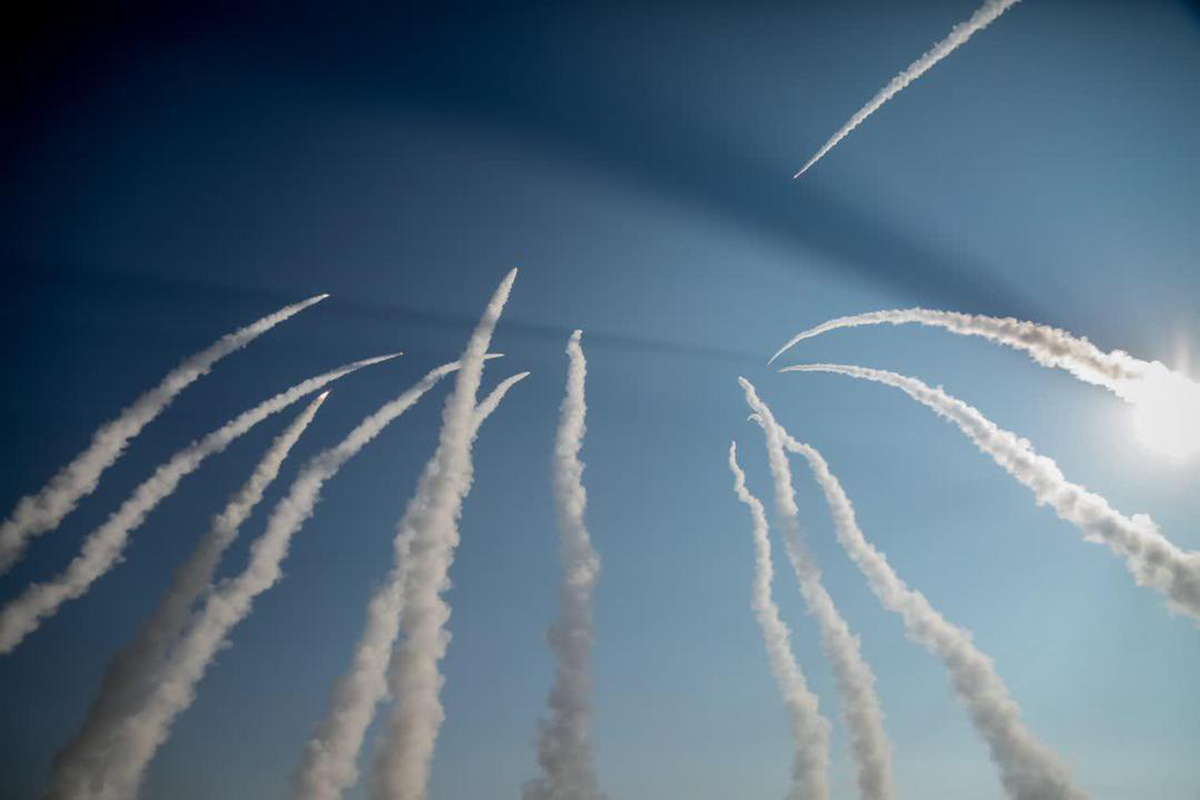
Integrated air and missile defense will make America’s partners in the Persian Gulf safer and bolster America’s policy against Iran. It’s past time to make IAMD a priority.
Expert Views: What should be the key outcomes from COP26?
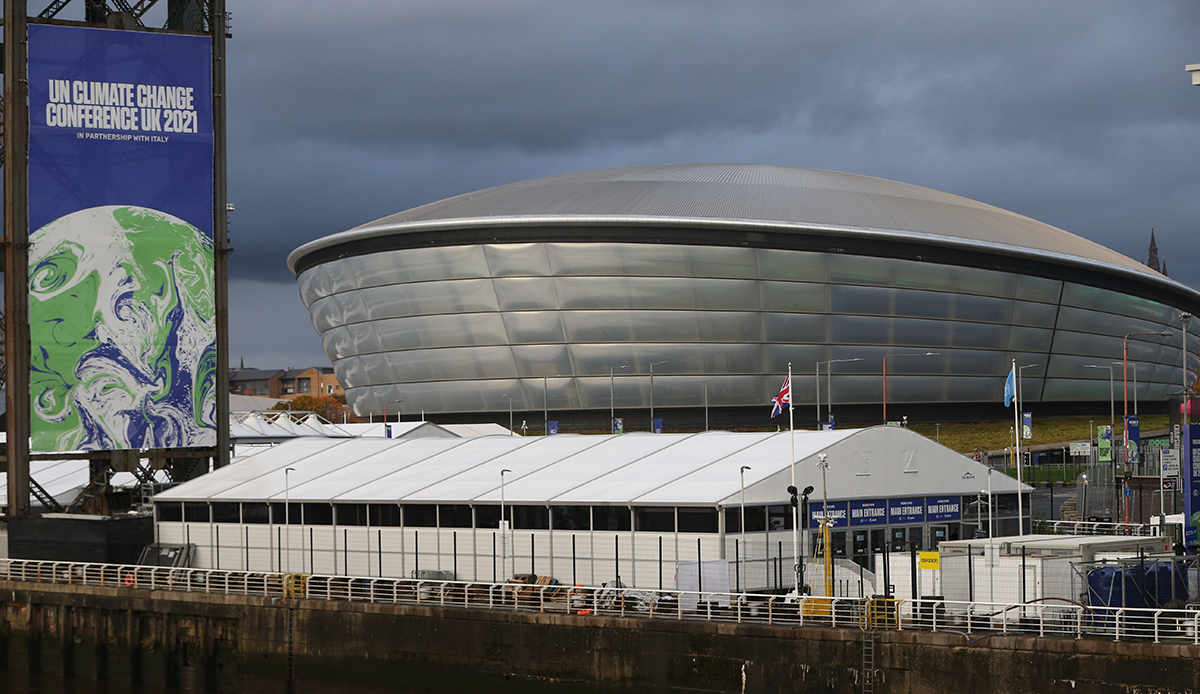
As the U.N. Climate Change Conference (COP26) kicks off in Glasgow, climate change is front and center on the global agenda. Few regions of the world have more at stake than the Middle East and North Africa, given the current environmental and sustainability challenges and potential future scenarios. Experts from across MEI weigh in with their thoughts on what should be the key outcomes from COP26.
Looking ahead to COP26: How recent developments could shape this year’s meeting
Next week, tens of thousands of world leaders, negotiators, scientists, business executives, activists, and observers from all over will gather in Glasgow, Scotland for the 26th United Nations Climate Change Conference, which will run from Oct. 31 to Nov. 12. Also known as the Conference of the Parties (COP), this distinguished body meets annually to make decisions regarding the implementation of the United Nations Framework Convention on Climate Change (UNFCCC), which aims to “prevent anthropogenic interference with the climate system.”
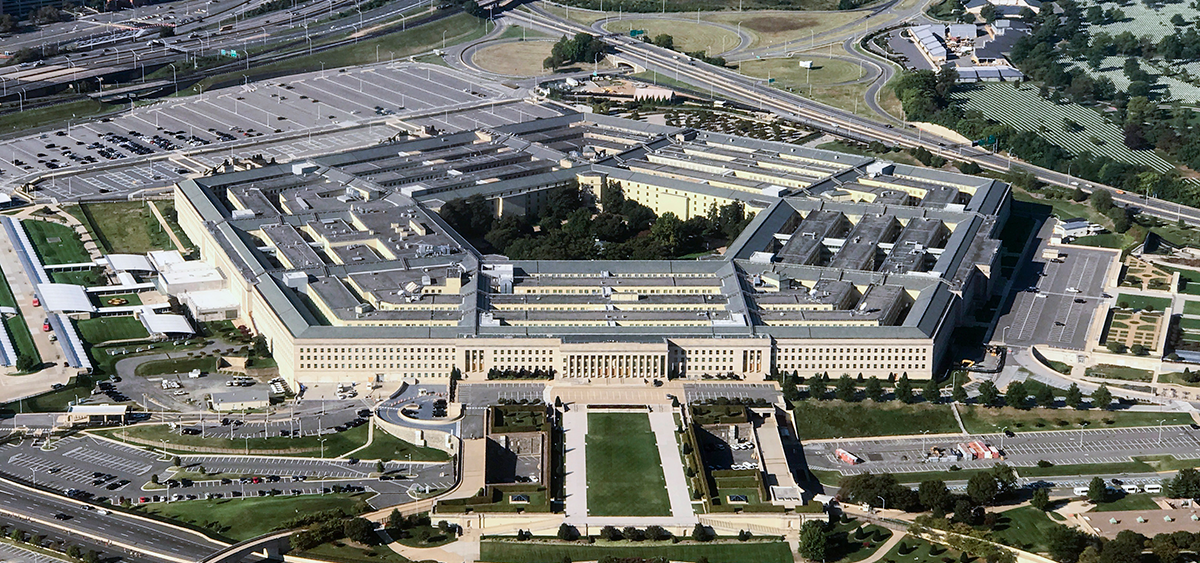
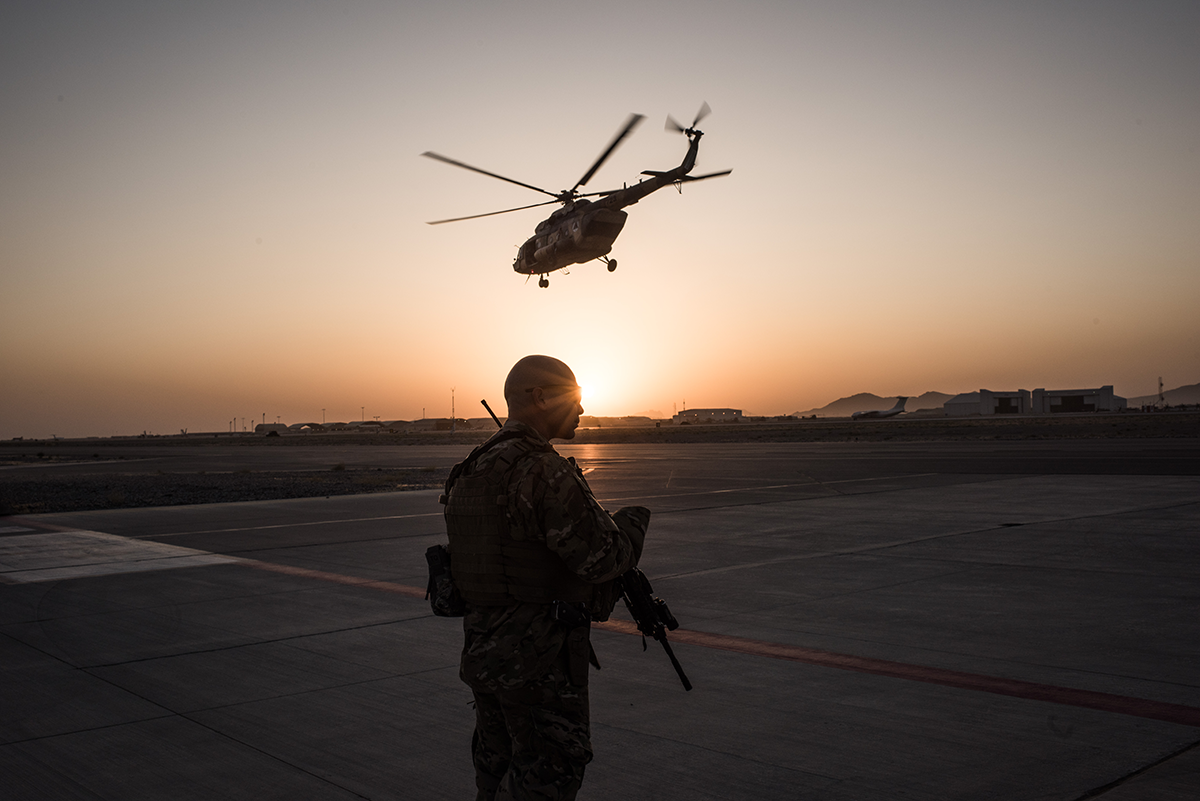
The Department of Defense’s new overarching principle, U.S. strategic competition, will likely replace great power competition in the next National Defense Strategy, set to be released in 2022. In the latest installment of the Defense Rapid Reaction series, experts from MEI’s Defense & Security Program weigh in with their thoughts on what strategic competition means for the U.S. and how it should go about implementing it in practice.
Has Israel’s campaign between the wars reached an impasse?
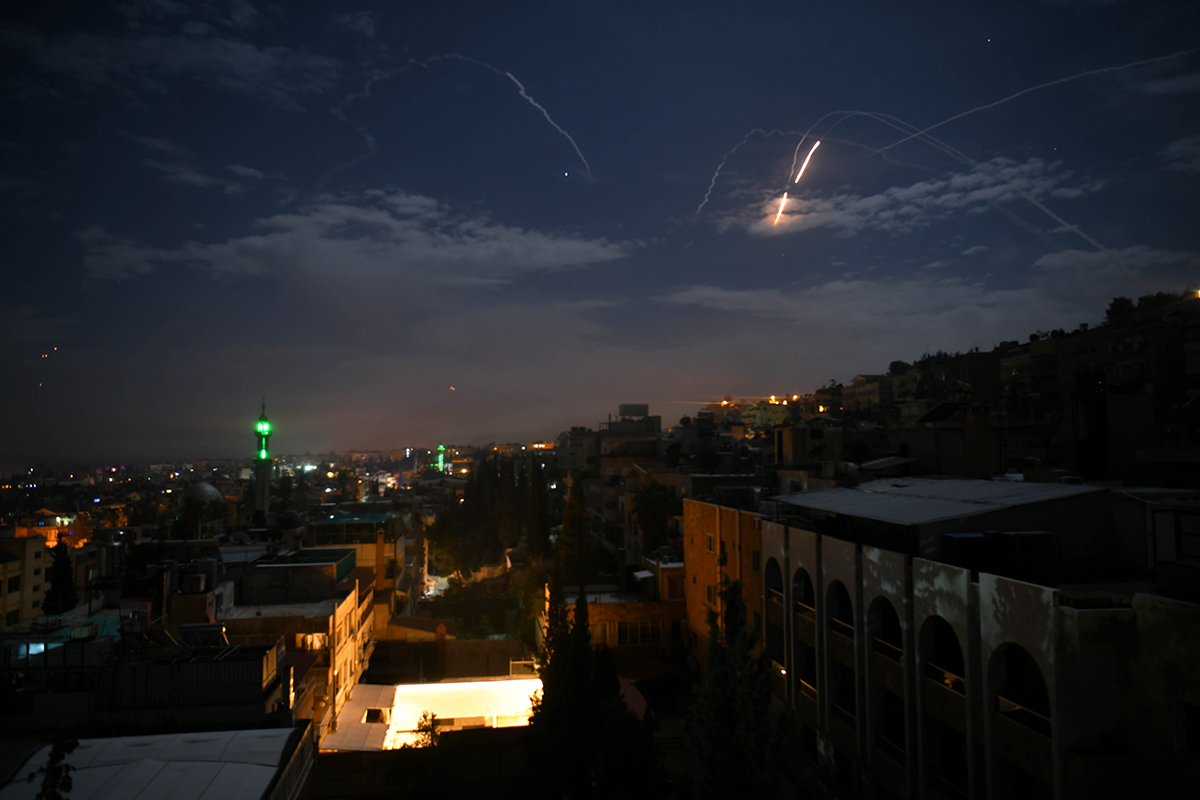
In recent years, Israel has waged a campaign against the military buildup of its enemies, mainly Iran, Syria, and Hezbollah. This ongoing effort is called “the campaign between the wars,” or the Mabam Campaign. Several events in recent weeks have given rise to questions about the effectiveness of this campaign, however, and have underscored the need to rethink its future.
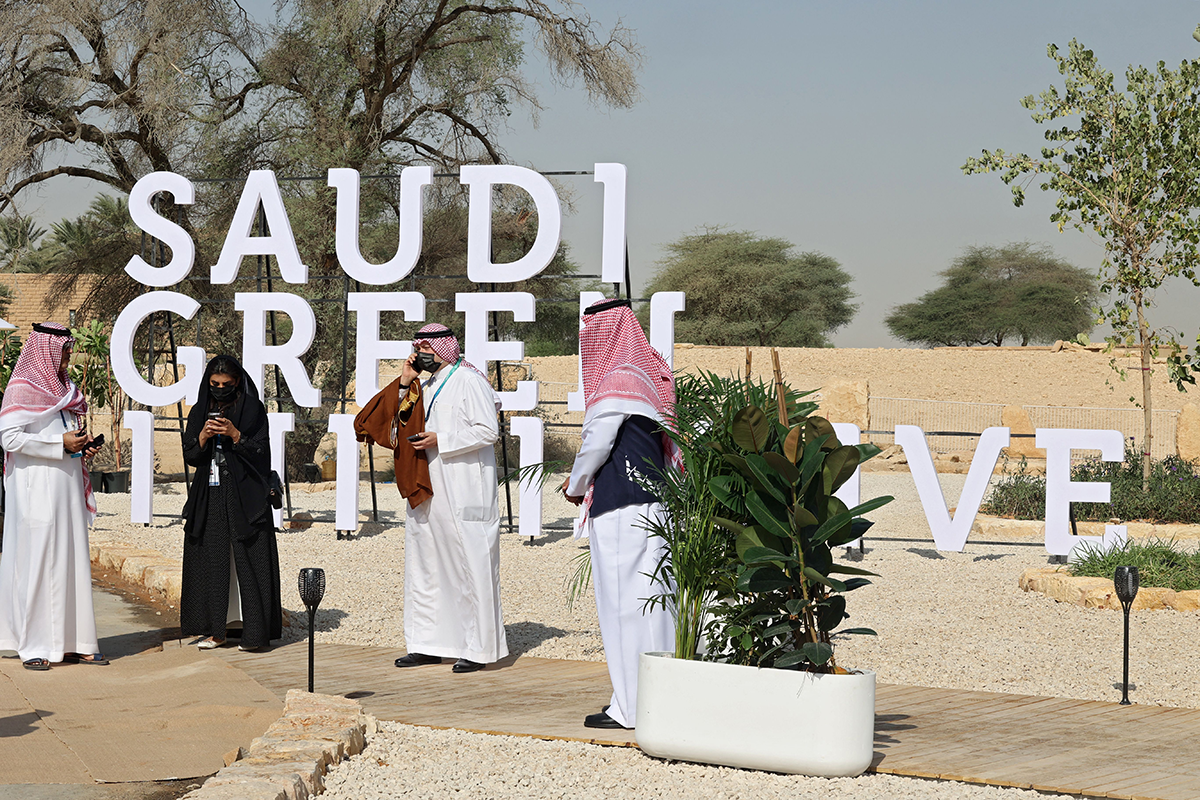
The kingdom is unlikely to achieve net zero emissions soon, but the ambition to do so, and the plan, is an impactful step in the right direction, write Jim Krane and Karen E. Young in their new piece for Al-Monitor.
The Middle East is at the center of our global energy transition and we can expect the next five to ten years to be a period of difficult transformation, but also unique opportunity for oil and gas producers.
America’s reputation and local actors in a trust vacuum
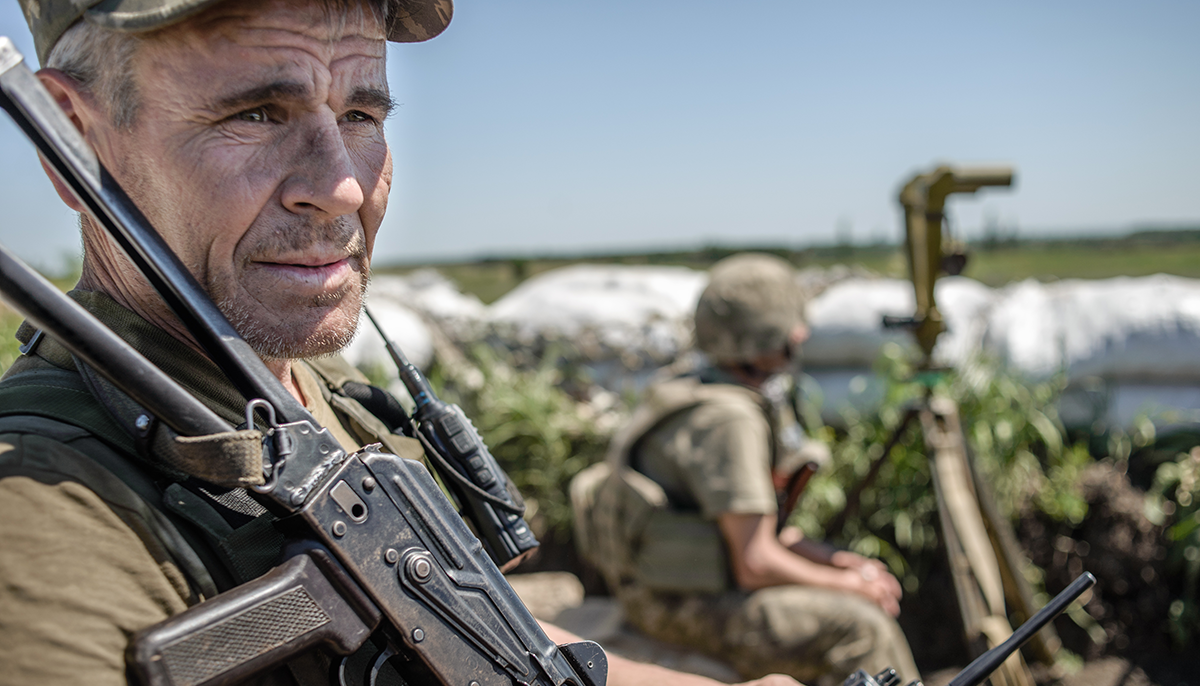
The rapid collapse of the U.S.-supported Afghan government after the withdrawal of U.S. troops raised a number of questions about America’s credibility and reputation in the eyes of its allies, especially those who had participated in and contributed to the 20-year war. Analysts and commentators have focused on how NATO member states or the European Union now perceive the U.S., but it is also important to consider the perspective of non-state groups or individuals who served or could serve as local partners for the U.S. government and military.
Cost of Conflict: An Analysis of the Costs of Russia’s Ongoing Hostilities in the Black Sea Region
Conflicts are enormously destructive. They destroy lives and property, uproot communities, and reduce the economic potential for all involved. This devastation often has an unaccounted cost, both in terms of the obvious direct destruction of lives and assets, as well as the indirect costs that weigh on economies, often for years to come. This is true of all conflicts, and has certainly been true, and visible, during Russia’s unjustified and illegal invasions of its neighbors, Georgia and Ukraine.
Overcoming unemployment in Jordan: The need for evidence-based policies
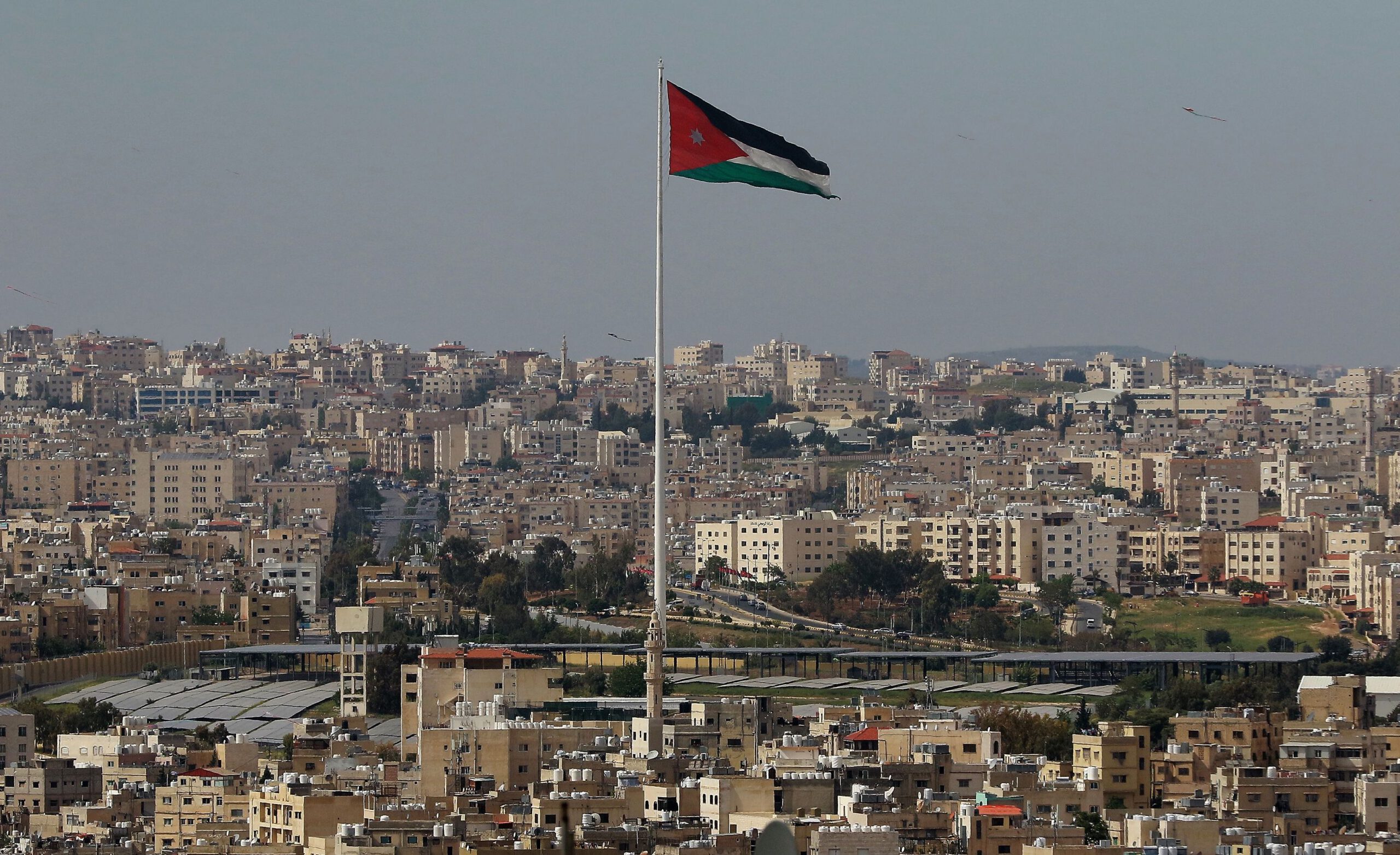
In the last few years, it has become conventional wisdom that unemployment is Jordan’s most pressing challenge. While King Abdullah himself has stressed on many occasions that reducing unemployment is a top priority, the number of unemployed is still on the rise. This problem can be overcome with evidence-based active labor market policies, which are lacking in Jordan.
Thinking MENA Futures: The Next Five Years and Beyond
The Middle East and North Africa (MENA), for a variety of reasons, are unrivaled in their need for bold, creative thinking about their future. But that is precisely why creative thinking about the future of the region — why strategic foresight — is essential. Produced in conjunction with MEI’s Strategic Foresight Initiative, Thinking MENA Futures aims to map out some of the possible futures for the region, as envisioned by thoughtful innovators working today to realize them.
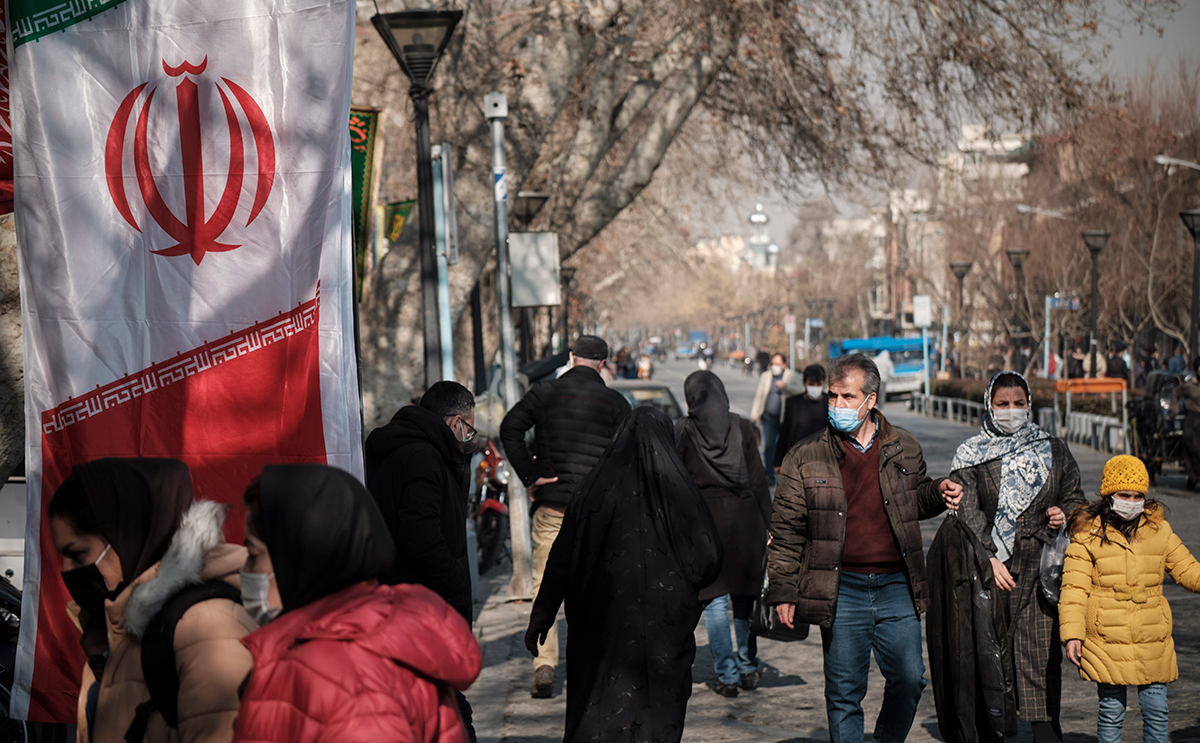
After three years of decline and instability, the Iranian economy has stabilized. Some of the macroeconomic indicators, especially inflation, remain worrying, but the country’s GDP has returned to marginal growth, which is a reminder that the economy has been resilient in the face of massive external and internal pressures. Experts agree that the diversity of economic activity has been the key reason for this resilience. This piece explores three potential medium-term scenarios: 1) A return to the JCPOA; 2) An interim deal that would ease the sanctions pressure; and 3) A continuation of the current sanctions regime.
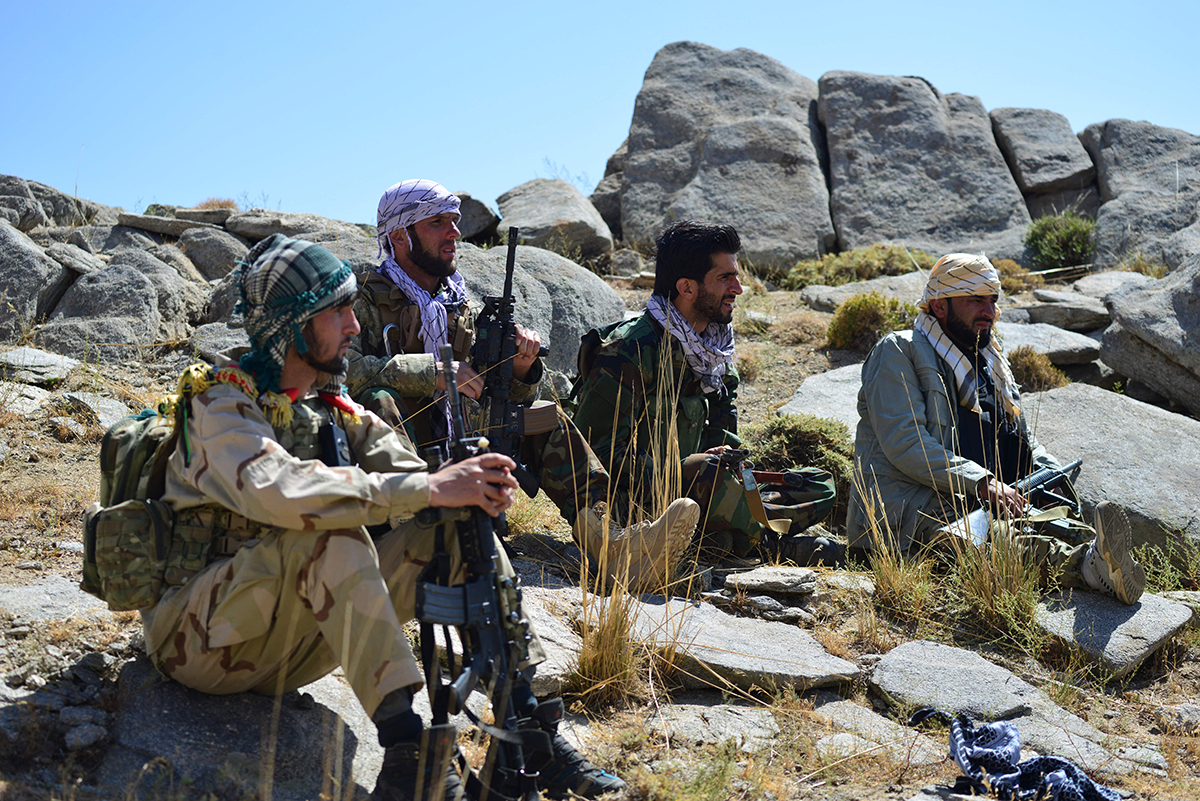
Supporting anti-Taliban fighters will spark a return to civil war, antagonize Pakistan, and draw the United States back into a conflict it sought to put behind it.