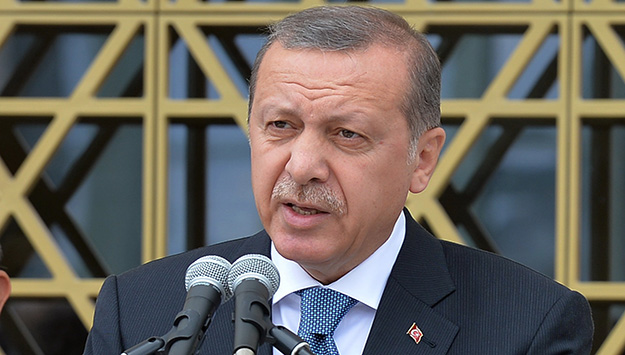
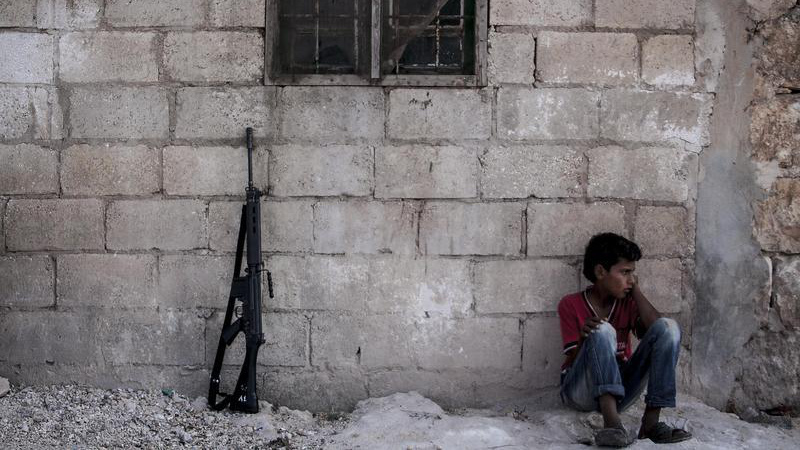
After months of hesitation to take action against the Islamic State (ISIS) and almost two years of quiet since a 2013 truce with the Kurdistan Workers’ Party (PKK), Turkey decided to pick a fight with both. It has been pounding Islamic State targets in Syria and PKK positions in northern Iraq.
Education: The Key to Women’s Empowerment in Saudi Arabia?
In recent news from Saudi Arabia: religious police filmed berating a fully veiled woman for not wearing gloves; a cleric’s fatwa against women watching football to prevent them from staring at men’s thighs; and a woman sentenced to 70 lashes for insulting her husband on WhatsApp.[1] At the same time, the Saudi education ministry released statistics showing that women constitute almost 52 percent of university graduates inside the kingdom, while more than 35,000 female Saudis studied abroad in 2014.
Salafi discourse has made considerable inroads in Turkey over the past 30 years, making contributions to sectarianism in ways that have yet to be fully studied and understood.
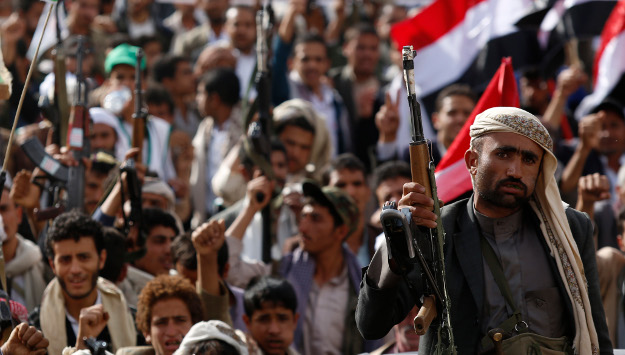
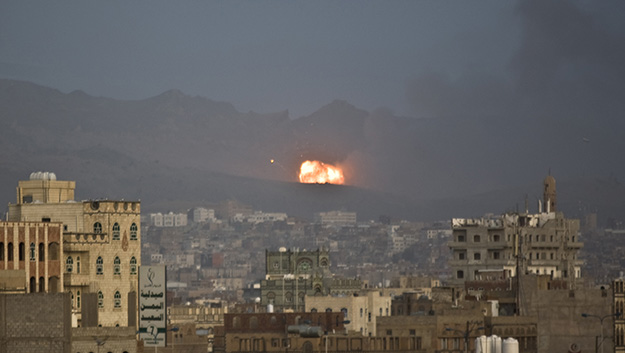
Three months after Saudi Arabia rounded up a few allies and began an intensive bombing campaign against the rebels known as Houthis across the border in Yemen, a conventional wisdom has developed. “It has not worked,” as The New York Times put it in a front-page article, and it probably can’t work because the strategic goals are too murky, the factions are too entrenched, the rivalries are too intense, and the conflict is too complicated to be resolved by a simplistic solution.
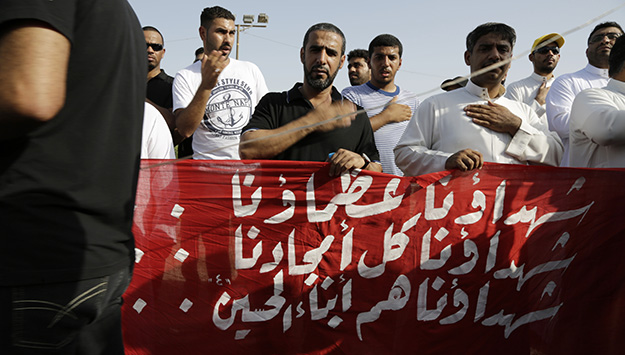
Saudi Arabia is a Sunni-majority state and home to a significant Shi‘i minority, most of whom live in the Eastern Province. The Shi‘a there are mainly of the Twelver sect, which is also the major Shi‘i sect in Iran, Iraq, Kuwait, and Bahrain. The Eastern Province Twelvers are not the only Shi‘a in Saudi Arabia—there are sizable communities of Twelvers in Medina and Isma‘ilis in Najran—but it is they who sit at the center of the Shi‘i political movement in the kingdom.
In the unending panorama of violence that is today’s Middle East, one hopeful note emerged earlier this month with a low-key announcement from Saudi Arabia that drew scant attention from the American news media.
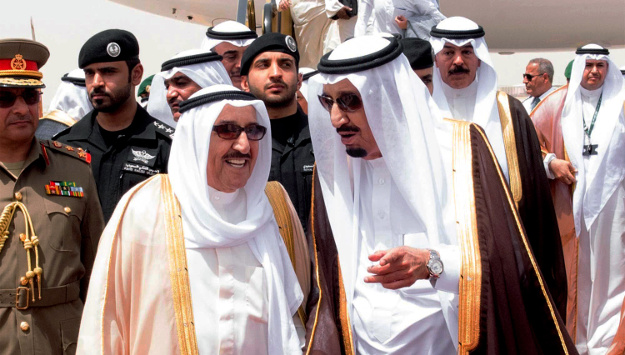
King Salman appointed a military officer, Gen. Thamer al-Sabhan, to be the kingdom’s first resident ambassador in Baghdad since Iraq invaded Kuwait in 1990.
The terrorist group known as the Islamic State (ISIS) has its eyes set on Saudi Arabia. Months of threatening to conquer “The Land of the Two Holy Mosques” culminated in an audio message in mid-May delivered by the leader of the group, Abu Bakr al-Baghdadi, in which he referred to Saudi Arabia’s government as “apostate leaders.” Since then ISIS has begun carrying out terrorist attacks inside the Kingdom. Two weeks in a row, individuals affiliated with ISIS have conducted suicide attacks against mosques in the Eastern Province, where the majority of Saudi Shi’a live.
Deradicalization Programs in Saudi Arabia: A Case Study
This paper is part of a series, titled “Understanding Deradicalization: Pathway to Enhance Transatlantic Common Perception and Practices.” Click here to view the full series, or navigate using the table of contents to the right.
Negotiating Yemeni Peace: Deep Divisions and Hard Realities
After initially rejecting the UN call for talks, the Saudi-backed Abdu Rabbu Mansour Hadi faction reversed its position and agreed to meetings in Geneva on June 14.
June 8, 2015 – Gonul Tol, director of the Center for Turkish Studies at The Middle East Institute, discusses the reactions to Turkey’s June 7 elections, and what the setback for the ruling AK party and President Erdogan means for Turkey’s domestic policy agenda and its relations with the United States.
On June 7, Turks will choose a new parliament. This decision will be the most important one for Turkey in 70 years, since the advent of multi-party elections in 1945. The election at heart is about religion, as it brings Turkey to the brink of becoming a republic dominated by the religious convictions of its current leadership. If the ruling Justice and Development Party (AKP) wins a 60 percent majority of parliamentary seats, democratic choice will likely yield to the dogma of faith.
Turkey’s General Elections 2015: High Stakes at Home and Abroad
Turkish citizens are going to the polls on June 7 to elect the next government that will rule the country until 2019. With an ongoing peace process with the Kurds, a stumbling democracy, an economic recession on the horizon, the prospect of constitutional reform, a stalled EU accession process, tension in Turkey-U.S. relations, and a region engulfed in chaos, the stakes have not been higher.
Saudi Arabia’s Succession Shakeup and the Rise of Mohammed bin Salman
King Salman’s reign of four months has brought dramatic changes to Saudi Arabia’s succession framework. Prince Muqrin was appointed as heir before being relieved of his duties in favor of Prince Mohammed bin Nayef, and Prince Mohammed bin Salman (MBS) was designated as heir to the heir. A son of the monarch, MBS carries a variety of additional portfolios, including that of minister of defense and chairman of the Council of Economic and Development Affairs (CEDA), which makes policy on non-security matters.
The United States, the GCC, and Iran: The Crisis that Wasn’t
Whatever eventually comes of the security agreements and mutual pledges of support made at last week’s summit conference between President Obama and leaders of the Arab Gulf monarchies, one result is clear: Saudi Arabia and the others may not be enthusiastic about the pending nuclear agreement with Iran, but they will not actively oppose it.
Turkey’s Pro-Kurdish People’s Democratic Party: Gaining Ground but Facing Challenges
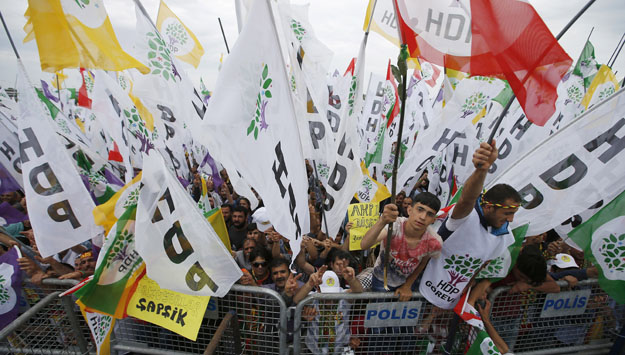
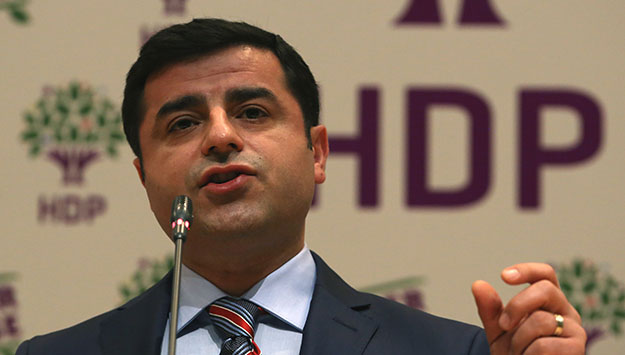
With an ongoing peace process with the Kurds and a stumbling democracy, the stakes for Turkey’s parliamentary elections next month have not been higher. The opposition parties—the People’s Democratic Party (HDP), the Republican People’s Party (CHP), and the Nationalist Movement Party (MHP)—need all the help they can get to deny an outright victory to the Justice and Development Party (AKP), which has ruled Turkey since 2002. The growing popularity of the pro-Kurdish HDP, along with signs of declining support for the AKP, point to the possibility of a significant shift in Turkish politics.