Realigning priorities: Egypt's strategic shift toward Qatar, Turkey, and Iran
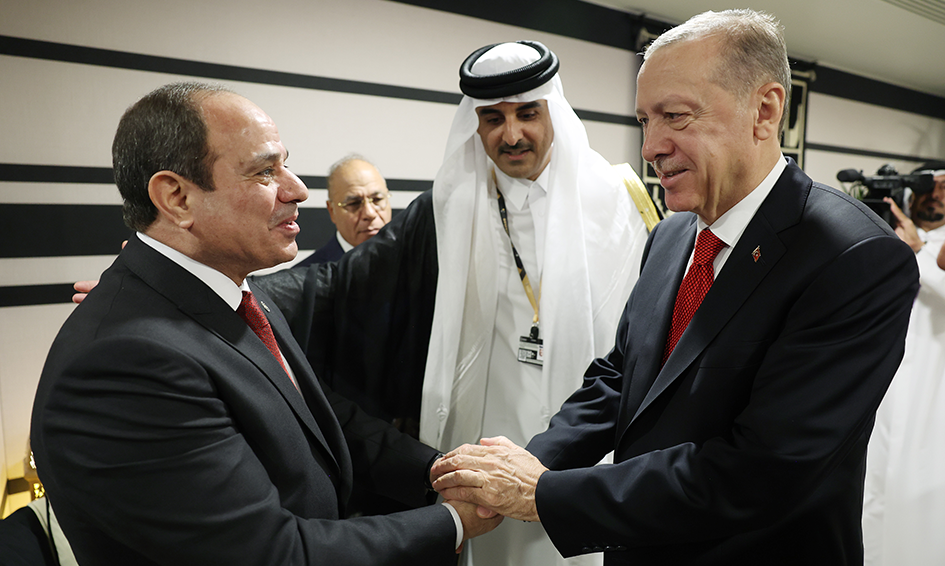
While some analysts attribute Egypt’s realignment toward Turkey, Qatar, and Iran to a change in the foreign policies of its influential allies, the UAE and Saudi Arabia, it can be argued that Egypt’s shift is primarily motivated by its domestic dynamics and its unfulfilled foreign policy objectives between 2014 and 2018. Egypt’s realignment, in that sense, seeks to achieve multiple unmet domestic and regional aims.
The new wave of dealmaking by Gulf sovereign wealth funds
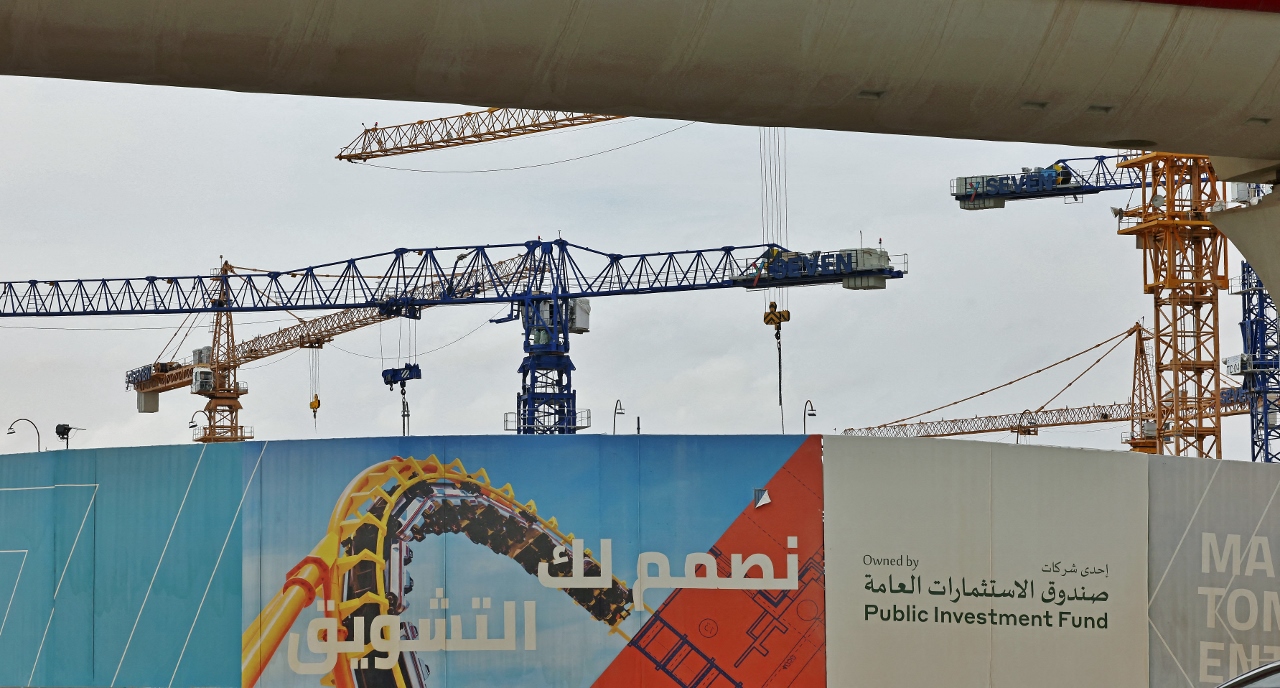
For resource-rich countries such as Gulf oil and natural gas producers, sovereign wealth funds have emerged as promising tools to save for future generations, mitigate the effects of outsized economic shocks, and/or be deployed as reserve investment and strategic development funds to spend on human, natural, social, and physical capital.
Regional Environmental Cooperation Between Israel and Its Neighbors
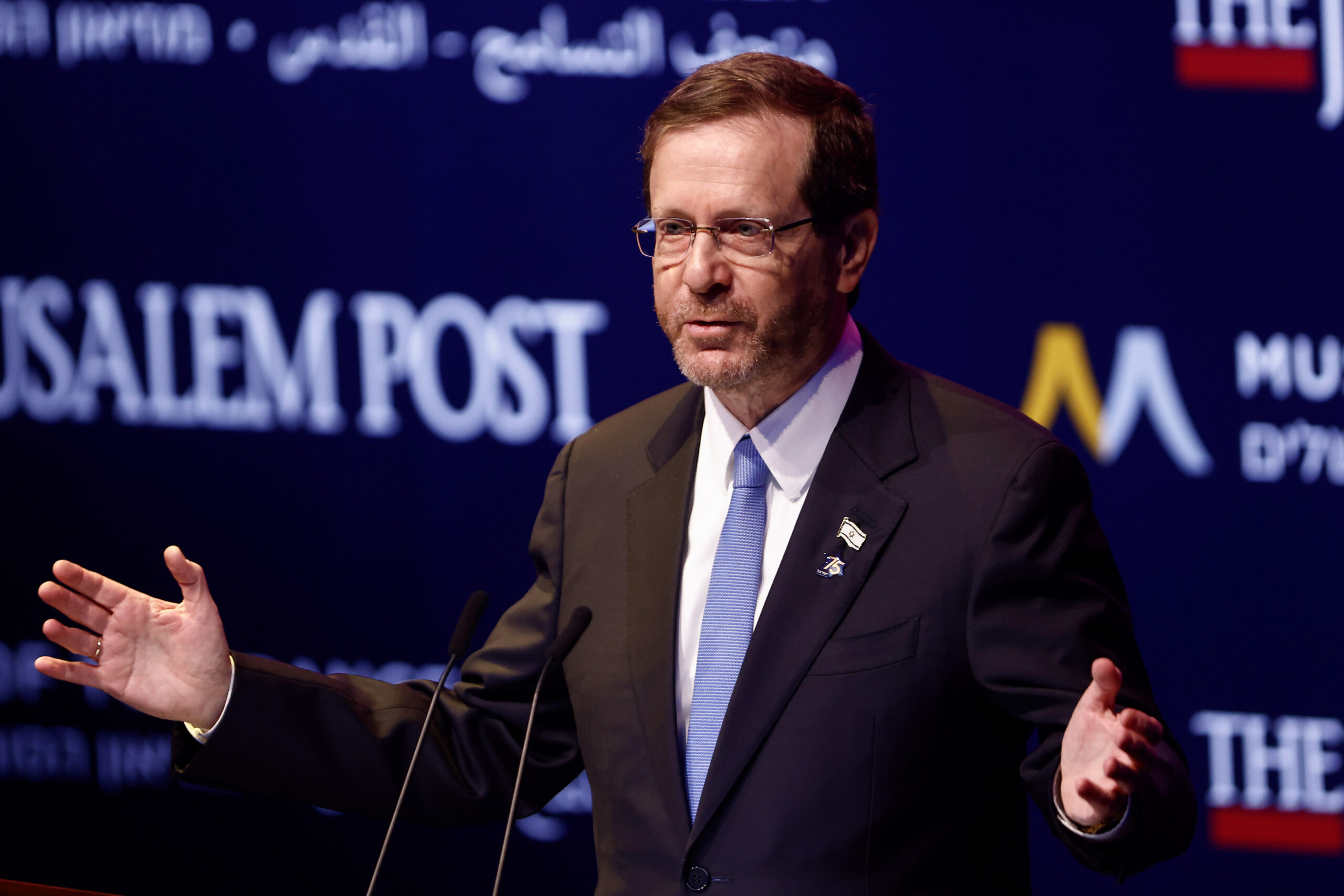
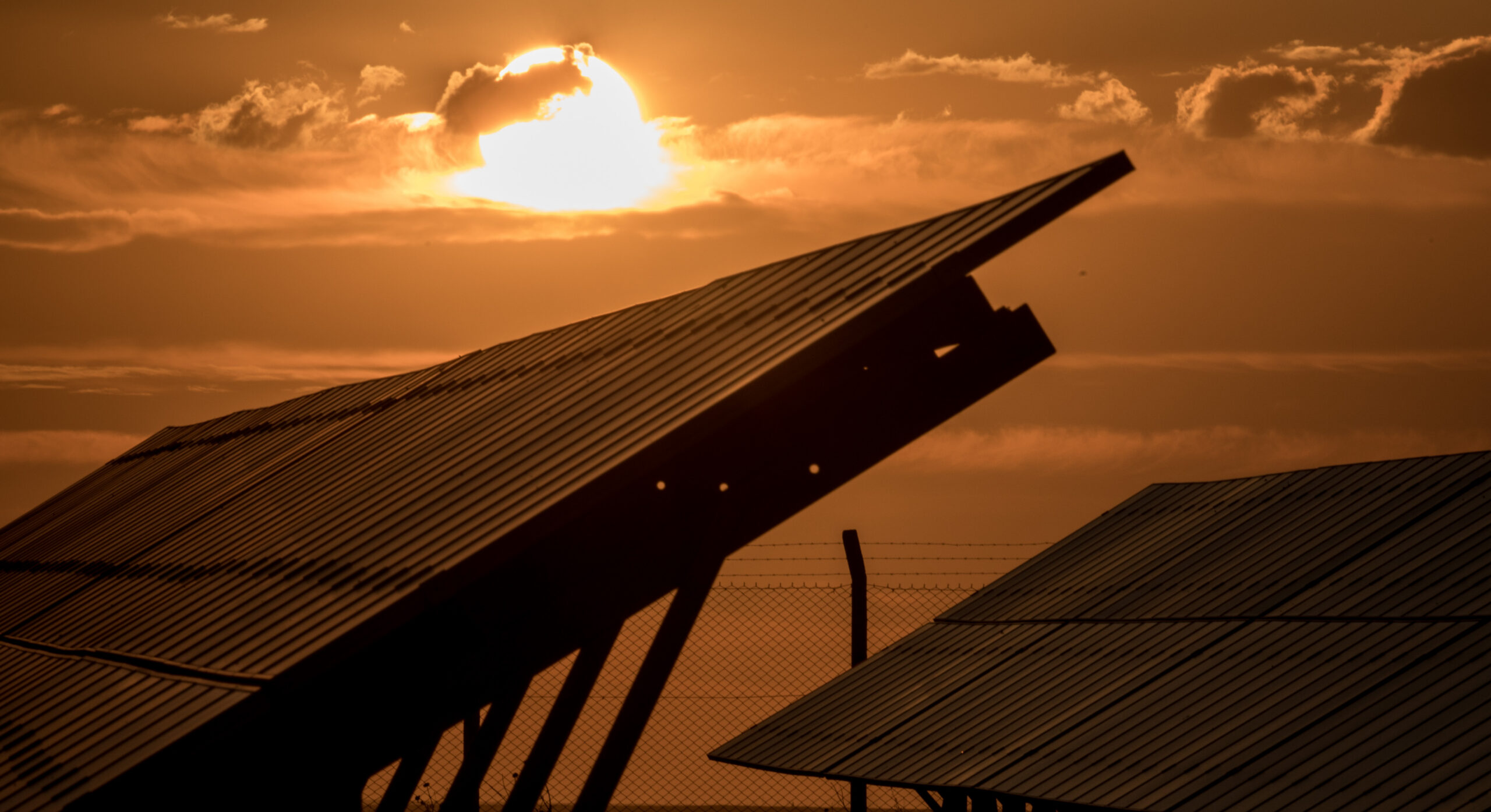
As environmental challenges become a priority for countries across the Middle East and the Mediterranean, this creates new opportunities for regional environmental cooperation, including between Israel and its neighbors. Despite being limited in scope and facing several key obstacles, regional cooperative endeavors are taking place, including on both the bilateral and multilateral levels, and efforts to sustain and expand them are underway. This new report, written under the auspices of the Israel Climate Forum, addresses the importance of regional environmental cooperation in the Middle East and Mediterranean, examines the scope of such cooperation between Israel and its neighbors, and spells out opportunities, obstacles, and recommendations for increased coordination and joint action, including the role the U.S. and Europe can play.
Addressing challenges to tolerance and religious diversity in Iraq
Iraq has long had a troubled history with its ethno-religious minorities, one full of oppression and violence. This was true under the Ba’athist regime and continued after the 2003 U.S.-led invasion, reaching a nadir with the rise of the Islamic State terrorist group. Although Iraq is now enjoying its most stable period in the past two decades, it is also a case study of the pernicious effects of structural violence, especially toward the more marginalized and vulnerable segments of society.
Egyptian Engineers’ Syndicate vote sends another warning to government
For the second time in three months, Egyptians have expressed their dissatisfaction — albeit largely symbolically and on a limited scale — with the government’s tight control over nearly all public freedoms. The Engineers’ Syndicate’s vote against a government-selected candidate to head the organization may be pointing to growing public dissatisfaction with the authorities’ policies, both on the economic and political fronts.
Beijing to Baghdad: China’s growing role in Iraq’s energy sector
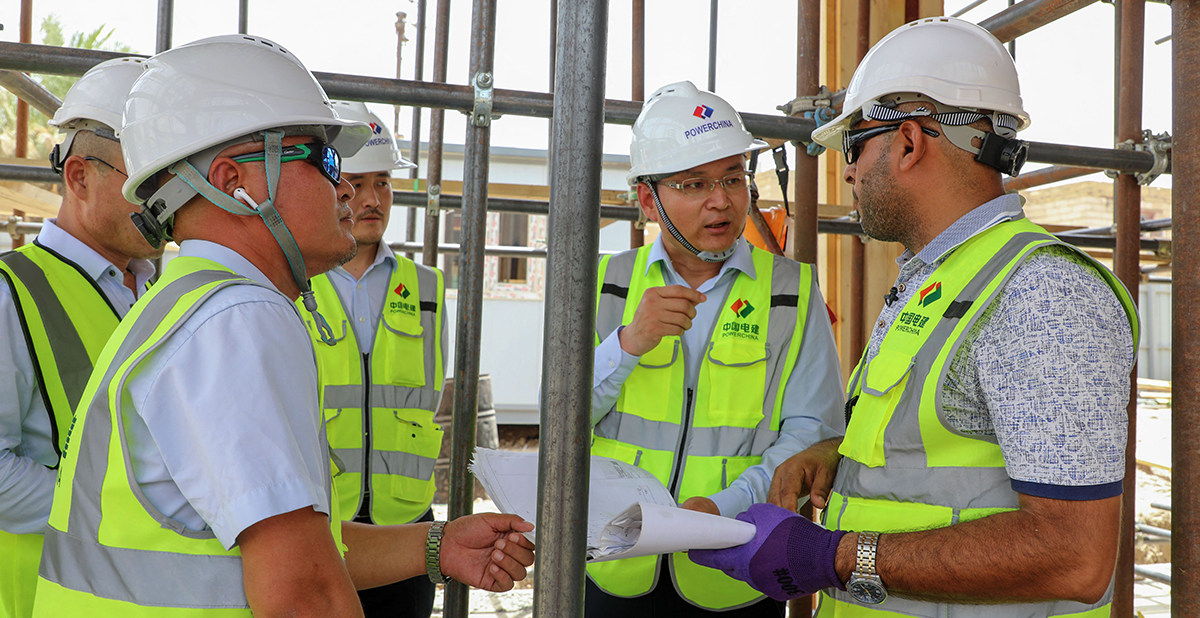
Chinese companies are well positioned to participate in Iraq’s efforts to expand its oil production capacity and develop domestic gas supplies, as they are actively engaged in various energy-related undertakings throughout the country. However, if indeed China’s strategy is, as some have suggested, to become the dominant player in Iraq’s economy, achieving that objective will likely prove difficult given Iraq’s challenging operating environment and contentious politics.
Iran’s security chief Shamkhani did his job but had to go
Late last month, Iran’s Supreme Leader Ali Khamenei opted to replace the secretary of the Supreme National Security Council (SNSC), Ali Shamkhani. The latter’s removal after 10 years spent in this key role has generated much speculation, misinformation, and outright disinformation.
Putting Diplomacy First in the Middle East: Creating Incentives for De-Escalation
The Middle East is undergoing a historic transformation with unprecedented opportunities to build new relationships, de-escalate tensions, and foster conditions for stronger integration. At the same time, the region remains on edge because of ongoing tensions in Yemen, Syria, Iraq, and other conflict zones, a civil war that broke out recently in Sudan, along with the overarching challenges presented by fraught relations between Iran, Israel, and several Arab Gulf countries — with the longer-term implications of the still-fragile Iranian-Saudi rapprochement yet to be fully assessed.