A waiting game as the region teeters on the brink of full-blown war
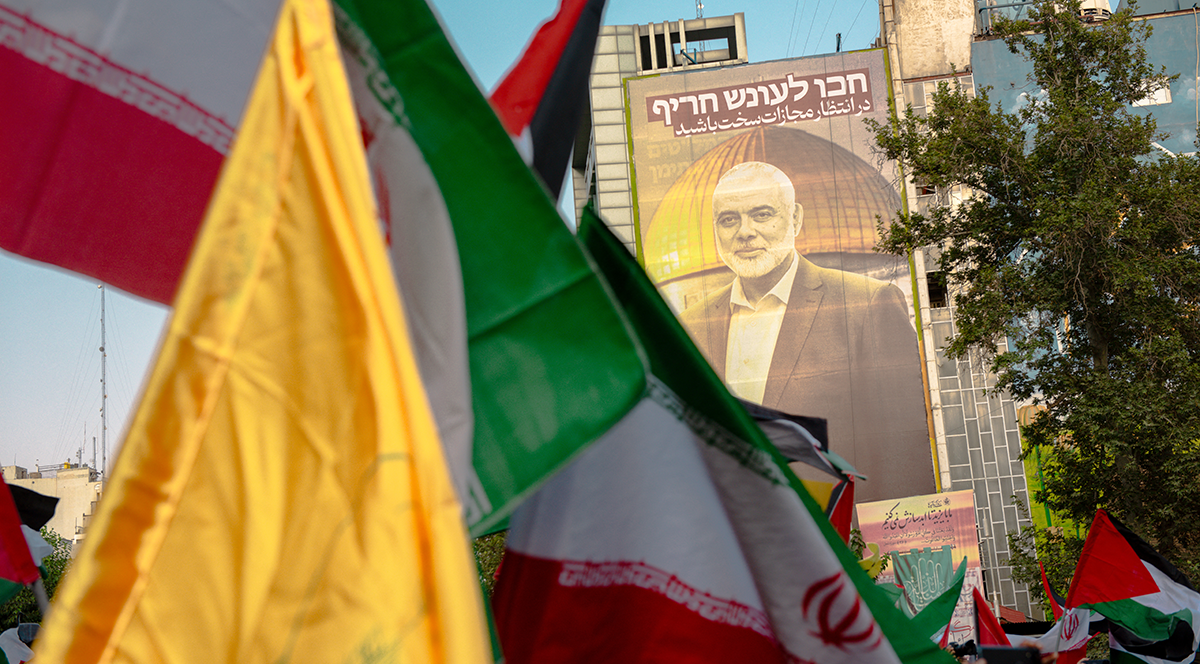
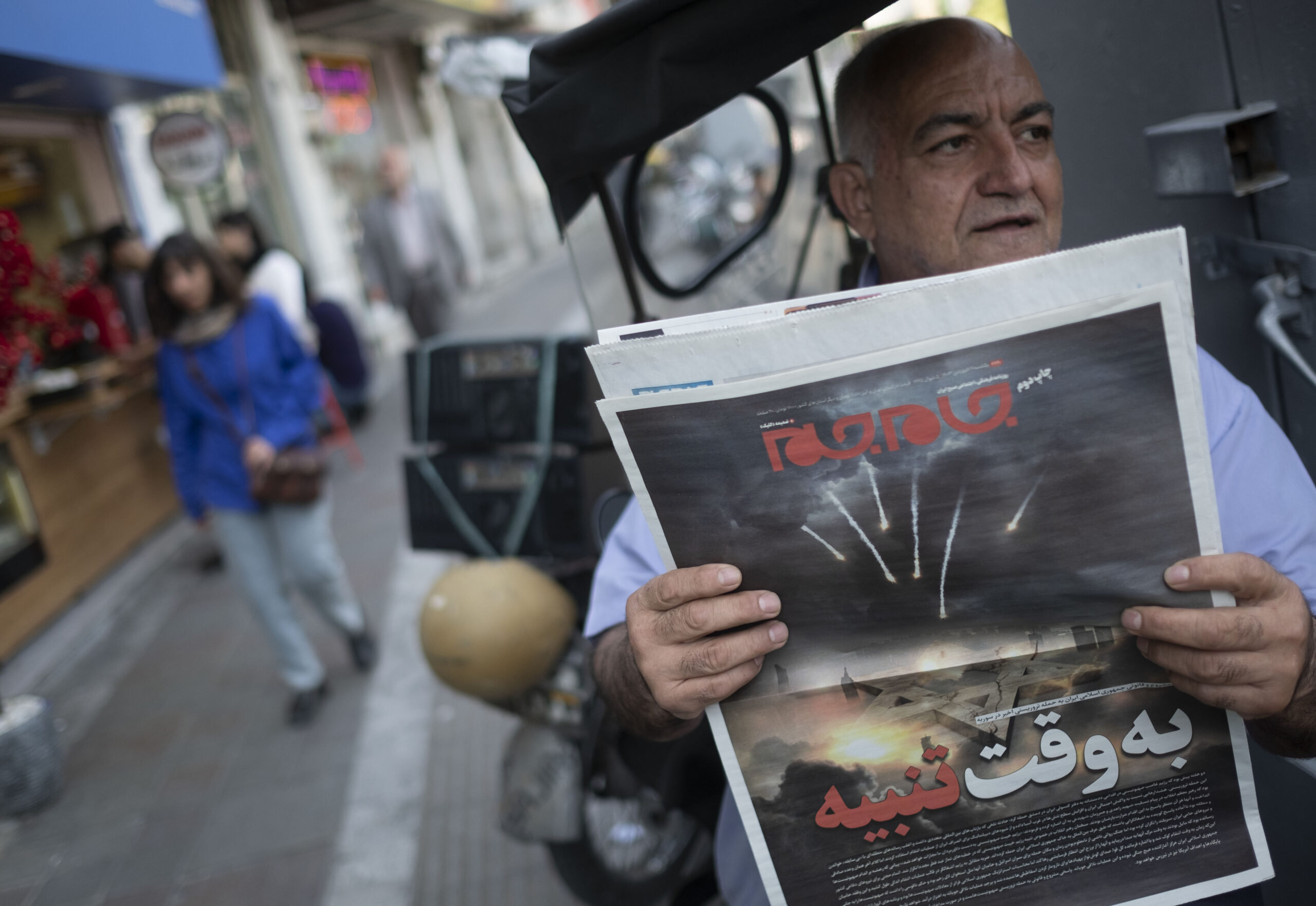
Israel’s targeted killing of Hezbollah military leader Fuad Shukr in Beirut and Hamas political chief Ismail Haniyeh in Tehran are explosive events for the region. Coming within 12 hours of each other, they were also an earthquake within the “Axis of Resistance” — but not one likely to encourage de-escalation. Far from it.
CENTCOM says ISIS is reconstituting in Syria and Iraq, but the reality is even worse
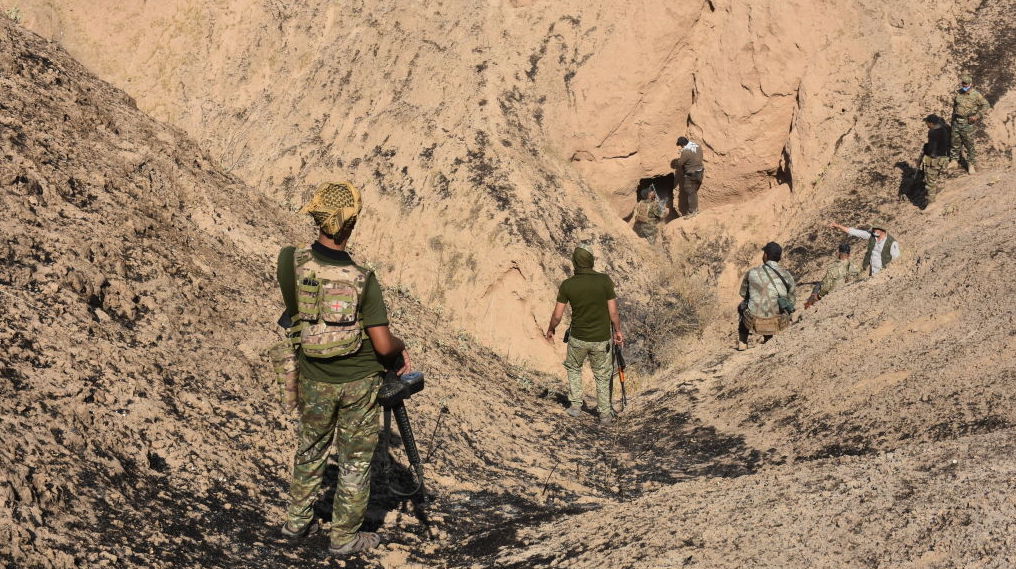
On July 16, CENTCOM announced that after six months of 2024, “ISIS is on pace to more than double” the number of attacks in Syria and Iraq it claimed in 2023. But the reality is far worse than this statement suggested because the data represents only a fraction of ISIS’s actual attacks in Syria and Iraq.
Wide gap between the Egyptian government’s rosy figures and the economic hardship suffered by millions
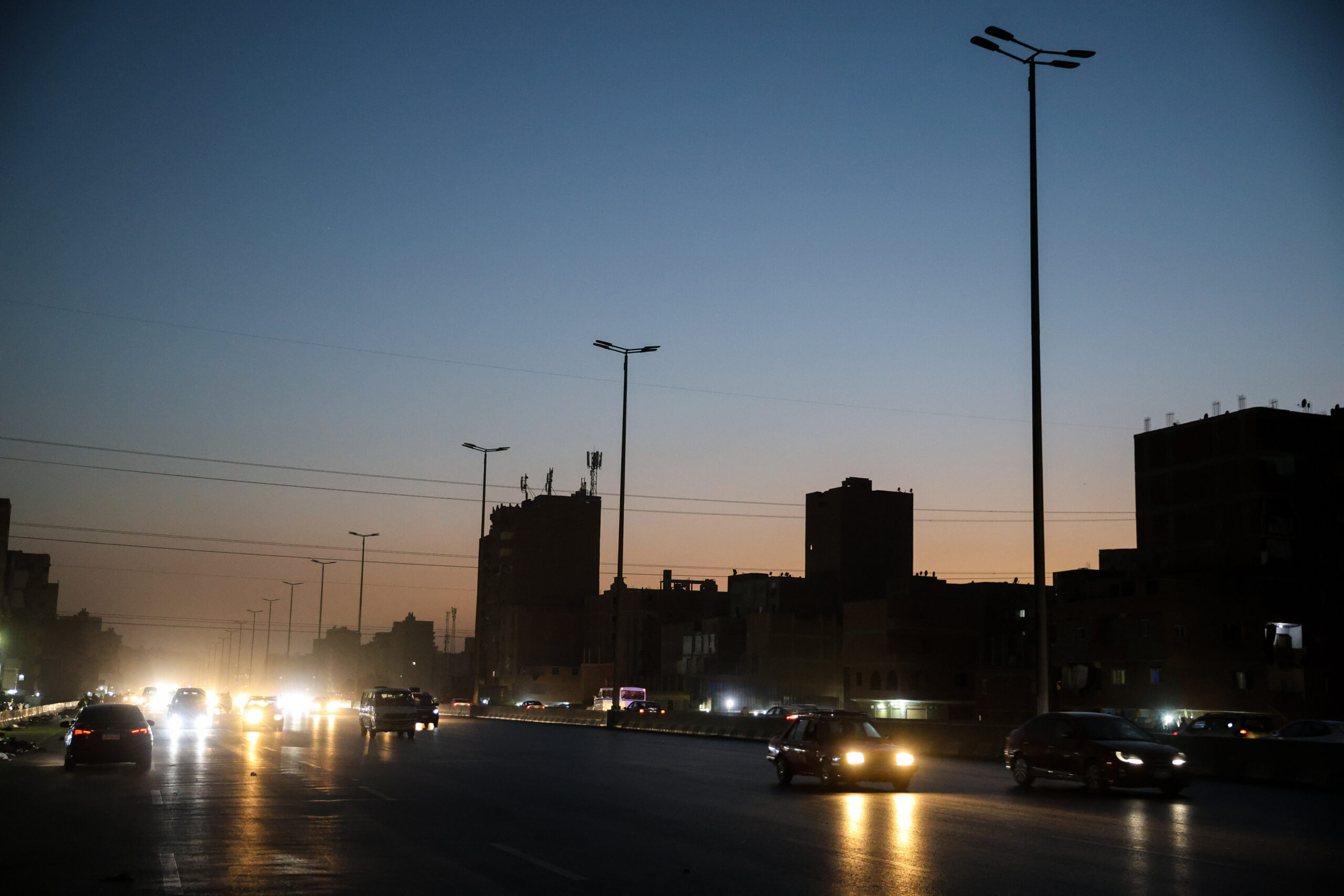
For Egyptian officials, June should have been a month to celebrate. And yet none of the seeming macroeconomic successes that the government recorded brought much reassurance to the average Egyptian, who has continued to experience currency shortages, an unreliable energy grid, and fears of a resurgent spike in inflation.
Qatar’s LNG expansion plans and the issue of market oversupply
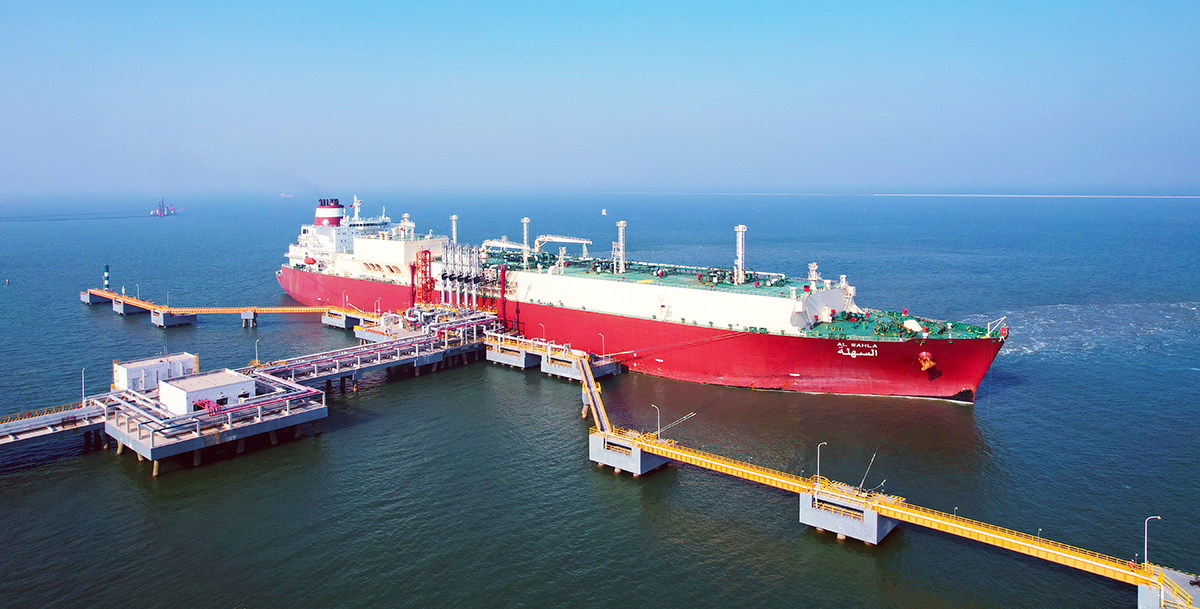
On Feb. 25, 2024, Qatar announced plans to increase its LNG production capacity by a further 16 million tons per annum (mtpa) in 2029-30, bringing the total to 142 mtpa. This would be the third such large-scale expansion of its LNG production within the next six years, but there’s one wrinkle: These new production volumes are set to come online at a time of significant oversupply in the LNG market. What accounts for Qatar’s decision?
“Gwadar is the future”: China and Pakistan’s troubled strategic port on the Arabian Sea
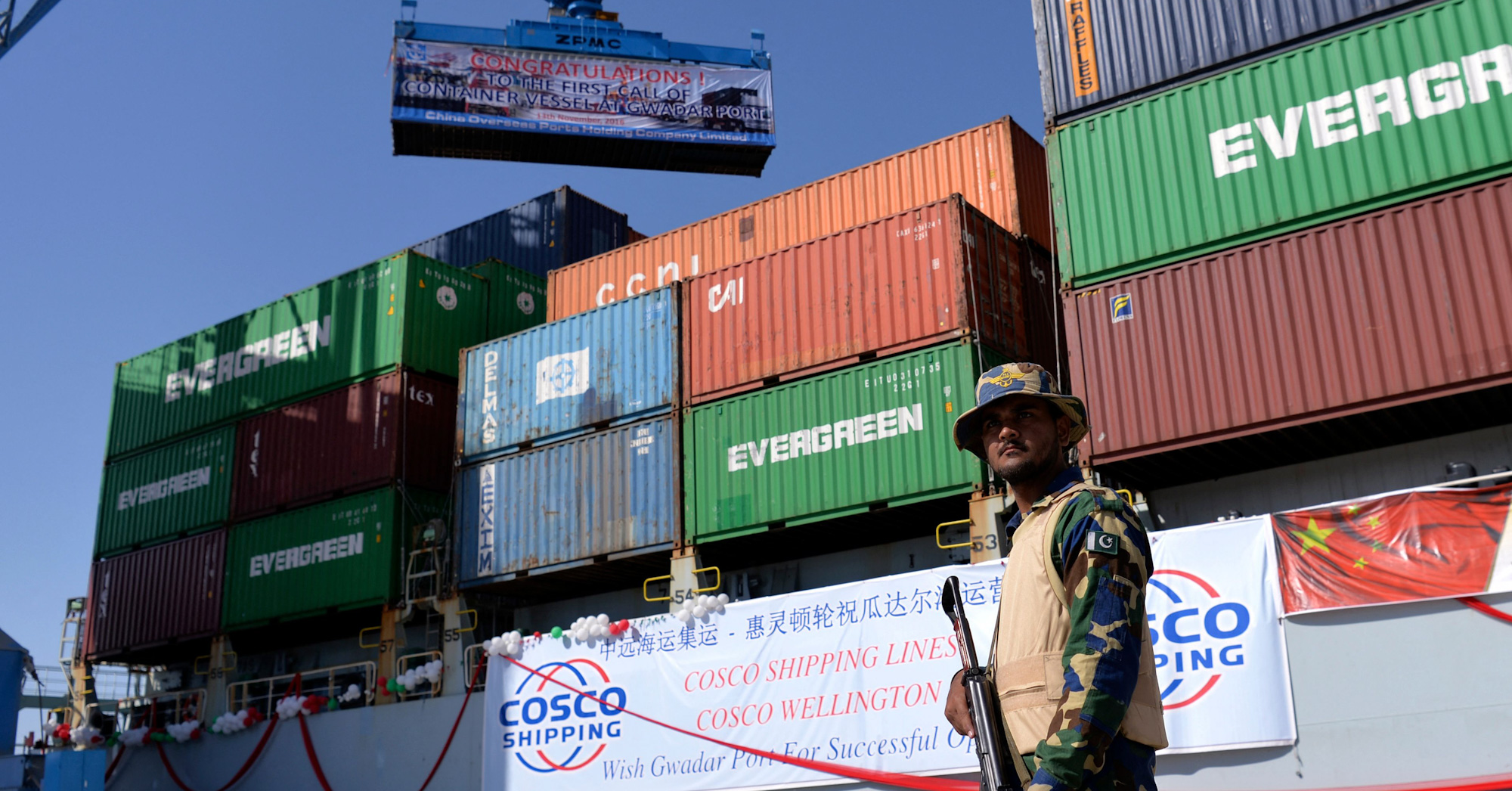
Strategically located at the mouth of the Strait of Hormuz on the Arabian Sea, Gwadar, once a derelict port, was revitalized as part of the broader development of China-Pakistan Economic Corridor (CPEC) and declared fully operational in 2021. Can a renewed focus on the Gwadar port and the socio-economic and security situation of the surrounding region help Islamabad and Beijing rescue CPEC from failure?
Navigating the crossroads: Actionable cooperative measures to address global development challenges
As the world faces unprecedented challenges, from climate crises to migration pressures, the need for concerted action to address financing for development has never been more urgent. Against a backdrop of resource constraints, geopolitical shifts, and faltering progress on the UN Sustainable Development Goals, it is imperative to chart a course of action that is both pragmatic and visionary. This piece outlines 10 actionable measures to tackle these multifaceted challenges and pave the way for a more sustainable and equitable future.
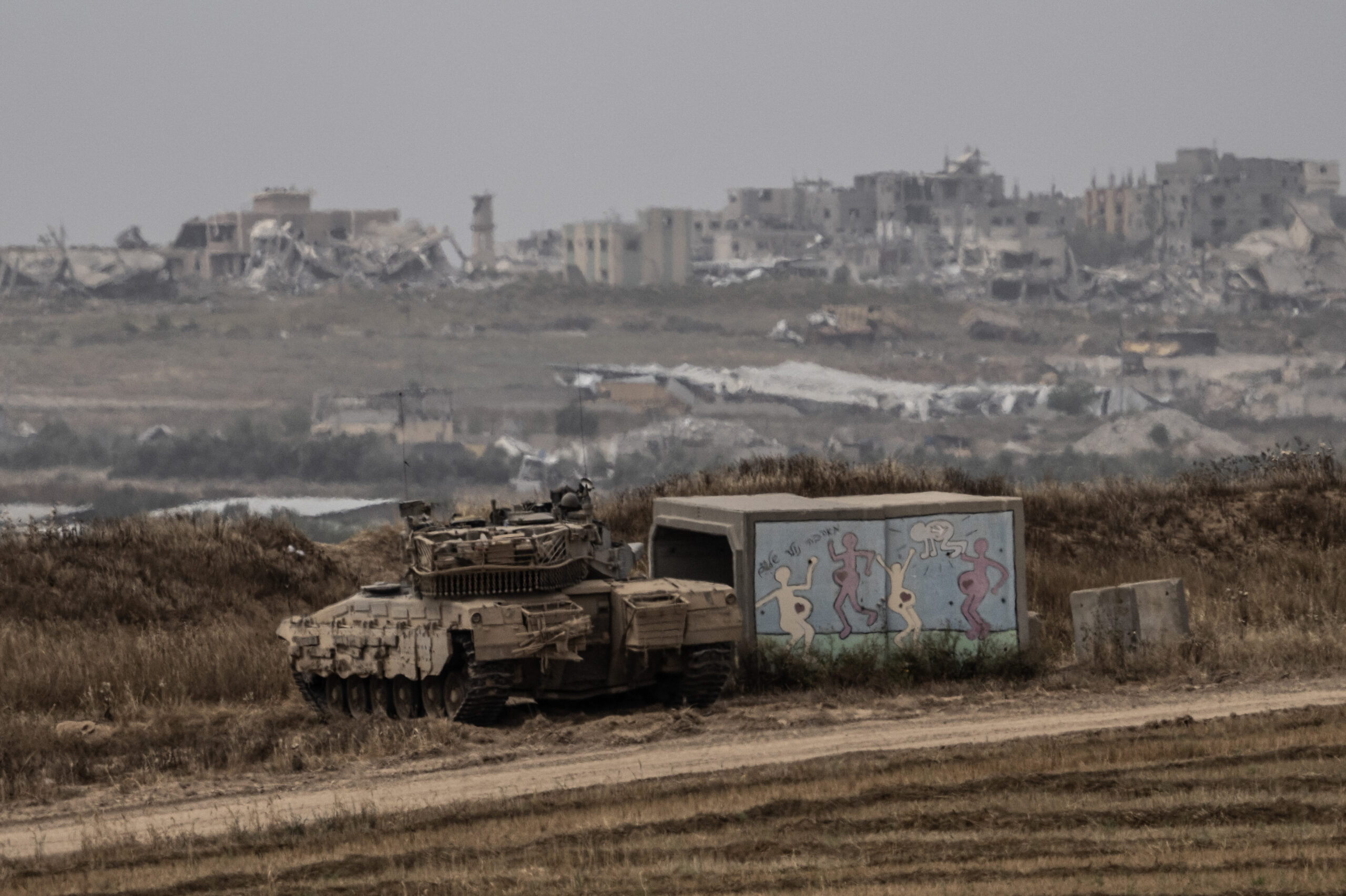
Expert Views: How should we navigate the new rules of the game in the Israel-Iran conflict?
The month of April saw a series of unprecedented escalations in the long-simmering Iranian-Israeli conflict, with both countries launching missile and drone attacks against the other’s territory for the first time in history.
In the wake of these strikes, what will be the impact on the regional security and political environment going forward, what is needed to stabilize the new rules of the game, and how can US diplomacy help to facilitate that process? MEI has asked its experts to weigh in.
Despite new sanctions measures, targeting Iranian oil sales is a lose-lose proposition for the US
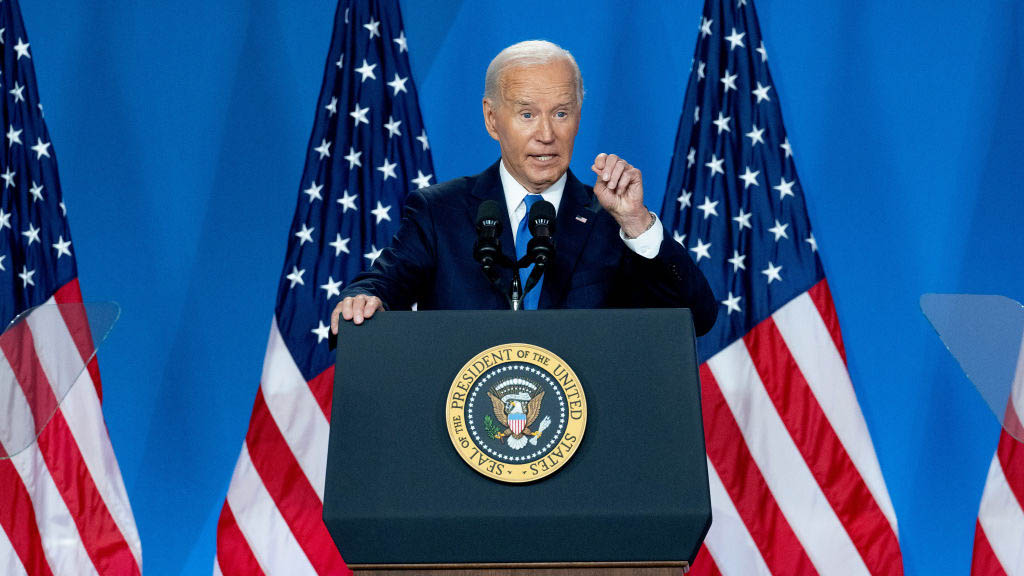
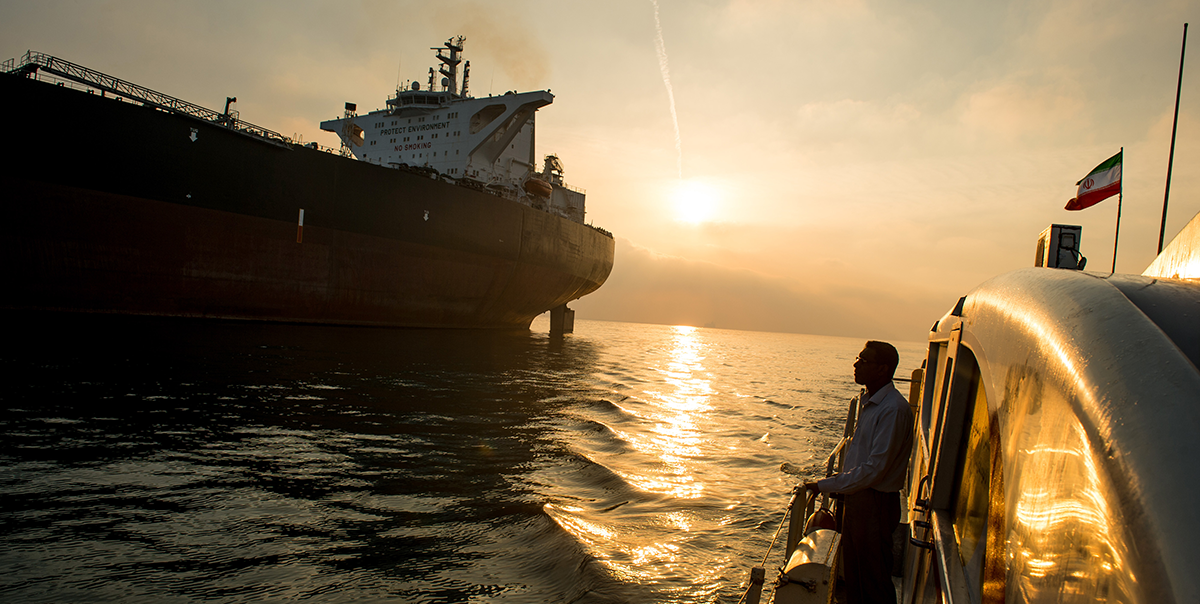
On April 21, the US House of Representatives passed the long-awaited aid package for Israel, Ukraine, and Taiwan. The legislation contained another long-sought-after measure: authority for the US government to tighten restrictions on Iran’s oil exports. But in truth, aggressive US action remains unlikely and there are powerful operational, strategic, and political barriers preventing the US from shutting down Iran’s oil trade or hindering it in a material way.
Circus of Parties: The COP is broken but it is the only show in town
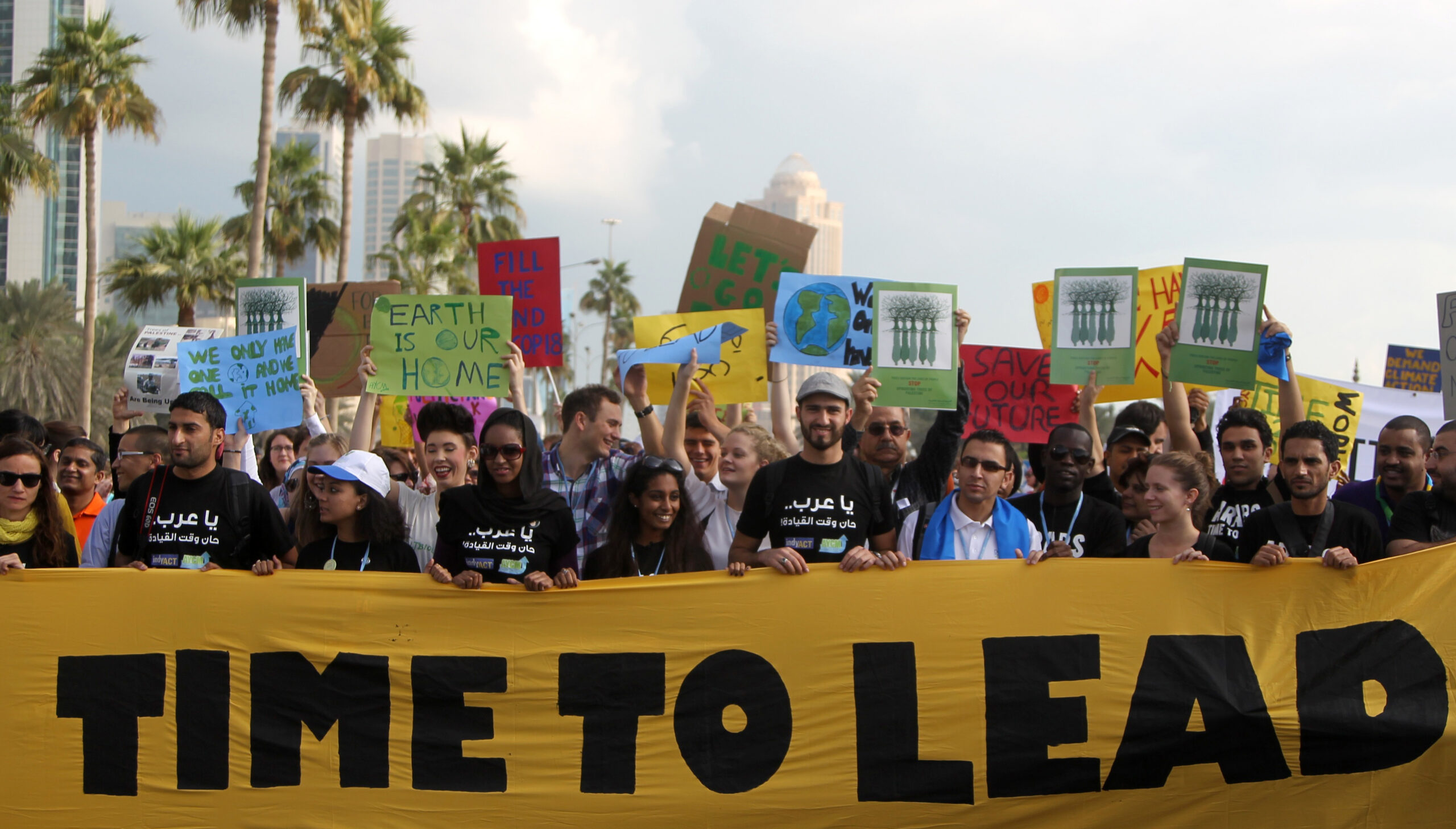
COP28 was billed as our last best chance to get the world’s act together and save our chances of limiting warming to 1.5 degrees Celsius. However, the final outcome fell far short of the commitments so desperately needed to keep the target alive. The future of COP lies in refocusing on its fundamental objective: ensuring that countries are held accountable to science-based targets that prioritize the needs of vulnerable communities most affected by climate change.
The long rise and sudden death of jihadist leader Abu Maria al-Qahtani
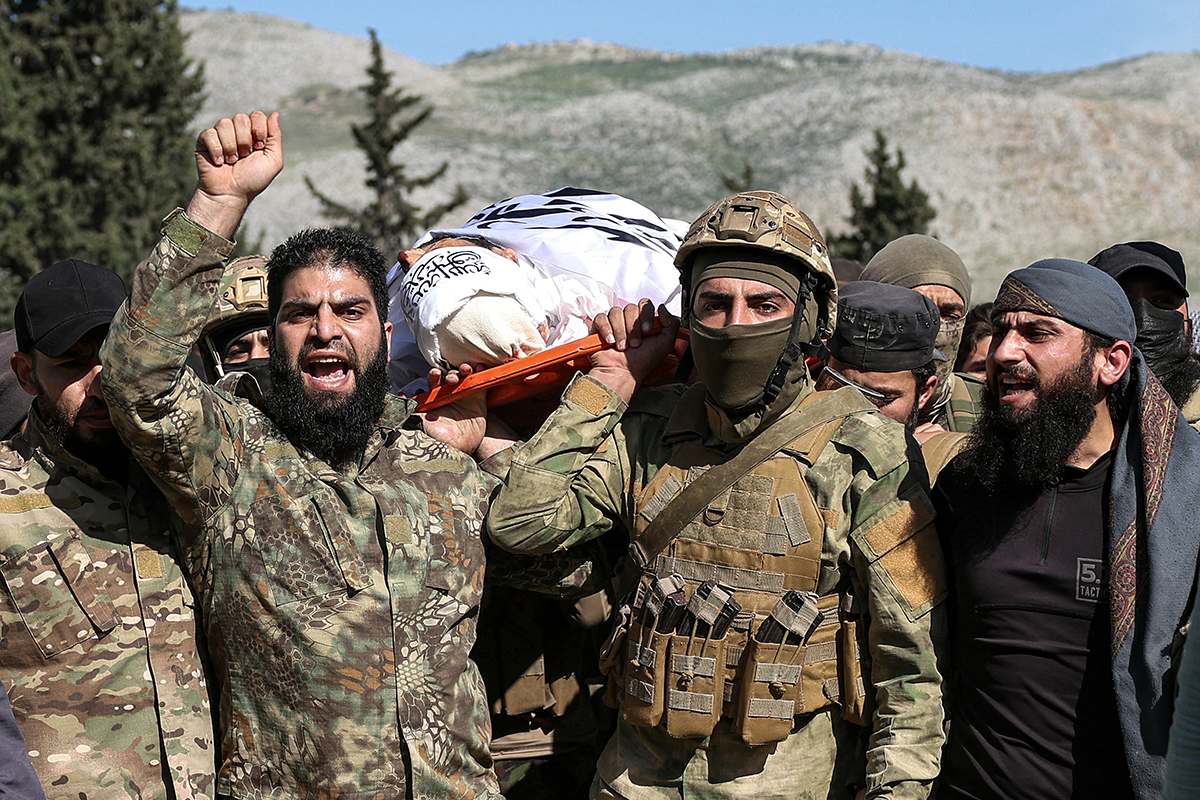
In a significant and surprising turn of events, on the evening of April 5, a prominent Iraqi leader in the Syrian Sunni Islamist group Hay’at Tahrir al-Sham, Maysar bin Ali al-Juburi, also known as Abu Maria al-Qahtani, was reportedly killed in an attack in Idlib’s northern countryside.
The great financing gap: The state of climate funding in MENA
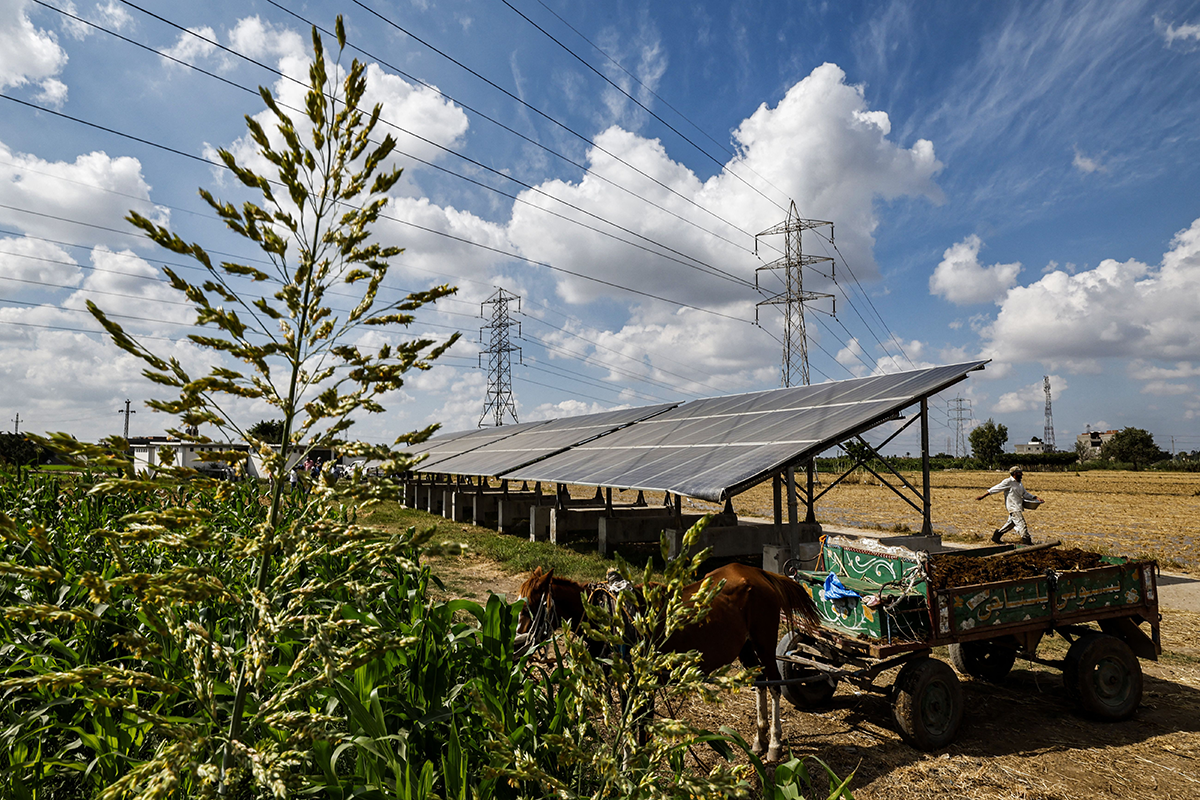
The Middle East and North Africa region is one of the lowest recipients of climate finance compared to other areas of the globe, such as East Asia and the Pacific Islands, despite MENA’s exposure to extreme climate risks. The MENA region’s share of climate financing from the big three global climate funds — the Green Climate Fund (GCF), the Climate Investment Funds (CIF), and the Global Environment Facility (GEF) — and their sub-funds made up only 6.6% of their cumulative global financing through 2023.