Skip to Content

Research & Commentary Results

Filter by
459 Results
Regional Environmental Cooperation Between Israel and Its Neighbors
Photo by Chris McGrath/Getty Images
  • Analysis
  • Regional Environmental Cooperation Between Israel and Its Neighbors

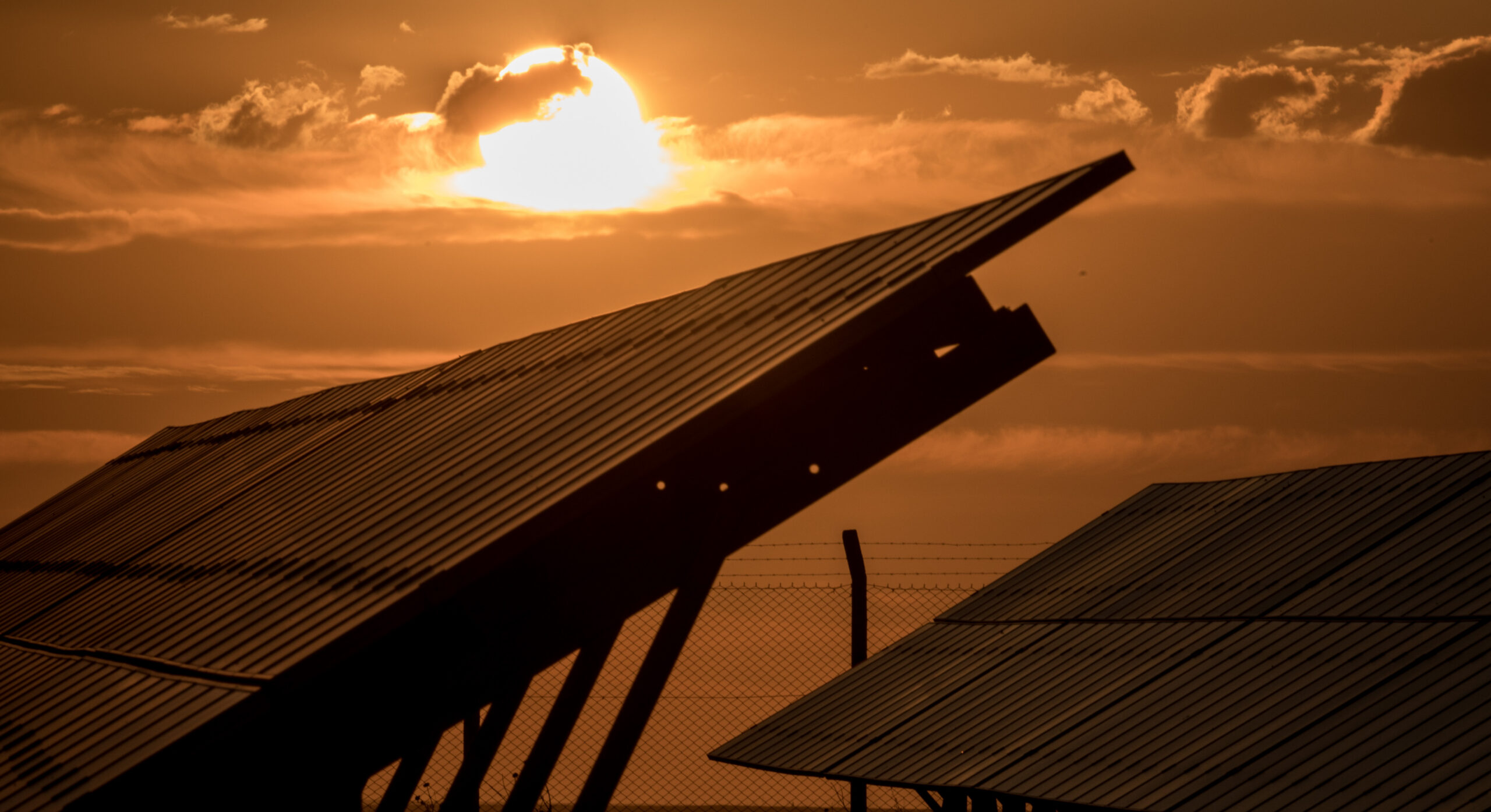
    As environmental challenges become a priority for countries across the Middle East and the Mediterranean, this creates new opportunities for regional environmental cooperation, including between Israel and its neighbors. Despite being limited in scope and facing several key obstacles, regional cooperative endeavors are taking place, including on both the bilateral and multilateral levels, and efforts to sustain and expand them are underway. This new report, written under the auspices of the Israel Climate Forum, addresses the importance of regional environmental cooperation in the Middle East and Mediterranean, examines the scope of such cooperation between Israel and its neighbors, and spells out opportunities, obstacles, and recommendations for increased coordination and joint action, including the role the U.S. and Europe can play.
    July 13, 2023

    Perspectives from the Bonn Climate Change Conference Ahead of COP28
  • Podcast
  • Perspectives from the Bonn Climate Change Conference Ahead of COP28

    This year’s Bonn Climate Change Conference featured events and discussions focusing on climate issues such as adaptation, mitigation, the global stocktake, and climate loss and damage. Progress on these issues at the Bonn Conference is intended to translate into potential draft decisions to be adopted at the COP28 meeting taking place in the UAE later this year. Mohammed Mahmoud discusses the details of the Bonn Conference, how it may have shaped the MENA climate change agenda, and other major outcomes with Athra Khamis and Neeshad Shafi, two of MEI’s non-resident scholars in the Climate and Water Program that attended the Bonn Conference.

    July 10, 2023

    The Gulf Goes Green
  • Commentary
  • The Gulf Goes Green

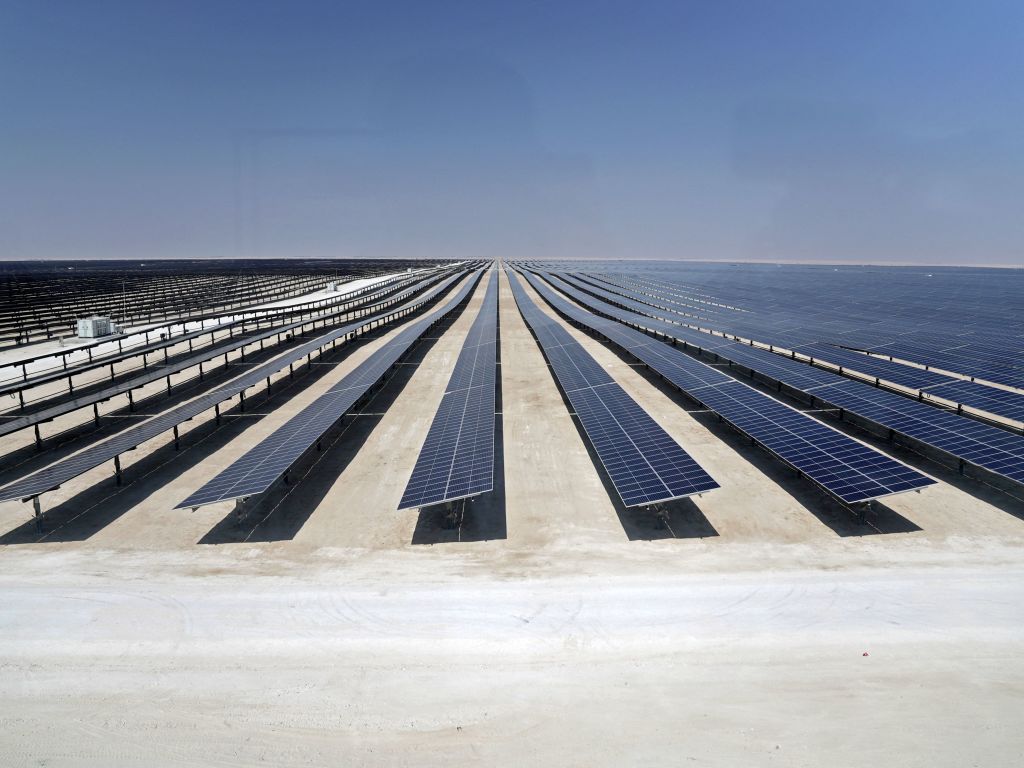
    In the last few years, the global energy outlook has been transformed. The rise of populist politics and a growing sense of urgency about climate change have roiled debates about energy policy in wealthy countries, generating a dizzying mix of new industrial policies. The COVID-19 pandemic made it far harder to predict fuel prices and consumption patterns and forced many countries to confront their connections to fragile multistate supply chains and legacy petrostates.

    Georgia the interconnector — but where’s Washington?
    Photo by Turkish Presidency/Murat Cetinmuhurdar/Handout/Anadolu Agency/Getty Images
  • Analysis
  • Georgia the interconnector — but where’s Washington?

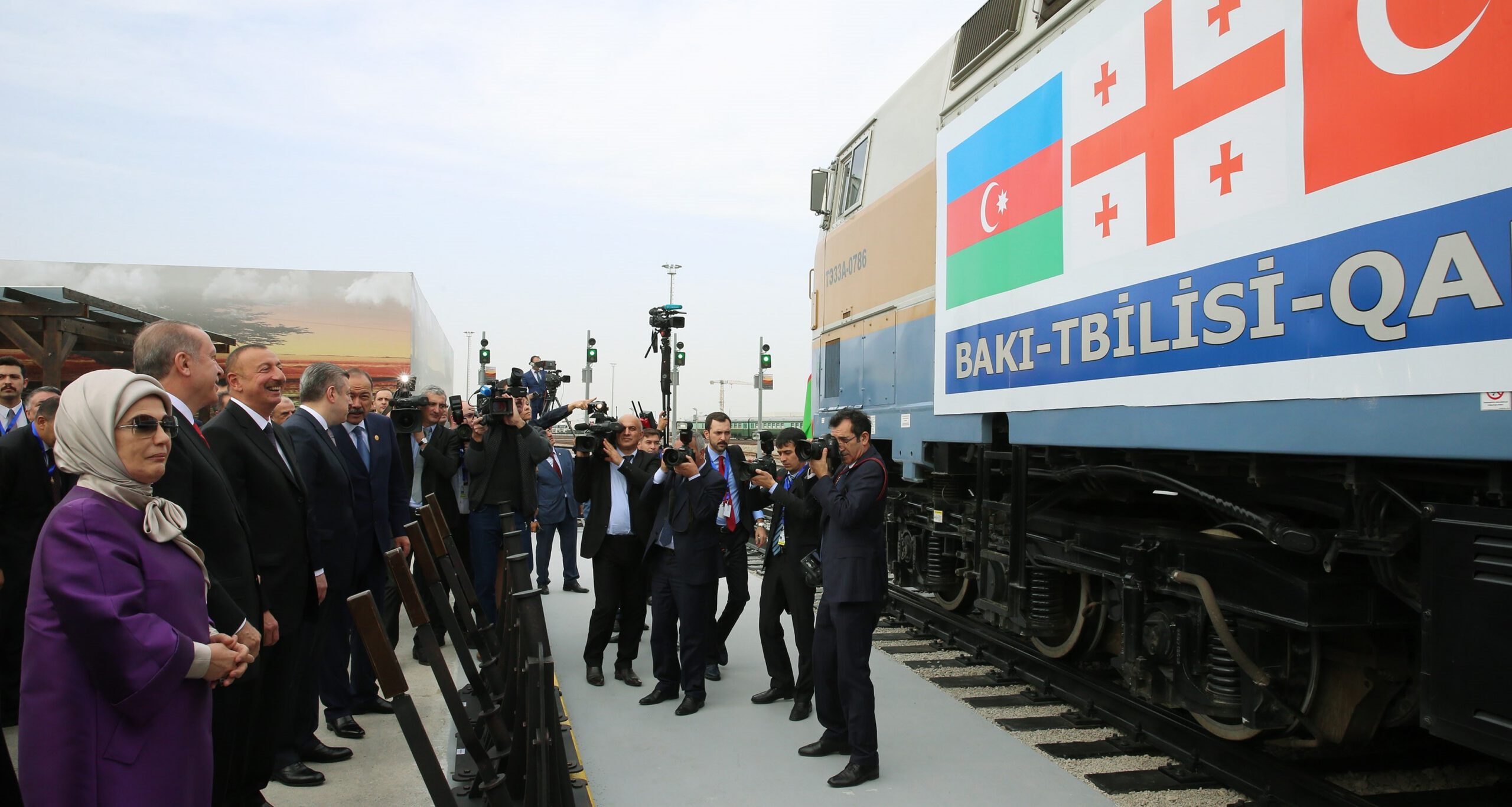
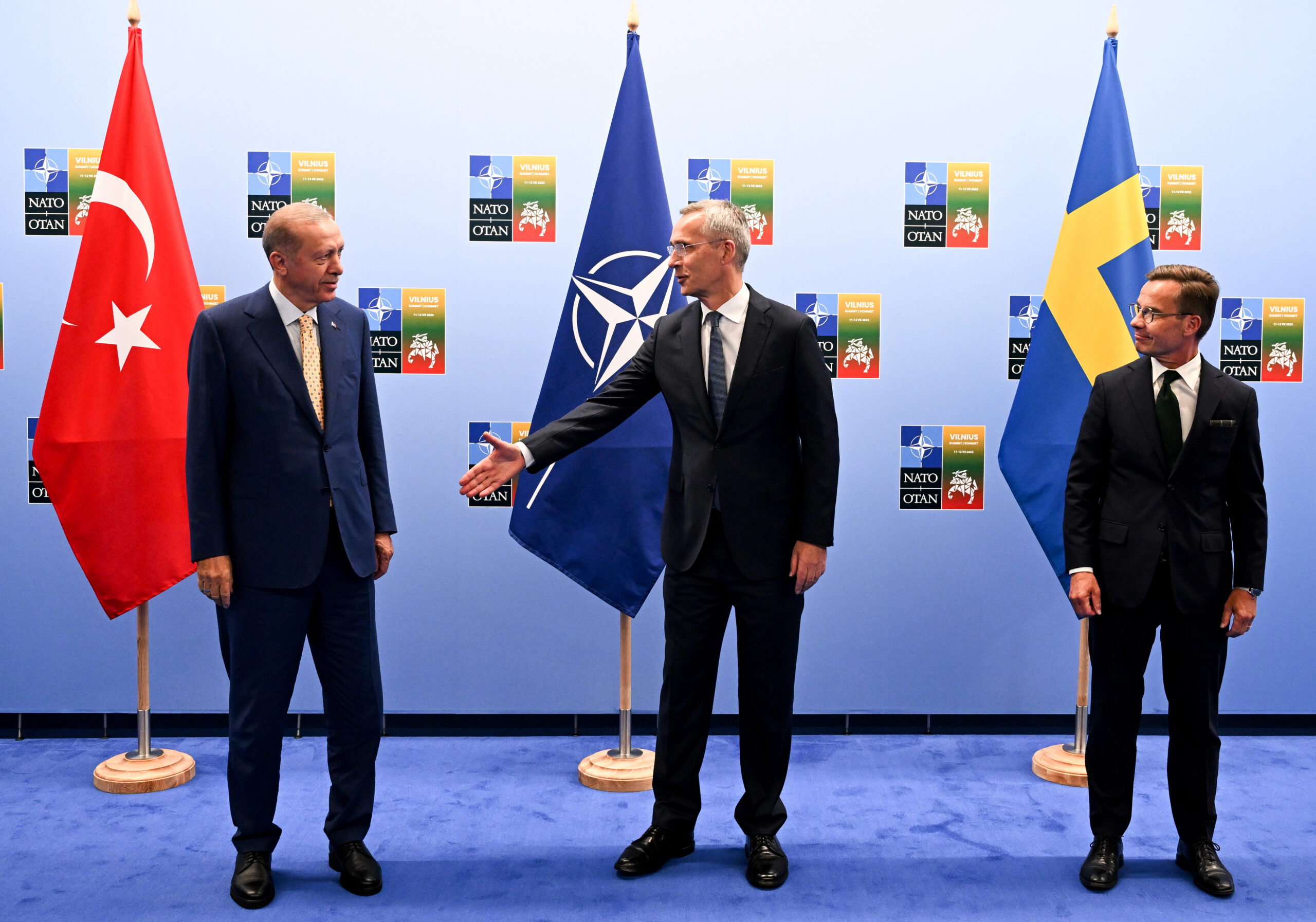
    For the sake of safeguarding transatlantic — and thus also American — security interests in the South Caucasus, it is becoming increasingly imperative that the United States better anchor itself economically, politically, and militarily in the eastern Black Sea region, especially strategically placed Georgia.

    July 7, 2023

    The Gulf’s twin failings: Innovation and private sector employment for nationals
    Photo by KARIM SAHIB/AFP via Getty Images
  • Analysis
  • The Gulf’s twin failings: Innovation and private sector employment for nationals

    The Gulf states emerged from the global pandemic with the wind in their economic sails. But high-profile events like Qatar’s hosting of the FIFA World Cup and the UAE’s World Expo continued to mask two subtle but major weaknesses that have plagued them for decades. Why do Gulf economies lack innovation? And why do they struggle to create private sector employment for nationals?

    July 6, 2023

    Saudis in charge: Managing OPEC+’s unhappy days
    Photographer: Simon Dawson/Bloomberg via Getty Images
  • Analysis
  • Saudis in charge: Managing OPEC+’s unhappy days

    The current complex situation in the global oil market seriously tests the abilities of OPEC+ to play the role of a regulator, forcing Saudi Arabia to assume the main burden of responsibility for keeping oil prices from declining further and for shoring up the cartel ranks.

    Saudi LNG exports: Overcoming challenges to commercial success
    Photographer: Maya Sidiqqui/Bloomberg
  • Analysis
  • Saudi LNG exports: Overcoming challenges to commercial success

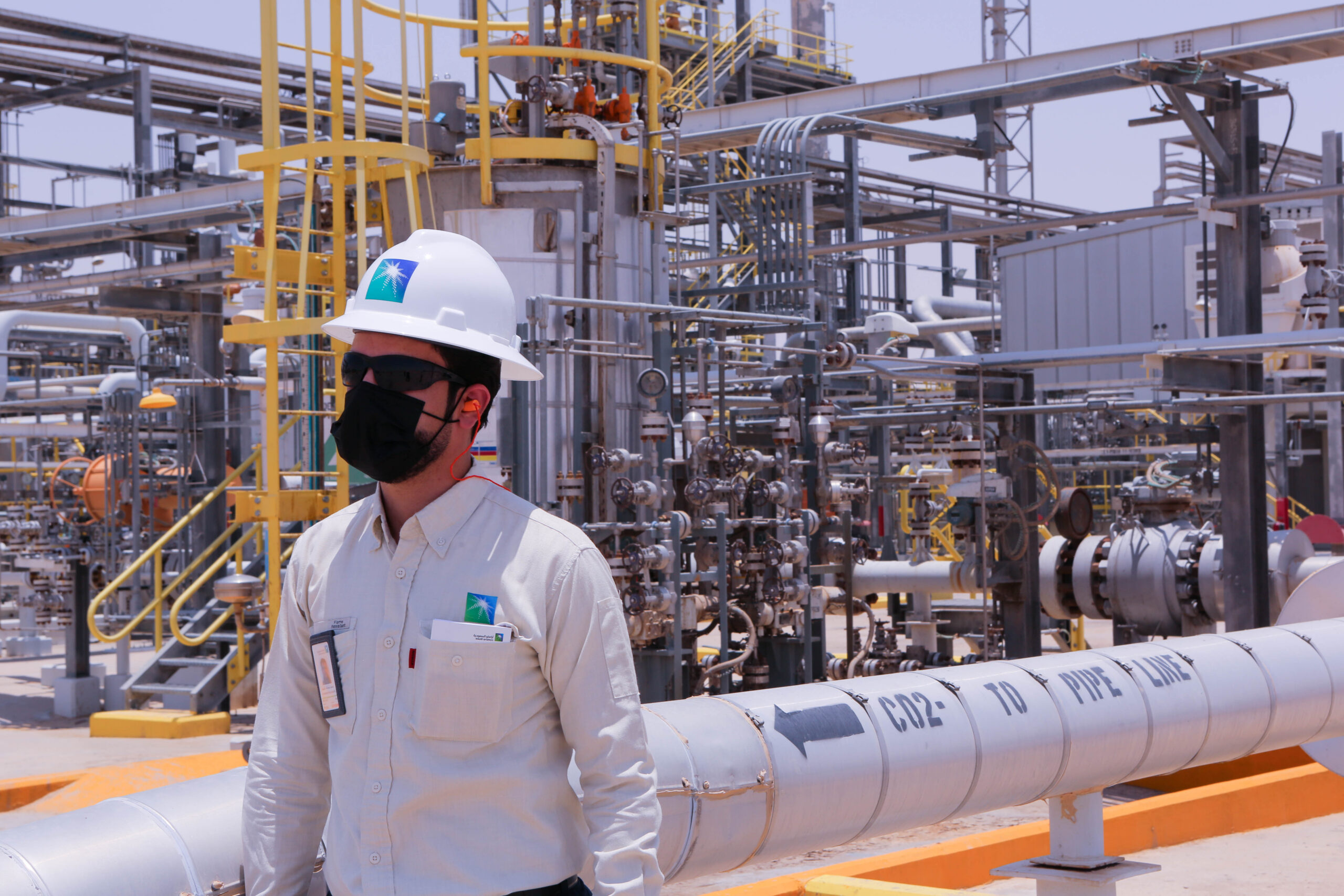
    After issuing positive statements around greenfield blue hydrogen projects in late 2022, the company, Bloomberg now reports, may be migrating away from the hydrogen scheme and toward LNG exports. Both would require significant capital investment. Assuming the company decides to pursue an LNG export project, it will face many potentially value-erosive challenges and risks that must be overcome before achieving economic success.

    June 27, 2023

    Beijing to Baghdad: China’s growing role in Iraq’s energy sector
    Photo by ASAAD NIAZI/AFP via Getty Images
  • Analysis
  • Beijing to Baghdad: China’s growing role in Iraq’s energy sector

    Chinese companies are well positioned to participate in Iraq’s efforts to expand its oil production capacity and develop domestic gas supplies, as they are actively engaged in various energy-related undertakings throughout the country. However, if indeed China’s strategy is, as some have suggested, to become the dominant player in Iraq’s economy, achieving that objective will likely prove difficult given Iraq’s challenging operating environment and contentious politics.

    Putting Diplomacy First in the Middle East: Creating Incentives for De-Escalation
    Photo by LUDOVIC MARIN/AFP via Getty Images.
  • Analysis
  • Putting Diplomacy First in the Middle East: Creating Incentives for De-Escalation

    The Middle East is undergoing a historic transformation with unprecedented opportunities to build new relationships, de-escalate tensions, and foster conditions for stronger integration. At the same time, the region remains on edge because of ongoing tensions in Yemen, Syria, Iraq, and other conflict zones, a civil war that broke out recently in Sudan, along with the overarching challenges presented by fraught relations between Iran, Israel, and several Arab Gulf countries — with the longer-term implications of the still-fragile Iranian-Saudi rapprochement yet to be fully assessed.

    War as a catalyst for greater Black Sea-Gulf interconnectivity
    Photo by Saudi Foreign Ministry / Handout/Anadolu Agency via Getty Images
  • Analysis
  • War as a catalyst for greater Black Sea-Gulf interconnectivity

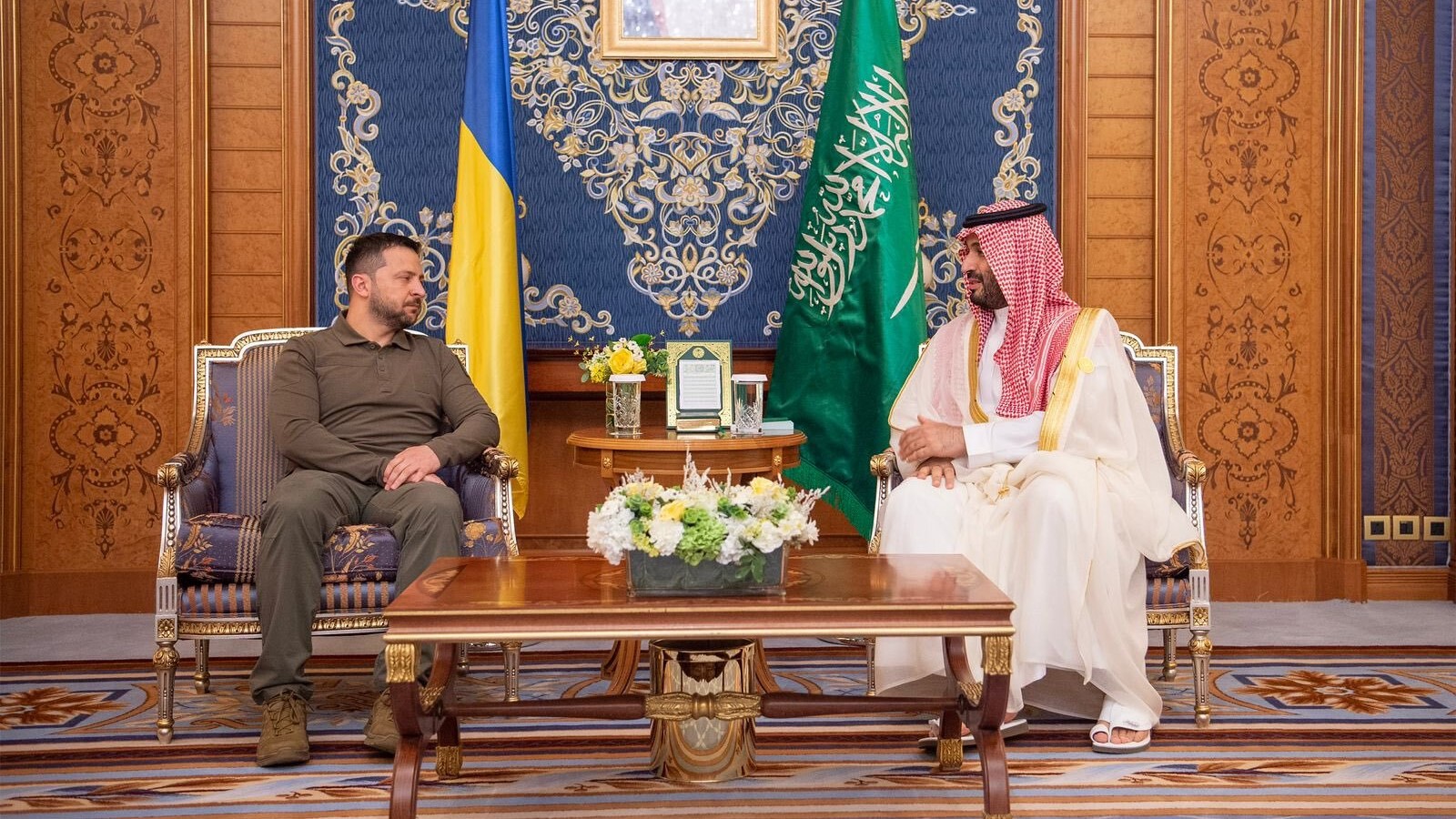
    Russia’s full-scale invasion of Ukraine has destabilized and distressed the entire Black Sea neighborhood. Yet despite the war, or perhaps because of it, strategically important foreign direct investments into Black Sea littoral countries, including from the Gulf, have endured or even grown.

    The Western Mediterranean: Energy and Geopolitics
  • Commentary
  • The Western Mediterranean: Energy and Geopolitics

    Over the last two decades, the Mediterranean has become an important region. Many scholars, policymakers and analysts have mostly referred to this region from a nexus of security, geopolitics and traditional energy politics. With the war in Ukraine, the relevance of this whole region has increased along the same line. The Mediterranean today is home to some of the most enduring conflicts in the world. New energy resources are being discovered in disputed areas in an environment of intense geopolitical competition over regional leadership and energy routes within and beyond the region.

    Is Jordan’s public debt on a sustainable path?
    Photo by Artur Widak/NurPhoto via Getty Images
  • Analysis
  • Is Jordan’s public debt on a sustainable path?

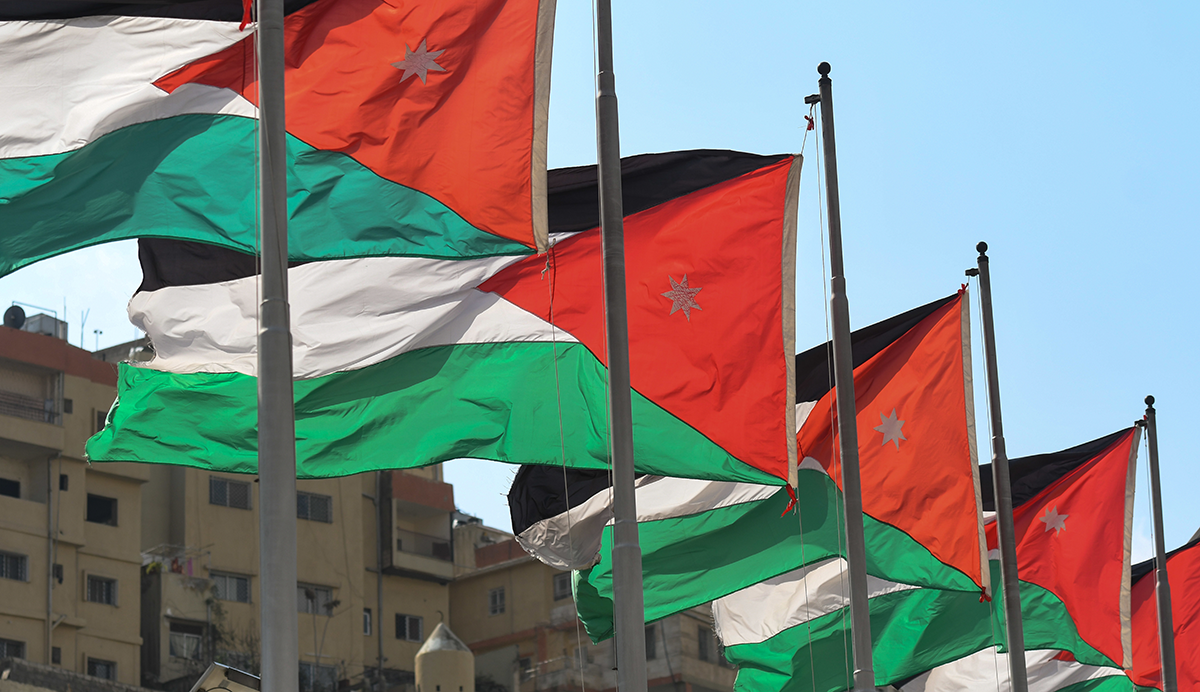
    In the past few years, Jordan’s public debt has become a major policy concern for the government, the international community, and key donors that support Amman. The public debt has risen significantly over the past 15 years, raising many questions about Jordan’s future macroeconomic stability, public debt sustainability, and the government’s ability to finance development projects.

    May 15, 2023