Skip to Content

Research & Commentary Results

Filter by
1498 Results
Blue Wave, Regional Ripples: Turkey and Lebanon React to the Midterms
  • Podcast
  • Blue Wave, Regional Ripples: Turkey and Lebanon React to the Midterms

    The November 3 US midterms handed Democrats control of both chambers of Congress, a result many abroad read as a rebuke of President Donald Trump’s policies. How does the “blue wave” resonate among electorates and governments in Turkey and Lebanon, two key American partners in the Middle East? Ankara is weighing an early vote that could let President Recep Tayyip Erdoğan run again while his chief rival stands trial. Beirut, its elections postponed by war, is trying to restore state authority, including over Hizballah’s weapons. MEI Senior Fellows Gönül Tol and Fadi Nicholas Nassar join host Alistair Taylor to discuss how both countries read the results, how issues like corruption struck a chord in each, and what Ankara and Beirut expect from a Democratic Congress.
    November 12, 2026

    A Contested Mediterranean: What Role for the US?
  • Report
  • A Contested Mediterranean: What Role for the US?

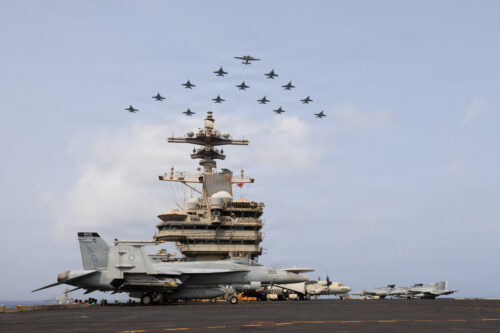
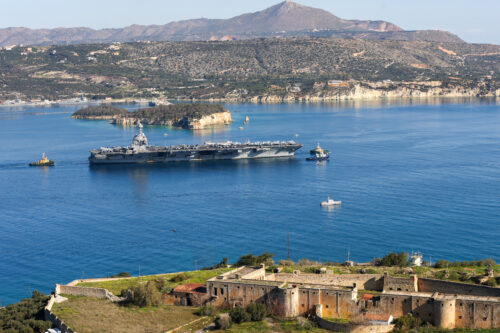
    This report explores maritime security conditions in the Mediterranean and the evolving US engagement in the region. As critical infrastructure becomes increasingly vulnerable to sabotage, freedom of navigation is undermined by conflict, and energy disputes generate tension, US policy focus on the region has become fragmented and disengaged. The authors call for a sustained American role to strengthen maritime domain awareness, allied coordination, infrastructure protection, and the capacity to respond when Mediterranean crises affect US and transatlantic interests.

    Hizballah Just Wrote Its Own Death Sentence
  • Commentary
  • Hizballah Just Wrote Its Own Death Sentence

    How hard the once mighty have fallen.

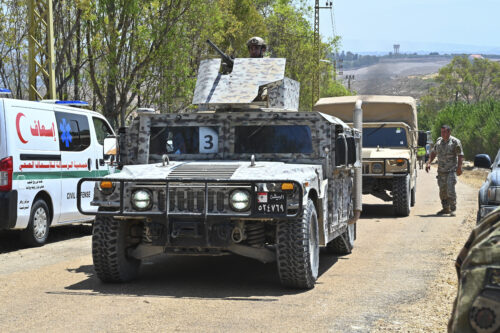
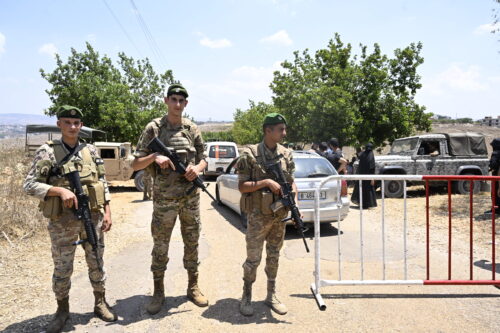
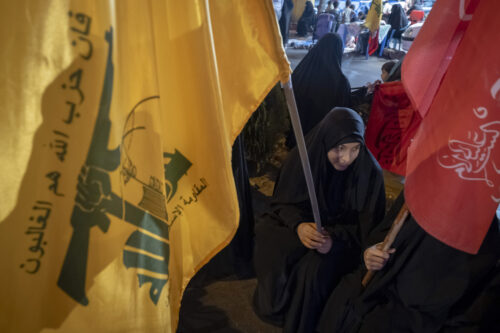
    Hizballah: The murderers of elected Lebanese politicians, the killers of peacekeepers, the thugs of the streets they dominated because all other militias had disarmed, the agents of destruction of their own communities on behalf of foreign paymasters reigning 1,000 miles away from Beirut, the brainwashers of children into an ideology of “resistance” that only invited invasion. That’s the Hizballah that today is begging the Lebanese state to return to them the 1,000 pounds of explosives so rudely taken from them by Lebanese soldiers doing their job at a checkpoint in the Bekaa Valley.

    Eastern Mediterranean Gas
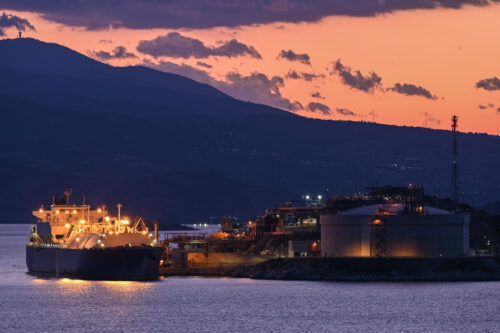
    LNG tanker unloading at Revithoussa Terminal near Athens on May 2, 2026. Photo by Nicolas Koutsokostas/NurPhoto via Getty Images.
  • Backgrounder
  • Eastern Mediterranean Gas

    In less than two decades, a string of offshore discoveries has turned the Eastern Mediterranean into a significant gas-producing region, making Israel an exporter, twice lifting Egypt into the ranks of liquefied natural gas (LNG) exporters, and giving Cyprus finds it has yet to bring to market. This backgrounder explores the potential and challenges of exploiting and managing LNG resources in the region.

    October 15, 2026

    How Lebanon can be Trump’s first success in a troubled region
  • Analysis
  • How Lebanon can be Trump’s first success in a troubled region

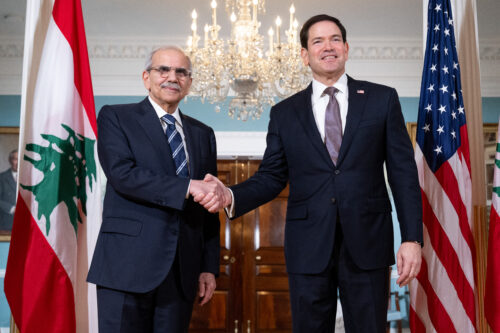
    The Trump administration has done more than any of its predecessors to restore sovereignty for a much traumatized nation, Lebanon. The Israel Defense Forces’ operations in 2024 against Hezbollah decimated that organization, long the “A Team” in global terror.

    Kim Ghattas on a Murder That Explains the Middle East
  • Podcast
  • Kim Ghattas on a Murder That Explains the Middle East

    Brian sits down with author and Emmy Award-winning journalist Kim Ghattas to talk about her new book, The Best Kind of American, which tells the story of the 1984 assassination of Malcolm Kerr, then president of the American University of Beirut. They discuss her inspiration for the project, what Kerr’s murder revealed about the Middle East at the time, and why his story still resonates four decades later.

    The Americans Are Gone. Will Iraq’s Militias Disarm?
  • Podcast
  • The Americans Are Gone. Will Iraq’s Militias Disarm?

    On September 30, the US completed its military withdrawal from Iraq, ending a 12-year-long mission to combat ISIS that began in 2014. The date was also meant to be the deadline for disarming the largely Iranian-backed militias known as the Popular Mobilization Forces (PMF), but Prime Minister Ali al-Zaidi has now pushed that cutoff back to June 30, 2027. MEI Distinguished Diplomatic Fellow Amb. (ret.) Robert S. Ford joins hosts Alistair Taylor and Matthew Czekaj to discuss what the US military withdrawal means for Iraqi security and the nature of the bilateral relationship going forward. They also speak about what it will take for Baghdad to bring the PMF militias to heel, and how Iraq may navigate the post-Iran war era.

    October 8, 2026

    The Middle East Beyond the Iran War
  • Report
  • The Middle East Beyond the Iran War

    This article is part of a collection of short essays written by the Fellows of the Middle East Institute to explore aspects of the ongoing war with Iran. The intent of the collection is to help readers see new and unexpected elements of the dynamics and impact of the ongoing hostilities and to think harder, deeper, and broader about the implications of the conflict.

    September 28, 2026

    Lebanon: Where the Axis of Resistance Breaks First
  • Analysis
  • Lebanon: Where the Axis of Resistance Breaks First

    The war with Iran has not yet resolved the contest between Tehran and Washington, but it has already begun to reshape the Middle East — and nowhere as clearly in the United States’ favor as in Lebanon. The challenges in Lebanon have presented the US with a defining test: whether Washington and its partners have the determination to convert Iran’s material losses into lasting strategic change.

    Iraq: Between Iran and a Hard Place
  • Analysis
  • Iraq: Between Iran and a Hard Place

    It has become a commonplace for Americans to describe our current war with Iran as stuck in a kind of limbo, neither full war nor real peace. We’re not the only ones. Iraq finds itself caught in a limbo of its own, and like our own muddled state of affairs, theirs too is one largely — but not solely — of our devising.

    Consolidating Sovereignty, Security and Peace: Time to Step up the Game
  • Commentary
  • Consolidating Sovereignty, Security and Peace: Time to Step up the Game

    Although it has been a frustrating summer, Lebanon remains on the right track. My observation after a ten-day visit to Beirut and Jerusalem this month is that leaders in both capitals remain strongly committed to a shared objective.

    Hisham Melhem’s American Crossroads
  • Podcast
  • Hisham Melhem’s American Crossroads

    Brian is joined by Hisham Melhem, a prominent journalist known for his interviews with Presidents George W. Bush and Barack Obama and his role as an honest intermediary between Americans and the people of the Middle East. He reflects on his journey from growing up in Lebanon to building a life in America, discusses how the region has transformed over his lifetime, and offers a candid take on where US foreign policy stands today.

    The Kurdistan Region of Iraq
  • Backgrounder
  • The Kurdistan Region of Iraq

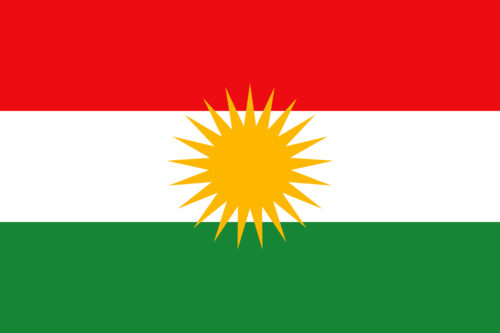
    The Kurdistan Region of Iraq (KRI), also known as Iraqi Kurdistan, is a semi-autonomous region in northeastern Iraq with a population of approximately 6.5 million. The KRI’s contemporary politics are rooted in a century of Kurdish efforts to achieve self-rule.

    September 8, 2026

    Reflections on a Diplomatic Career in the Middle East: A Conversation With Ambassador Yael Lempert
  • Podcast
  • Reflections on a Diplomatic Career in the Middle East: A Conversation With Ambassador Yael Lempert

    Brian is joined by Amb. (ret.) Yael Lempert, Vice President for Outreach at MEI, to discuss her career in diplomacy and the importance of US diplomatic efforts abroad. She shares stories from postings across the Middle East in Baghdad, Cairo, Tripoli, Jerusalem, and Amman and examines how her personal and professional experiences shaped her approach to the work. Together, Brian and Yael discuss the realities of life in the Foreign Service, the core tenets of American diplomacy, and why it matters in today’s Middle East.

    Iraq Is Between Iran and a Hard Place
  • Commentary
  • Iraq Is Between Iran and a Hard Place

    It has become a commonplace for Americans to describe our current war with Iran as stuck in a kind of limbo, neither full war nor real peace. We’re not the only ones. Iraq finds itself caught in a limbo of its own, between America and Iran, between the tolerable and the intolerable, between progress and relapse.