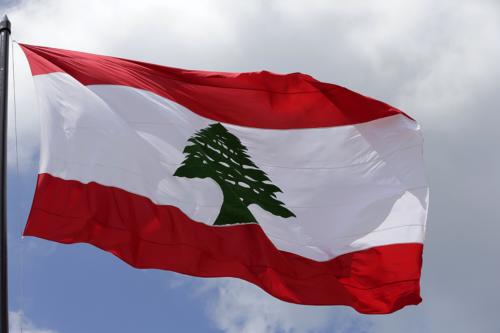
Lebanon is America’s next foreign policy win — if Washington acts now. The US has committed blood and treasure to neutralize Iran’s ability to project power and destabilize the Middle East. Lebanon is now the clearest opening to convert those investments into strategic gains and permanently dislodge the Islamic Republic from its most important regional foothold. Securing a sovereign Lebanon, achieving a lasting Israel-Lebanon peace, and dismantling Hizballah — the blueprint of Iran’s proxy model — would irreversibly weaken Tehran’s threat and consolidate a new regional order led by America’s partners before Iran has a chance to reverse its losses.
The India-Middle East-Europe Economic Corridor (IMEC) is a proposed multinational infrastructure initiative aimed at upgrading connectivity between the three regions through integrated trade, energy, and digital networks. Announced at the G20 summit in New Delhi in September 2023, IMEC is envisioned partially as a counterweight to China’s international infrastructure project, the Belt and Road Initiative.
Syria’s New Investment Law and the Return of State-Mediated Market Access
As Syria moves toward reconstruction, the country’s new authorities have already made a consequential decision about who will control the postwar economy. Last June, President Ahmed al-Sharaa enacted Investment Law 114 by presidential decree, granting sweeping and permanent concessions to investors. Yet rather than make those incentives broadly accessible, the law preserves the country’s longstanding model of state-mediated market access.
MENA Energy Recap, Q1-2026: Four Lessons From the Return of Tail Risk
This is a special edition of the MENA Energy Recap — a quarterly review of key energy developments that took place in the region from January through March of 2026 and what they signal in the months ahead. For Q1-26, the recap considers some of the long-term implications of the ongoing war in the region, which have caused the largest energy supply disruption in history, and what lessons these events hold for both near- and long-term energy dynamics in both the Middle East and the wider world.
Fixing America’s Failed Strategies in the Middle East
The Middle East is both central to key United States interests and prone to instability. Yet US national security and defense strategic guidance has struggled to account for the unique demands of the region. Calls for strategic divestiture from the region have grown in prominence among analysts and policymakers alike in recent years.
China’s Model of Power Projection in the Middle East
China’s expanding role in the Middle East is often framed as geopolitical rivalry with other global powers, including the United States, Russia, India, and others; but this lens obscures the strategic subtlety of Beijing’s approach.
Putting Trump on paper: What the new US strategy documents say about the Middle East
Trying to capture US President Donald Trump’s proudly unpredictable approach to foreign policy in fixed policy documents is inherently difficult. Surprise, leverage and improvisation are not bugs in Mr Trump’s world view; they are features. Yet the administration has now attempted this exercise twice: with the release of the National Security Strategy last December and the National Defence Strategy this January.
US Policy in the Middle East in the First Year of Trump 2.0: A Report Card
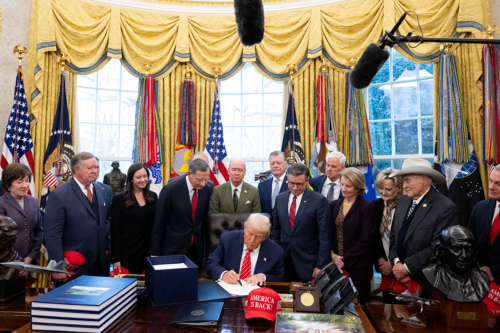
In the first year of his second term in office, US President Donald Trump focused considerable time and energy on the Middle East, but the results so far have been uneven. This report assesses the US government’s actions in the region over the past 12 months, from January 2025 through January 2026.
Ankara’s double win: Kurds, Israel, and the new Syria
Whether the truce between Damascus and the Kurdish-led Syrian Democratic Forces holds or collapses will have major implications for neighboring Turkey, which has long-standing interests in Syria, but recent developments already point to a win for Ankara.
How Damascus and the SDF came to blows in Aleppo — and what might come next
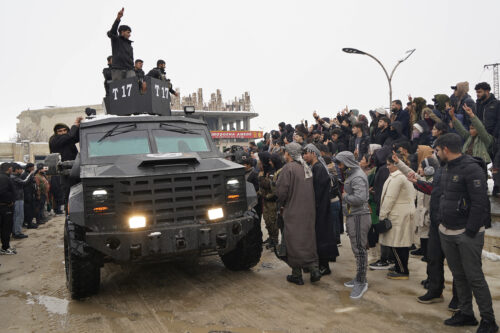
After months of building tensions, full-blown hostilities erupted between Syria’s transitional government and militia fighters linked to the Syrian Democratic Forces (SDF) in Aleppo on January 6. Through four days of fighting, government forces have now assumed full control of Syria’s second city, after expelling SDF-linked forces from its northwestern districts.
Iran’s Axis of Resistance after the 12-day war: Adaptation, restructuring, and reconstitution
Since Israel’s 12-day war against Iran, Tehran and its network of regional proxies and non-state allies, the so-called Axis of Resistance, have entered a phase of strategic dormancy — an outward calm concealing rearmament, financial adaptation, and ideological renewal.
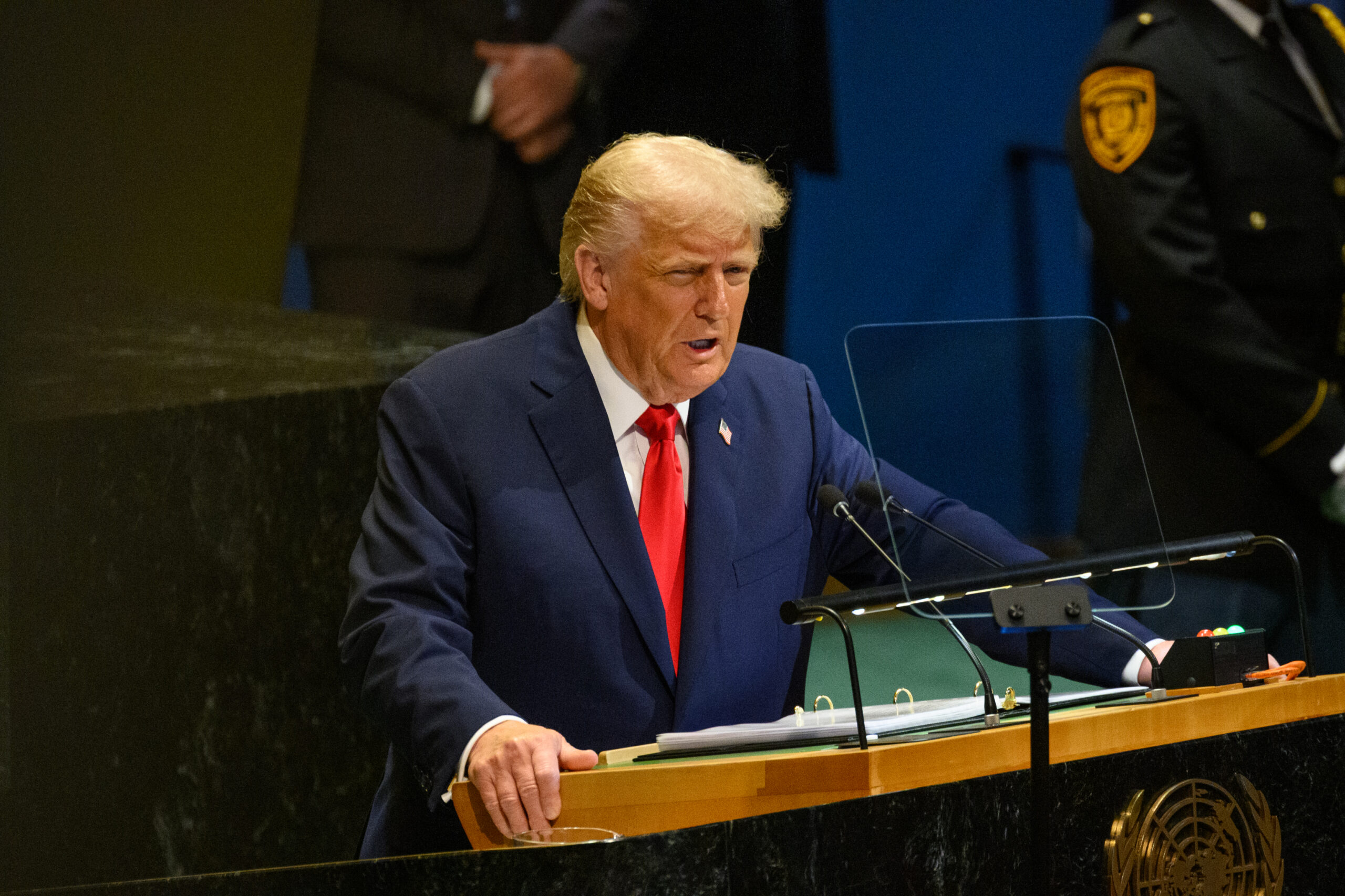
US President Donald Trump is scheduled to deliver a prime time address to the nation this evening at a moment when public support for his second term has hit new lows. No matter the topic Trump chooses to frame the national conversation as America heads into the holiday season, it is worth taking a step back and reflecting on the bigger story of what has occurred in the United States in 2025 and how these dynamics affect America’s relations with the rest of the world, including the Middle East.