The Case for a Middle Course in Afghanistan
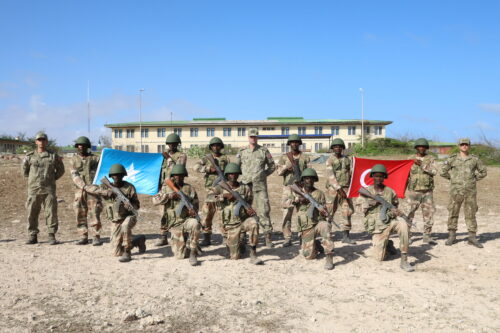
I was a teenage Afghan refugee in Pakistan’s tribal areas when the Twin Towers fell. Almost nobody around us understood the politics of what had happened, but we knew that something had changed for good. Afghanistan, which until then had been our private tragedy and our first exile from Taliban rule, had suddenly become the world’s concern, with the United States leading the response.
Turkey’s Nuclear Ambitions in the Post-Iran War Environment
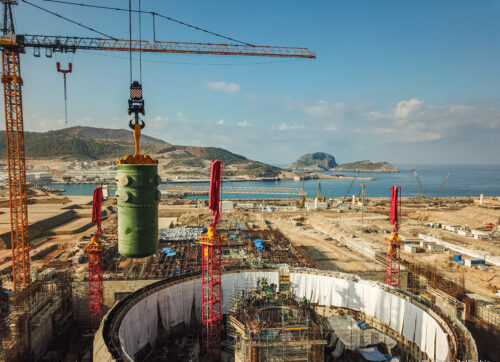
Turkish ambitions to develop nuclear weapons are not new, but the changing security environment is strengthening Ankara’s motivations and rationale for moving away from its longstanding role as a champion of nonproliferation and toward a strategy of preserving the option to build nuclear weapons without actually pursuing them. The challenge for Washington is to manage the nuclear trajectory of regional powers such as Turkey and Saudi Arabia rather than preventing them from acquiring greater nuclear capabilities altogether.
Russia’s Taliban Embrace Signals a New Power Shift in Afghanistan
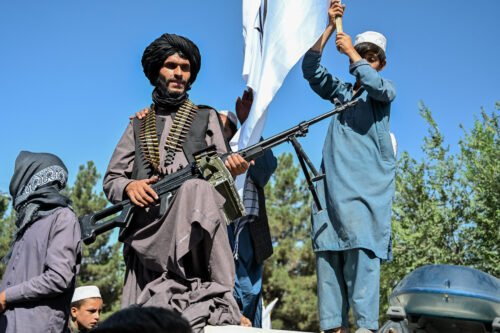
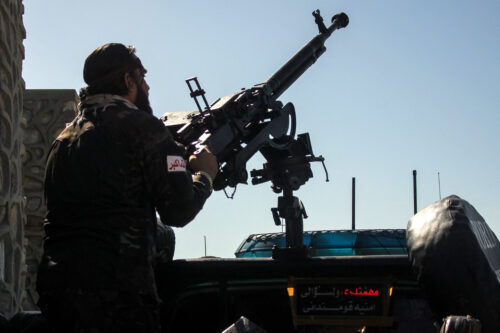
Sometimes the only thing more frightening than Afghanistan’s problems is the Taliban’s solutions and the recently signed Russia-Taliban military-technical agreement may be the most alarming one yet. The partnership signals that Afghanistan’s security architecture is being rebuilt without the United States, and increasingly by America’s rivals. Washington should pay close attention because the deal hands one of the world’s most repressive regimes a pathway to becoming more capable and deeply entrenched in a regional order where Russian influence is expanding at America’s expense.

Can Turkey’s Opposition Fight Back?
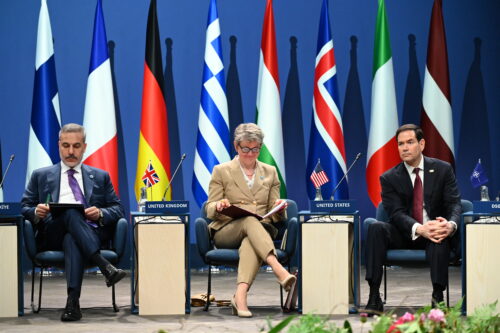
A Turkish court has taken a dramatic step that could reshape the country’s political landscape. It annulled the results of the CHP’s 2023 party congress, effectively overturning the election of Özgür Özel as leader of Turkey’s main opposition party and potentially paving the way for former chairman Kemal Kılıçdaroğlu to return.
Erdogan and Putin, the End of an Unlikely Partnership
Will the PKK Really Disarm?
In 2025, jailed PKK leader Abdullah Öcalan made a historic call for the group to disarm and dissolve, raising hopes of ending a 40-year conflict that has shaped Turkey and the wider region. Months later, the PKK symbolically laid down arms in what many viewed as a breakthrough moment for the peace process.

Turkish Foreign Policy
After a decade of post-Arab Spring isolation, Turkey’s leaders have recognized that their ambition to position the country as an agenda-setter on the world stage requires active engagement in all directions. President Recep Tayyip Erdoğan’s consolidation of executive authority has centralized foreign policy decision-making and tied it to his domestic political priorities, transforming the country’s revisionist approach to one shaped primarily by personal and pragmatic interests.
Turkey Sees Short-Term Pain, Long-Term Gain in the Iran War
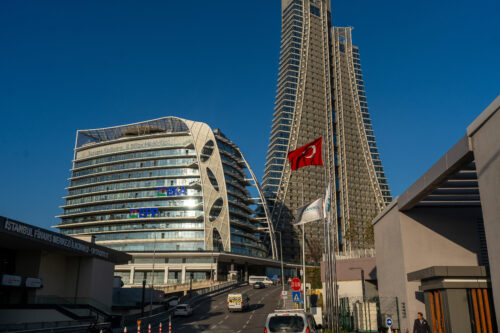
The Iran war has posed significant immediate challenges for Turkey, including rising energy prices. But Turkish officials think that Ankara could reap benefits from the war in the long term.

Can Turkey Stay Out of the Iran War?
Turkey caught in the vortex of a widening Iran war
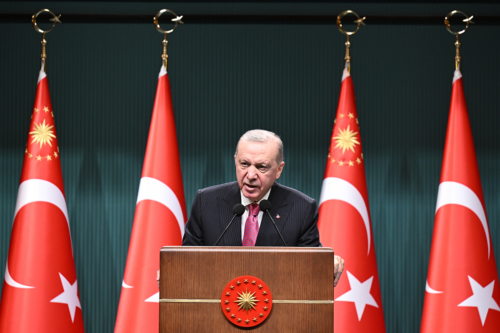
After months of trying to head off a US-Israeli war with Iran, Turkey now finds itself caught in the middle of it — and deeply concerned that a prolonged, regionalized conflict could pose serious security, economic, and political risks.
Is Turkey the New Iran — Or Is that the Wrong Question?
The balance of power in the Middle East is shifting. Iran is on the defensive — its military capabilities were badly degraded by last year’s 12 days of Israeli and US strikes, and growing protests at home have made the regime look more vulnerable than it has in years.
The Transatlantic Alliance Will Survive Just Fine
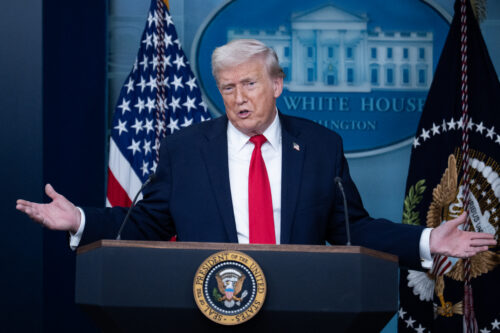
Media and politicians on both sides of the Atlantic are hyping the idea that President Trump’s attempt to gain sovereign control of Greenland has caused unprecedented and irreparable damage to the over 75 year-old Transatlantic Alliance. This “analysis” stems from multiple sources. On both sides of the ocean, there are those who pounce on any deviation from the norm by Trump as evidence the world as we know it is ending. And in Europe, there is the human but unattractive reaction of weak, dependent states against their one powerful ally when it rejects Europe’s preferred script. Much of the US media criticism is summarized by the concept that our other NATO allies can never again “trust” the US.
Ankara’s double win: Kurds, Israel, and the new Syria
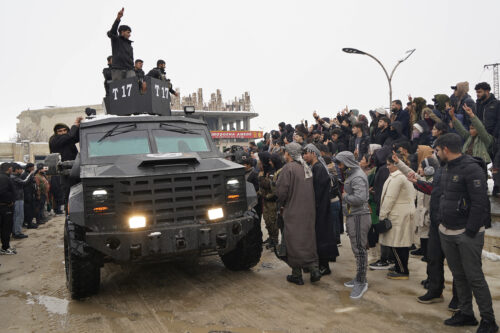
Whether the truce between Damascus and the Kurdish-led Syrian Democratic Forces holds or collapses will have major implications for neighboring Turkey, which has long-standing interests in Syria, but recent developments already point to a win for Ankara.