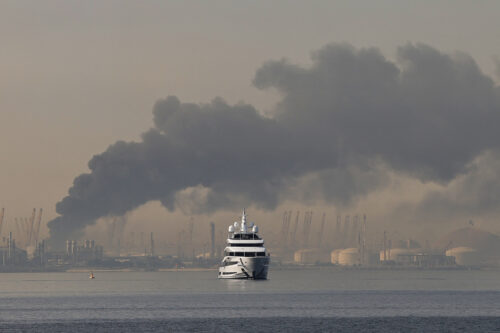
Geopolitical influence over trade increasingly rests on controlling the systems that make them work. The Middle East illustrates the stakes. US ports, cable corridors, cloud facilities, artificial intelligence (AI) investments, and maritime routes connect regional economies to global commerce while exposing them to external decisions and disruptions. For the United States, the challenge is to translate technological advantage into resilient networks rather than rely on centrality that can itself become a source of vulnerability and coercion.
Bonus Episode: Previewing Israel’s First Post-October 7 Election
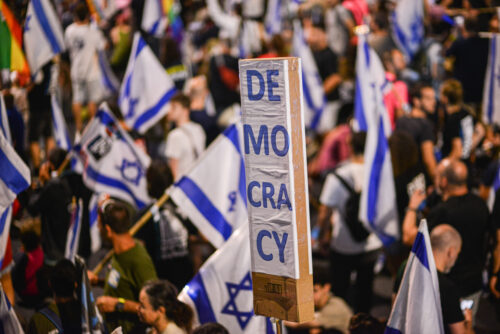
Israel is preparing to hold what may be its most consequential election in decades. On October 27, Prime Minister Benjamin Netanyahu will face his first electoral test since October 7, 2023. In this bonus episode of Middle East Focus, we present the audio from a recent MEI webinar, hosted in Israel on the eve of the vote. Senior Fellow Natan Sachs is joined by Dr. Shira Efron, Distinguished Chair for Israel Policy and senior fellow at the RAND Corporation, and Neri Zilber, veteran journalist and Financial Times correspondent. They explore what’s at stake in this historic election and how different outcomes could reshape Israel’s domestic politics and the wider region.
Israel Was Built on Hope. This Election May Be Our Last Chance to Save It
Israel’s national anthem, Hatikva, means “the hope.” Israel is not just another country, but the culmination of a 2,000-year-old dream of national redemption. The rebirth of the Jewish people’s ancestral homeland, just three years after the Holocaust, was a miraculous triumph of hope over all odds.
Today, that hope has been shattered and the elections on October 27 have become the most consequential in Israel’s history.
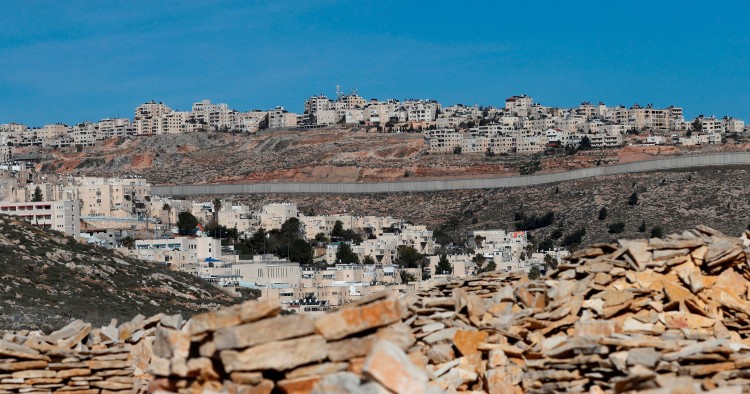
Since 1967, Israeli settlements in the West Bank have been a contested feature of the Israeli-Palestinian conflict. The ultimate disposition of the settlements and ongoing activity related to their growth have repeatedly defied agreement in negotiations over a resolution to the conflict.
The Houthis are a political-military faction and Zaydi religious movement founded in northwestern Yemen in the 1980s. A key member of Iran’s Axis of Resistance with links to other militant organizations in the Arabian Peninsula and the Horn of Africa, the group has continued to pose a threat to Western interests on a global scale.
The India-Middle East-Europe Economic Corridor (IMEC) is a proposed multinational infrastructure initiative aimed at upgrading connectivity between the three regions through integrated trade, energy, and digital networks. Announced at the G20 summit in New Delhi in September 2023, IMEC is envisioned partially as a counterweight to China’s international infrastructure project, the Belt and Road Initiative.
After a decade of post-Arab Spring isolation, Turkey’s leaders have recognized that their ambition to position the country as an agenda-setter on the world stage requires active engagement in all directions. President Recep Tayyip Erdoğan’s consolidation of executive authority has centralized foreign policy decision-making and tied it to his domestic political priorities, transforming the country’s revisionist approach to one shaped primarily by personal and pragmatic interests.
MEI Senior Fellow Brian Katulis engages friends, colleagues, and policy experts in casual conversations on the most important happenings in the Middle East.
حلقة 1: الاتجاهات الكبرى في المنطقة وفي السياسة الخارجية الأمريكية — مع بول سالم
ضيف هذه الحلقة الدكتور بول سالم، رئيس معهد الشرق الأوسط في واشنطن. نناقش الاتجاهات والسمات الأساسية لما تمر به دول الشرق الأوسط ومجتمعاتها، وما تعنيه التقلّبات والاضطرابات التي نشهدها. وكذلك نناقش ثوابت السياسة الخارجية الأمريكية، وما يمكن أن يتغير بين إدارة وأخرى في السنوات القادمة.
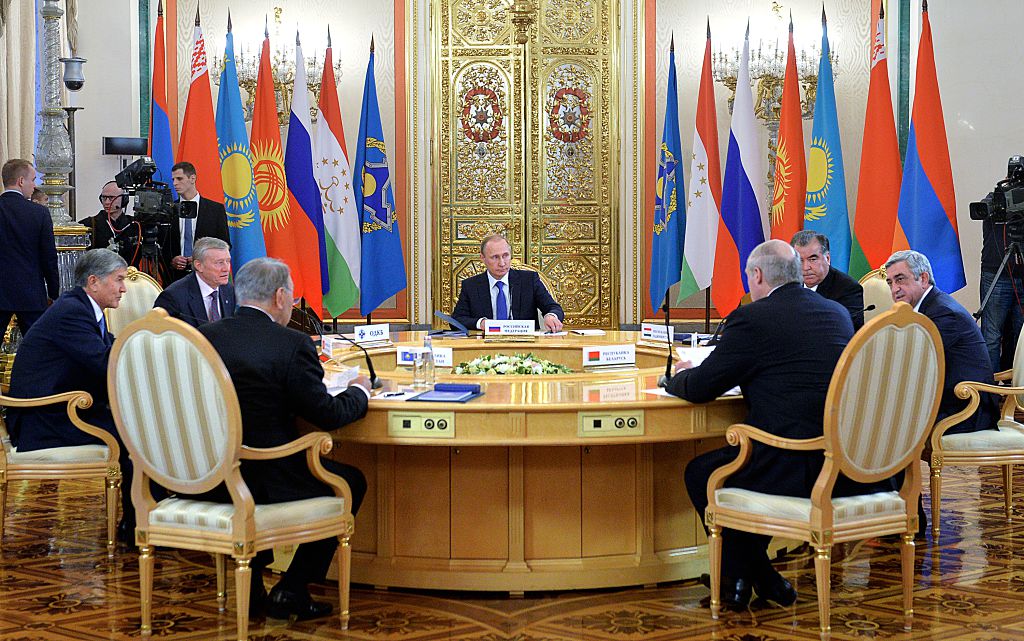
Despite the collapse of the Soviet Union, the newly independent states of the Caspian and Russia are still deeply intertwined in each other’s economies, security, and cultures. Moscow has continued to wield considerable military, political, and economic influence in the region.
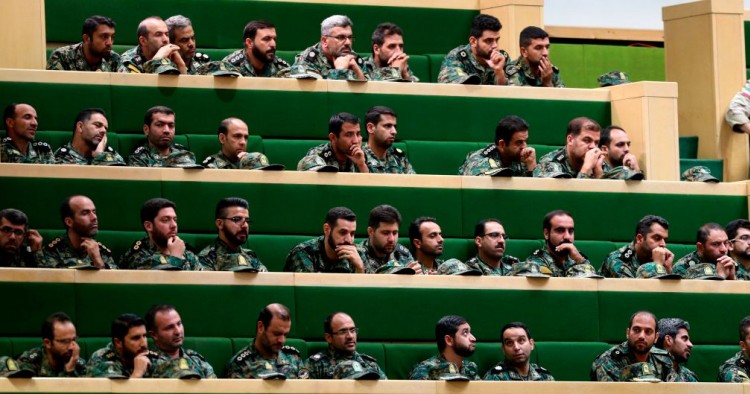
With the election of former IRGC commander Mohammad Bagher Ghalibaf as speaker of the Iranian Parliament, Ayatollah Ali Khamenei’s “Second Phase of the Revolution” is well under way in two of the three branches of government in the Islamic Republic. All eyes have now turned to the presidency, with elections less than one year away.
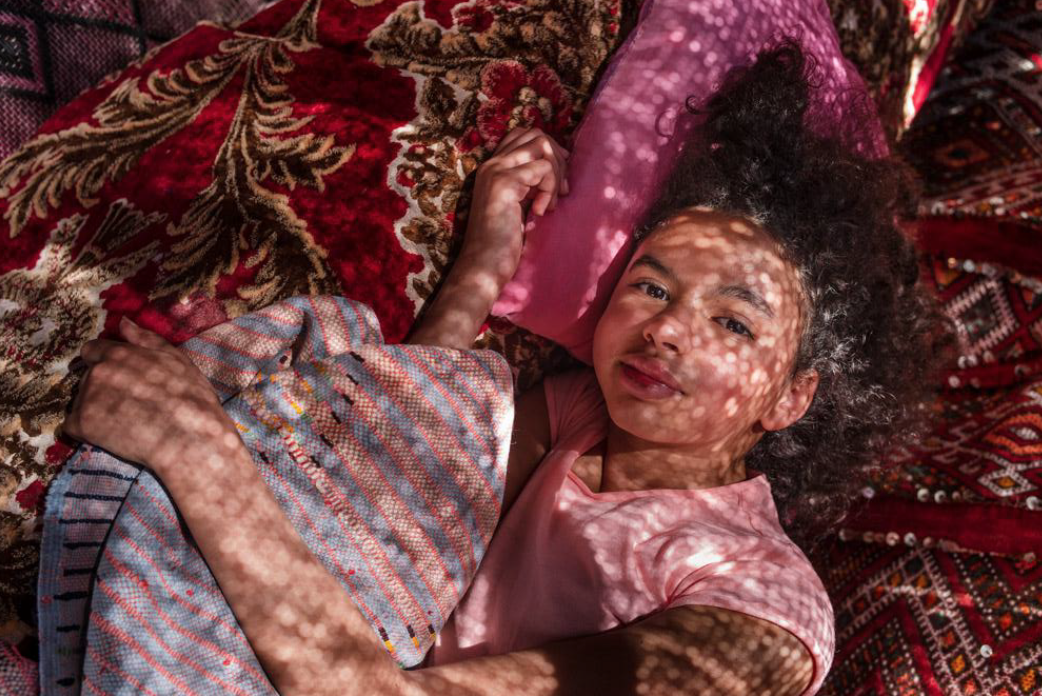
Weaving a new path: Meet the organization fighting to save Morocco’s carpet industry
One Square Meter Berber is a Dutch-Moroccan project with a dual mission: to protect the dying craft of traditional Berber carpet weaving and to fight the exploitation of the skilled craftswomen who keep the iconic industry from coming apart at the seams.https://www.onesquaremeterberber.com
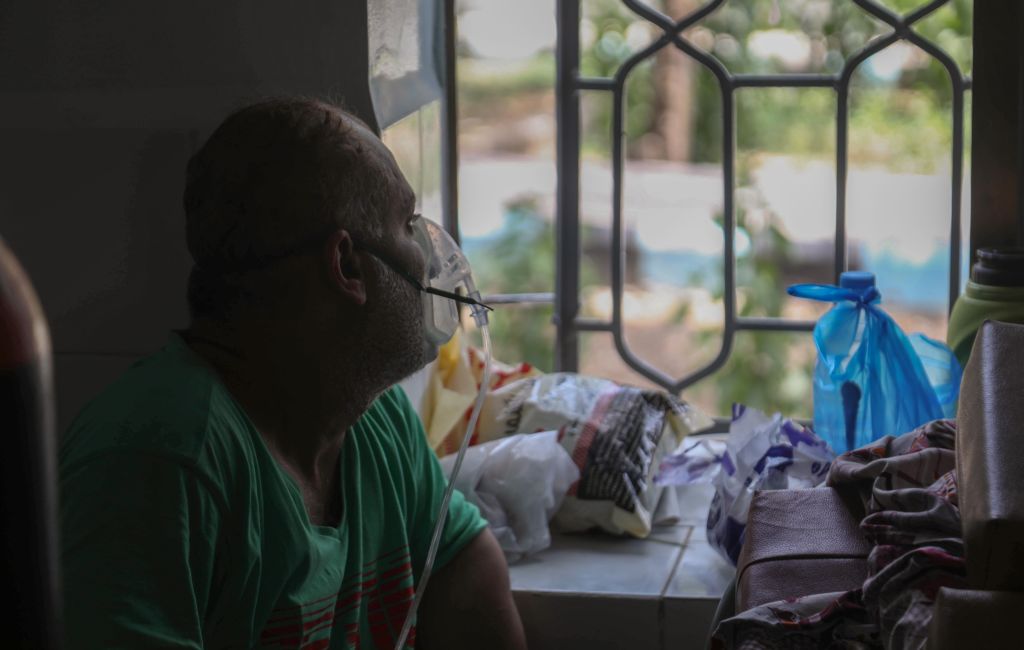
Yemen’s botched pandemic response and fragile conflict dynamics allow COVID-19 to spread undetected
On April 2, 2020, the Houthi version of Saba News Agency in Sanaa announced the first coronavirus case in Yemen, but shortly afterwards it retracted the news and the deputy chairman of the agency’s board of directors was fired. Many Yemenis had hoped the Saudi-led coalition’s blockade of the country and its resulting isolation might have helped to prevent an outbreak.
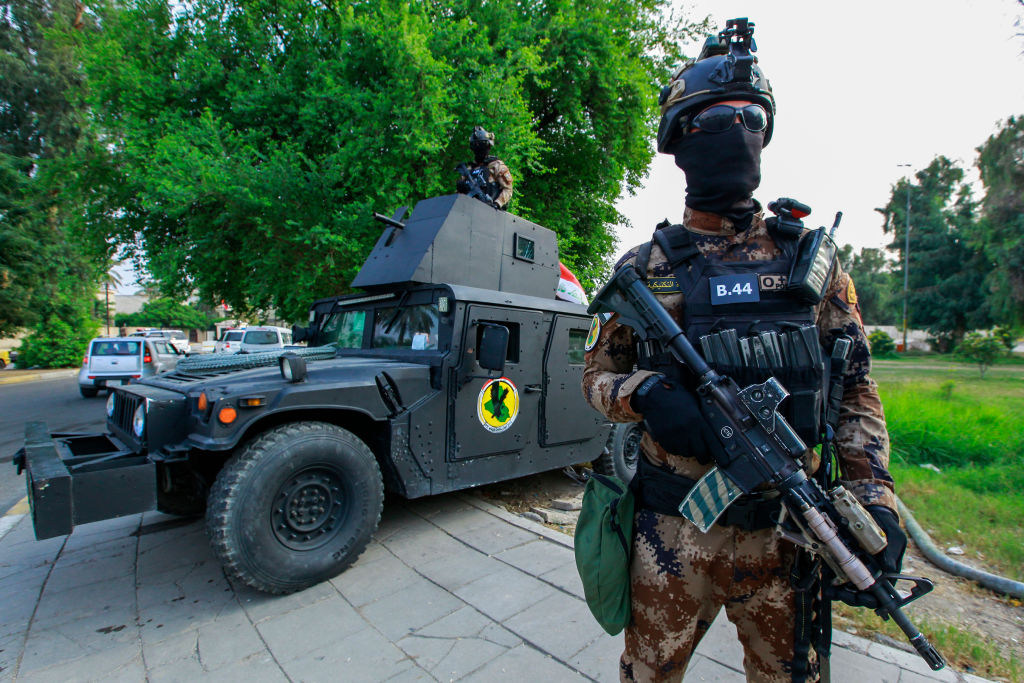
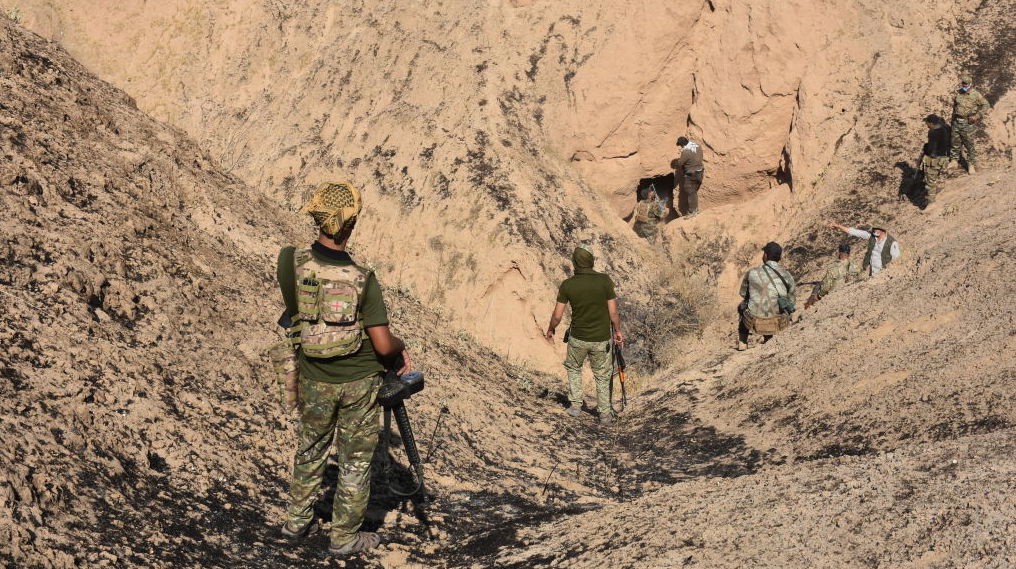
Late on June 25, the Iraqi Counter Terrorism Service carried out an operation against Kataib Hezbollah, a powerful Iran-backed militia, in the suburbs of Baghdad, detaining militiamen, confiscating mobile Katyusha rocket launchers, and accusing the group of plotting another round of rocket attacks targeting the Green Zone and Baghdad International Airport.
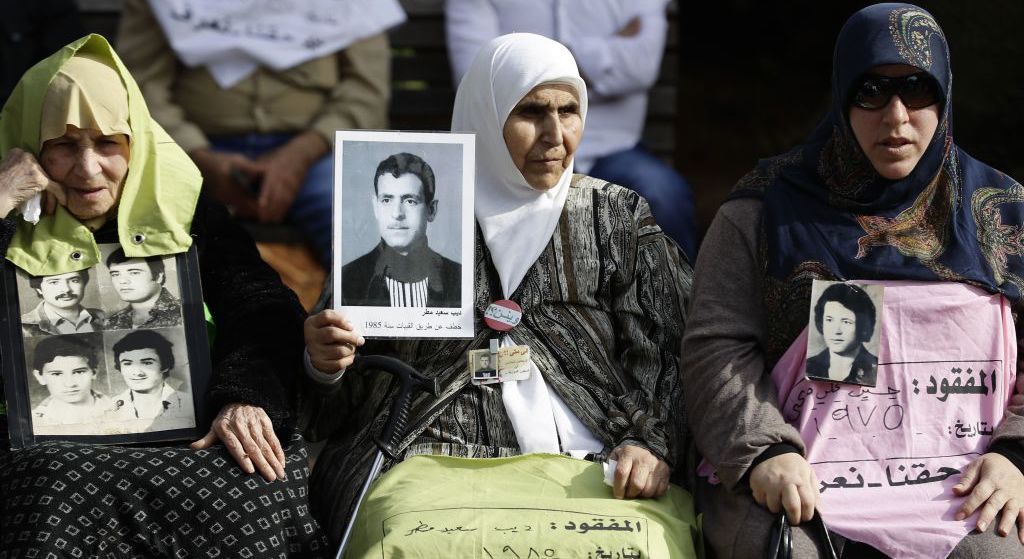
Finding Lebanon: Hope, dignity, and the right to know
As many as 17,000 people “disappeared” during the Lebanese civil war. From 1975 to 1990, Lebanese factions, Palestinian militias, and the Syrian and Israeli militaries waged war in Lebanon. In that time, they and associated actors — be they Syrian security services, or armed Lebanese gangs using the war to turn a profit — “disappeared” people. Now, 30 years after the war ended, Lebanon has finally created a national commission for the disappeared, and in doing so, has taken a small step toward helping families grapple with the consequences of a conflict that has never, really, ended — certainly not for them.
Hafsa Halawa, Burcu Karakas, and Lina AbiRafeh join host Alistair Taylor to discuss the ways in which the coronavirus pandemic affects women and girls in the MENA region. While the virus has affected everyone, its gendered impact has been outsized and the fallout will likely exacerbate a host of existing issues affecting everything from health and education to politics and the economy.
Digitization and the future of Middle East economies
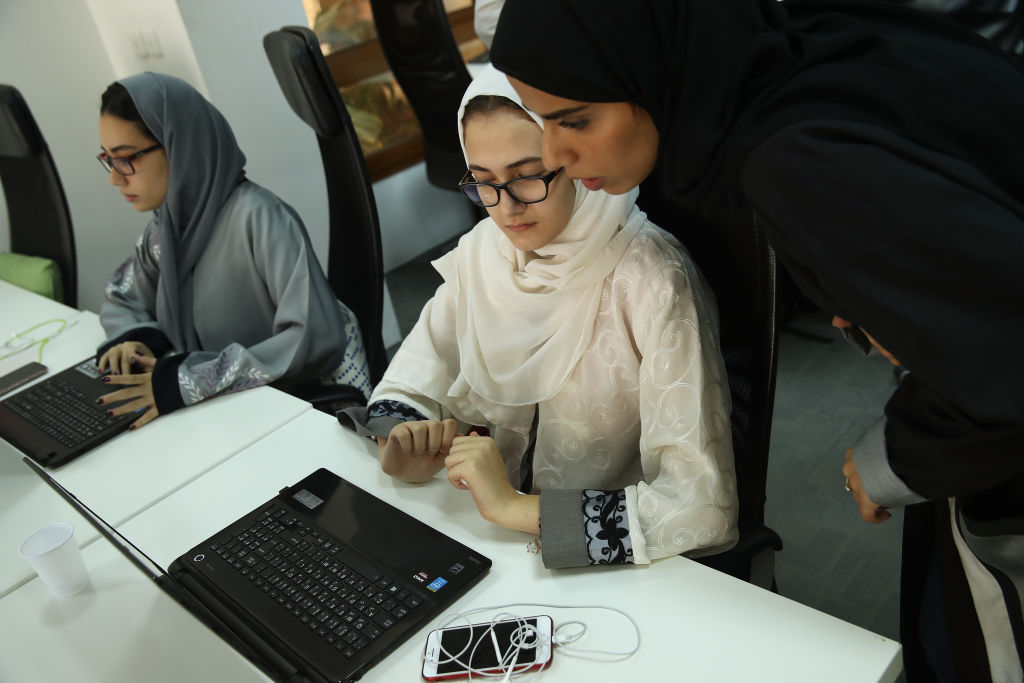
The digitization of business in the Middle East has enormous implications for the future of regional economies, as well as for education, employment, and beyond. The way this digital transition shapes the region will be influenced by the degree to which policymakers consider this shift in its context and with an eye toward the future, as the opening session of the MEI Cyber Program’s recent conference explored.
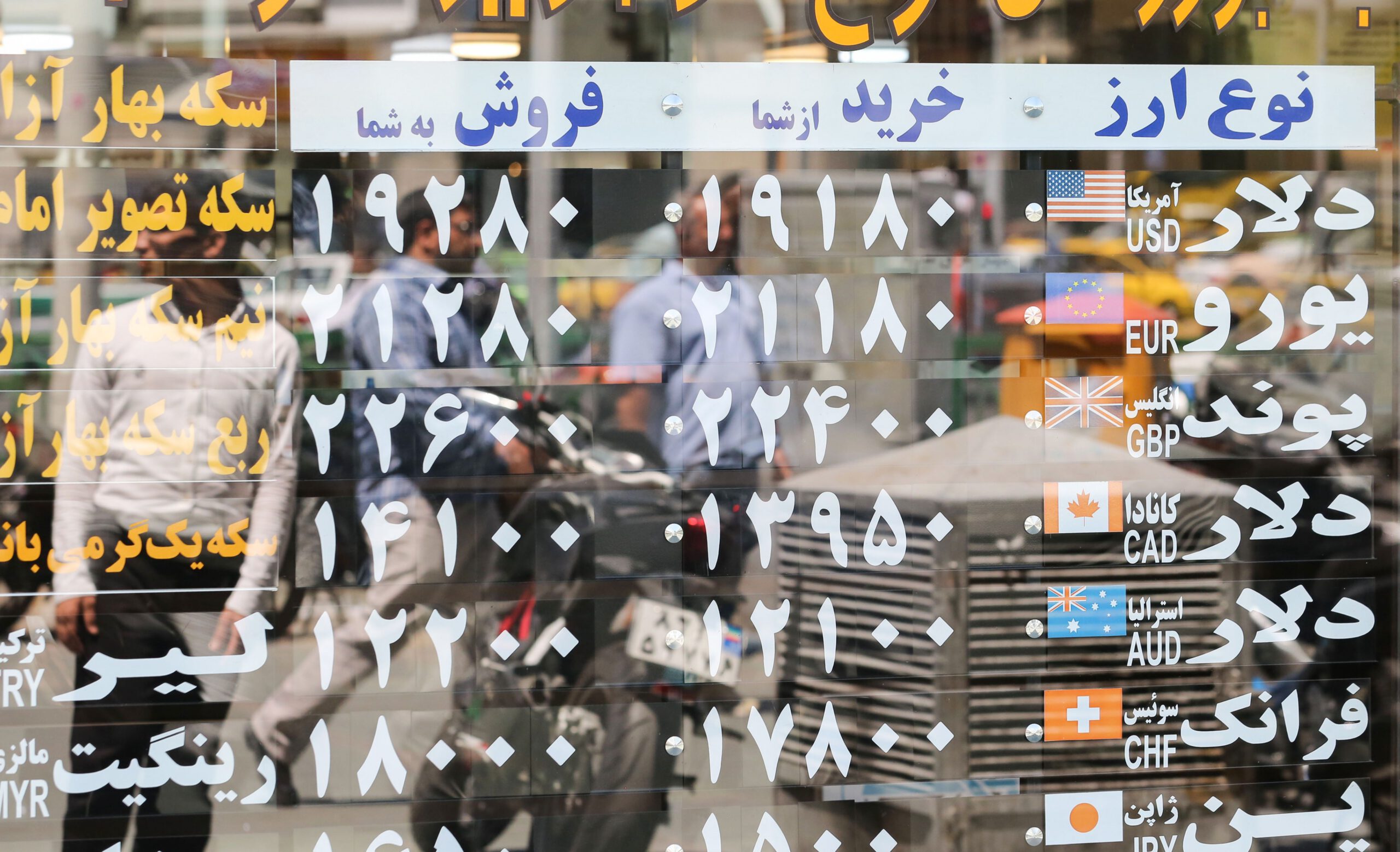
Officials in Tehran have a lot to worry about. But they are particularly irked at the speed by which Asian states have dropped Iran as a trading partner. Iran had hoped that the East would save the country’s economy from the barrage of sanctions enacted by the administration of U.S. President Donald Trump. In early 2018, at a time when Trump and his team were about to unveil the most punishing sanctions regime ever imposed on a country, Supreme Leader Ali Khamenei explicitly urged Tehran to look east for trading partners.
The oldest peer-reviewed publication dedicated to the study of the modern Middle East, MEI’s flagship journal covers politics, society, and culture in the region.