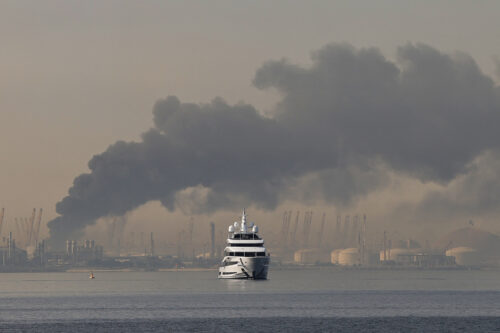
Geopolitical influence over trade increasingly rests on controlling the systems that make them work. The Middle East illustrates the stakes. US ports, cable corridors, cloud facilities, artificial intelligence (AI) investments, and maritime routes connect regional economies to global commerce while exposing them to external decisions and disruptions. For the United States, the challenge is to translate technological advantage into resilient networks rather than rely on centrality that can itself become a source of vulnerability and coercion.
Bonus Episode: Previewing Israel’s First Post-October 7 Election
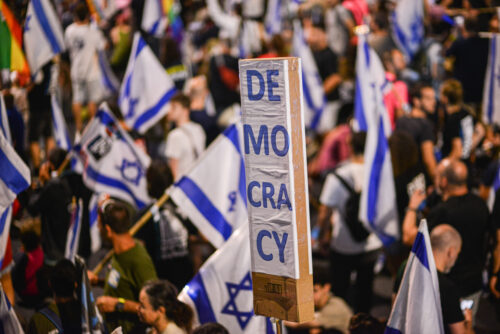
Israel is preparing to hold what may be its most consequential election in decades. On October 27, Prime Minister Benjamin Netanyahu will face his first electoral test since October 7, 2023. In this bonus episode of Middle East Focus, we present the audio from a recent MEI webinar, hosted in Israel on the eve of the vote. Senior Fellow Natan Sachs is joined by Dr. Shira Efron, Distinguished Chair for Israel Policy and senior fellow at the RAND Corporation, and Neri Zilber, veteran journalist and Financial Times correspondent. They explore what’s at stake in this historic election and how different outcomes could reshape Israel’s domestic politics and the wider region.
Israel Was Built on Hope. This Election May Be Our Last Chance to Save It
Israel’s national anthem, Hatikva, means “the hope.” Israel is not just another country, but the culmination of a 2,000-year-old dream of national redemption. The rebirth of the Jewish people’s ancestral homeland, just three years after the Holocaust, was a miraculous triumph of hope over all odds.
Today, that hope has been shattered and the elections on October 27 have become the most consequential in Israel’s history.
Since 1967, Israeli settlements in the West Bank have been a contested feature of the Israeli-Palestinian conflict. The ultimate disposition of the settlements and ongoing activity related to their growth have repeatedly defied agreement in negotiations over a resolution to the conflict.
The Houthis are a political-military faction and Zaydi religious movement founded in northwestern Yemen in the 1980s. A key member of Iran’s Axis of Resistance with links to other militant organizations in the Arabian Peninsula and the Horn of Africa, the group has continued to pose a threat to Western interests on a global scale.
The India-Middle East-Europe Economic Corridor (IMEC) is a proposed multinational infrastructure initiative aimed at upgrading connectivity between the three regions through integrated trade, energy, and digital networks. Announced at the G20 summit in New Delhi in September 2023, IMEC is envisioned partially as a counterweight to China’s international infrastructure project, the Belt and Road Initiative.
After a decade of post-Arab Spring isolation, Turkey’s leaders have recognized that their ambition to position the country as an agenda-setter on the world stage requires active engagement in all directions. President Recep Tayyip Erdoğan’s consolidation of executive authority has centralized foreign policy decision-making and tied it to his domestic political priorities, transforming the country’s revisionist approach to one shaped primarily by personal and pragmatic interests.
MEI Senior Fellow Brian Katulis engages friends, colleagues, and policy experts in casual conversations on the most important happenings in the Middle East.
The Assad-Makhlouf spat: A complicated family affair
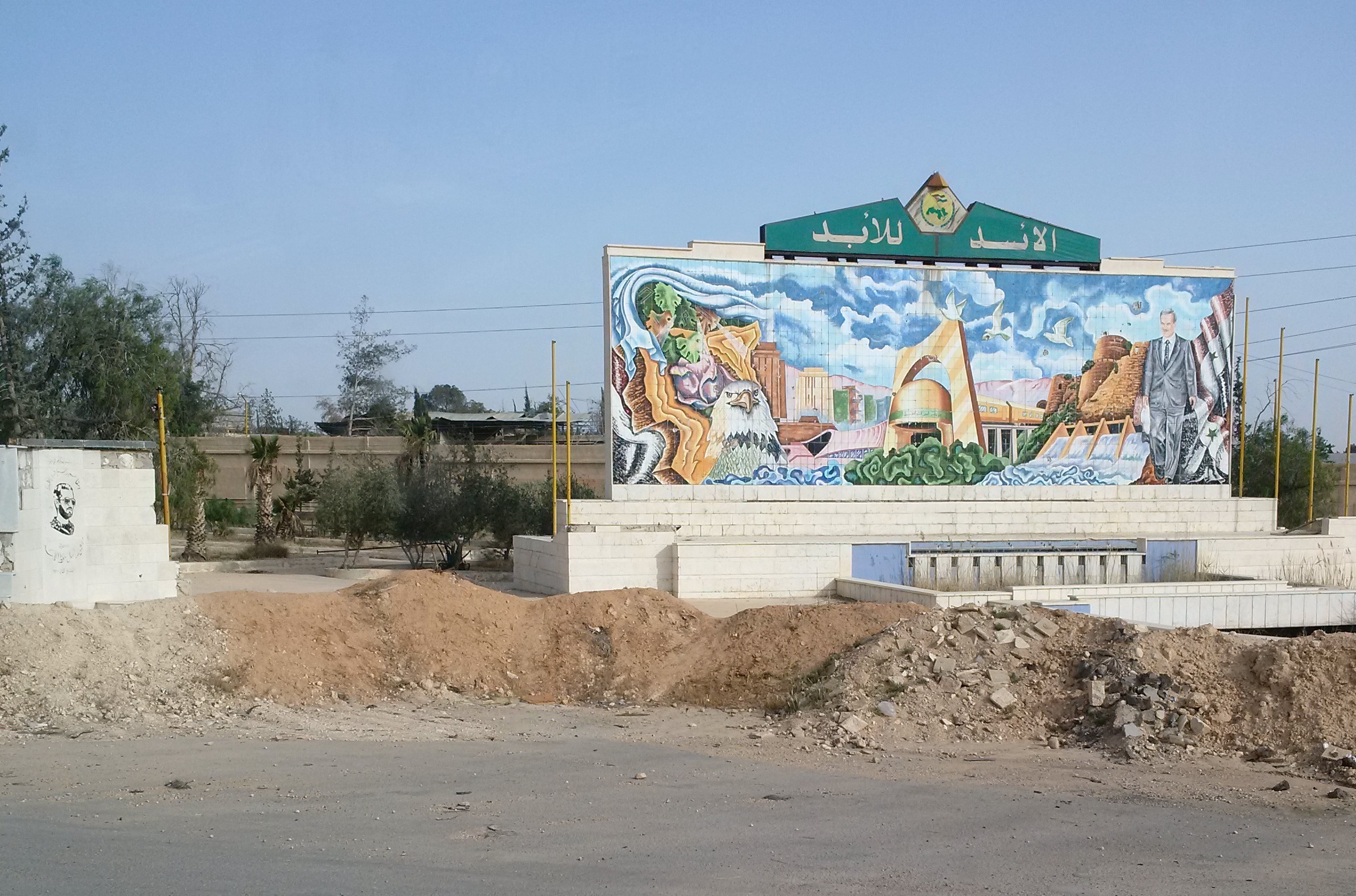
When Bashar’s father Hafez al-Assad started his regime, the Makhloufs became key allies. This alliance deepened with Bashar’s rise to power, and the Makhloufs became increasingly entrenched in the system until they became its economic pillar. The house of Assad was the political arm of the regime while the house of Makhlouf was the economic and financial arm. But then it all fell apart.
The gendered impact of COVID-19 in the Middle East
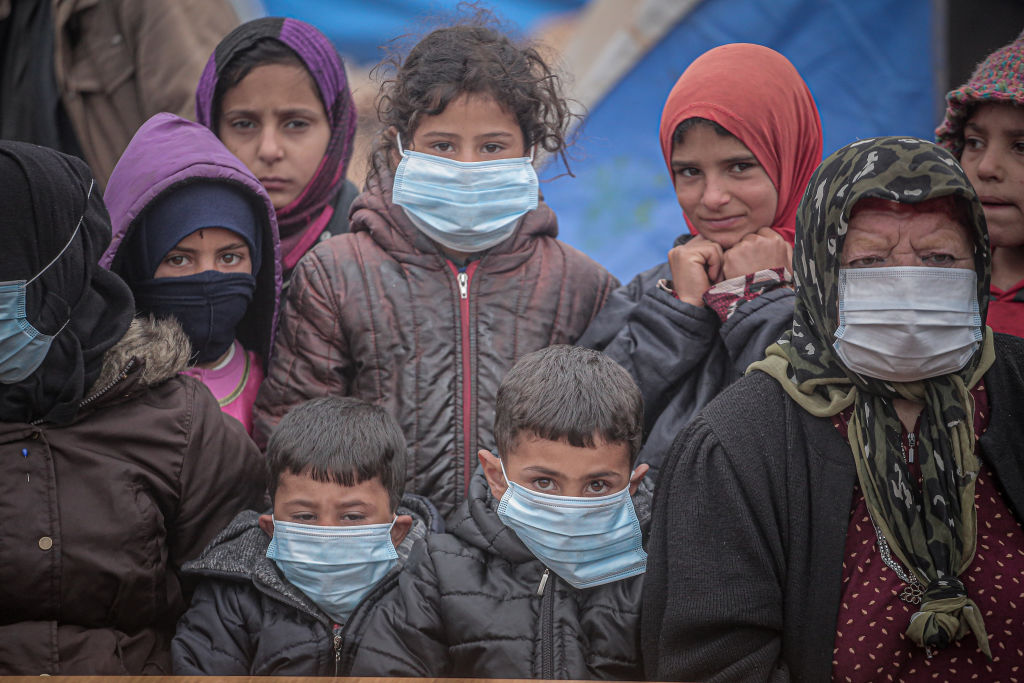
The COVID-19 pandemic has challenged the normative structures and behaviors of almost every country around the world. The fallout has put pressure on even the most developed countries and its effects across the Middle East have been significant and varied.
The U.S.-Iraq Strategic Dialogue that will be launched this week provides an opportunity for the two sides to put their relations, as Iraqi President Dr. Barham Salih said last April, “in the right context.”
Geopolitical and Geoeconomic Challenges to China’s Silk Road Strategy in the Middle East
Despite Beijing’s increasing engagement in the Middle East, it lacks a clear, consistent, and comprehensive strategy for the successful implementation of the new Silk Road. Although China’s Belt and Road Initiative (BRI) framework for cooperation with the Middle Eastern states is marked by strategic flexibility and maximizing opportunities, that may prove insufficient. As China and the countries of the region become more integrated, they will also share risks and face near-term geopolitical and geoeconomic challenges.
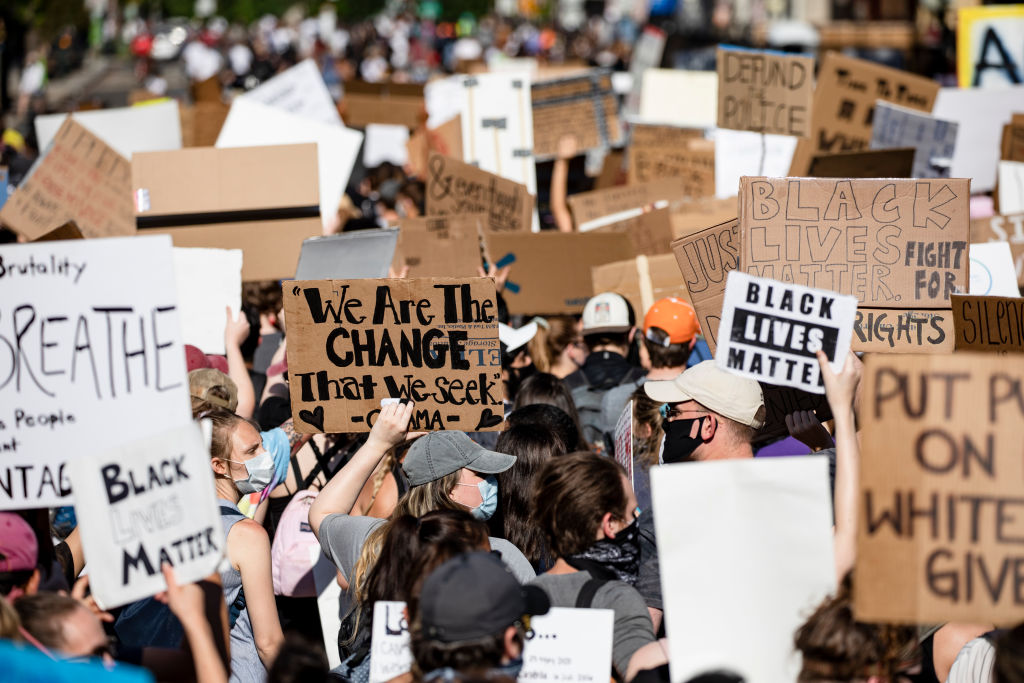
Like so many of you, I was horrified by the killing of George Floyd, and I share this message to reflect on the meaning of this crisis and what has become a pivotal moment for the United States in the world. Many of you have been deeply shaken by recent events, and spurred to action. This crisis heralds the need — and opportunity — for positive change.
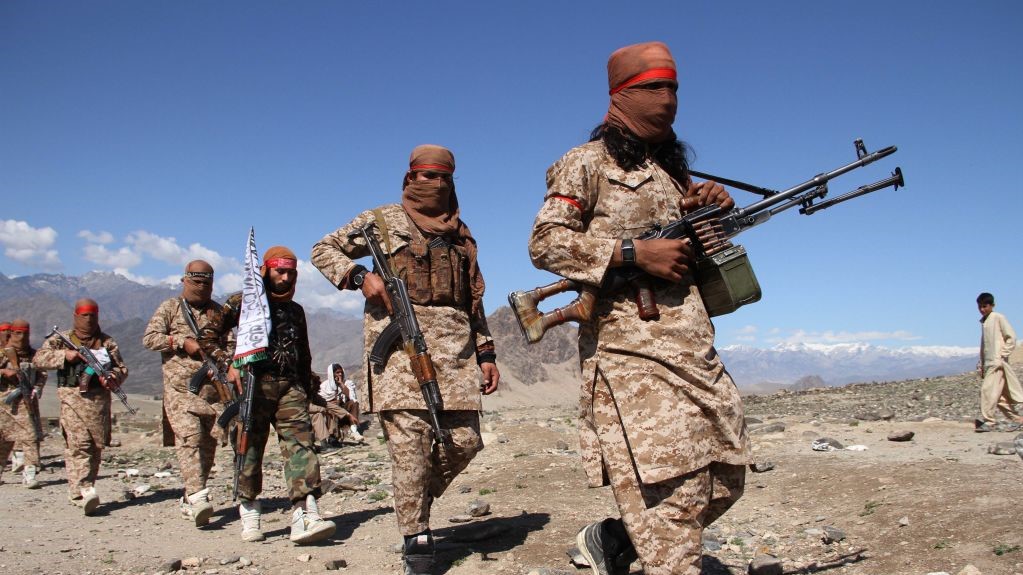
The Taliban’s military and diplomatic strategies are intended to work in tandem, one leveraging the other. Each has as its ultimate goal the Taliban’s recovery of an emirate lost in 2001.
Battle of the Syrian charity giants: Asma al-Assad versus Rami Makhlouf
Charities are useful fronts for all sorts of activities in Syria, but above all perhaps, they are vehicles of control. The Assads have long understood that the biggest danger to their rule comes from within, from a civil society that rejects their governance — never more so than today.
Steven Kenney and Ross Harrison join host Alistair Taylor to discuss their recent policy paper, “Conflict in the Middle East and COVID-19 — A View from 2025.” The COVID-19 crisis is disrupting the status quo on nearly everything, including regional conflict. How will that disruption worsen — or possibly improve — the trendlines of regional conflicts as we head toward 2025?
As Iran redeploys amid COVID-19, Russia is filling the vacuum in eastern Syria
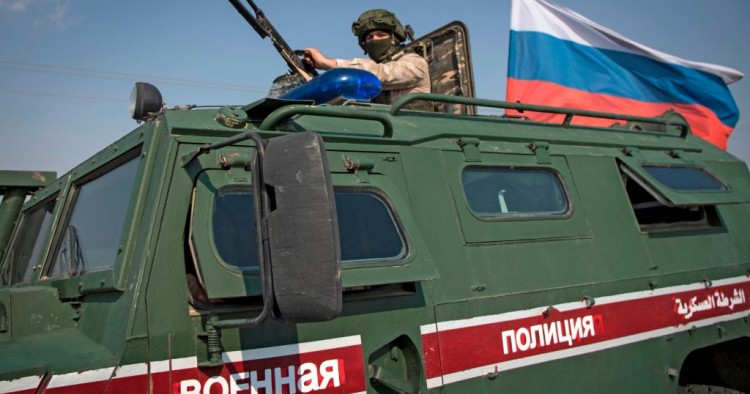
The impact of COVID-19 on Iran-linked forces in Syria has provided Russia with an opportunity to expand its influence through its proxy forces, particularly in eastern Syria, as Iranian and pro-Iranian forces redeploy elsewhere in the country.
Syria should be divided into three zones of foreign influence
World leaders have long stressed the need to maintain Syria’s territorial integrity, but at the moment, such a goal is unrealistic. Syria first needs a transitional phase in which the country will be divided into three zones of foreign influence to allow for reconstruction, the return of refugees and IDPs, and a gradual process of reconciliation.
Will COVID-19 inhibit Iran’s ability to suppress protests?
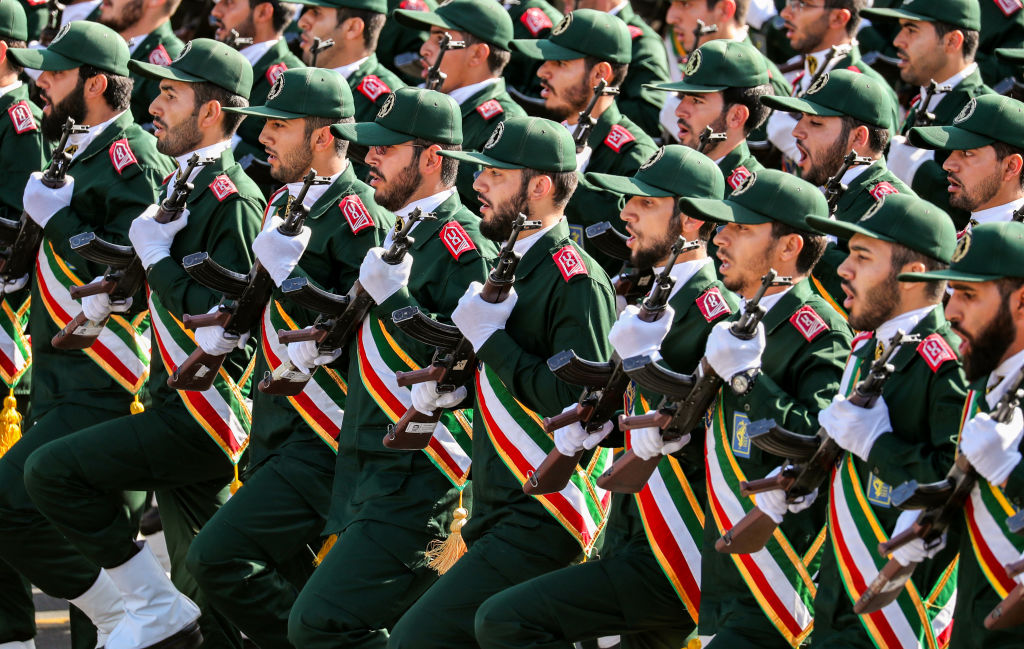
Since 2017, Iran has seen several waves of protests rooted in political, social, and, most importantly, economic grievances. In light of COVID and the post-pandemic fallout, there is every indication that unrest will continue to grow, and even accelerate. Until now, the regime’s coercive apparatus has had both the capacity and the willingness of its members to successfully suppress anti-regime unrest. But has COVID-19 changed this balance? What impact, if any, has the pandemic had on the regime’s security capacity?
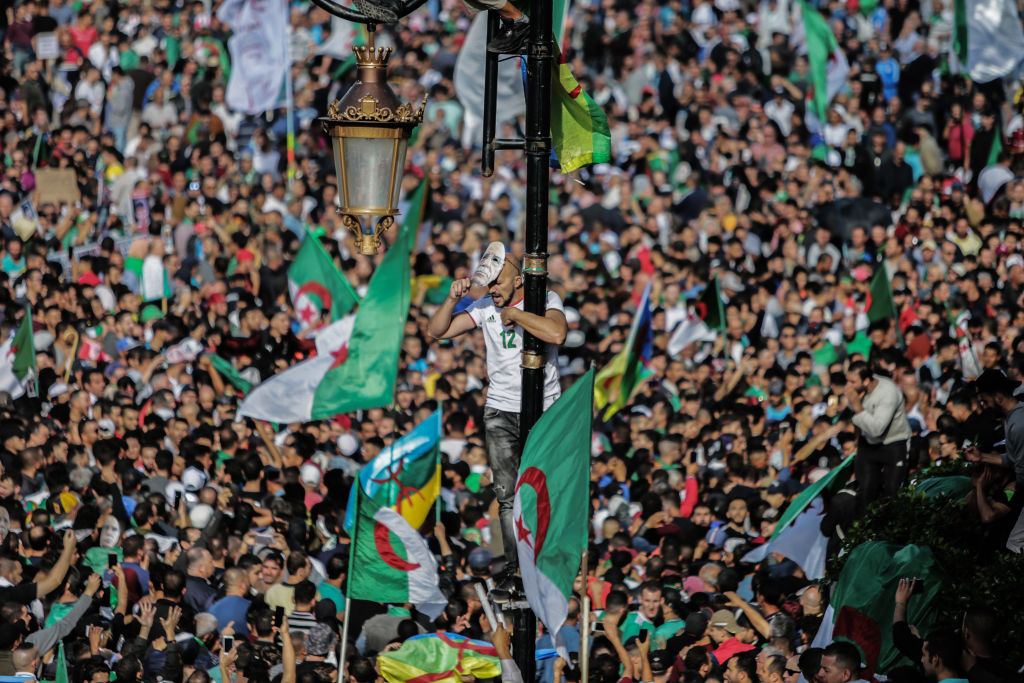
Successes and shortcomings: How Algeria’s Hirak can inform Lebanon’s protest movement
As Lebanese protesters look to advance the systemic reforms they seek and contend with an entrenched ruling elite with little incentive to change, they can draw on their Algerian peers’ successes and shortcomings.
The oldest peer-reviewed publication dedicated to the study of the modern Middle East, MEI’s flagship journal covers politics, society, and culture in the region.