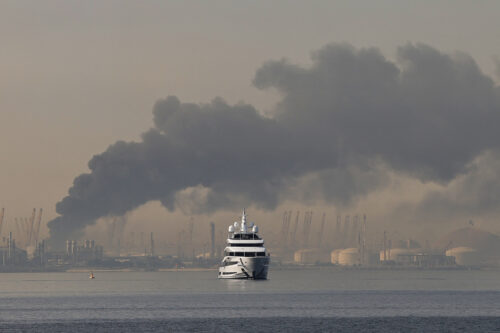
Geopolitical influence over trade increasingly rests on controlling the systems that make them work. The Middle East illustrates the stakes. US ports, cable corridors, cloud facilities, artificial intelligence (AI) investments, and maritime routes connect regional economies to global commerce while exposing them to external decisions and disruptions. For the United States, the challenge is to translate technological advantage into resilient networks rather than rely on centrality that can itself become a source of vulnerability and coercion.
Bonus Episode: Previewing Israel’s First Post-October 7 Election
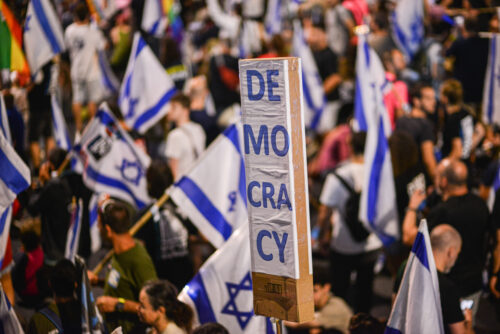
Israel is preparing to hold what may be its most consequential election in decades. On October 27, Prime Minister Benjamin Netanyahu will face his first electoral test since October 7, 2023. In this bonus episode of Middle East Focus, we present the audio from a recent MEI webinar, hosted in Israel on the eve of the vote. Senior Fellow Natan Sachs is joined by Dr. Shira Efron, Distinguished Chair for Israel Policy and senior fellow at the RAND Corporation, and Neri Zilber, veteran journalist and Financial Times correspondent. They explore what’s at stake in this historic election and how different outcomes could reshape Israel’s domestic politics and the wider region.
Israel Was Built on Hope. This Election May Be Our Last Chance to Save It
Israel’s national anthem, Hatikva, means “the hope.” Israel is not just another country, but the culmination of a 2,000-year-old dream of national redemption. The rebirth of the Jewish people’s ancestral homeland, just three years after the Holocaust, was a miraculous triumph of hope over all odds.
Today, that hope has been shattered and the elections on October 27 have become the most consequential in Israel’s history.
Since 1967, Israeli settlements in the West Bank have been a contested feature of the Israeli-Palestinian conflict. The ultimate disposition of the settlements and ongoing activity related to their growth have repeatedly defied agreement in negotiations over a resolution to the conflict.
The Houthis are a political-military faction and Zaydi religious movement founded in northwestern Yemen in the 1980s. A key member of Iran’s Axis of Resistance with links to other militant organizations in the Arabian Peninsula and the Horn of Africa, the group has continued to pose a threat to Western interests on a global scale.
The India-Middle East-Europe Economic Corridor (IMEC) is a proposed multinational infrastructure initiative aimed at upgrading connectivity between the three regions through integrated trade, energy, and digital networks. Announced at the G20 summit in New Delhi in September 2023, IMEC is envisioned partially as a counterweight to China’s international infrastructure project, the Belt and Road Initiative.
After a decade of post-Arab Spring isolation, Turkey’s leaders have recognized that their ambition to position the country as an agenda-setter on the world stage requires active engagement in all directions. President Recep Tayyip Erdoğan’s consolidation of executive authority has centralized foreign policy decision-making and tied it to his domestic political priorities, transforming the country’s revisionist approach to one shaped primarily by personal and pragmatic interests.
MEI Senior Fellow Brian Katulis engages friends, colleagues, and policy experts in casual conversations on the most important happenings in the Middle East.
Assassinations could upset the status quo in Turkey-PKK conflict
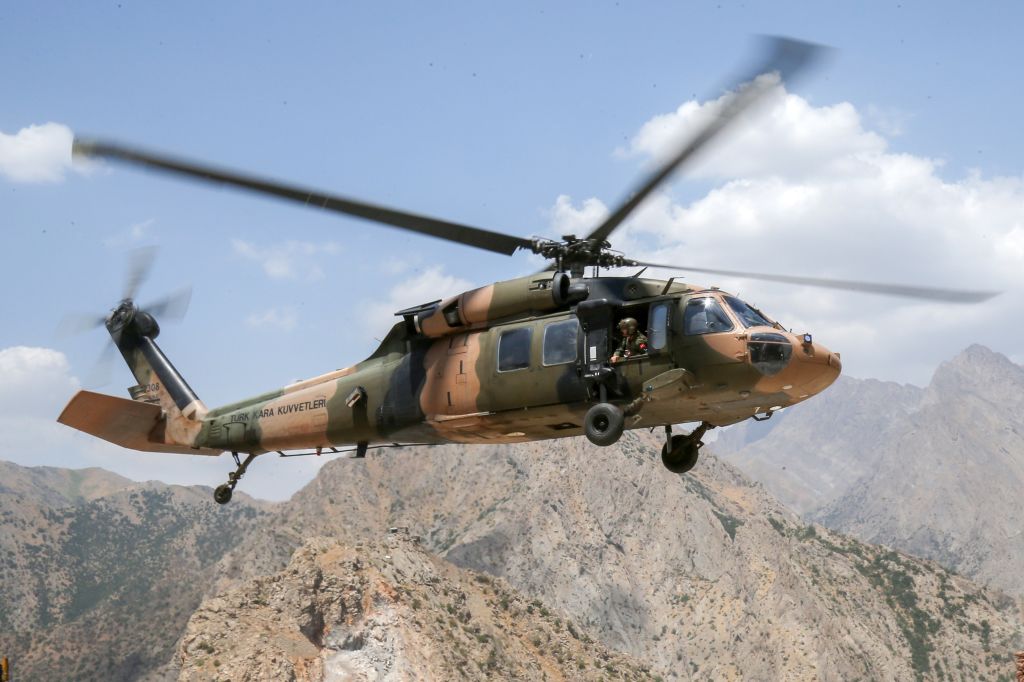
Despite the fiery rhetoric, the long-time conflict between Turkey and the PKK has mostly been a controlled fight following tacit rules. But recent events, including Turkey’s increased efforts to assassinate PKK leaders and the targeted killing of a Turkish consulate official in the Iraqi Kurdish capital on July 17, risk overturning the status quo and ushering in a violent new era.
India’s “Look West” Policy in the Middle East under Modi
This article discusses the implications of Narendra Modi’s May 2019 election to a second term as prime minister and its implications for India’s foreign policy, especially regarding the Middle East. The article begins with a review of India’s strategy in the region, demonstrating that Modi has built on and intensified efforts begun under previous governments. The central argument is that Indian policy has benefited from the current state of international politics in the Middle East.
The progressive case for staying in Syria, for now
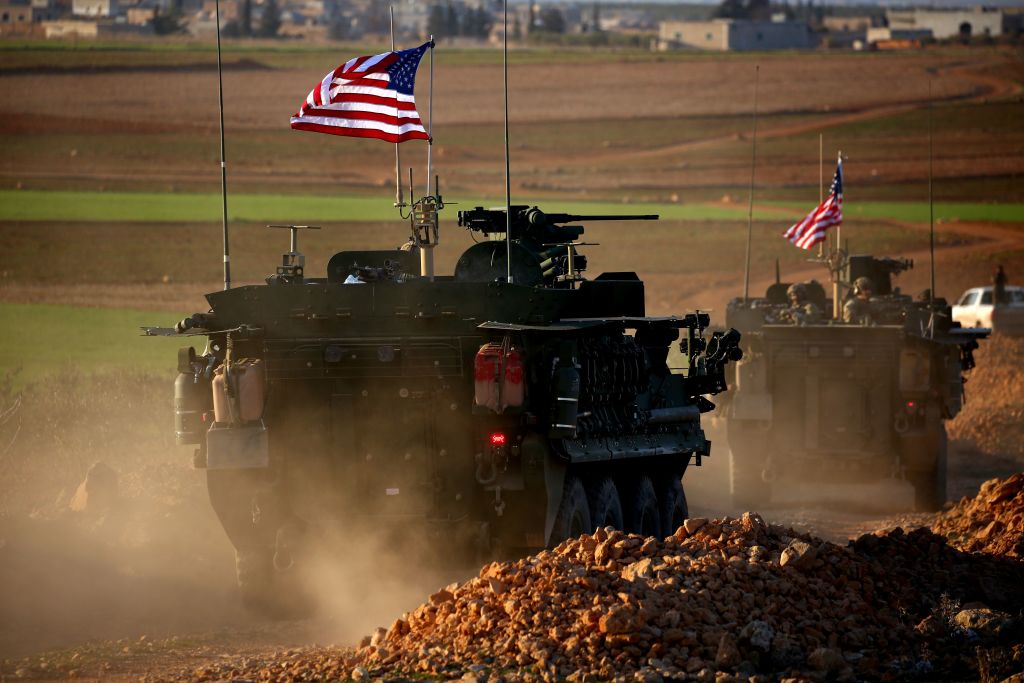
Ideally, the various sides of the Syrian civil war would seize the opportunity to reach an agreement. However, the Assad regime’s current intransigence and inability counter ISIS necessitate continued U.S. protection of northeastern Syria and efforts to stabilize it until such a deal can be made. This is not an ideal scenario, but the cost of a pullout at this stage will be immense.
Monday Briefing: US-Turkey dispute over Syria comes to a head
This week’s briefing on recent news and upcoming events in the region including the Turkish-U.S. crisis meeting in Ankara on Syria, the resumption of U.S.-Taliban negotiations, Trump’s creation of a new “dovish” line on Iran, a rise in Egypt’s poverty levels, Sudan’s democratic transition, the easing of female guardianship rules in Saudi Arabia, and the end of the ceasefire in Idlib, featuring Charles Lister, Marvin G. Weinbaum, Paul Salem, W. Robert Pearson, Mirette F. Mabrouk, Thomas W. Lippman, and Robert S. Ford.
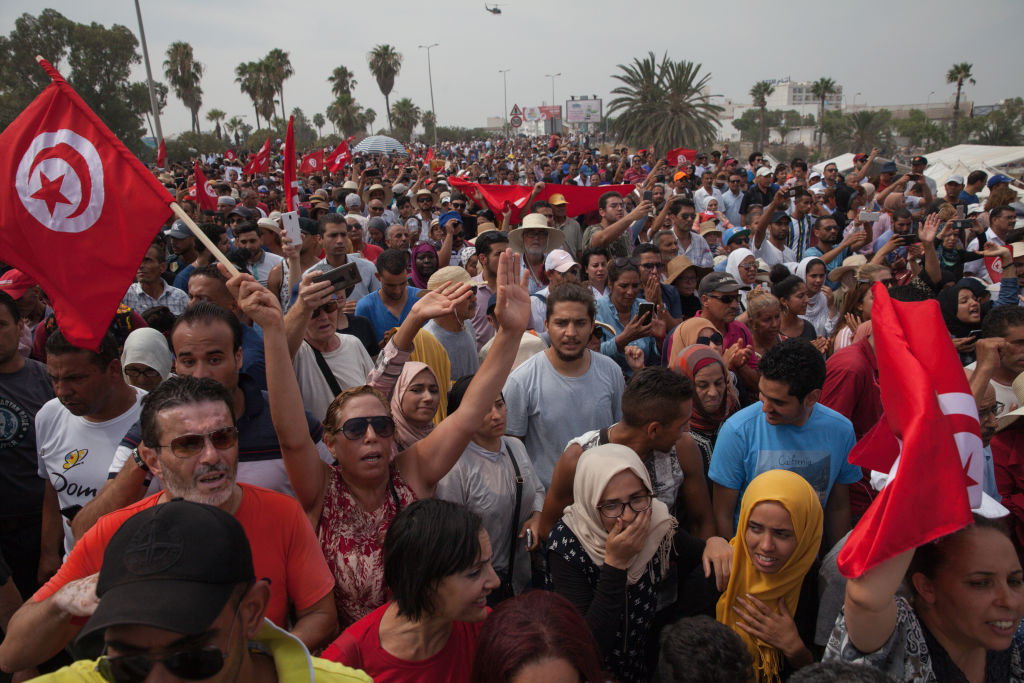
Tunisia’s patrician president embodied its strengths, values, and vulnerabilities
Laudatory statements and obituaries are pouring in for Béji Caïd Essebsi, who died last Thursday, July 25, in Tunis, and have emphasized his singular landmark accomplishment: serving as Tunisia’s first democratically elected president. While Essebsi’s legacy as president will be mixed, and he may not have been the greatest promoter of democratic praxis, he did emerge as Tunisian democracy’s greatest defender. What he leaves Tunisia and the world is a brilliant incomplete experiment, and, despite the growing resilience of Tunisians tested at the borders and in unruly borderlands, still a fragile experiment.
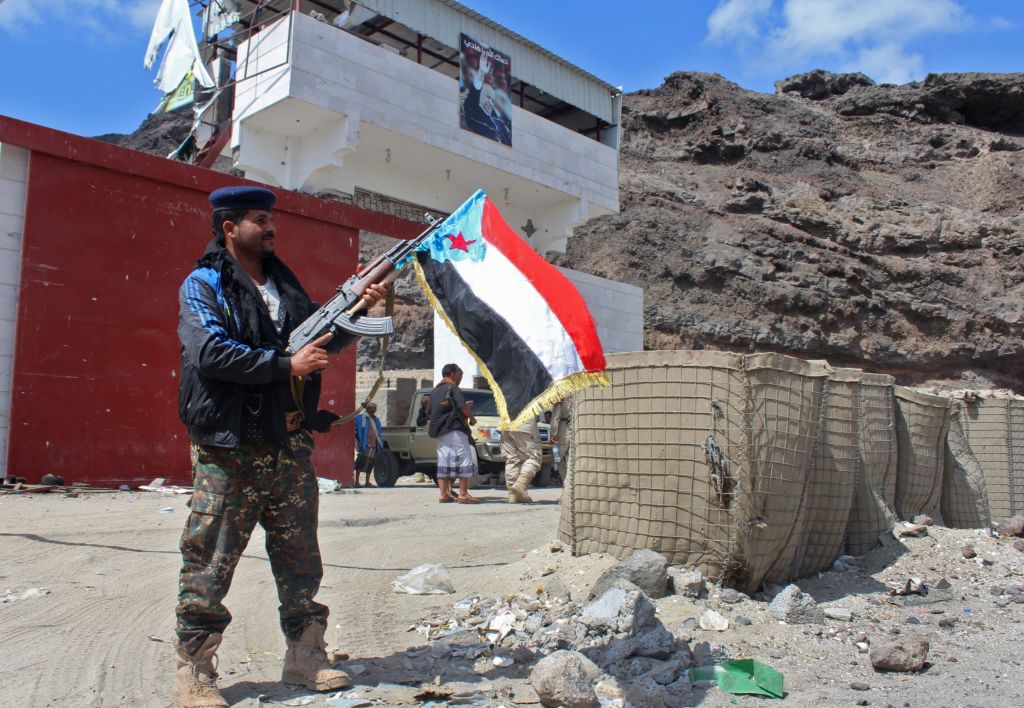
The UAE is reducing its military presence in Yemen and redeploying its forces. This news has spread rapidly, prompting many questions about what it could mean for the continuation or possible conclusion of the war in Yemen. However, the move will not affect the whole country equally.
In light of Turkey’s purchase of the Russian S-400 missile defense system, the United States and its other NATO allies have questioned Turkey’s commitment to the alliance. Retired Lieutenant General Ben Hodges, former commanding general of the United States Army Europe and Pershing Chair in Strategic Studies at the Center for European Policy Analysis, and MEI’s Gonul Tol join host Alistair Taylor to discuss the reasons for President Erdogan’s decision and what it means for the future of U.S.-Turkey relations.
The fifth generation of mobile phone networks (5G) is poised to become a key enabler of the digitalization of economies and societies. Digital transformation is at the heart of GCC nations’ ambitions to accelerate economic diversification, deliver public services more effectively and efficiently, and promote sustainable growth. GCC ambitions to accelerate the large-scale deployment of 5G dovetail with those of China’s hi-tech giant Huawei, which is competing for market share in infrastructure and smartphones. However, the US push to stymie Huawei’s efforts to expand the reach of its networking technologies has emerged as a potential stumbling block to more extensive ties between that company and GCC wireless carriers and customers.
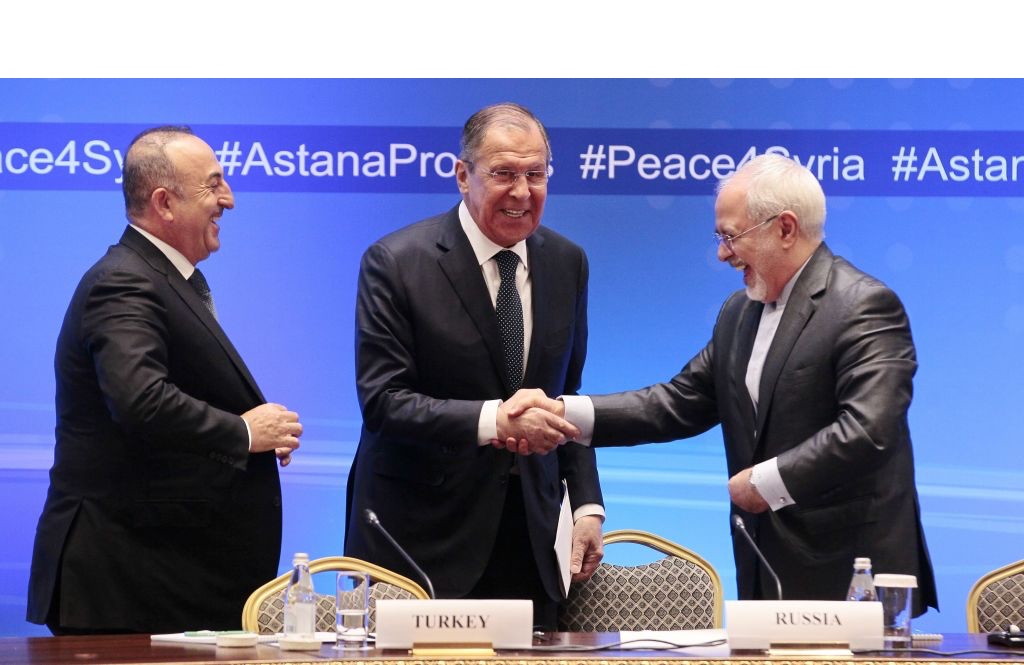
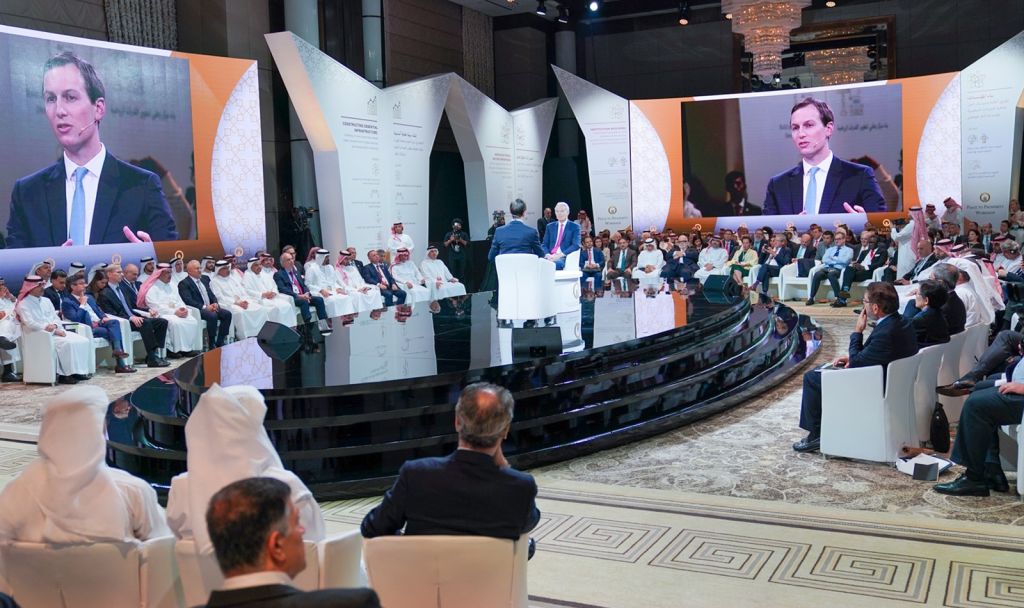
This week’s briefing on recent news and upcoming events in the region including Kazakhstan’s upcoming “Astana talks” on Syria, Jared Kushner’s planned visit to the Middle East, the shift in US-Pakistan relations, and Abbas’ announcement that the Palestinian Authority will halt all signed agreements with Israel, featuring Charles Lister, Gerald Feierstein, Marvin G. Weinbaum, and Khaled Elgindy.
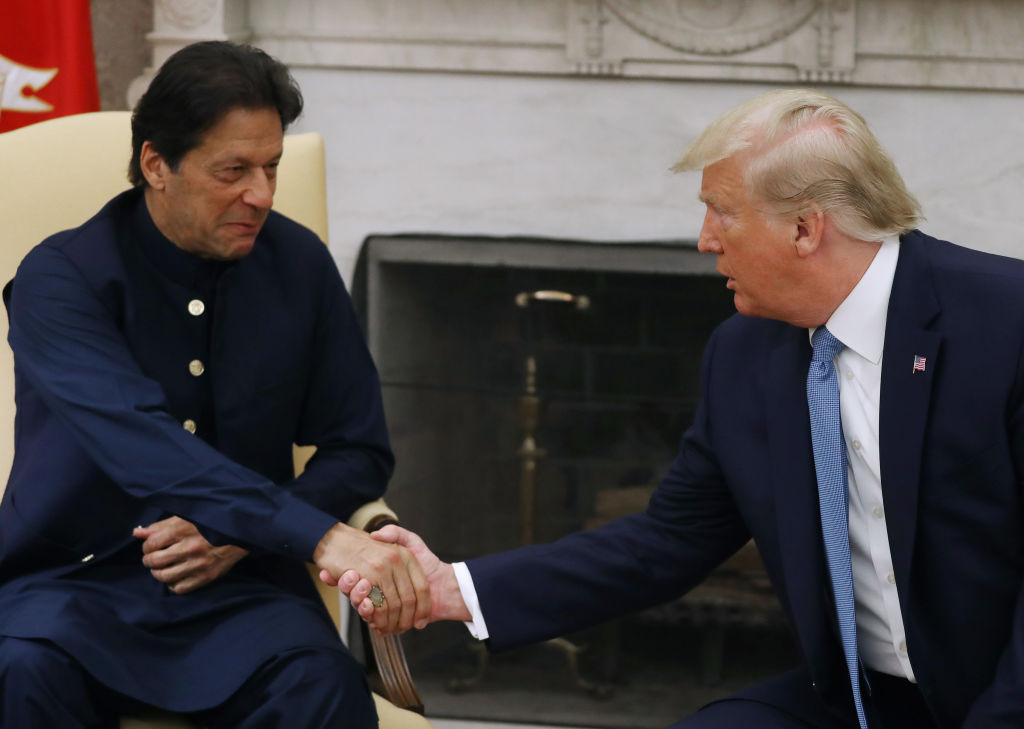
The long-awaited summit between U.S. President Donald Trump and Pakistani Prime Minister Imran Khan raised more questions than it answered. Nevertheless, the message emerging from the meeting has major implications for regional stability and the Afghan peace process.
The United Arab Emirates’ decision to draw down its troops in Yemen has led to cautious hope in the war-torn country. Fatima Abo Alasrar, senior analyst at the Arabia Foundation; Katherine Zimmerman, AEI research fellow and research manager for AEI’s Critical Threats Project; and Jerry Feierstein, MEI senior vice president and former U.S. ambassador to Yemen, join host Alistair Taylor to discuss what the drawdown means on the ground and what ramifications the move might have.
Iran's IRGC reshuffle and its security implications
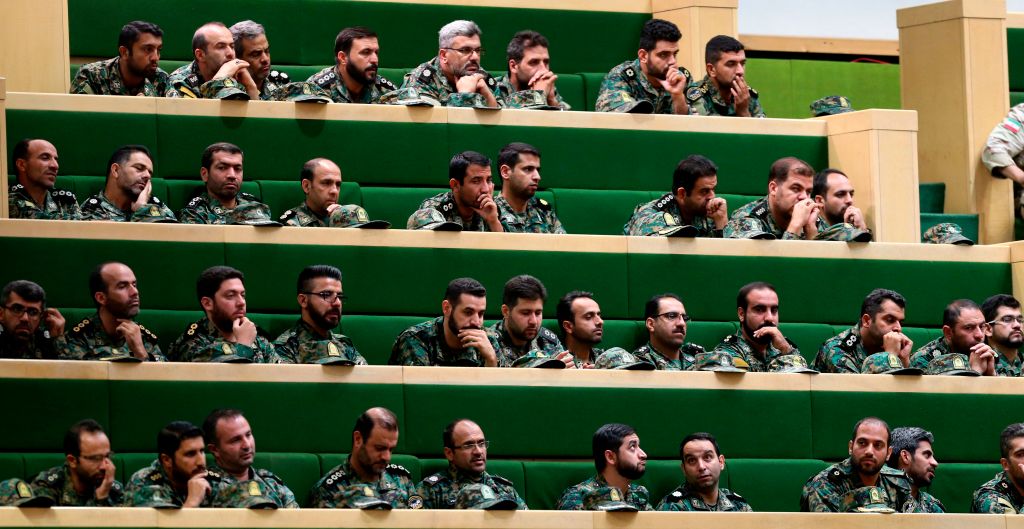
As the Islamic Republic shifts to a more muscular foreign policy in the face of mounting external pressure, its defense and security apparatus is also undergoing key changes. This includes a reshuffling within the Islamic Revolutionary Guards Corps (IRGC) and the creation of a separate “air defense force” within the regular Army. Much less publicized, however, are reports of high-profile removals and replacements within the IRGC and more broadly, the armed forces, as part of a systematic effort to enhance their operational efficacy at a time of growing internal and external threats.
The Gulf states, the “deal of the century,” and the Iranian threat
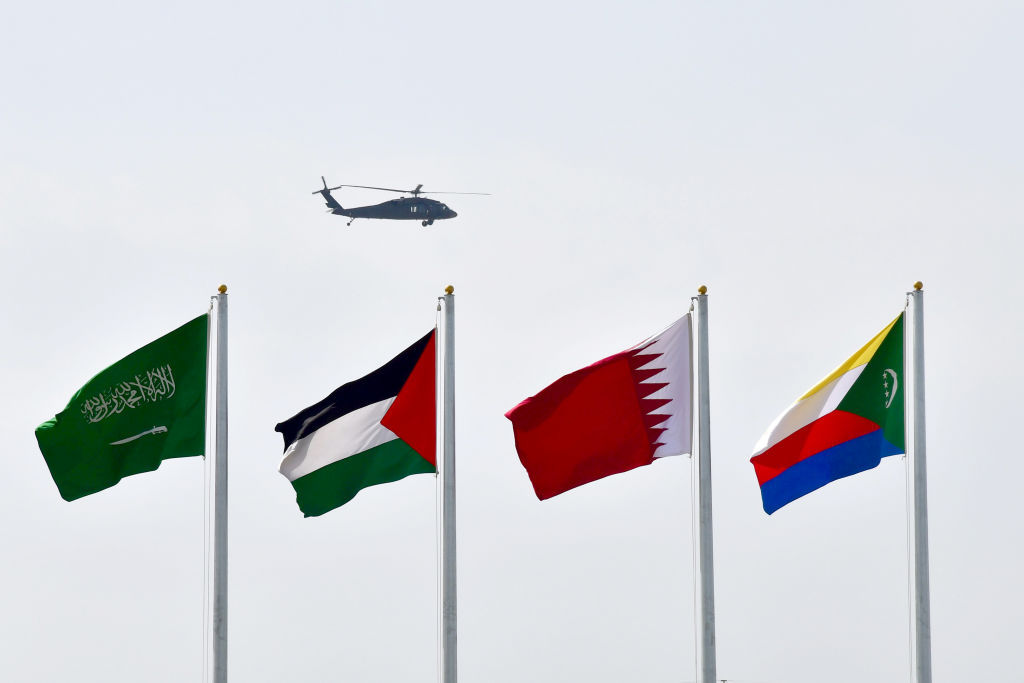
Many analysts have been dismissive of the plan’s prospects, but for Gulf states like Saudi Arabia, the UAE, and Bahrain, there’s at least one major reason to line up with Washington on the issue: Iran.
Divided over narratives: The new fault line in the Arab World
Many of the divisions in the Arab World today are ideological and revolve around narratives — carefully constructed ontological representations of both how the world works and how it is supposed to work conforming to clearly set out interests and values. While the old sectarian narratives might still play an underlying role, what divides Arabs from Morocco to Oman are different grand-strategic visions of the region’s future after the Arab Spring.
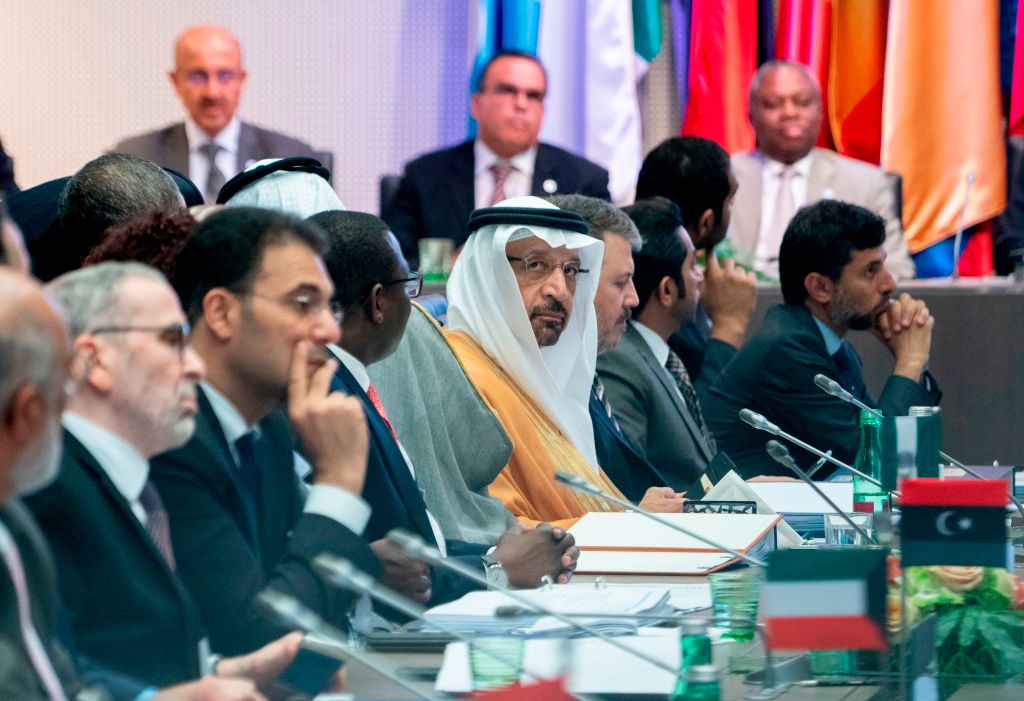
OPEC+ agrees to production-cut extension and new charter amid rising Middle East tensions
OPEC+ nations have ended speculation about whether they would continue oil production cuts by agreeing to a nine-month extension. Led by the global petroleum powers Saudi Arabia and Russia, the group agreed on July 2 to extend the current level of cuts until the second quarter of 2020.
The oldest peer-reviewed publication dedicated to the study of the modern Middle East, MEI’s flagship journal covers politics, society, and culture in the region.