In recent weeks, the Iran-backed Houthis have fired missiles and drones deep into Saudi Arabia, striking high-profile targets, including Riyadh’s airport and Aramco’s headquarters. The attacks follow a rapid Houthi offensive in September to seize key parts of Yemen’s Red Sea coast, which Saudi-backed government forces are now trying to roll back. Fatima Abo Alasrar, an affiliated scholar at MEI and non-resident scholar at the Arab Gulf States Institute, joins hosts Alistair Taylor and Matthew Czekaj to unpack the latest phase of the conflict. They discuss what the Houthis want, Riyadh’s calculus and search for allies, and how this campaign ties into Iran’s confrontation with the United States.
Geopolitical influence over trade increasingly rests on controlling the systems that make them work. The Middle East illustrates the stakes. US ports, cable corridors, cloud facilities, artificial intelligence (AI) investments, and maritime routes connect regional economies to global commerce while exposing them to external decisions and disruptions. For the United States, the challenge is to translate technological advantage into resilient networks rather than rely on centrality that can itself become a source of vulnerability and coercion.
Bonus Episode: Previewing Israel’s First Post-October 7 Election
Israel is preparing to hold what may be its most consequential election in decades. On October 27, Prime Minister Benjamin Netanyahu will face his first electoral test since October 7, 2023. In this bonus episode of Middle East Focus, we present the audio from a recent MEI webinar, hosted in Israel on the eve of the vote. Senior Fellow Natan Sachs is joined by Dr. Shira Efron, Distinguished Chair for Israel Policy and senior fellow at the RAND Corporation, and Neri Zilber, veteran journalist and Financial Times correspondent. They explore what’s at stake in this historic election and how different outcomes could reshape Israel’s domestic politics and the wider region.
Since 1967, Israeli settlements in the West Bank have been a contested feature of the Israeli-Palestinian conflict. The ultimate disposition of the settlements and ongoing activity related to their growth have repeatedly defied agreement in negotiations over a resolution to the conflict.
The Houthis are a political-military faction and Zaydi religious movement founded in northwestern Yemen in the 1980s. A key member of Iran’s Axis of Resistance with links to other militant organizations in the Arabian Peninsula and the Horn of Africa, the group has continued to pose a threat to Western interests on a global scale.
The India-Middle East-Europe Economic Corridor (IMEC) is a proposed multinational infrastructure initiative aimed at upgrading connectivity between the three regions through integrated trade, energy, and digital networks. Announced at the G20 summit in New Delhi in September 2023, IMEC is envisioned partially as a counterweight to China’s international infrastructure project, the Belt and Road Initiative.
After a decade of post-Arab Spring isolation, Turkey’s leaders have recognized that their ambition to position the country as an agenda-setter on the world stage requires active engagement in all directions. President Recep Tayyip Erdoğan’s consolidation of executive authority has centralized foreign policy decision-making and tied it to his domestic political priorities, transforming the country’s revisionist approach to one shaped primarily by personal and pragmatic interests.
MEI Senior Fellow Brian Katulis engages friends, colleagues, and policy experts in casual conversations on the most important happenings in the Middle East.
Rouhani calls for continued Tehran-Moscow cooperation in Syria in wake of chemical attack
Iran’s President Hassan Rouhani on Monday praised his close relationship with Russian President Vladimir Putin and emphasized that Tehran and Moscow should continue their cooperation in Syria until the complete establishment of security and stability in the war-torn country, the Iranian media reported. “Close relations and cooperation between Iran and Russia have been very effective in Syria and for peace and security across the region,” Rouhani said in a meeting with Vyacheslav Volodin, the chairman of Russia’s State Duma (lower house of parliament), who is visiting Tehran leading a parlia
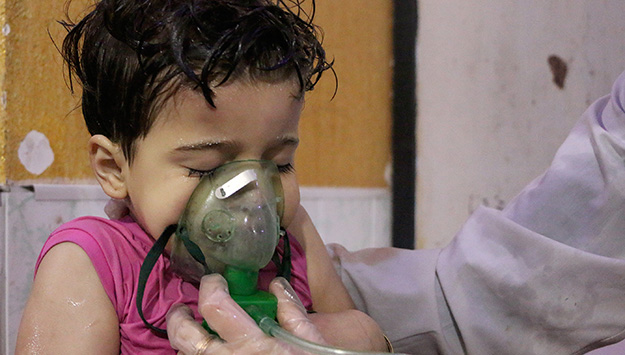
In this week’s Monday Briefing, MEI experts Robert S. Ford, Gerald Feierstein, Randa Slim, and Alex Vatanka provide analysis on recent and upcoming events including the chemical attack on Douma, Sheikh Tamim’s Tuesday meeting with Trump, Lebanese parliamentary elections, Moroccan and Algerian tension over Western Sahara, and Iran and India’s strategic partnership.
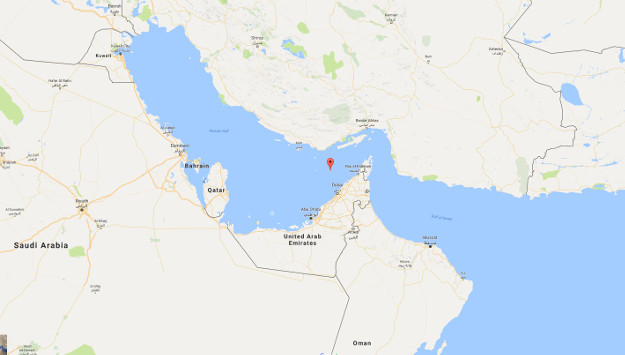
UAE official calls for international action to end “Iranian occupation” of disputed islands
A senior official of the United Arab Emirates has called on Iran to end its “occupation” of the three islands of Abu Musa, Greater Tunb, and the Lesser Tunb, the Arab press reported. Marwan Ahmad bin Ghalaita, the first voice president of UAE’s Federal National Council (FNC), said the UAE has a firm position on the three disputed islands and will not abandon its claim over them. He stressed that the dispute can either be resolved through negotiations between Iran and UAE or Abu Dhabi will report the case to the International Court of Justice for arbitration.
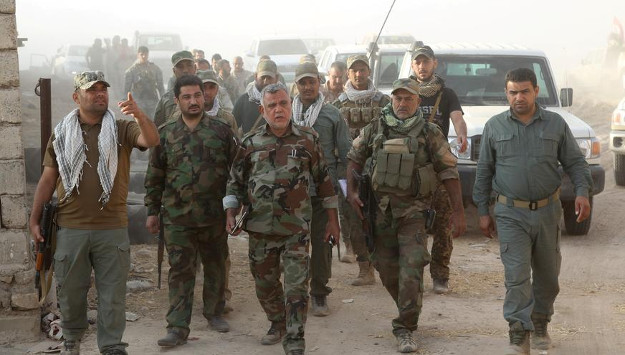
Iranian-backed PMF leaders gearing up for elections while keeping military roles
Hadi al-Amiri, the head of the Badr Organization, has said that an alliance of Shiite militia forces that fought against the Islamic State will now shift attention to politics and will participate in the upcoming parliamentary elections. In an interview with the Lebanese al-Mayadeen TV, Amiri said that the Fateh Alliance, a coalition of Iranian-supported Shiite units within the Iraqi Popular Mobilization Force (PMF), will take an active part in the elections and expressed the hope that it can play a major role in the next government.
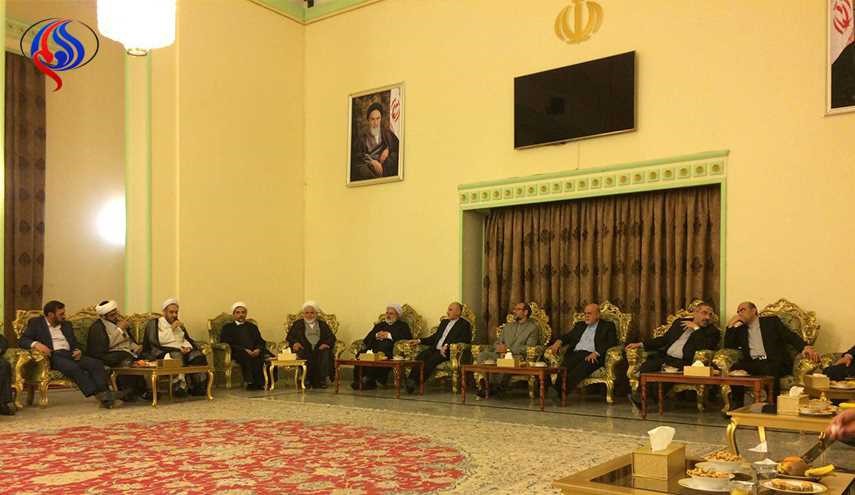
Tehran’s envoy to Baghdad meets Iraqi leaders in run-up to parliamentary vote
Iraj Masjedi, Tehran’s ambassador to Baghdad, held separate meetings with Iraqi President Fuad Masum and prominent Shiite leaders in the run-up to the Iraqi parliamentary elections slated for May 12, Iranian and Arab media outlets reported. In the meeting with the Iraqi president on Thu
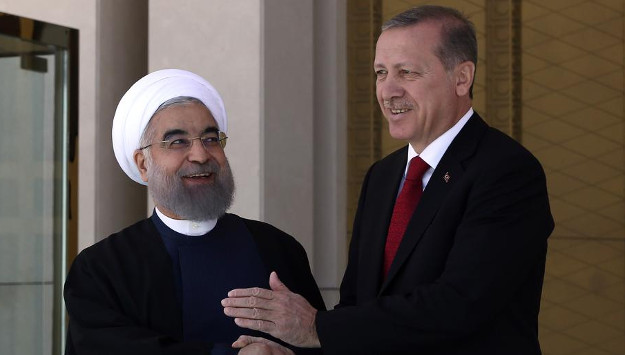
The leaders of Russia, Iran and Turkey held a high-profile summit in Ankara this week, their second such summit in six months. Are we seeing the formation of a new security axis in the region, and if so, where would that leave the United States? MEI’s Gonul Tol and Alex Vatanka join host Paul Salem to discuss.
Listen closely to the debate in Tehran about Syria and you will detect great unease. There is an underlying fear—inside both the moderate and the hard-line camps of the regime—that Iran won the war but is in danger of losing out in the post-war period that will follow. This apprehension has always been there. But it has become markedly more distinct as the principal foreign powers that intervened in Syria—Russia, Turkey and the U.S.—set their sights on the long-term endgame.
Houthis want Iran and Russia to deliver arms to Sana’a, bypassing coalition siege
A senior official of the Yemeni Houthi rebels has said that the insurgent group is willing to purchase weapons from Iran and Russia if they can deliver the arms to the Yemeni capital of Sana’a, which is currently held by the Houthis. Saleh al-Samad, the head of the Houthis’ political council, which administers Sana’a, made the remarks at a graduation ceremony of new Houthi military leaders.
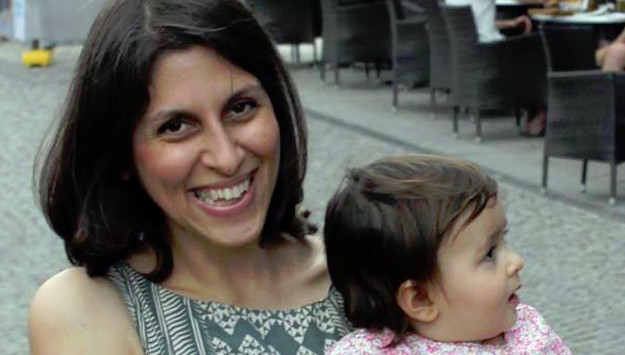
Zarif shrugs off concerns about British-Iranian mother jailed in Iran
In an interview with the BBC Arabic, Iran’s Foreign Minister Javad Zarif said that the fate of British-Iranian mother Nazanin Zaghari-Ratcliffe is only in the hands of the Iranian Judiciary. He urged the British government to respect the “independence” of the judicial branch in the Islamic Republic.
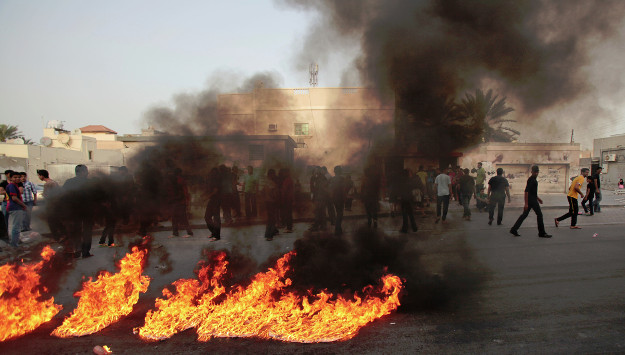
Bahraini FM says Iran-linked bank sponsored terrorism in island kingdom
Bahrain’s Foreign Minister Khalid bin Ahmed al-Khalifa said that the country’s authorities have uncovered an Iranian bank that was financing acts of terrorism in the island kingdom.
This essay discusses Saudi Arabia’s Soft Power Strategy in Indonesia. The Saudi strategy of cultural investment in Indonesia — primarily engineered through building Islamic schools, supplying teachers and textbooks, and financing scholarship opportunities — has facilitated a channel of Saudi influence largely impermeable to Indonesia’s political changes over the last 40 years. Saudi-supported Islamic education not only survived but thrived under the oppression of Suharto’s New Order regime from 1966 to 1998. Today, under Indonesia’s often anti-liberal democratic rule, the country’s Saudi-educated Muslim elite have capitalized on opportunities to use increased political freedom to promote religious protectionism and hardline Islamic orthodoxy.
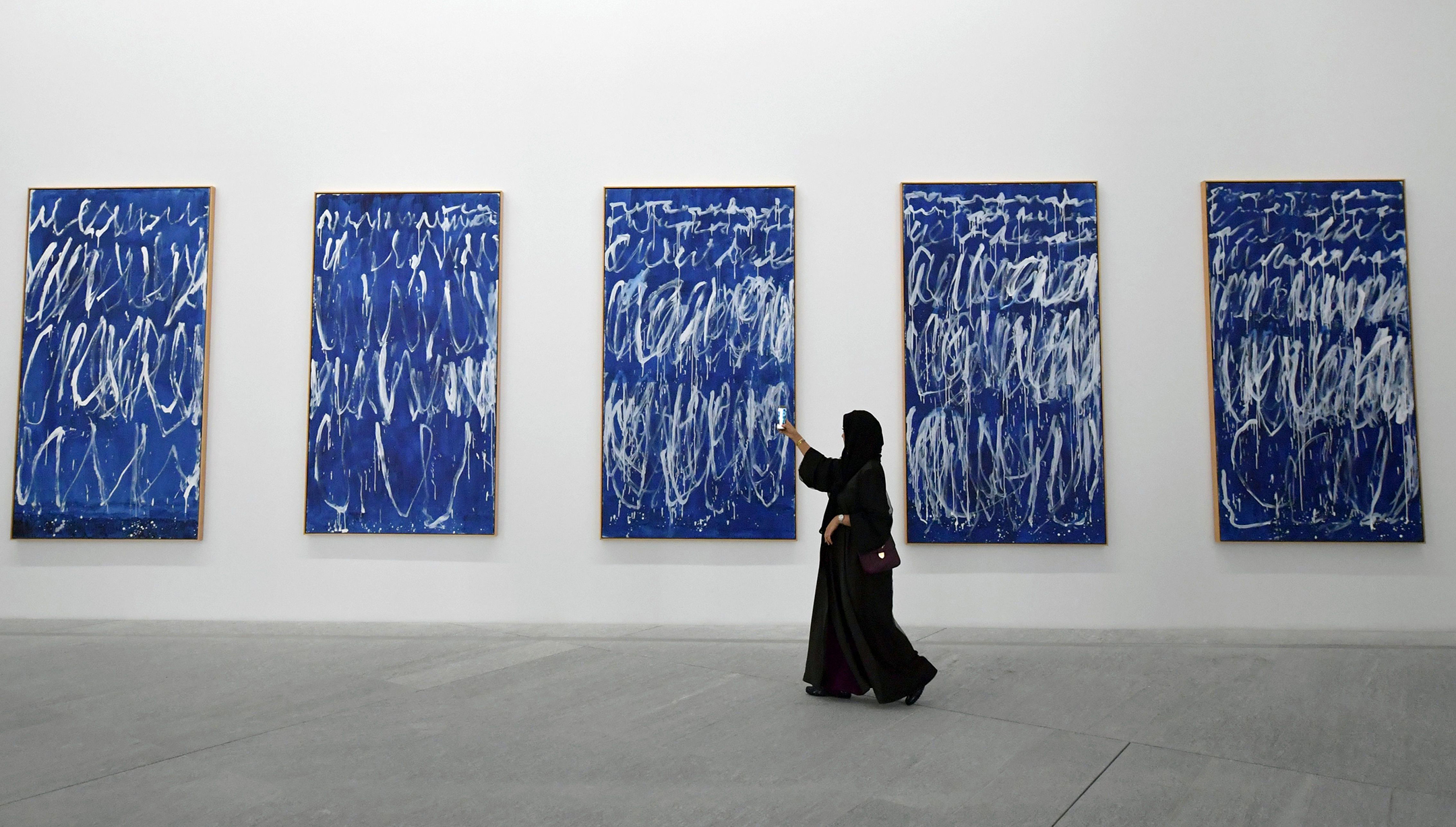
Vibrant art scene inspires cooperation, competition in Gulf
The countries of the Middle East are using art to remodel their national identities. Billions of dollars have been spent on colossal building efforts and massive acquisition programs in an effort to expand the cultural sector in the Middle East, especially in the Gulf. Art acquisition now appears to be part of a geopolitical strategy by Gulf countries to use their hydrocarbon money to purchase cultural clout and establish themselves as international cultural centers.
The oldest peer-reviewed publication dedicated to the study of the modern Middle East, MEI’s flagship journal covers politics, society, and culture in the region.