Curb Your Enthusiasm: Why the Midterms Might Not Change Much in US Middle East Policy
With less than a week before the midterm elections in the United States, the spotlight is on the economy and cultural divides. US foreign policy remains mostly on the sidelines, but this year’s inconclusive Iran war and its effect on America’s economy have shaped the broader political environment in this electoral cycle.
The Multiple Costs of the US–Iran War – From Hormuz to Europe and South Asia: The Widening Economic and Political Geography of the Conflict
Wars are decided by those who hold military power, but their costs are increasingly borne by those who have little or no voice in the decisions that start them. The US–Iran war shows this imbalance very clearly. Its economic consequences have gone far beyond the battlefield and have disrupted energy markets, trade routes, food supplies, public finances and investment in the Gulf, Europe, Africa and Asia. The most striking feature of the conflict, however, is not only the size of the damage but its very unequal distribution.
In recent weeks, the Iran-backed Houthis have fired missiles and drones deep into Saudi Arabia, striking high-profile targets, including Riyadh’s airport and Aramco’s headquarters. The attacks follow a rapid Houthi offensive in September to seize key parts of Yemen’s Red Sea coast, which Saudi-backed government forces are now trying to roll back. Fatima Abo Alasrar, an affiliated scholar at MEI and non-resident scholar at the Arab Gulf States Institute, joins hosts Alistair Taylor and Matthew Czekaj to unpack the latest phase of the conflict. They discuss what the Houthis want, Riyadh’s calculus and search for allies, and how this campaign ties into Iran’s confrontation with the United States.
Since 1967, Israeli settlements in the West Bank have been a contested feature of the Israeli-Palestinian conflict. The ultimate disposition of the settlements and ongoing activity related to their growth have repeatedly defied agreement in negotiations over a resolution to the conflict.
The Houthis are a political-military faction and Zaydi religious movement founded in northwestern Yemen in the 1980s. A key member of Iran’s Axis of Resistance with links to other militant organizations in the Arabian Peninsula and the Horn of Africa, the group has continued to pose a threat to Western interests on a global scale.
The India-Middle East-Europe Economic Corridor (IMEC) is a proposed multinational infrastructure initiative aimed at upgrading connectivity between the three regions through integrated trade, energy, and digital networks. Announced at the G20 summit in New Delhi in September 2023, IMEC is envisioned partially as a counterweight to China’s international infrastructure project, the Belt and Road Initiative.
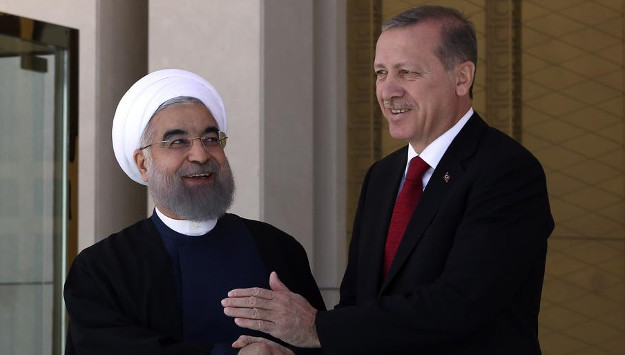
After a decade of post-Arab Spring isolation, Turkey’s leaders have recognized that their ambition to position the country as an agenda-setter on the world stage requires active engagement in all directions. President Recep Tayyip Erdoğan’s consolidation of executive authority has centralized foreign policy decision-making and tied it to his domestic political priorities, transforming the country’s revisionist approach to one shaped primarily by personal and pragmatic interests.
MEI Senior Fellow Brian Katulis engages friends, colleagues, and policy experts in casual conversations on the most important happenings in the Middle East.
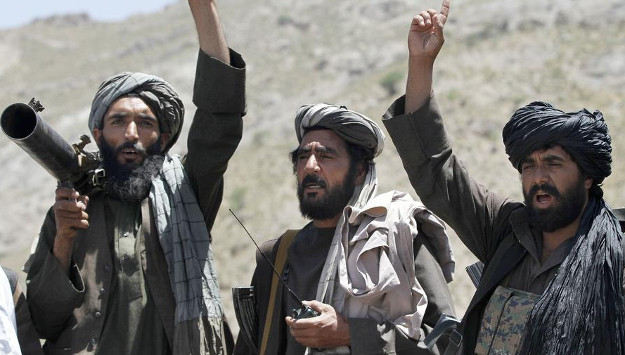
Afghan politician cautions Tehran against aiding Taliban
A prominent Afghan politician has cautioned that it is not in the interest of Iran to have close relations with the Taliban, Afghan media reported. “As an Afghan, I explicitly state that cultivating close relations – I hope it is a mistake – with an enemy, which has no difference with ISIS in its essence and substance, is harmful not only to the Iranian people but also to the people Afghanistan,” Amrullah Saleh, the head of the Afghan Green Trend and former intelligence chief, said at the Tehran Security Conference.
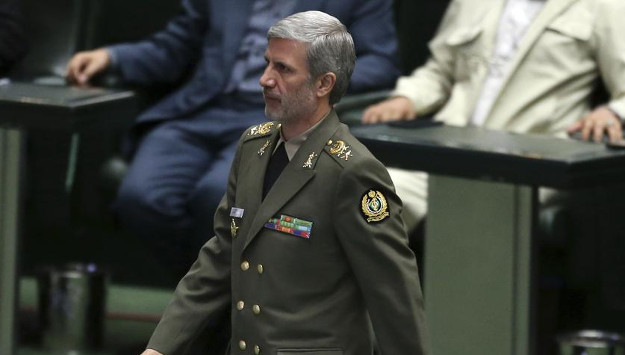
Iran’s defense minister threatens "retaliation" against US
Iran’s Defense Minister accused the United States of playing a role in the latest anti-regime protests in the country and threatened that Tehran will take retaliatory measures against US interests.
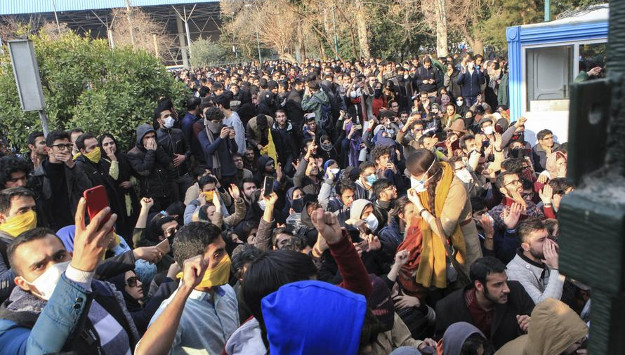
Will latest anti-regime protests change Iran’s costly regional policies?
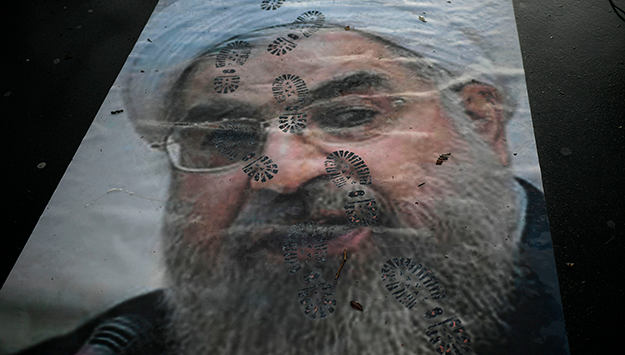
The latest antigovernment protests in Iran indicate that the regime’s costly and destabilizing role in regional conflicts is taking a political toll at home. While economic grievances are the key driver of the current protests, ordinary Iranians are questioning the wisdom of their government’s military adventurism abroad and support for foreign state and non-state actors at the expense of domestic priorities.
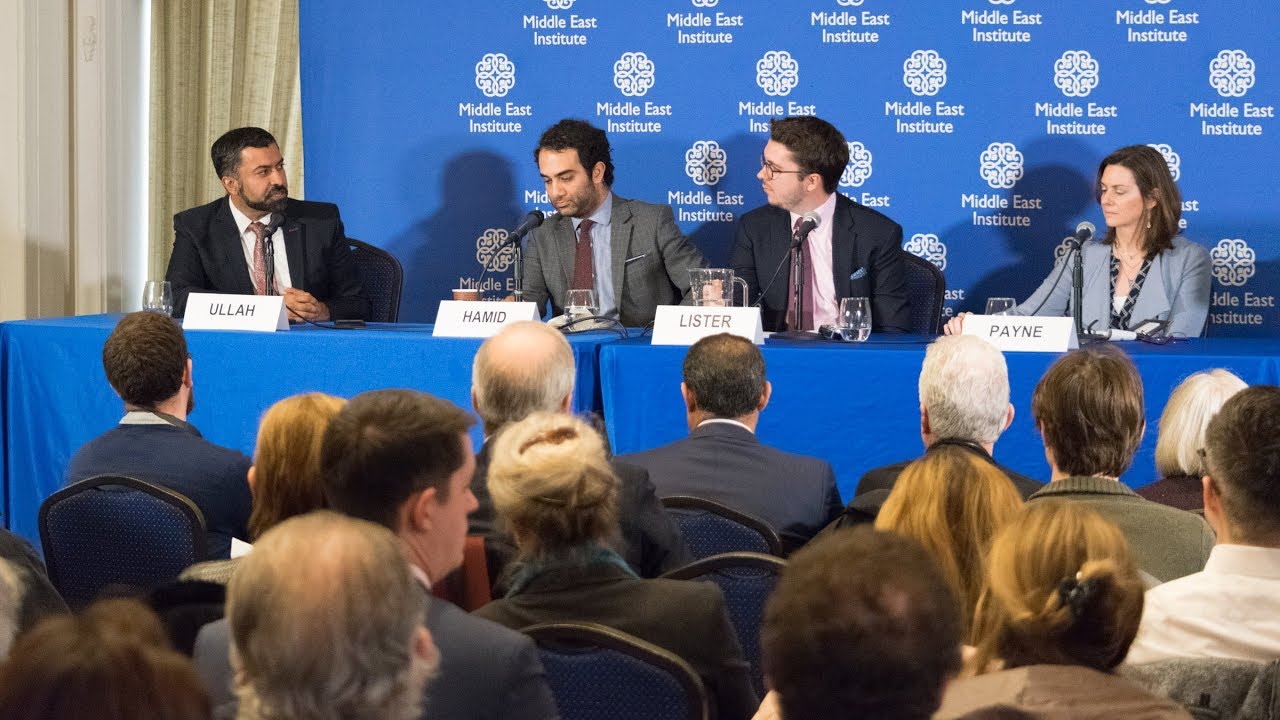
January 10, 2018 – Mobile technologies for consuming and spreading information are empowering individuals and nonstate actors in politics and in conflicts. Social media activists scrutinize authoritarian and democratic powers alike. Violent extremists such as ISIS have used the web to advance their ideologies, project invincibility, undermine governments, and sow fear and hatred. The information battlefield surrounds all internet users.
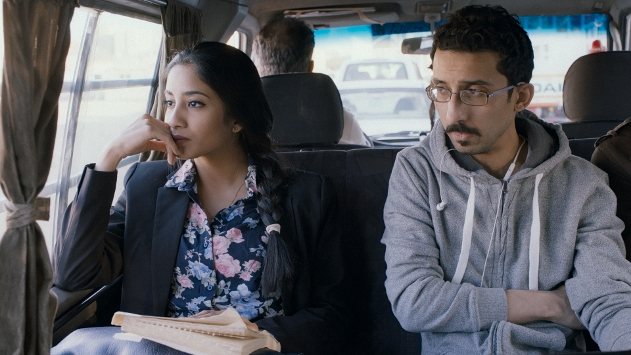
Fittingly for someone who divides her time between two river cities, DC-born, Baghdad-bred, and now London-based filmmaker Maysoon Pachachi says she is a woman who “lives on a bridge.”
“I’ve been a stranger everywhere I’ve lived,” says Pachachi, now 70, whose documentaries have captured life in Gazan refugee camps, downtown Beirut and medieval Cairo. “I’ve moved around my whole life, but I can adapt and fit in wherever I am.”
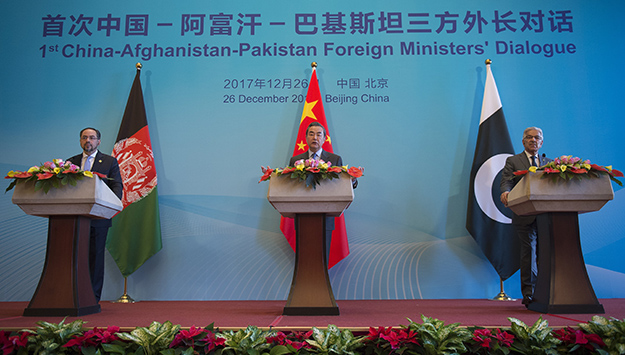
Afghanistan remains a key military and diplomatic challenge for the United States, with far-reaching strategic and economic implications. While achieving stability in war-torn Afghanistan is a prerequisite for regional peace, fixing matters there has become hostage to innumerable domestic contradictions as well as deep-rooted strategic mistrust among key regional stakeholders.
Democracy, Inclusion and Political Moderation: Lessons from Religious Movements in the Middle East and Indonesia
There is a longstanding argument that inclusion in the political process can moderate Islamist groups. Looking at the evolution of Islamic movements in Egypt and in Indonesia, this essay suggests that patterns of informal inclusion, the nature of regime repression and the role of state ideology can all have significant impacts on the diversity of religious life and mass appeal of reformist voices.
Turkey summons Iranian, Russian envoys over ceasefire “violations” in Syria
The Turkish government today summoned the Iranian and Russian ambassadors to protest “recurrent attacks” by the Syrian Army in Idlib Province against Syrian opposition forces backed by Ankara, the
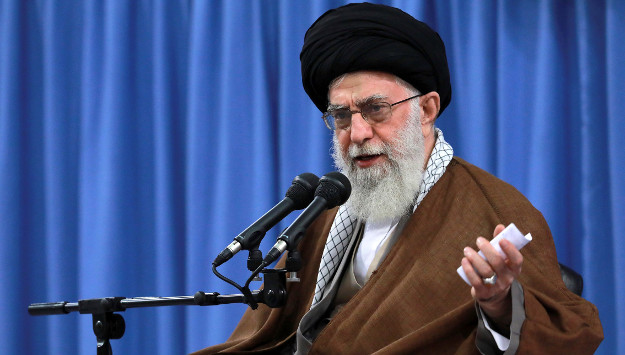
Khamenei defies protesters' demand for ending costly regional role, threatens US
Iran’s Supreme Leader today accused the United States and its regional allies of fomenting unrest in the country and warned that Tehran will retaliate against Washington. “You inflicted damage on Iran in these days and this will not go unanswered,” he stressed, addressing the US government. “The American President says that… the Iranian government is terrified by America’s power. Well, if we’re scared of you, how did we drive you out of Iran in the 1970s and evicted you from the entire region in 2010s?” he added.
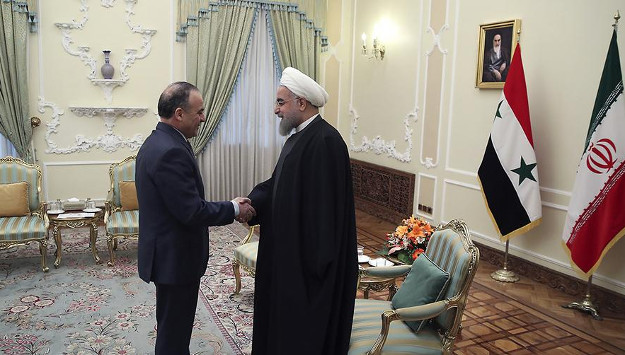
An Iranian parliamentary delegation visited Syria to seek ways of boosting bilateral ties between the two countries, particularly in the economic and trade sectors.
In place of this week’s Monday Briefing we asked over a dozen MEI scholars to discuss their expectations for key trends, events, and policies across the region in 2018.
More than 10,000 Afghans sent by Iran to Syria reported killed and injured
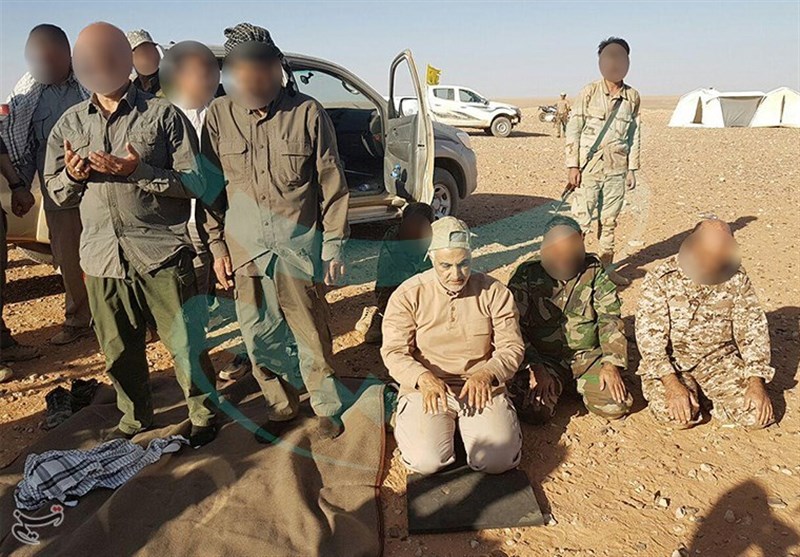
An official of the Fatemiyoun Division has revealed that at least 2,000 Afghan Shiites have been killed and 8,000 more injured in the Syrian conflict – more than twice the number previously reported. The Fatemiyoun Division is a predominantly Afghan militia unit that has been fighting under the leadership of Iran’s elite Quds Force in Syria to prop up the embattled regime of Bashar al-Assad.
IRGC takes steps to further securitize Iranian society in wake of anti-regime protests
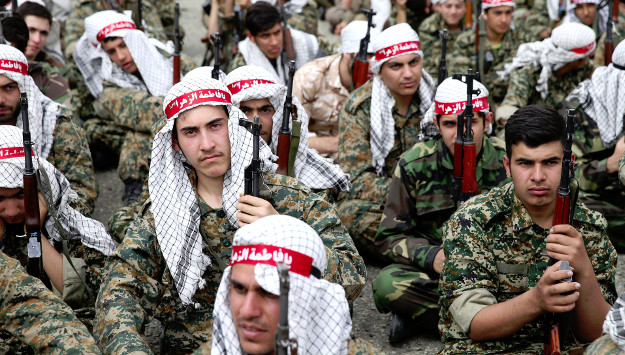
A senior official of the Islamic Revolution Guards Corps has announced that the paramilitary Basij Force will soon begin patrolling missions in the capital city of Tehran, IRGC-affiliated media outlets reported. “All necessary coordination efforts for a plan to conduct region-centric patrols have taken place with the law enforcement forces and the Judiciary. And this plan will soon begin in Tehran,” Brigadier General Mohammad Reza Yazdi, the commander of the IRGC Greater Tehran’s Mohammad Rasullah, said.
Iran Intensifies Internet Crackdown as Protests Spread across the Country
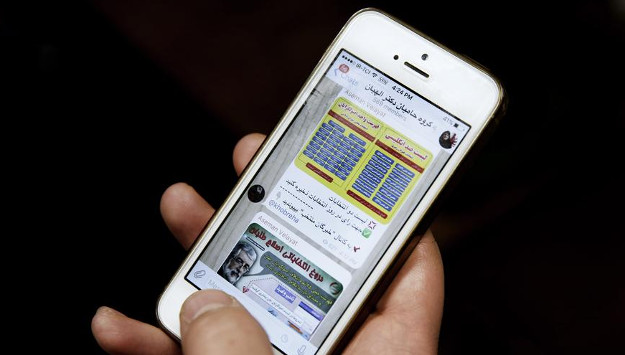
Since antigovernment protests began in the Iranian city of Mashhad last week and soon spread across the country, Islamic Republic authorities have intensified Internet crackdown in an effort to block the Iranian people from access to information and means of communication. The primary target has been Telegram, the most popular messaging app used by about half of Iran’s 80 million population. Over the weekend, the Iranian government “temporarily” blocked Telegram and Instagram, another popular social media platform.
The oldest peer-reviewed publication dedicated to the study of the modern Middle East, MEI’s flagship journal covers politics, society, and culture in the region.