Curb Your Enthusiasm: Why the Midterms Might Not Change Much in US Middle East Policy
With less than a week before the midterm elections in the United States, the spotlight is on the economy and cultural divides. US foreign policy remains mostly on the sidelines, but this year’s inconclusive Iran war and its effect on America’s economy have shaped the broader political environment in this electoral cycle.
The Multiple Costs of the US–Iran War – From Hormuz to Europe and South Asia: The Widening Economic and Political Geography of the Conflict
Wars are decided by those who hold military power, but their costs are increasingly borne by those who have little or no voice in the decisions that start them. The US–Iran war shows this imbalance very clearly. Its economic consequences have gone far beyond the battlefield and have disrupted energy markets, trade routes, food supplies, public finances and investment in the Gulf, Europe, Africa and Asia. The most striking feature of the conflict, however, is not only the size of the damage but its very unequal distribution.
In recent weeks, the Iran-backed Houthis have fired missiles and drones deep into Saudi Arabia, striking high-profile targets, including Riyadh’s airport and Aramco’s headquarters. The attacks follow a rapid Houthi offensive in September to seize key parts of Yemen’s Red Sea coast, which Saudi-backed government forces are now trying to roll back. Fatima Abo Alasrar, an affiliated scholar at MEI and non-resident scholar at the Arab Gulf States Institute, joins hosts Alistair Taylor and Matthew Czekaj to unpack the latest phase of the conflict. They discuss what the Houthis want, Riyadh’s calculus and search for allies, and how this campaign ties into Iran’s confrontation with the United States.
Since 1967, Israeli settlements in the West Bank have been a contested feature of the Israeli-Palestinian conflict. The ultimate disposition of the settlements and ongoing activity related to their growth have repeatedly defied agreement in negotiations over a resolution to the conflict.
The Houthis are a political-military faction and Zaydi religious movement founded in northwestern Yemen in the 1980s. A key member of Iran’s Axis of Resistance with links to other militant organizations in the Arabian Peninsula and the Horn of Africa, the group has continued to pose a threat to Western interests on a global scale.
The India-Middle East-Europe Economic Corridor (IMEC) is a proposed multinational infrastructure initiative aimed at upgrading connectivity between the three regions through integrated trade, energy, and digital networks. Announced at the G20 summit in New Delhi in September 2023, IMEC is envisioned partially as a counterweight to China’s international infrastructure project, the Belt and Road Initiative.
After a decade of post-Arab Spring isolation, Turkey’s leaders have recognized that their ambition to position the country as an agenda-setter on the world stage requires active engagement in all directions. President Recep Tayyip Erdoğan’s consolidation of executive authority has centralized foreign policy decision-making and tied it to his domestic political priorities, transforming the country’s revisionist approach to one shaped primarily by personal and pragmatic interests.
MEI Senior Fellow Brian Katulis engages friends, colleagues, and policy experts in casual conversations on the most important happenings in the Middle East.
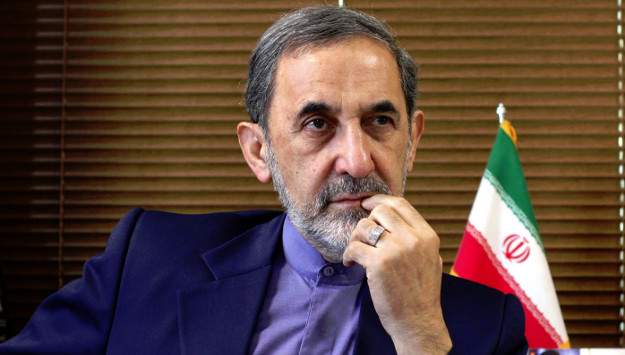
Khamenei’s Aide: We Hope Hariri Remains Lebanon’s Prime Minister
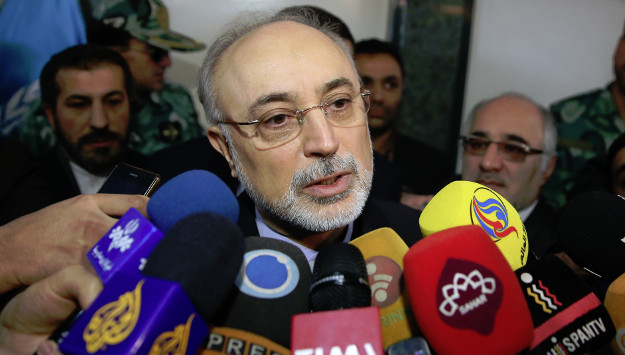
Ali Akbar Velayati, a top aide to Iranian Supreme Leader Ali Khamenei, said Tuesday that Tehran hopes Saad Hariri will return from Saudi Arabia and resume his position as Lebanon’s prime minister. “We support the unity between the March 8 and March 14 [alliances], which reached an agreement to form a government after a long time, and acted in unison to make Lebanon one of the region’s peaceful countries. This is the result of the understanding and logic of the [Lebanese] people and Islamic resistance.
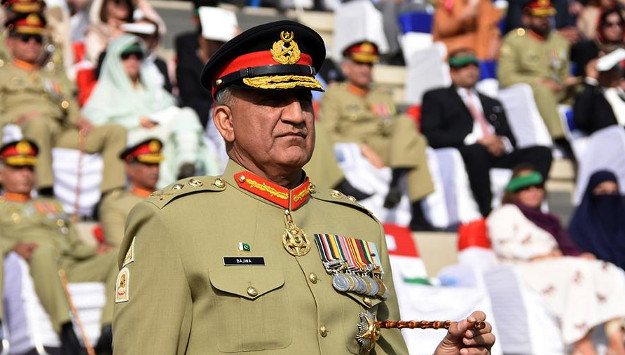
Pakistan’s Army Chief: We’re Interested in Learning Experience of Basij from Iran
When the chief of the Pakistani Army visited Tehran last week, he told the commander of Iran’s Islamic Revolution Guards Corps (I.R.G.C.) that Pakistan is interested in learning from Iran’s experience of creating the Basij Organization and using “popular forces” to counter enemy threats, according to the Iran
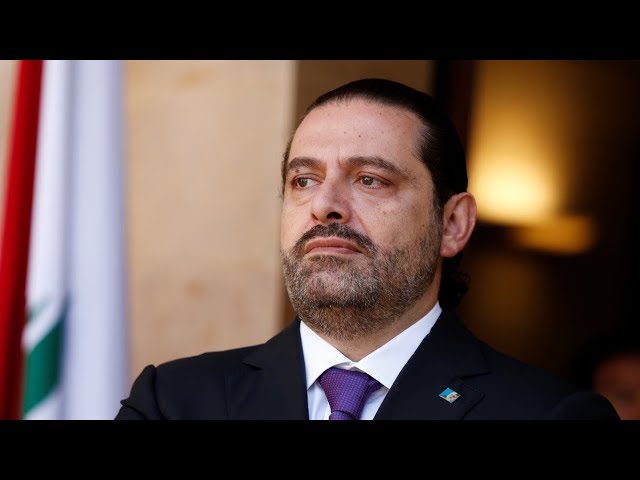
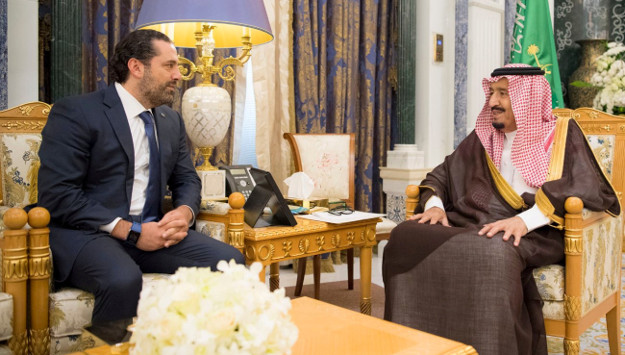
November 13, 2017 – The crisis between Saudi Arabia and Lebanon and the resignation of Prime Minister Saad Hariri appears to be largely about Yemen, says Paul Salem, Sr. Vice President for Policy Analysis, Research, and Programs at the Middle East Institute.
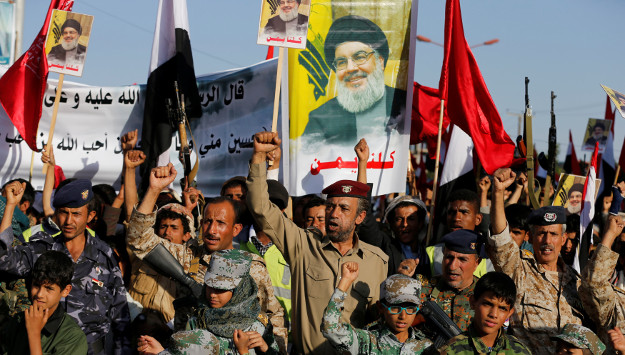
The Lebanon Crisis Pivots on Hezbollah’s Presence in Yemen | Monday Briefing
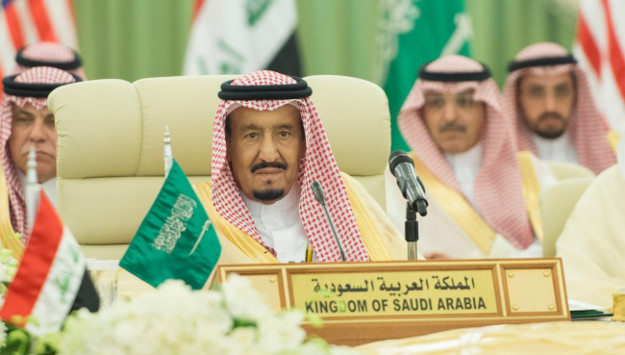
In this week’s Monday Briefing, contributors Paul Salem, Eran Etzion, Alex Vatanka, and Bilal Saab provide analysis on recent and upcoming events including the rising tension between Saudi Arabia and Lebanon over Hezbollah’s presence in Yemen, rumors that an Israeli attack on Lebanon is imminent, the Saudis’ latest attempt to round up collective action against Iran, and the new phase in the Saudi-Iran proxy war following the recent explosion of a pipeline in Bahrain.
It takes a certain level of political naiveté or blindness to continue to believe that Lebanese Prime Minister Saad Hariri resigned last week of his own volition.
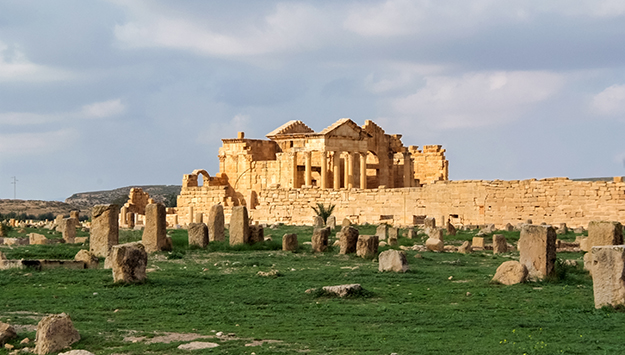
ISIS Eyes Tunisia’s Cultural Heritage as Militants Return
Looting and trafficking of antiquities in the Middle East and North Africa has reached unprecedented levels since the rise of ISIS. In a region with tens of thousands of archaeological sites, antiquities are as easily accessible as oil for terrorist groups controlling such archaeologically rich territory.
Hariri’s Resignation and the Saudi Corruption Crackdown
Last weekend’s arrests of prominent Saudi government officials and leading businessmen on charges of corruption has sent shockwaves through Saudi society as well as global center of finance and commerce. The developments also impacted Lebanon, with Prime Minister Saad Hariri announcing his resignation from the Saudi capital of Riyadh. MEI experts Gerald Feierstein, Jean-Francois Seznec, and Randa Slim join Paul Salem to discuss these developments.
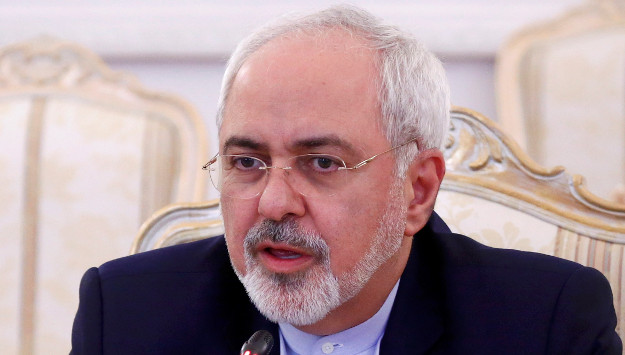
Iranian Foreign Minister Javad Zarif met with Tajikistan’s President Emomali Rahmon today in the capital city of Dushanbe to discuss ways to improve economic and trade relations between the two countries and coordinate their counterterrorism efforts in the region. The Iranian foreign minister arrived in Dushanbe on Wednesday and held meetings with his Tajik counterpart and participated in the inauguration ceremony of Iran’s new embassy building in the Tajik capital.
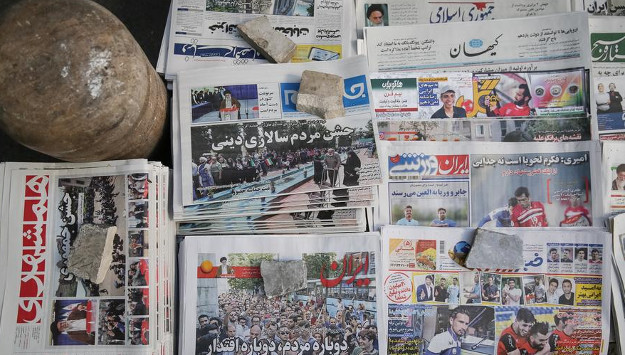
Yesterday’s edition of Jameeh-ye Farda, a reformist Iranian outlet, was published without an article written by its lead columnist Morteza Simiyari. The article, “Are We Hearing the Echo of the War? Russia, Instigator of War between Iran and Saudi Arabia,” was censored by the government, but it later surfaced on Gooya News, an independent news outlet in the Netherlands.
Iran Navy Plans to Deploy Fleets to Open Seas between Europe and Americas
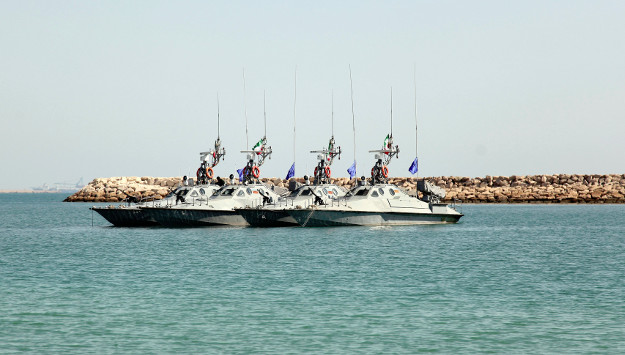
The outgoing commander of the Iranian Navy hailed the expanding presence of the country’s naval forces in international waters and said the Navy plans to send fleets to open seas between Europe and Americas.
Syrian, Iranian-Led Forces Capture Abu Kamal, Threaten to Confront U.S. and S.D.F.
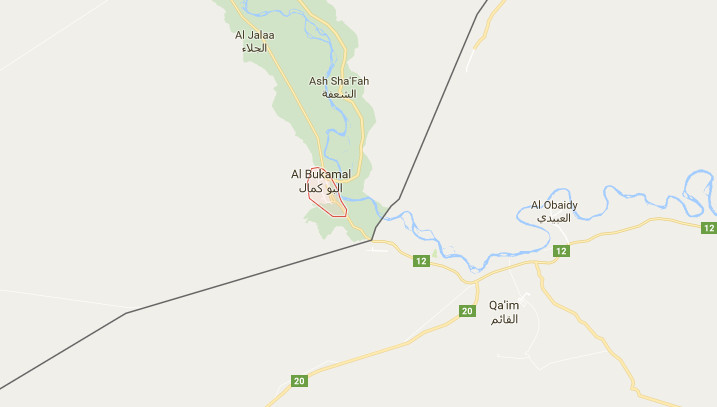
The Syrian Army and Iranian-led forces have captured Abu Kamal, a strategic border town in eastern Syria and the last major ISIS stronghold in the country, Iranian and Arab media report. While the physical and military defeat of the Islamic State is good news, the rapid territorial gains by pro-Syrian regime forces, particularly in the oil-rich eastern province of Deir Ezzor, have increased the risk of a potential confrontation with U.S.-backed Syrian opposition forces that have also captured strategic areas from ISIS in northern and eastern Syria.
Qatar is Turkey’s closest ally in the Gulf Cooperation Council (G.C.C.) and, since 2011, Ankara has become Doha’s most important regional ally. From Syria to Libya, the Qataris and Turks have worked in tandem to pursue shared interests, chiefly via support for Islamist non-state actors. More than four months into the G.C.C. crisis, Ankara has played a pivotal role in assisting Qatar weather the blockade imposed by a quartet of Arab countries—Bahrain, Egypt, Saudi Arabia, and the United Arab Emirates (U.A.E.).
The oldest peer-reviewed publication dedicated to the study of the modern Middle East, MEI’s flagship journal covers politics, society, and culture in the region.