Curb Your Enthusiasm: Why the Midterms Might Not Change Much in US Middle East Policy
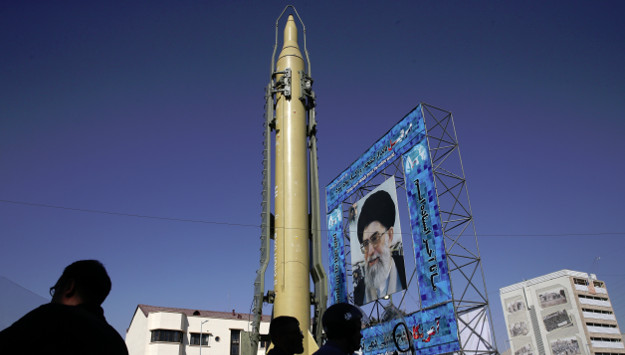
With less than a week before the midterm elections in the United States, the spotlight is on the economy and cultural divides. US foreign policy remains mostly on the sidelines, but this year’s inconclusive Iran war and its effect on America’s economy have shaped the broader political environment in this electoral cycle.
The Multiple Costs of the US–Iran War – From Hormuz to Europe and South Asia: The Widening Economic and Political Geography of the Conflict
Wars are decided by those who hold military power, but their costs are increasingly borne by those who have little or no voice in the decisions that start them. The US–Iran war shows this imbalance very clearly. Its economic consequences have gone far beyond the battlefield and have disrupted energy markets, trade routes, food supplies, public finances and investment in the Gulf, Europe, Africa and Asia. The most striking feature of the conflict, however, is not only the size of the damage but its very unequal distribution.
In recent weeks, the Iran-backed Houthis have fired missiles and drones deep into Saudi Arabia, striking high-profile targets, including Riyadh’s airport and Aramco’s headquarters. The attacks follow a rapid Houthi offensive in September to seize key parts of Yemen’s Red Sea coast, which Saudi-backed government forces are now trying to roll back. Fatima Abo Alasrar, an affiliated scholar at MEI and non-resident scholar at the Arab Gulf States Institute, joins hosts Alistair Taylor and Matthew Czekaj to unpack the latest phase of the conflict. They discuss what the Houthis want, Riyadh’s calculus and search for allies, and how this campaign ties into Iran’s confrontation with the United States.
Since 1967, Israeli settlements in the West Bank have been a contested feature of the Israeli-Palestinian conflict. The ultimate disposition of the settlements and ongoing activity related to their growth have repeatedly defied agreement in negotiations over a resolution to the conflict.
The Houthis are a political-military faction and Zaydi religious movement founded in northwestern Yemen in the 1980s. A key member of Iran’s Axis of Resistance with links to other militant organizations in the Arabian Peninsula and the Horn of Africa, the group has continued to pose a threat to Western interests on a global scale.
The India-Middle East-Europe Economic Corridor (IMEC) is a proposed multinational infrastructure initiative aimed at upgrading connectivity between the three regions through integrated trade, energy, and digital networks. Announced at the G20 summit in New Delhi in September 2023, IMEC is envisioned partially as a counterweight to China’s international infrastructure project, the Belt and Road Initiative.
After a decade of post-Arab Spring isolation, Turkey’s leaders have recognized that their ambition to position the country as an agenda-setter on the world stage requires active engagement in all directions. President Recep Tayyip Erdoğan’s consolidation of executive authority has centralized foreign policy decision-making and tied it to his domestic political priorities, transforming the country’s revisionist approach to one shaped primarily by personal and pragmatic interests.
MEI Senior Fellow Brian Katulis engages friends, colleagues, and policy experts in casual conversations on the most important happenings in the Middle East.
Protestors in Southern Afghanistan Chant Anti-Iran Slogans after Rouhani’s Water Remarks
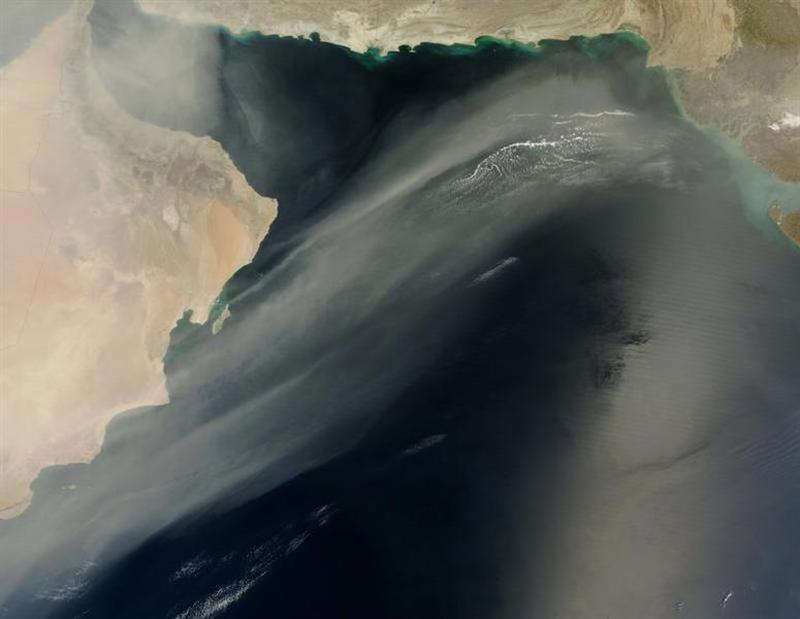
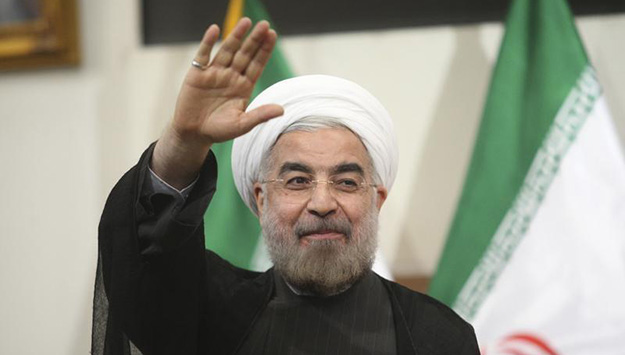
Earlier today, hundreds of people marched the streets of Lashkargah, the capital of Afghanistan’s volatile Helmand Province, to protest Iranian President Hassan Rouhani’s latest remarks on water dispute with Afghanistan, the Afghan media reported. Speaking at an international conference on tackling dust storm, Rouhani had criticized the Afghan government and its international allies for constructing dams and preventing the flow of sufficient water into Iran.
Yemen War and Qatar Crisis Challenge Oman’s Neutrality
Living on the periphery of the tumultuous Middle East, Omanis do not take their security for granted. Oman has been free of violent unrest since the Sultanate crushed the Dhofar Rebellion in 1976. Yet Oman is situated in a dangerous neighborhood, and the Arab Gulf country is not immune to transregional threats.
Jakarta’s Political Turmoil: Post-storm Thoughts on the Moderate Muslim Mainstream
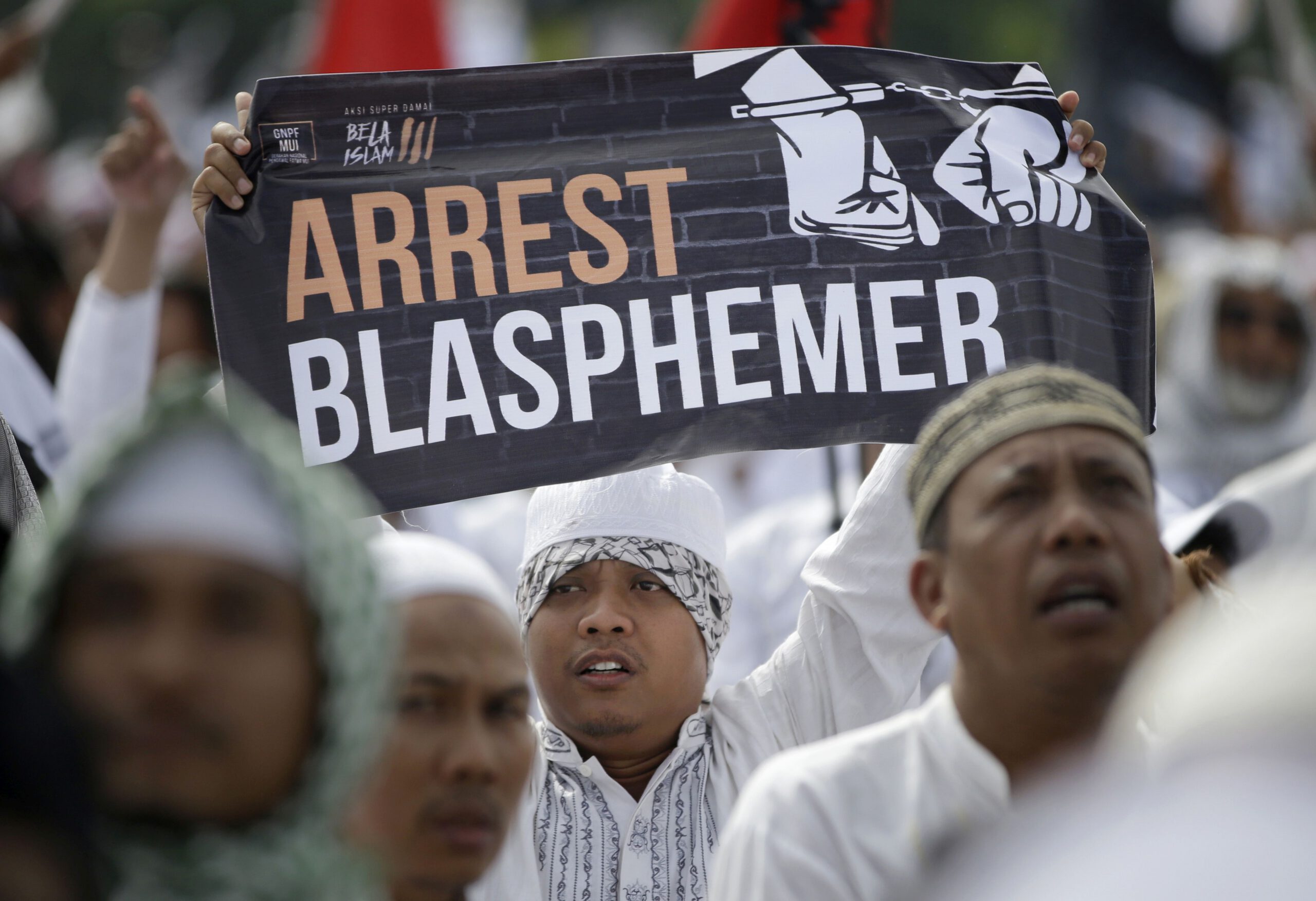
Jakarta, the hub of Indonesian politics, was caught in the eye of a storm when a series of massive protests erupted, calling for the prosecution of the ethnic Chinese Christian Governor Basuki Tjahaja “Ahok” Purnama for allegedly having committed blasphemy against Islam. What do these developments, together with Ahok’s subsequent defeat for reelection and criminal conviction, signify or portend for Indonesia’s formative values and democratic consolidation? To what extent has the country’s “moderate Muslim mainstream” stepped up to the challenge represented by these events? This essay addresses these questions.
Top Iraqi Politician Says Baghdad Will Limit U.S. Military Role in Iraq after Mosul Battle
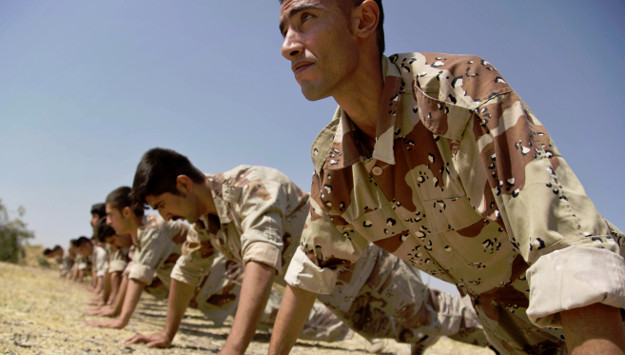
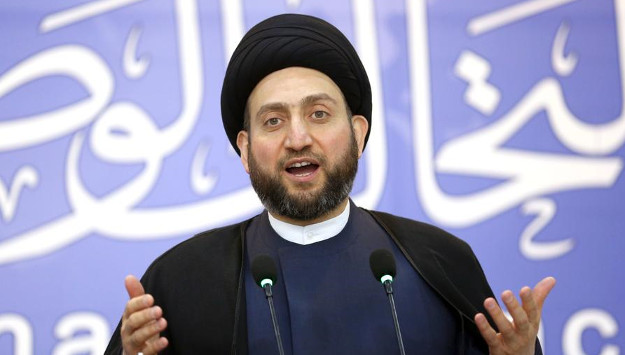
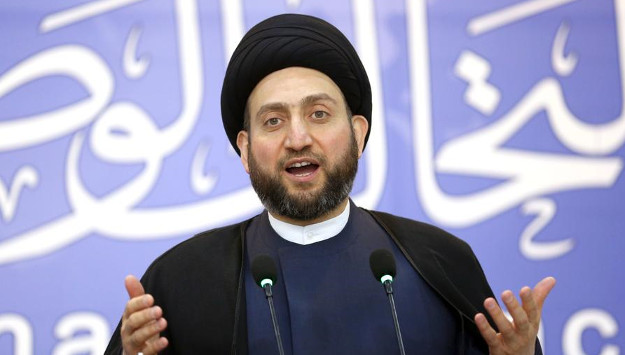
Ammar al-Hakim, the head of Iraq’s Shiite ruling coalition, has said during his visit to Tehran that the Baghdad government will reduce the number of American military advisors and their role after the liberation of Mosul. “We emphasize that we oppose the presence of their military forces the same way we opposed foreign military bases on the Iraqi soil,” Hakim said in an interview with Fars News Agency, which is affiliated with the Islamic Revolution Guards Corps (I.R.G.C.).
Growing Environmental Problems Strain Iran’s Ties with Its Neighbors
Iran’s growing environmental challenges have recently reached crisis point. Water scarcity and air pollution, in particular, have not only caused sociopolitical and security problems inside the country, but have also strained Iran’s relations with its neighbors. As the Islamic State is losing ground in Iraq and Syria, Iran and Turkey are particularly vying for the control of water in the region.
In this week’s Monday Briefing, MEI experts Allen Keiswetter, Gerald Feierstein, Eran Etzion, and Randa Slim provide analysis on recent and upcoming events including this week’s G-20 Summit, the ongoing G.C.C. crisis, Indian PM Narendra Modi’s visit to Israel, and the Astana talks on Syria.
Senior Iraqi Leader Visits Tehran, Says Foreign Troops Not Allowed in Post-Islamic State Iraq
Ammar al-Hakim, the head of Iraq’s Shiite ruling coalition, has said that the Baghdad government will not allow a single foreign soldier to remain in Iraq after the fight against the Islamic State is over, Iranian media reported on Monday. Fars News Agency, an outlet affiliated with the Islamic Revolution G
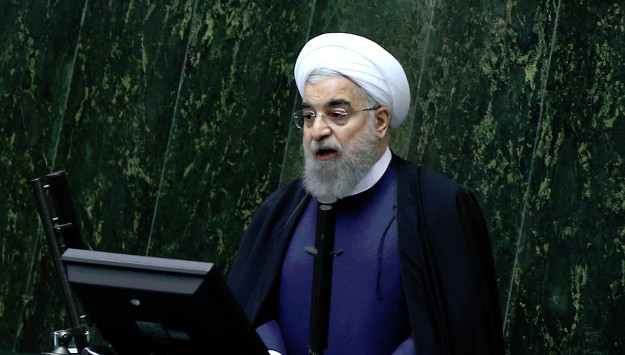
Rouhani Calls for “Revolutionary” Foreign Policy to “Isolate America”
Iranian President Hassan Rouhani has said that all centers of power in Iran should work together to seek the support of European and Asian powers to isolate the United States, the
Iranian Parliament Seeks to Increase Budget for Missile Program, I.R.G.C. Quds Force
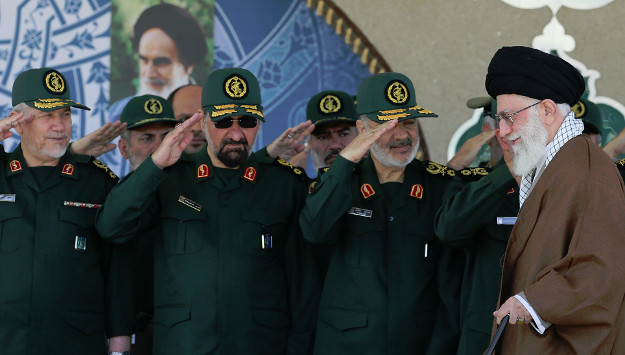
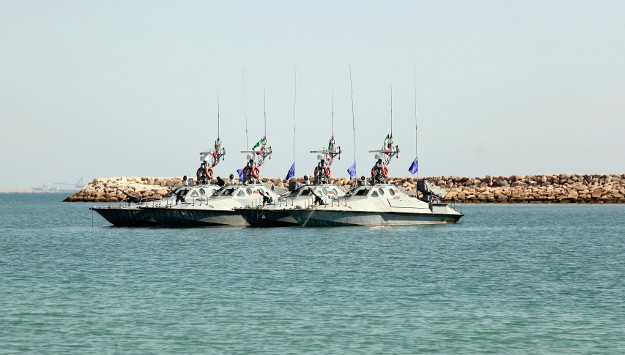
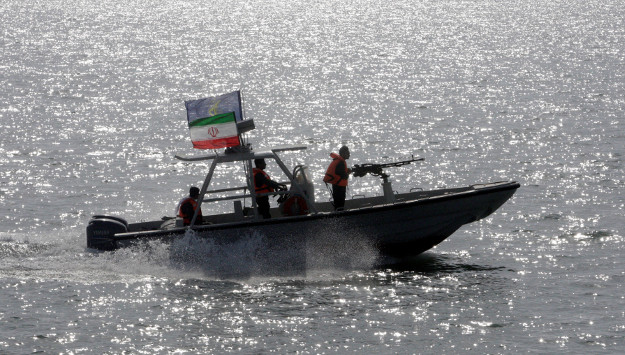
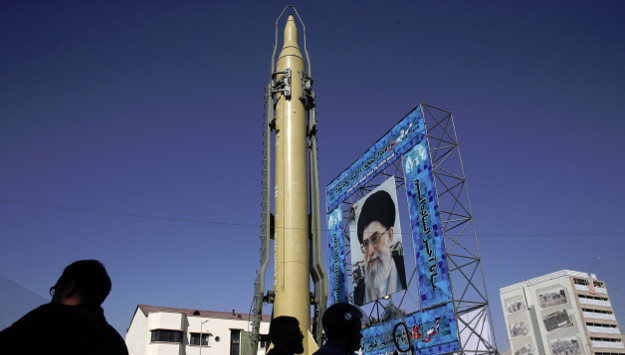
The Iranian parliament is finalizing a bill to increase the annual budget for the Islamic Revolution Guards Corps (I.R.G.C.), the Iranian media reported. The estimated surplus budget of more than half a billion dollars is specifically designed to help the I.R.G.C. to further enhance the country’s missile program and military activities in the region. The move came as a response to the latest U.S. Senate legislation that would impose new sanctions against Iran’s missile program.
The oldest peer-reviewed publication dedicated to the study of the modern Middle East, MEI’s flagship journal covers politics, society, and culture in the region.