Curb Your Enthusiasm: Why the Midterms Might Not Change Much in US Middle East Policy
With less than a week before the midterm elections in the United States, the spotlight is on the economy and cultural divides. US foreign policy remains mostly on the sidelines, but this year’s inconclusive Iran war and its effect on America’s economy have shaped the broader political environment in this electoral cycle.
The Multiple Costs of the US–Iran War – From Hormuz to Europe and South Asia: The Widening Economic and Political Geography of the Conflict
Wars are decided by those who hold military power, but their costs are increasingly borne by those who have little or no voice in the decisions that start them. The US–Iran war shows this imbalance very clearly. Its economic consequences have gone far beyond the battlefield and have disrupted energy markets, trade routes, food supplies, public finances and investment in the Gulf, Europe, Africa and Asia. The most striking feature of the conflict, however, is not only the size of the damage but its very unequal distribution.
In recent weeks, the Iran-backed Houthis have fired missiles and drones deep into Saudi Arabia, striking high-profile targets, including Riyadh’s airport and Aramco’s headquarters. The attacks follow a rapid Houthi offensive in September to seize key parts of Yemen’s Red Sea coast, which Saudi-backed government forces are now trying to roll back. Fatima Abo Alasrar, an affiliated scholar at MEI and non-resident scholar at the Arab Gulf States Institute, joins hosts Alistair Taylor and Matthew Czekaj to unpack the latest phase of the conflict. They discuss what the Houthis want, Riyadh’s calculus and search for allies, and how this campaign ties into Iran’s confrontation with the United States.
Since 1967, Israeli settlements in the West Bank have been a contested feature of the Israeli-Palestinian conflict. The ultimate disposition of the settlements and ongoing activity related to their growth have repeatedly defied agreement in negotiations over a resolution to the conflict.
The Houthis are a political-military faction and Zaydi religious movement founded in northwestern Yemen in the 1980s. A key member of Iran’s Axis of Resistance with links to other militant organizations in the Arabian Peninsula and the Horn of Africa, the group has continued to pose a threat to Western interests on a global scale.
The India-Middle East-Europe Economic Corridor (IMEC) is a proposed multinational infrastructure initiative aimed at upgrading connectivity between the three regions through integrated trade, energy, and digital networks. Announced at the G20 summit in New Delhi in September 2023, IMEC is envisioned partially as a counterweight to China’s international infrastructure project, the Belt and Road Initiative.
After a decade of post-Arab Spring isolation, Turkey’s leaders have recognized that their ambition to position the country as an agenda-setter on the world stage requires active engagement in all directions. President Recep Tayyip Erdoğan’s consolidation of executive authority has centralized foreign policy decision-making and tied it to his domestic political priorities, transforming the country’s revisionist approach to one shaped primarily by personal and pragmatic interests.
MEI Senior Fellow Brian Katulis engages friends, colleagues, and policy experts in casual conversations on the most important happenings in the Middle East.
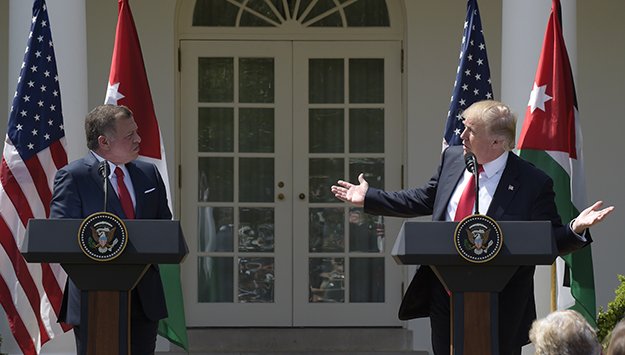
If it’s tough enough for media pundits to keep up with President Donald Trump’s flip-flopping on domestic politics, then the task of reading the president’s stand on key foreign issues is even more difficult. Jordan, one of America’s closest Middle Eastern partners, has been trying to cope with Trump’s sudden swerves on Syria, Israel-Palestine, and the war on ISIS. At times, the usually reserved Jordanian diplomacy was taken off-guard, forced to recalibrate, and even walk back on certain positions as a result of the president’s rhetoric.
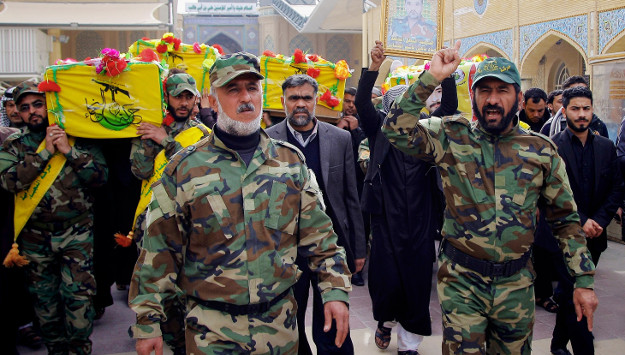
Iran-Supported Iraqi Militant Group Calls for Joint Efforts to Fight Israel in Meeting with Syrian Minister
Akram al-Kaabi, the leader of Iran-supported Iraqi militia group Harakat al-Nujaba, sent a delegation to meet with the Syrian Minister of State for National Reconciliation Affairs Ali Haidar.
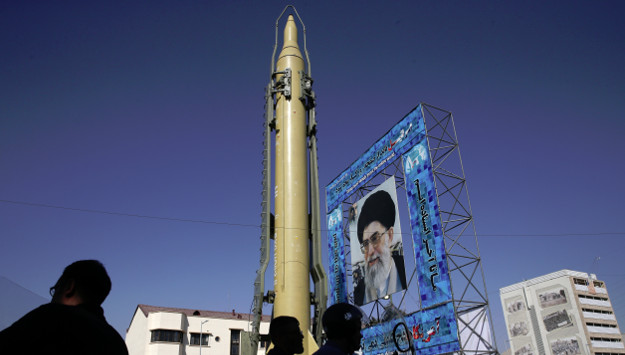
Khamenei Vows to Enhance Missile Capability, Urges Candidates to Resist U.S. and Israel
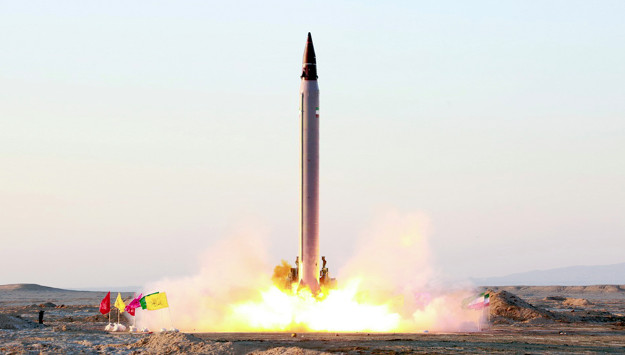
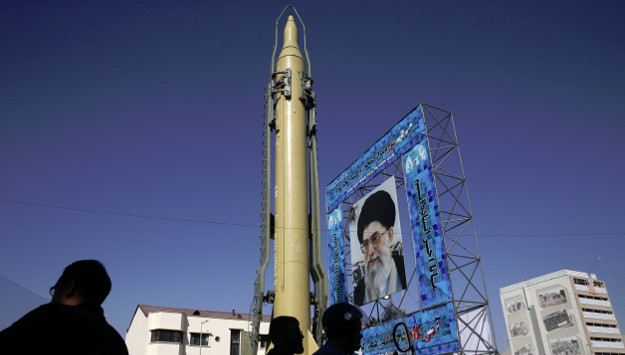
Iran’s Supreme Leader Ali Khamenei said on Wednesday that his country will further enhance its missile power despite international concerns. He also warned the six Iranian presidential candidates to avoid statements and electoral slogans that would embolden the country’s enemies.
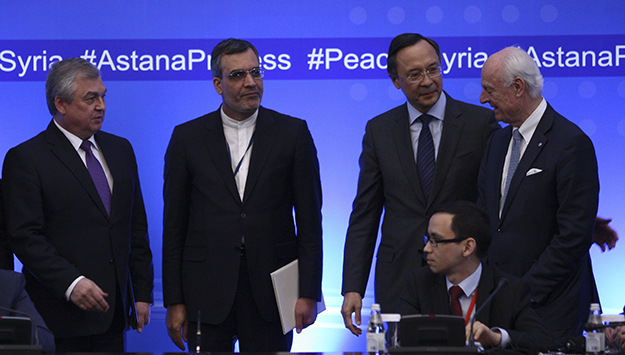
Last week’s round of Astana talks was particularly important with the Syrian government, the opposition, and various regional patrons agreeing to Russia’s de-escalation plan of the conflict.
The initiative is a significant achievement, given that it comes after the chemical attack on Khan Sheikhoun and the U.S. strike in response, which heightened tensions between Washington and Moscow.
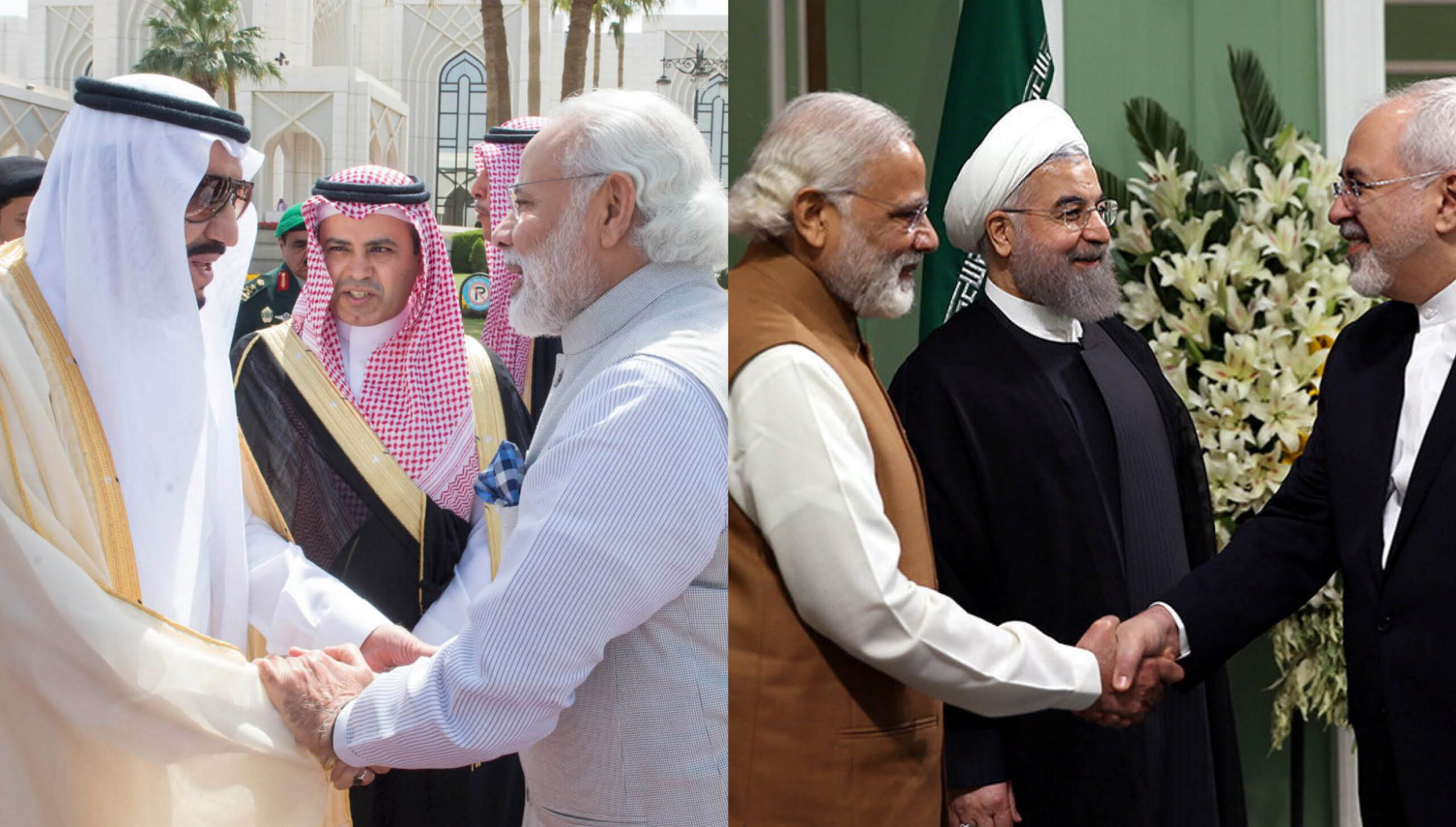
This essay discusses India’s increasingly extensive relations with the Gulf Arab countries and its equally important interest in continuing to develop mutually beneficial ties with Iran. The author argues that as India’s regional profile rises and its economic prowess expands, New Delhi will come under pressure to take sides — pressure to which Indian leaders must try their utmost not to succumb.
Rouhani Government Rejects Claim It Ordered Missile Tests during Nuclear Negotiations
Iranian presidential candidate Mostafa Mir-Salim claimed on Monday that Iranian diplomats had asked the country’s military to conduct a missile launch to boost Tehran’s position vis-à-vis world powers during the nuclear negotiations
Pakistan Protests Top Iranian Military Official’s Cross-Border Attack Warning
Tension between Iran and Pakistan over the latest killing of 10 Iranian border guards continues to escalate despite an agreement between leaders of the two countries last week to jointly tackle cross-border issues.
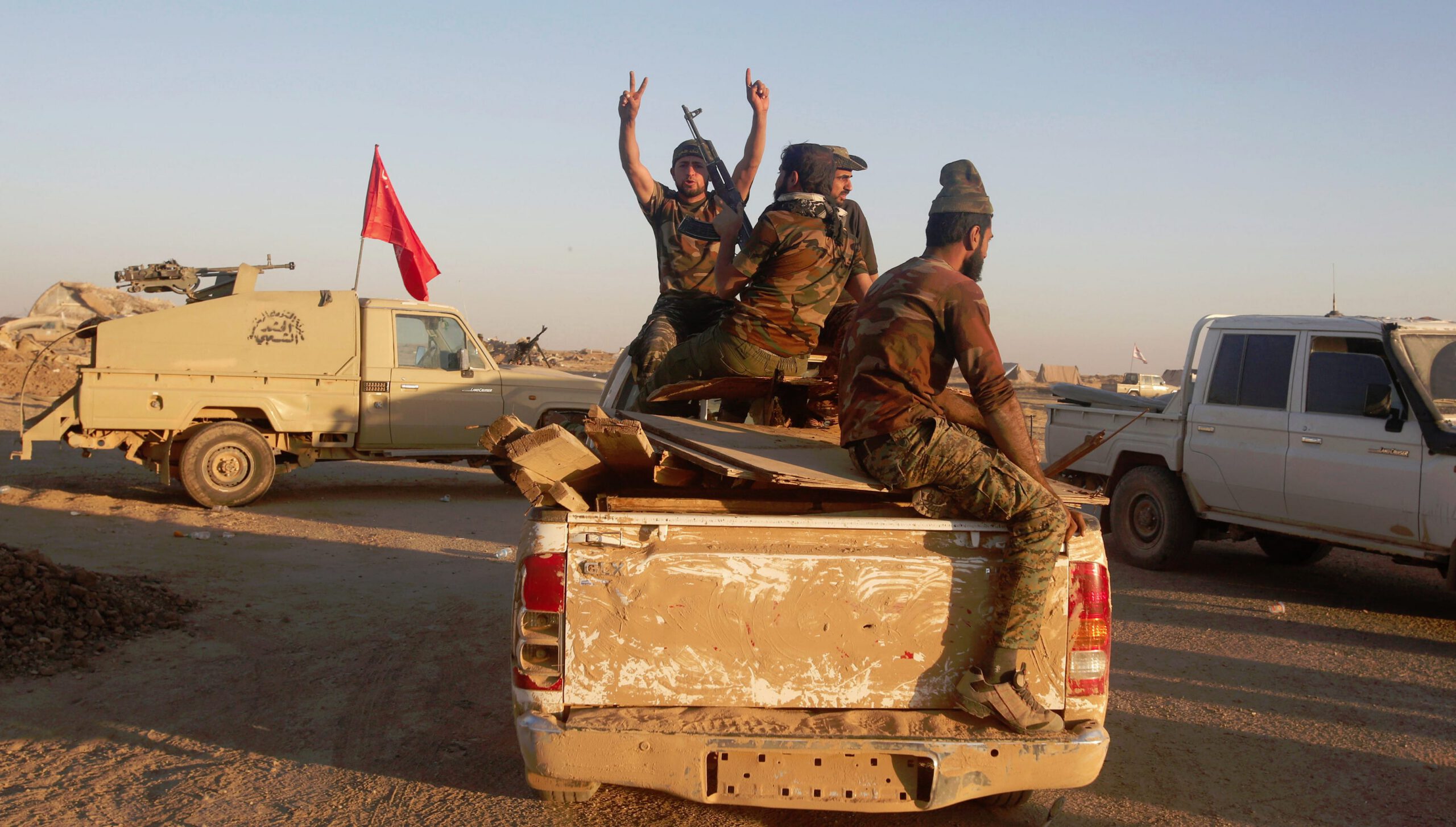
Iran-Backed Iraqi Militia Commander Says His Forces Barred from Tal Afar Operation under Pressure from U.S. and Turkey
A prominent Iranian-backed Iraqi Shiite militia leader has confirmed that the Hashd al-Shaabi – the paramilitary Iraqi forces known as the Popular Mobilization Forces – will not take part in the military operation to recapture the strategic city of Tal Afar from the Islamic State.
Russia Seeks U.S. Support for Syria Plan | Monday Briefing
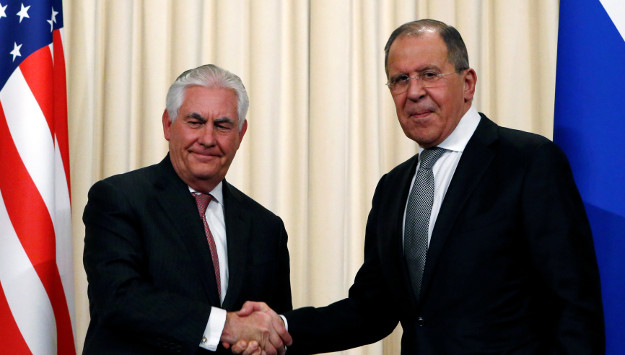
In this week’s Monday Briefing, MEI experts Charles Lister, Alex Vatanka, and Jonathan M. Winer provide analysis on recent and upcoming events including the meeting between Russian Foreign Minister Lavrov and Secretary of State Tillerson, Iranian President Rouhani’s battle for re-election, and the efforts to strike a deal for the future of the Libyan state.
Rouhani’s Missile Remark Raises Ire of Iran’s Military Leaders
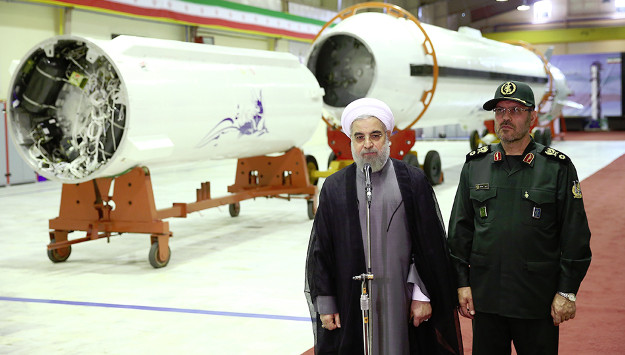
Iran’s President Hassan Rouhani’s latest remark on the country’s missile program has aroused the ire of the military establishment. In the second presidential debate aired on Iran’s state-run TV, Rouhani, who is seeking a second term in May 19 elections, accused the powerful Islamic Revolution Guards Corps (I.R.G.C.) of trying to sabotage the Joint Comprehensive Plan of Action – the nuclear deal Iran signed with world powers in July 2015. “What did they do in order to undermine the J.C.P.O.A.?” Rouhani asked, referring to the I.R.G.C.
Iran Threatens to Destroy Saudi Arabia If Provoked
The Iranian defense minister said on Sunday that his country would hit back and destroy all of Saudi Arabia, except the Muslim holy sites, if Riyadh showed any aggression toward the Islamic Republic. “I advise them against committing any ignorant move.
Afghan Paper Accuses Tehran of “Double Game” as FM Zarif Visits Kabul
An editorial in Afghanistan’s largest daily Hasht-e Sobh accuses the Iranian government of “playing a double game” in Afghanistan. The article analyzes Iranian Foreign Minister Javad Zarif’s weekend visit to Kabul and warns that such diplomatic outreach would yield no results unless the Iranian government cuts ties with terrorist groups fighting in Afghanistan. “Iranian Foreign Minister Javad Zarif’s trip to Kabul was an opportunity for high-ranking officials of the national unity government to share Afghanistan’s legitimate concerns with him,” the paper stressed.
Iran-Supported Iraqi Militia Group Threatens Bahrain over Shiite Cleric’s Trial
The leader of a prominent Iran-controlled Iraqi Shiite militia group has warned that his forces and other Shiite militant groups will respond to the Bahraini government’s prosecution of Ayatollah Isa Qassim.
Interview with Raed Al Saleh, Leader of the White Helmets
April 27, 2017 – Raed Al Saleh, leader of the Syria Civil Defense (“The White Helmets”) joins host Paul Salem to discuss the situation on the ground in Syria, how the White Helmets are working to save civilian lives, and prospects for finding a path to peace.
The oldest peer-reviewed publication dedicated to the study of the modern Middle East, MEI’s flagship journal covers politics, society, and culture in the region.