The Coming Debate Over the US Military Presence in the Gulf
The war with Iran is hardly over, but the debate over the shape and nature of the post-conflict American posture in the Gulf region is just beginning. Undoubtedly, how the war ends will affect how the United States adjusts its role. While this debate is still in its early stages, something of a conventional wisdom is already developing in policy circles that could seriously compromise American influence in the Middle East.
This report explores maritime security conditions in the Mediterranean and the evolving US engagement in the region. As critical infrastructure becomes increasingly vulnerable to sabotage, freedom of navigation is undermined by conflict, and energy disputes generate tension, US policy focus on the region has become fragmented and disengaged. The authors call for a sustained American role to strengthen maritime domain awareness, allied coordination, infrastructure protection, and the capacity to respond when Mediterranean crises affect US and transatlantic interests.
Curb Your Enthusiasm: Why the Midterms Might Not Change Much in US Middle East Policy
With less than a week before the midterm elections in the United States, the spotlight is on the economy and cultural divides. US foreign policy remains mostly on the sidelines, but this year’s inconclusive Iran war and its effect on America’s economy have shaped the broader political environment in this electoral cycle.
Since 1967, Israeli settlements in the West Bank have been a contested feature of the Israeli-Palestinian conflict. The ultimate disposition of the settlements and ongoing activity related to their growth have repeatedly defied agreement in negotiations over a resolution to the conflict.
The Houthis are a political-military faction and Zaydi religious movement founded in northwestern Yemen in the 1980s. A key member of Iran’s Axis of Resistance with links to other militant organizations in the Arabian Peninsula and the Horn of Africa, the group has continued to pose a threat to Western interests on a global scale.
The India-Middle East-Europe Economic Corridor (IMEC) is a proposed multinational infrastructure initiative aimed at upgrading connectivity between the three regions through integrated trade, energy, and digital networks. Announced at the G20 summit in New Delhi in September 2023, IMEC is envisioned partially as a counterweight to China’s international infrastructure project, the Belt and Road Initiative.
After a decade of post-Arab Spring isolation, Turkey’s leaders have recognized that their ambition to position the country as an agenda-setter on the world stage requires active engagement in all directions. President Recep Tayyip Erdoğan’s consolidation of executive authority has centralized foreign policy decision-making and tied it to his domestic political priorities, transforming the country’s revisionist approach to one shaped primarily by personal and pragmatic interests.
MEI Senior Fellow Brian Katulis engages friends, colleagues, and policy experts in casual conversations on the most important happenings in the Middle East.
The walls of the Oman Library are decorated with delicate painted eyes, colored in hazel and warm greys. After only a few steps, their discreet, and grief-stricken nature gives way to boldness and haunting certainty. They are eyes that refuse to be ignored.
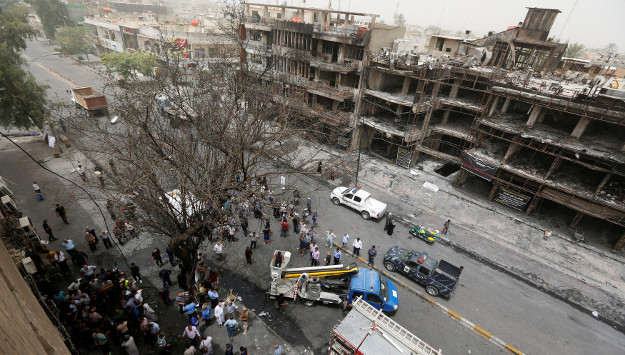
Weekly Briefing: Baghdad Bombing, NATO Summit, Israel’s Africa Outreach, and Saudi Embassy Trial in Iran
In this week’s briefing, MEI experts Hassan Mneimneh, Daniel Serwer, Paul Scham, and Alex Vatanka provide analysis on recent and upcoming events including the ISIS bombing in Baghdad, this week’s NATO summit in Warsaw, Israel’s outreach to Africa, and the trial in Iran over the ransacking of the Saudi embassy.
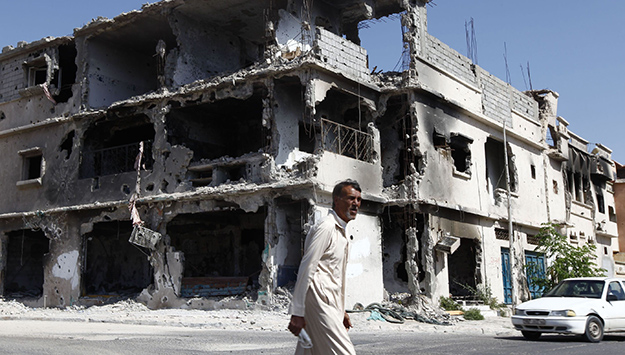
After the liberation of Sirte from ISIS, now the really hard work begins. The nine-member Presidential Council (P.C.) and the Government of National Accord (G.N.A.) that it named under Prime Minister Fayez Serraj have yet to receive an affirmative vote from the House of Representatives (H.O.R.) in Tobruk. Although a majority of H.O.R. members were prepared many weeks ago to confirm Serraj and his cabinet, speaker Aquila Saleh declined to bring the matter to a vote.
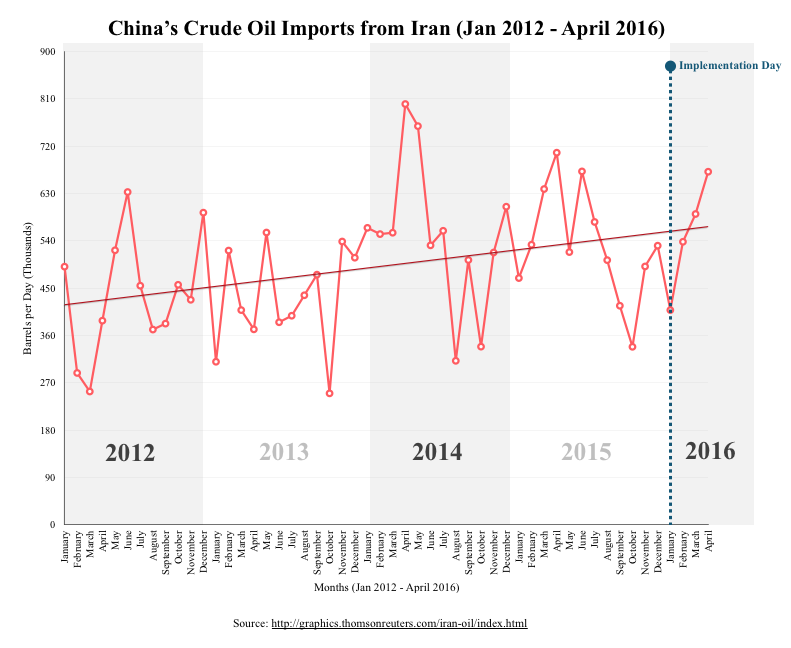
In 2011, China purchased 550,000 b/d, or 11% of its total crude oil imports, from Iran. However, the next year, China’s crude oil imports from Iran plummeted by 20% due to the imposition of nuclear-related sanctions on Iran by the U.S. and European countries. In 2012 and 2013 China’s purchases from Iran fell to just 8% of its total crude oil imports. Progress in the negotiations between Iran and the P-5+1 countries at the end of 2013 permitted China to restore crude imports from Iran to pre-sanction levels.
Ensuring More Effective Responses to Natural Disasters: Pakistan in Perspective
This essay draws on recent examples of efforts to respond to natural disasters in order to shed light on some of the main reasons such efforts often fall short of their desired outcome. To address these shortcomings, the author advocates, above all, the adoption of a long-term, holistic approach to disasters that could mitigate the risks associated with “slow burn” crises.
Governance Framework for Humanitarian Assistance and Disaster Response in ASEAN
This essay discusses the steps taken and progress made by the Association of Southeast Asian Nations (ASEAN) to address issues of humanitarian action and disaster response (HA/DR) in the region. The essay outlines ASEAN’s evolving governance framework for humanitarian and disaster relief (HA/DR), focusing on 1) the regulatory foundation, 2) key sectors and actors, 3) instruments to mobilize resources, and 4) coordination mechanisms. The essay also offers some thoughts about which principles and actions adopted by ASEAN member states aimed at strengthening their collective preparedness to respond to large-scale disasters might be applicable to the Middle East.
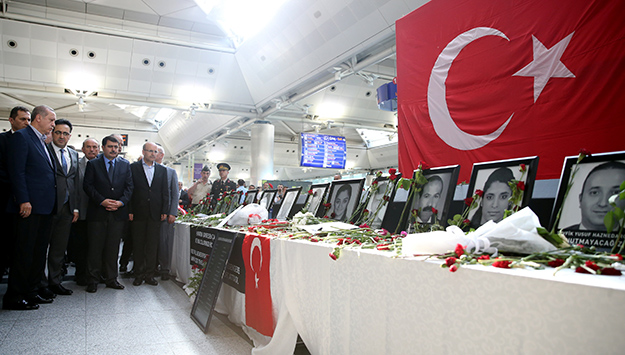
The gut-wrenching tragedy at Istanbul’s Ataturk Airport offers a chance now to strike more damaging blows against ISIS. The cold-blooded massacre of June 28 reveals key facts that call for a rapid and comprehensive response. Recognizing the truth of this massacre opens the door to a new start in Turkey’s own war policy to complement its recent diplomatic efforts to improve its international ties.
Private Sector Engagement in Disaster Response: Opportunity and Lessons
Public officials and other stakeholders in the Asia Pacific and MENA regions face the challenge of finding ways to strengthen their capacity to respond to natural disasters, and thereby reduce the loss of life and economic damage caused by them. This essay examines the opportunities for private sector engagement in disaster response and humanitarian assistance and the potential contribution of such engagement to mitigating disaster impacts in the MENA region.
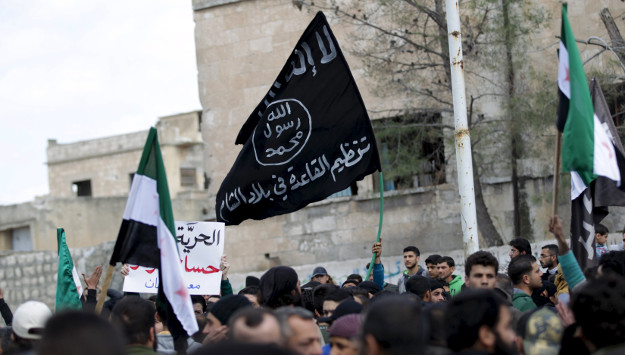
Having begun to turn the corner in the fight against ISIS earlier this year, it’s safe to say that we have now secured significant momentum in dissolving the terrorist group’s “state” project.
Although more victories have been won in Iraq, Syria too has witnessed ISIS lose a great deal more territory than it has won since mid-2014. It would seem therefore, that we have much to celebrate.
An “All-Hazards” Approach to Resilience: Benefits and Building Blocks
What could be done to guard against the possibility of a multi-disaster incident? Drawing upon the experience of the Great East Japan Earthquake of 2011, this essay discusses the need for, value of, and prerequisites for instituting an “All-Hazards” emergency management strategy.
The Next Challenge: Governing Liberated Cities after ISIS
Lieutenant General Abdulwahab al-Saadi, the Iraqi commander of the Iraqi forces fighting to retake Fallujah, said June 23 that his units held 80 percent of the city. This contrasts with the estimate from the U.S. military spokesman in Iraq on June 22, who said that Iraqi forces held only a third of the city. Whatever the exact figure, after heavy fighting, often street-by-street, the Islamic State will lose the city.
The oldest peer-reviewed publication dedicated to the study of the modern Middle East, MEI’s flagship journal covers politics, society, and culture in the region.