Recent Elections and What They May Mean for the Middle East
Recent elections for the Israeli Knesset and American Congress may make less of a difference in the Middle East than some people think. Elections are significant indicators of national political trends, but do not always translate into changes in national security strategies. That is likely the case now in both nations.
The Coming Debate Over the US Military Presence in the Gulf
The war with Iran is hardly over, but the debate over the shape and nature of the post-conflict American posture in the Gulf region is just beginning. Undoubtedly, how the war ends will affect how the United States adjusts its role. While this debate is still in its early stages, something of a conventional wisdom is already developing in policy circles that could seriously compromise American influence in the Middle East.
This report explores maritime security conditions in the Mediterranean and the evolving US engagement in the region. As critical infrastructure becomes increasingly vulnerable to sabotage, freedom of navigation is undermined by conflict, and energy disputes generate tension, US policy focus on the region has become fragmented and disengaged. The authors call for a sustained American role to strengthen maritime domain awareness, allied coordination, infrastructure protection, and the capacity to respond when Mediterranean crises affect US and transatlantic interests.
Since 1967, Israeli settlements in the West Bank have been a contested feature of the Israeli-Palestinian conflict. The ultimate disposition of the settlements and ongoing activity related to their growth have repeatedly defied agreement in negotiations over a resolution to the conflict.
The Houthis are a political-military faction and Zaydi religious movement founded in northwestern Yemen in the 1980s. A key member of Iran’s Axis of Resistance with links to other militant organizations in the Arabian Peninsula and the Horn of Africa, the group has continued to pose a threat to Western interests on a global scale.
The India-Middle East-Europe Economic Corridor (IMEC) is a proposed multinational infrastructure initiative aimed at upgrading connectivity between the three regions through integrated trade, energy, and digital networks. Announced at the G20 summit in New Delhi in September 2023, IMEC is envisioned partially as a counterweight to China’s international infrastructure project, the Belt and Road Initiative.
After a decade of post-Arab Spring isolation, Turkey’s leaders have recognized that their ambition to position the country as an agenda-setter on the world stage requires active engagement in all directions. President Recep Tayyip Erdoğan’s consolidation of executive authority has centralized foreign policy decision-making and tied it to his domestic political priorities, transforming the country’s revisionist approach to one shaped primarily by personal and pragmatic interests.
MEI Senior Fellow Brian Katulis engages friends, colleagues, and policy experts in casual conversations on the most important happenings in the Middle East.
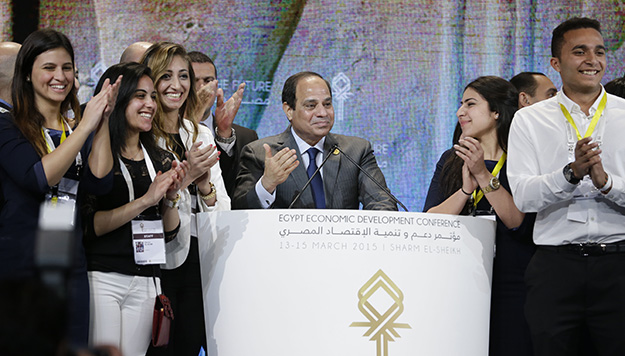
The Egypt Economic Development Conference: Success or Failure?
Saudi Arabia’s late King Abdullah first conceived of the Egypt Economic Development Conference (EEDC) as a means of supporting Egypt and its new government after the toppling of President Mohamed Morsi in June 2013. The plan was to provide a forum through which donors could coordinate their economic assistance, and lengthy preparations finally culminated in a well-organized event on March 13-15.
March 24, 2015: Alex Vatanka, senior fellow at The Middle East Institute, discusses the mood in Tehran as the deadline for negotiations approaches, the state of U.S.-Iranian relations, and what reaching a deal could mean to that relationship and the Arab world, in a brief interview.
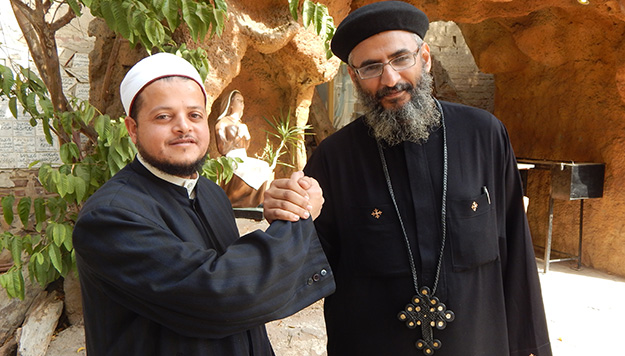
The Egyptian Family House: Fostering Religious Unity
Egypt’s President Abdel Fattah el-Sisi has not been shy about the need to reform religious discourse and relations.[1] He is concerned about how the image of Islam has been marred by Muslims themselves, and how extremist thought has torn the fabric of Muslim-Christian unity. Visiting the Coptic Orthodox cathedral on Christmas Eve, he told the cheering audience, “We will build Egypt together.
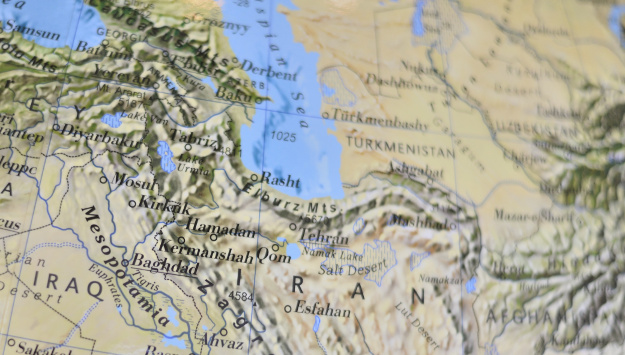
President Hassan Rouhani’s recent trip to Turkmenistan cannot be dismissed as a one-off. Since coming to office in August 2013, the Rouhani administration has prioritized relations with the Muslim states of the former Soviet Union. Given the potential for economic ties and trade, Tehran’s aspirations are fully understandable.
Collection Spotlight: In the Name of Oil: Anglo-American Relations in the Middle East, 1950-1958
Ivan L. G. Pearson’s In the Name of Oil: Anglo-American Relations in the Middle East, 1950-1958 provides a comprehensive analysis of the extent to which British interests in the Middle East influenced or were furthered by the United States between 1950 and 1958.
The Middle East is in disarray, but in Gaza, of all places, there are fragile hints of better days.
Two weeks ago, for the first time since Hamas’s takeover of the Gaza Strip in 2007, Israel permitted produce exports from Gaza into Israel and the West Bank.
Former British Prime Minister Tony Blair acknowledged Gaza’s plight during a visit to the area in February.
Historically, promoting dialogue between people of different nations has been a way to build bridges of understanding between countries. For example, since 1946, the U.S. Fulbright Exchange has served to strengthen relations between the United States and other countries. Similarly, as the partnership between China and the UAE has grown significantly in recent years, both governments have come to recognize the importance of overcoming linguistic-cultural barriers. They have therefore worked cooperatively to increase the number of Emirati and Chinese professionals who are acquainted with each other’s societal norms and customs, methods of performing business, and national and institutional interests.
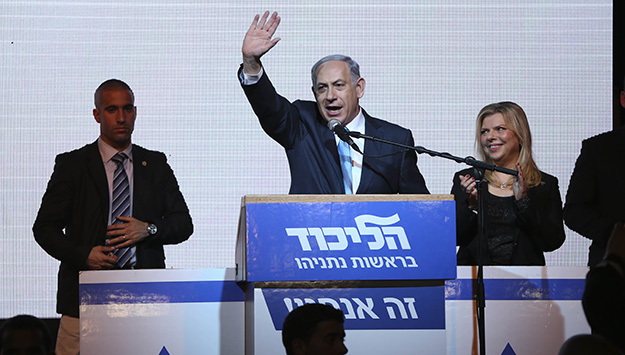
Those Israelis who hoped for a change in Israel’s direction awoke this morning to news worse than they had feared. With more than 99 percent of the vote reportedly counted, Prime Minister Benjamin Netanyahu’s Likud Party has won 30 seats to 24 for his main challenger, the Zionist Union’s Isaac Herzog.
Frustrated Turkey Turns to Onetime Ally Saudi Arabia
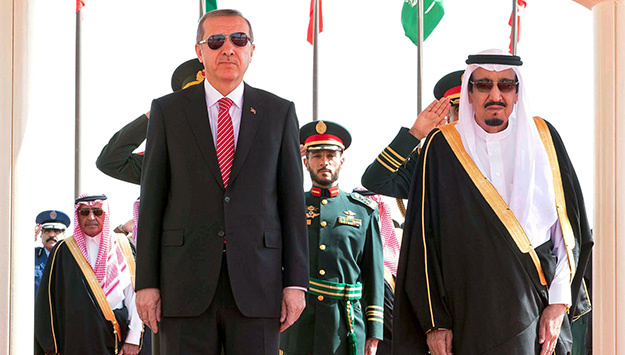
Frustrated by the United States’ failure to heed its advice on Syria and Iraq, and by Iran’s growing clout in these countries, Turkey seems to have decided to mend its frosty relationship with Saudi Arabia. When King Abdullah died earlier this year, Turkish President Recep Tayyip Erdogan immediately cut short an African tour and flew to Riyadh to offer his condolences. He declared a period of mourning in Turkey and ordered the Turkish flag to be flown at half-mast.
The GCC States and the Viability of a Strategic Military Partnership with China
The term “strategic partnership” has been increasingly used in GCC circles to signify that relations with China are important and worthy of long-term investment. In a March 14, 2014 speech during his visit to Beijing, Saudi Arabia’s then Crown Prince Salman announced that “we are witnessing the transformation of the relationship with China to one of strategic partnership with broad dimensions, to the benefit of both our countries.” Saudi Arabia’s position was echoed by the emir of Qatar during a 2014 visit to China in which issues of common concern to all GCC states, especially combating terrorism, were discussed. Abdel-Aziz Aluwaisheg, GCC general assistant secretary for negotiations and strategic dialogue, has also noted that there is growing interest in the Gulf to develop a “strategic dialogue” with China.
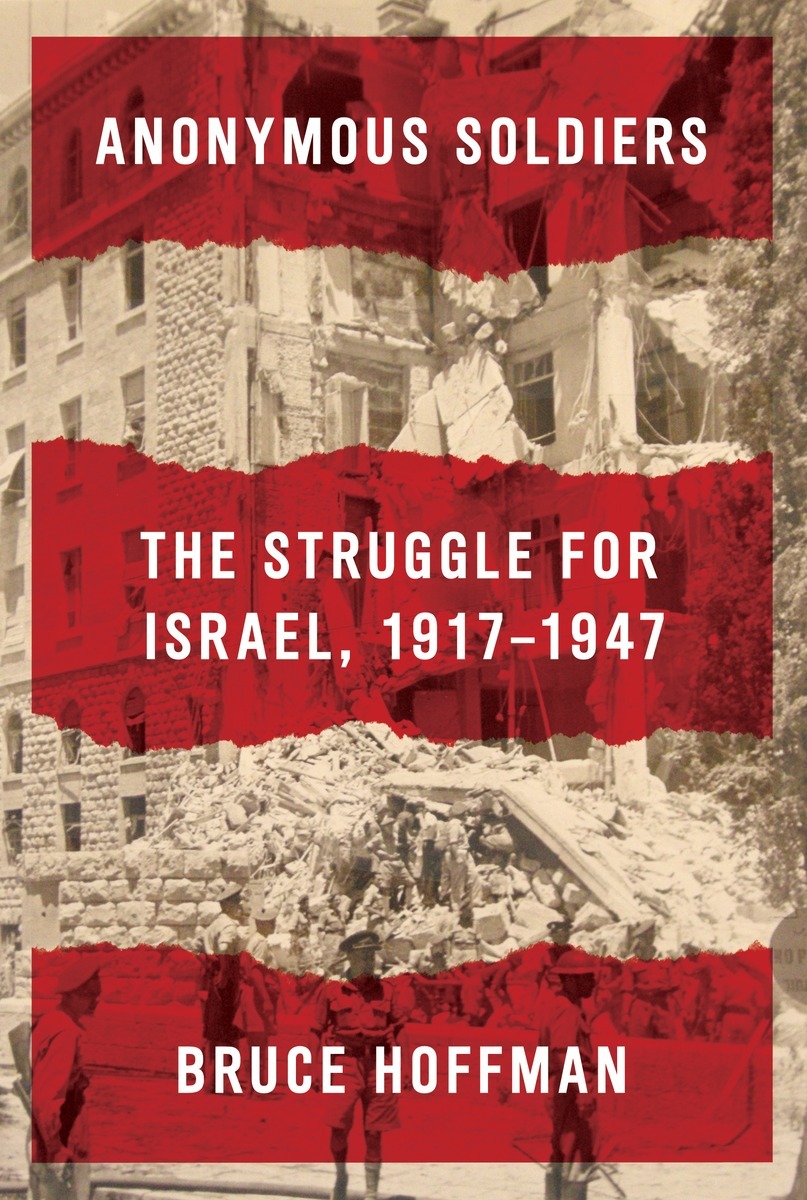
Anonymous Soldiers: The Struggle for Israel, 1917-1947
A review of Anonymous Soldiers: The Struggle for Israel, 1917-1947, By Bruce Hoffman (Knopf 2015). This book review was first published by The Washington Post.
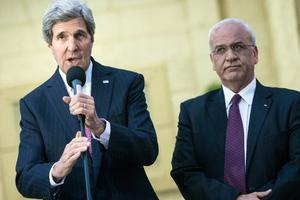
Do Kerry’s Remarks on Syria Represent a Break with Previous Policy?
Over the weekend, the Western and Arab media reported extensively on U.S. Secretary of State John Kerry’s remarks, given on the fourth anniversary of the Syrian revolution, that the United States must negotiate “in the end” with Bashar al-Assad. Are his remarks anything new, or do they represent a continuation of previous policy? MEI’s Robert Ford weighs in.
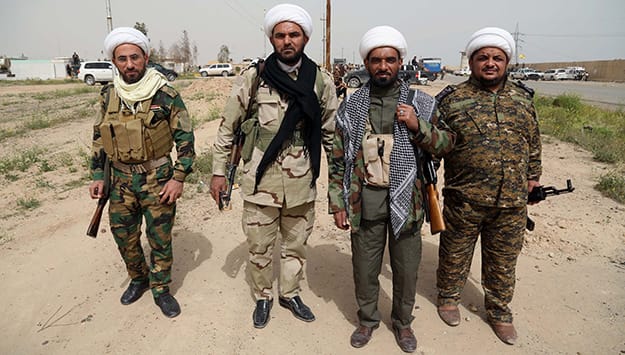
It has long been known that the Assad regime, facing a shortage of manpower in its regular army, has had to rely on irregular paramilitaries in its bid to reverse rebel advances. This became particularly apparent in 2013, when Hezbollah openly declared its participation in the capture of Qusayr, a town in Homs Province on the border with Lebanon.
When Islam Was an Ally: China’s Changing Concepts of Islamic State and Islamic World
For many at present, the phrase “China and Islam” connotes conflict and oppression. This is due to a preponderant focus on the security situation in the Muslim-majority northwestern province of Xinjiang. Chinese policies in Xinjiang—particularly restrictions placed on Xinjiang’s Turkic Uighurs regarding beards, veils, and fasting during Ramadan—have been perceived as targeting Muslims as Muslims, exacerbating the security concerns they were meant to address. Moreover, the pursuit of stability in Xinjiang has led the Chinese government to adopt an anti-terrorism rhetoric reminiscent of its American counterpart.
The oldest peer-reviewed publication dedicated to the study of the modern Middle East, MEI’s flagship journal covers politics, society, and culture in the region.


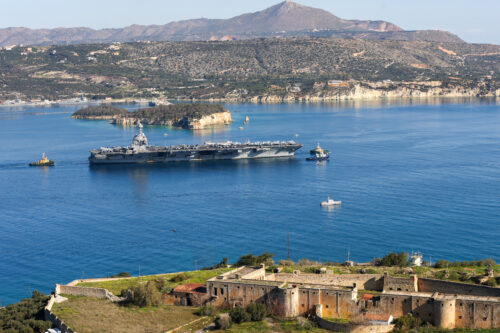








 Ivan L. G. Pearson’s In the Name of Oil: Anglo-American Relations in the Middle East, 1950-1958 provides a comprehensive analysis of the extent to which British interests in the Middle East influenced or were furthered by the United States between 1950 and 1958.