Skip to Content

Research & Commentary

Read in-depth research, analysis, and commentary from MEI’s fellows and experts on the Middle East. 

Iran: What’s Next for US Policy as the Region Seeks to Move On
  • Analysis
  • Iran: What’s Next for US Policy as the Region Seeks to Move On

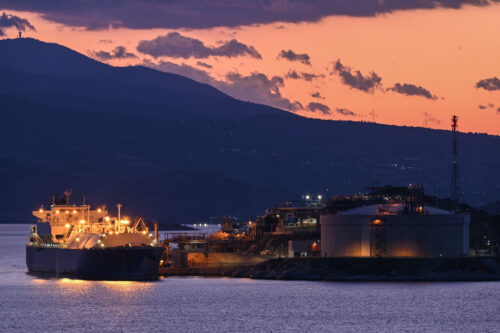
    As the US and Iran move to reopen the Strait of Hormuz, the war’s real lesson lies in how Gulf states rapidly adapted — building pipelines, ports, and rail to bypass the chokepoint. Washington should seize this momentum, pursuing a “long game” of regional connectivity that serves shared security and economic interests.

    Russia’s Taliban Embrace Signals a New Power Shift in Afghanistan
  • Commentary
  • Russia’s Taliban Embrace Signals a New Power Shift in Afghanistan

    Sometimes the only thing more frightening than Afghanistan’s problems is the Taliban’s solutions and the recently signed Russia-Taliban military-technical agreement may be the most alarming one yet. The partnership signals that Afghanistan’s security architecture is being rebuilt without the United States, and increasingly by America’s rivals. Washington should pay close attention because the deal hands one of the world’s most repressive regimes a pathway to becoming more capable and deeply entrenched in a regional order where Russian influence is expanding at America’s expense.

    Attacked by All Sides Iraq’s New Government Faces Old Problems
  • Podcast
  • Attacked by All Sides Iraq’s New Government Faces Old Problems

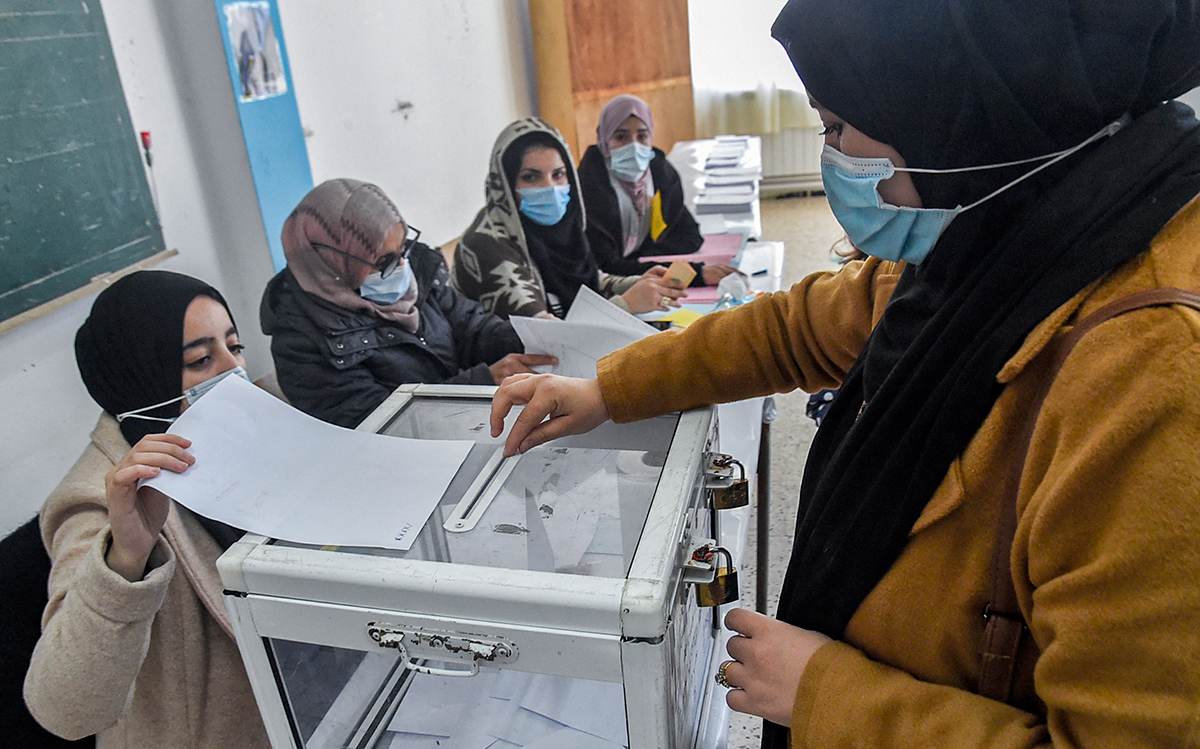
    After months of deadlock following the November 2025 elections, Iraq’s parliament approved a new government under Prime Minister Ali al-Zaidi on May 14, 2026 — just as the country has become a battleground in the US-Israel-Iran war. Zaidi inherits a daunting brief: reviving a struggling economy, reining in armed factions, and steering Iraq through a perilous regional landscape. Dr. Renad Mansour, deputy director of the Middle East and North Africa Programme and director of the Iraq Initiative at Chatham House, joins host Alistair Taylor to discuss the war’s impact on Iraq — from Iran’s militia networks to the surge of attacks on the Kurdistan region — and how it’s reshaping Baghdad’s ties with Tehran and Washington.

    June 11, 2026

    Additional Research & Commentary

    Backgrounders

    The Houthis
  • Backgrounder
  • The Houthis

    The Houthis are a political-military faction and Zaydi religious movement founded in northwestern Yemen in the 1980s. A key member of Iran’s Axis of Resistance with links to other militant organizations in the Arabian Peninsula and the Horn of Africa, the group has continued to pose a threat to Western interests on a global scale.

    May 15, 2026

    The Abraham Accords
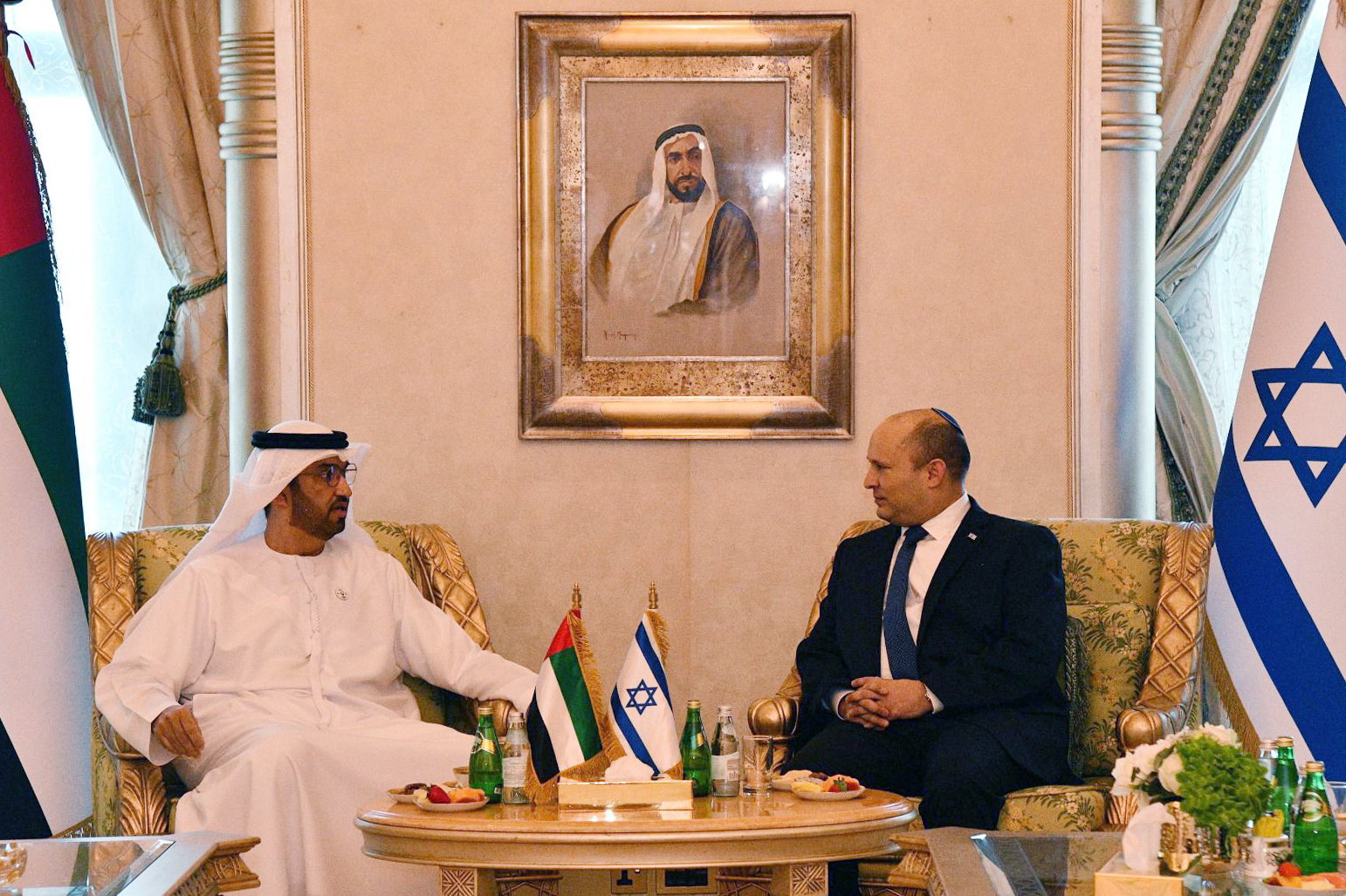
    Photo by Alex Wong/Getty Images
  • Backgrounder
  • The Abraham Accords

    This backgrounder provides an overview of how the Abraham Accords came about, the US interests involved, their economic and strategic consequences, and the prospects for further enlargement going forward.

    November 17, 2025

    Turkish Foreign Policy
  • Backgrounder
  • Turkish Foreign Policy

    After a decade of post-Arab Spring isolation, Turkey’s leaders have recognized that their ambition to position the country as an agenda-setter on the world stage requires active engagement in all directions. President Recep Tayyip Erdoğan’s consolidation of executive authority has centralized foreign policy decision-making and tied it to his domestic political priorities, transforming the country’s revisionist approach to one shaped primarily by personal and pragmatic interests.

    April 23, 2026

    Western Sahara: Why the conflict still matters
  • Video
  • Western Sahara: Why the conflict still matters

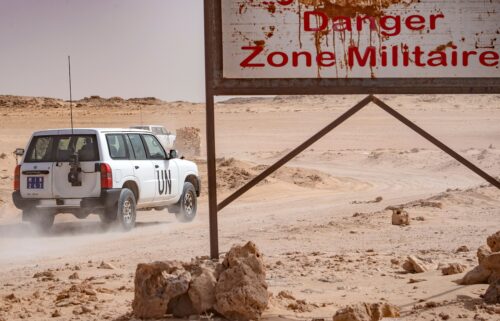
    As the Western Sahara conflict reaches its fifth decade, the territorial dispute remains unresolved and largely unknown. MEI’s Intissar Fakir unpacks the Western Sahara’s complex history and the rival claims by Morocco and the Sahrawi Arab Democratic Republic. She examines recent developments, such as President Trump’s recognition of Moroccan sovereignty over the territory and the collapse of a 30-year cease-fire, as well as the core questions that remain unanswered after half a century.

    August 7, 2025

    Podcasts

    Middle East Focus

    MEI’s flagship weekly podcast on US foreign policy and contemporary political and social issues in the Middle East.

    Taking the Edge Off the Middle East

    MEI Senior Fellow Brian Katulis engages friends, colleagues, and policy experts in casual conversations on the most important happenings in the Middle East. 

    Rethinking Democracy

    MEI Senior Fellow Gonul Tol hosts leading scholars and thought leaders on global democracy trends and the state of the liberal international order. 

    Filter by
    8732 Results
    Extreme Heat: The Urgent Climate Impact
    Photo by KHALED DESOUKI/AFP via Getty Images
  • Analysis
  • Extreme Heat: The Urgent Climate Impact

    The most immediate threat posed by climate change to the Middle East, one that will be in the forefront of climate adaptation efforts within the next five years, is extreme heat. Average global temperatures have been projected to increase up to 1.5°C by 2030.

    October 20, 2021

    A Window of Opportunity to Avoid Devastating Climate Outcomes in MENA
    Photo by Oliver Weiken/picture alliance via Getty Images
  • Analysis
  • A Window of Opportunity to Avoid Devastating Climate Outcomes in MENA

    The latest study released by the Intergovernmental Panel on Climate Change — a body of scientists assembled by the United Nations — delivered a sobering message: The devastating impacts of climate change are now unavoidable.

    October 20, 2021

    The Middle East and the Global Energy Transition
    GettyImages-94642059.png
  • Analysis
  • The Middle East and the Global Energy Transition

    The Middle East is at the center of our global energy transition and we can expect the next five to ten years to be a period of difficult transformation, but also unique opportunity for oil and gas producers.

    Building Forward Better in the Middle East and North Africa: A Medium-Term Perspective
    Photo by AFP via Getty Images
  • Analysis
  • Building Forward Better in the Middle East and North Africa: A Medium-Term Perspective

    The strong and coordinated policy actions to save lives and support the recovery in Middle East and North Africa (MENA) region will hopefully put the health crisis behind us in a few years. Meanwhile, this crisis has posed major challenges to the region’s economies that have embarked on a long and divergent path to recovery and highlighted the limitations of the current growth model. But it also provides a rare opportunity in the quest to move to a new development model to enhance growth and accelerate the transition toward a more sustainable and inclusive path.

    October 20, 2021

    America’s reputation and local actors in a trust vacuum
    Photo by Andrew Renneisen/Getty Images
  • Analysis
  • America’s reputation and local actors in a trust vacuum

    The rapid collapse of the U.S.-supported Afghan government after the withdrawal of U.S. troops raised a number of questions about America’s credibility and reputation in the eyes of its allies, especially those who had participated in and contributed to the 20-year war. Analysts and commentators have focused on how NATO member states or the European Union now perceive the U.S., but it is also important to consider the perspective of non-state groups or individuals who served or could serve as local partners for the U.S. government and military.

    October 20, 2021

    Arab States’ Risky Medium-Term Bets
    Photo by David Degner/Getty Images
  • Analysis
  • Arab States’ Risky Medium-Term Bets

    Not unlike during the lost decade of the 1980s, all Arab states are, to various degrees, in some form of deep crisis: weakened by fiscal deficits, losing their capacity to deliver services, unable to tax fragile economies, and facing the threat of social unrest. COVID-19 has revealed most of these weaknesses further.

    October 19, 2021

    The Political Economy of Reform in Post-COVID MENA
    Photo by FAYEZ NURELDINE/AFP via Getty Images
  • Analysis
  • The Political Economy of Reform in Post-COVID MENA

    Everybody wants development, nobody wants to change. This adage, variants of which have been attributed to many authors, is certainly true for the Middle East and North Africa (MENA).

    October 19, 2021

    A History of Arab Foresight: Lessons Learned
    Photo by Majdi Fathi/NurPhoto
  • Analysis
  • A History of Arab Foresight: Lessons Learned

    Although foresight on the Middle East and North Africa (MENA) is having a heyday today, this was far from always the case. A survey shows that in the early 2000s, a mere 14 foresight studies on the region came out — more than half of which were undertaken in the United States, and a quarter in Europe.

    October 19, 2021

    The US and the Middle East: Shaping the Future
    Photo by JOSEPH EID/AFP via Getty Images
  • Analysis
  • The US and the Middle East: Shaping the Future

    The world is changing and priorities are changing with it. The 2020 global pandemic has reshaped our evaluation of risks and rewards. The capacity of governments to manage crises and safeguard the well-being of populations has become the new metric by which citizens measure their success. The potential for global phenomena outside the management capacity of any governing institution to produce political and economic upheaval has become a reality.

    October 19, 2021

    The Future of Regional and International Dynamics in the Middle East
    Photo by Royal Hashemite Court/Handout/Anadolu Agency via Getty Images
  • Analysis
  • The Future of Regional and International Dynamics in the Middle East

    Amid the troubling imagery of a Taliban victory in Afghanistan, teetering governments in Lebanon and Iraq, and ongoing civil wars in Syria, Yemen, and Libya, it is hard to defend the view that the future of the Middle East will be better than the present. Pessimism about the region’s future has become accepted as a truism among those of us who observe and analyze this troubled part of the world. But pessimistic projections that the region will remain mired in its current state of turmoil cloud our ability to properly analyze the future as much as, or even more than, naïve and gratuitous optimism.

    Biden’s White House meeting with the Ecumenical Patriarch offers a unique opportunity
    BULENT KILIC/AFP via Getty Images
  • Analysis
  • Biden’s White House meeting with the Ecumenical Patriarch offers a unique opportunity

    Bartholomew I, the Ecumenical Patriarch of Constantinople and spiritual leader of nearly 300 million Orthodox Christians globally, will visit the United States between Oct. 23 and Nov. 3. He will inaugurate the centennial celebration of the founding of the Greek-Orthodox Archdiocese of America in his first U.S. visit in 12 years. The Ecumenical Patriarch’s first stop will be Washington, DC, where he is due to meet with President Joe Biden at the White House. This in-person meeting provides the Biden administration a unique opportunity not only to raise human rights and religious freedom issues in Turkey but also to push back against Russian attempts to undermine the Ecumenical Patriarchate, which the Kremlin sees as a threat and targets with disinformation campaigns.

    October 19, 2021

    Biden, Raisi and Iran’s Nuclear File
    Photo by ATTA KENARE/AFP via Getty Images
  • Commentary
  • Biden, Raisi and Iran’s Nuclear File

    The government of President Ebrahim Raisi has been in place since early August and yet Tehran is still unsure about when and how it should resume the nuclear talks with world powers in Vienna.

    Read the Middle East Journal

    The oldest peer-reviewed publication dedicated to the study of the modern Middle East, MEI’s flagship journal covers politics, society, and culture in the region.