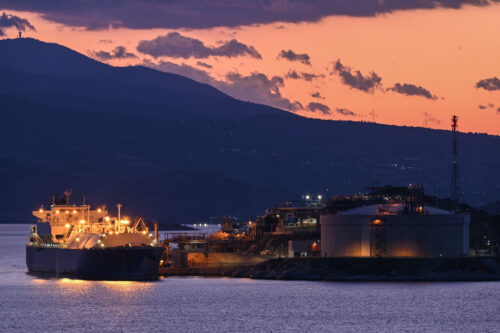
In less than two decades, a string of offshore discoveries has turned the Eastern Mediterranean into a significant gas-producing region, making Israel an exporter, twice lifting Egypt into the ranks of liquefied natural gas (LNG) exporters, and giving Cyprus finds it has yet to bring to market. This backgrounder explores the potential and challenges of exploiting and managing LNG resources in the region.
Deadlock in Gaza and the West Bank at a Breaking Point
A year after world leaders gathered in Sharm el-Sheikh to mark the end of the war in Gaza, Israel controls about 70% of the Strip, Hamas retains its arms, and reconstruction has yet to begin. Meanwhile, in the West Bank, record settler violence and settlement expansion are colliding with a Palestinian Authority on the brink of fiscal collapse. Hosts Alistair Taylor and Matthew Czekaj are joined by MEI Associate Fellow Tahani Mustafa to discuss why the Gaza peace plan is deadlocked, an increasingly emboldened Israel in the West Bank, Mahmoud Abbas’s postponement of Palestinian elections, the Palestinian Authority’s deepening economic crisis, and what role the US could play.
MINURSO’s Future: What the Security Council’s Choice May Reveal
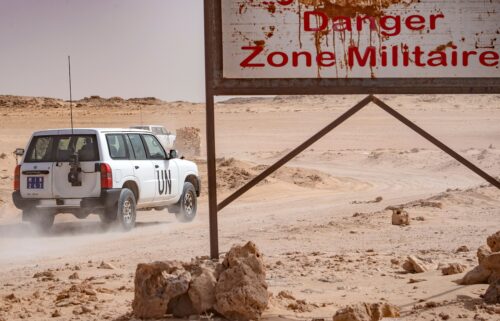
As the United Nations Security Council (UNSC) approaches the October 31 renewal deadline of the UN Monitoring Mission in Western Sahara (MINURSO), the mission’s longer-term future remains uncertain. Another largely unchanged renewal remains a likely immediate outcome. But beyond that holding pattern, three possible scenarios are also on the table.
Since 1967, Israeli settlements in the West Bank have been a contested feature of the Israeli-Palestinian conflict. The ultimate disposition of the settlements and ongoing activity related to their growth have repeatedly defied agreement in negotiations over a resolution to the conflict.
The Houthis are a political-military faction and Zaydi religious movement founded in northwestern Yemen in the 1980s. A key member of Iran’s Axis of Resistance with links to other militant organizations in the Arabian Peninsula and the Horn of Africa, the group has continued to pose a threat to Western interests on a global scale.
The India-Middle East-Europe Economic Corridor (IMEC) is a proposed multinational infrastructure initiative aimed at upgrading connectivity between the three regions through integrated trade, energy, and digital networks. Announced at the G20 summit in New Delhi in September 2023, IMEC is envisioned partially as a counterweight to China’s international infrastructure project, the Belt and Road Initiative.
After a decade of post-Arab Spring isolation, Turkey’s leaders have recognized that their ambition to position the country as an agenda-setter on the world stage requires active engagement in all directions. President Recep Tayyip Erdoğan’s consolidation of executive authority has centralized foreign policy decision-making and tied it to his domestic political priorities, transforming the country’s revisionist approach to one shaped primarily by personal and pragmatic interests.
MEI Senior Fellow Brian Katulis engages friends, colleagues, and policy experts in casual conversations on the most important happenings in the Middle East.
The migration crisis on the EU’s eastern border: A new transit route from the MENA region?
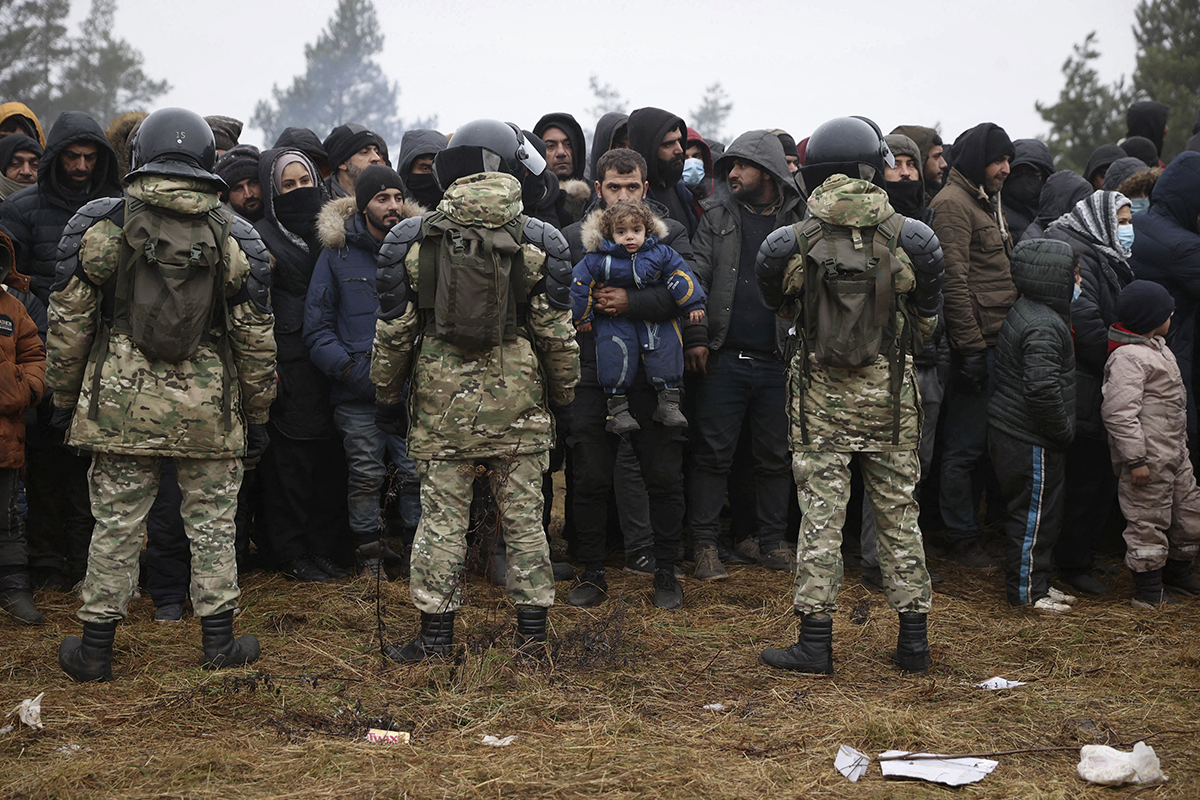
The migration crisis on the eastern border of the EU, which began earlier this summer and has ramped up dramatically in recent months, came as a surprise not only to the border countries, such as Lithuania, Latvia, and Poland, but also to top EU leaders. After the European migration crisis of 2015, EU politicians became used to the influx of migrants from countries in the MENA and Sub-Saharan Africa travelling through Mediterranean routes and Turkey. When it seemed as though mechanisms to prevent migration flows and control the main transit routes had been developed, a new crisis emerged in the last place anyone would have expected: Belarus. What gave rise to this crisis and what does it mean for the migrants who are desperately trying to enter the EU from Belarus as well as the countries facing a sharp rise in uncontrolled migration?
فريق بايدن للشرق الأوسط يحاول الإبقاء على الوضع الراهن
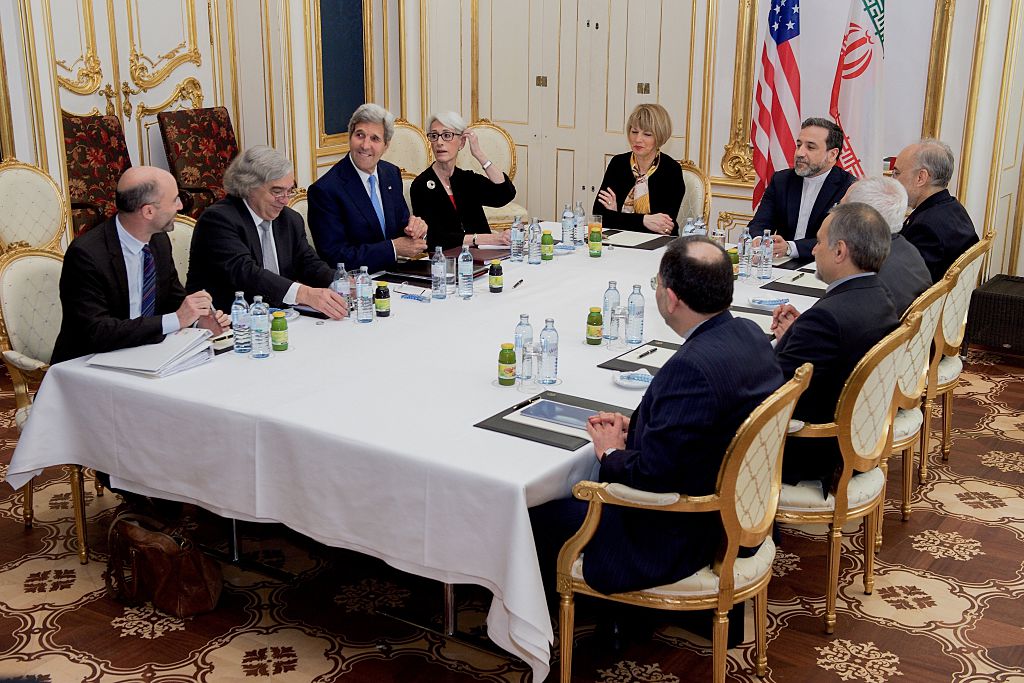
عشية المحادثات النووية بين القوى العالمية وإيران المقرر استئنافها في فيينا في نهاية نوفمبر/تشرين الثاني، أرسل الرئيس الأمريكي جو بايدن عضوين رئيسيين من فريق الشرق الأوسط التابع له إلى المنطقة للتشاور مع شركاء إقليميين مقربين. مع اقتراب الجولة التالية من محادثات إيران، بدأ فريق بايدن في إعادة تقييم بعض جوانب مقاربته الأولية تجاه الشرق الأوسط.
Plotting like a revolutionary: The need for growing like-minded humanistic networks of Iranians and Arabs
It is a mistake to view Iran’s regional aggression and hegemony as purely a result of violence and terrorism. Iran’s powerplay also has important media, political, economic, and cultural aspects.
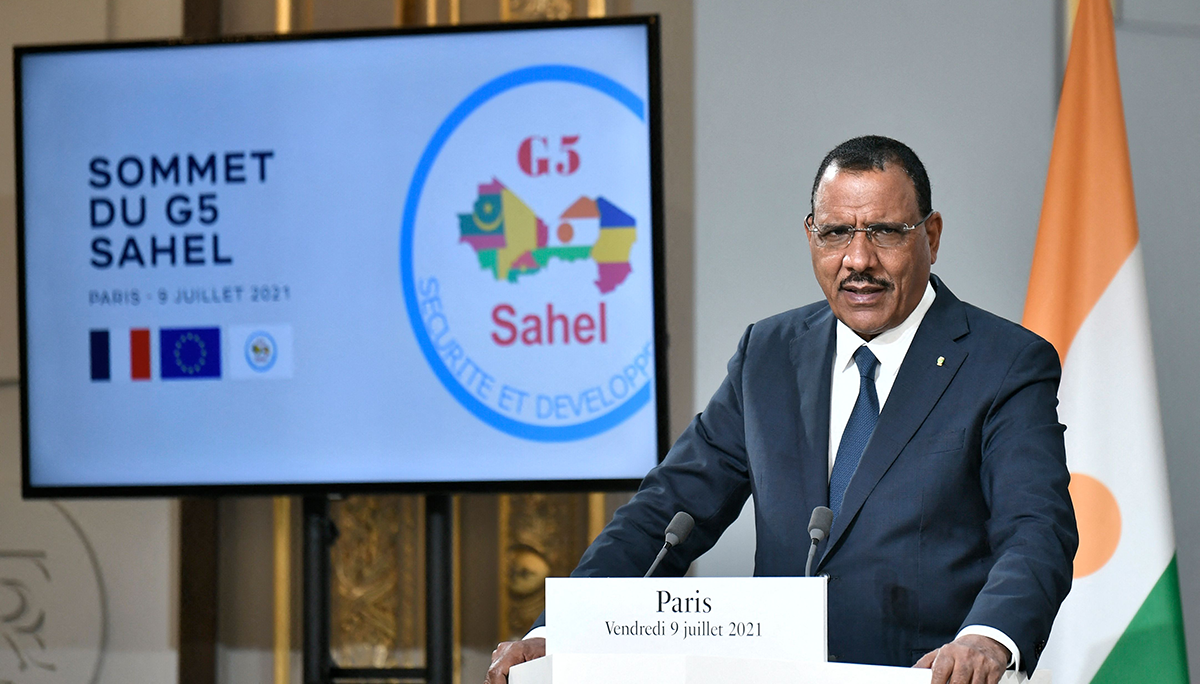
Conflicting agendas and strategic rivalry in the Sahel
The Sahel reveals a lot about how Africa has become an area of competition between world powers with different foreign policy priorities, as they vie for greater political, military, and economic influence on the continent. A major arena of geo-economic and geopolitical contestation, the region presents both challenges and opportunities for many traditional and emerging players, including the West, Russia, China, and ambitious regional actors like Turkey.
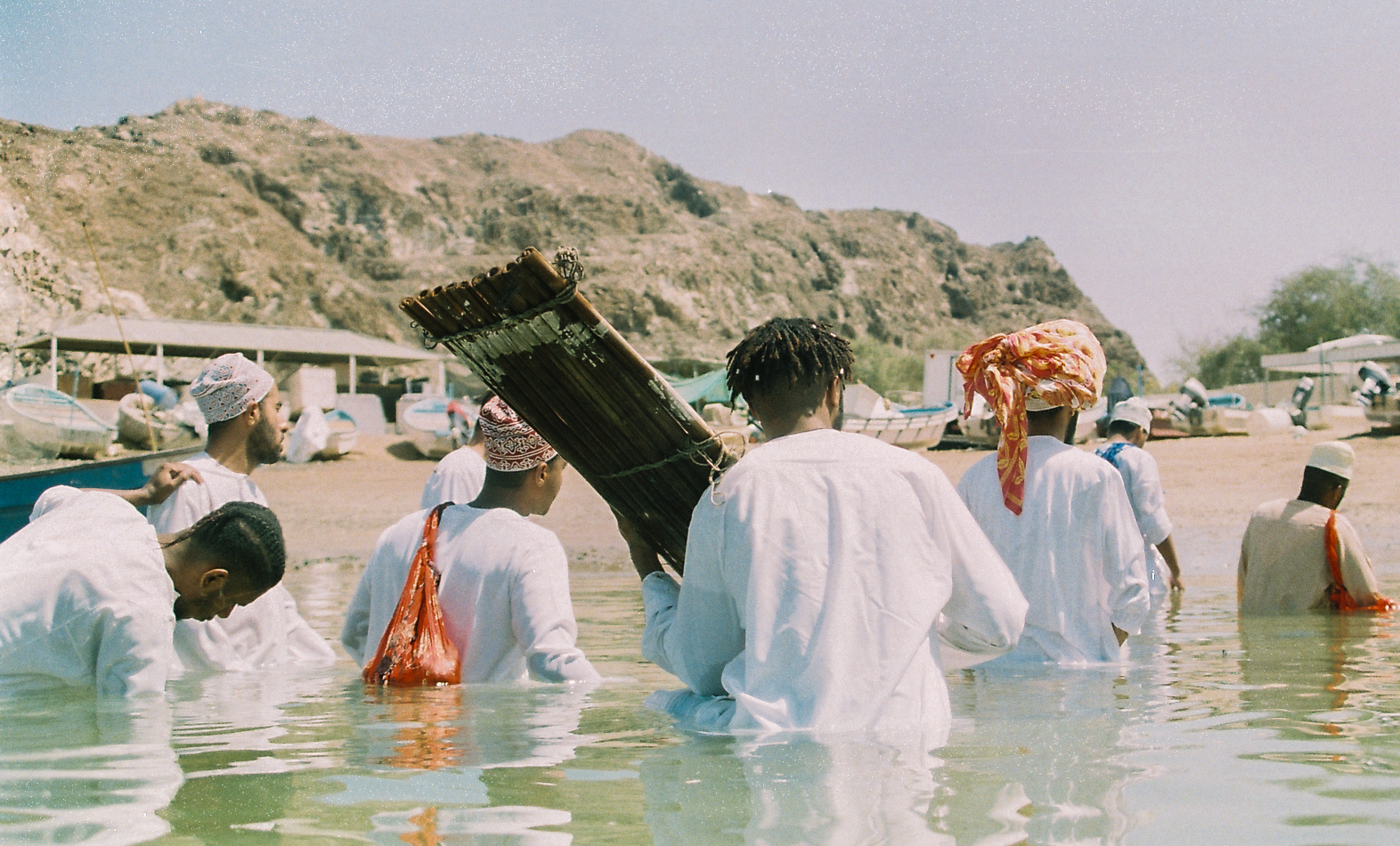
Travels beyond Gurnah: Migration in the work of Ali Al-Sharji and Shaima Al-Tamimi
When Abdulrazak Gurnah was awarded the Nobel Prize in Literature in October, he and his novels came under the international spotlight. The award committee praised his “uncompromising and compassionate penetration of the effects of colonialism and the fates of the refugee in the gulf between cultures and continents.” But Gurnah is not the only son of Zanzibar whose art has been shaped by the memories of migration, and his recent recognition is an occasion to highlight and reflect on creative work in different media by individuals of similar backgrounds who have also been shaped by the trauma of forced departure.
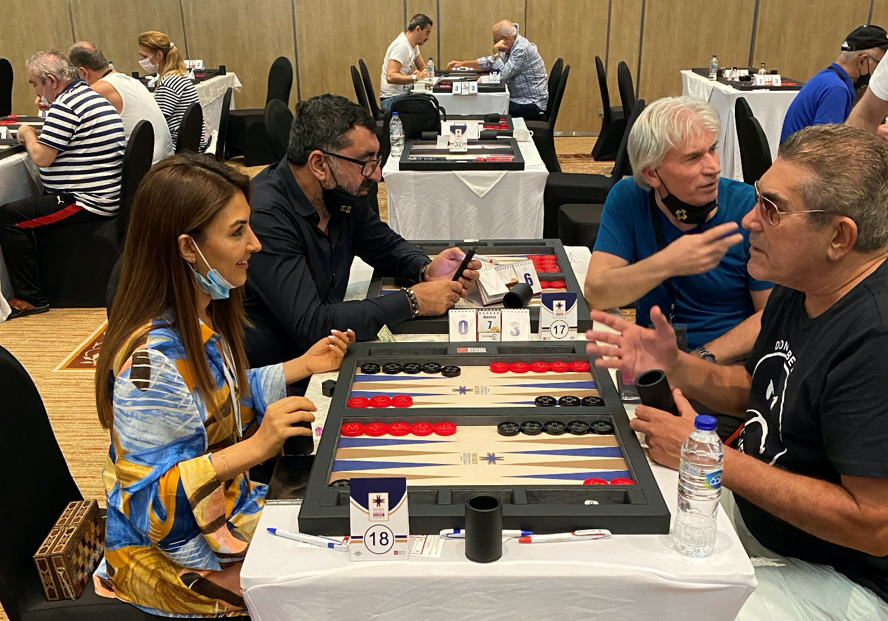
A personal vantage point on the gamble of the Abraham Accords: Dubai’s first international backgammon championship
Jason Pack on the 2021 Oasis Backgammon Championship, the first major international backgammon tournament to be hosted in the Arab World in recent memory, and how it reflects broader changes in the Middle East.
Alex Vatanka and Michael Metrinko discuss the Iranian hostage crisis, how it has shaped US-Iran relations, and what that history tells us about the present and potential future of the Islamic Republic. Metrinko also recounts his experience as a political officer at the embassy in Iran in 1979 and being one of the 52 hostages.
Simmering frustration and a demand for change: Public service protests in the Kurdistan Region
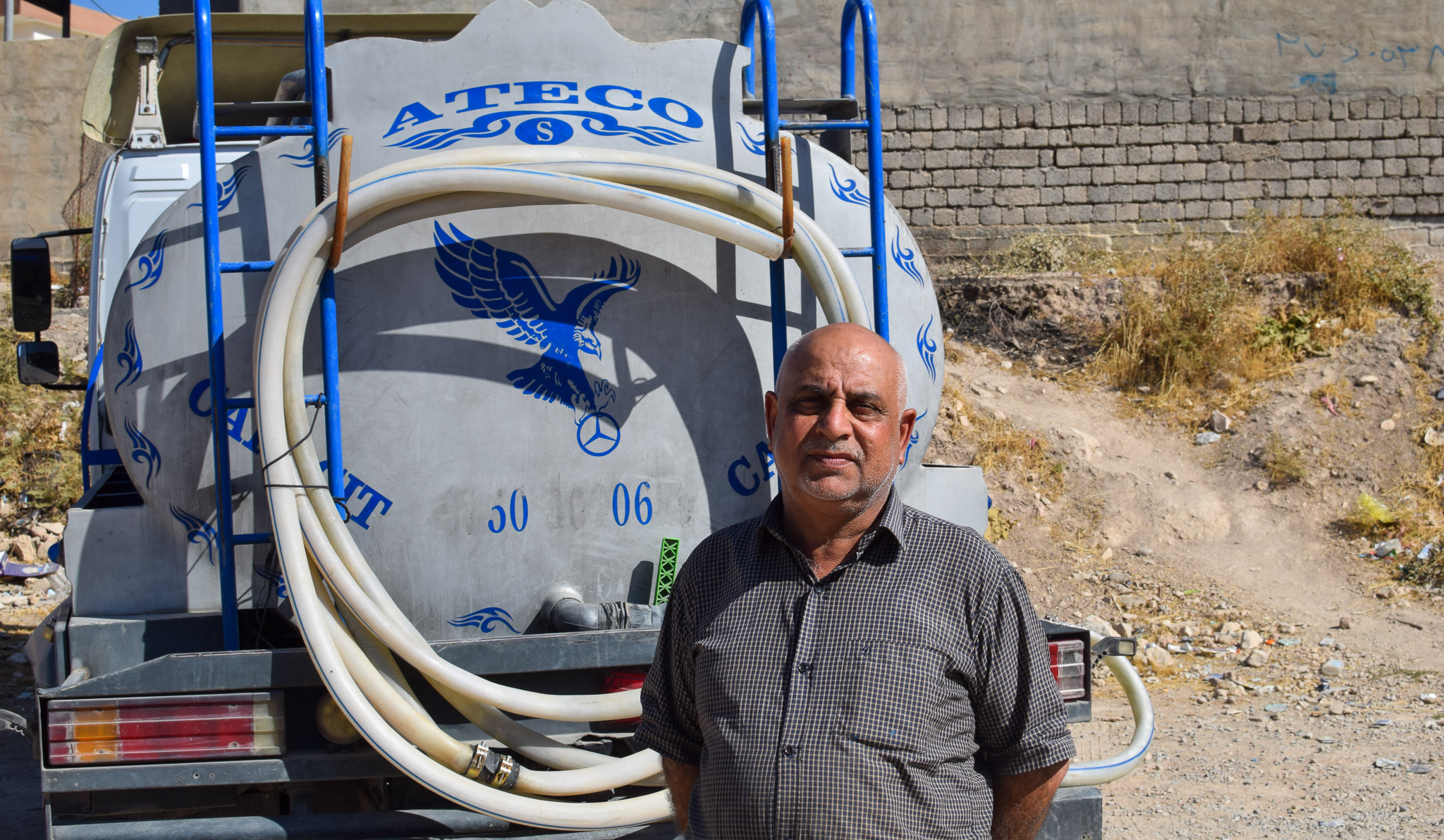
Despite its reputation for relative political stability and economic prosperity compared with its neighbors, the Kurdistan Region of Iraq (KRI) frequently experiences protests, driven by popular anger over the government’s unreliable provision of public services, especially water, electricity, and roads. These protests point to simmering dissatisfaction with governance in the KRI across broad swathes of the population. Although uncoordinated and localized at present, these protests have the potential to develop into a potent political force if they become better organized.
محاولة اغتيال رئيس الوزراء العراقي تتجاوز خطًا أحمر رئيسيًا
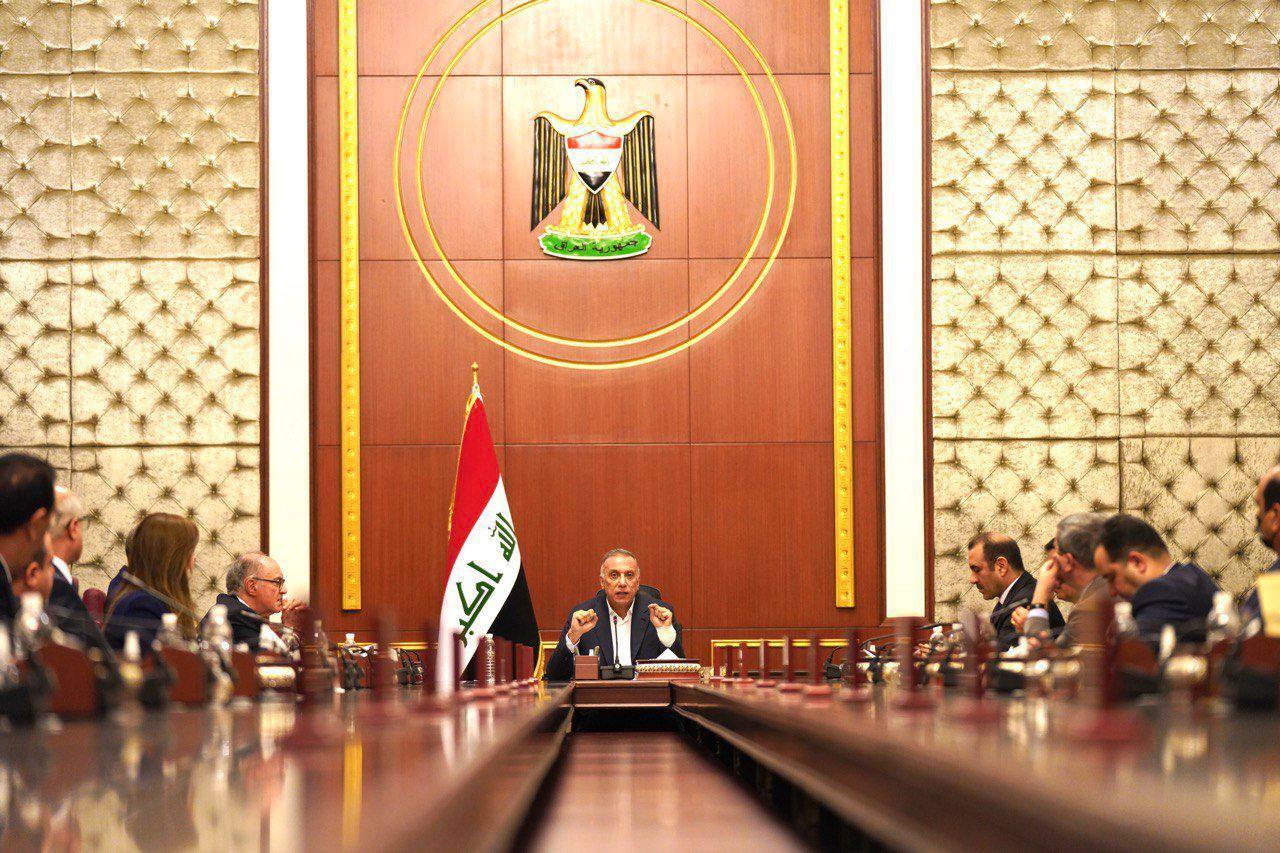
في بلد أخذ نصيبه العادل من العنف، نرى أن ما وقع في السابع من نوفمبر/تشرين الثاني، من محاولة لاغتيال لرئيس الوزراء مصطفى الكاظمي، والتي يعتقد المسؤولون الأمنيون العراقيون الآن أنها من صنع الميليشيات العراقية المدعومة من إيران، قد تجاوزت خطًا أحمر رئيسيًا. جاء هذا الهجوم بعد يومين من توجيه قادة مليشيات عصائب أهل الحق وكتائب حزب الله وقنواتهم الإعلامية المختلفة تهديدات ضد رئيس الوزراء ومسؤولين أمنيين آخرين.
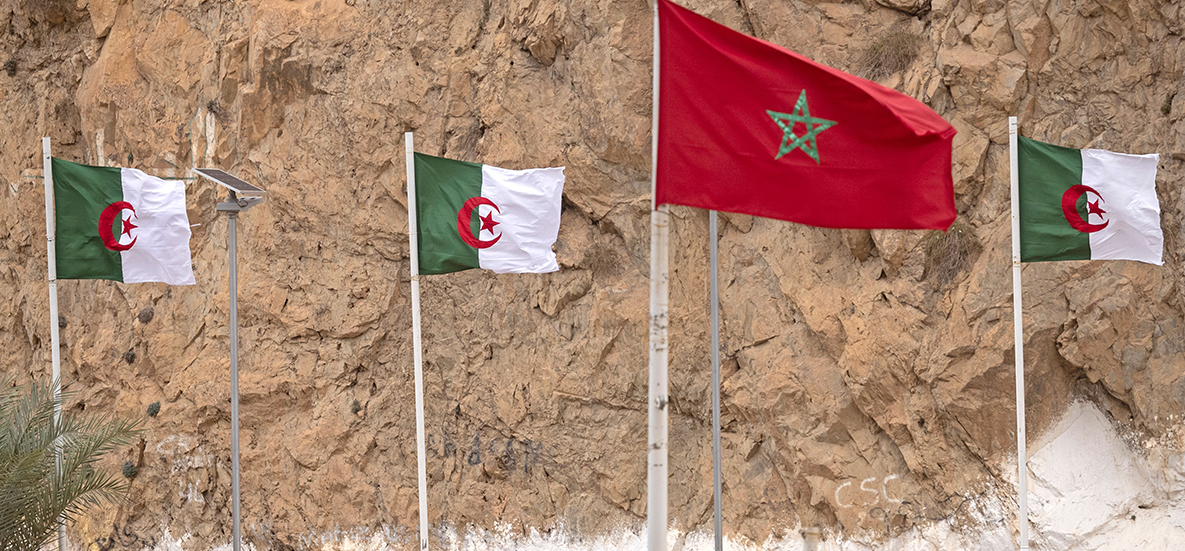
Algeria-Morocco tensions: The onset of a regional cold war
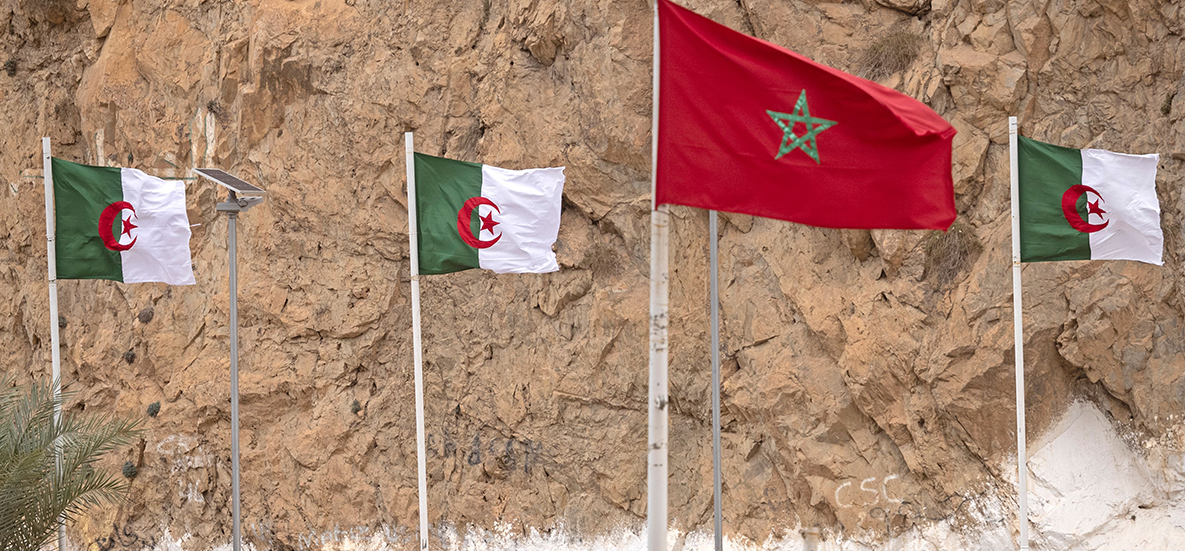
On Nov. 1, three Algerian citizens were killed in the disputed territory of Western Sahara. The Algerian presidency issued a statement accusing Morocco of carrying out an attack with a “sophisticated weapon” on two Algerian transport convoys. This was only the latest episode in a process of escalation between the two countries. The Algerian authorities had previously cut their diplomatic relations with Morocco on Oct. 24 due to rising tensions. Even though the relationship between Algiers and Rabat has long been contentious, the death of three Algerian citizens could prove to be a turning point.
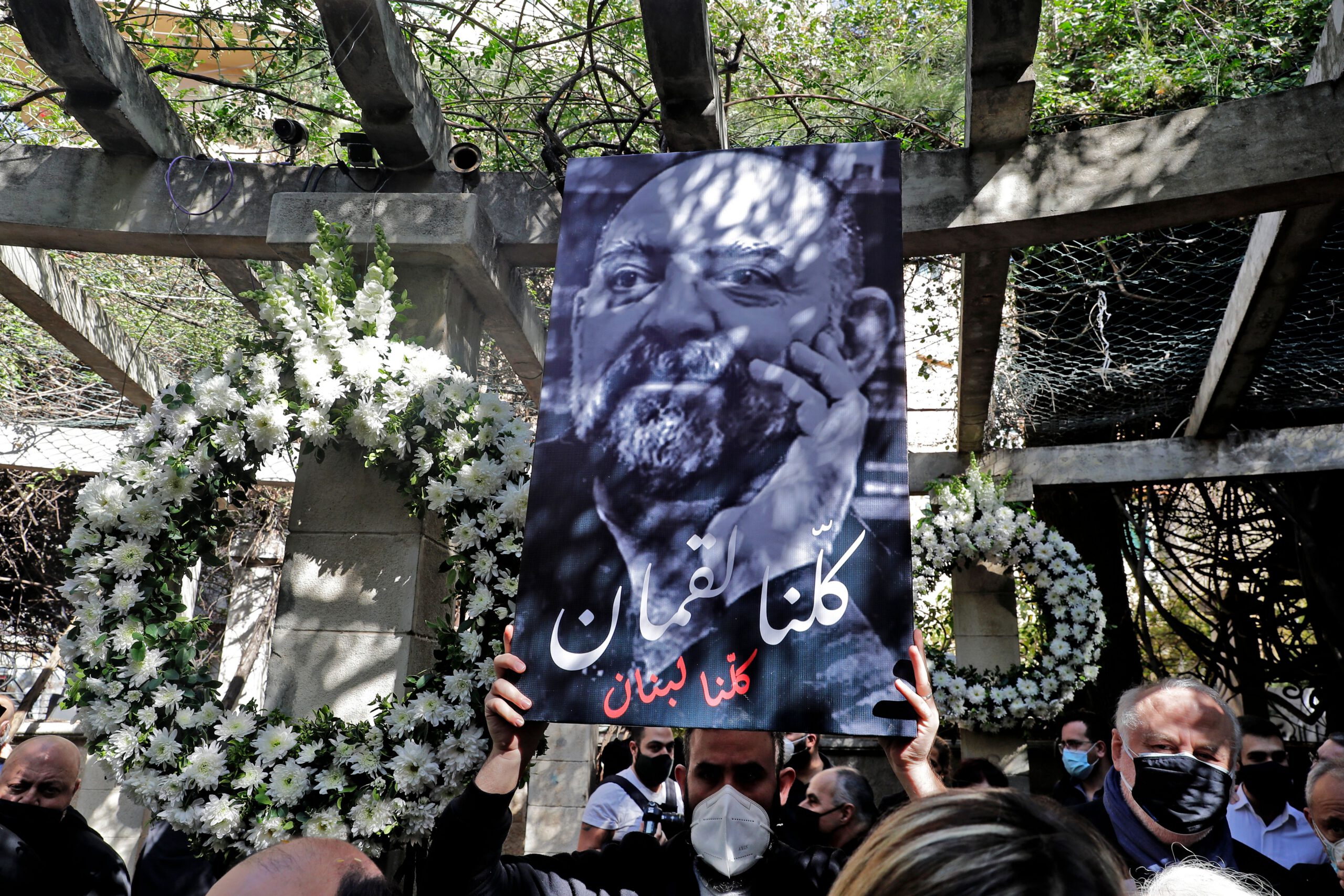
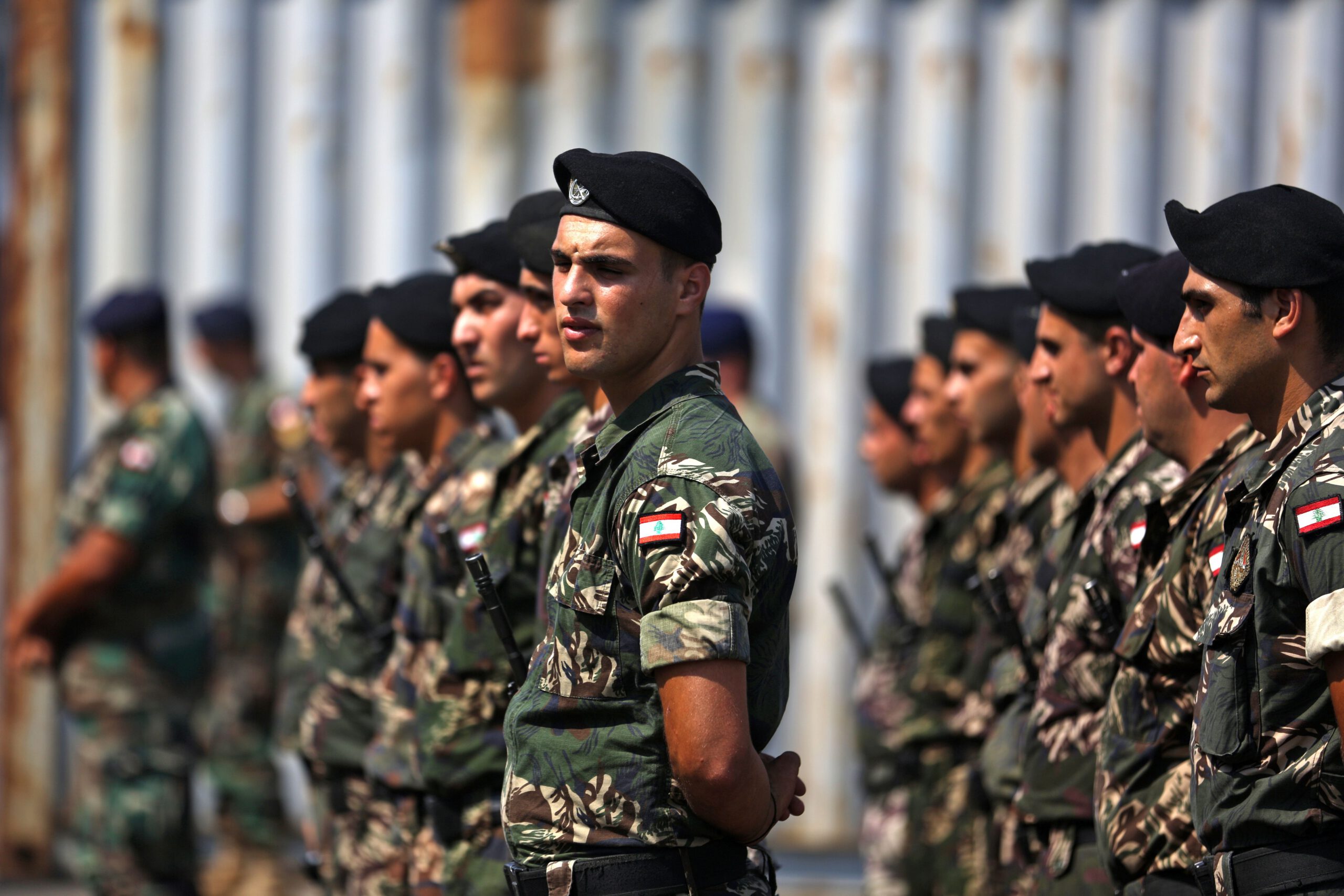
Leading a Resilient Lebanese Armed Forces Through Crises and for the Long Run
Repeated crises in Lebanon, including the COVID-19 pandemic, have highlighted the need for resilience in the Lebanese Armed Forces (LAF). Amid the current acute economic and financial crisis facing the country, there are warning signs about the LAF’s incapacity to continue, as the resources at its disposal and popular confidence in its effectiveness have both been degraded. In light of the current challenges and those that may lie ahead, the LAF needs to become more resilient, able to both adapt and strengthen as an organization, while also ensuring public security, the conditions of its personnel, and its own long-term status.
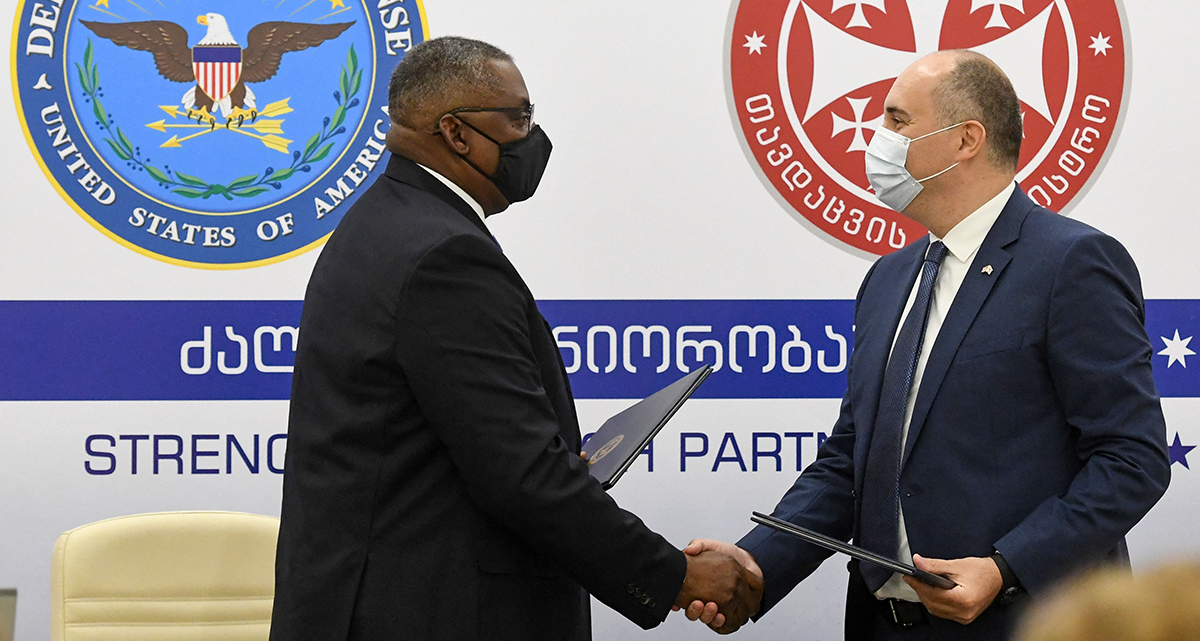
The 3+3 format in the South Caucasus doesn’t add up
During his recent visit to Tbilisi, U.S. Defense Secretary Lloyd Austin poured cold water on the idea of American support for a so-called “3+3 format” in the South Caucasus. When asked about the proposal, he said, “I would just say that Russia, which currently occupies 20% of Georgia’s territory, should focus on honoring its 2008 cease-fire commitments before promoting any new discussion platforms.”
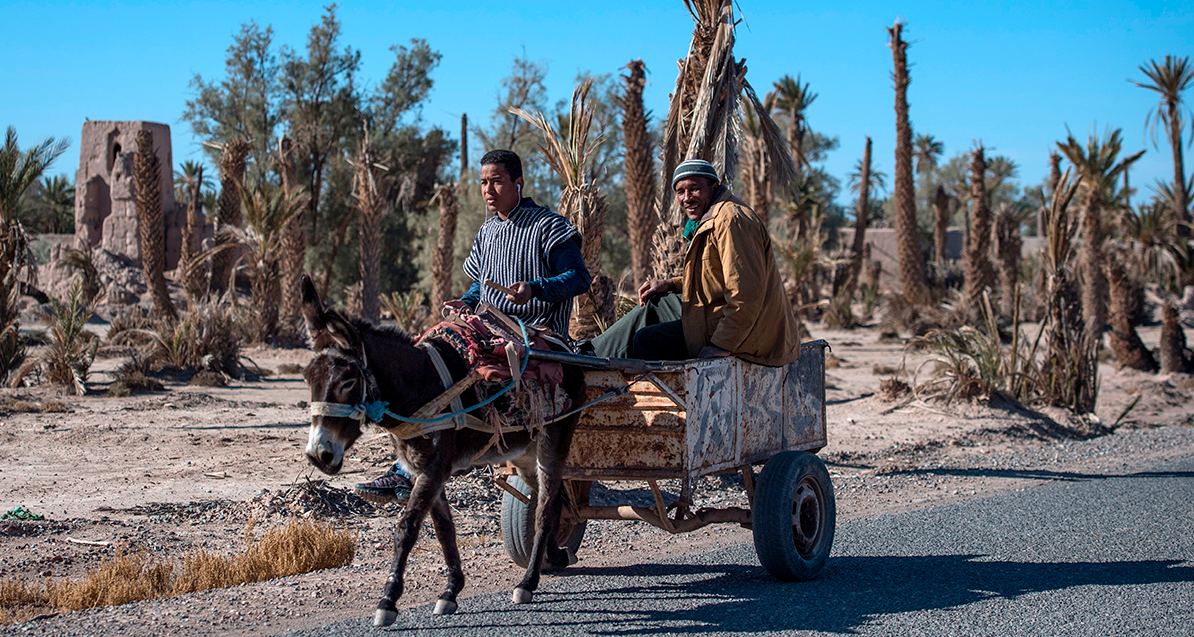
The Fragile State of Food Security in the Maghreb: Implication of the 2021 Cereal Grains Crisis in Tunisia, Algeria, and Morocco
North Africa has entered a food security crisis. Tunisia, Algeria, and Morocco are witnessing food inflation levels not seen since the civil unrest of the Arab Spring a decade ago. Although the Maghreb’s current food crisis was precipitated by the local and global economic shocks brought on by the onset of the COVID-19 pandemic in 2020 and its 2021 aftermath, the structural fragility of the food systems in Tunisia, Algeria, and Morocco is responsible for severity of the problem. At the core of this fragility is the failure to implement adequate measures to address the impact of increased water scarcity and debilitating climate change.
The oldest peer-reviewed publication dedicated to the study of the modern Middle East, MEI’s flagship journal covers politics, society, and culture in the region.