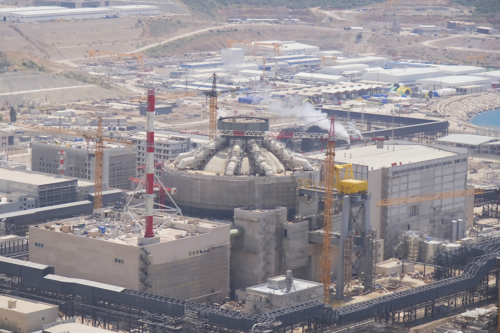
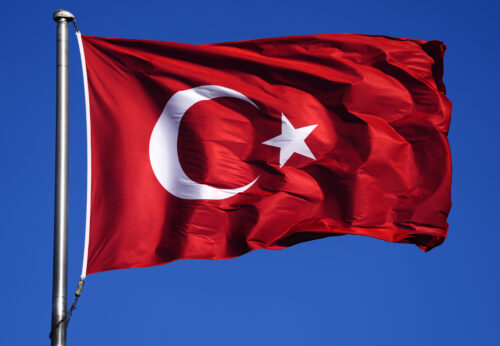
As a result of the Iran war, Turkish thinking about nuclear weapons appears to be shifting. Iran’s emergent ability to threaten regional states (and possible determination to acquire a nuclear weapon itself), growing concern about Israeli aggressiveness, doubts about US security guarantees, and greater Saudi nuclear autonomy are all pushing Ankara to consider a future nuclear option.
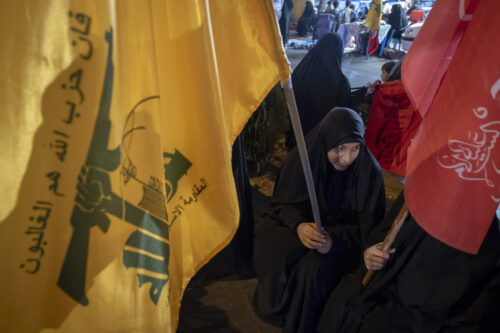
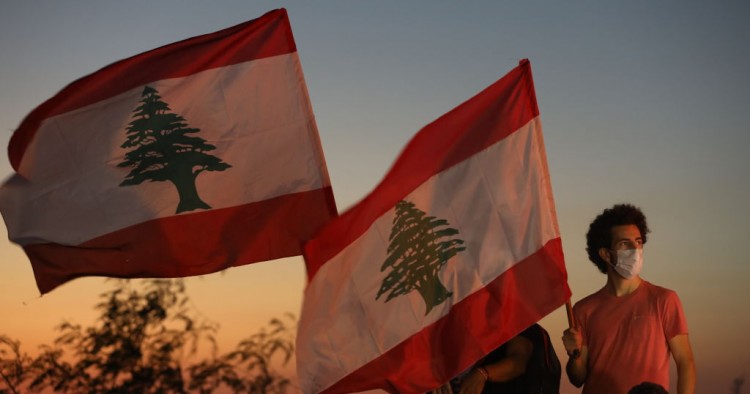
Hizballah: The murderers of elected Lebanese politicians, the killers of peacekeepers, the thugs of the streets they dominated because all other militias had disarmed, the agents of destruction of their own communities on behalf of foreign paymasters reigning 1,000 miles away from Beirut, the brainwashers of children into an ideology of “resistance” that only invited invasion. That’s the Hizballah that today is begging the Lebanese state to return to them the 1,000 pounds of explosives so rudely taken from them by Lebanese soldiers doing their job at a checkpoint in the Bekaa Valley.
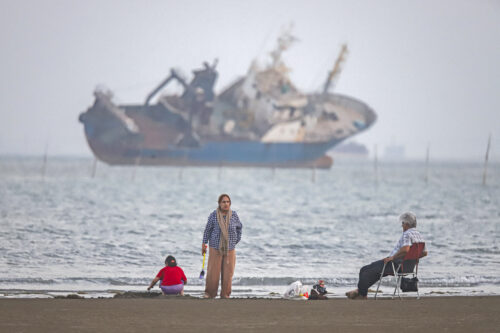
Many of the immediate consequences of the Israeli-American war with Iran are already clear. The further emergence of drones and missiles as dominant weapons of war; the danger to the global economy from the threats to vital chokepoints such as the Strait of Hormuz and the Bab el-Mandeb; and the inadequacy of US weapons procurement, among other issues, have garnered widespread and entirely merited attention.
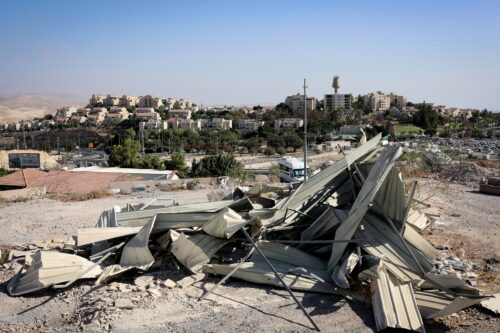
Since 1967, Israeli settlements in the West Bank have been a contested feature of the Israeli-Palestinian conflict. The ultimate disposition of the settlements and ongoing activity related to their growth have repeatedly defied agreement in negotiations over a resolution to the conflict.
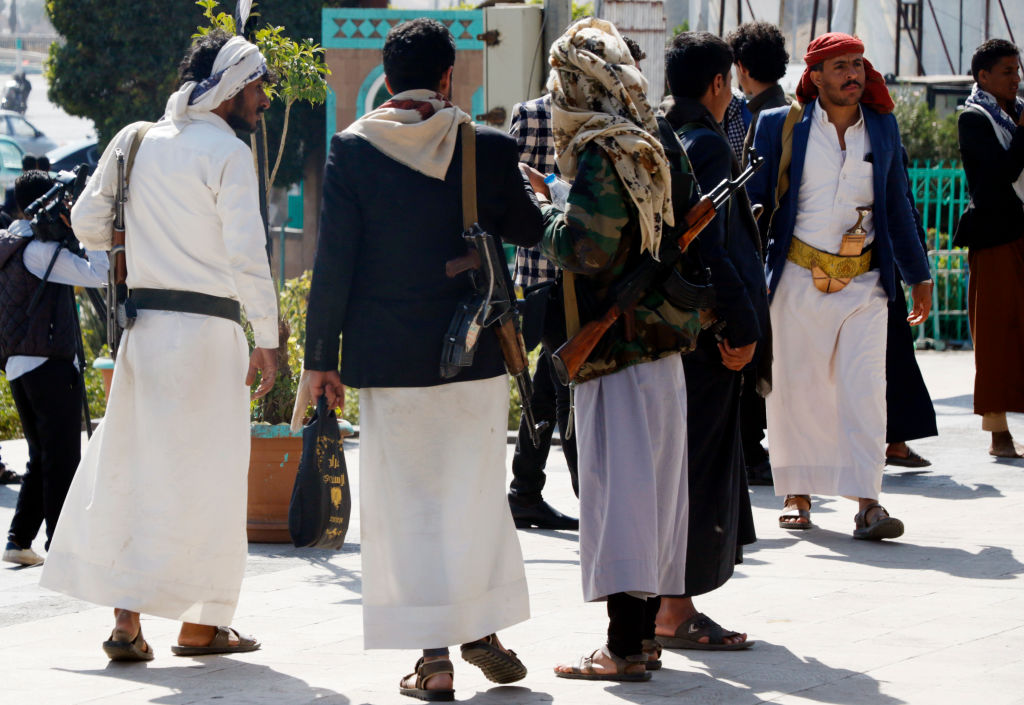
The Houthis are a political-military faction and Zaydi religious movement founded in northwestern Yemen in the 1980s. A key member of Iran’s Axis of Resistance with links to other militant organizations in the Arabian Peninsula and the Horn of Africa, the group has continued to pose a threat to Western interests on a global scale.
The India-Middle East-Europe Economic Corridor (IMEC) is a proposed multinational infrastructure initiative aimed at upgrading connectivity between the three regions through integrated trade, energy, and digital networks. Announced at the G20 summit in New Delhi in September 2023, IMEC is envisioned partially as a counterweight to China’s international infrastructure project, the Belt and Road Initiative.
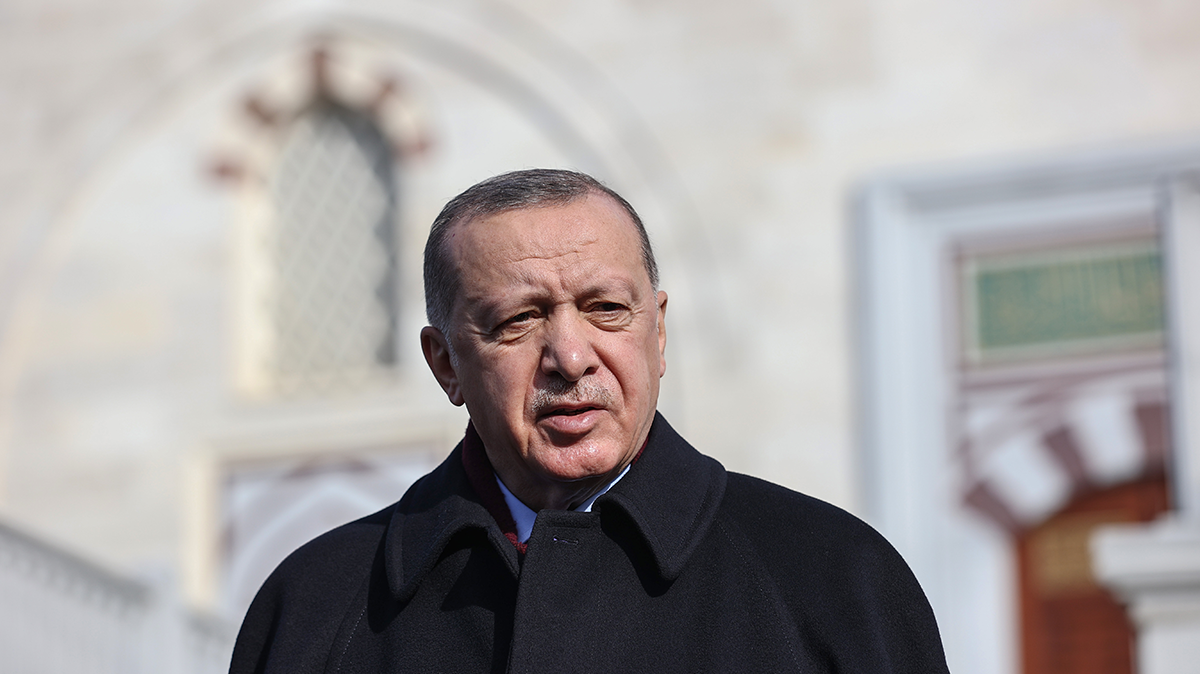
After a decade of post-Arab Spring isolation, Turkey’s leaders have recognized that their ambition to position the country as an agenda-setter on the world stage requires active engagement in all directions. President Recep Tayyip Erdoğan’s consolidation of executive authority has centralized foreign policy decision-making and tied it to his domestic political priorities, transforming the country’s revisionist approach to one shaped primarily by personal and pragmatic interests.
MEI Senior Fellow Brian Katulis engages friends, colleagues, and policy experts in casual conversations on the most important happenings in the Middle East.
New ways of fighting state-sponsored COVID disinformation
Keeping up with and making sense of the flood of information about the COVID-19 pandemic is a challenge. It doesn’t help that much of that information is misleading, often by design. The “infodemic” surrounding the coronavirus, described as such by the World Health Organization (WHO) as early as February 2020, “spreads faster and more easily than the virus” itself. A recent joint statement by WHO, UN, UNICEF, UNDP, UNESCO, UNAIDS, ITU, UN Global Pulse, and IFRC noted grave consequences. It is “undermining the public health response and advancing alternative agendas of groups [and] individuals,” in ways that “cost lives … and threaten long-term prospects for advancing democracy, human rights, and social cohesion.”
A Shift Among the Shi'a: Will a Marj'a Emerge from the Arabian Peninsula?
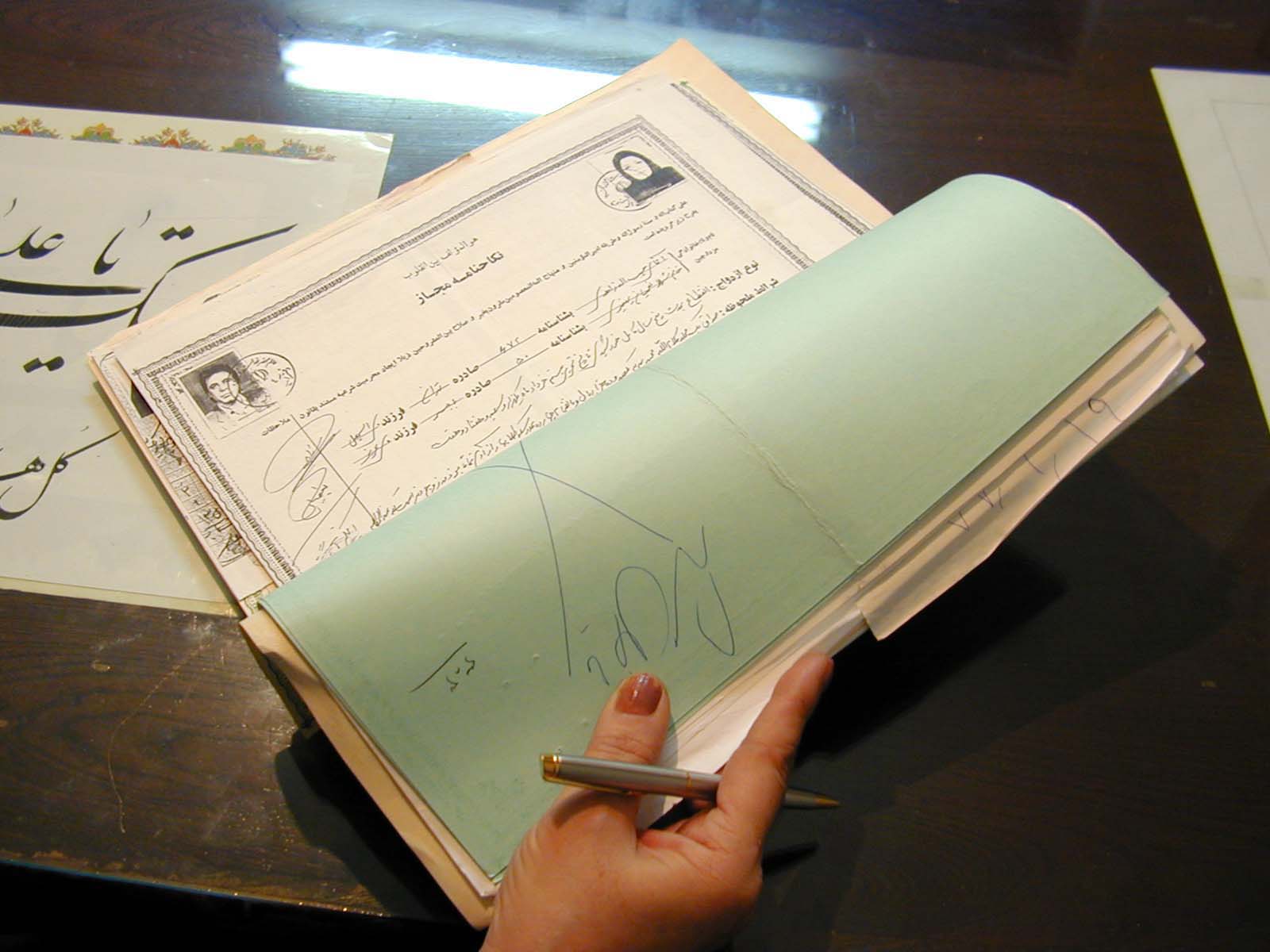
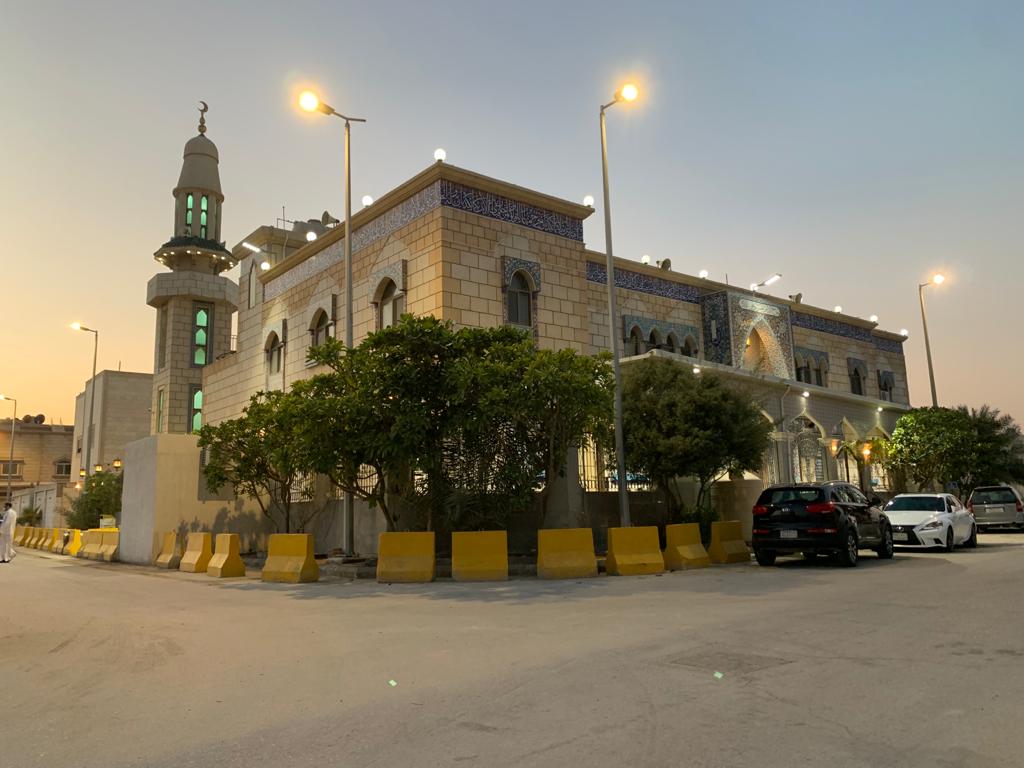
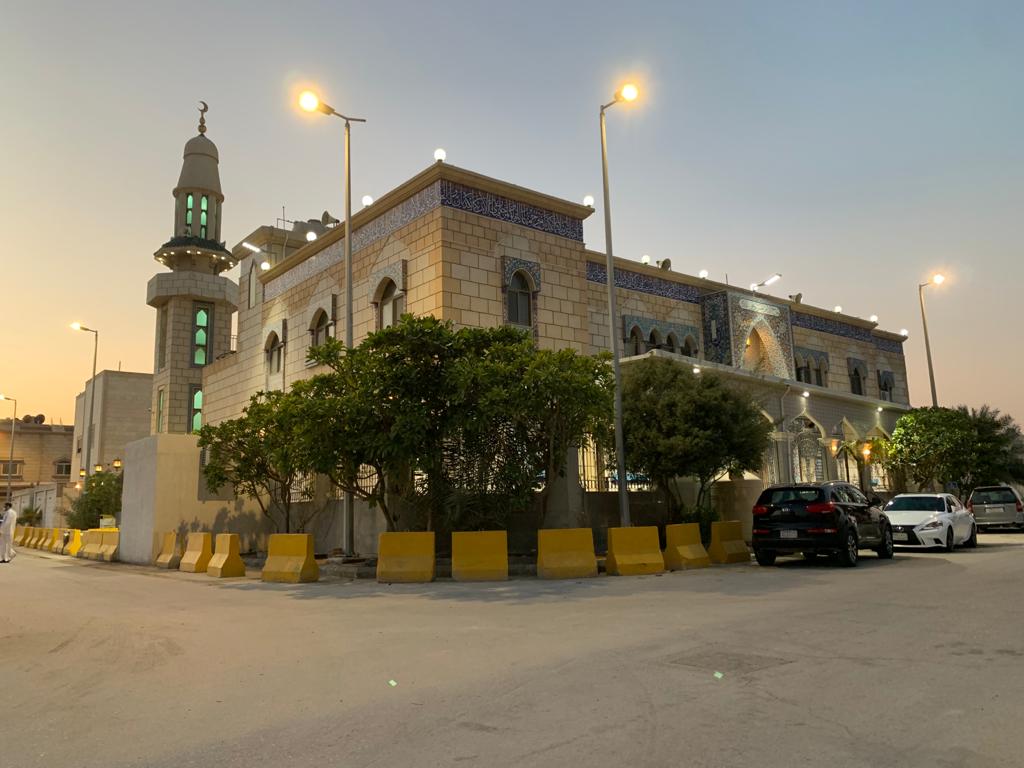
This paper looks at the political implications of the relationship between Shi’a in the Gulf states and Iranian marj‘as, the historical background to these ties, and Gulf states’ concerns surrounding the outflow to Iran of religious taxes. In some Gulf countries, these issues are tied to concerns about the loyalty of Shi’a to the nation. The authors argue that the emergence of a marj‘a who would be based in one of the Gulf states could quell these concerns.The authors identify potential marj‘as from the region and steps that Gulf states must take so that their Shi’a citizens will shift their allegiance from foreign-based marj‘as to domestically based ones.
US-Europe cooperation in the Middle East: New president, new beginning?
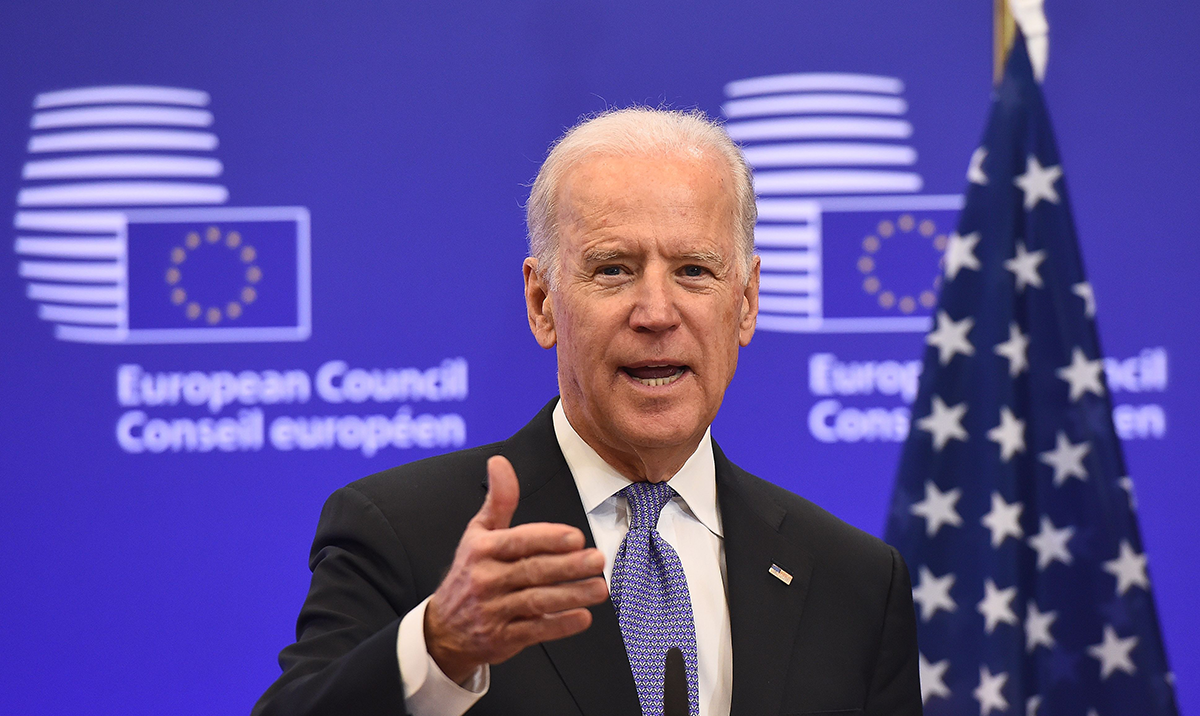
The leaders of EU institutions and most of its member states are undoubtedly counting on a general improvement in transatlantic relations under Biden, but also on a fresh start for policy in the Middle East.
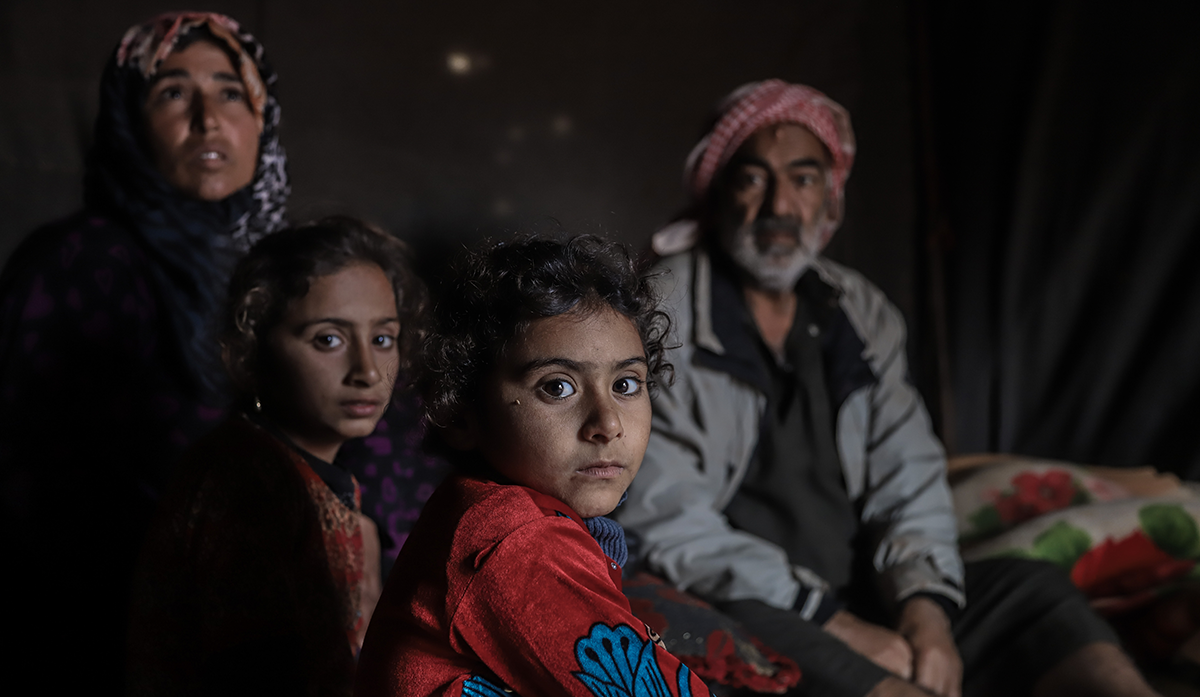
In two months’ time, Syria’s crisis will turn 10 years old — a grim milestone for what has been the most deadly and destructive civil conflict in recent history.
Threats, Victims or Allies? Migrant Communities in Kuwait's COVID19 Response
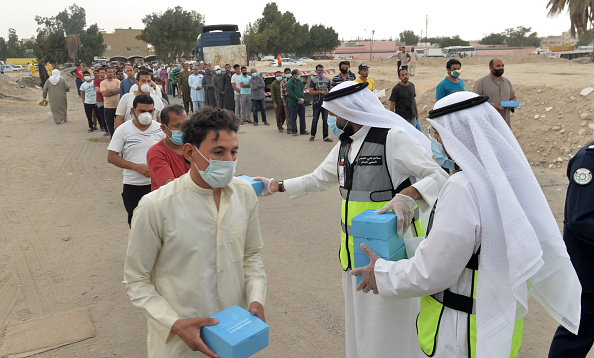
This article discusses Kuwait’s response to COVID-19 against the backdrop of two longstanding conceptions in the country about the role and position of non-citizens, particularly that of low-wage migrant workers. It recounts the efforts of the country’s small but vibrant civil society sector to respond to the pandemic-related needs of blue-collar migrant workers by approaching them as equal partners in solving shared challenges.
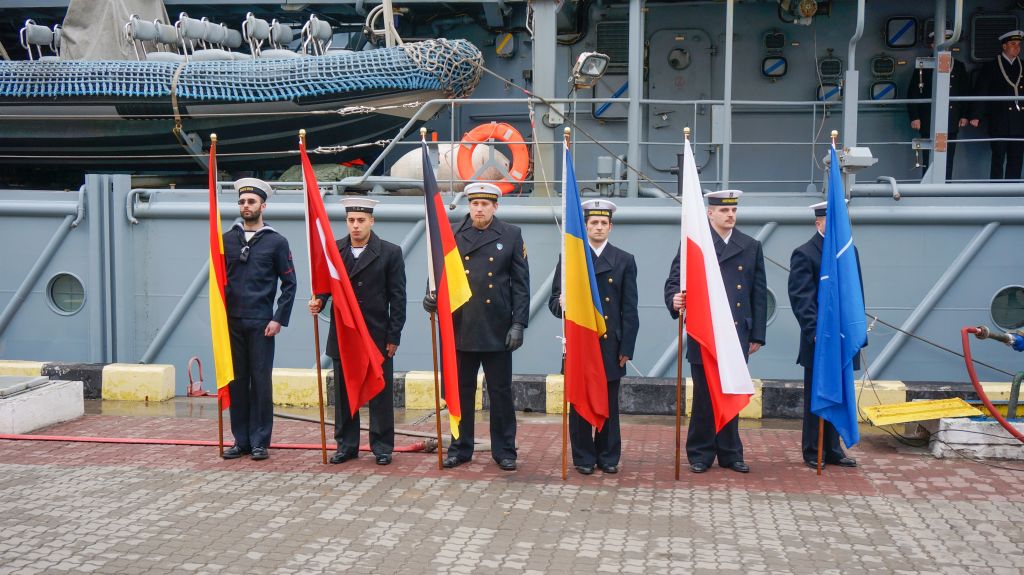
Roadmap for a strengthened NATO-Georgia partnership
In April 2020, NATO Secretary General Jens Stoltenberg appointed an independent Reflection Group with the aim of defining the future of the Alliance. The group recently published an extensive report entitled NATO 2030: United for a New Era.” However, NATO 2030: United for a New Era does not provide further detail or recommendations on how these partnerships should be strengthened and expanded. The Alliance must strengthen and consolidate its partnership with Georgia to ensure its sovereignty and independence and mitigate the risks of further Russia aggression imposed.
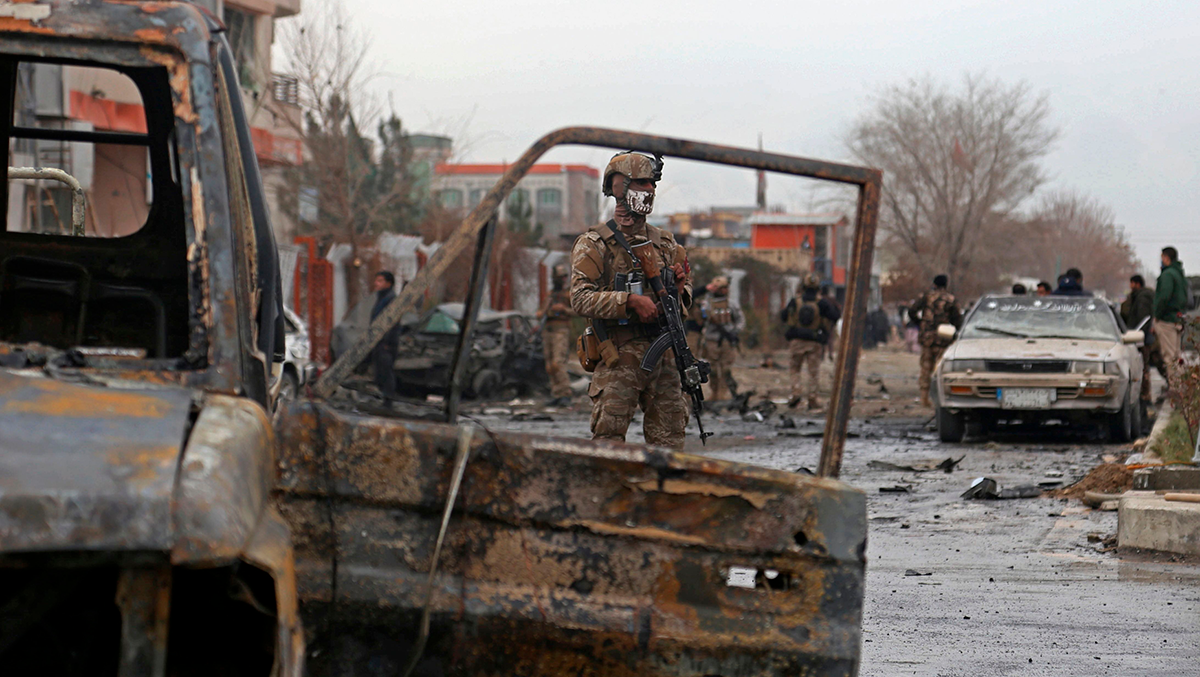
Peace talks between the Kabul government and the Taliban resumed in Doha on Jan. 5 amid a sharp resurgence in violence and controversy over a video shared on various social media platforms by pro-Taliban elements.
The oldest peer-reviewed publication dedicated to the study of the modern Middle East, MEI’s flagship journal covers politics, society, and culture in the region.