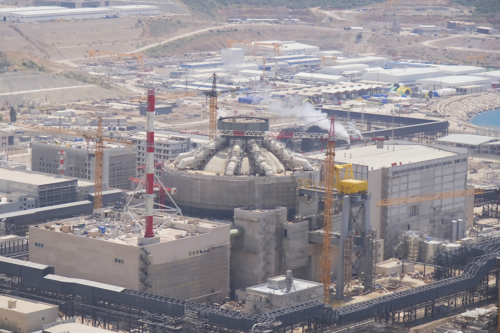
As a result of the Iran war, Turkish thinking about nuclear weapons appears to be shifting. Iran’s emergent ability to threaten regional states (and possible determination to acquire a nuclear weapon itself), growing concern about Israeli aggressiveness, doubts about US security guarantees, and greater Saudi nuclear autonomy are all pushing Ankara to consider a future nuclear option.
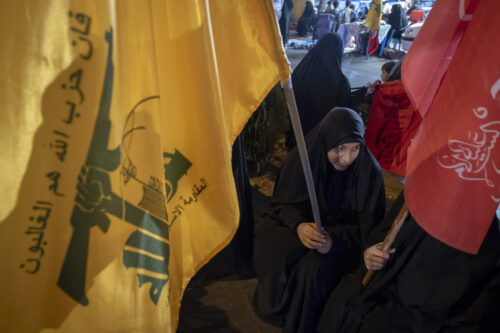
Hizballah: The murderers of elected Lebanese politicians, the killers of peacekeepers, the thugs of the streets they dominated because all other militias had disarmed, the agents of destruction of their own communities on behalf of foreign paymasters reigning 1,000 miles away from Beirut, the brainwashers of children into an ideology of “resistance” that only invited invasion. That’s the Hizballah that today is begging the Lebanese state to return to them the 1,000 pounds of explosives so rudely taken from them by Lebanese soldiers doing their job at a checkpoint in the Bekaa Valley.
Many of the immediate consequences of the Israeli-American war with Iran are already clear. The further emergence of drones and missiles as dominant weapons of war; the danger to the global economy from the threats to vital chokepoints such as the Strait of Hormuz and the Bab el-Mandeb; and the inadequacy of US weapons procurement, among other issues, have garnered widespread and entirely merited attention.
Since 1967, Israeli settlements in the West Bank have been a contested feature of the Israeli-Palestinian conflict. The ultimate disposition of the settlements and ongoing activity related to their growth have repeatedly defied agreement in negotiations over a resolution to the conflict.
The Houthis are a political-military faction and Zaydi religious movement founded in northwestern Yemen in the 1980s. A key member of Iran’s Axis of Resistance with links to other militant organizations in the Arabian Peninsula and the Horn of Africa, the group has continued to pose a threat to Western interests on a global scale.
The India-Middle East-Europe Economic Corridor (IMEC) is a proposed multinational infrastructure initiative aimed at upgrading connectivity between the three regions through integrated trade, energy, and digital networks. Announced at the G20 summit in New Delhi in September 2023, IMEC is envisioned partially as a counterweight to China’s international infrastructure project, the Belt and Road Initiative.
After a decade of post-Arab Spring isolation, Turkey’s leaders have recognized that their ambition to position the country as an agenda-setter on the world stage requires active engagement in all directions. President Recep Tayyip Erdoğan’s consolidation of executive authority has centralized foreign policy decision-making and tied it to his domestic political priorities, transforming the country’s revisionist approach to one shaped primarily by personal and pragmatic interests.
MEI Senior Fellow Brian Katulis engages friends, colleagues, and policy experts in casual conversations on the most important happenings in the Middle East.
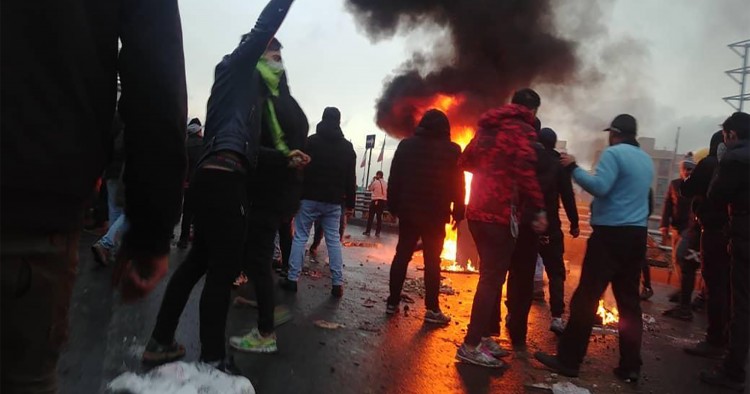
“Deeds matter most” was the official diplomatic response to Joe Biden’s election from the Islamic Republic’s foreign minister, Javad Zarif. It came in the form of an early morning Tweet, an appropriate medium given the new political norm established in recent years. The statement read like one from a career diplomat urging “dignity, interest, and responsible diplomacy,” based not on empty rhetoric, but on actions — measurable steps that would demonstrate each side’s commitment to “multilateralism, cooperation, respect for law …” Yet the tweet’s author, Mr. Zarif, has a history of practicing the age-old political principle of “do as I say, not as I do.” Indeed, when it comes to U.S.-Iran relations, the month of November is the perfect time to assess each side’s deeds in this decades-old conflict. Bombastic rhetoric has been a hallmark of this rancorous relationship since Islamic revolutionaries stormed America’s embassy in Tehran in early November 41 years ago. Yet for all the regime’s bluster, including slogans like “Death to America,” its deeds, especially toward Iranians, speak much more loudly.
Absent with Leave: Moscow’s Deficient Eurasian Military Alliance
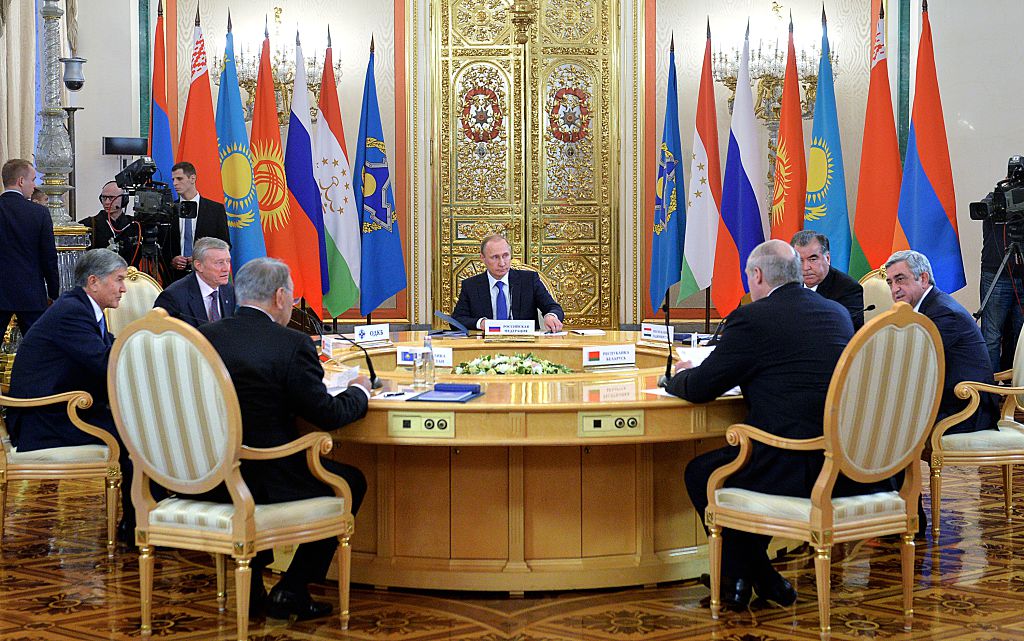
The Russian government has spent more than a decade constructing a multilateral security structure for the former Soviet space—the Collective Security Treaty Organization (CSTO). Yet, despite the occurrence this year of some of the most serious crises in Russia’s neighboring former Soviet republics, the CSTO has been notable for its absence in the Kremlin’s response.
حلقة 15: أولويات بايدن وشكل سياساته تجاه الشرق الأوسط — مع رندى سليم
هل ستكون سياسات بايدن استمرار لسياسات أوباما؟ كيف يمكن أن يكون أثر ترامب على السياسة الأمريكية بعد مغادرته البيت الأبيض؟ ما الذي يمكن أن يحصل بين اليوم ويوم استلام بايدن في السياسة الخارجية؟ خصوصاً بعد حادثة اغتيال العالم النووي الإيراني في طهران، هل نتوقع ظهور مفاجآت؟ ما هي توجهات وأولويات بايدن تجاه الشرق الأوسط؟ إيران، الخليج، اليمن، سوريا، لبنان، تركيا، وليبيا؟
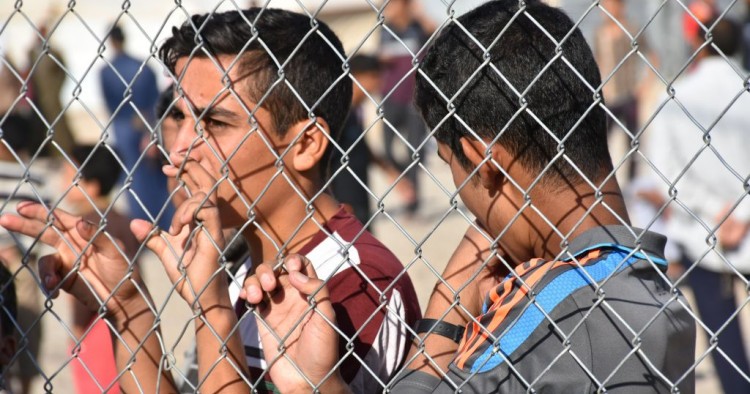
President-elect Joe Biden has promised a return to normalcy. However, for refugees and asylum seekers, merely reversing the policies of President Trump will not be sufficient. Since entering office in January 2017, President Trump has engaged in an undeclared war on refugees. With the added stress of the COVID-19 pandemic, it is essential that the Biden administration adopt new policies that will support the most vulnerable populations around the world.
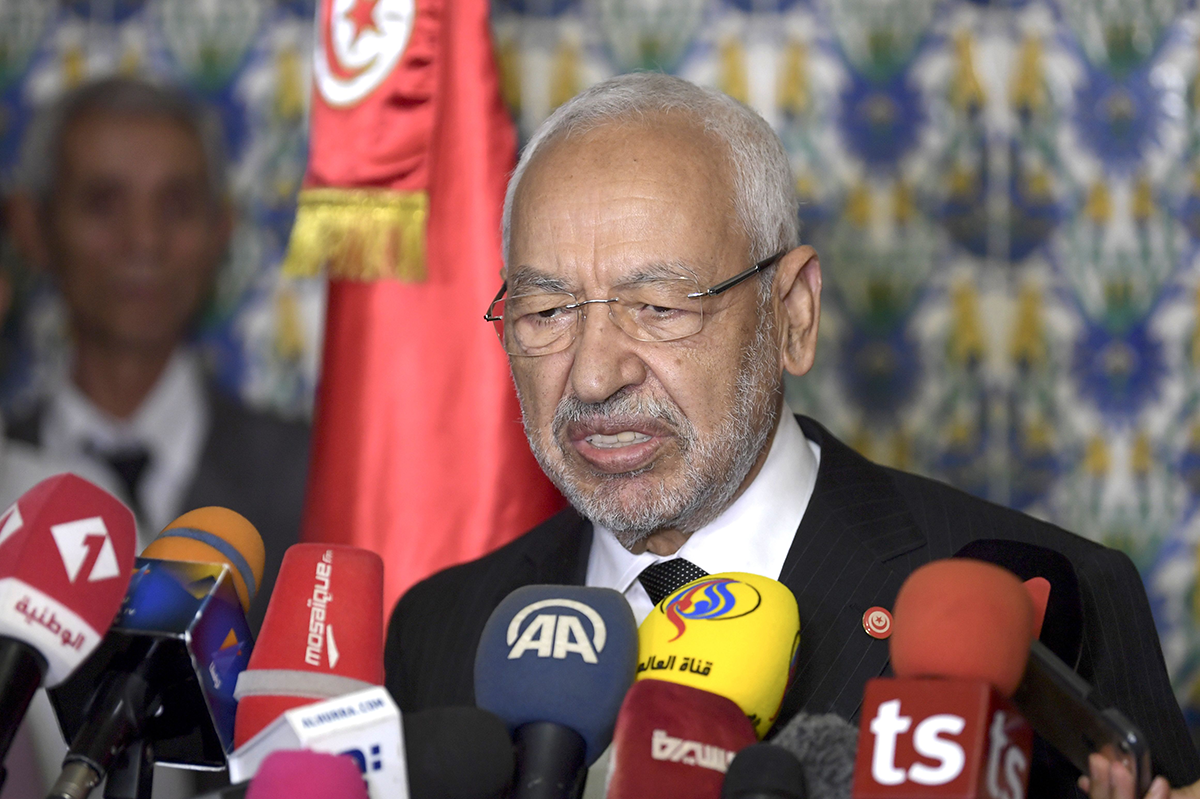
Intra-Party Democracy in Tunisia’s Ennahda: Ghannouchi and the Pitfalls of “Charismatic” Leadership
Rached Ghannouchi, president of the Islamist party Ennahda and speaker of Parliament, has been a voice of moderation and reason contributing to Tunisia’s incipient democratization. While there is much to praise in Ghannouchi’s stewardship of Ennahda, he should consider the pitfalls of longevity in power. This article examines the ongoing debate on Ennahda’s leadership crisis, considering it from the vantage point of intra-party democracy.
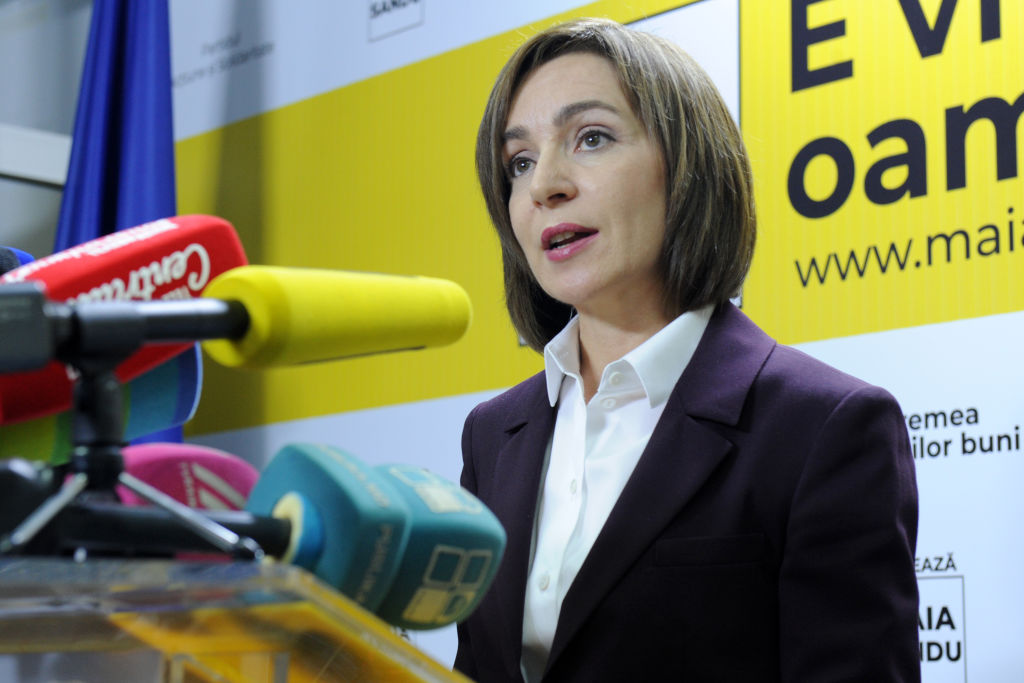
Recent presidential elections in the Republic of Moldova were won by Maia Sandu of the Action and Solidarity Party (PAS), a party advocating for judicial and anti-corruption reform and for rapprochement with the European Union (EU). Sandu becomes the first female president of Europe’s poorest country, securing 57.7 percent of the vote ahead of incumbent Igor Dodon’s 42.2 percent. The result followed an unprecedented election campaign during which verbal violence was widely witnessed.
State of play for Middle East cybersecurity leaders
This new white paper distills the findings of the Middle East Institute panel “State of Play for Middle East Cybersecurity Leaders,” a discussion held in September 2020 about the unique threats, best practices, and corporate landscape in the Middle East and North Africa region.
Elana DeLozier and Jerry Feierstein join host Alistair Taylor to discuss prospects for US-Gulf relations and regional policy under the Biden presidency.
Biden’s presidency cannot mean a return to the status quo for Palestinians
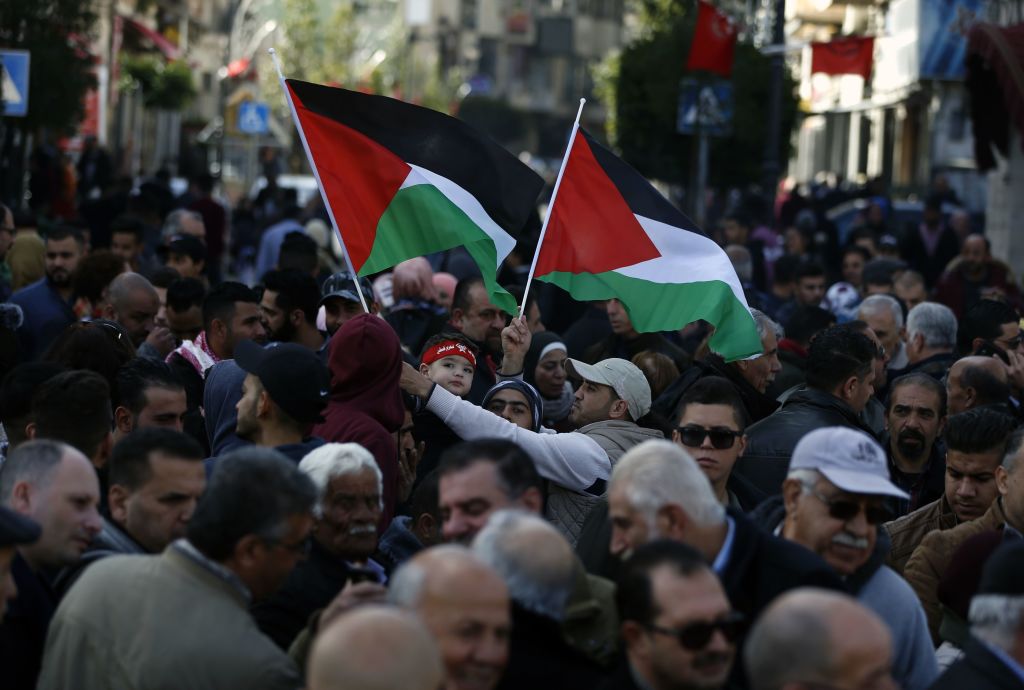
On Nov. 17 and 19, MEI’s Program on Palestine and Palestinian-Israeli Affairs convened a two-part series looking at the future of Palestinian politics and the Palestinian national movement. Below is a summary of Part 2, “Toward a Palestinian National Strategy,” which examined the efficacy of the Palestinian leadership’s current focus on a negotiated two-state settlement, as well as alternative visions and means of liberation, such as a one-state solution and the Boycott, Divestment, and Sanctions (BDS) movement.
Foreign Terrorist Fighters: Implications for Malaysia’s Border Security
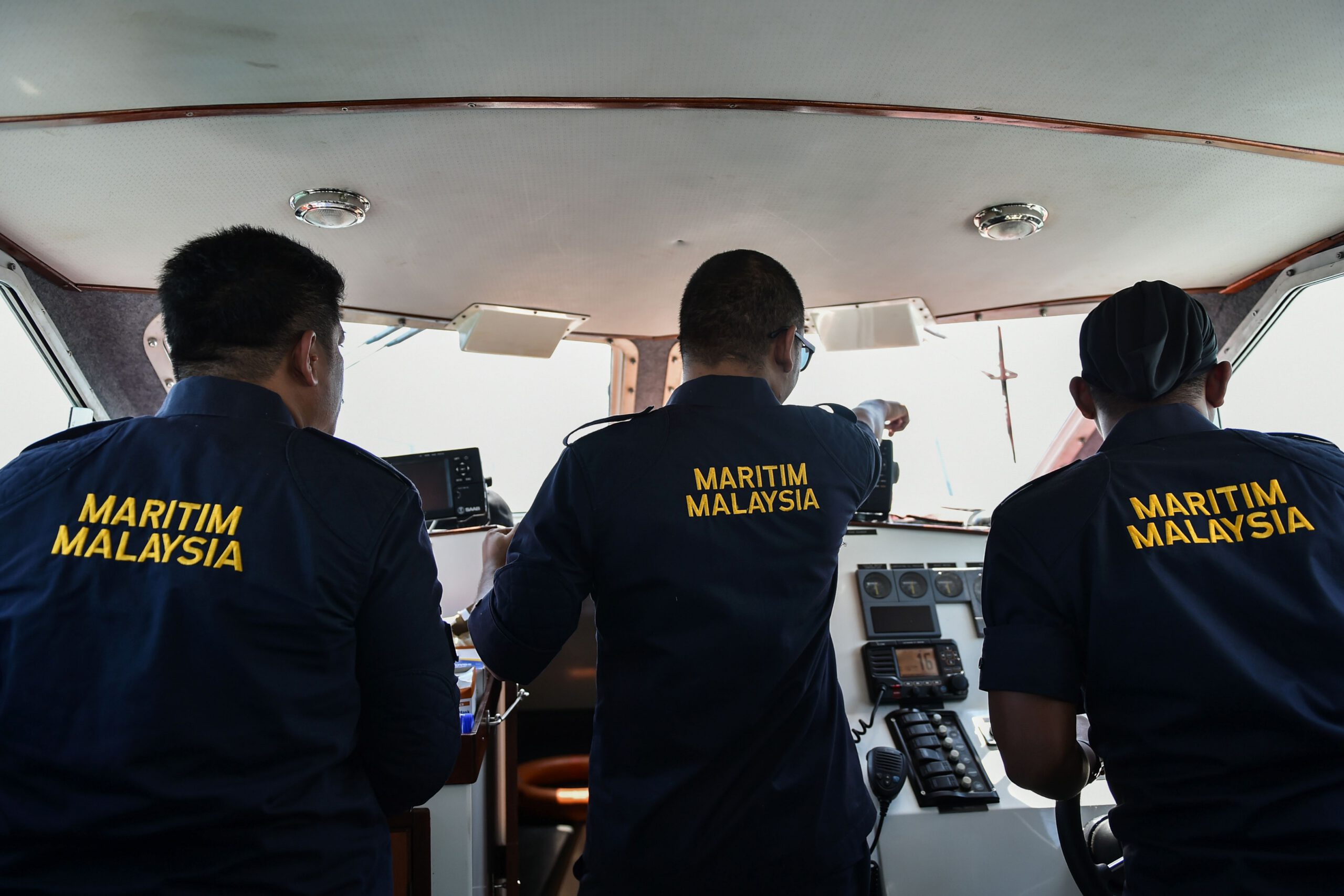
As governments around the world continue to deal with the COVID-19 pandemic, the world must not lose sight of the ongoing threat of returning Islamic State (IS) foreign terrorist fighters from Syria. As foreign fighters and their families scour for places to seek refuge, Malaysia may inadvertently turn out to be an attractive destination given the country’s visa-waiver program; the porousness of the tri-border region of Sabah, Indonesia, and the Philippines; and insider threats. In the past, terrorists have capitalized on these vulnerabilities. Given the country’s susceptibility to being used as a terrorist safe haven and platform for staging trans-border terrorist attacks, Malaysian authorities need to strengthen and improve existing measures aimed at countering terrorist infiltration.
Biden’s presidency indicates new opportunities for Palestinian politics
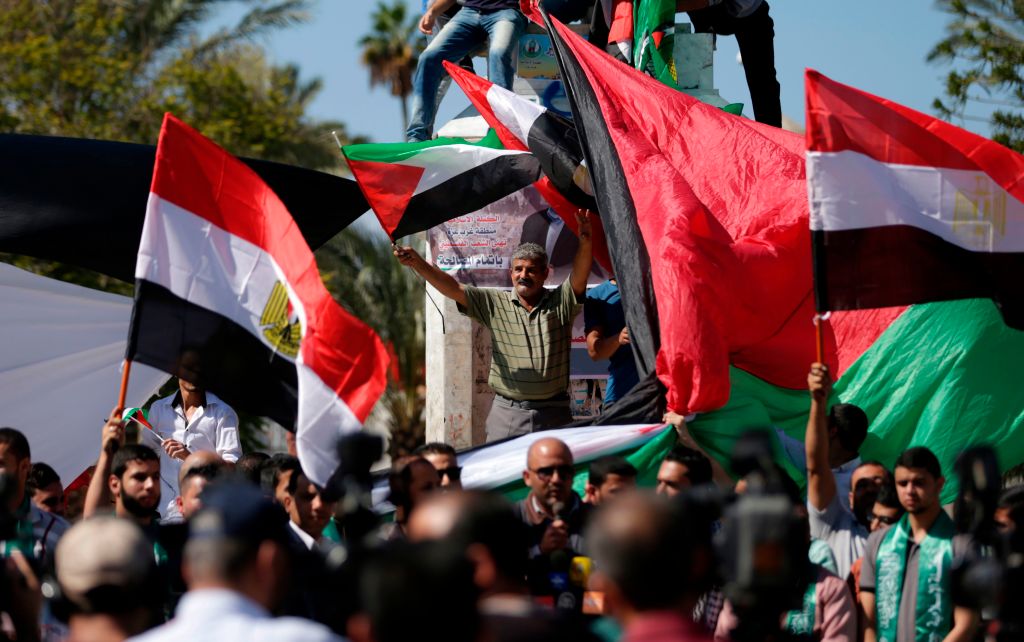
On Nov. 17 and 19, MEI’s Program on Palestine and Palestinian-Israeli Affairs convened a two-part series looking at the future of Palestinian politics and the Palestinian national movement. Below is a summary of Part 1, “Reviving Palestinian Political Life,” which focused on issues such as national reconciliation, elections, succession, the future of institutions like the Palestinian Authority (PA), and reform of the Palestine Liberation Organization (PLO).
Direct Libyan-to-Libyan talks are giving Libyan peace a new chance
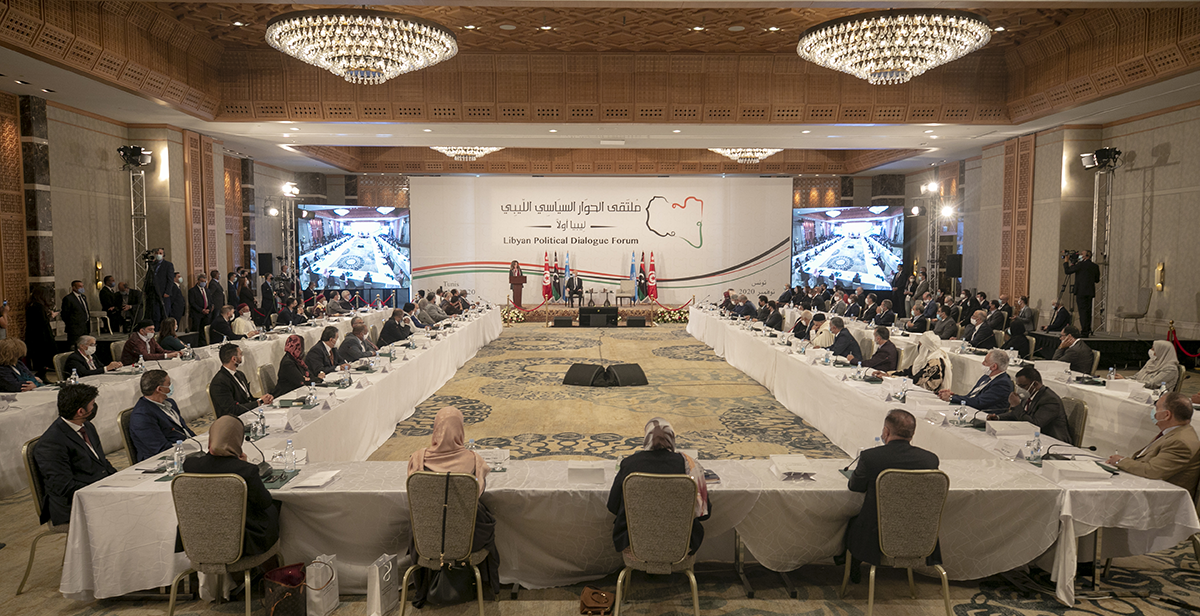
Hoping to avoid a foreign takeover of their country, a growing number of Libyans seem to have finally recognized that progress in Libya required Libyans to take charge of their own future. Accordingly, they are now taking active steps to see if they can forge a political deal to create a new, short-term transitional government to succeed the current GNA created by the Libyan Political Agreement of December 2015, following growing momentum that has already transformed Libya’s security situation with remarkable speed.
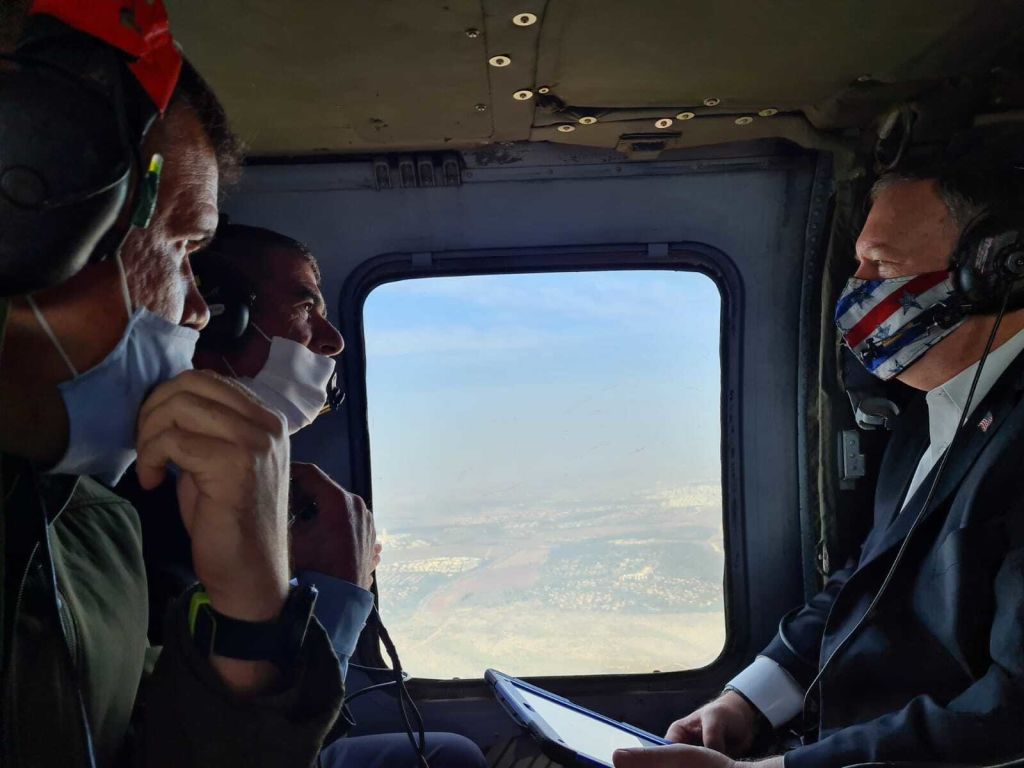
Monday Briefing: Pompeo’s Middle East farewell tour
This week’s briefing on recent news and upcoming events in the region featuring Gerald Feierstein, Mirette F. Mabrouk, Fatima Abo Alasrar, Marvin G. Weinbaum, and Yesar Al-Maleki.
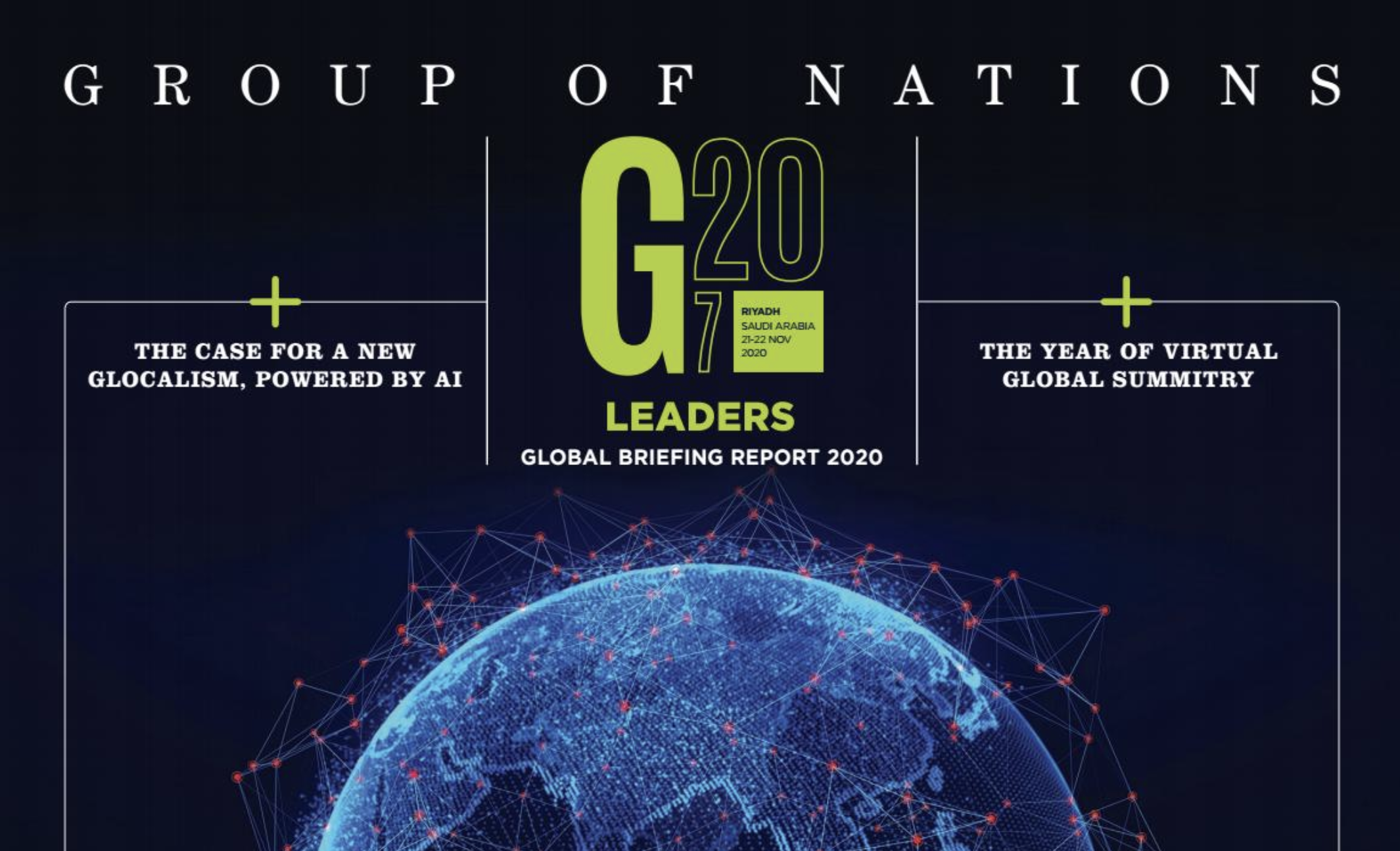
A virtual G20 summit underscores this importance of this year's agenda
This year, the G20 summit will be held virtually. As a result, the world will be deprived of the customary images that surround these events… the group photos, the glittering halls wither flag-festooned conference tables, the luxurious surroundings where the world’s most powerful political leaders gather to bread bread and discuss the critical issues of the day over lavish banquets.
MEI’s Gonul Tol and Robert Pearson join host Alistair Taylor to discuss prospects for US-Turkey relations and regional policy under the Biden presidency.
The oldest peer-reviewed publication dedicated to the study of the modern Middle East, MEI’s flagship journal covers politics, society, and culture in the region.