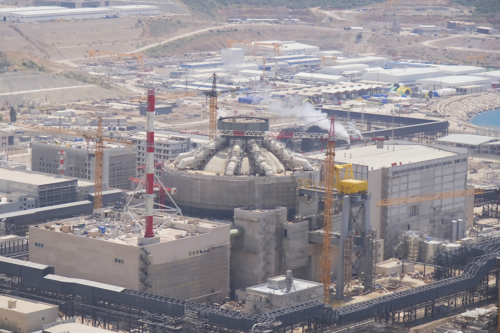
As a result of the Iran war, Turkish thinking about nuclear weapons appears to be shifting. Iran’s emergent ability to threaten regional states (and possible determination to acquire a nuclear weapon itself), growing concern about Israeli aggressiveness, doubts about US security guarantees, and greater Saudi nuclear autonomy are all pushing Ankara to consider a future nuclear option.
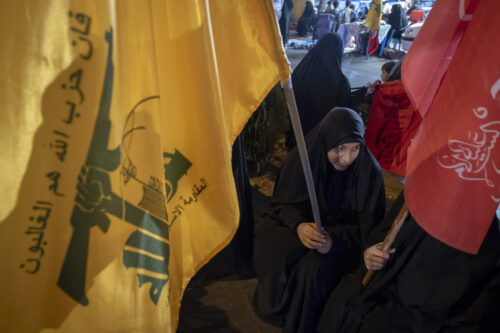
Hizballah: The murderers of elected Lebanese politicians, the killers of peacekeepers, the thugs of the streets they dominated because all other militias had disarmed, the agents of destruction of their own communities on behalf of foreign paymasters reigning 1,000 miles away from Beirut, the brainwashers of children into an ideology of “resistance” that only invited invasion. That’s the Hizballah that today is begging the Lebanese state to return to them the 1,000 pounds of explosives so rudely taken from them by Lebanese soldiers doing their job at a checkpoint in the Bekaa Valley.
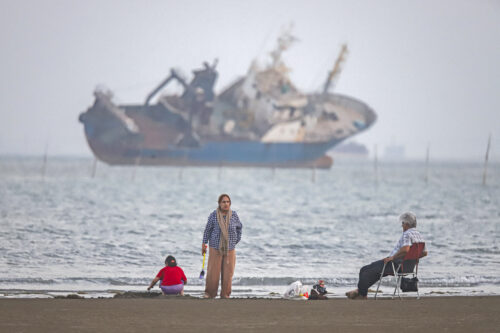
Many of the immediate consequences of the Israeli-American war with Iran are already clear. The further emergence of drones and missiles as dominant weapons of war; the danger to the global economy from the threats to vital chokepoints such as the Strait of Hormuz and the Bab el-Mandeb; and the inadequacy of US weapons procurement, among other issues, have garnered widespread and entirely merited attention.
Since 1967, Israeli settlements in the West Bank have been a contested feature of the Israeli-Palestinian conflict. The ultimate disposition of the settlements and ongoing activity related to their growth have repeatedly defied agreement in negotiations over a resolution to the conflict.
The Houthis are a political-military faction and Zaydi religious movement founded in northwestern Yemen in the 1980s. A key member of Iran’s Axis of Resistance with links to other militant organizations in the Arabian Peninsula and the Horn of Africa, the group has continued to pose a threat to Western interests on a global scale.
The India-Middle East-Europe Economic Corridor (IMEC) is a proposed multinational infrastructure initiative aimed at upgrading connectivity between the three regions through integrated trade, energy, and digital networks. Announced at the G20 summit in New Delhi in September 2023, IMEC is envisioned partially as a counterweight to China’s international infrastructure project, the Belt and Road Initiative.
After a decade of post-Arab Spring isolation, Turkey’s leaders have recognized that their ambition to position the country as an agenda-setter on the world stage requires active engagement in all directions. President Recep Tayyip Erdoğan’s consolidation of executive authority has centralized foreign policy decision-making and tied it to his domestic political priorities, transforming the country’s revisionist approach to one shaped primarily by personal and pragmatic interests.
MEI Senior Fellow Brian Katulis engages friends, colleagues, and policy experts in casual conversations on the most important happenings in the Middle East.
Turning the Tide: How Turkey Won the War for Tripoli
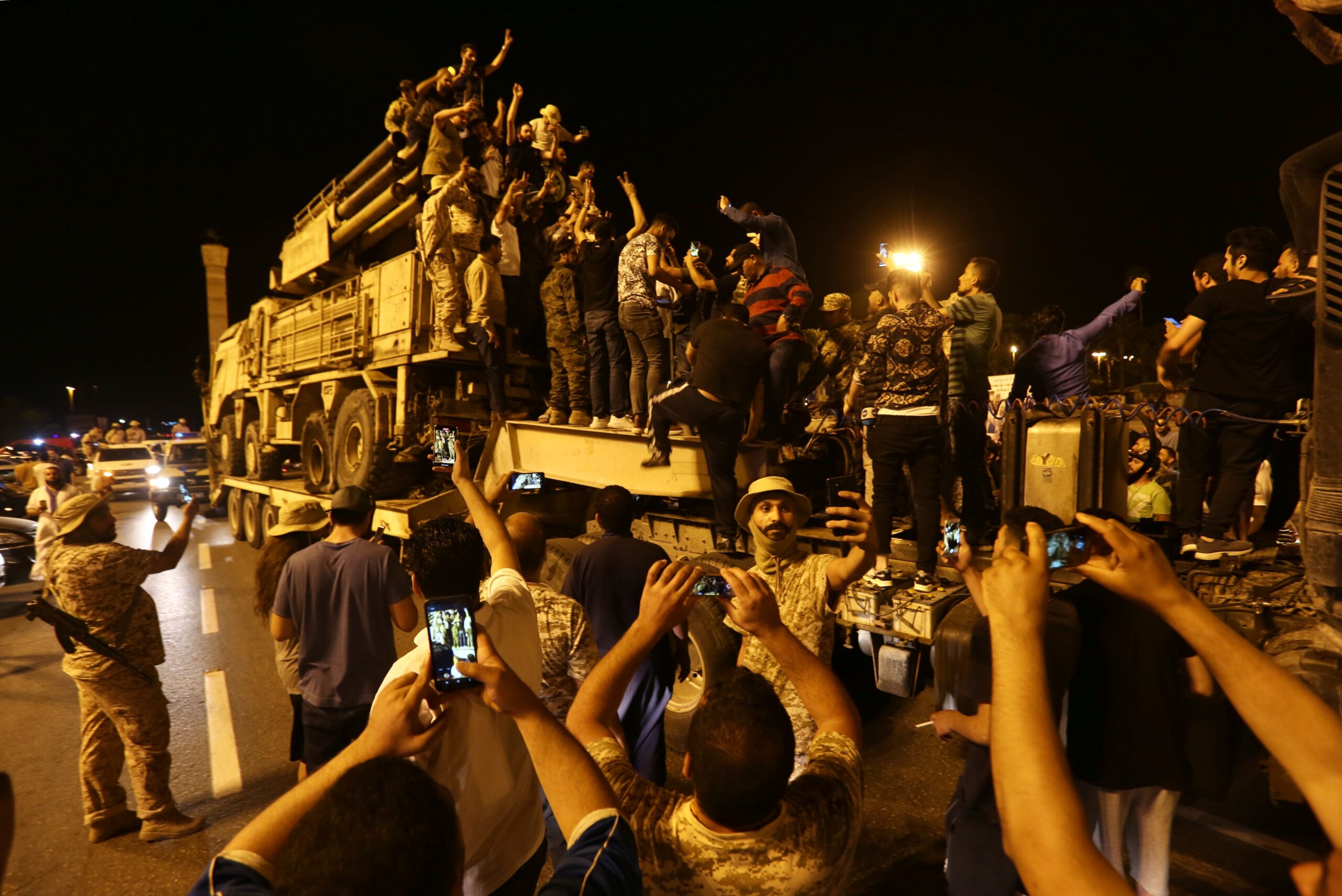
The War for Tripoli, launched by Gen. Khalifa Hifter in April 2019, came to an abrupt end in June 2020 after extensive Turkish military capabilities were introduced to the theater at the beginning of the year. This research paper seeks to drill down into the military, logistical, and technological aspects of the war, highlighting the unique role of drones, soft-kill and hard-kill air defense technologies, private military contractors, and extraterritorial military professionals in determining its final outcome.
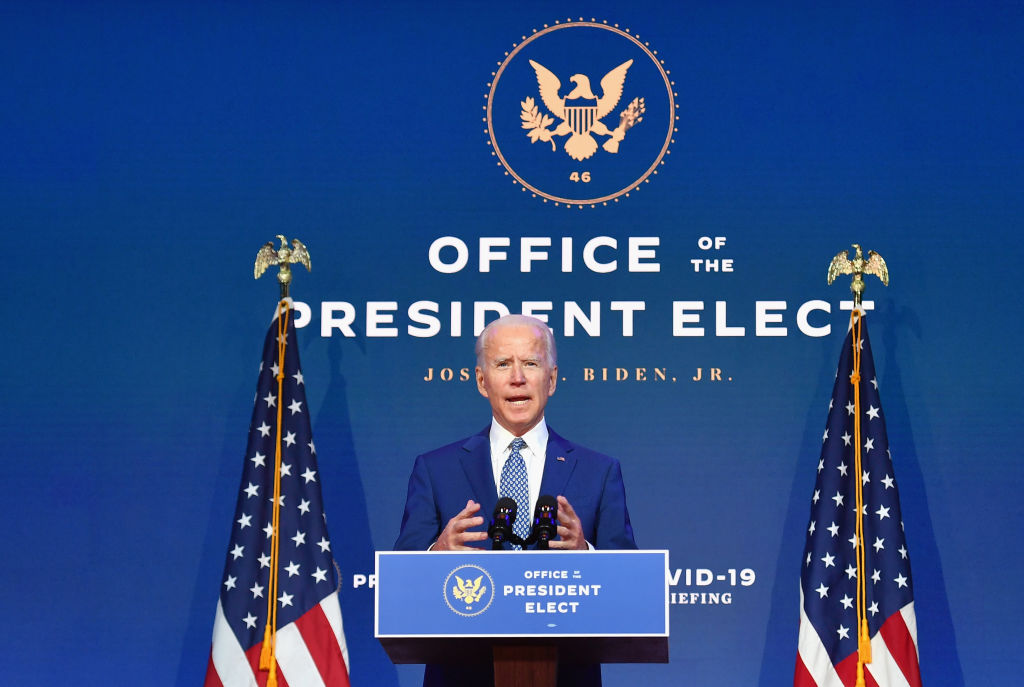
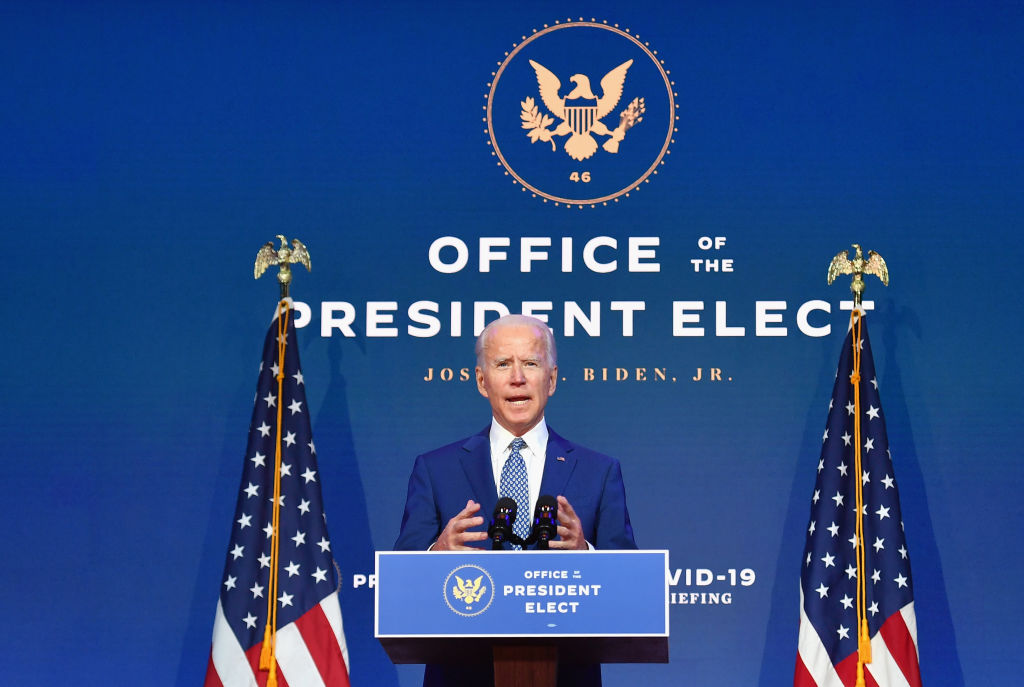
Monday Briefing: The reverberations of the US election in the Middle East
This week’s briefing on recent news and upcoming events in the region featuring Paul Salem, Alex Vatanka, Gonul Tol, Gerald Feierstein, Randa Slim, Khaled Elgindy, Charles Lister, Mirette F. Mabrouk, and Marvin G. Weinbaum.
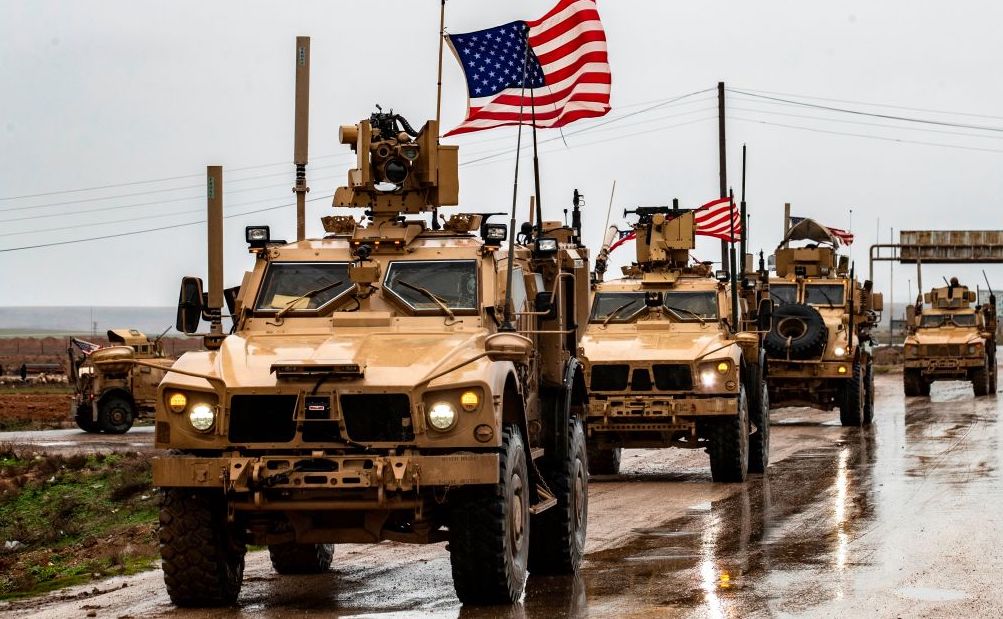
When a Biden administration begins to settle into its offices in just a few months, Syria’s crisis will have reached a dreadful milestone, marking a decade in March 2021. Though many of President Biden’s senior team presided over U.S. policy throughout Syria’s most deadly years of 2011-16, it is clear that the tragedy that has befallen Syria and its extraordinary global ramifications are a source of sincere regret. Moreover, after four years of the Trump administration, during which American leverage has been repeatedly and illogically spurned and U.S. credibility eroded by repeatedly embarrassing flip-flops, there is a newfound determination to correct today’s trajectory and work determinedly toward the core objectives of defeating ISIS and pursuing a negotiated Syrian settlement.
من المرجح أن يقتصر التغيير الرئيسي في سياسة بايدن الخارجية على إيران، بالرغم من أنه حتى في هذا الشأن، فإن استعادة الوضع السابق وإيجاد مسار أفضل للمضي قدمًا قد يكون أصعب مما نتصور.
حلقة 13: الولايات المتحدة في عهد بايدن داخليا وخارجياً — مع بول سالم
ربح بايدن، ولكن كيف كان أداء الجمهوريين والديمقراطيين في الانتخابات بناءً على المعطيات الحالية؟ ما هي السمات العامة المتوقعة لعهد بايدن؟ ما هي التحديات دخل الحزب الديمقراطي وبين الحزبين؟ وبالنسبة للسياسة تجاه الشرق الأوسط، ماذا يجب أن نتوقع بخصوص إيران، السعودية، الإمارات، قطر، مصر، سوريا، اليمن، لبنان، إسرائيل، والقضية الفلسطينية. حوار مع بول سالم لرسم المعالم الأساسية لإدارة بايدن.
Georgian Elections 2020: A strong mandate for democratization and Westernization
The Georgian Dream government managed the pandemic too well not to ensure a landslide. Georgia’s 2020 free and fair elections secure the country’s position as a regional beacon of democracy. Such well-deserved democratic progress shines bright in the context of democratic backsliding across Central and Eastern Europe. Georgia’s ruling party will face two major challenges over the next four years: first, a proportional electoral system which will institutionally strengthen the opposition, and second, the most difficult economic recovery it has seen in a decade of power.
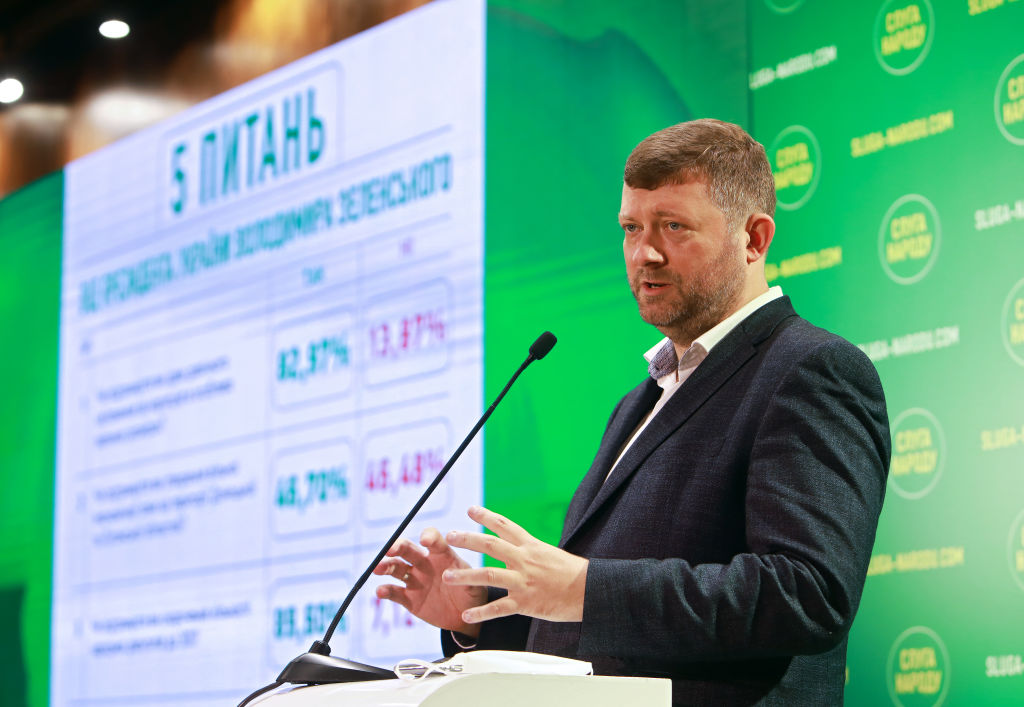
Ukrainians are pondering what their recent local elections mean for the future of their nation. While results varied across different regions, it’s clear most of the population has grown ambivalent and cynical about the political process, with their country is battered by economic hardship, invasion by Russia, a thus-far disappointing record of performance by the current President Volodymyr Zelenskiy, and now the disastrous effects of COVID-19.
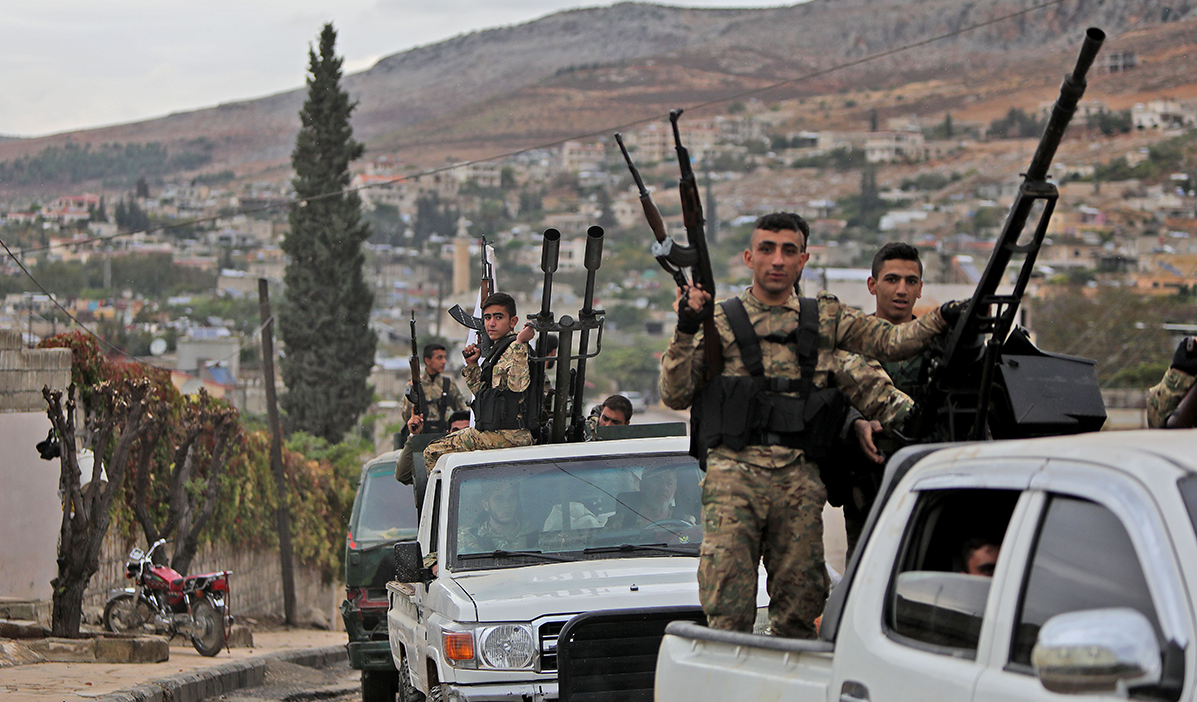
As the conflict in Nagorno-Karabakh rages between Armenia and Azerbaijan, Russia and Turkey once again find themselves on opposite sides in a regional geopolitical war. With the reverberations from the fighting now spreading across the region, the fate of Idlib could be tied to battles elsewhere as Moscow potentially seeks to open up another front against Ankara.
Kavkaz 2020: Russia’s latest military exercise highlights its strengths and limitations as a regional hegemon
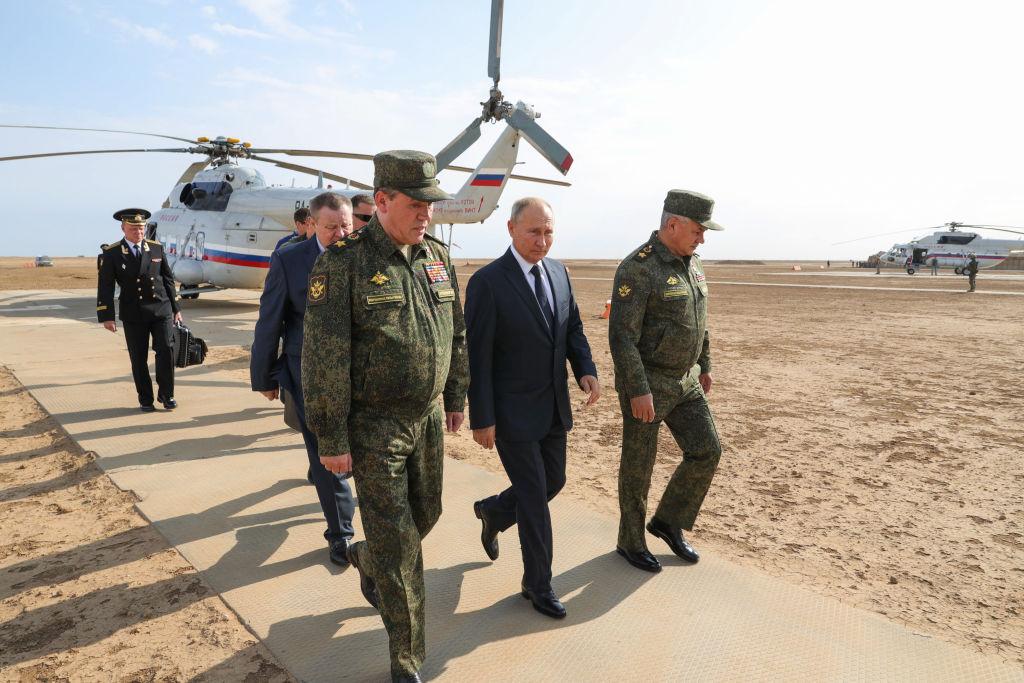
Kavkaz 2020, the latest in Russia’s series of major military exercises, demonstrated its burgeoning military capabilities on its southern flank. Several lessons for both the region and outside observers can be drawn from the exercise, but when juxtaposed with the subsequent flare-up of hostilities between Armenia and Azerbaijan, they emphasise not just Russia’s strengths but also its limitations.
The Significance of Ukraine's Maritime Industry for the Black Sea, and Beyond
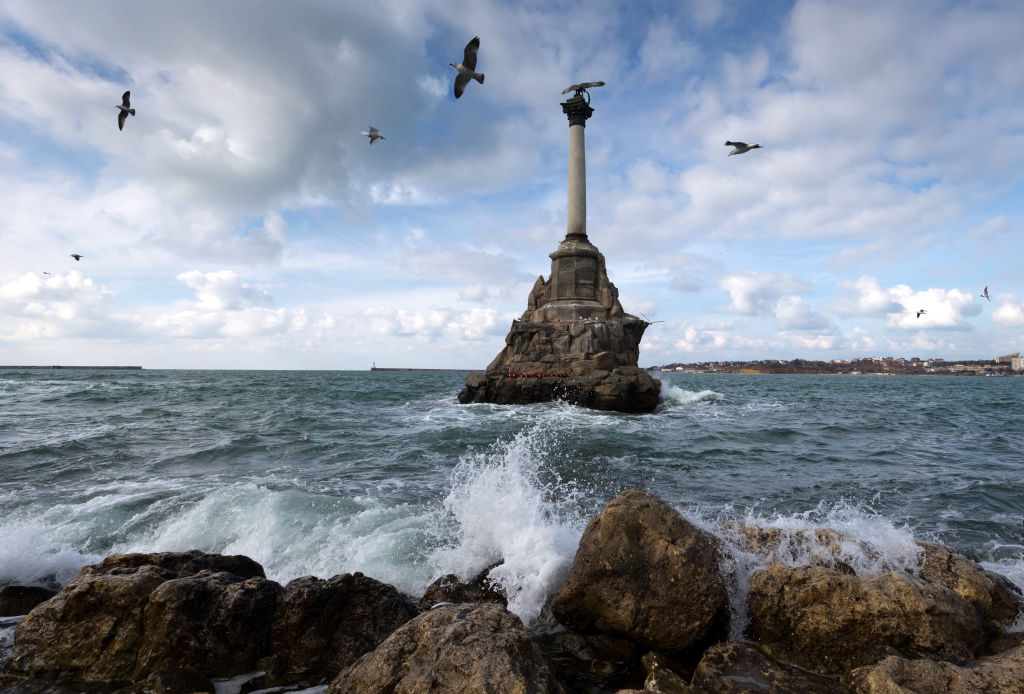
While the geopolitical importance of the Black Sea is indisputable, more attention is needed to its separate actors. Ukraine, having had the largest territory of coastline in the Black Sea before the illegal annexation of Crimea, is ideally positioned to play a central role in the future of the region.
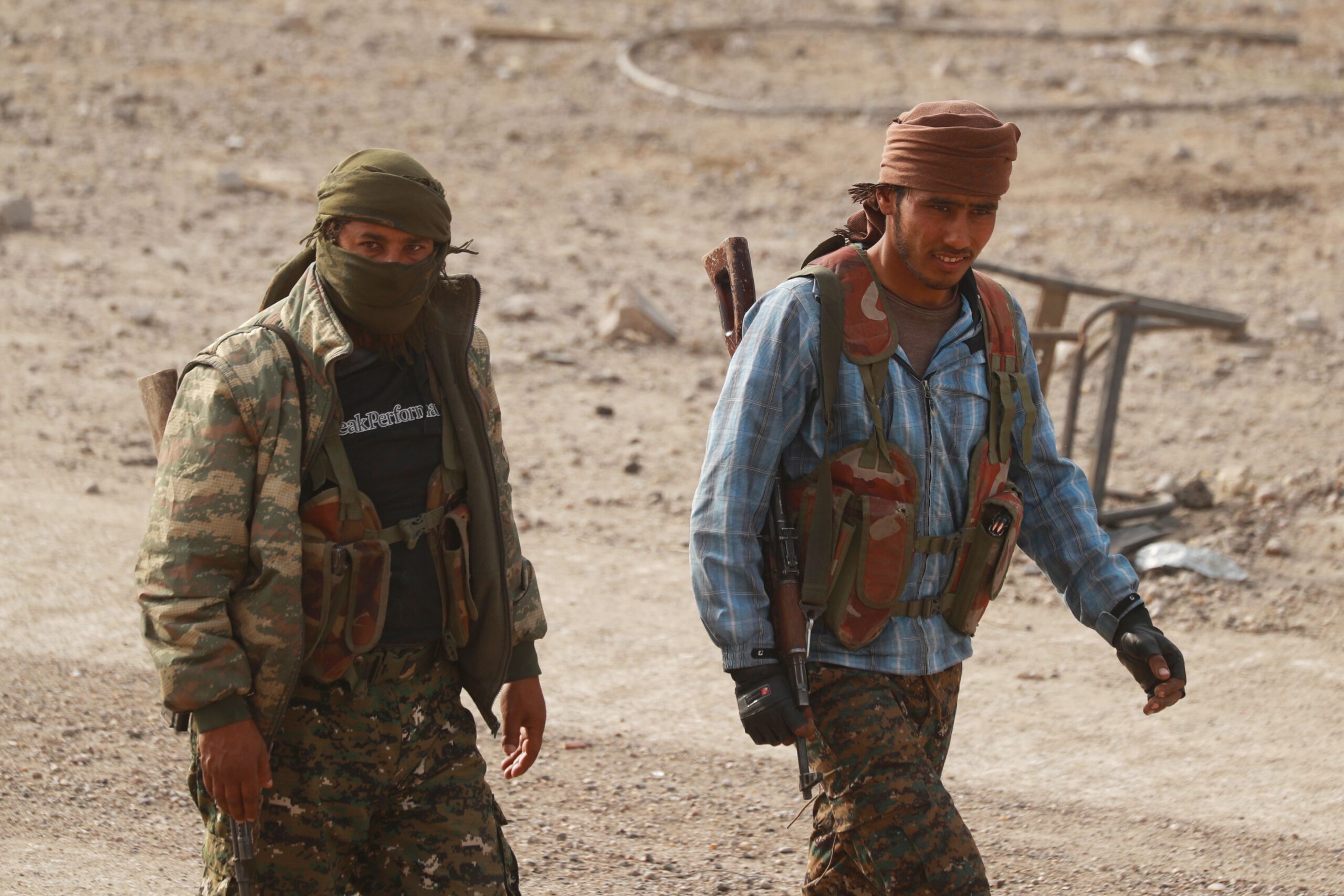
Between the Coalition, ISIS, and Assad: Courting the Tribes of Deir ez-Zor
In areas under the control of both the Syrian regime and Autonomous Administration in North and East Syria (AANES) in Deir ez-Zor Province, the governing bodies are failing to secure the loyalty and support of locals. The security structures built by the regime and the AANES have coopted and incorporated local tribes to a significant extent, but a lack of support from the central governing bodies amid increasing ISIS attacks threatens long-term stability in the province. These two regional dynamics are outlined and compared in this paper to illustrate the dual challenges both governance bodies face in appealing to locals and thwarting the resurgence of ISIS in the area.
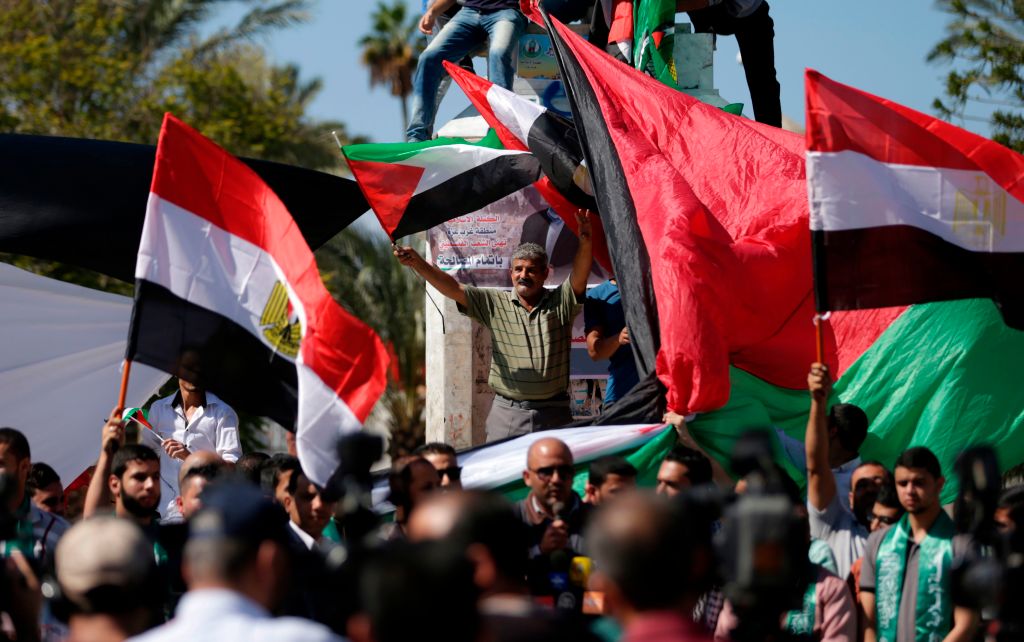
Forget the US elections, the Palestinians need to choose their own way forward
Since Fatah and Hamas reached a reconciliation agreement in September, Palestinian scholars, activists, and journalists have speculated over when, how, and if this latest reconciliation might actually go forward. Many observers, both inside and outside of Palestine, view the move as a response to the recent rapprochement of Arab countries with Israel, as well as to uncertainty over this week’s U.S. presidential elections.
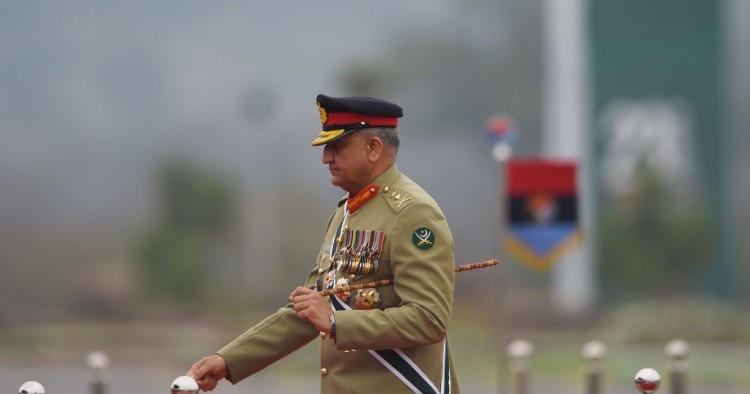
Pakistani politics at a crossroads: The new opposition to Imran Khan and to the military establishment
On October, 16, Pakistan’s former Prime Minister Nawaz Sharif set his country’s politics ablaze by offering a withering critique of the military establishment. Calling in from London via video conference, Sharif addressed a crowd of over 20,000 protestors at a rally in the Punjabi city of Gujranwalla organized by the Pakistan Democratic Movement (PMD), a recently formed coalition that brings together all major opposition parties. Under the PMD’s banner, erstwhile rivals like the Pakistan Muslim League-Nawaz (PML-N), the Pakistan People’s Party (PPP), and the Jamiat Ulema-e-Islam–Fazlur (JUI-F) have joined forces to achieve two goals that they see as intertwined: unseating Prime Minister Imran Khan and regaining power from the military.
The oldest peer-reviewed publication dedicated to the study of the modern Middle East, MEI’s flagship journal covers politics, society, and culture in the region.