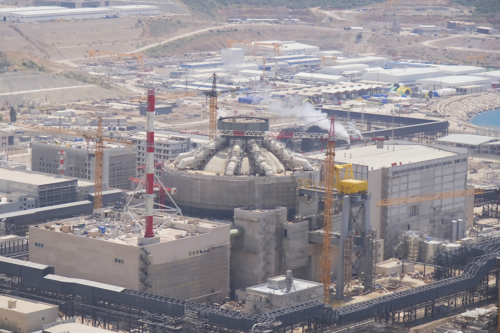
As a result of the Iran war, Turkish thinking about nuclear weapons appears to be shifting. Iran’s emergent ability to threaten regional states (and possible determination to acquire a nuclear weapon itself), growing concern about Israeli aggressiveness, doubts about US security guarantees, and greater Saudi nuclear autonomy are all pushing Ankara to consider a future nuclear option.
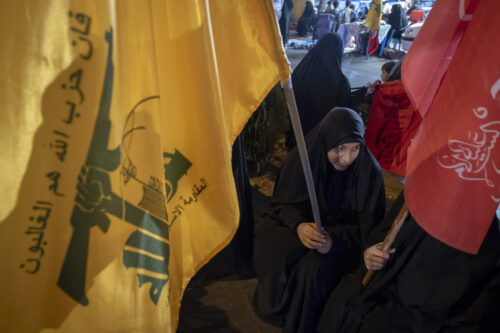
Hizballah: The murderers of elected Lebanese politicians, the killers of peacekeepers, the thugs of the streets they dominated because all other militias had disarmed, the agents of destruction of their own communities on behalf of foreign paymasters reigning 1,000 miles away from Beirut, the brainwashers of children into an ideology of “resistance” that only invited invasion. That’s the Hizballah that today is begging the Lebanese state to return to them the 1,000 pounds of explosives so rudely taken from them by Lebanese soldiers doing their job at a checkpoint in the Bekaa Valley.
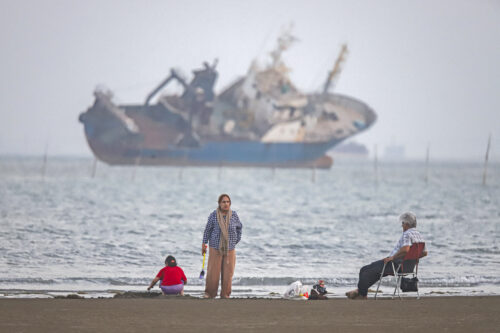
Many of the immediate consequences of the Israeli-American war with Iran are already clear. The further emergence of drones and missiles as dominant weapons of war; the danger to the global economy from the threats to vital chokepoints such as the Strait of Hormuz and the Bab el-Mandeb; and the inadequacy of US weapons procurement, among other issues, have garnered widespread and entirely merited attention.
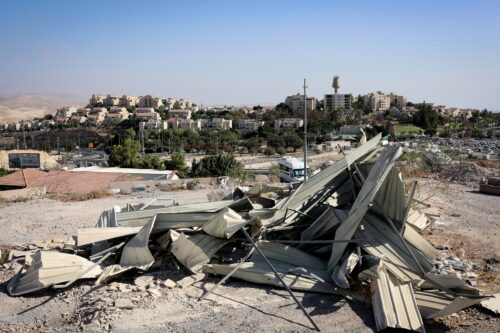
Since 1967, Israeli settlements in the West Bank have been a contested feature of the Israeli-Palestinian conflict. The ultimate disposition of the settlements and ongoing activity related to their growth have repeatedly defied agreement in negotiations over a resolution to the conflict.
The Houthis are a political-military faction and Zaydi religious movement founded in northwestern Yemen in the 1980s. A key member of Iran’s Axis of Resistance with links to other militant organizations in the Arabian Peninsula and the Horn of Africa, the group has continued to pose a threat to Western interests on a global scale.
The India-Middle East-Europe Economic Corridor (IMEC) is a proposed multinational infrastructure initiative aimed at upgrading connectivity between the three regions through integrated trade, energy, and digital networks. Announced at the G20 summit in New Delhi in September 2023, IMEC is envisioned partially as a counterweight to China’s international infrastructure project, the Belt and Road Initiative.
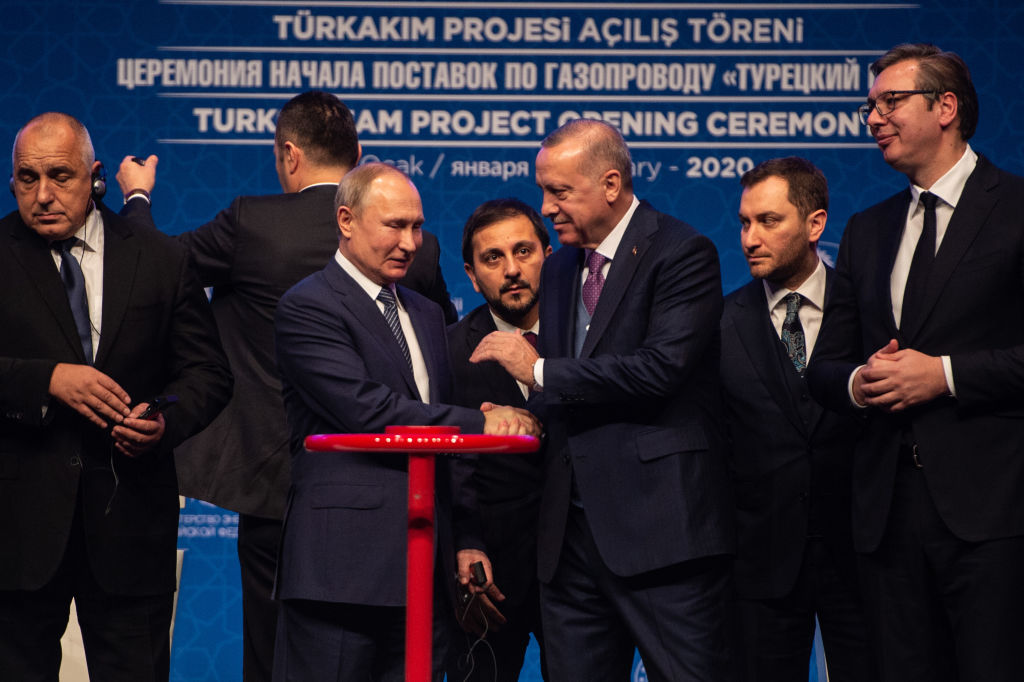
After a decade of post-Arab Spring isolation, Turkey’s leaders have recognized that their ambition to position the country as an agenda-setter on the world stage requires active engagement in all directions. President Recep Tayyip Erdoğan’s consolidation of executive authority has centralized foreign policy decision-making and tied it to his domestic political priorities, transforming the country’s revisionist approach to one shaped primarily by personal and pragmatic interests.
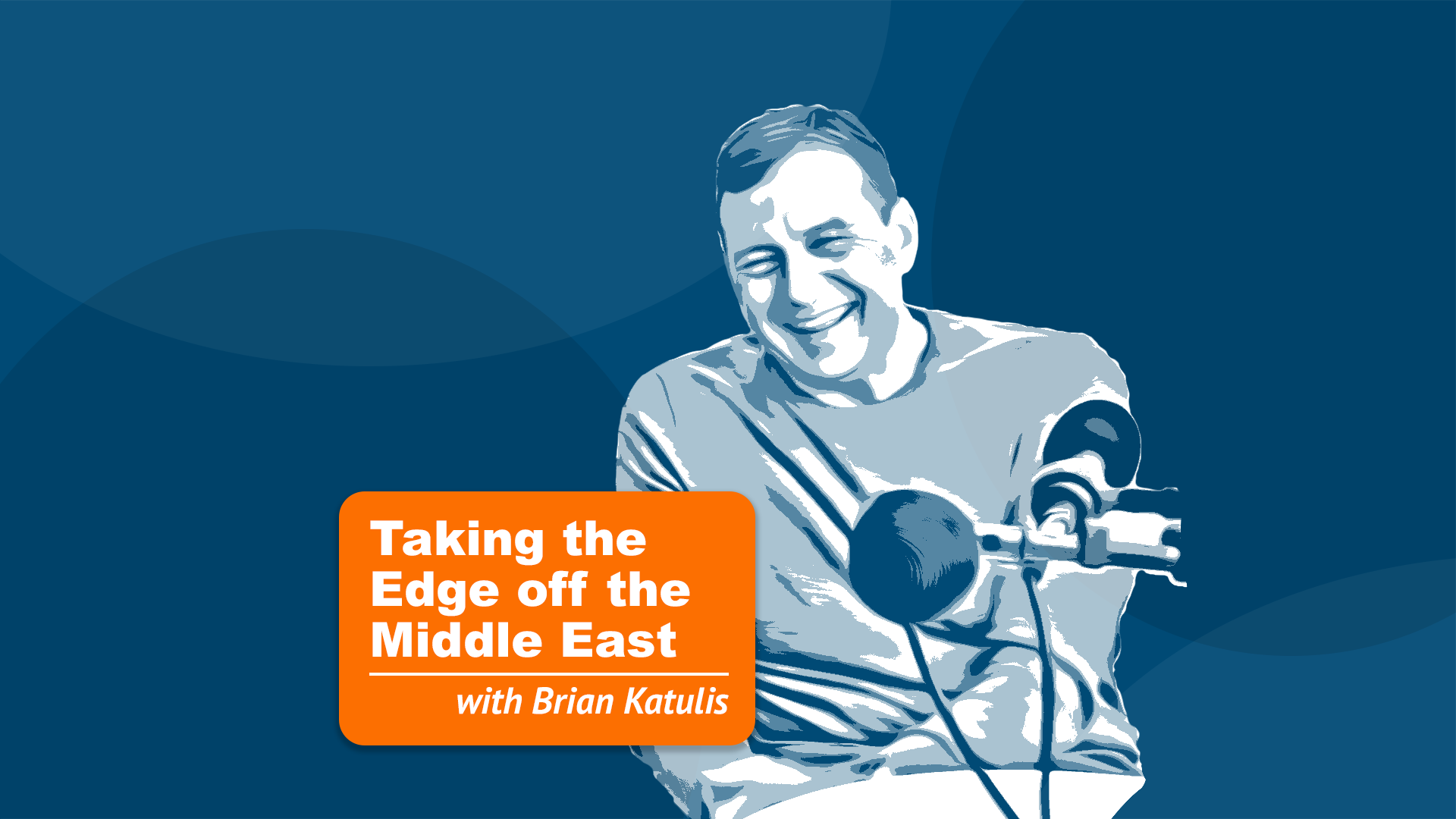
MEI Senior Fellow Brian Katulis engages friends, colleagues, and policy experts in casual conversations on the most important happenings in the Middle East.
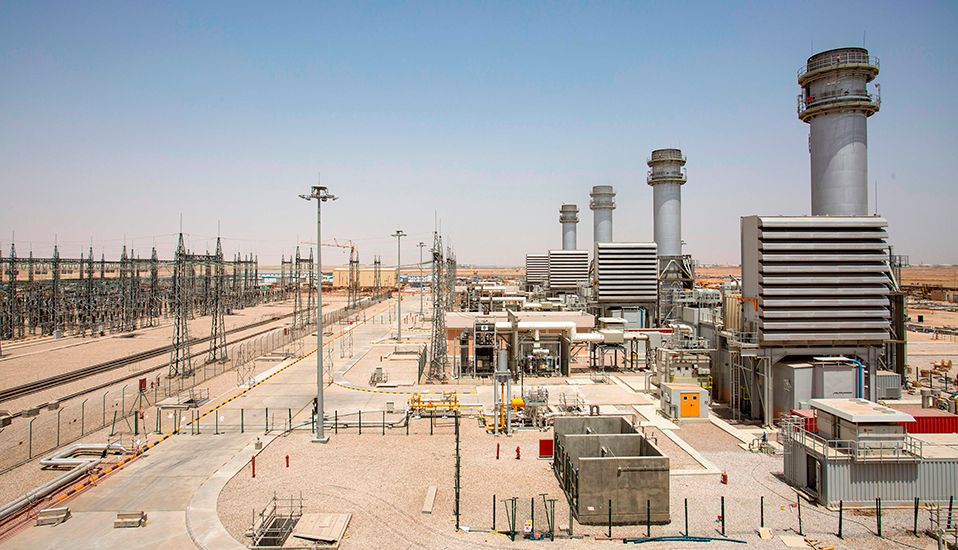
Iraq’s long-running electricity dilemma is now a daily source of public misery. The struggle of the power generation and distribution system to keep up with relentless demand caused by almost free electricity, especially as temperatures soar to record levels of over 120 degrees, is likely to get worse without reforms.
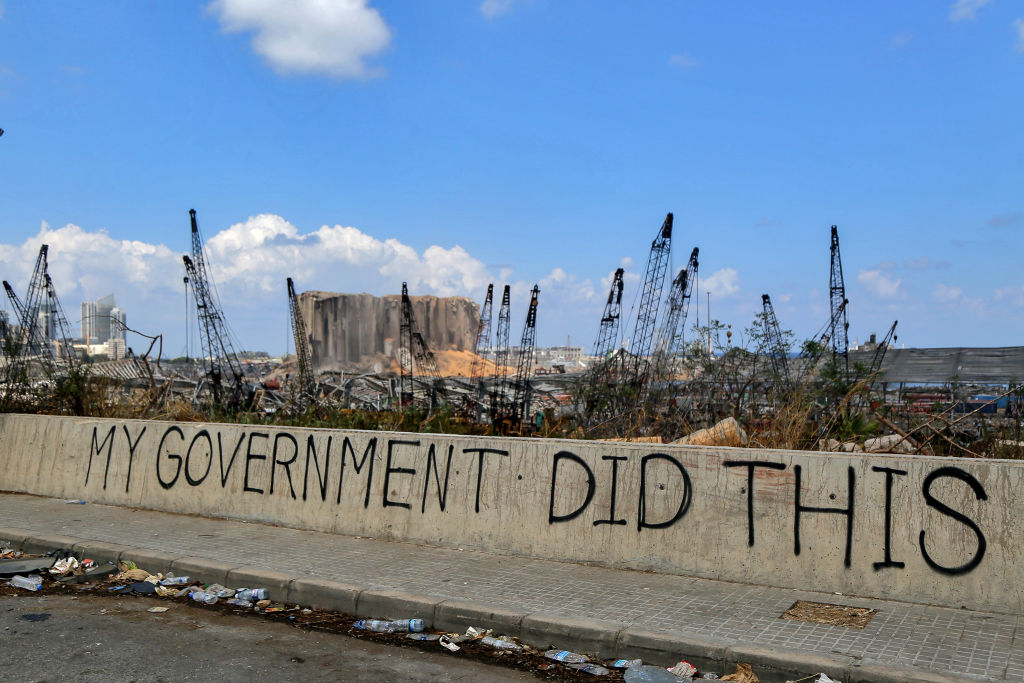
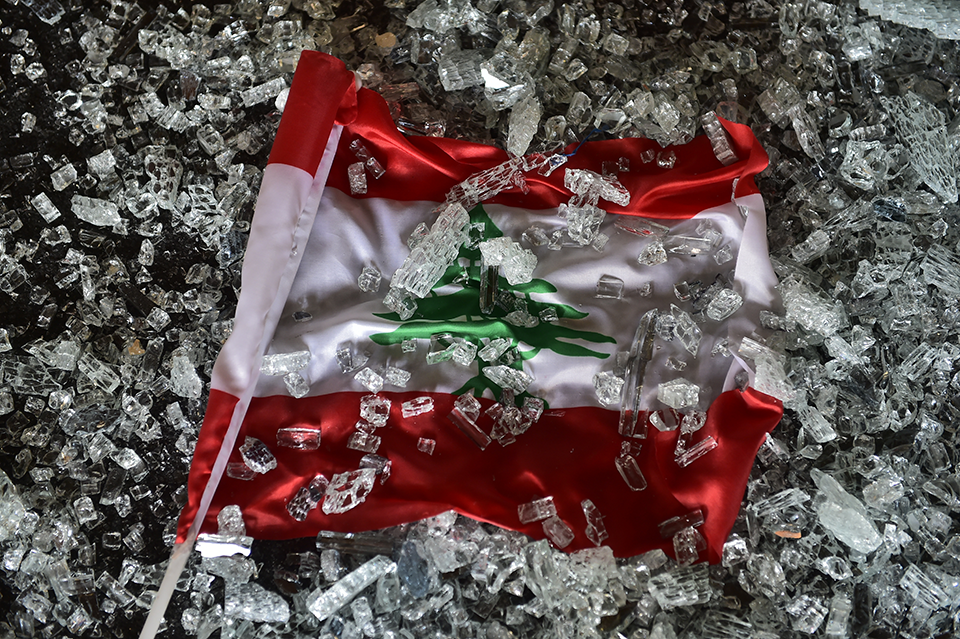
يتعرض استقرار لبنان حاليا لتهديد أكبر مما كان عليه في أي وقت منذ نهاية الحرب الأهلية عام 1990. الانفجار الهائل الذي شهده مرفأ بيروت في الرابع من آب/أغسطس الجاري الذي أودى بحياة المئات وجرح الآلاف وتسبب بأضرار مادية تقدر بمليارات الدولارات، لم يترك أثرا عميقا على أجساد ومعنويات اللبنانيين فحسب، بل غيّر أيضًا الأطر المرجعية للقوى السياسية المعارضة في البلاد. لقد اتخذ الصراع السياسي الآن بعدا وجوديا.
Beirut will rise again from the ashes, like it always has. But the real rebuilding that must occur is not physical in nature. It is political. Nothing will truly change in Lebanon unless the country’s corrupt and incompetent leaders, who have been in power for decades, are unseated.
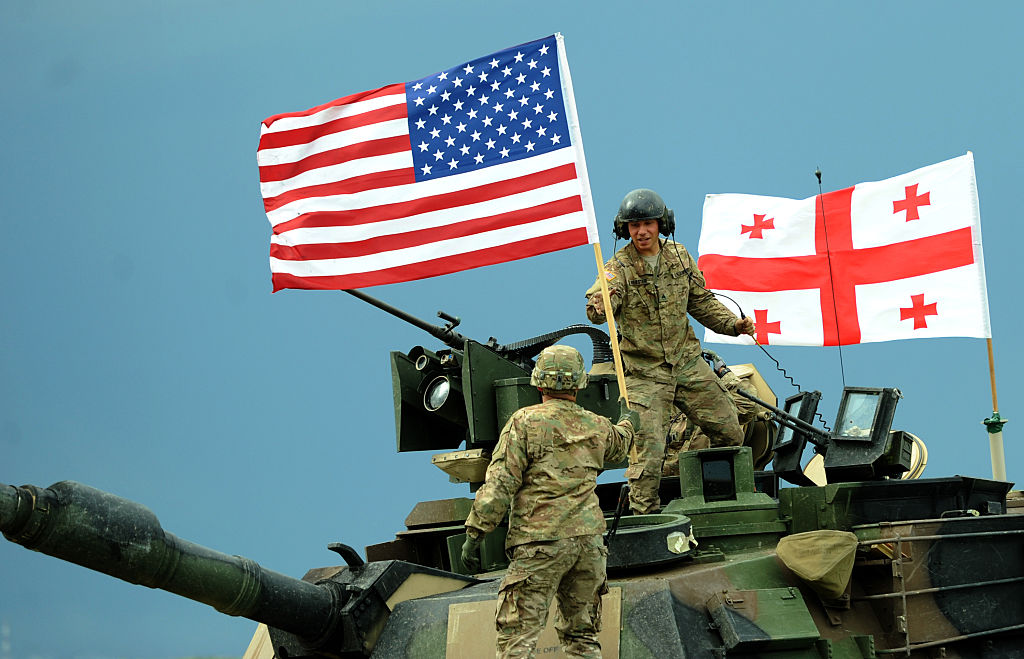
America must stay focused on Georgia's de-occupation and transatlantic path
This week marks the 12th anniversary of Russia’s wonton invasion of Georgia. While the world was fixated on the Summer Olympics in Beijing, an invasion force comprised of hundreds of Russian tanks and armored vehicles passed through the Roki tunnel on the Russian–Georgian border.
What does China’s growing engagement in Afghanistan mean for the US?
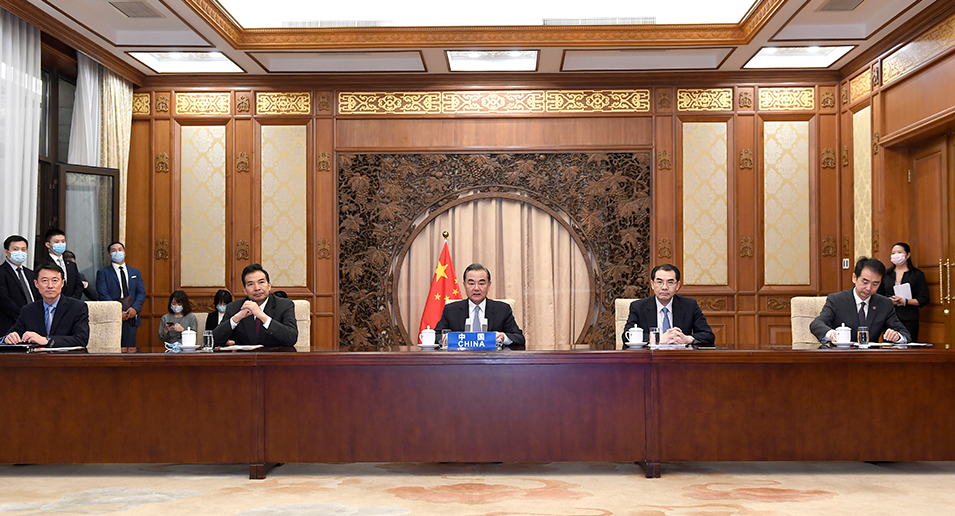
On July 27, Chinese Foreign Minister Wang Yi held a video conference with his counterparts from Afghanistan, Pakistan, and Nepal to suggest expanding their pandemic cooperation and proposed extending the China-Pakistan Economic Corridor into Afghanistan. Although the details about what this quadrilateral framework would entail and how it would work are unclear, any movement toward its institutionalization would be a serious challenge for the United States.
حلقة 5: انفجار بيروت وتبعاته السياسية — مع بول سالم ورندى سليم وفراس مقصد
ما هو الأثر السياسي لانفجار بيروت؟ كيف يمكن أن تكون ردة فعل الشارع؟ وهل هناك إمكانية لتغيير حقيقي في الطبقة السياسية في لبنان؟ ما هو الدور الذي يحاول ماكرون القيام به في لبنان وهل سيتمكن المجتمع الدولي من لعب دور إيجابي؟ وماذا عن الدول الإقليمية؟
The annual Conference of the Parties (COP) was initiated by the United Nations Framework Convention on Climate Change (UNFCCC) in 1995 to assess progress made by UN members in dealing with climate change. Some meetings have had practical and measurable outcomes, such as the Kyoto Protocol of 1997. But arguably the most well-known meeting is the 2015 COP21 in Paris, also known as the Paris Agreement.
Paul Salem and Randa Slim join host Alistair Taylor to discuss the immediate aftermath of Tuesday’s massive explosion in Beirut, which killed over 150 people and left as many as 300,000 homeless. The blast caused extensive damage across the city, and compounds the stress of Lebanon’s preexisting political, economic, and health crises.
After months of under-reported cases and relaxed lockdown measures, the rapidly spreading COVID-19 pandemic has gripped government-held areas. A worrying rise in daily deaths and infections, especially in Damascus, has left Syria facing what could be its biggest challenge yet.
Moscow and Ankara will continue uneasy cooperation
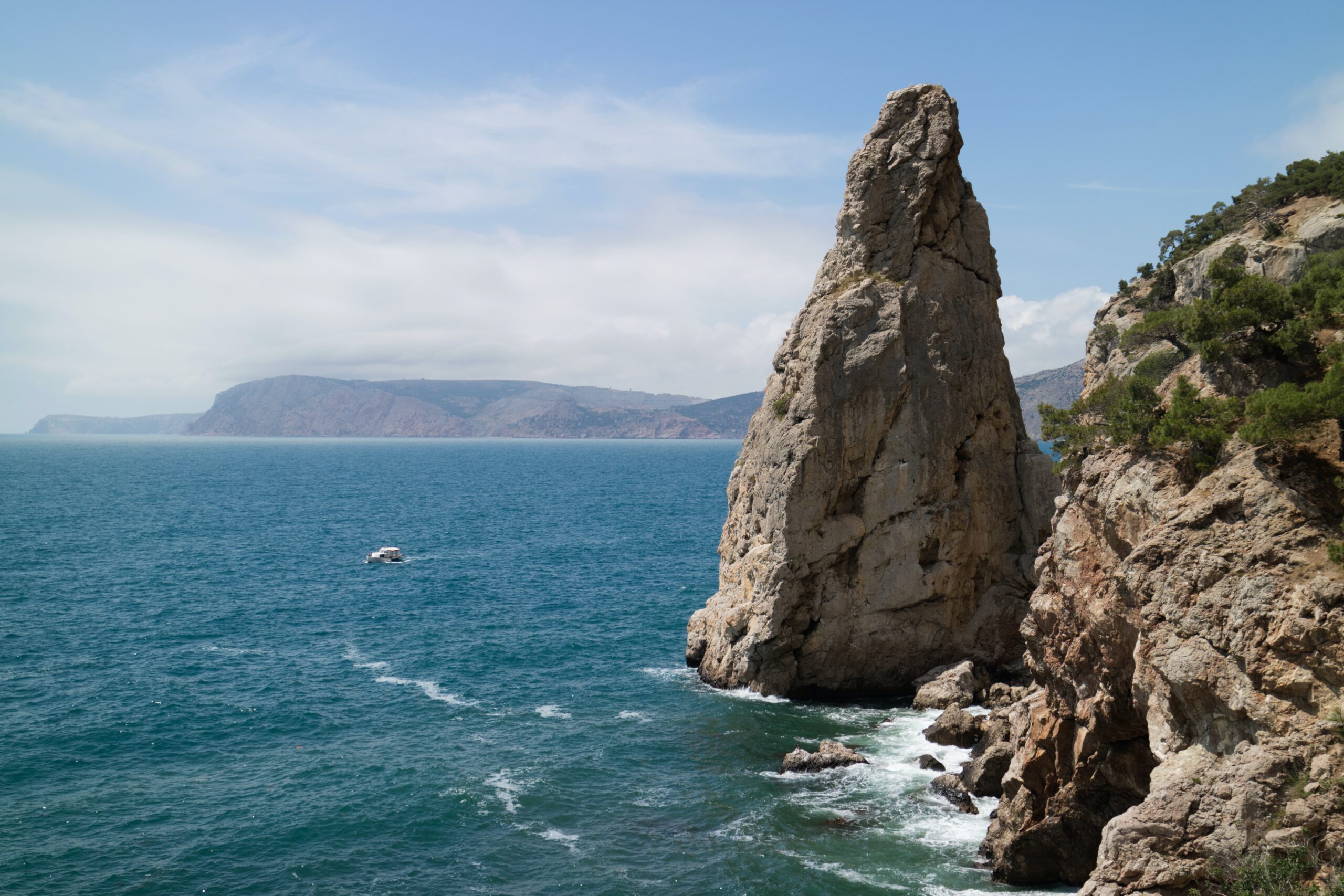
As Russia partially reopens international travel amidst the ongoing pandemic, Turkey is in the top three countries for resumed Russian flights. Moscow also touts possible space cooperation with Turkey amidst tensions with the US on this issue. Despite disagreements between Moscow and Ankara over Syria, Libya, and the broader Black Sea region, Russia and Turkey remain determined to cooperate. But the relationship remains unequal.
The EU steps up its engagement in Yemen, but is it enough?
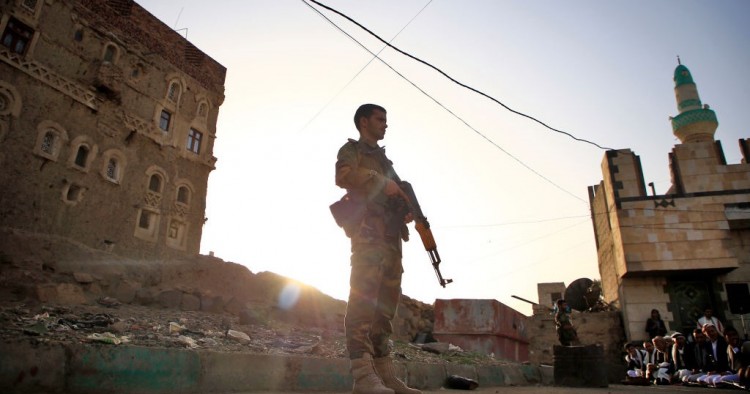
The conflict in Yemen poses a real threat not only to its immediate neighborhood, but also to global players such as the European Union. Although the country is located relatively far away from the EU’s external borders, instability on the Arabian Peninsula could seriously affect European interests and security.
Beirut-based art and documentary photographers Chantale Fahmi, Vicky Mokbel, and Marwan Tahtah join guest host Kate Seelye to discuss their efforts to capture the aftermath of Lebanon’s long civil war as well as the street protests that erupted on October 17, 2019 in response to the corruption and political mismanagement that triggered Lebanon’s financial collapse. Their’s are among works on display in “Lebanon Then and Now: Photography from 2006 to 2020,” an interactive virtual exhibit hosted by the MEI Art Gallery now through September 25. Visit the show now at www.mei.edu/art-gallery
To recognize or not to recognize: EU recognition of Palestine
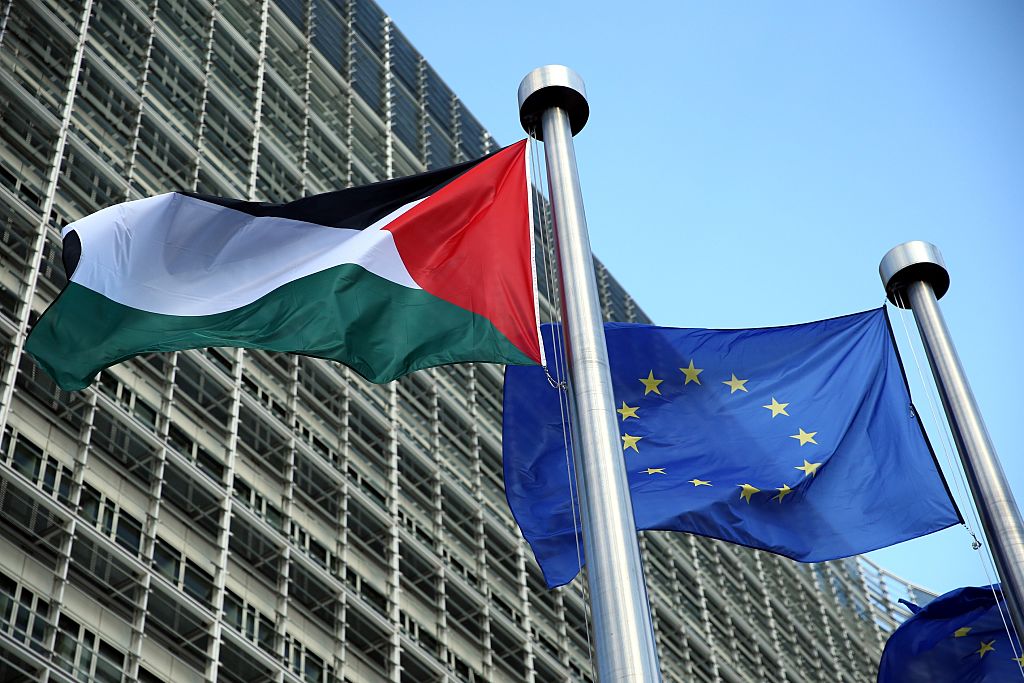
Recognition of a Palestinian state is one of the potential responses European Union states are mulling in response to an Israeli annexation of territory in the West Bank, with the foreign minister of Luxembourg, for example, declaring such a move “inevitable” in the event of annexation.
Populism, Islamism, and Democratic Decline in Indonesia
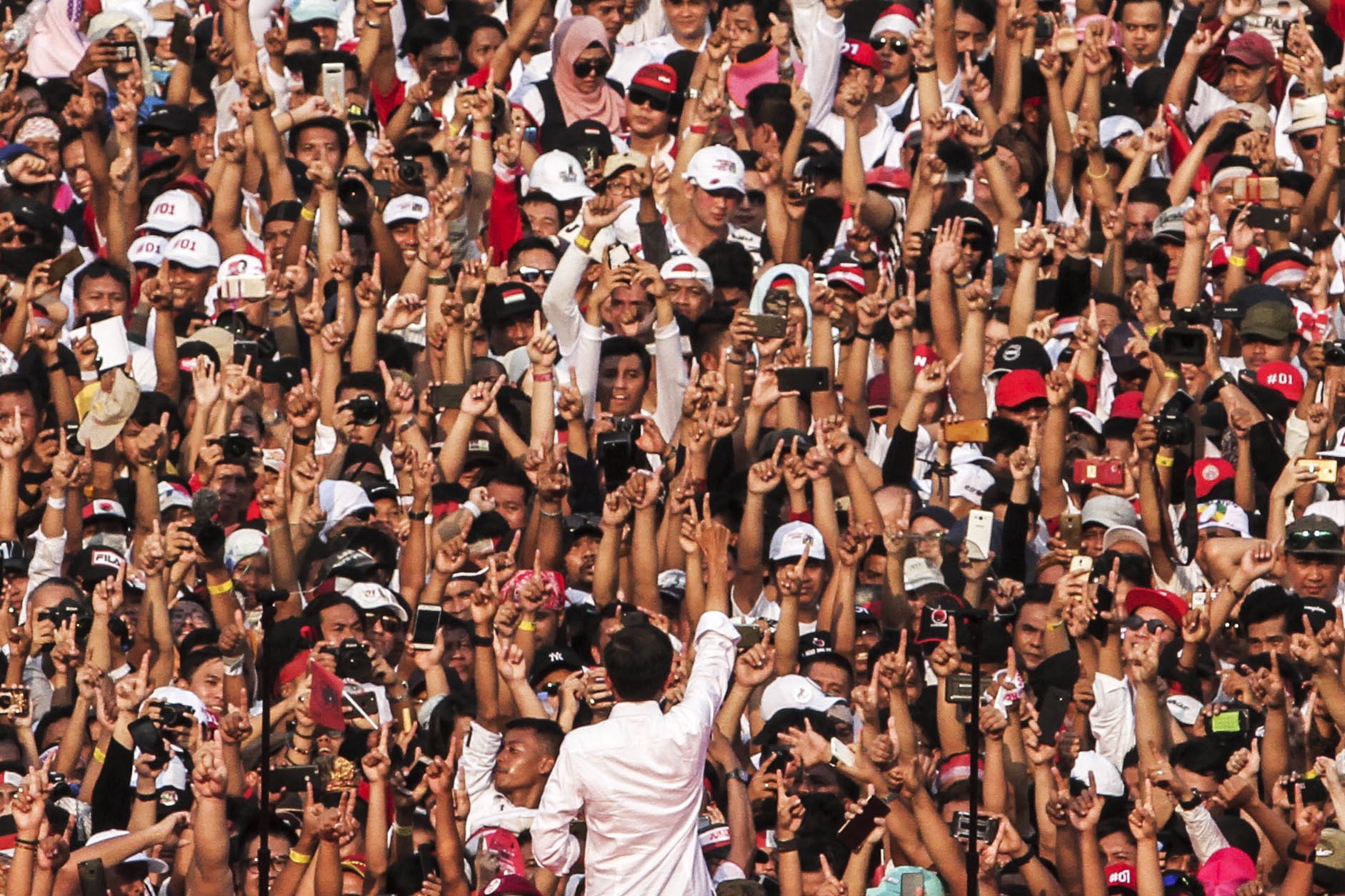
Within the academic literature on Indonesian politics, a consensus appears lately to have emerged that populism, Islamism, and democratic regression are the three fundamental, mutually reinforcing forces responsible for impeding Indonesia’s democratic consolidation since the fall of Suharto’s New Order regime in 1998. This article uses empirical polling data of the Indonesian electorate to interpret and clarify the debate surrounding the issue of populism and how it relates to Islamism and democratic regression.
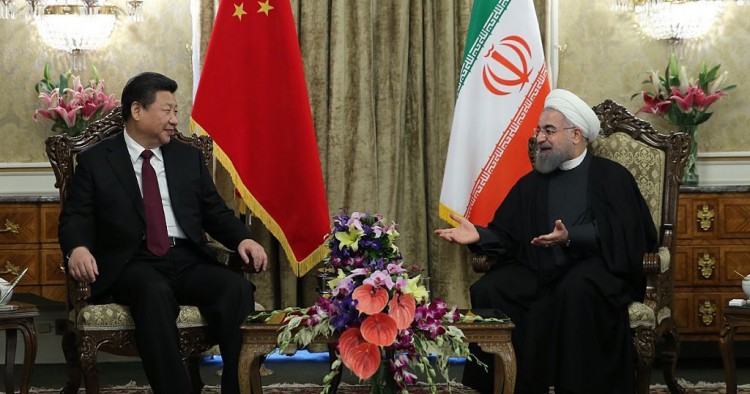
The Dangers Presented by Russian and PRC Weapons Sales to Iran
In October, the United Nations embargo on arms sales to Iran is scheduled to expire. This was a deadline specified in the 2015 Iran nuclear deal concluded by the Obama Administration. The Trump administration stridently opposes the lifting of this restriction and is lobbying within the UN Security Council to have the embargo extended indefinitely.
The oldest peer-reviewed publication dedicated to the study of the modern Middle East, MEI’s flagship journal covers politics, society, and culture in the region.