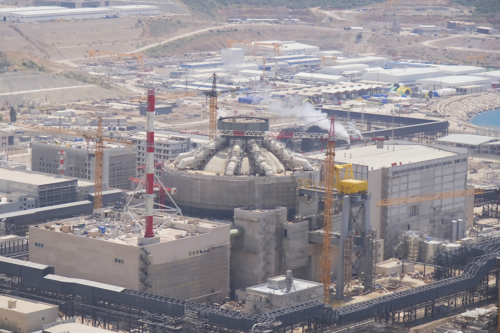
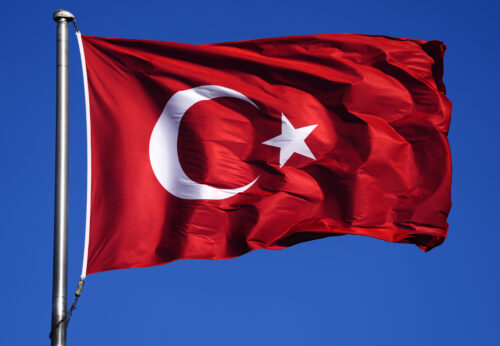
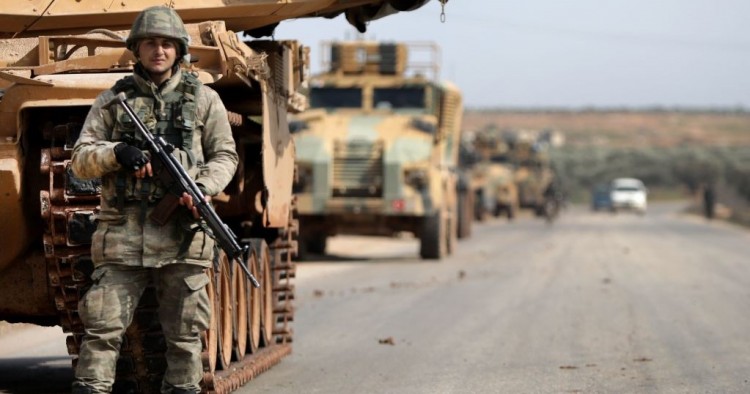
As a result of the Iran war, Turkish thinking about nuclear weapons appears to be shifting. Iran’s emergent ability to threaten regional states (and possible determination to acquire a nuclear weapon itself), growing concern about Israeli aggressiveness, doubts about US security guarantees, and greater Saudi nuclear autonomy are all pushing Ankara to consider a future nuclear option.
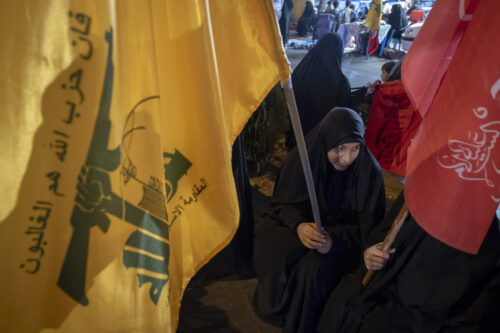
Hizballah: The murderers of elected Lebanese politicians, the killers of peacekeepers, the thugs of the streets they dominated because all other militias had disarmed, the agents of destruction of their own communities on behalf of foreign paymasters reigning 1,000 miles away from Beirut, the brainwashers of children into an ideology of “resistance” that only invited invasion. That’s the Hizballah that today is begging the Lebanese state to return to them the 1,000 pounds of explosives so rudely taken from them by Lebanese soldiers doing their job at a checkpoint in the Bekaa Valley.
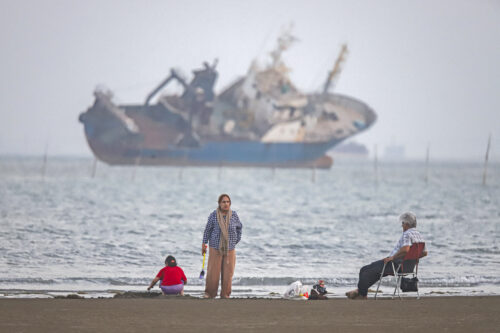
Many of the immediate consequences of the Israeli-American war with Iran are already clear. The further emergence of drones and missiles as dominant weapons of war; the danger to the global economy from the threats to vital chokepoints such as the Strait of Hormuz and the Bab el-Mandeb; and the inadequacy of US weapons procurement, among other issues, have garnered widespread and entirely merited attention.
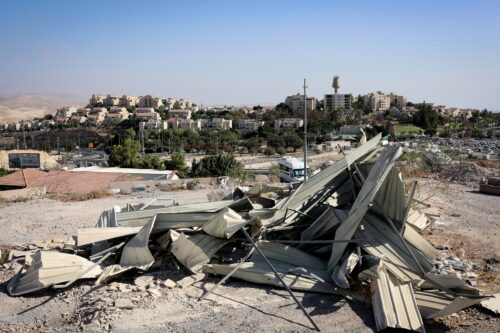
Since 1967, Israeli settlements in the West Bank have been a contested feature of the Israeli-Palestinian conflict. The ultimate disposition of the settlements and ongoing activity related to their growth have repeatedly defied agreement in negotiations over a resolution to the conflict.
The Houthis are a political-military faction and Zaydi religious movement founded in northwestern Yemen in the 1980s. A key member of Iran’s Axis of Resistance with links to other militant organizations in the Arabian Peninsula and the Horn of Africa, the group has continued to pose a threat to Western interests on a global scale.
The India-Middle East-Europe Economic Corridor (IMEC) is a proposed multinational infrastructure initiative aimed at upgrading connectivity between the three regions through integrated trade, energy, and digital networks. Announced at the G20 summit in New Delhi in September 2023, IMEC is envisioned partially as a counterweight to China’s international infrastructure project, the Belt and Road Initiative.
After a decade of post-Arab Spring isolation, Turkey’s leaders have recognized that their ambition to position the country as an agenda-setter on the world stage requires active engagement in all directions. President Recep Tayyip Erdoğan’s consolidation of executive authority has centralized foreign policy decision-making and tied it to his domestic political priorities, transforming the country’s revisionist approach to one shaped primarily by personal and pragmatic interests.
MEI Senior Fellow Brian Katulis engages friends, colleagues, and policy experts in casual conversations on the most important happenings in the Middle East.
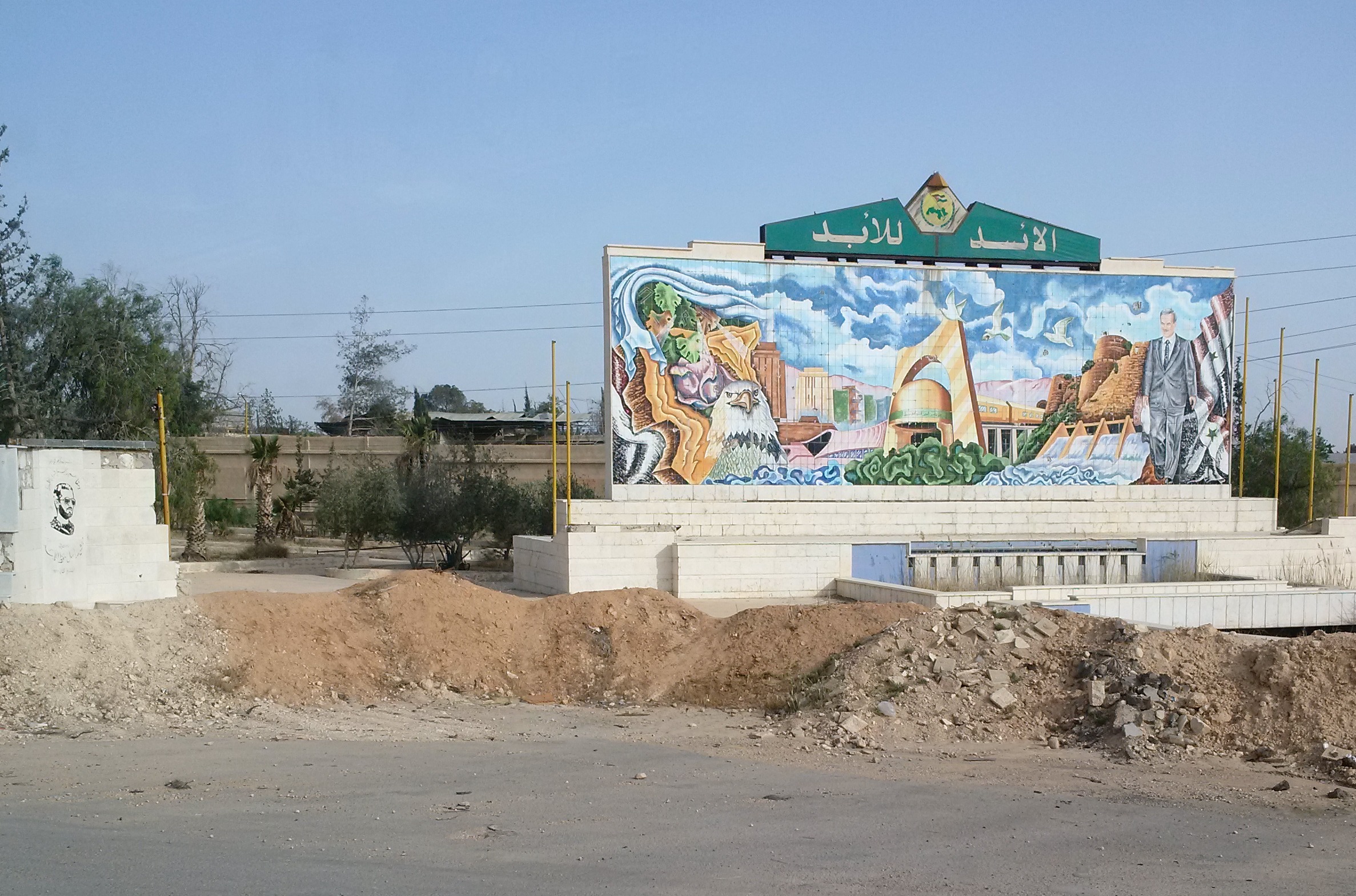
Battle of the Syrian charity giants: Asma al-Assad versus Rami Makhlouf
Charities are useful fronts for all sorts of activities in Syria, but above all perhaps, they are vehicles of control. The Assads have long understood that the biggest danger to their rule comes from within, from a civil society that rejects their governance — never more so than today.
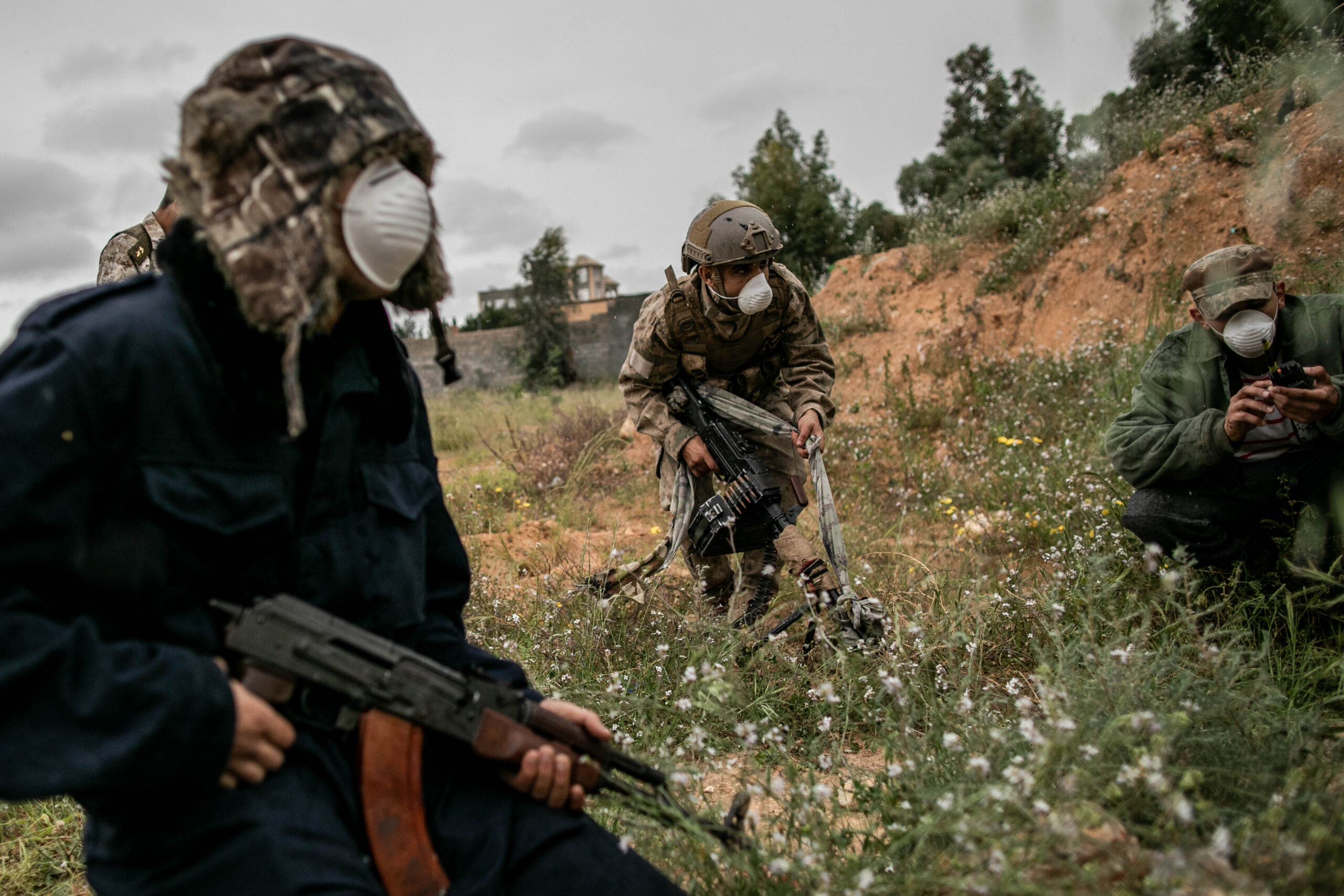
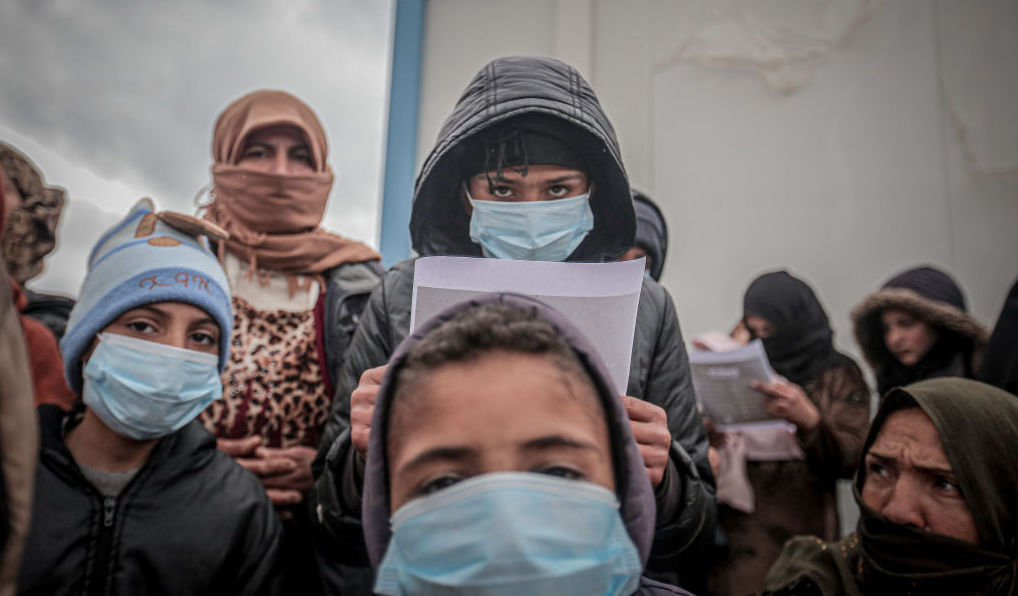
Steven Kenney and Ross Harrison join host Alistair Taylor to discuss their recent policy paper, “Conflict in the Middle East and COVID-19 — A View from 2025.” The COVID-19 crisis is disrupting the status quo on nearly everything, including regional conflict. How will that disruption worsen — or possibly improve — the trendlines of regional conflicts as we head toward 2025?
As Iran redeploys amid COVID-19, Russia is filling the vacuum in eastern Syria
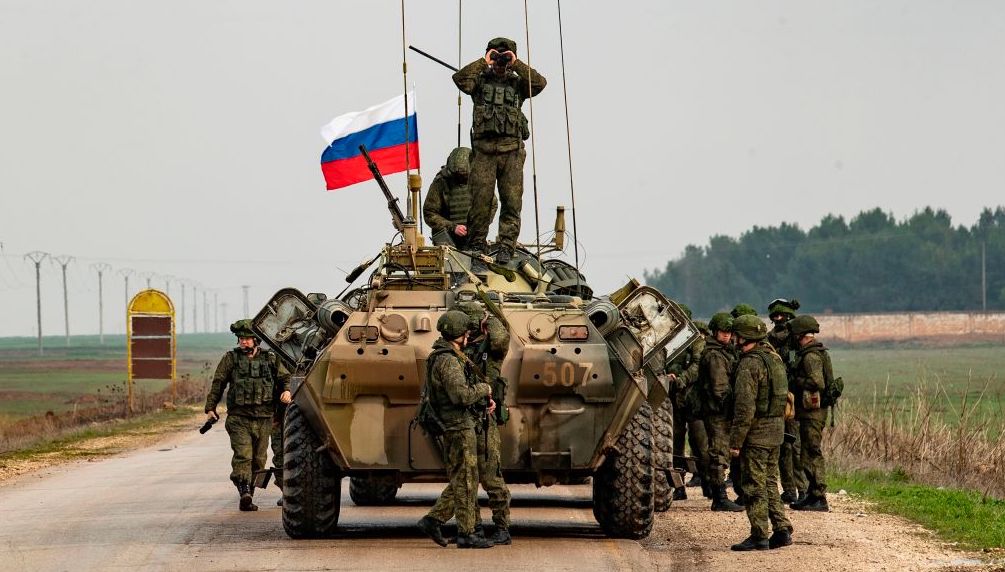
The impact of COVID-19 on Iran-linked forces in Syria has provided Russia with an opportunity to expand its influence through its proxy forces, particularly in eastern Syria, as Iranian and pro-Iranian forces redeploy elsewhere in the country.
Syria should be divided into three zones of foreign influence
World leaders have long stressed the need to maintain Syria’s territorial integrity, but at the moment, such a goal is unrealistic. Syria first needs a transitional phase in which the country will be divided into three zones of foreign influence to allow for reconstruction, the return of refugees and IDPs, and a gradual process of reconciliation.
Will COVID-19 inhibit Iran’s ability to suppress protests?
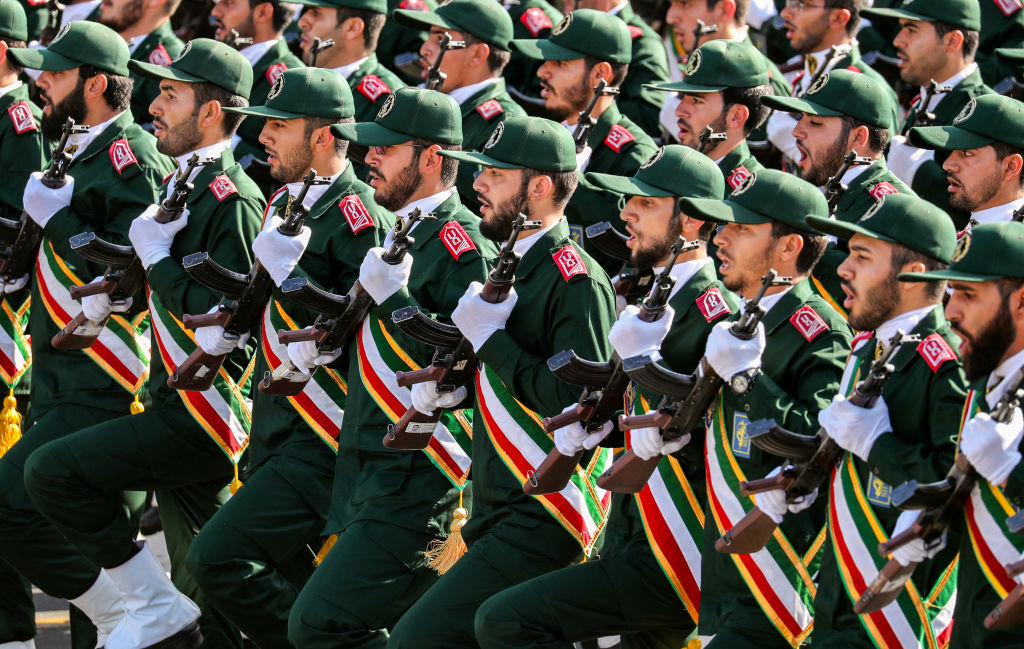
Since 2017, Iran has seen several waves of protests rooted in political, social, and, most importantly, economic grievances. In light of COVID and the post-pandemic fallout, there is every indication that unrest will continue to grow, and even accelerate. Until now, the regime’s coercive apparatus has had both the capacity and the willingness of its members to successfully suppress anti-regime unrest. But has COVID-19 changed this balance? What impact, if any, has the pandemic had on the regime’s security capacity?
Successes and shortcomings: How Algeria’s Hirak can inform Lebanon’s protest movement
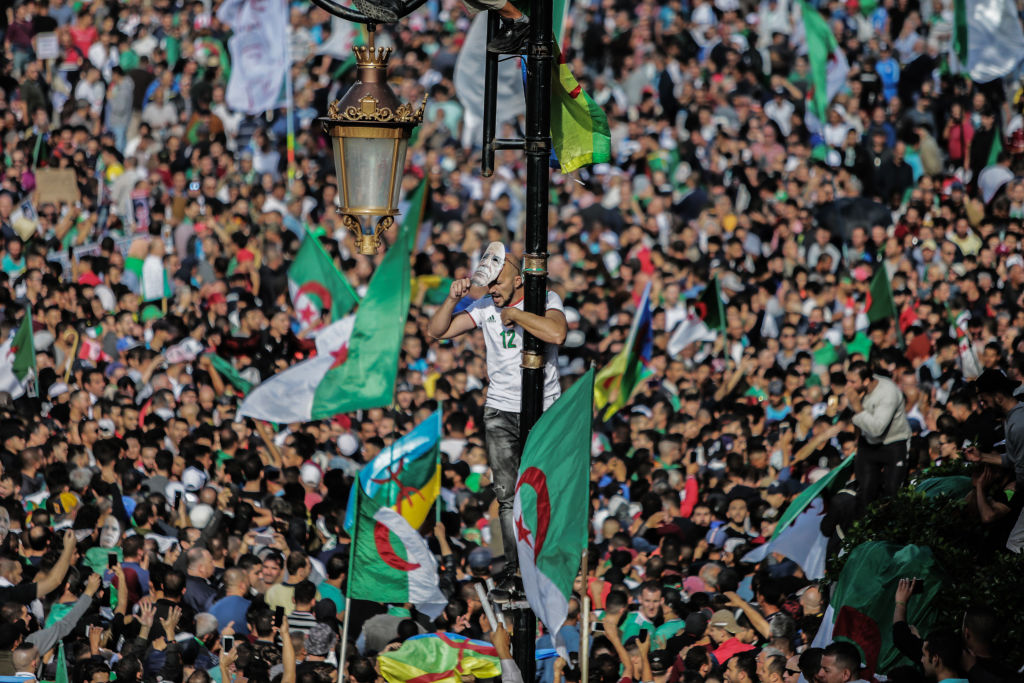
As Lebanese protesters look to advance the systemic reforms they seek and contend with an entrenched ruling elite with little incentive to change, they can draw on their Algerian peers’ successes and shortcomings.
Middle East Conflict and COVID-19 – A View from 2025
Conflict and instability have been constant features of the Middle East for decades. Over the most recent decade, four civil wars and fraught relationships between the major regional powers have been pushing the region toward a potentially perilous political and economic future. We know that the COVID-19 crisis is disrupting the status quo on nearly everything, including regional conflict. What we do not know is how that disruption today might worsen — or improve — the trendlines of those conflicts as we head toward 2025. In this MEI Strategic Foresight Initiative paper we employ a scenario-based methodology to explore this question.
In Brief: Middle East Conflict and COVID-19 – A View from 2025
Our ongoing analysis in MEI’s Strategic Foresight Initiative examines scenarios built around different combinations of drivers of change related to the COVID-19 pandemic. We used the scenarios to analyze what conflict in the region could look like in 2025, as we believe that how these drivers change the dynamics of the Iran-Saudi Arabia rivalry and the civil wars could be a primary determinant of what the region is like in that timeframe and beyond. Our study posited differences in the health response of governments, the economic response from governments, and the social dynamics of populations to the COVID-19 crisis. Rather than consider them as independent forces of change, our foresight analysis focuses on the interaction between these drivers.
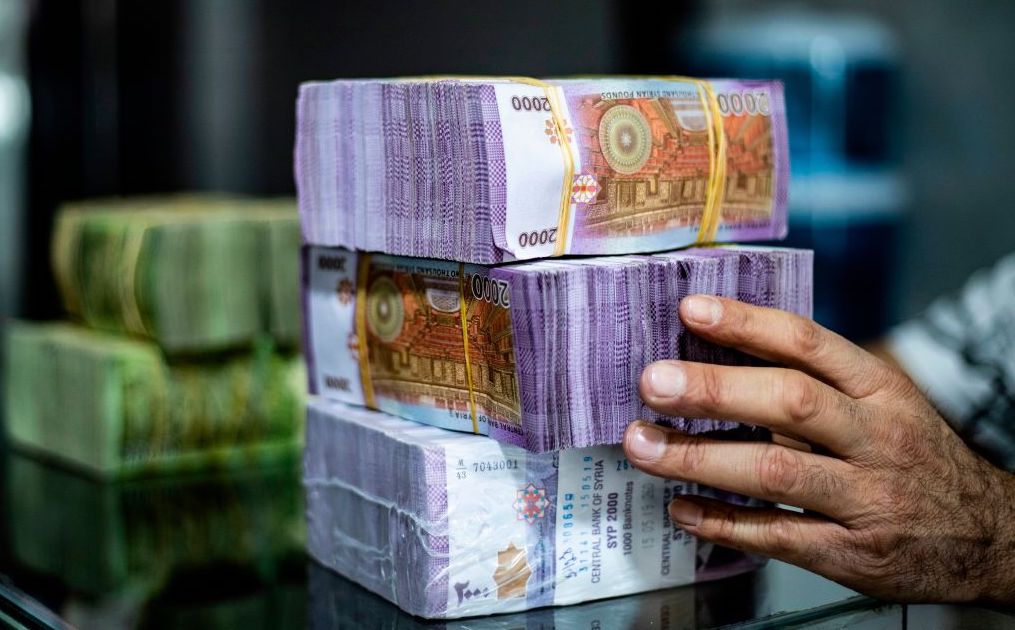
Rampant inflation adds to Syria’s economic turmoil
The Syrian economy is entering its most fragile phase yet in the country’s nine-year-long conflict. After being devastated by the fighting, constrained by biting Western sanctions, and ravaged by widespread corruption, it is now witnessing the sharpest rise in inflation in its history.
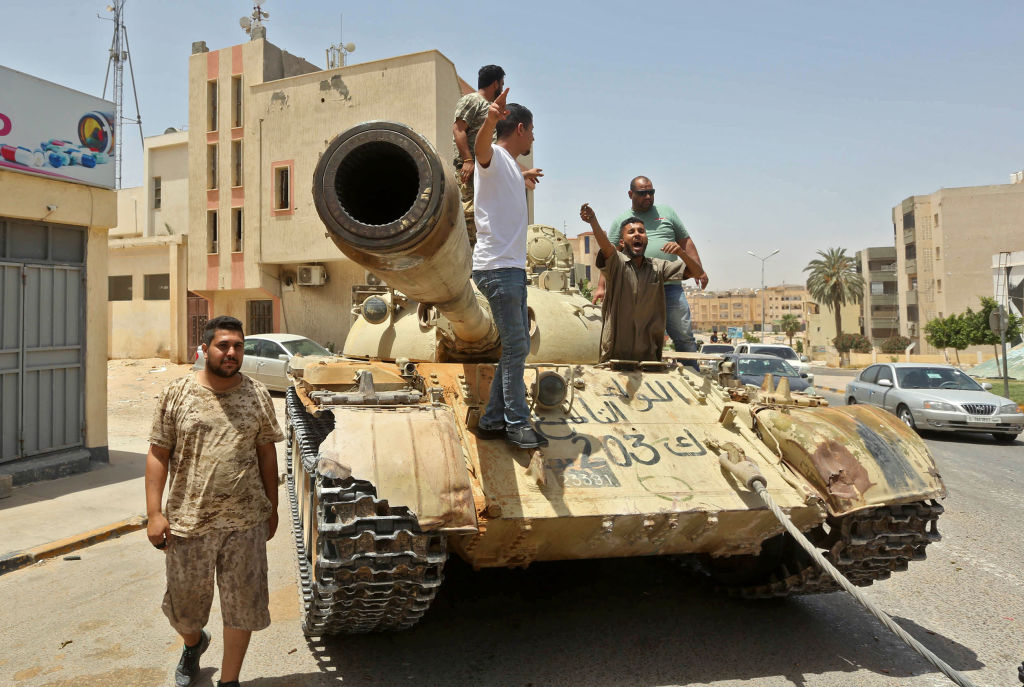
Japan-Libya Relations: A Window on Japan’s Diplomacy in the Middle East and North Africa
The story of Japan’s relationship with Libya, which Tokyo often maintained even as other countries were shunning former Libyan dictator Muammar al-Qadhafi as a pariah, predates the latest outreach by many decades. This story provides a fascinating window into Japanese diplomacy in the Middle East and North Africa (MENA) more broadly. More specifically, the story of Japan-Libya relations shows how Tokyo often pursued its own interests in the MENA region despite the preferences of the United States, with which Japan has a longstanding security alliance.
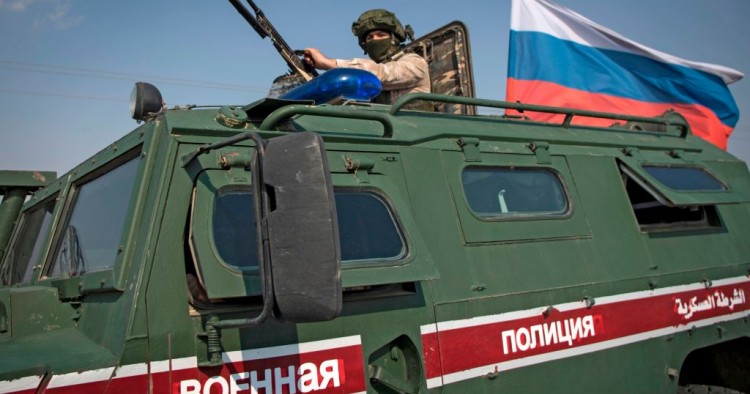
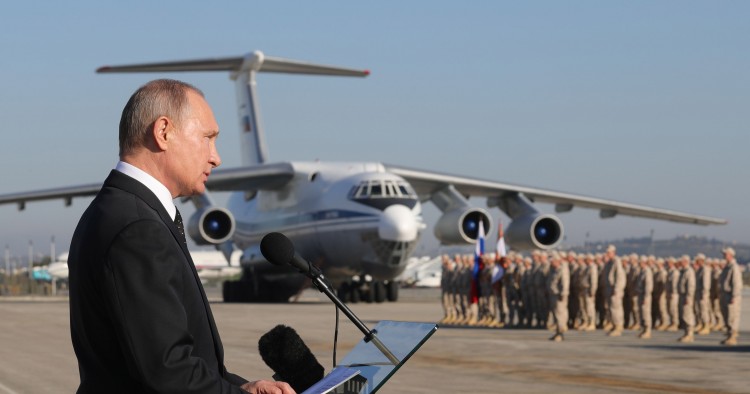
Why is Russia seeking to expand its military bases in Syria?
While Russia is currently struggling with the consequences of COVID-19 at home, its foreign policy projections suggest it is also bracing itself for the post-pandemic world.
Quickly attributing or blaming a country for a cyber incident without technical analysis, proof, and government officials willing to go on record only inflames an already tense situation.
Russia’s involvement in the Middle East: Building sandcastles and ignoring the streets
The collapse of the OPEC+ deal and the diplomatic impasse in Syria reveal the intrinsic fragility of Russia’s gains in the Middle East. Building relations with the region’s autocratic leaders and maintaining a status quo based on a personalistic approach might be effective for some time, but in the long run the Kremlin’s strategy fails to institutionalize relations and thus will be unable to protect them from disruption.
The oldest peer-reviewed publication dedicated to the study of the modern Middle East, MEI’s flagship journal covers politics, society, and culture in the region.