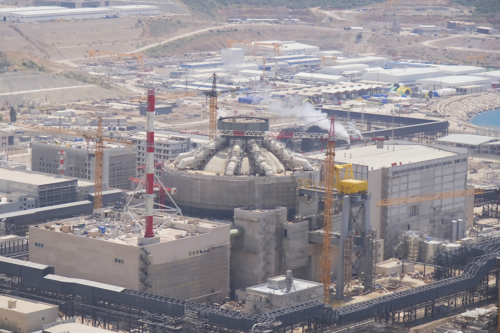
As a result of the Iran war, Turkish thinking about nuclear weapons appears to be shifting. Iran’s emergent ability to threaten regional states (and possible determination to acquire a nuclear weapon itself), growing concern about Israeli aggressiveness, doubts about US security guarantees, and greater Saudi nuclear autonomy are all pushing Ankara to consider a future nuclear option.
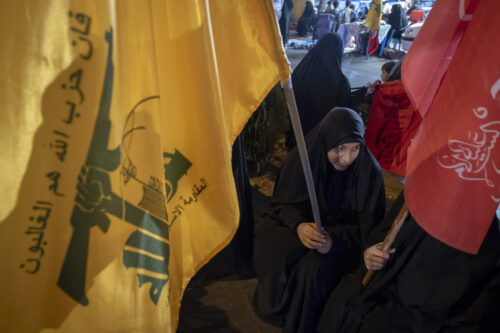
Hizballah: The murderers of elected Lebanese politicians, the killers of peacekeepers, the thugs of the streets they dominated because all other militias had disarmed, the agents of destruction of their own communities on behalf of foreign paymasters reigning 1,000 miles away from Beirut, the brainwashers of children into an ideology of “resistance” that only invited invasion. That’s the Hizballah that today is begging the Lebanese state to return to them the 1,000 pounds of explosives so rudely taken from them by Lebanese soldiers doing their job at a checkpoint in the Bekaa Valley.
Many of the immediate consequences of the Israeli-American war with Iran are already clear. The further emergence of drones and missiles as dominant weapons of war; the danger to the global economy from the threats to vital chokepoints such as the Strait of Hormuz and the Bab el-Mandeb; and the inadequacy of US weapons procurement, among other issues, have garnered widespread and entirely merited attention.
Since 1967, Israeli settlements in the West Bank have been a contested feature of the Israeli-Palestinian conflict. The ultimate disposition of the settlements and ongoing activity related to their growth have repeatedly defied agreement in negotiations over a resolution to the conflict.
The Houthis are a political-military faction and Zaydi religious movement founded in northwestern Yemen in the 1980s. A key member of Iran’s Axis of Resistance with links to other militant organizations in the Arabian Peninsula and the Horn of Africa, the group has continued to pose a threat to Western interests on a global scale.
The India-Middle East-Europe Economic Corridor (IMEC) is a proposed multinational infrastructure initiative aimed at upgrading connectivity between the three regions through integrated trade, energy, and digital networks. Announced at the G20 summit in New Delhi in September 2023, IMEC is envisioned partially as a counterweight to China’s international infrastructure project, the Belt and Road Initiative.
After a decade of post-Arab Spring isolation, Turkey’s leaders have recognized that their ambition to position the country as an agenda-setter on the world stage requires active engagement in all directions. President Recep Tayyip Erdoğan’s consolidation of executive authority has centralized foreign policy decision-making and tied it to his domestic political priorities, transforming the country’s revisionist approach to one shaped primarily by personal and pragmatic interests.
MEI Senior Fellow Brian Katulis engages friends, colleagues, and policy experts in casual conversations on the most important happenings in the Middle East.
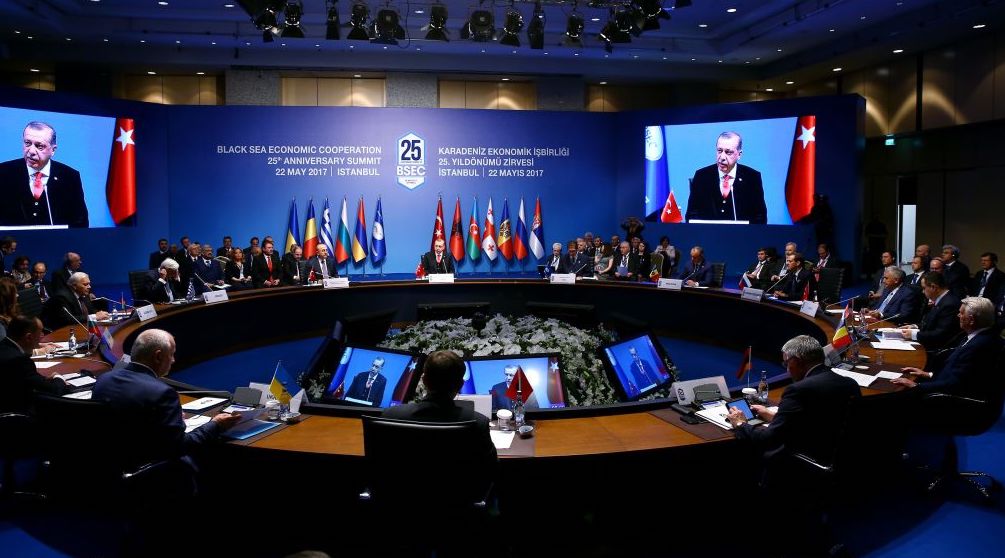
Europe has a vested interest in a safe, secure, and prosperous Black Sea
The European Union’s interest in the Black Sea is based mainly on the fact that two of its members, Romania and Bulgaria, are littoral states. However, the organization is also closely linked with other non-EU Black Sea states, be it economically or politically. Ukraine and Georgia aspire to be EU members while Russia and Turkey both have their own unique and difficult relationships with the EU.
Despite the physical closure of MEI’s offices on N St., including the Policy Center, the MEI Art Gallery, Education Center, and Oman Library until further notice, MEI’s staff and experts are teleworking from home and busier than ever. Given our mission to educate and inform, coupled with the dramatic impact of COVID-19 on life in the Middle East, MEI is more committed than ever to providing our readers, viewers and supporters with unique insights, policy analysis and stories of creativity and hope from the region.
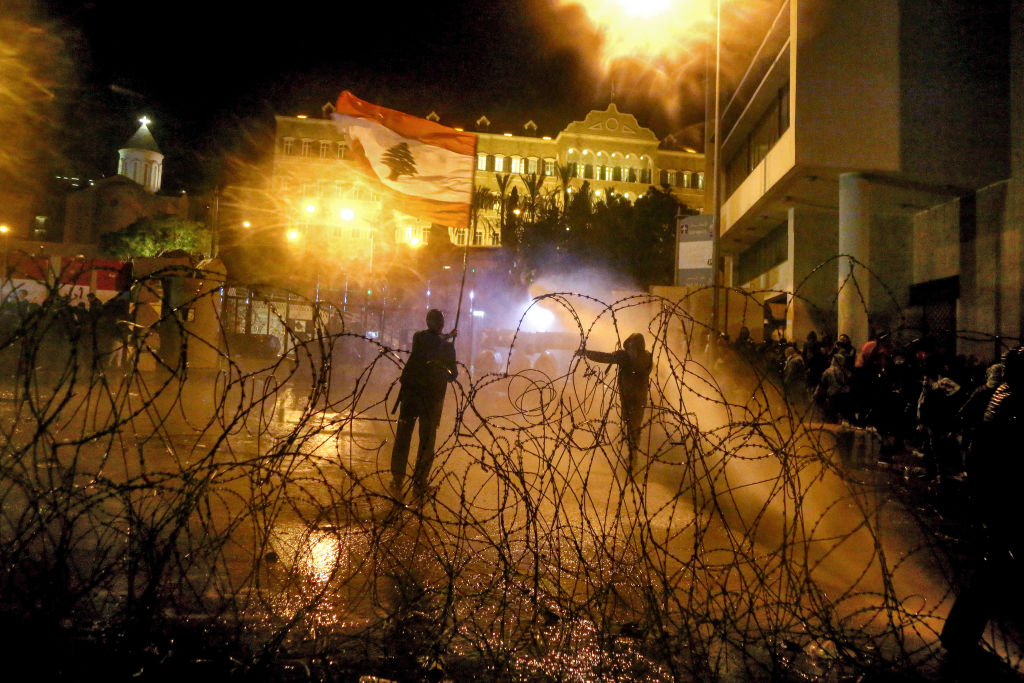
The best of a bad situation? Considering next steps for Lebanese leaders
The Lebanese are in trouble. Lebanese leaders have borrowed and spent money for decades without addressing fundamental flaws in their state, economy, and society — operating in an order that, while not the cause of every problem under the sun, aggravates their poor politics, policy, planning, and governance.
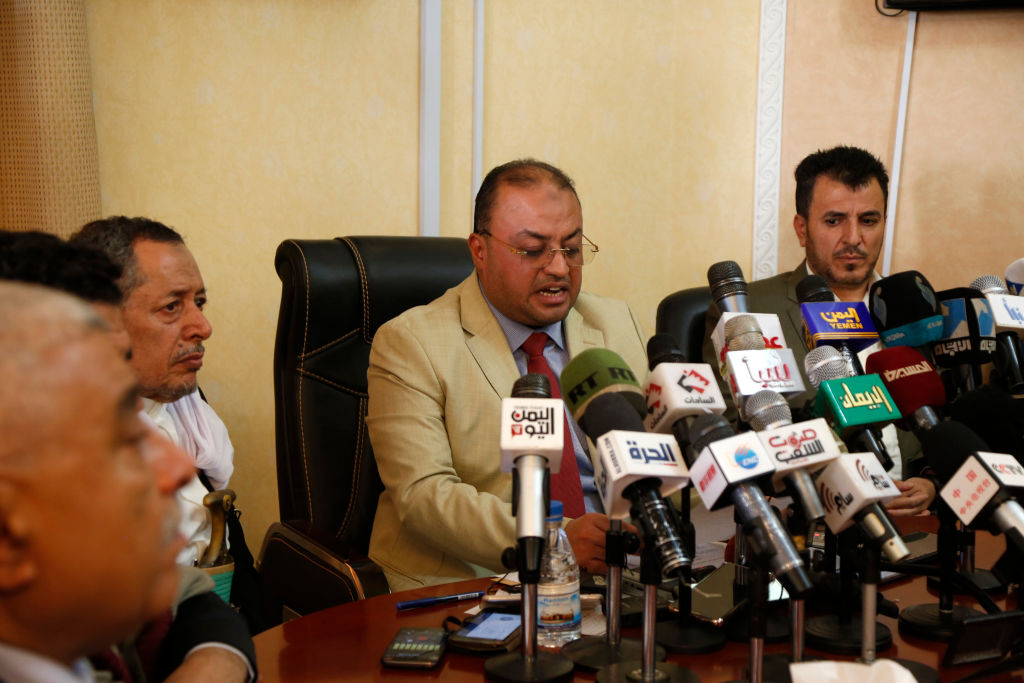
The Houthis’ response to COVID-19? Pre-emptively blame their enemies
By keeping the focus on Saudi Arabia, the UAE, and the U.S., and covering up Iran’s failure in dealing with the pandemic, the Houthis are trying to absolve themselves and their patrons of responsibility.
Vanda Felbab-Brown, Michael Kugelman, and Marvin Weinbaum join host Alistair Taylor to discuss the recent US-Taliban agreement in Afghanistan, the political power struggle over the presidency, the challenges facing the intra-Afghan dialogue, and the effects of coronavirus.
COVID-19 prompts the spread of disinformation across MENA
The growing global health crisis surrounding the outbreak of the coronavirus disease (COVID-19) has created an information environment ripe for manipulation by actors seeking to further their political and economic goals
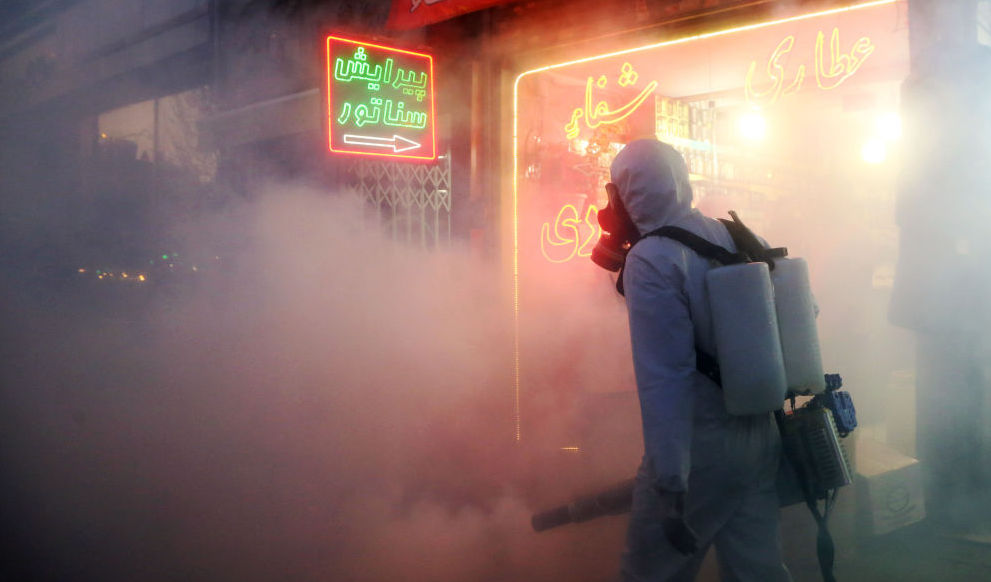
Coronavirus underscores Iran's internal struggle over its relationship with the world
The coronavirus crisis is the latest reminder that political factions in the Islamic Republic continue to struggle over what kind of relationship the country should have with the rest of the world.
Democrats ought to build a moral firewall around Syria policy, establishing a framework for understanding the Syrian conflict and debating policy options.
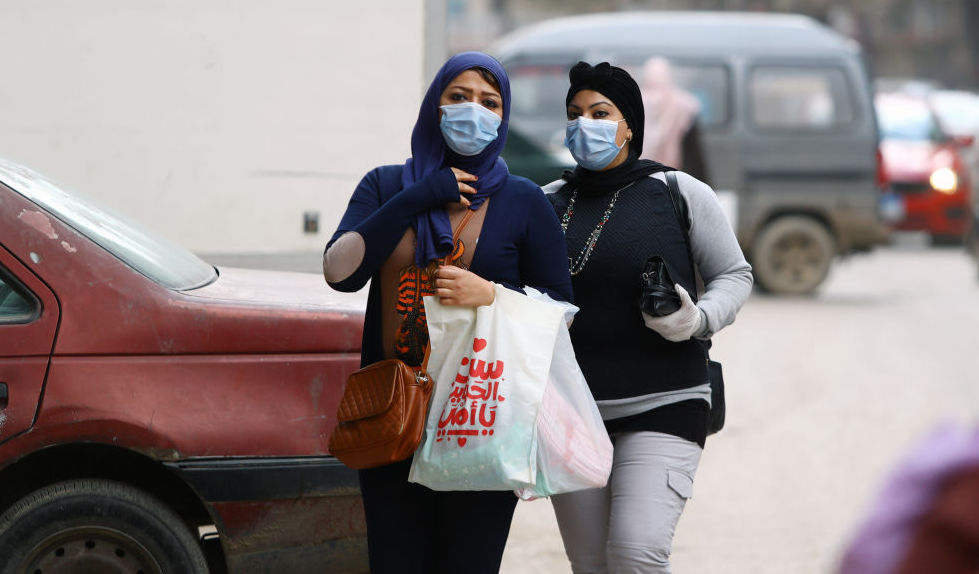
Egypt imposes stricter measures to tackle the spread of coronavirus
The most populous country in the Arab world, with 100 million people straining its seams, Egypt has weaknesses that make it susceptible to a serious outbreak of COVID-19.
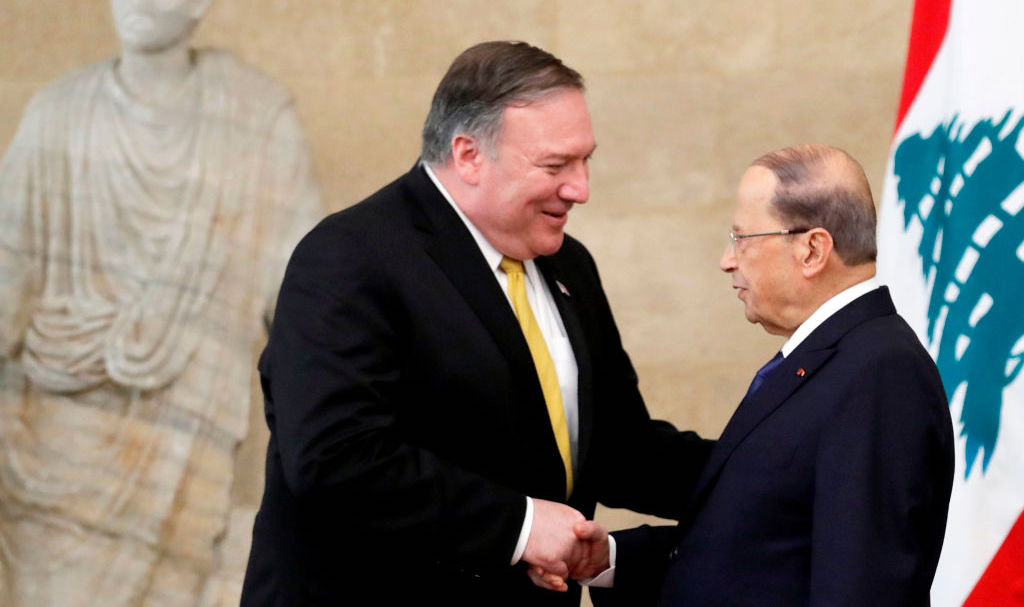
The US must remain engaged in Lebanon or risk Russian and Chinese gains
Amid an unprecedented political, economic, and financial crisis and the emergence of a new threat from the global coronavirus pandemic, Lebanon needs all the help it can get. The U.S. has long been an important source of assistance, and yet, as conversations with officials in both Beirut and Washington make clear, the argument for halting U.S. aid to Lebanon seems to be gaining ground.
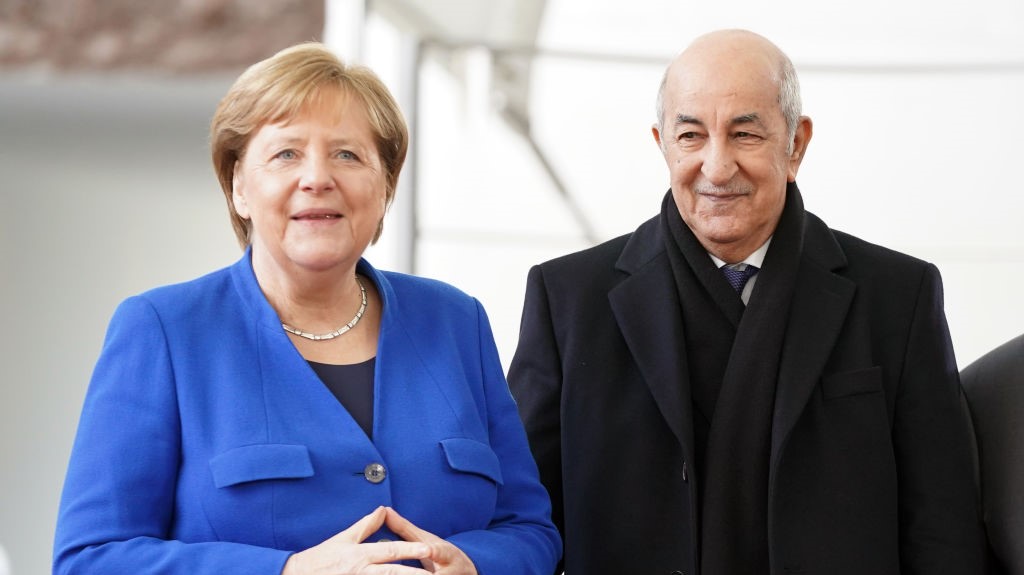
Algeria-Europe economic integration: Where are we now and where do we go?
In the face of Algeria’s Hirak protest movement, the response of the EU so far has been measured, and it is notable that the EU’s calls for democratic reform are framed in economic terms that emphasize the benefits of greater economic integration between the states of the Maghreb. What opportunities do the ongoing changes in Algeria present for enhancing economic integration in the long term?
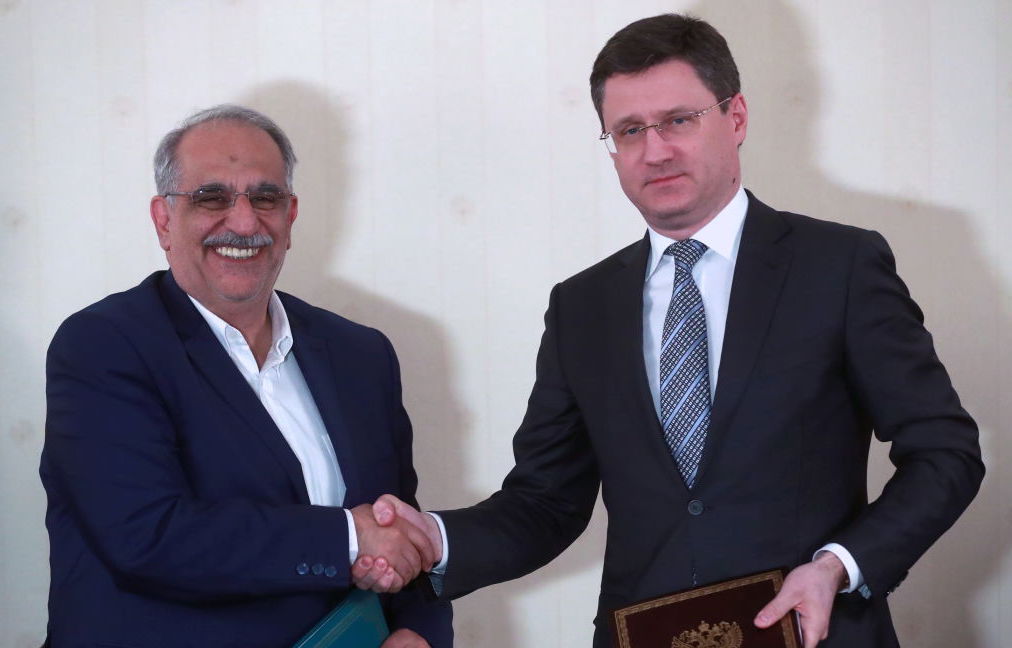
Iran and Russia: A tale of unfulfilled economic potential
The outbreak of a Russian-Saudi oil price war earlier this month might offer some comfort to Iran, a country which has in recent years become unnerved by the increasingly close ties between Moscow and Riyadh. However, it is premature to see an Iranian geopolitical win emerging from the Russian-Saudi spat, and history should give Tehran plenty of reservations about Moscow’s ability to deliver on its economic promises to Iran. While Iran and Russia will likely continue to pay lip-service to the idea of an economic partnership, each side will remain preoccupied with larger concerns. This is a tale of unfulfilled economic potential.
The oldest peer-reviewed publication dedicated to the study of the modern Middle East, MEI’s flagship journal covers politics, society, and culture in the region.