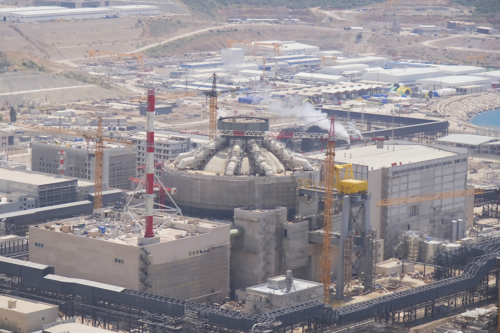
As a result of the Iran war, Turkish thinking about nuclear weapons appears to be shifting. Iran’s emergent ability to threaten regional states (and possible determination to acquire a nuclear weapon itself), growing concern about Israeli aggressiveness, doubts about US security guarantees, and greater Saudi nuclear autonomy are all pushing Ankara to consider a future nuclear option.
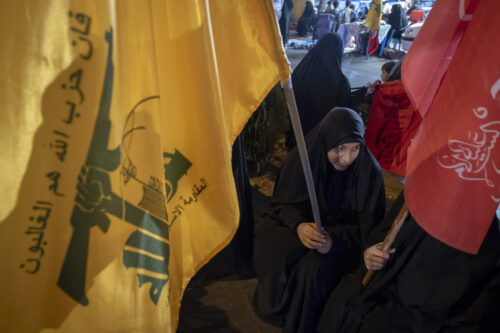
Hizballah: The murderers of elected Lebanese politicians, the killers of peacekeepers, the thugs of the streets they dominated because all other militias had disarmed, the agents of destruction of their own communities on behalf of foreign paymasters reigning 1,000 miles away from Beirut, the brainwashers of children into an ideology of “resistance” that only invited invasion. That’s the Hizballah that today is begging the Lebanese state to return to them the 1,000 pounds of explosives so rudely taken from them by Lebanese soldiers doing their job at a checkpoint in the Bekaa Valley.
Many of the immediate consequences of the Israeli-American war with Iran are already clear. The further emergence of drones and missiles as dominant weapons of war; the danger to the global economy from the threats to vital chokepoints such as the Strait of Hormuz and the Bab el-Mandeb; and the inadequacy of US weapons procurement, among other issues, have garnered widespread and entirely merited attention.
Since 1967, Israeli settlements in the West Bank have been a contested feature of the Israeli-Palestinian conflict. The ultimate disposition of the settlements and ongoing activity related to their growth have repeatedly defied agreement in negotiations over a resolution to the conflict.
The Houthis are a political-military faction and Zaydi religious movement founded in northwestern Yemen in the 1980s. A key member of Iran’s Axis of Resistance with links to other militant organizations in the Arabian Peninsula and the Horn of Africa, the group has continued to pose a threat to Western interests on a global scale.
The India-Middle East-Europe Economic Corridor (IMEC) is a proposed multinational infrastructure initiative aimed at upgrading connectivity between the three regions through integrated trade, energy, and digital networks. Announced at the G20 summit in New Delhi in September 2023, IMEC is envisioned partially as a counterweight to China’s international infrastructure project, the Belt and Road Initiative.
After a decade of post-Arab Spring isolation, Turkey’s leaders have recognized that their ambition to position the country as an agenda-setter on the world stage requires active engagement in all directions. President Recep Tayyip Erdoğan’s consolidation of executive authority has centralized foreign policy decision-making and tied it to his domestic political priorities, transforming the country’s revisionist approach to one shaped primarily by personal and pragmatic interests.
MEI Senior Fellow Brian Katulis engages friends, colleagues, and policy experts in casual conversations on the most important happenings in the Middle East.
A wake-up call: The Idlib crisis and its effects look set only to worsen
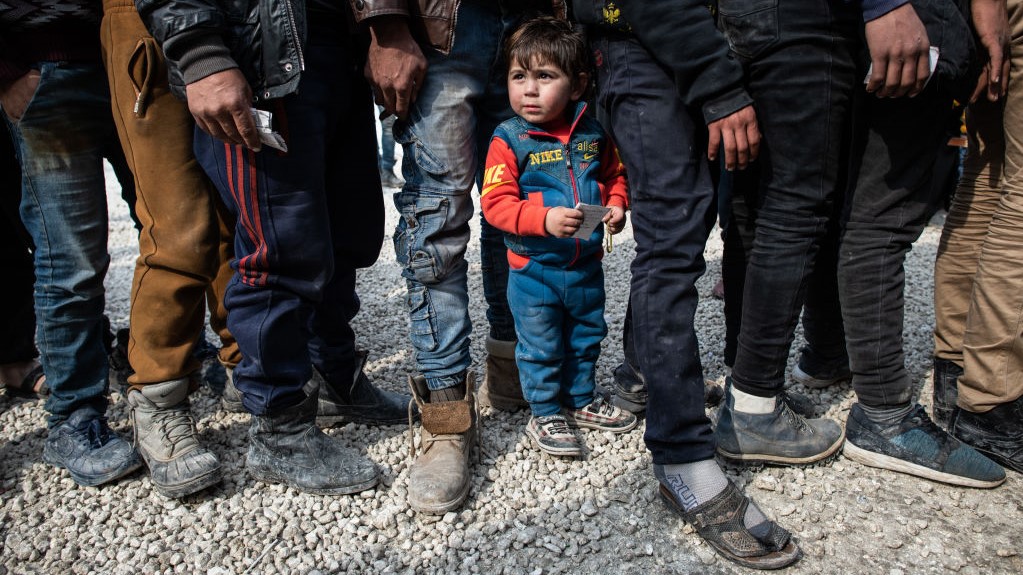
The death of at least 33 Turkish soldiers and wounding of 60 more in Syria’s Idlib on Thursday night was a game-changing development. The crisis there and its effects represent an existential threat to Turkish President Recep Tayyip Erdogan and for now, it appears likely that Turkey will remain alone in dealing with the crisis. That presents us with two possible scenarios, both bleak. If the world wants to avoid a true nightmare from becoming reality, it needs to wake up and get engaged.
Will Iran replace its presidency with a parliamentary system?
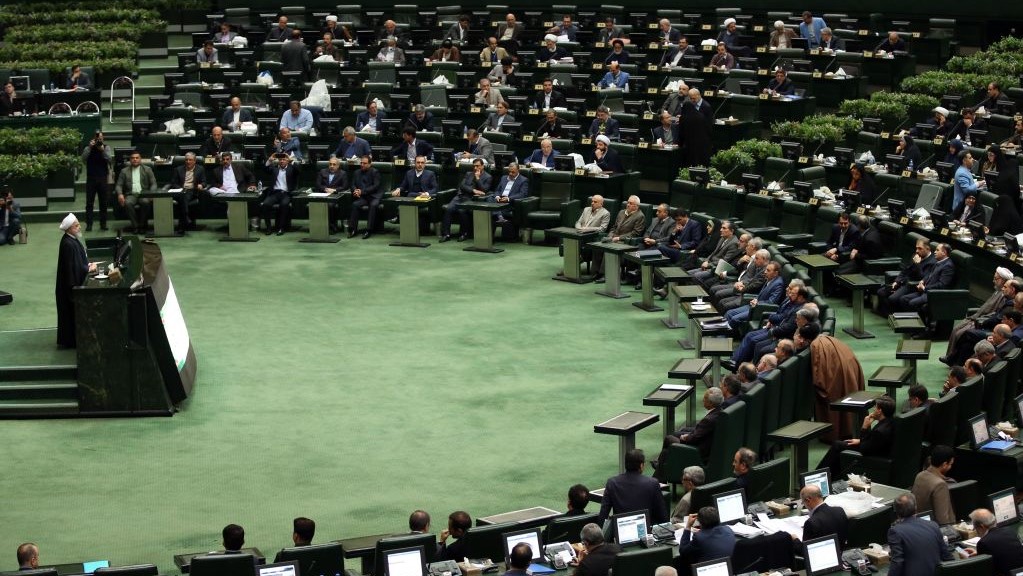
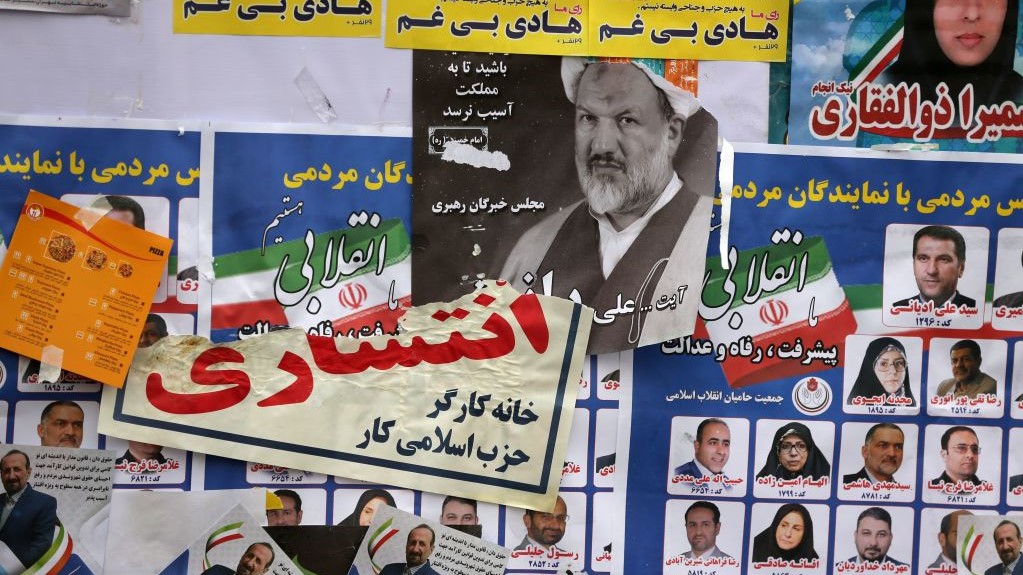
The results of Iran’s recent elections and preparations for the succession of Ayatollah Khamenei as supreme leader could mean that the topic of replacing Iran’s presidential system with a parliamentary one may very well be up for discussion again.
U.S. Middle East policy tends to elicit the most heated debates in Washington. But if there’s one issue on which there’s near unanimous consensus it is that the region is in desperate need of a new security architecture that ideally would generate stability but more realistically reduce tensions and the risk of hostilities and escalation. Even regional antagonists agree that the time to form such an architecture is now.
Geopolitics and propaganda: Lessons from the Black Sea
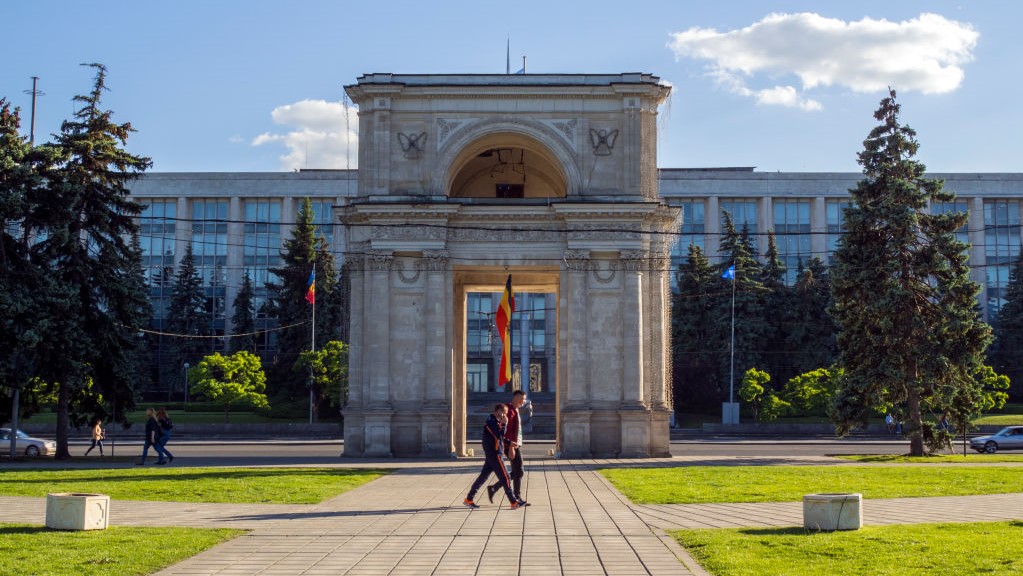
Since Russia’s 2014 annexation of Crimea, malign foreign influence within EU countries has been the subject of considerable scrutiny. What lessons can be learned from comparing EU and NATO members Romania and Bulgaria with partner countries Moldova and Georgia?
If the West leaves Idlib to Russia and Assad, it won’t be only Syrians who pay the price
If Assad and the Russians are not reined in and are instead allowed to conquer Idlib — and the more than three million people trapped there — the results could be catastrophic, leading to massive displacement and loss of life.
Russia’s Middle East: You probe with bayonets. If you find mush, you proceed …
This paper looks at the 2018 U.S. National Defense Strategy (NDS), and the Irregular Warfare Annex (IWA) to that guiding document, with recommendations on how to better implement the strategy. It also analyzes the current Russian way of conducting irregular warfare by reviewing their actions in Ukraine, Syria, and Libya.
Amel Boubekeur, Robert S. Ford, and Dalia Ghanem join host Alistair Taylor to discuss the huge national protest movement, known in Arabic as “Hirak,” that has brought millions of Algerians to the streets over the past year. The movement has pushed for sweeping reforms of the political system and a change in the ruling elite, leading to the resignation of long-time President Abdelaziz Bouteflika in April 2019.
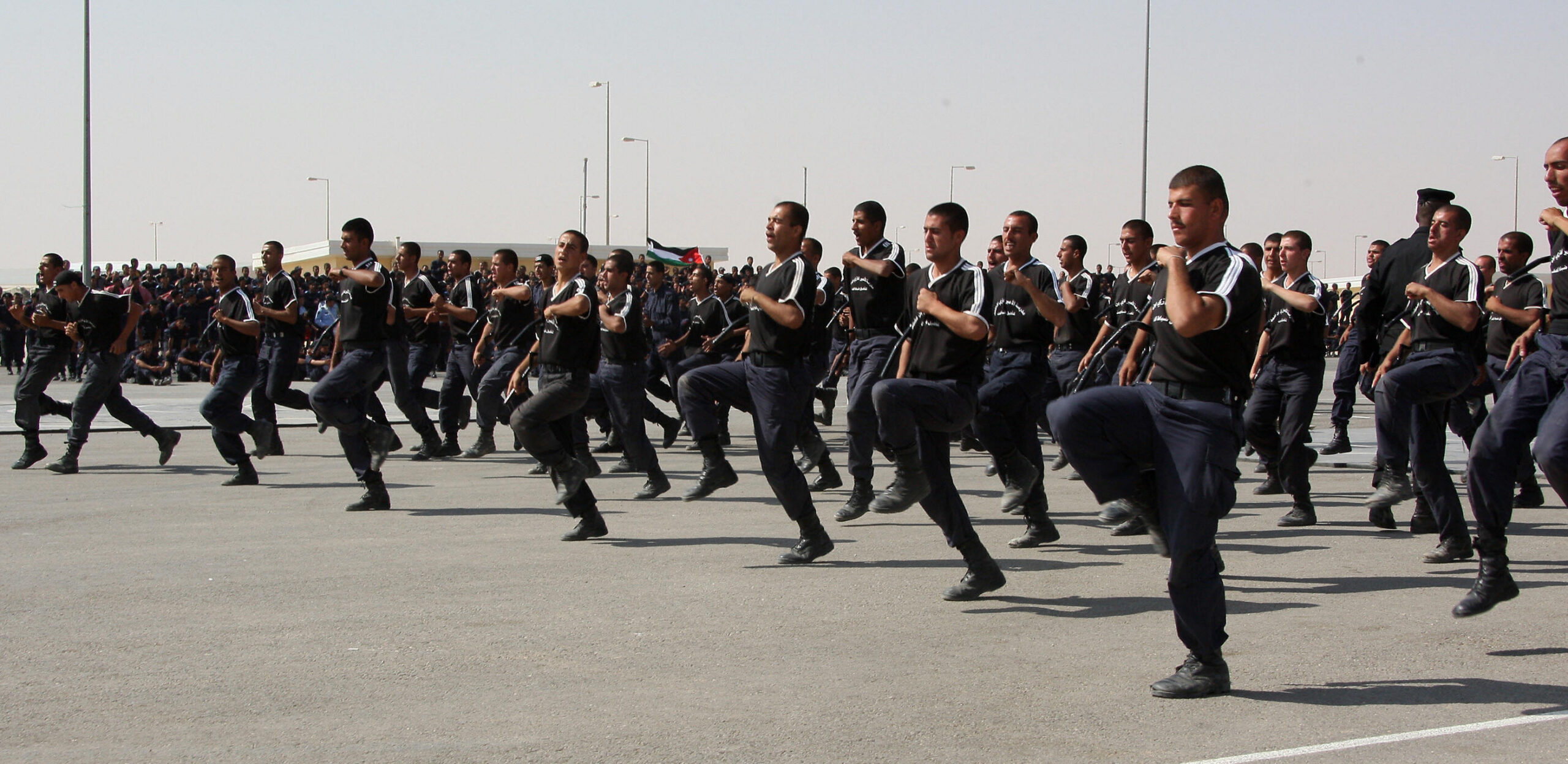
Community Policing in the Middle East and Africa: A Matter of Context?
This article explores some of the challenges associated with introducing what is, in effect, a “Westernized” community policing concept to the Middle East and Africa. The authors are practitioners in this area from Northern Ireland and Jordan having in excess of 50 years policing experience between them. They have advised upon, trained and implemented programs on “Community Policing and Engagement” in the Middle East (Jordan, Qatar, Lebanon) as well as in the Horn and South East Africa, Central Asia, Eastern Europe and the Balkans. They argue that more attention needs to be paid to basic context setting and understanding of the perceptions of the beneficiary state and communities therein on, what can be, an alien concept of Community Policing/Engagement and Outreach. They further argue that problem solving and informal justice/dispute resolution mechanisms in the Middle East, Horn and Sub-Saharan Africa can form part of a new and bespoke package “fit for purpose” in these contexts.
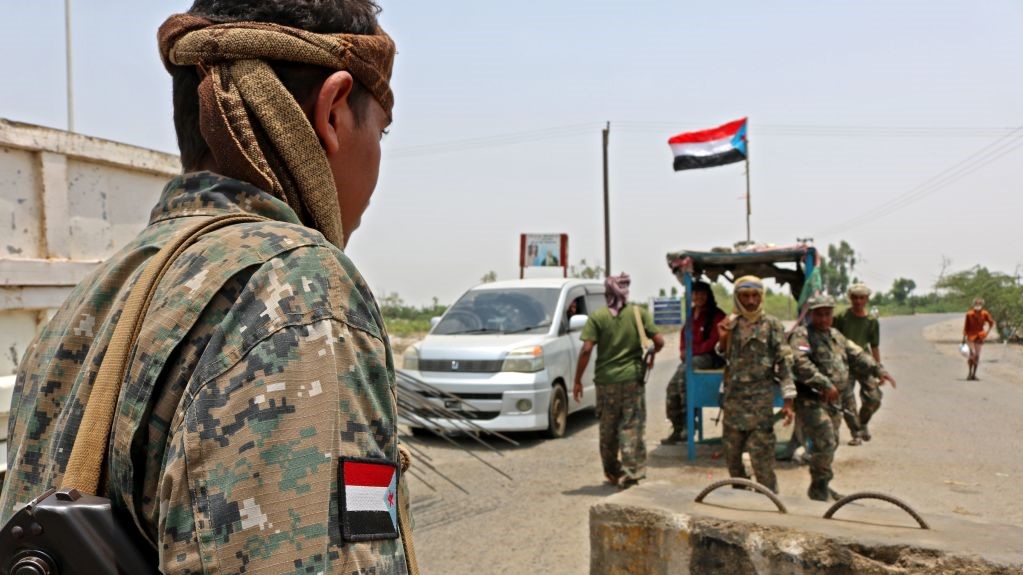
The UAE may have withdrawn from Yemen, but its influence remains strong
On Feb. 9, 2020, after five years of involvement in Yemen’s civil war as part of the Saudi-led coalition, the UAE’s leadership celebrated the completion of its phased military withdrawal from the country in a ceremony at Zayed Military City. Although the UAE’s withdrawal has provided an exit strategy from the stalemate in Yemen, it neither suspends Abu Dhabi’s role in the coalition nor curtails Emirati influence on the ground.
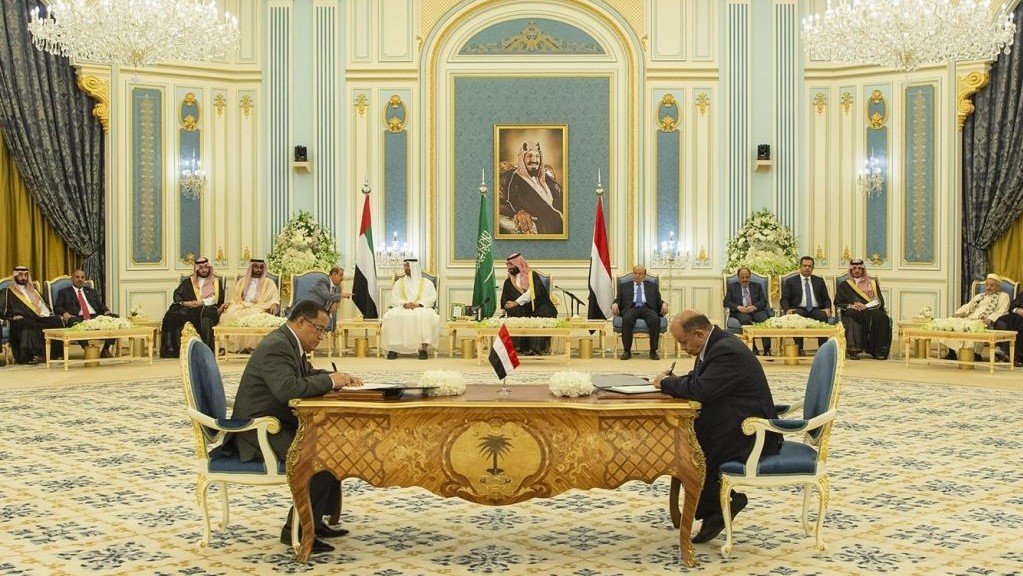
Obstacles to the implementation of the Riyadh Agreement
Now that all of the implementation deadlines have come and gone, where do things stand with the Riyadh Agreement, signed in late 2019 by Yemen’s Hadi government and the Southern Transitional Council?
Why Erdogan can't afford to back down over conflict with Assad and Russia
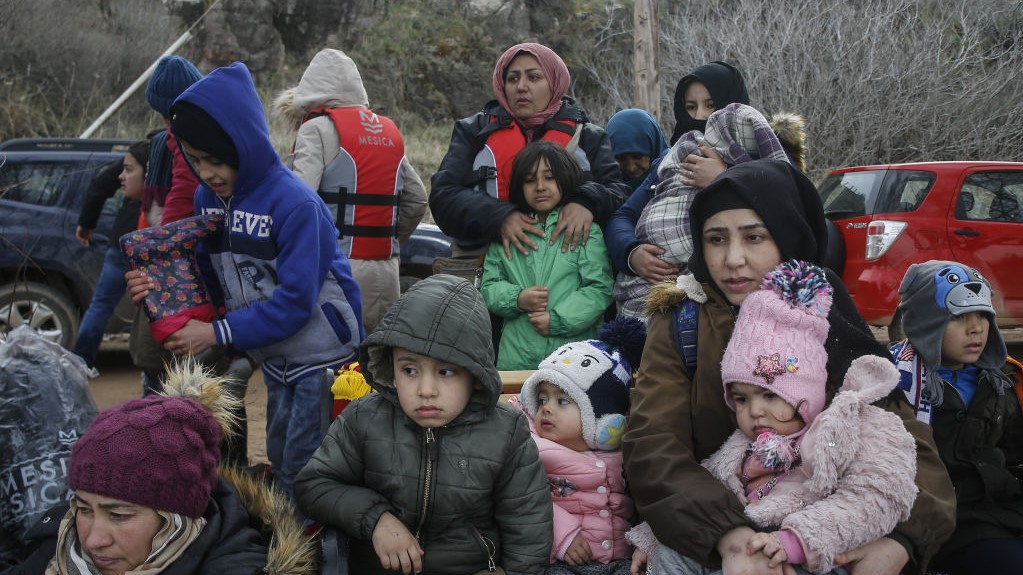
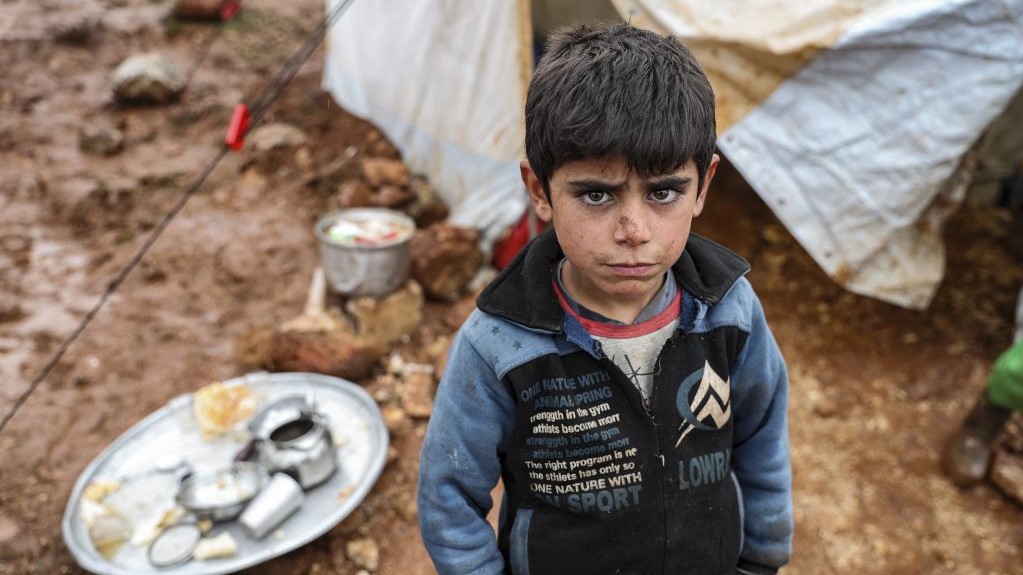
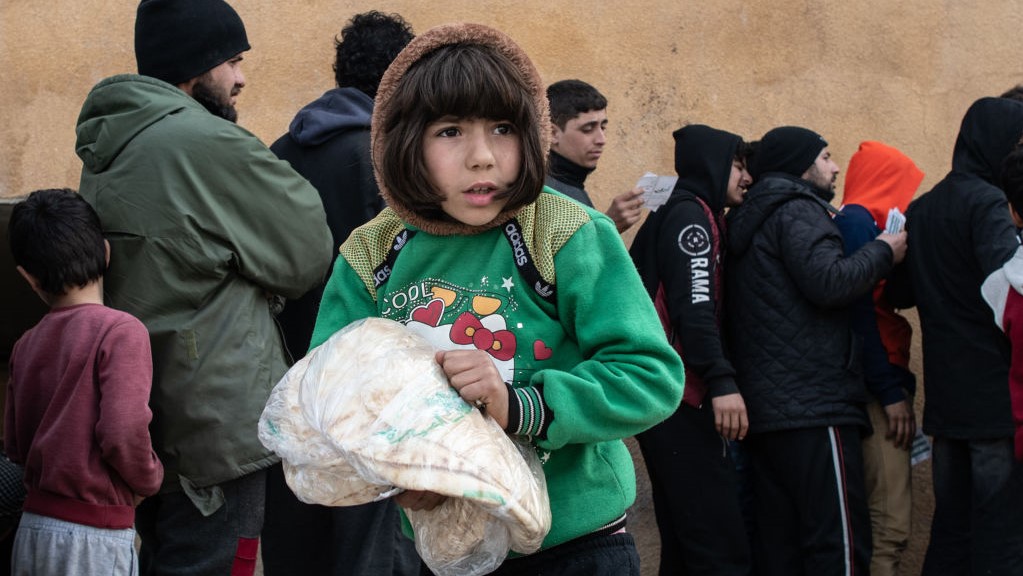
Nearly a million civilians, 81 percent of them women and children, have been displaced from their homes in 90 days in Syria’s northwestern province of Idlib, amid a brutal military campaign by Syria’s Assad regime, Russia and Iran-backed militias.
The outcomes of elections in the Islamic Republic are not about the choices the Iranian voters want to make, but about Khamenei’s self-serving calculations.
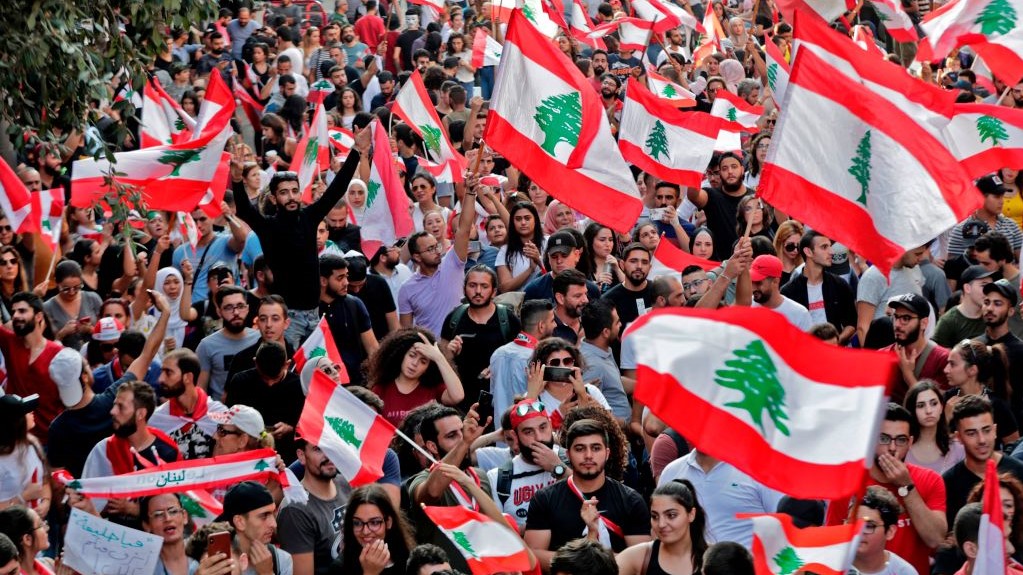
Why there’s little media coverage of the Lebanon and Iraq protests
Lebanese and Iraqi protesters have faced an uphill battle drawing global media attention since Arab Spring-like uprisings erupted in both countries last October. Coverage of the protests has been dwarfed by other major international news stories running concurrently with the uprisings, such as Brexit and the Hong Kong protests. The main implication of low coverage has been a lack of sustained international pressure on Lebanese or Iraqi political leaders to accommodate protester demands for wholesale systematic changes.
The oldest peer-reviewed publication dedicated to the study of the modern Middle East, MEI’s flagship journal covers politics, society, and culture in the region.