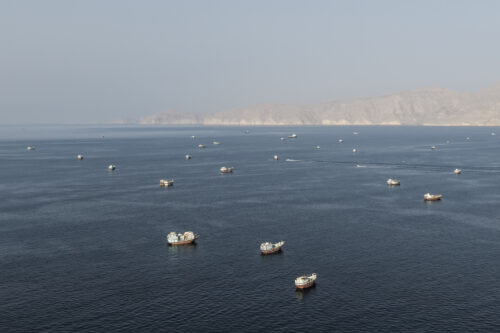
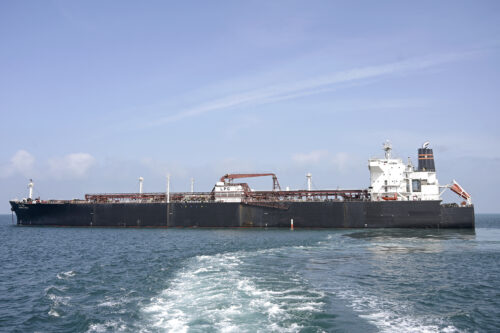
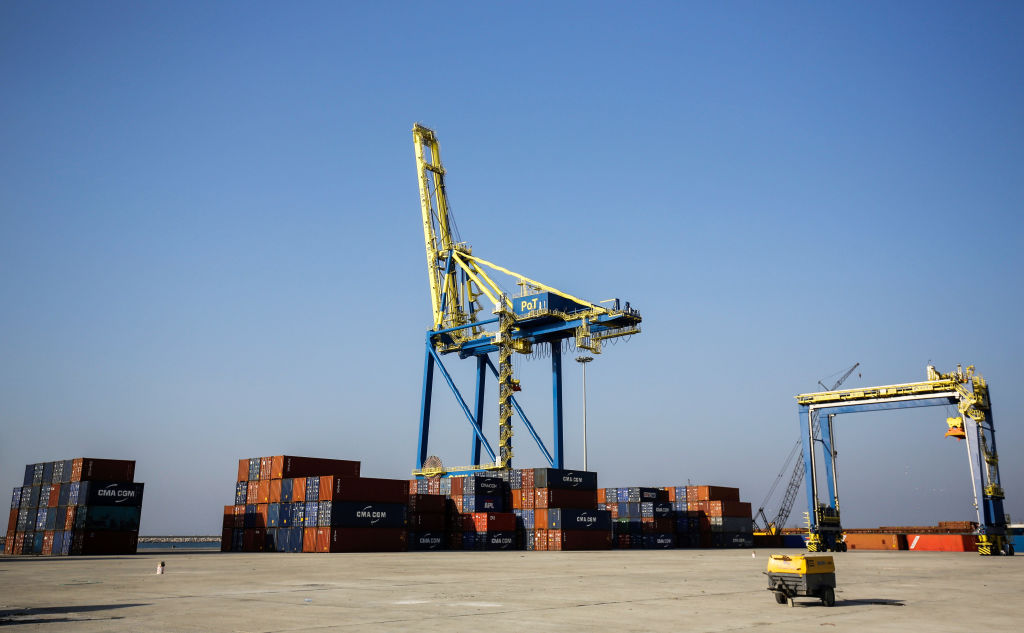
Crude oil is flowing out of the Gulf again, but the market is no better prepared for another disruption in the Strait of Hormuz. It has assembled a temporary system for managing one. Crude exports from the Gulf, excluding Iran, returned to pre-war levels in September, while total Gulf shipments reached 15.5 million barrels a day, more than 80% of the pre-conflict volume.
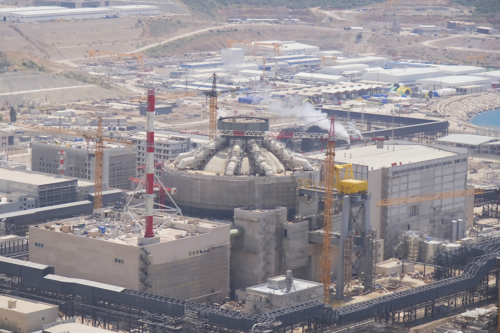
As a result of the Iran war, Turkish thinking about nuclear weapons appears to be shifting. Iran’s emergent ability to threaten regional states (and possible determination to acquire a nuclear weapon itself), growing concern about Israeli aggressiveness, doubts about US security guarantees, and greater Saudi nuclear autonomy are all pushing Ankara to consider a future nuclear option.
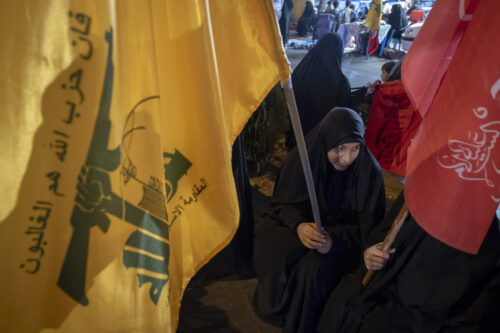
Hizballah: The murderers of elected Lebanese politicians, the killers of peacekeepers, the thugs of the streets they dominated because all other militias had disarmed, the agents of destruction of their own communities on behalf of foreign paymasters reigning 1,000 miles away from Beirut, the brainwashers of children into an ideology of “resistance” that only invited invasion. That’s the Hizballah that today is begging the Lebanese state to return to them the 1,000 pounds of explosives so rudely taken from them by Lebanese soldiers doing their job at a checkpoint in the Bekaa Valley.
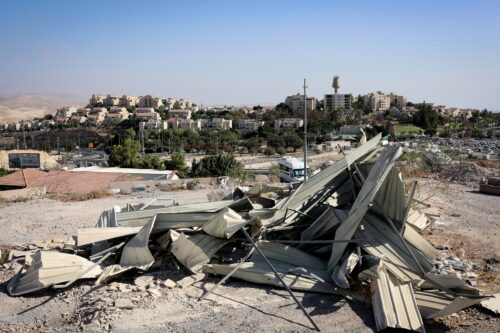
Since 1967, Israeli settlements in the West Bank have been a contested feature of the Israeli-Palestinian conflict. The ultimate disposition of the settlements and ongoing activity related to their growth have repeatedly defied agreement in negotiations over a resolution to the conflict.
The Houthis are a political-military faction and Zaydi religious movement founded in northwestern Yemen in the 1980s. A key member of Iran’s Axis of Resistance with links to other militant organizations in the Arabian Peninsula and the Horn of Africa, the group has continued to pose a threat to Western interests on a global scale.
The India-Middle East-Europe Economic Corridor (IMEC) is a proposed multinational infrastructure initiative aimed at upgrading connectivity between the three regions through integrated trade, energy, and digital networks. Announced at the G20 summit in New Delhi in September 2023, IMEC is envisioned partially as a counterweight to China’s international infrastructure project, the Belt and Road Initiative.
After a decade of post-Arab Spring isolation, Turkey’s leaders have recognized that their ambition to position the country as an agenda-setter on the world stage requires active engagement in all directions. President Recep Tayyip Erdoğan’s consolidation of executive authority has centralized foreign policy decision-making and tied it to his domestic political priorities, transforming the country’s revisionist approach to one shaped primarily by personal and pragmatic interests.
MEI Senior Fellow Brian Katulis engages friends, colleagues, and policy experts in casual conversations on the most important happenings in the Middle East.
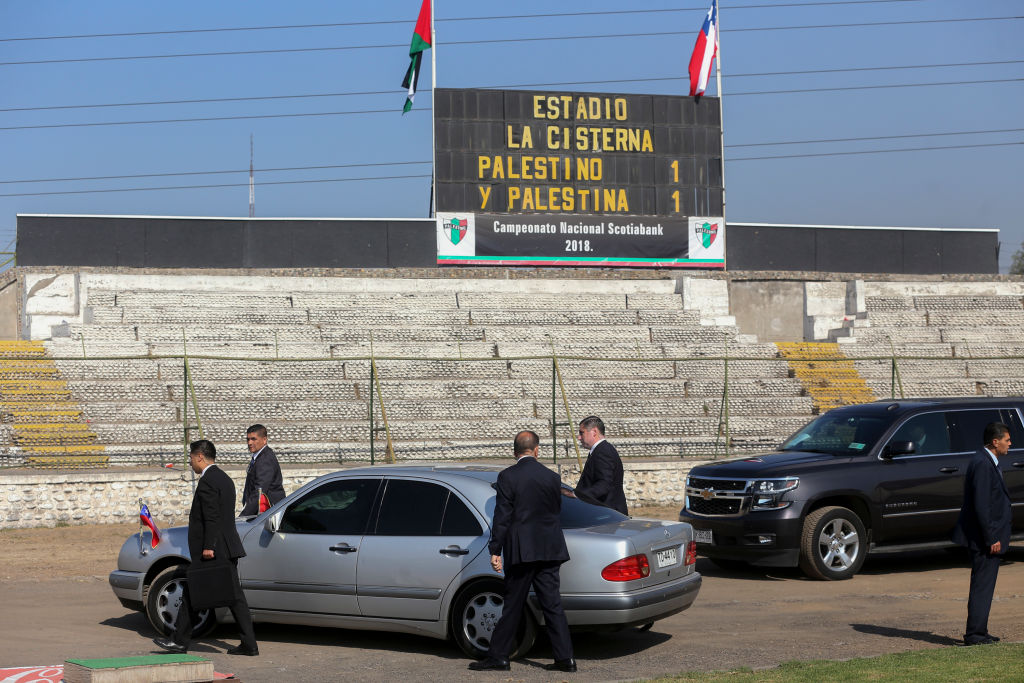
With the increased influence of right-wing populism and evangelicalism, Mahmoud Abbas has seen the region’s historic commitment to the Palestinian cause wane. These internal changes, along with a pivot toward Washington, have, in turn, aided Israeli Prime Minister Benjamin Netanyahu in making further inroads on the South American continent.
The Abu Dhabi Policing Laboratory: Building Security, Forging Community
Over the past decade, police reform in the Gulf Cooperation Council (GCC) region has been mainly implemented through community policing programs, gender inclusion, and youth and expatriates outreach, with the overarching purpose of promoting a positive image of the police. This article discusses the case of Abu Dhabi, the re-branding of whose police forces aims to boost a carefully tailored nation-building process in the United Arab Emirates (UAE) while supporting the federal messages of tolerance and happiness.
Monday Briefing: US and Turkey face S-400 confrontation
This week’s briefing on recent news and upcoming events in the region including Turkey’s confrontation with the U.S. over its S-400 defense system, the latest round of Afghan peace talks, the UAE’s drawdown in Yemen, Turkey’s media signaling on Syria, and the 21st consecutive week of protests in Algeria, featuring W. Robert Pearson, Marvin G. Weinbaum, Ibrahim Jalal, Guney Yildiz, and Robert S. Ford.
Shale oil and the illusion of US energy independence
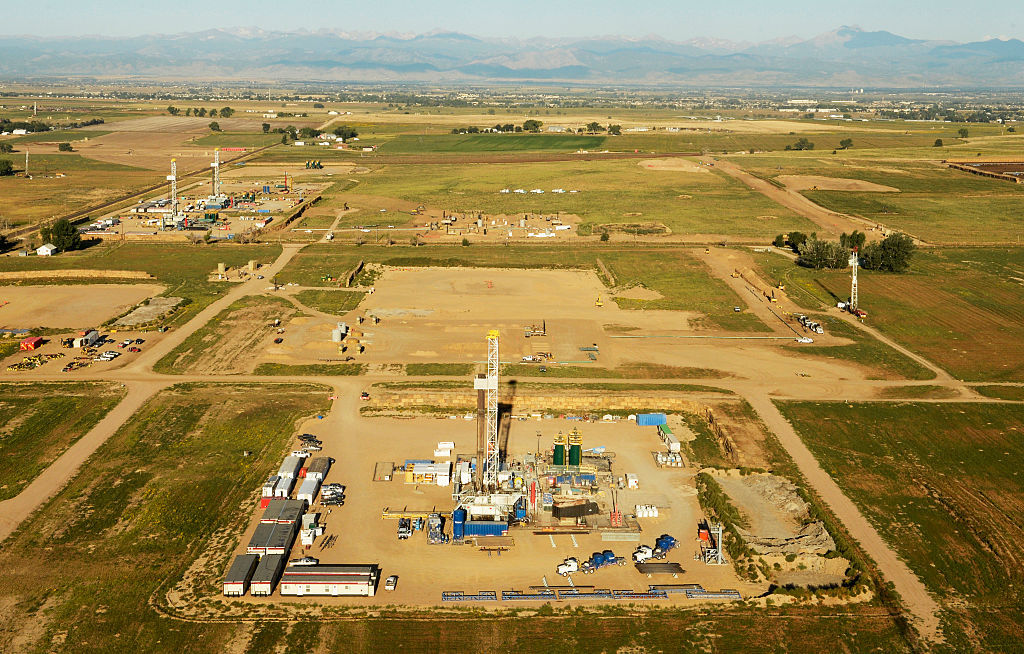
U.S. crude oil and energy product exports surged to an all-time high in the third week of June, making the country a net exporter of oil and products for the third time since November 2018. This change lends credence to American officials’ presumption that amid growing U.S.-Iran tensions in the Persian Gulf, Washington is less compelled to police oil transit routes in the region, especially the Strait of Hormuz, than it was during the 1980s. However, while the U.S. is less reliant on oil imports than in the past, it still remains dependent on Gulf producers, albeit in different ways.
Although Syria’s civil war has largely wound down, fighting in Idlib in the country’s northwest has heated up in the last two months. Charles Lister, MEI senior fellow and Director of the Countering Terrorism and Extremism Program, and Sasha Ghosh-Siminoff, executive director and co-founder of People Demand Change, join host Alistair Taylor to discuss the ongoing conflict and what impact it might have on Syria’s future.
The idea of establishing a Levant Union — one not unlike the European Union (EU), but composed of the Levantine states of Lebanon, Syria, Iraq, Palestine, Jordan, and by extension, Egypt and Cyprus — is one that ought to be explored. Such an arrangement would offer untapped potential for trade, supported by the growing trend toward greater regionalization, fueled by the rise in protectionism, increasing multipolarity, and corporate regionalization.
The UAE drawdown in Yemen is a welcome step, but it needs to be reciprocated
Reports that the UAE, a key member of the Saudi-led coalition fighting in Yemen, has decided to draw down and reposition its troops should be welcomed and taken seriously. It is not a small or symbolic move, but rather a serious, strategic, and thoughtful military and political decision. If reciprocated by the Iranian-backed Houthi militia, it could serve as the long-awaited breakthrough in the five-year-old Yemen war.
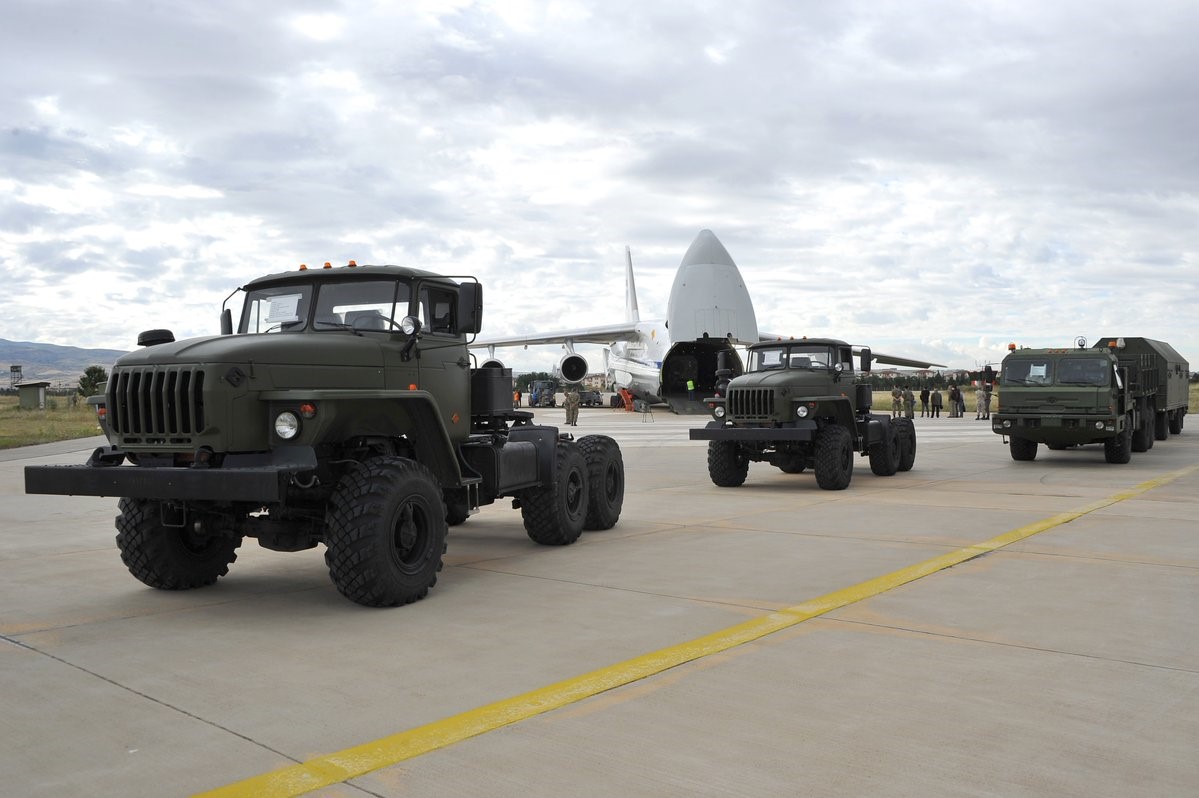
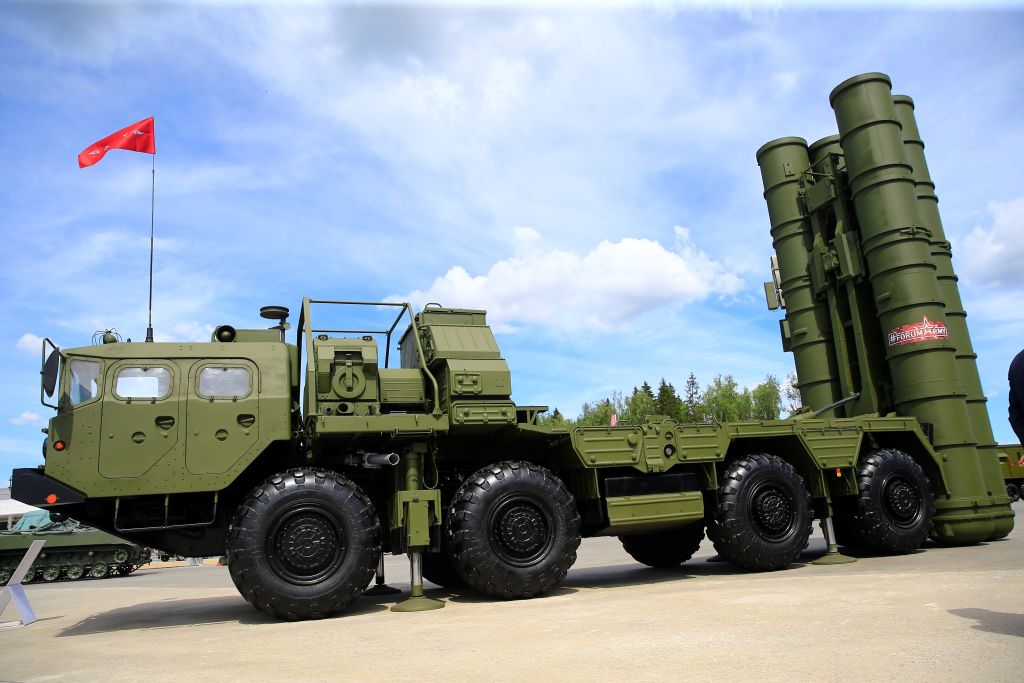
With delivery of the Russian S-400 air defense system to Turkey looming, a new crisis in U.S.-Turkey relations is slowly emerging. While it is obvious that Turkey needs a new air and missile defense system given the security risks in its region, it remains unclear why Turkish President Recep Tayyip Erdogan seeks to acquire the capability from a historical rival and potential adversary instead of through NATO. This decision will likely have major consequences for Turkey and its future geopolitical orientation.
Freshwater Resources in the MENA Region: Risks and Opportunities
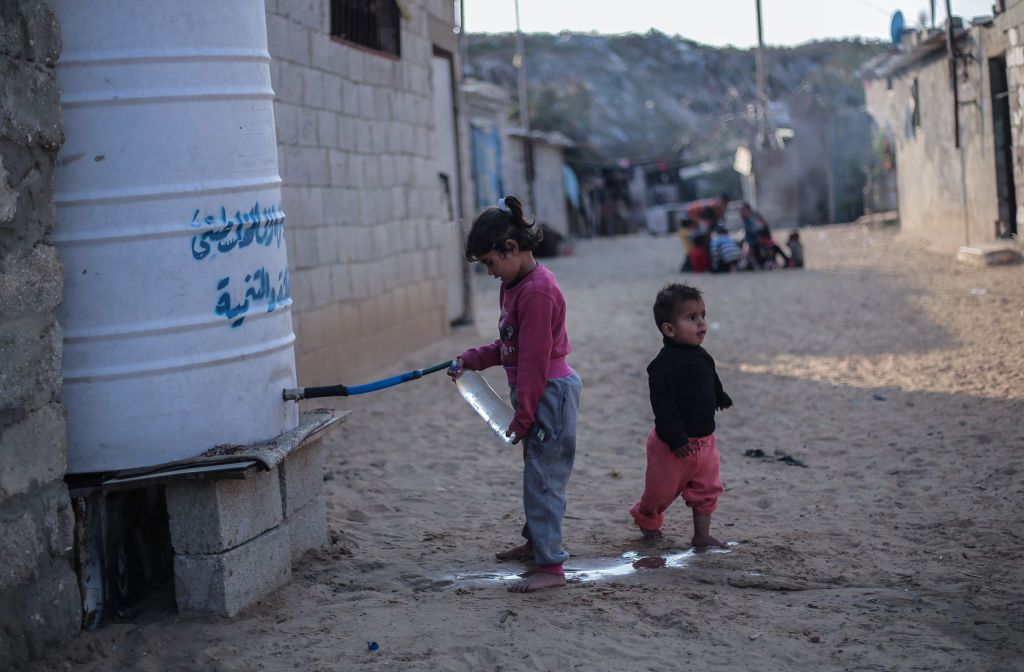
A reliable supply of freshwater is a prerequisite for sustainable socioeconomic development, as well as for sociopolitical stability and human prosperity, especially in semi-arid and arid regions of the world. The Middle East and North Africa’s freshwater resources are under immense pressures and are facing significant risks to their sustainability due to overexploitation, climate change, and interstate competition over their use that extends beyond the region’s boundaries.
Interconnected: Trade, food security, and stability in the GCC and MENA
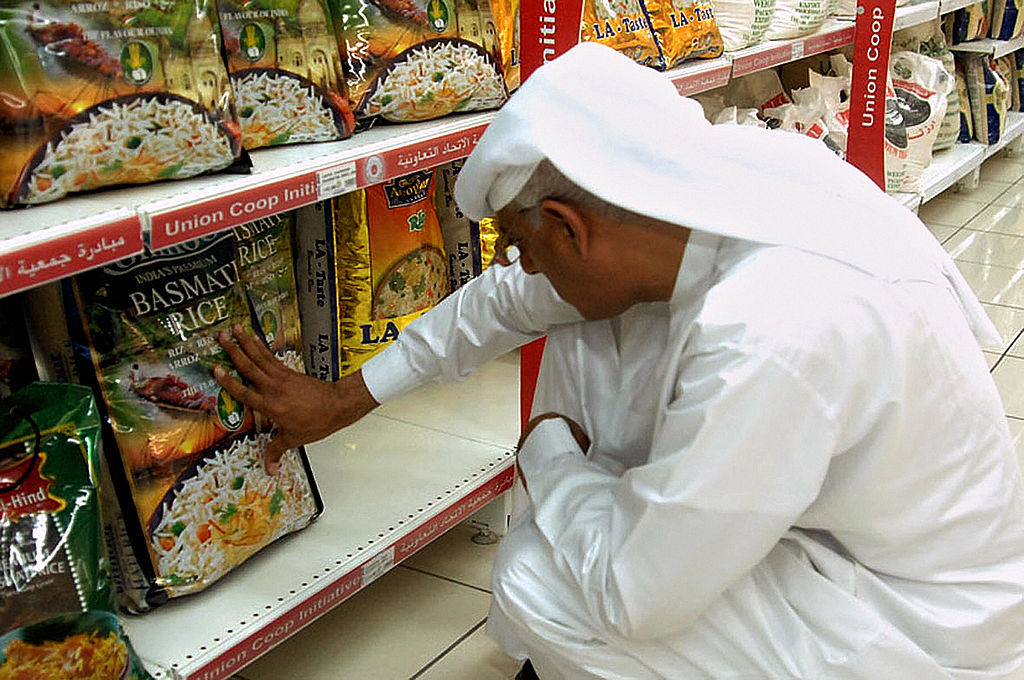
It is easy to overlook the fact that food security could be an issue of concern in the Gulf Cooperation Council. After all, its member states have some of the world’s highest per capita income levels. Food supplies in the Gulf are normally abundant and stable. Were they to be disrupted, however, it could lead to food security challenges and a chain of adverse consequences for human security throughout the region.
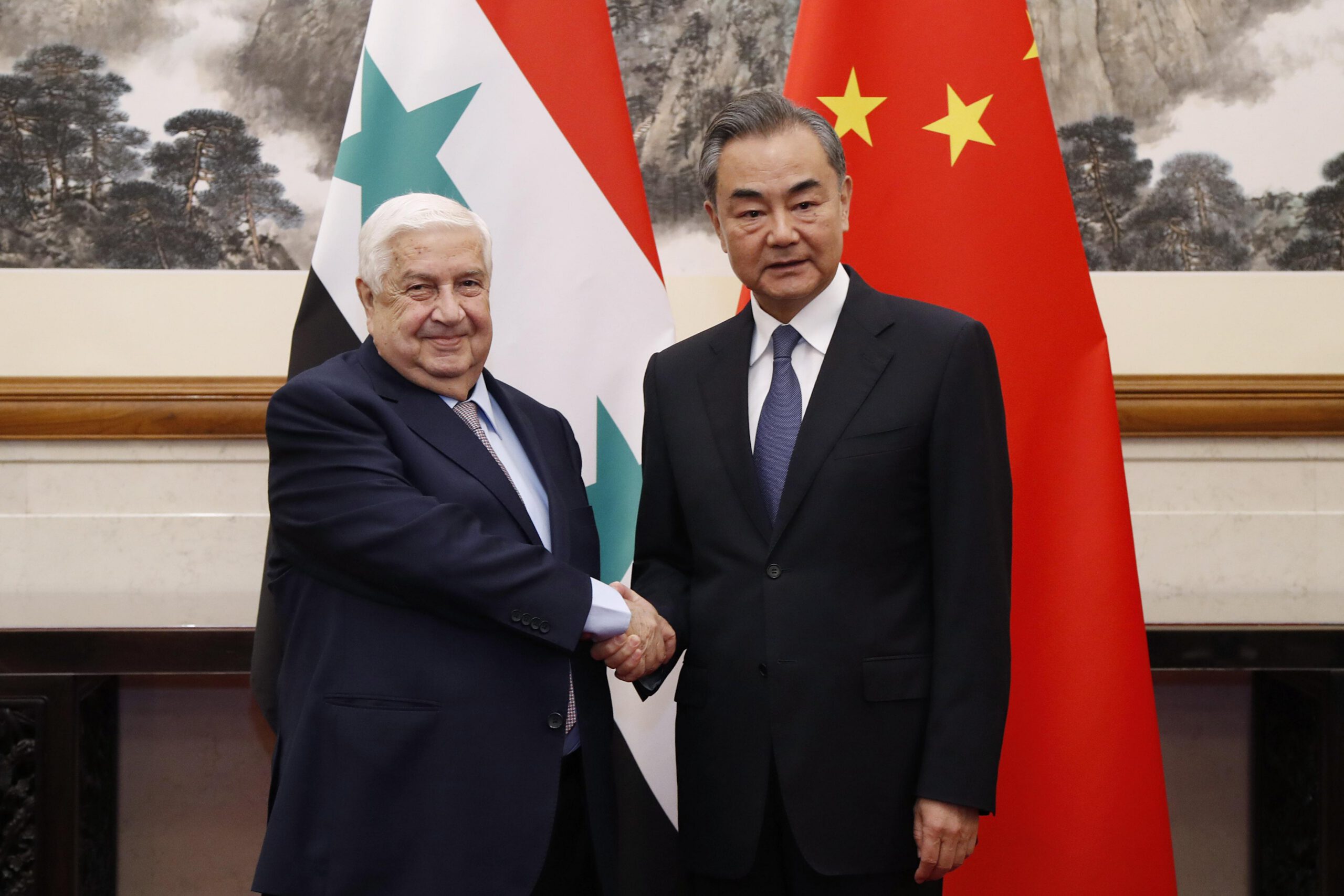
Traditionally, Syria has not been a strategic priority for China. Nor is it today. However, this does not mean that Beijing has been indifferent to the wide-ranging adverse effects of Syria’s disastrous civil war or to the opportunities that its postwar rebuilding might present. China’s Syria policy derives from its broader security and economic interests in the region. Accordingly, China’s two primary policy aims are 1) maintaining a constructive relationship with a government in Damascus that is stable, friendly, and capable of preventing the spread of transnational jihadist activity from its territory; and 2) developing an economic partnership that is compatible with and in furtherance of the Belt and Road Initiative (BRI). This article examines how China has pursued these aims during the eight-year Syrian conflict.
Monday Briefing: Strengthening Egypt’s ties with Africa
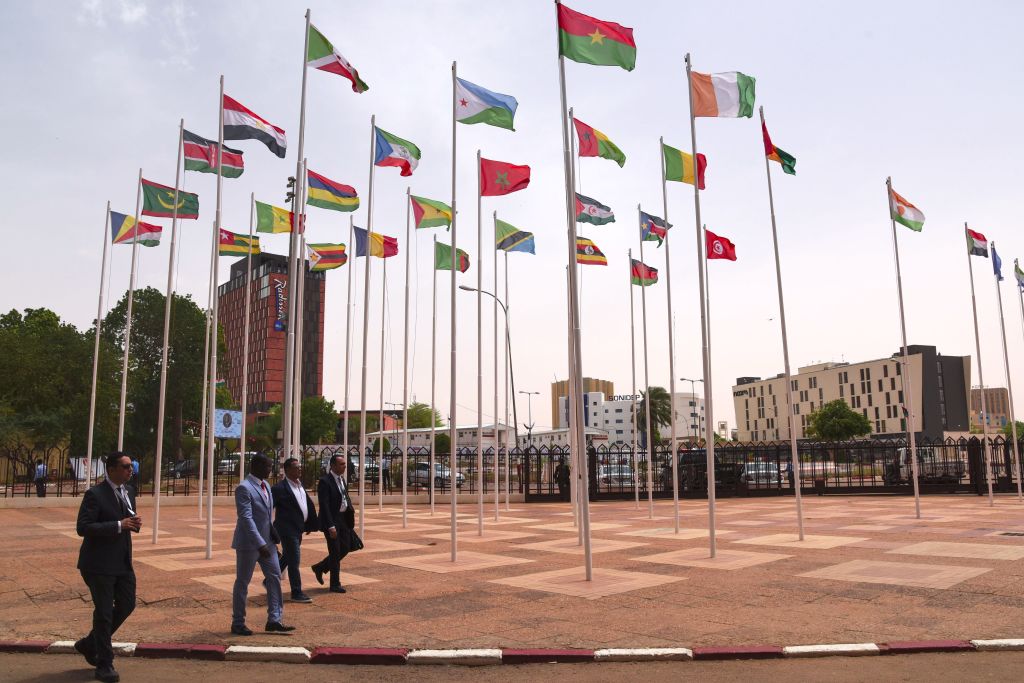
In this week’s Monday Briefing, MEI experts Mirette F. Mabrouk, Charles Lister, Gonul Tol, and Alex Vatanka provide analysis on recent and upcoming events including Egypt’s engagement with Africa to boost trade and investment, the reshuffling of leadership of Syria’s security apparatus, the firing of Turkey’s central bank governor, and Russia’s positioning to act as mediator between Iran and the Gulf states.
Having earlier threatened Iran with “obliteration” in the event of war, U.S. President Donald Trump warned on July 2 that the Islamic Republic was “playing with fire” after it breached the 300-kg cap on the stockpile of low-enriched uranium set by the nuclear deal. Yet, despite reportedly engaging in suspected “sabotage attacks” on a number of oil tankers, Iran is very unlikely to initiate a direct conflict with the U.S., but the scale and scope of its response to potential U.S. military action is not clear. Will it resort to overwhelming strategic force in the hope of dissuading the “aggressor” from further escalation, thus risking a major confrontation, or respond surgically to potential U.S. “tactical” strikes?
Becca Wasser, policy analyst at the RAND Corporation, and NPR national security correspondent and MEI scholar Greg Myre join host Alistair Taylor to discuss Moscow’s growing political, economic, and military footprint in the region.
As violence flares up in Daraa, control can be an illusion
Violence has been flaring up at an alarming rate in the southern Syrian province of Daraa, amid dozens of unclaimed attacks by gunmen. Over the last three months, assassinations, checkpoint attacks, fires, and sporadic clashes have wreaked havoc in the area and signaled a potential return of conflict.
The oldest peer-reviewed publication dedicated to the study of the modern Middle East, MEI’s flagship journal covers politics, society, and culture in the region.