Washington says it doesn’t know who runs Iran. Tehran insists its leadership is united. MEI Senior Fellow Alex Vatanka joins hosts Alistair Taylor and Matthew Czekaj to sort out where the truth lies. They look at the small circle of political and military figures now steering the war effort in Tehran: who they are, how they make decisions, and how unified they really are. They also discuss the current state of US-Iran negotiations, the role of the upcoming midterm elections in the United States, and how the Islamic Republic is preparing for a potential renewal of conflict afterward.
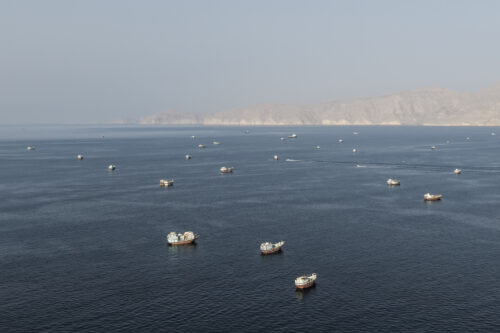
Crude oil is flowing out of the Gulf again, but the market is no better prepared for another disruption in the Strait of Hormuz. It has assembled a temporary system for managing one. Crude exports from the Gulf, excluding Iran, returned to pre-war levels in September, while total Gulf shipments reached 15.5 million barrels a day, more than 80% of the pre-conflict volume.
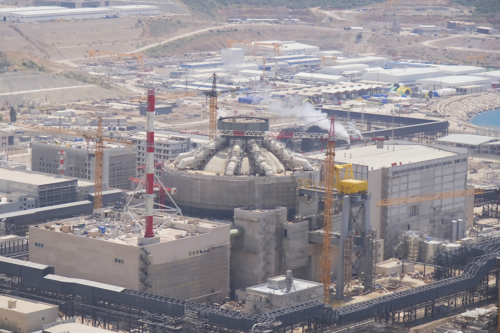
As a result of the Iran war, Turkish thinking about nuclear weapons appears to be shifting. Iran’s emergent ability to threaten regional states (and possible determination to acquire a nuclear weapon itself), growing concern about Israeli aggressiveness, doubts about US security guarantees, and greater Saudi nuclear autonomy are all pushing Ankara to consider a future nuclear option.
Since 1967, Israeli settlements in the West Bank have been a contested feature of the Israeli-Palestinian conflict. The ultimate disposition of the settlements and ongoing activity related to their growth have repeatedly defied agreement in negotiations over a resolution to the conflict.
The Houthis are a political-military faction and Zaydi religious movement founded in northwestern Yemen in the 1980s. A key member of Iran’s Axis of Resistance with links to other militant organizations in the Arabian Peninsula and the Horn of Africa, the group has continued to pose a threat to Western interests on a global scale.
The India-Middle East-Europe Economic Corridor (IMEC) is a proposed multinational infrastructure initiative aimed at upgrading connectivity between the three regions through integrated trade, energy, and digital networks. Announced at the G20 summit in New Delhi in September 2023, IMEC is envisioned partially as a counterweight to China’s international infrastructure project, the Belt and Road Initiative.
After a decade of post-Arab Spring isolation, Turkey’s leaders have recognized that their ambition to position the country as an agenda-setter on the world stage requires active engagement in all directions. President Recep Tayyip Erdoğan’s consolidation of executive authority has centralized foreign policy decision-making and tied it to his domestic political priorities, transforming the country’s revisionist approach to one shaped primarily by personal and pragmatic interests.
MEI Senior Fellow Brian Katulis engages friends, colleagues, and policy experts in casual conversations on the most important happenings in the Middle East.
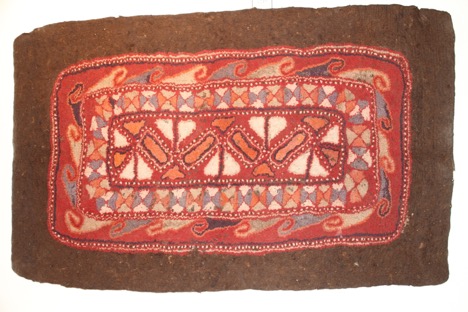
As Iraqi Kurds gain more autonomy than ever in modern history, they seem to be losing their cultural heritage. This is exemplified best by the disappearing tradition of Kurdish carpet weaving.
Renouncing al-Qaeda and the prospects for engagement
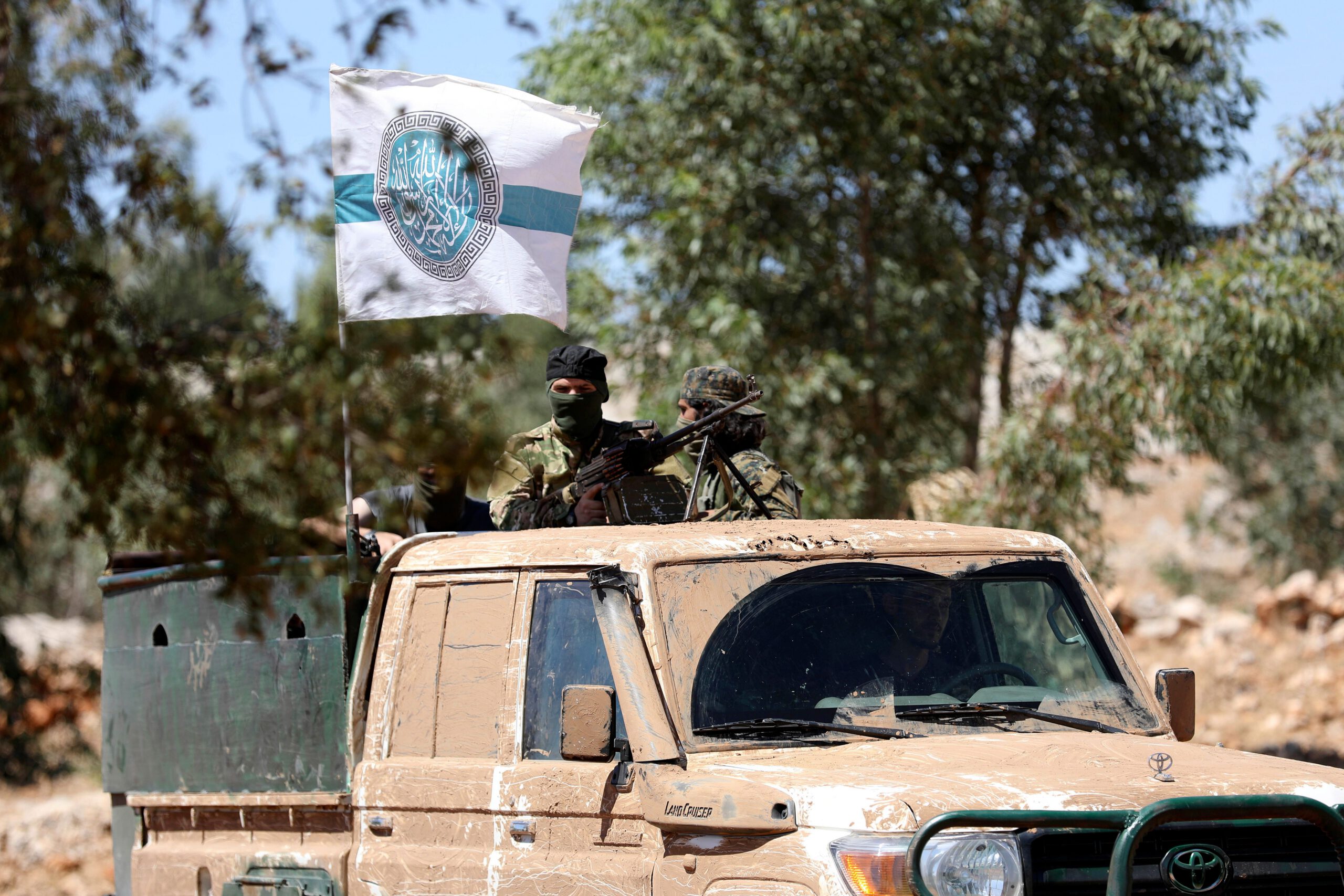
Hayat Tahrir al-Sham’s (HTS) recent seizure of the northern Syrian province of Idlib once again brings to the fore the debate over HTS’ renunciation of al-Qaeda (AQ). But can a group renounce AQ? If so, how should Western countries react, if at all?
MEI’s Robert Ford and Charles Lister join host Alistair Taylor to discuss the announced US withdrawal from Syria, the rush to fill the power vacuum that has ensued in its wake, and what the policy means for Syrians and the fight against ISIS.
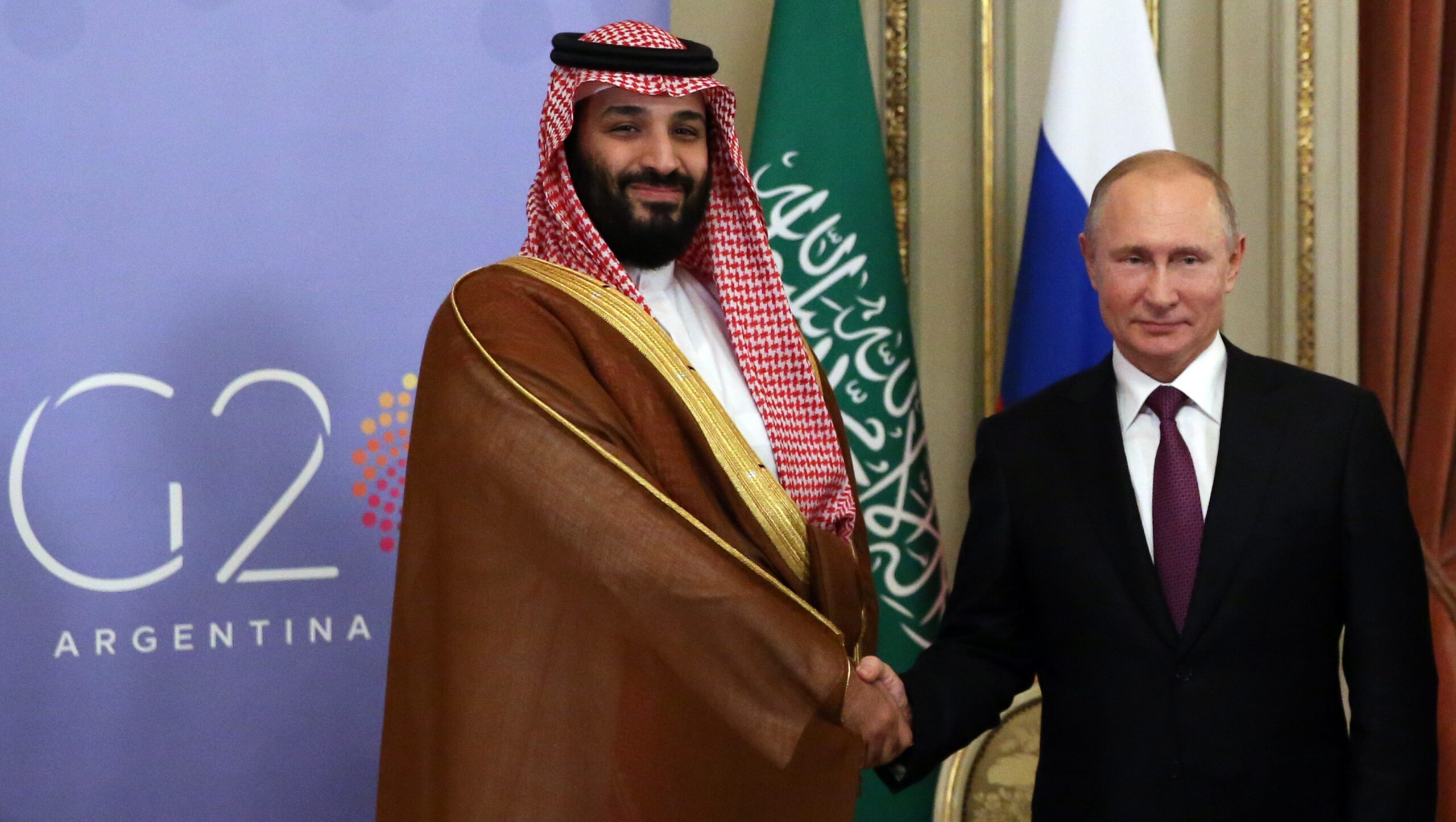
Growing ties with Russia could strain Saudi-US relations
With more of their geopolitical goals aligning, ties between Riyadh and Moscow are growing closer, and the kingdom plans to invest billions of additional dollars in Russian petroleum and other projects.
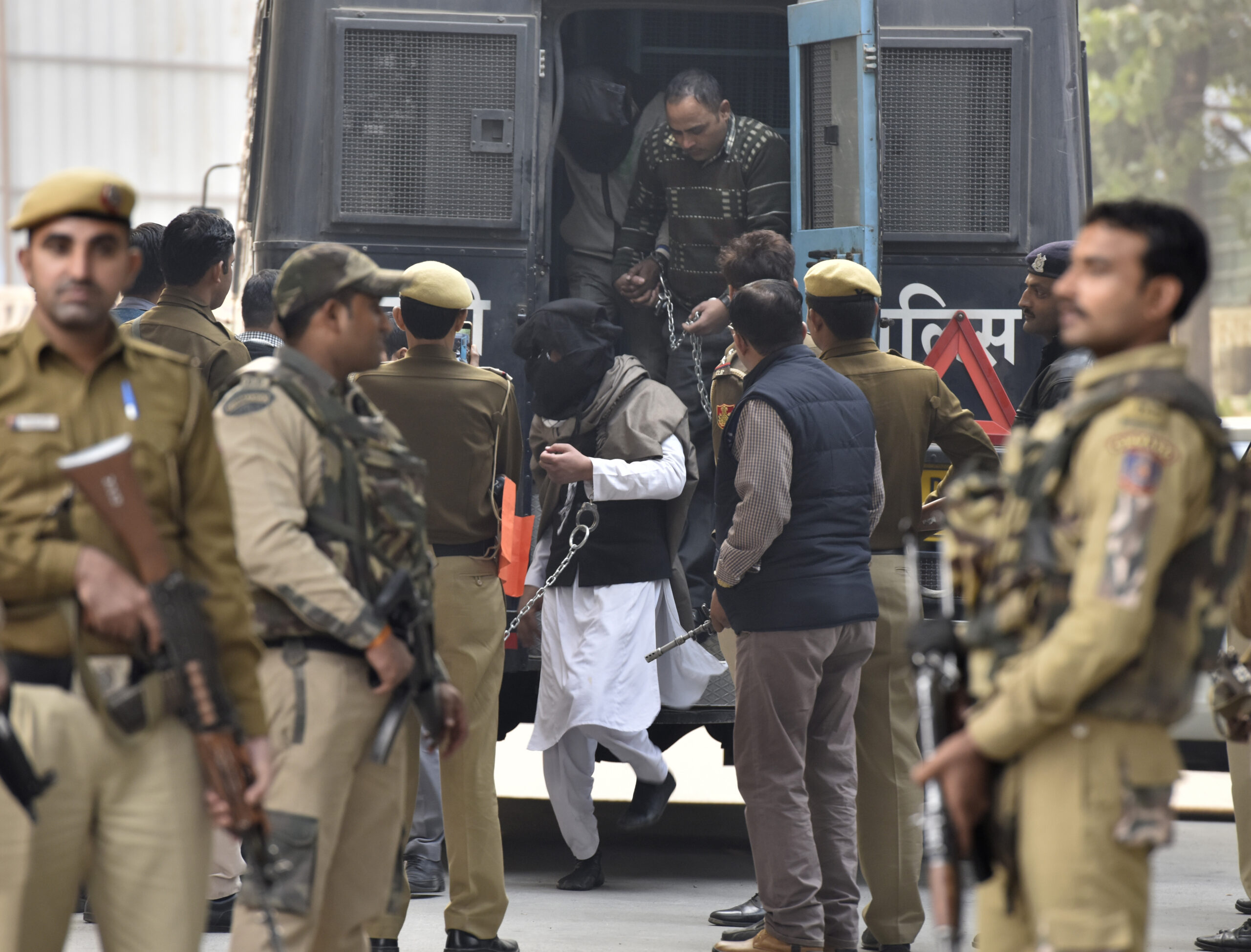
The Islamic State in India: Upgrading Capabilities?
The Islamic State (IS) is generally considered to be a very modest threat to Indian national security when compared to Kashmiri separatists, Naxalites, and the North East insurgencies. Yet, paradoxically, of all such violent non-state actors it has been IS that has garnered the most national attention in recent years. In December 2018 and January 2019, it was reported that Indian authorities had disrupted terrorist plots by two IS-inspired groups. This article discusses these incidents and what they reveal and might portend.
In this week’s Monday Briefing, MEI experts Randa Slim, Paul Salem, Ahmad Majidyar, and Marvin G. Weinbaum provide analysis on recent and upcoming events including President Trump’s comment about keeping U.S. troops in Iraq “to be able to watch Iran,” Pope Francis’s trip to the UAE, the EU’s maneuvers to defy U.S. sanctions on Iran, and intra-Afghan talks in Moscow.
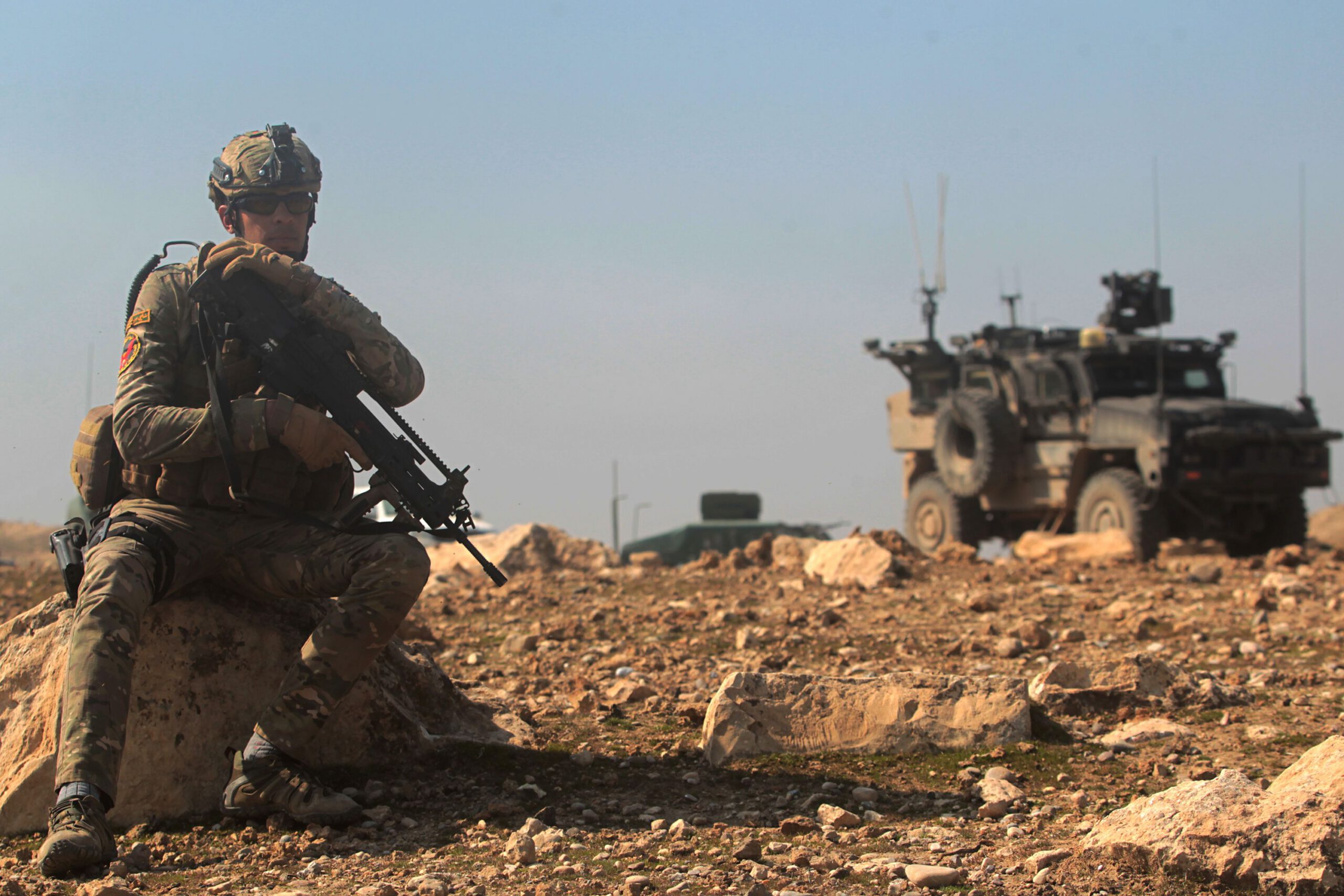
Iraq: Stuck in the middle again
Randa Slim Senior Fellow, Director of Conflict Resolution and Track II Dialogues program
The Global and Regional Geopolitics of Civil War in the Middle East
Power dynamics between the major global and regional powers have indirectly influenced the civil wars currently plaguing the Middle East. The distribution of power caused by end of the Cold War facilitated the creation of two opposing camps that later competed for regional primacy in the civil wars of Iraq, Syria, and Yemen.
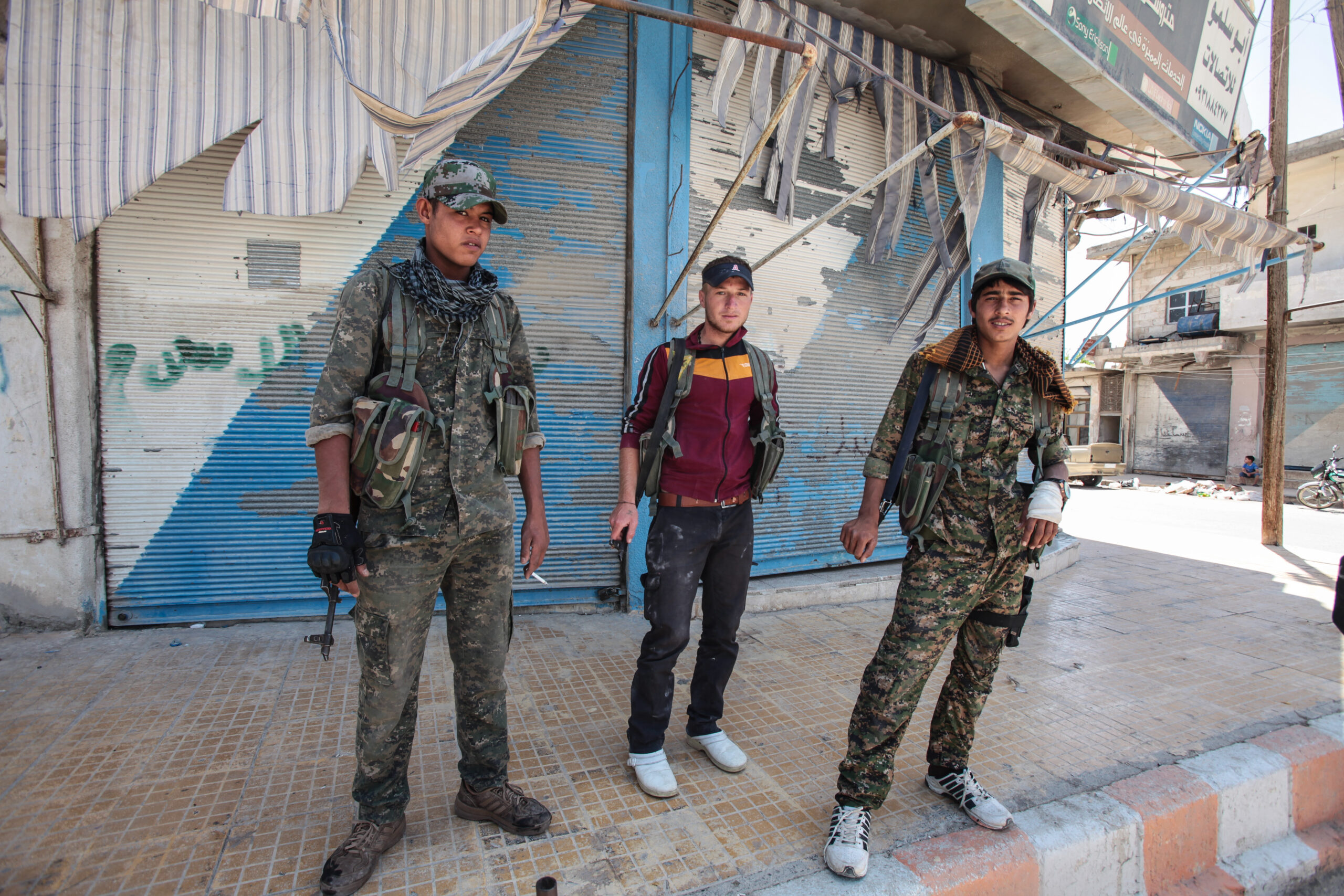
There is no doubt that minors are fighting in the ranks of the YPG, a Syrian Kurdish militia that controls most of the country’s northeast, but just how widespread is this phenomenon?
President Donald Trump’s announcement that he would withdraw U.S. troops from Syria came as a surprise to all parties involved, sparking particular concern among America’s Syrian Kurdish allies. This sudden and unexpected decision has been widely criticized not only by allies but also those inside the White House, with many analysts arguing that the U.S. withdrawal will expose the Syrian Kurds to an attack by Turkey. This move may push the YPG to seek the protection of Moscow following the US’s withdrawal in order to secure stability and dialogue with the government in Damascus.
MEI’s Ahmad Majidyar and Marvin Weinbaum join host Alistair Taylor to discuss the US-Taliban negotiations in Doha and what a potential agreement could mean for Afghanistan and the wider region.
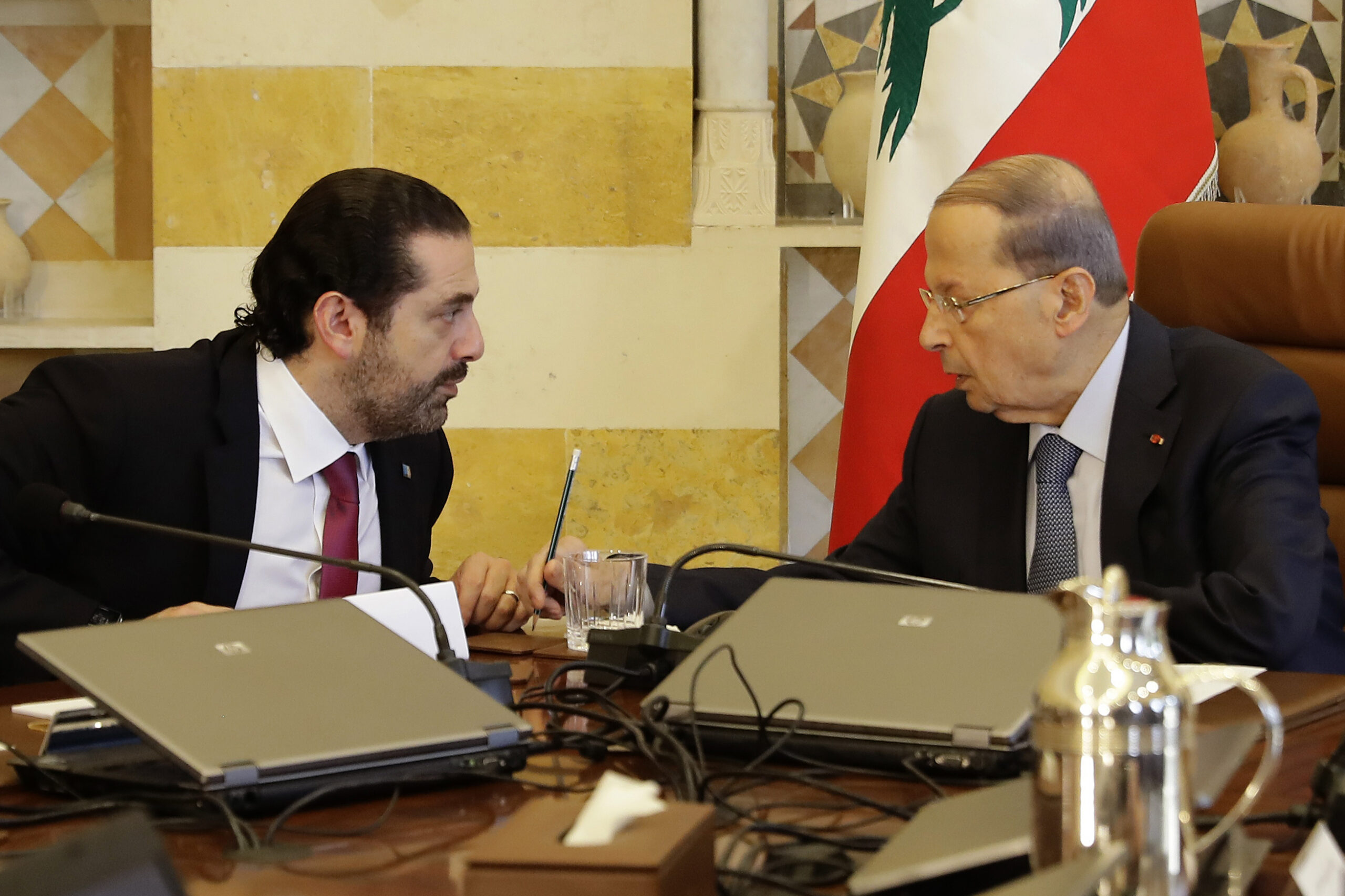
Hariri announces another flawed government, but don’t walk away from Lebanon
After nine months of deadlock, Prime Minister-designate Saad Hariri announced the formation of a new government of 30 ministers. The composition of the government is reflective of Lebanon’s power-sharing system and of the results of the last parliamentary elections.
Lifting the veil: Israel’s new military strategy in Syria
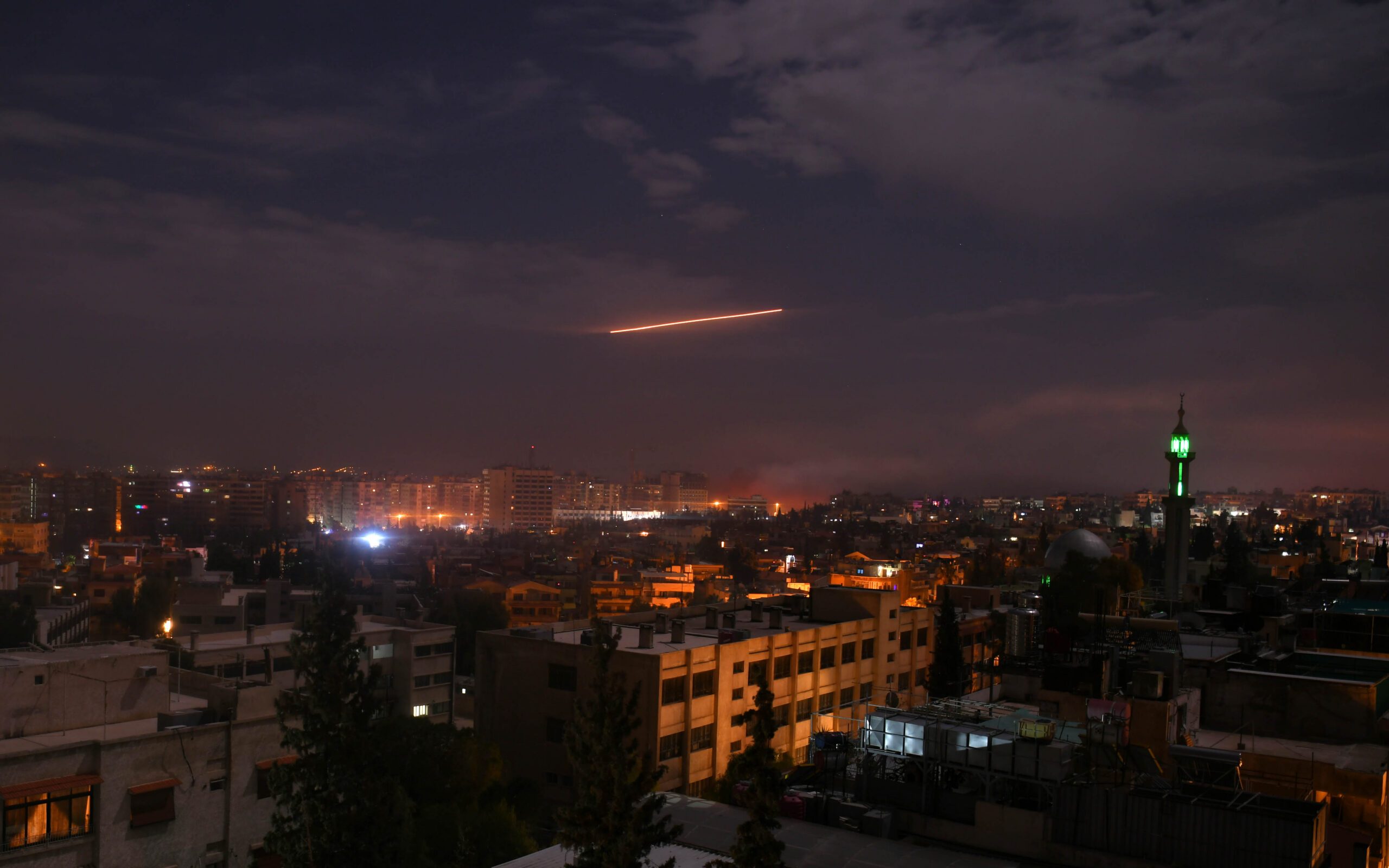
After years of ambiguity, Israel is increasingly going public with its strikes on Syria. Retaliatory attacks carried out last week were conducted in broad daylight, and in contrast to prior strikes, the IDF immediately took responsibility for them and announced them in real time on twitter.
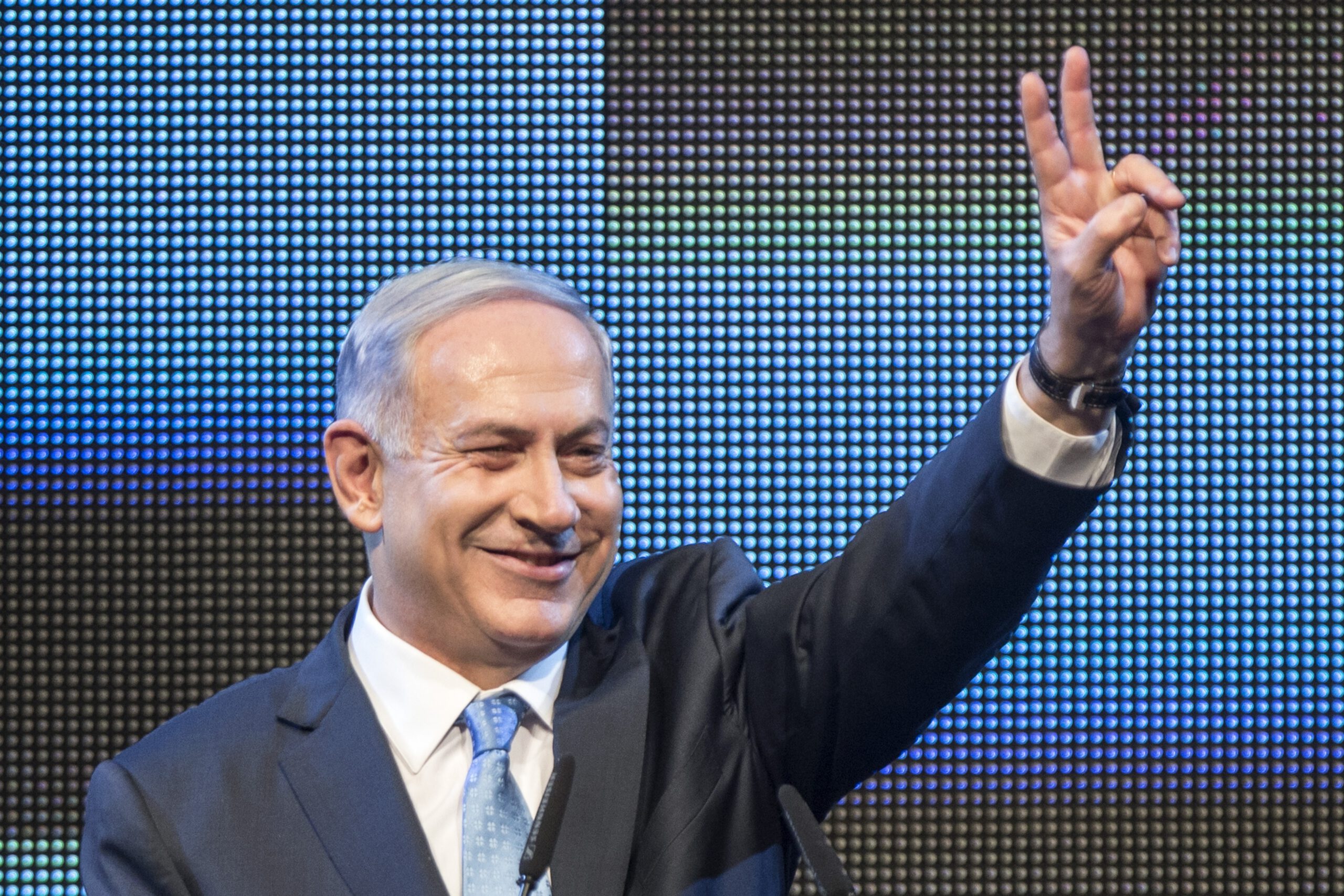
Israel is set to hold national elections in early April, and all indications suggest that the contest is Prime Minister Benjamin Netanyahu’s to lose. Current polls indicate that he will form the next government, leading a coalition spearheaded by his Likud Party with 30 seats in the 120-member Knesset.
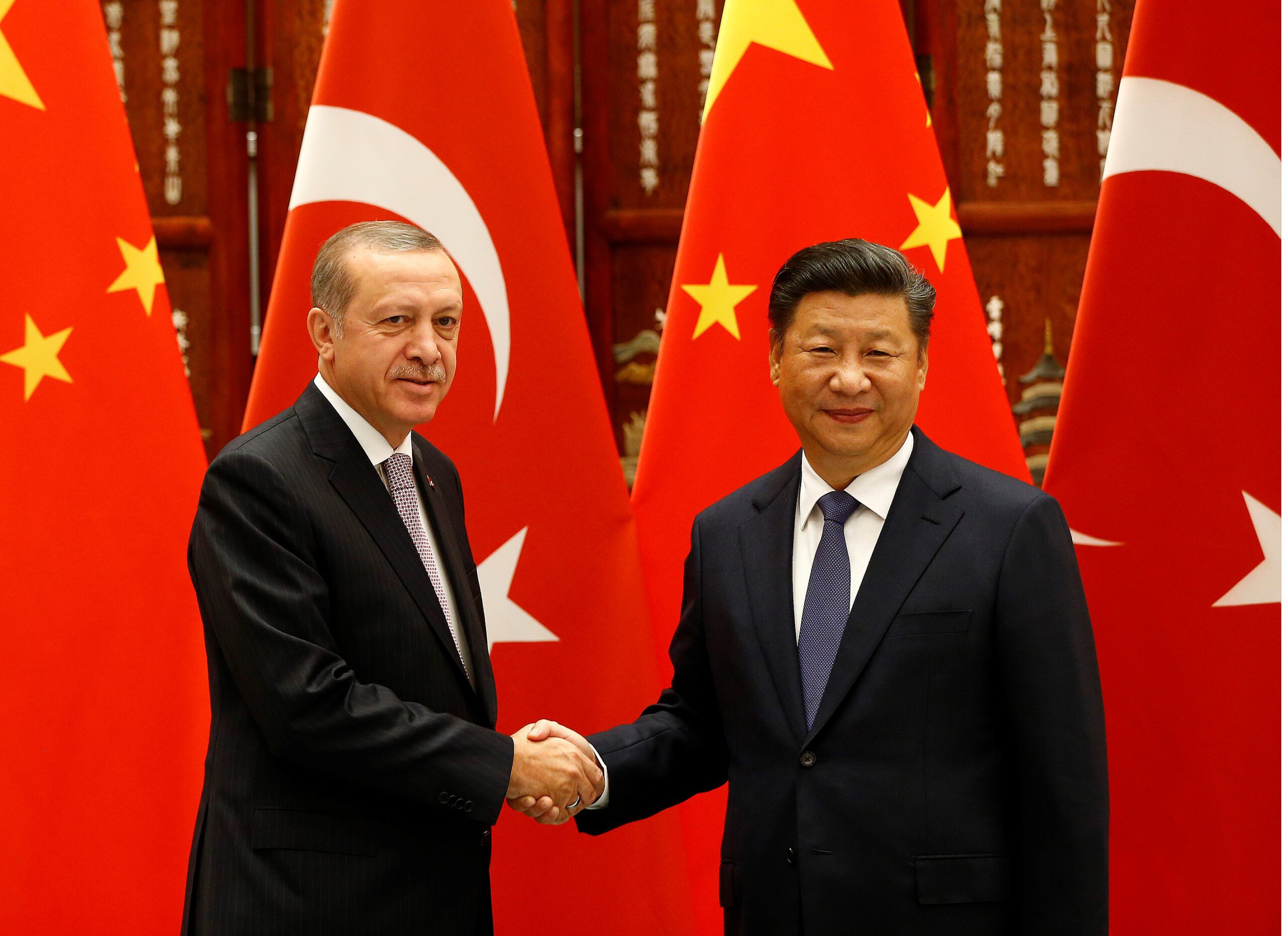
China’s Belt and Road Initiative and Turkey’s Middle Corridor: A Question of Compatibility
Turkey’s “Middle Corridor” (MC) and China’s “Belt Road initiative” (BRI) are two grand schemes that envisage trans-continental integration. These two ambitious initiatives have been developed independently of one another. However, are they compatible?
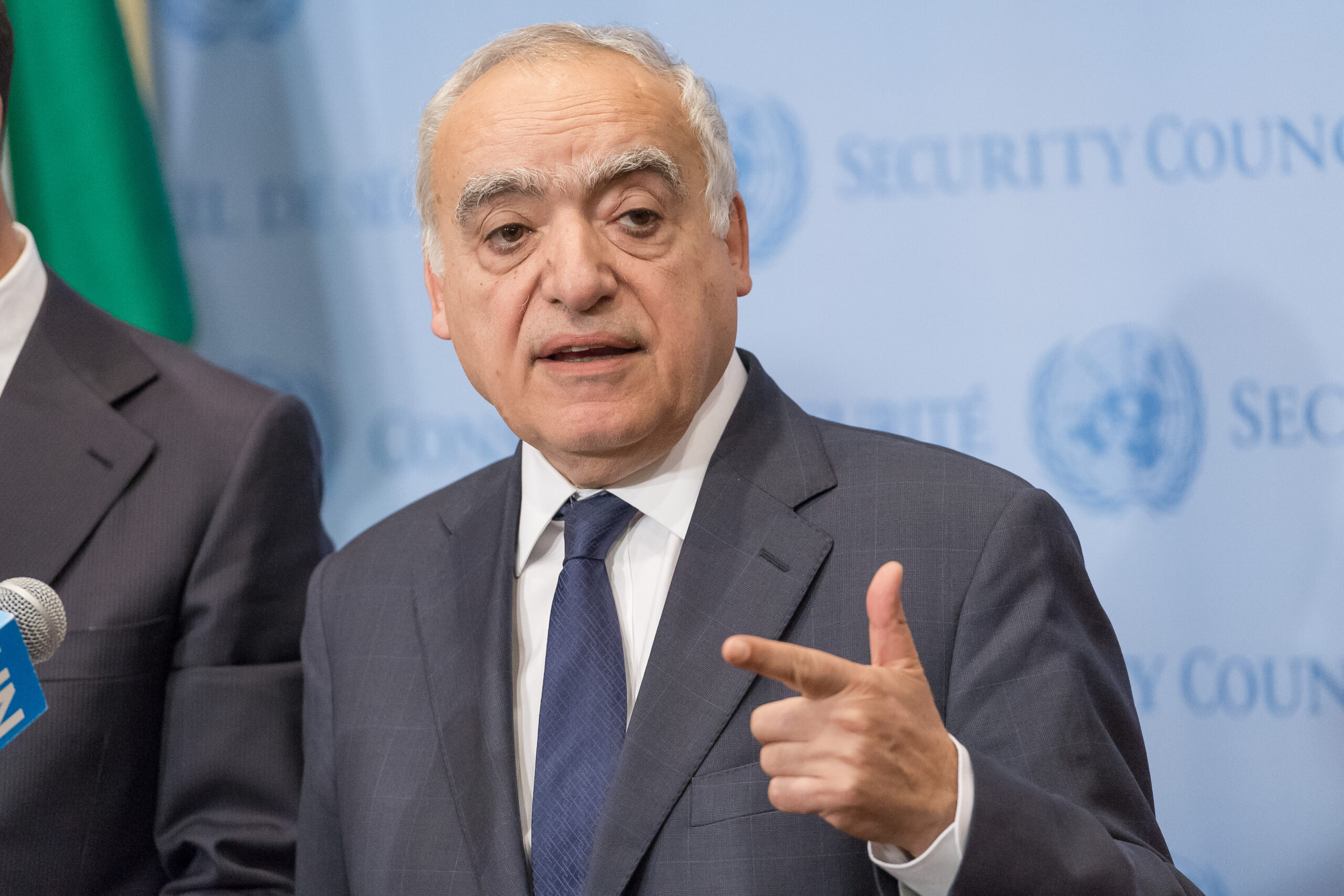
If all goes to according to plan, in the coming months Libya will hold a National Conference, an event that could serve as an inflection point for the country and has the potential to right the course of its political trajectory. In order for this to work, however, Special Representative of the Secretary-General (SRSG) to Libya Ghassan Salamé must simultaneously plan for both the conference and its aftermath, capitalizing on America’s increasing, behind-the-scenes involvement in Libya.
The oldest peer-reviewed publication dedicated to the study of the modern Middle East, MEI’s flagship journal covers politics, society, and culture in the region.