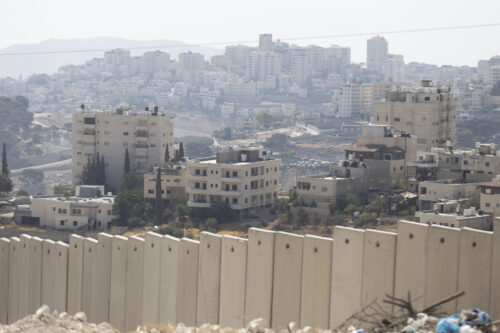
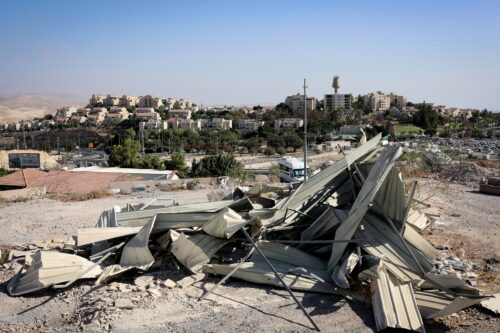
The Israeli government’s plan to build 3,401 housing units in the 12-square-kilometer E-1 corridor, between Jerusalem’s municipal boundary and the Israeli settlement of Ma’ale Adumim, would cut the West Bank in two. Israeli officials are under no illusion about the implications. Announcing the plan’s approval in August 2025, Finance Minister Bezalel Smotrich called it a “significant step that practically erases the two-state delusion.”
The Americans Are Gone. Will Iraq’s Militias Disarm?
On September 30, the US completed its military withdrawal from Iraq, ending a 12-year-long mission to combat ISIS that began in 2014. The date was also meant to be the deadline for disarming the largely Iranian-backed militias known as the Popular Mobilization Forces (PMF), but Prime Minister Ali al-Zaidi has now pushed that cutoff back to June 30, 2027. MEI Distinguished Diplomatic Fellow Amb. (ret.) Robert S. Ford joins hosts Alistair Taylor and Matthew Czekaj to discuss what the US military withdrawal means for Iraqi security and the nature of the bilateral relationship going forward. They also speak about what it will take for Baghdad to bring the PMF militias to heel, and how Iraq may navigate the post-Iran war era.
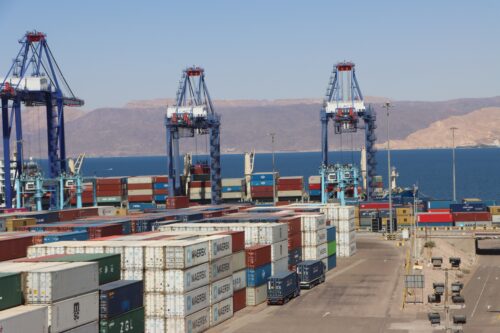
Jordan’s Economy Weathers Iran War’s Shocks and Finds New Opportunities
In the summer of 2003, King Abdullah II told Bloomberg Jordan sits “between Iraq and a hard place,” a play on words designed to describe the kingdom’s challenging environment to an American audience amid the US-led Iraq war to the east and the lingering Palestinian-Israeli conflict to the west. Jordan is grappling with a much “harder place” today.
Since 1967, Israeli settlements in the West Bank have been a contested feature of the Israeli-Palestinian conflict. The ultimate disposition of the settlements and ongoing activity related to their growth have repeatedly defied agreement in negotiations over a resolution to the conflict.
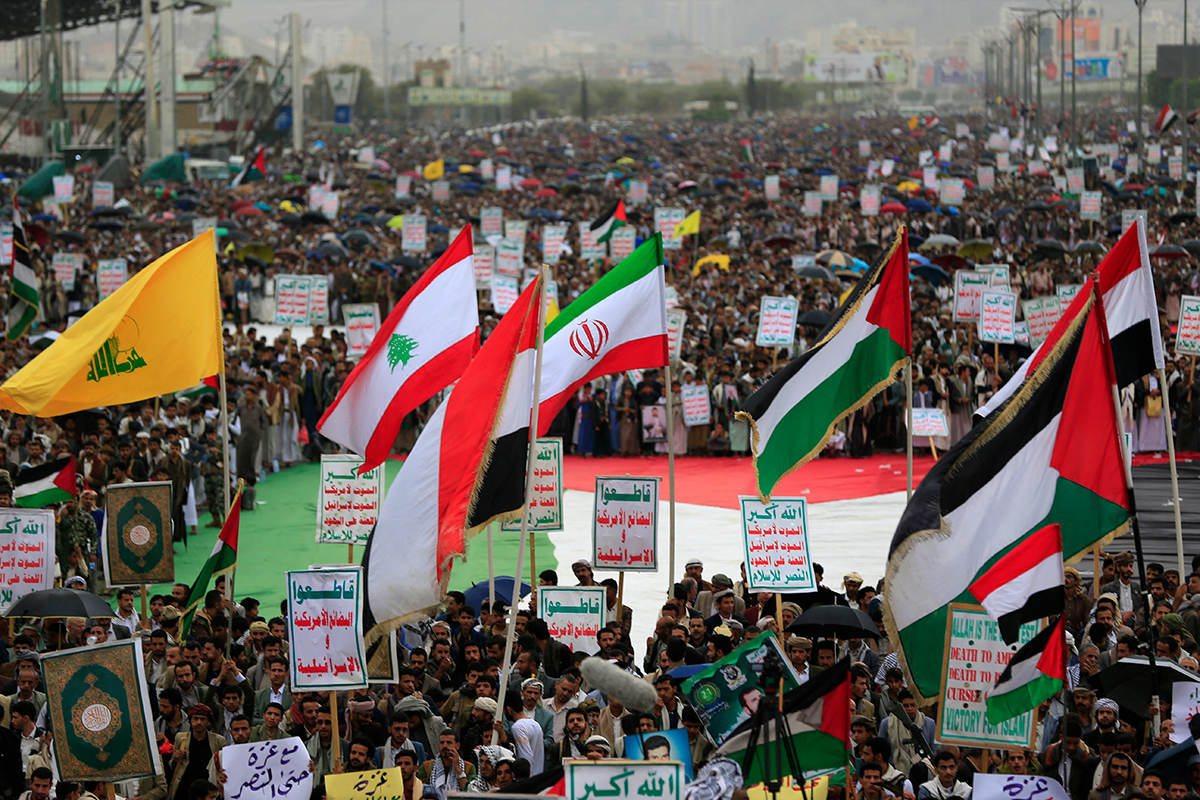
The Houthis are a political-military faction and Zaydi religious movement founded in northwestern Yemen in the 1980s. A key member of Iran’s Axis of Resistance with links to other militant organizations in the Arabian Peninsula and the Horn of Africa, the group has continued to pose a threat to Western interests on a global scale.
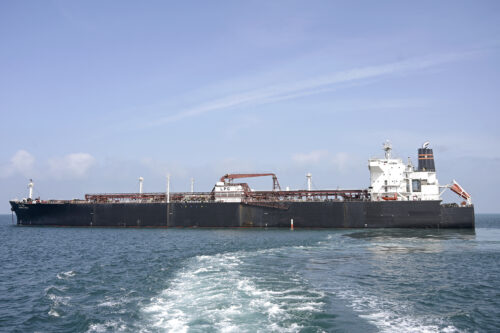
The India-Middle East-Europe Economic Corridor (IMEC) is a proposed multinational infrastructure initiative aimed at upgrading connectivity between the three regions through integrated trade, energy, and digital networks. Announced at the G20 summit in New Delhi in September 2023, IMEC is envisioned partially as a counterweight to China’s international infrastructure project, the Belt and Road Initiative.
After a decade of post-Arab Spring isolation, Turkey’s leaders have recognized that their ambition to position the country as an agenda-setter on the world stage requires active engagement in all directions. President Recep Tayyip Erdoğan’s consolidation of executive authority has centralized foreign policy decision-making and tied it to his domestic political priorities, transforming the country’s revisionist approach to one shaped primarily by personal and pragmatic interests.
MEI Senior Fellow Brian Katulis engages friends, colleagues, and policy experts in casual conversations on the most important happenings in the Middle East.
Inflection point or continuing spiral in the Middle East?
After almost two years of fighting in Gaza, and after the decimation of Hizballah, the fall of Bashar al-Assad’s regime in Syria, and the 12-day Israeli-American war on Iran, the Middle East is in new strategic and political territory. Two pathways lie ahead: the first is one in which the gains and changes brought about by war are turned, through intense diplomacy and negotiation, into new international and political arrangements that bring about a period of security and stability in the region; the second is one in which that corner is not turned, and the wars in Gaza, Iran, and potentially Yemen, Syria, and Lebanon, continue indefinitely. The trajectory will depend on the choices of key actors — above all Iran, Israel, and the United States.
Former MEI Board Member John Hurley Confirmed as Treasury Under Secretary for Terrorism and Financial Intelligence
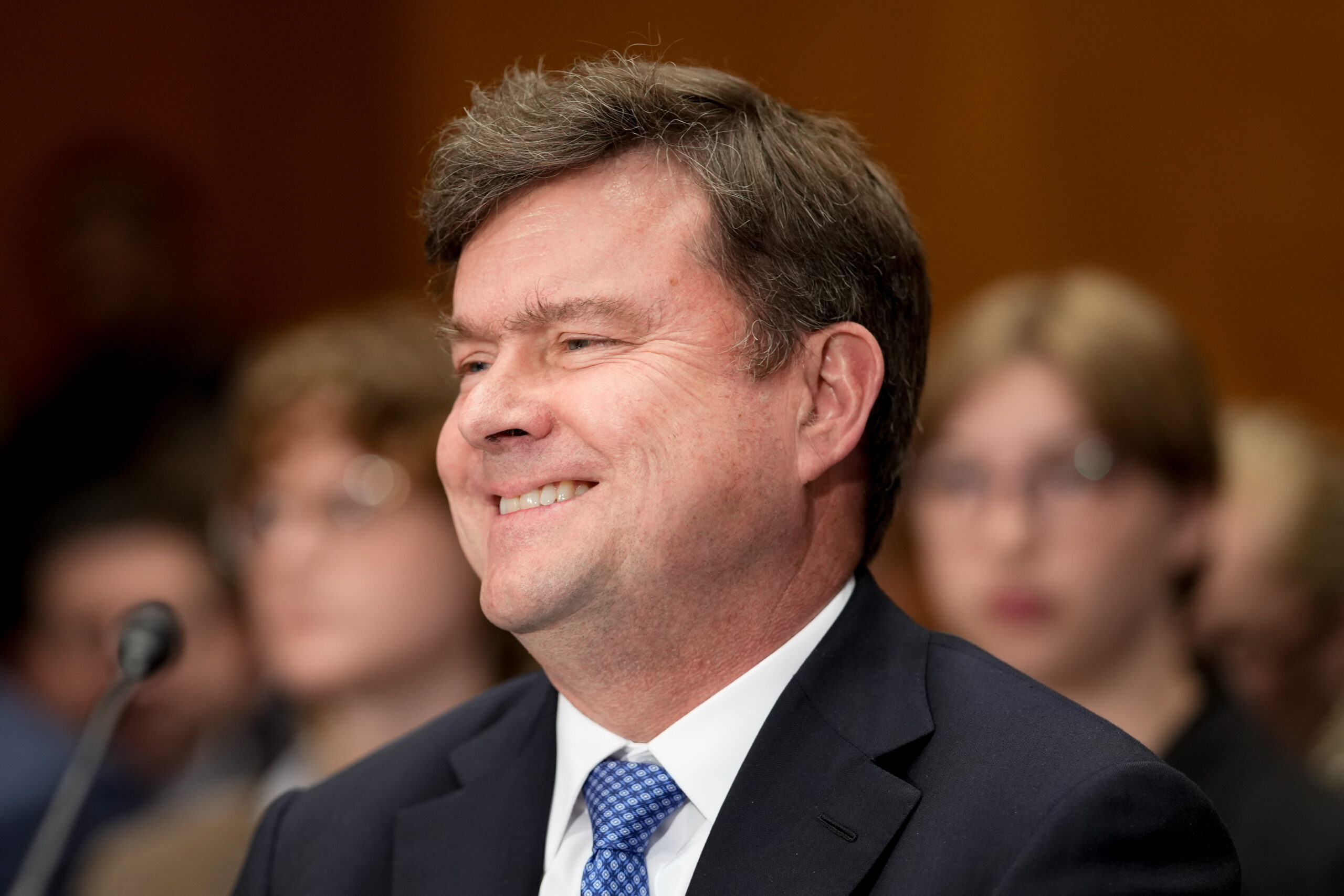
(Washington, DC, July 25, 2025) – The Middle East Institute (MEI) congratulates former Board of Governors member John K. Hurley on his confirmation by the US Senate to serve as Under Secretary for Terrorism and Financial Intelligence at the US Department of the Treasury.
The Regional and Domestic Elements of Erdoğan's Grand Strategy
In this episode of Middle East Focus, hosts Alistair Taylor and Matthew Czekaj are joined by MEI Senior Fellow Gönül Tol to discuss how shifting regional dynamics — from the Israel-Iran war to renewed violence in southern Syria — are reshaping Turkey’s foreign policy and President Recep Tayyip Erdoğan’s domestic agenda. They unpack Ankara’s ties with the US under the Trump administration, its strained relations with Israel, the implications of Turkey’s peace process with the PKK, and Erdoğan’s bid to maintain his hold on power. The conversation also explores how Turkey is positioning itself as Western engagement grows more uncertain and what this means for the future of democracy in the country.
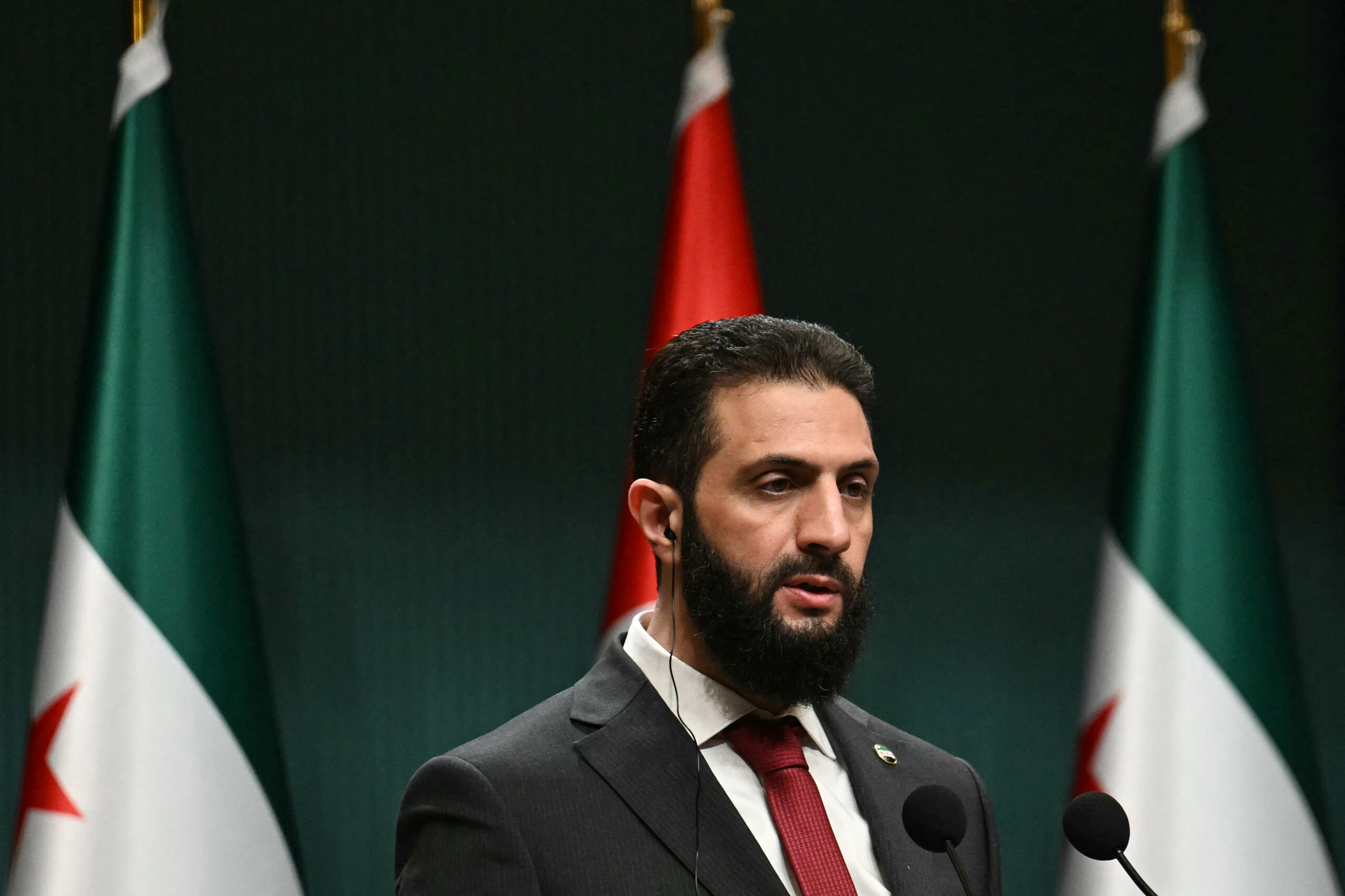
Recent developments in Syria are causing surprise and confusion. In a bold move, President Trump and his administration acquiesced to requests from the Turkish and Saudi leadership and lifted most sanctions on the Ahmed al-Sharaa regime, his Salafist HTS movement, and Syria itself. It did so without conditionality, without much effort to understand the character, intentions, and capabilities of the new power in Damascus, and without a plan to use this windfall as leverage.
Two’s a Crowd: The Strategy of Forward Defense in the Middle East
The Middle East is in a state of suspended animation, neither plunged into total war nor buoyed by enduring peace. Within this uneasy equilibrium, all await the next moves by the protagonists—the United States, Israel, and Iran—as the dust settles on the 12-Day War of June 2025, in which they all took part. Also waiting are Syria and Lebanon, where Iran’s fading footprint could presage a more viable future.
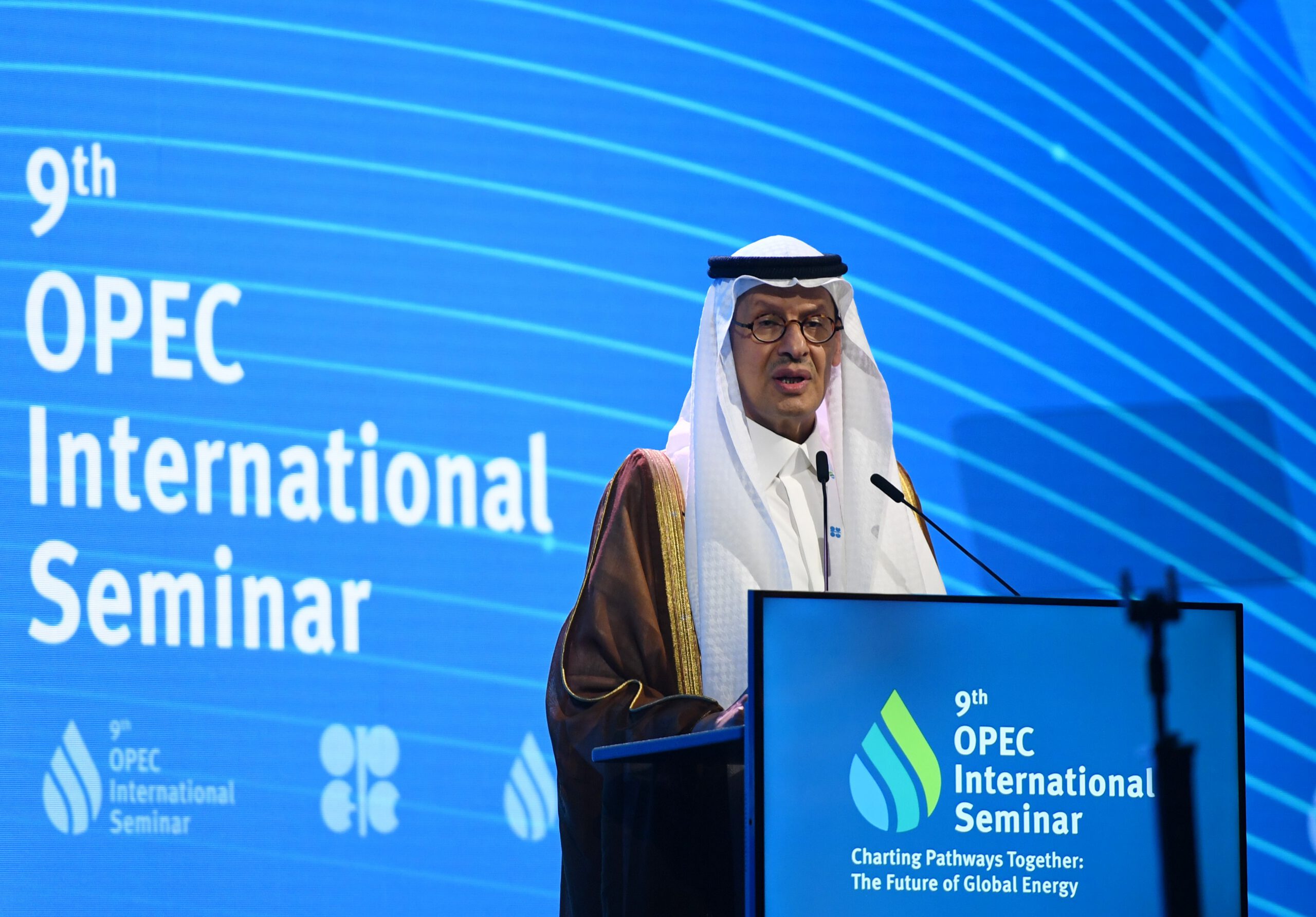
MENA Energy Recap, Q2-2025: Markets Soften, Resolve Hardens, Investments Grow
The MENA Energy Recap is a quarterly review of key energy developments that took place in the region from April through June of 2025 and what they signal in the months ahead. The Recap views these developments through the lens of policy and strategy, energy security, and markets.
Probably few if any Middle East analysts had Israeli airstrikes targeting key government installations of the Syrian state on their summer 2025 bingo cards. And yet that is precisely what happened on Wednesday, as Israeli jets hit Syria’s military headquarters and an area near the presidential palace in Damascus.
Amid sustained regional conflict and global uncertainty, the Arab Gulf states are navigating a shifting economic and strategic landscape with surprising resilience. MEI Senior Fellow Karen Young joins hosts Alistair Taylor and Matthew Czekaj to break down the latest economic data and geopolitical developments affecting the Gulf economies — from the ripple effects of the Israel-Iran war and Houthi maritime threats to energy diversification and global investment strategies. Young unpacks the challenges and opportunities shaping the Gulf’s economic resilience and explains what it all means for regional stability and growth.
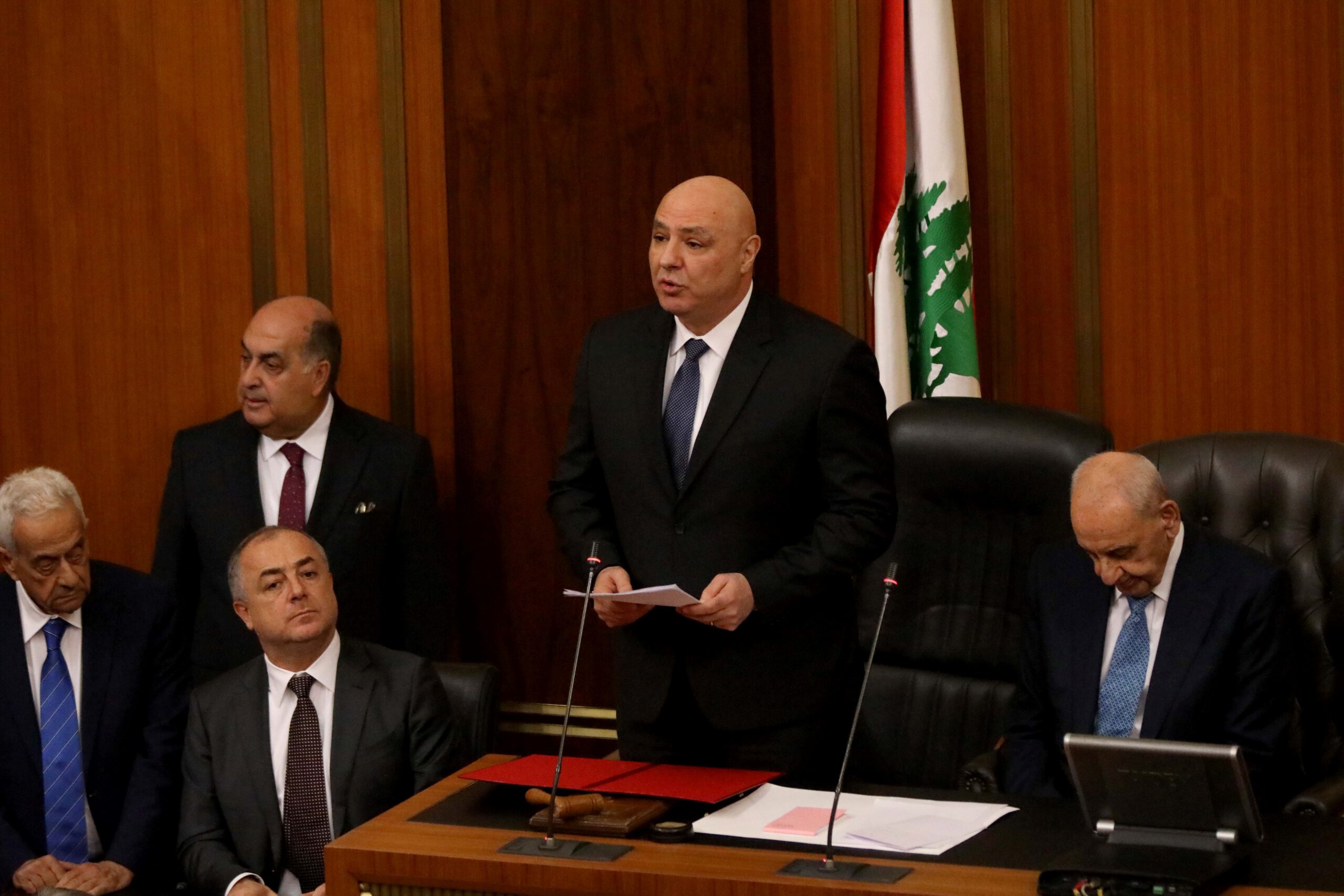
A career in American diplomacy in the Middle East is a humbling affair. Whenever you heard well-meaning American officials speak of the birth pangs of a “new Middle East,” you knew it was time to update the embassy’s evacuation plans and re-stock its bunkers.
And if anyone in charge spoke of peace in Lebanon of all places, you knew to supplement the evacuation plans with an IQ test for anyone so detached from reality. For the history of American-Lebanese relations is one strewn with inflated expectations and deflated ambition. And not a few corpses.
Iran at a Crossroads: War, Survival, and the Future of the Islamic Republic
Gönül Tol speaks with Dr. Vali Nasr, one of the world’s leading experts on the Middle East, to unpack the aftermath of the 12-Day War. Together, they examine the war’s domestic and regional fallout, the resilience of Iran’s regime under fire, and the shifting public sentiment that may shape the country’s political future. Does survival alone count as success for Tehran? And what becomes of protest movements and democratic aspirations when a nation is consumed by existential external threats?
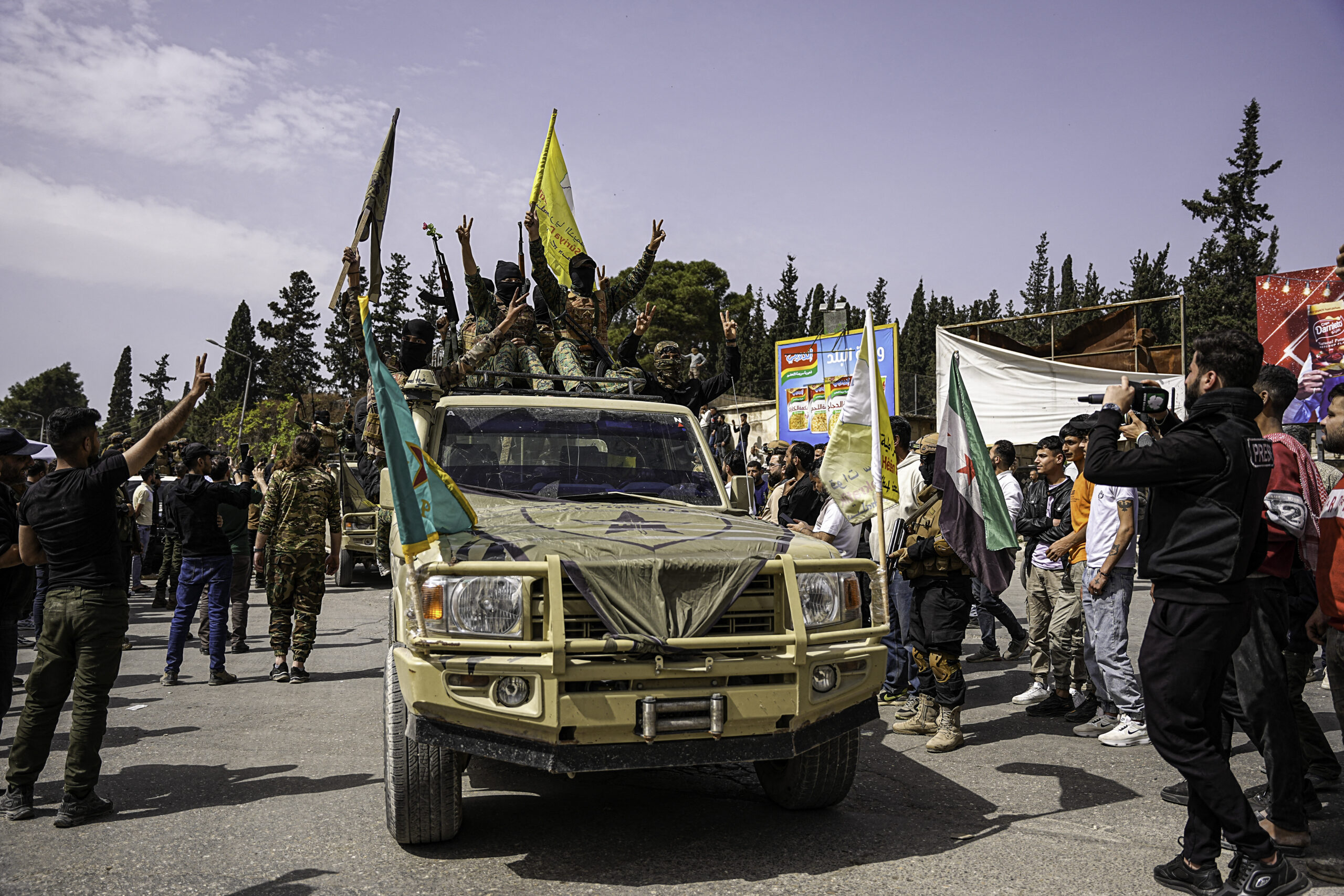
Fading hopes that the SDF will agree to Syrian integration
In the seven months since Syria’s former president Bashar al-Assad was overthrown, 78 foreign governments and multinational bodies have descended on Damascus to engage with Syria’s new interim president Ahmed al-Sharaa and his transition team.
What Would Zbig Do? Edward Luce on US Strategy Then and Now
Financial Times columnist and author Edward Luce joins Brian to discuss his new biography Zbig: The Life of Zbigniew Brzezinski—what the legendary strategist got right, where he fell short, and what his legacy means for U.S. foreign policy today. From Camp David to Tehran, Luce reflects on the pivotal moments Brzezinski helped shape in the Middle East and beyond—and what lessons today’s leaders could take from his intellectual rigor and hard strategic choices.
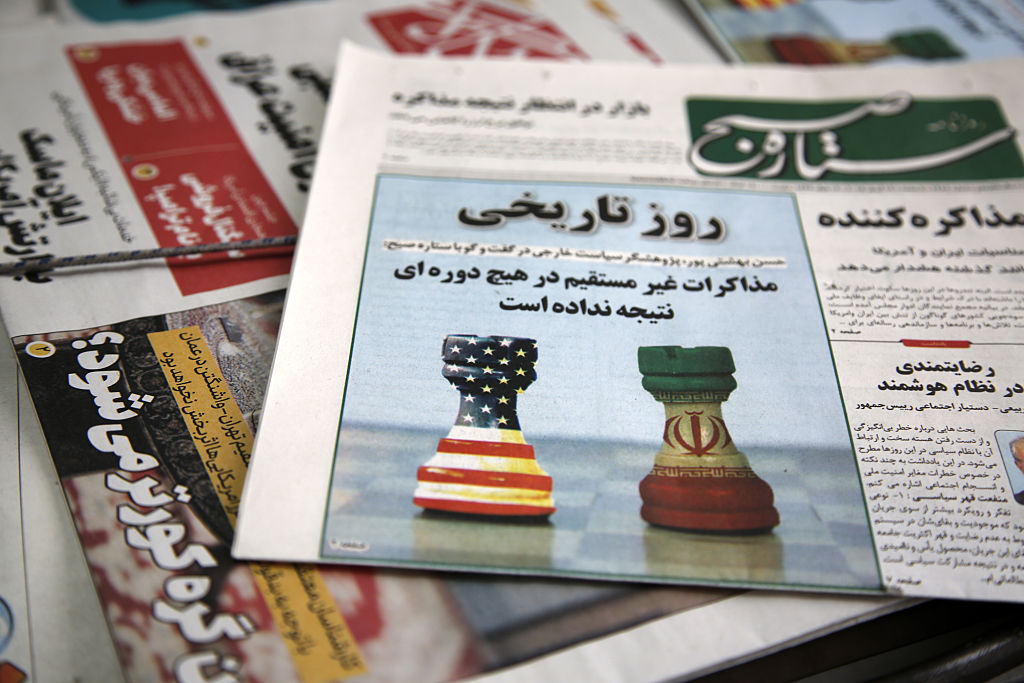
What happens when the US and Iran lose their strategic ambiguity?
MEI Senior Fellow Ross Harrison breaks down how this foreign policy approach can help mitigate conflict—and how both Washington and Tehran may have undermined their own ambiguity during the recent 12-day war, with potentially lasting consequences for regional stability.
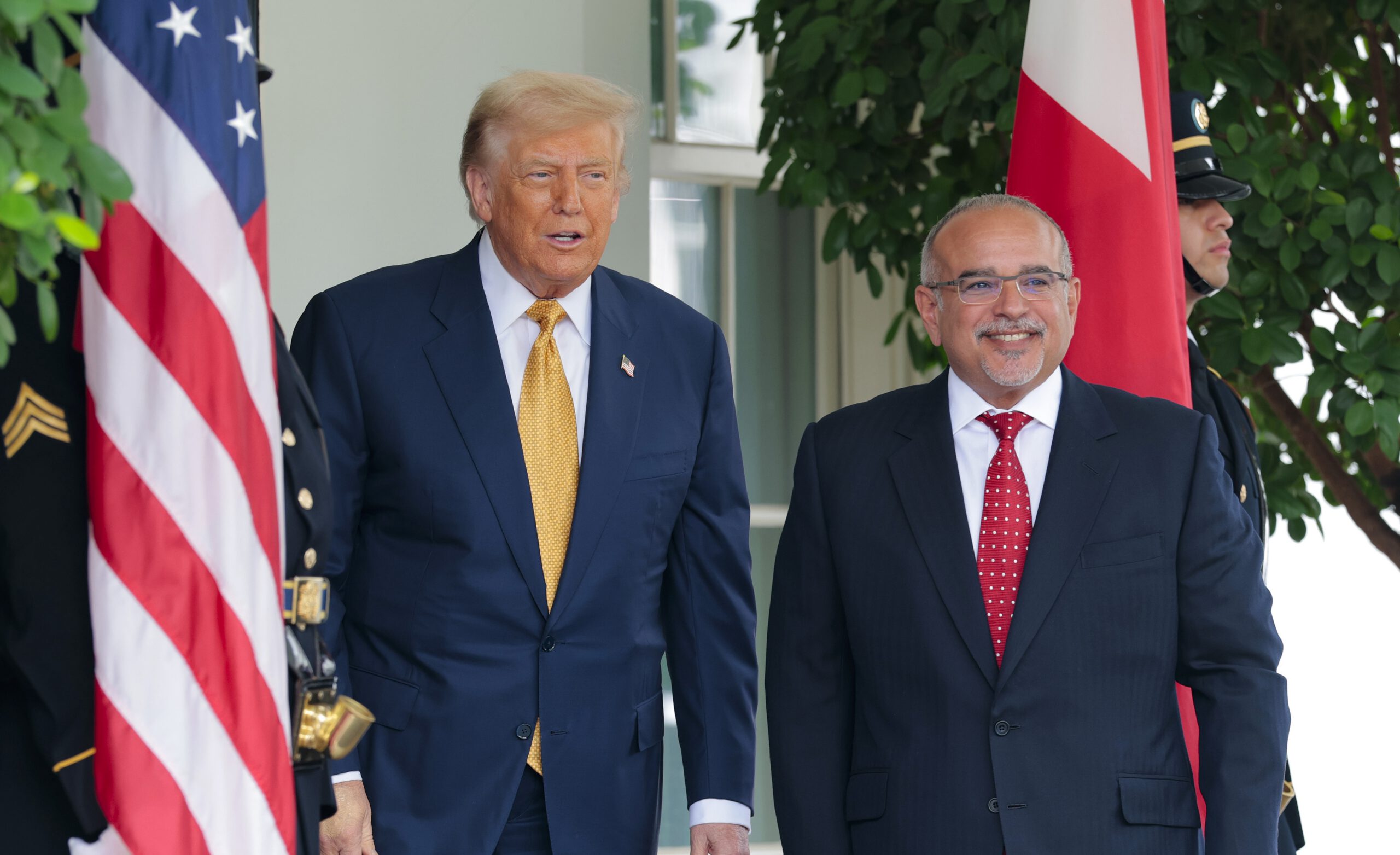
Deals, Diplomacy, and Day-After Plans: The Trump Administration's Middle East Strategy
As the Trump administration marks six months in office, it is pursuing a flurry of diplomatic initiatives across the Middle East — some publicly coordinated, others shaped behind closed doors. MEI Distinguished Diplomatic Fellow Mara Rudman joins hosts Alistair Taylor and Matthew Czekaj to assess the administration’s broader regional strategy and its handling of key issues.
The oldest peer-reviewed publication dedicated to the study of the modern Middle East, MEI’s flagship journal covers politics, society, and culture in the region.