Washington says it doesn’t know who runs Iran. Tehran insists its leadership is united. MEI Senior Fellow Alex Vatanka joins hosts Alistair Taylor and Matthew Czekaj to sort out where the truth lies. They look at the small circle of political and military figures now steering the war effort in Tehran: who they are, how they make decisions, and how unified they really are. They also discuss the current state of US-Iran negotiations, the role of the upcoming midterm elections in the United States, and how the Islamic Republic is preparing for a potential renewal of conflict afterward.
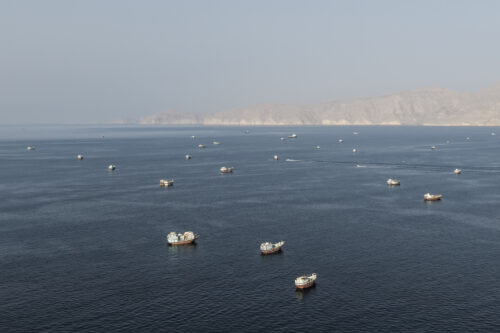
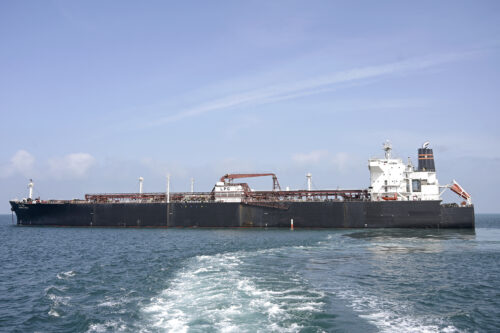
Crude oil is flowing out of the Gulf again, but the market is no better prepared for another disruption in the Strait of Hormuz. It has assembled a temporary system for managing one. Crude exports from the Gulf, excluding Iran, returned to pre-war levels in September, while total Gulf shipments reached 15.5 million barrels a day, more than 80% of the pre-conflict volume.
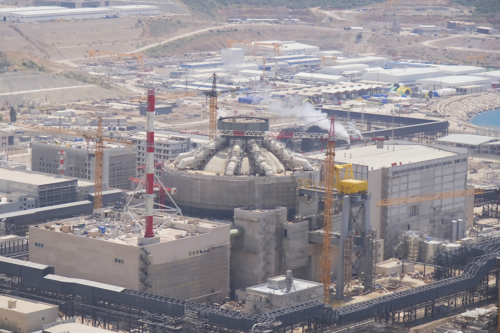
As a result of the Iran war, Turkish thinking about nuclear weapons appears to be shifting. Iran’s emergent ability to threaten regional states (and possible determination to acquire a nuclear weapon itself), growing concern about Israeli aggressiveness, doubts about US security guarantees, and greater Saudi nuclear autonomy are all pushing Ankara to consider a future nuclear option.
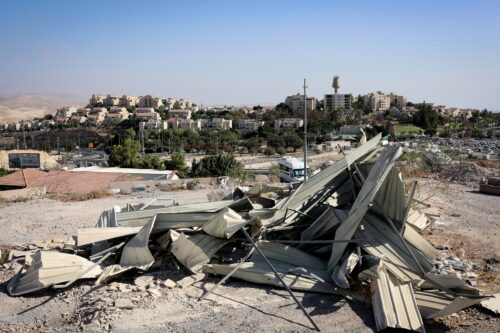
Since 1967, Israeli settlements in the West Bank have been a contested feature of the Israeli-Palestinian conflict. The ultimate disposition of the settlements and ongoing activity related to their growth have repeatedly defied agreement in negotiations over a resolution to the conflict.
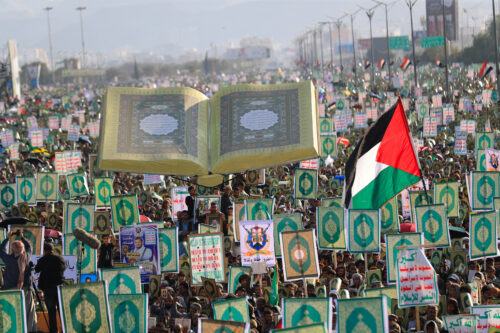
The Houthis are a political-military faction and Zaydi religious movement founded in northwestern Yemen in the 1980s. A key member of Iran’s Axis of Resistance with links to other militant organizations in the Arabian Peninsula and the Horn of Africa, the group has continued to pose a threat to Western interests on a global scale.
The India-Middle East-Europe Economic Corridor (IMEC) is a proposed multinational infrastructure initiative aimed at upgrading connectivity between the three regions through integrated trade, energy, and digital networks. Announced at the G20 summit in New Delhi in September 2023, IMEC is envisioned partially as a counterweight to China’s international infrastructure project, the Belt and Road Initiative.
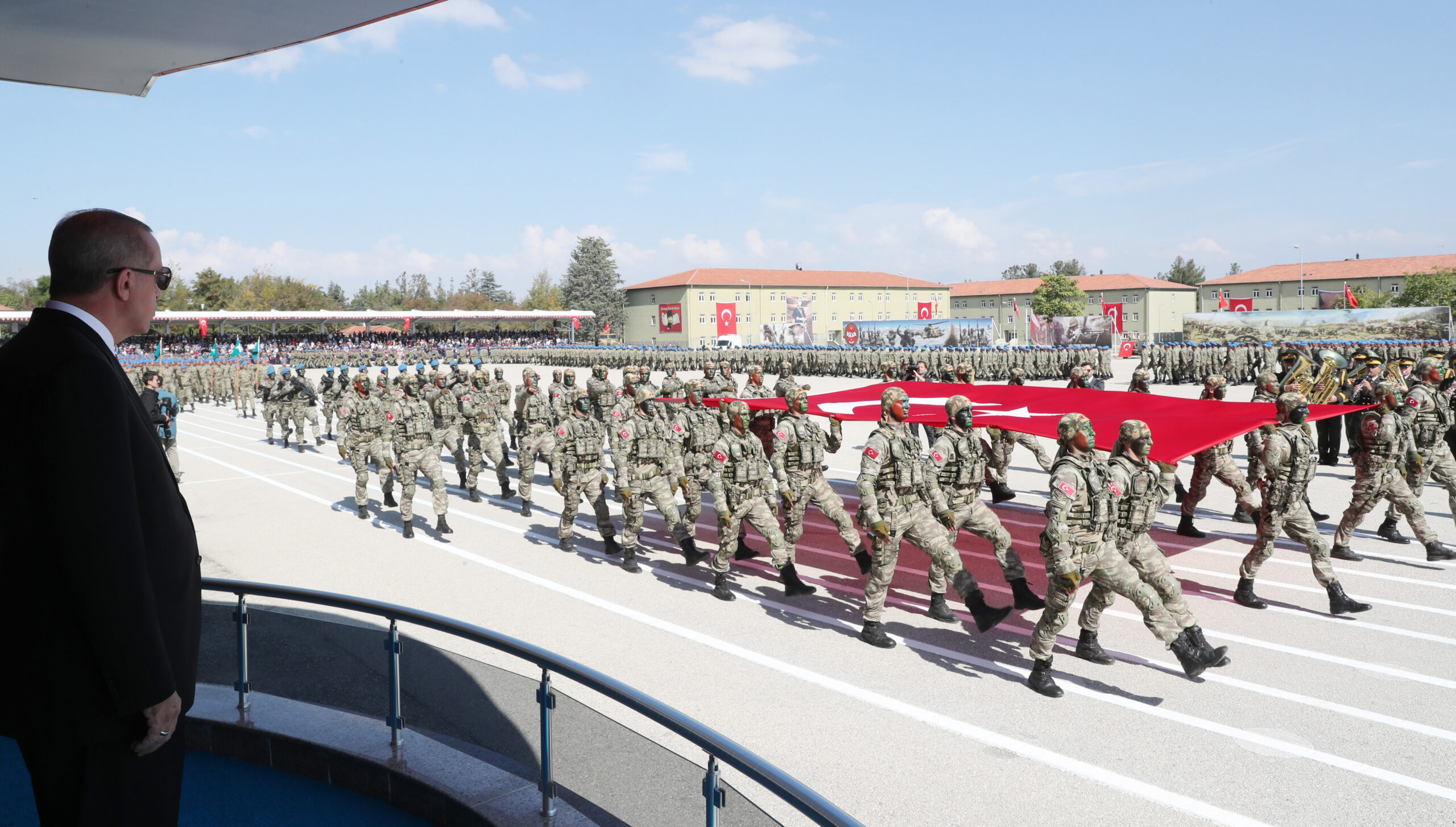
After a decade of post-Arab Spring isolation, Turkey’s leaders have recognized that their ambition to position the country as an agenda-setter on the world stage requires active engagement in all directions. President Recep Tayyip Erdoğan’s consolidation of executive authority has centralized foreign policy decision-making and tied it to his domestic political priorities, transforming the country’s revisionist approach to one shaped primarily by personal and pragmatic interests.
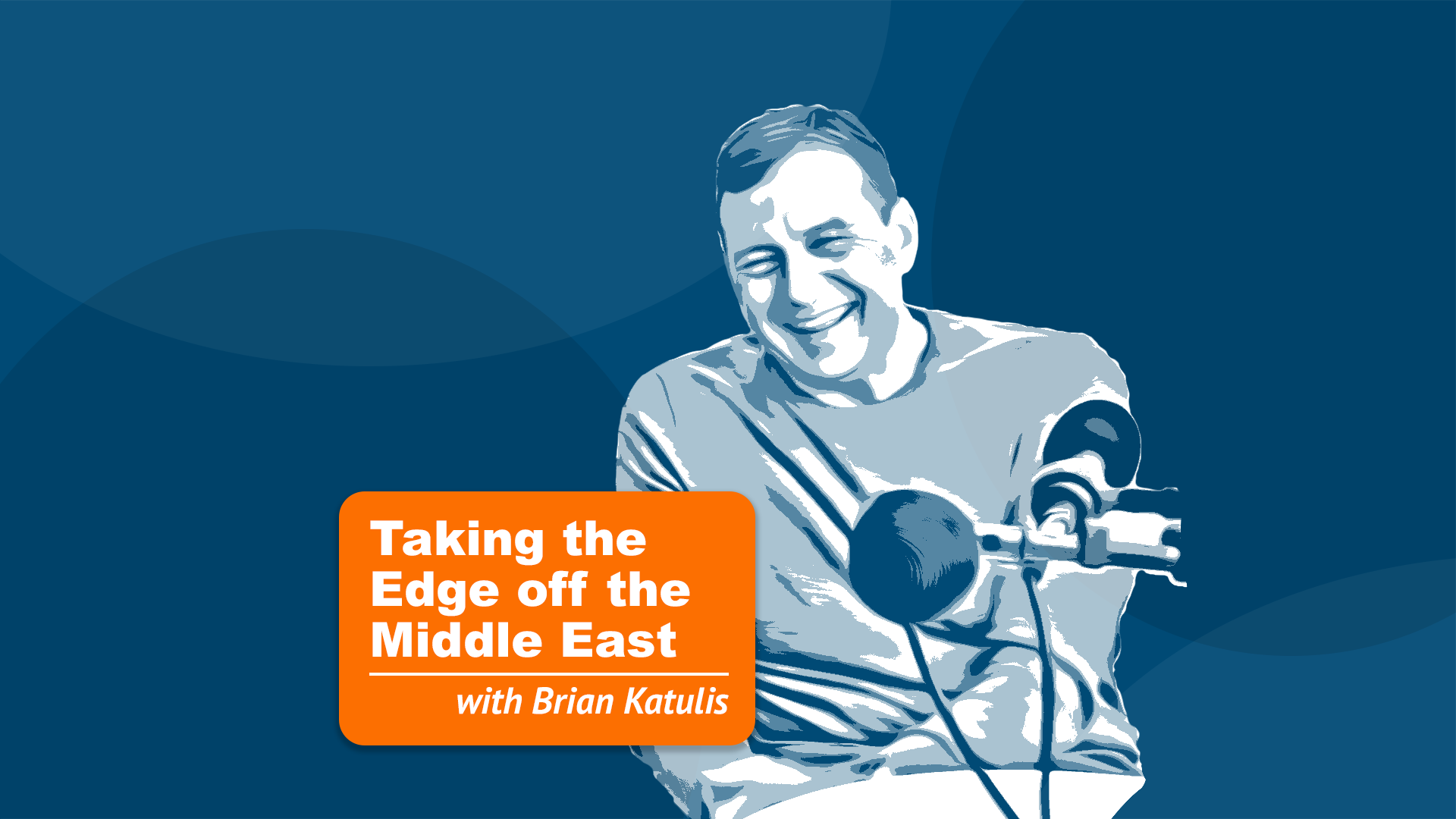
MEI Senior Fellow Brian Katulis engages friends, colleagues, and policy experts in casual conversations on the most important happenings in the Middle East.
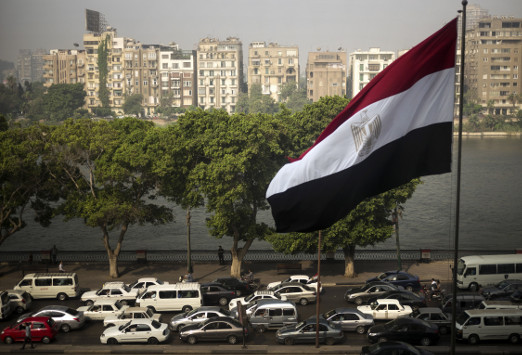
The stakes behind the story: How Egypt’s media covered the Khashoggi case
As the Khashoggi drama became to big to ignore, Egypt’s state-owned and private media coverage of the story confirmed that Egypt could not afford to harm its ties with Saudi Arabia.
October 25, 2018 – This week, in a highly anticipated speech on the Khashoggi affair, Turkish President Erdogan promised a lot but said little; the “Davos in the Desert” conference opened in Riyadh with an appearance by the Saudi crown prince; and the United States continued to send mixed signals. Karen Young, resident scholar at the American Enterprise Institute, and Gonul Tol, director of MEI’s Turkey program, join host Paul Salem to discuss the latest developments.
The primacy of praxis: Clerical authority in the Syrian conflict
A close look at the competing claims, actors, and movements for authority within the Syrian civil war reveals three distinct periods of political and religious influence: that of Syrian scholars, who were the first to inject religious language into the revolution; that of Salafi scholars predominantly from the Gulf; and lastly, that of jihadi organizations like ISIS and Hay’at Tahrir al-Sham, who were active on the ground.
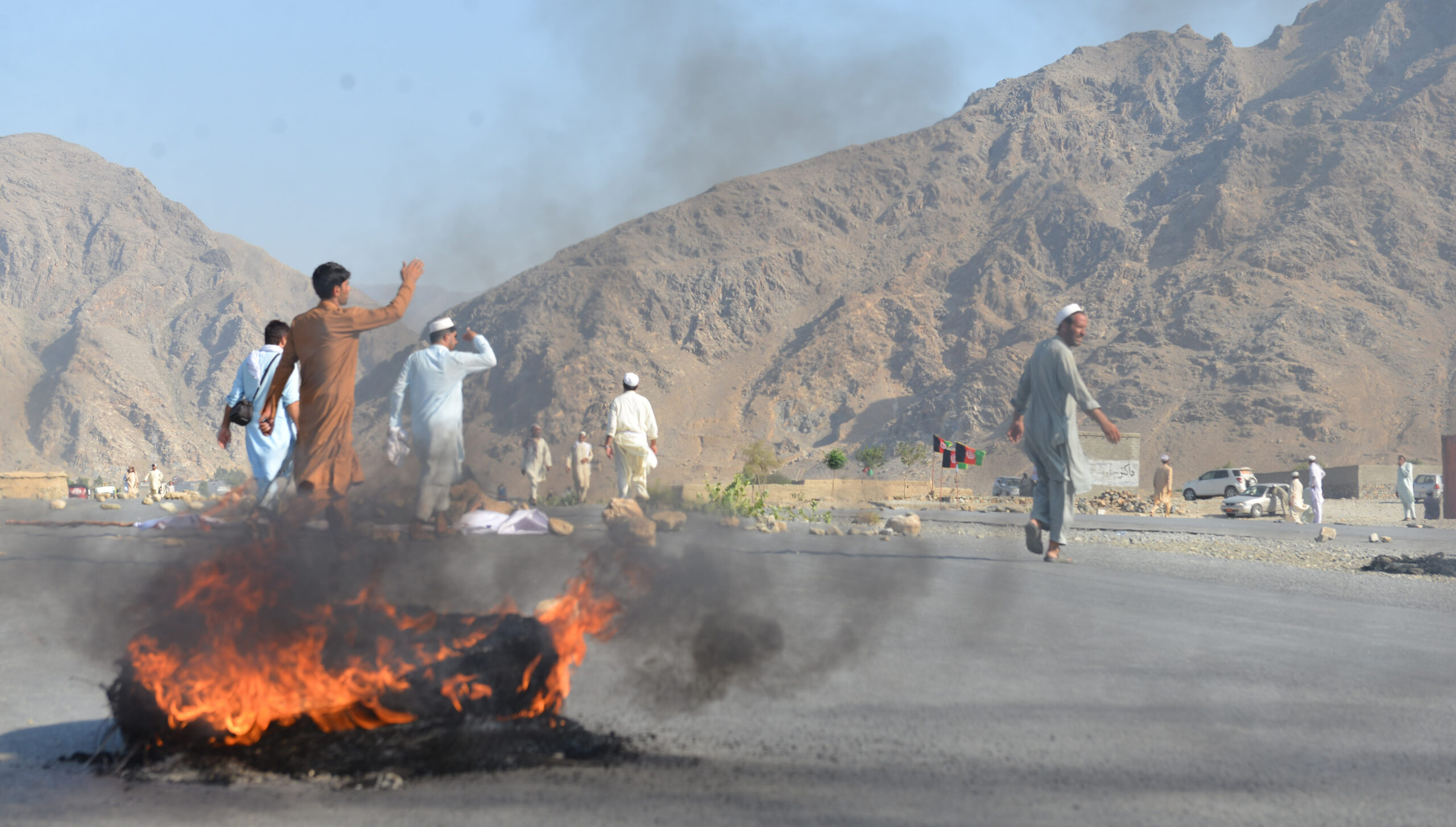
As Khalilzad leads U.S. efforts to bring the Taliban to the negotiating table, he faces immense challenges from geopolitical entanglements and regional rivalries surrounding the Afghan conflict.
Standing up to China on Human Rights: The Case of the Uyghurs
After becoming a significant global player in the world economy and the global geostrategic calculus, China now seeks to redefine the normative framework that determines how states engage with their citizens and with each other. This strategy has considerable implications for the principle of universal human rights. The challenge to human rights universalism is exemplified by China’s crackdown on the country’s Uyghur minority.
Update on Jamal Khashoggi; Afghan elections preview
In this episode, MEI’s Gerald Feierstein and Gonul Tol continue last week’s discussion on the tragedy and ongoing foreign relations crisis over Jamal Khashoggi, and Ahmad Majidyar gives a preview of this weekend’s parliamentary elections in Afghanistan.
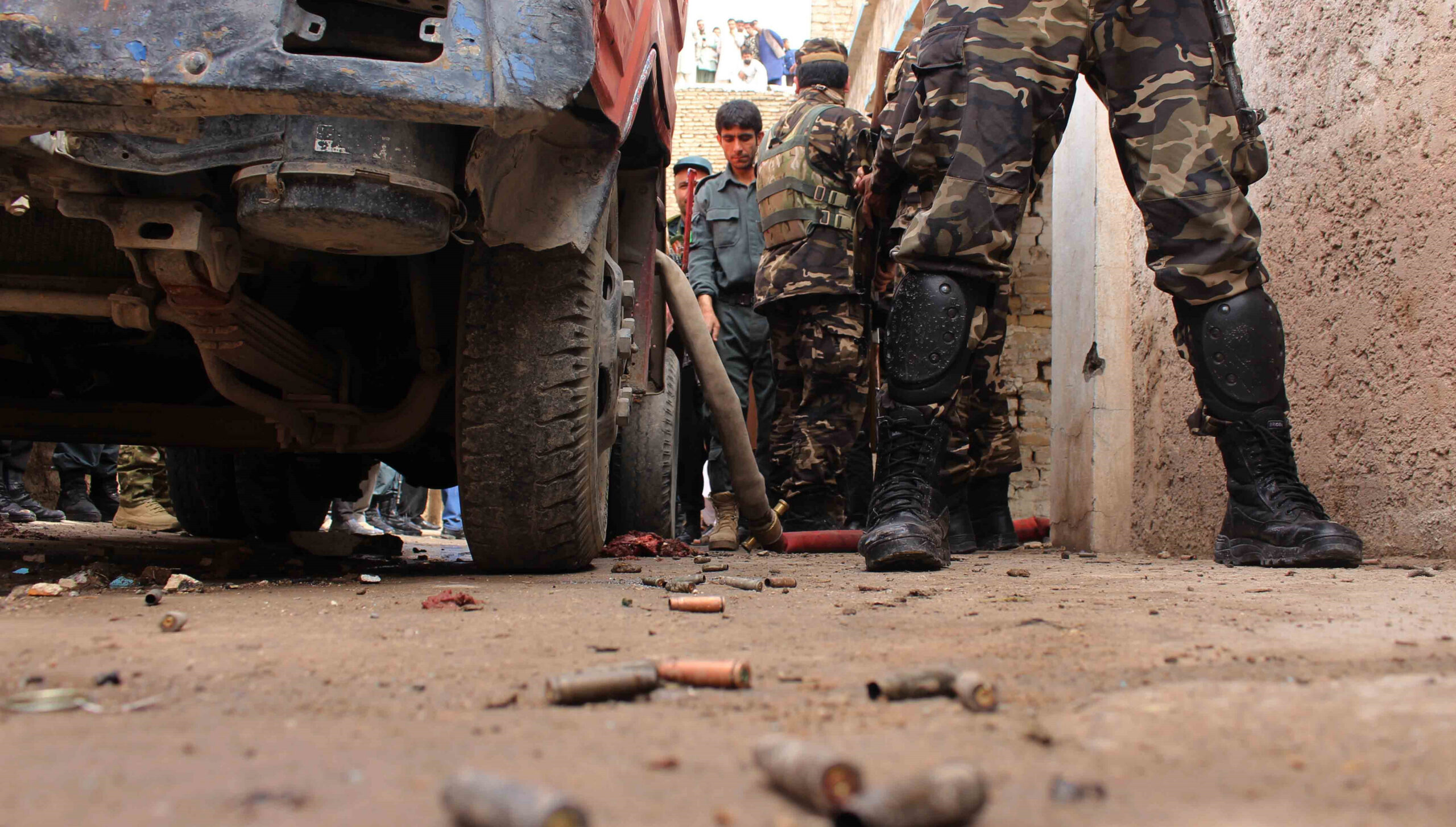
The assassinations are likely to undermine voter turnout in Afghanistan’s south and deepen divisions within the Afghan government about the prospect of peace with the Taliban.
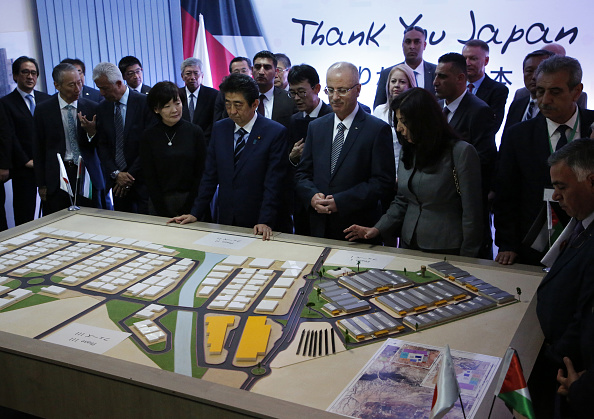
Japan’s Development of the Jericho Agricultural Industrial Park (JAIP): Policy and Politics
The Japanese International Cooperation Agency’s (JICA) development of the Jericho Agricultural Industrial Park (JAIP) in the Jordan Valley is a key part of Japan’s policy of proactive contributions to Middle East peace. A mixture of both economic and diplomatic efforts, the Park is one way for Japan to balance its relationships and further its long-term strategic footprint in the region.
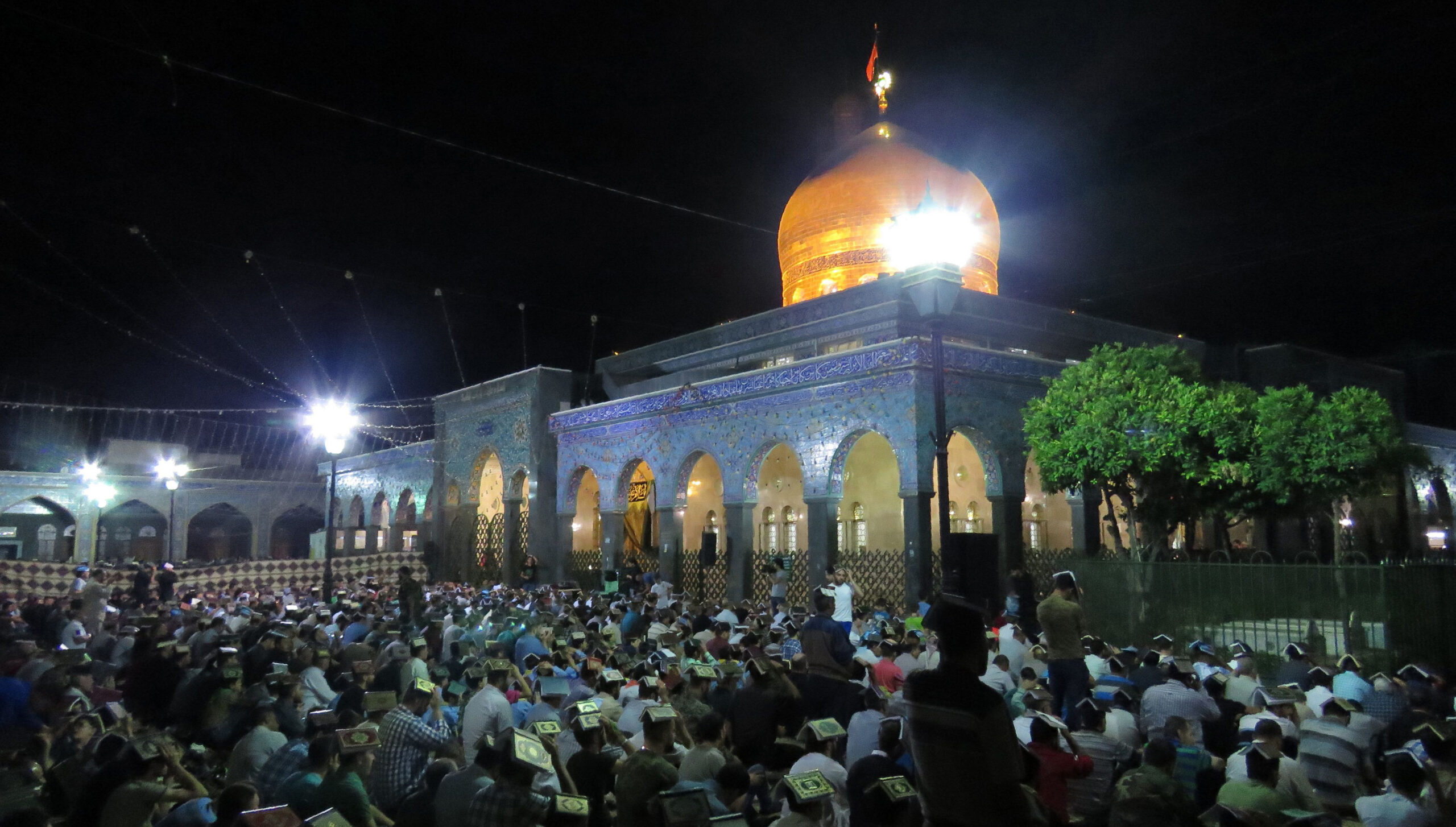
The Fatemiyoun Division: Afghan fighters in the Syrian civil war
Summary
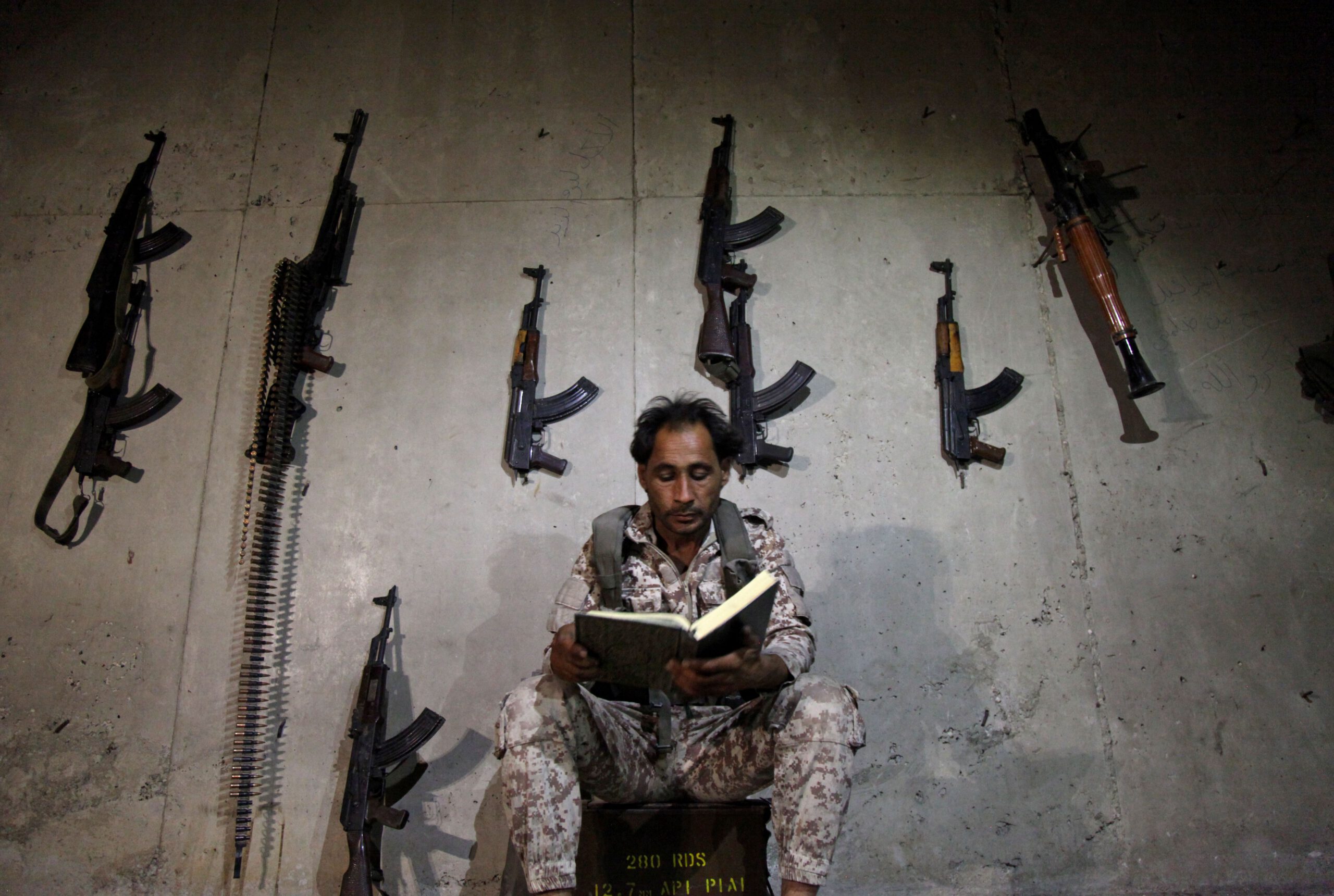
Originally styled as a small detachment of volunteers and refugees mobilized to defend the shrine of Sayyeda Zeinab outside Damascus, the Fatemiyoun formation’s size and presence across Syria has slowly expanded throughout the war. At home, the IRGC began cultivating a narrative of Afghan “resistance” to transnational Sunni jihadism. Joining the Syrian jihad was increasingly promoted as a path to legal and social recognition within the Islamic Republic at a time when thousands of desperate young Hazaras were setting out to emigrate to Europe.
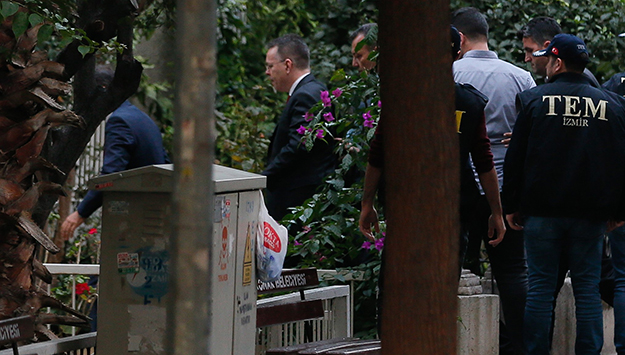
The disappearance of journalist and commentator Jamal Khashoggi from the Saudi consulate in Istanbul has sparked the most serious crisis to face relations between the Trump administration and Riyadh. It has also posed a major diplomatic challenge for Turkey’s President Erdogan. MEI’s Jerry Feierstein and Gonul Tol join host Paul Salem to discuss the fallout of this developing crisis and potential tragedy.
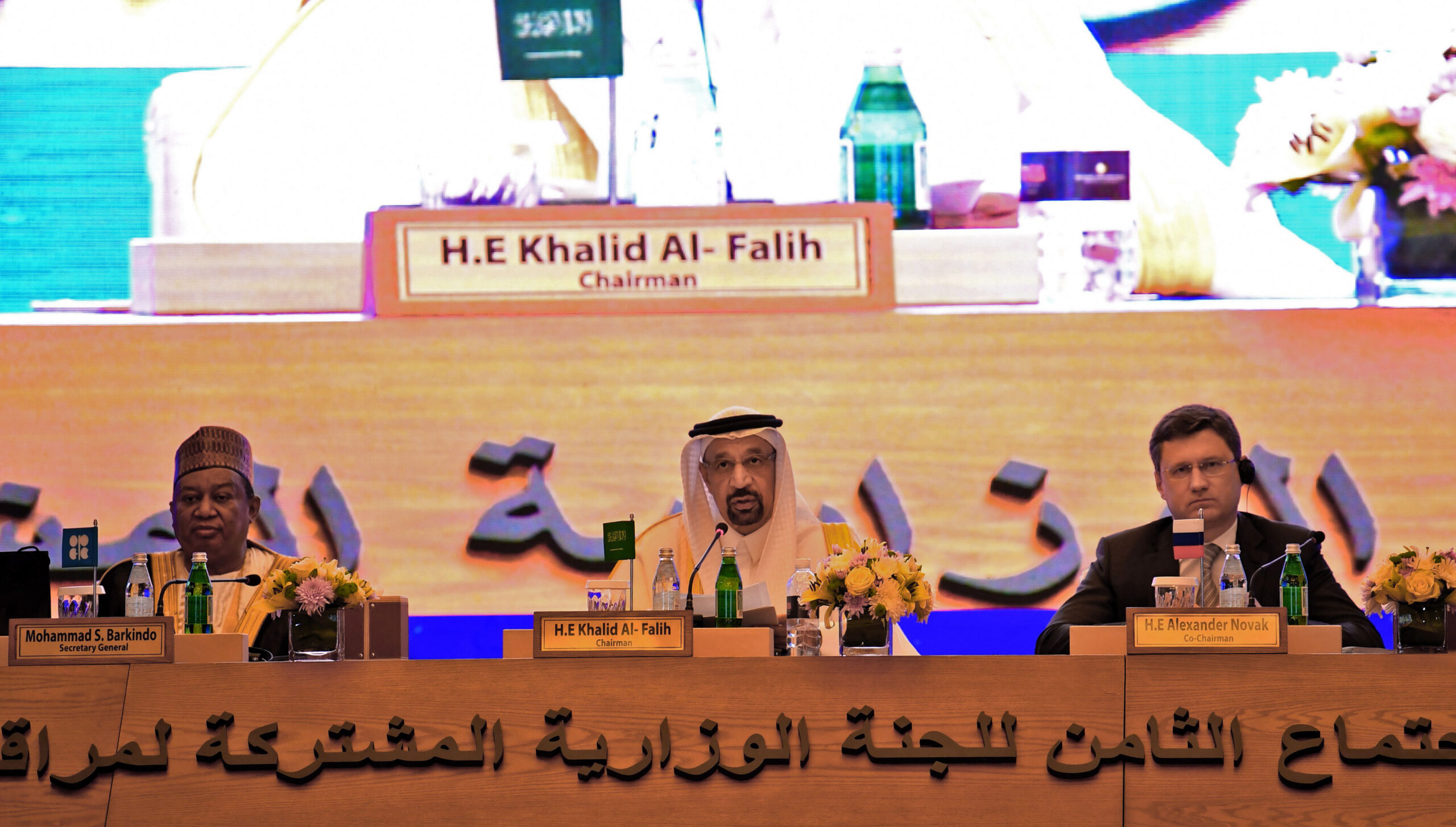
Although the current oil-market landscape might seem beneficial to the Gulf states, it will be difficult to sustain amid major drops in global oil supply, Washington’s standoff with Moscow and Tehran, and quota disagreements between Saudi Arabia and Russia.
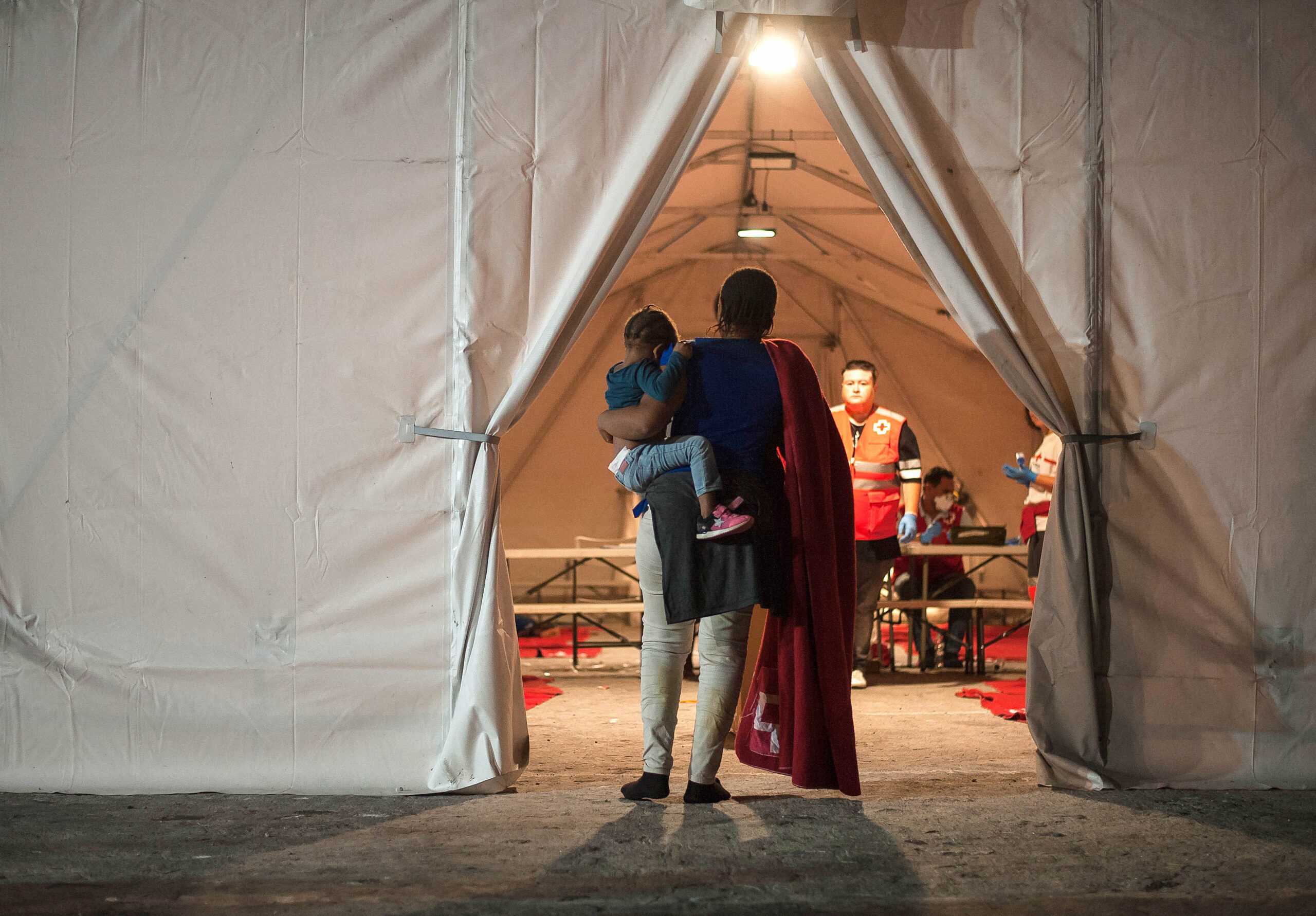
The most recent EU summit, in June 2018, only proved that the EU’s member states do not share any common long-term perspective on migration from Middle East to Europe. This lack of cohesion, as well as a lack of substantial cooperation with the U.S., are the best recipe for a humanitarian disaster in 2019.
The oldest peer-reviewed publication dedicated to the study of the modern Middle East, MEI’s flagship journal covers politics, society, and culture in the region.