Washington says it doesn’t know who runs Iran. Tehran insists its leadership is united. MEI Senior Fellow Alex Vatanka joins hosts Alistair Taylor and Matthew Czekaj to sort out where the truth lies. They look at the small circle of political and military figures now steering the war effort in Tehran: who they are, how they make decisions, and how unified they really are. They also discuss the current state of US-Iran negotiations, the role of the upcoming midterm elections in the United States, and how the Islamic Republic is preparing for a potential renewal of conflict afterward.
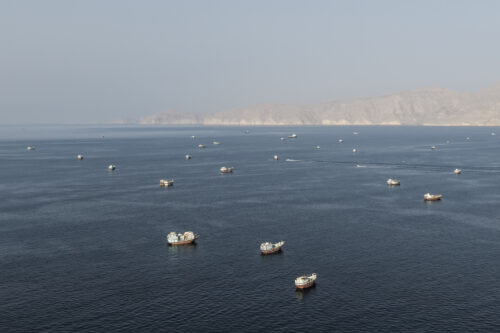
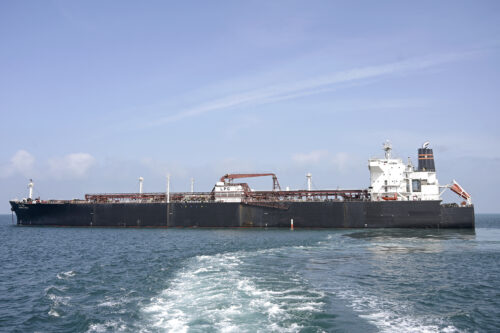
Crude oil is flowing out of the Gulf again, but the market is no better prepared for another disruption in the Strait of Hormuz. It has assembled a temporary system for managing one. Crude exports from the Gulf, excluding Iran, returned to pre-war levels in September, while total Gulf shipments reached 15.5 million barrels a day, more than 80% of the pre-conflict volume.
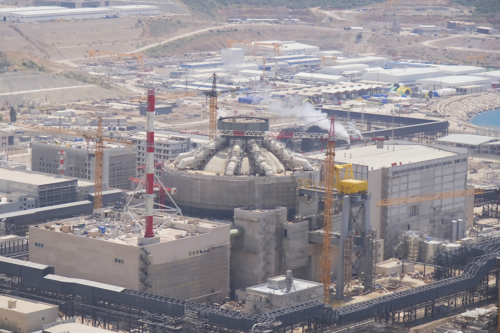
As a result of the Iran war, Turkish thinking about nuclear weapons appears to be shifting. Iran’s emergent ability to threaten regional states (and possible determination to acquire a nuclear weapon itself), growing concern about Israeli aggressiveness, doubts about US security guarantees, and greater Saudi nuclear autonomy are all pushing Ankara to consider a future nuclear option.
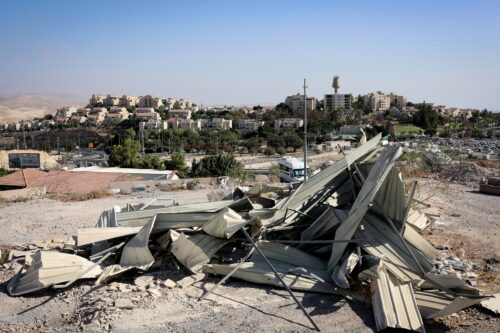
Since 1967, Israeli settlements in the West Bank have been a contested feature of the Israeli-Palestinian conflict. The ultimate disposition of the settlements and ongoing activity related to their growth have repeatedly defied agreement in negotiations over a resolution to the conflict.
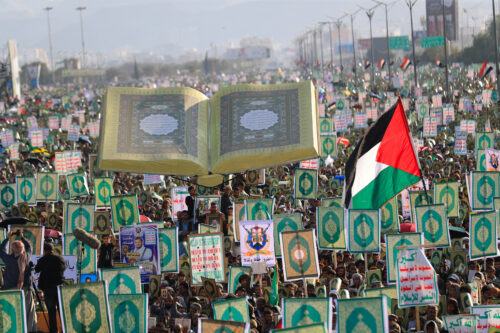
The Houthis are a political-military faction and Zaydi religious movement founded in northwestern Yemen in the 1980s. A key member of Iran’s Axis of Resistance with links to other militant organizations in the Arabian Peninsula and the Horn of Africa, the group has continued to pose a threat to Western interests on a global scale.
The India-Middle East-Europe Economic Corridor (IMEC) is a proposed multinational infrastructure initiative aimed at upgrading connectivity between the three regions through integrated trade, energy, and digital networks. Announced at the G20 summit in New Delhi in September 2023, IMEC is envisioned partially as a counterweight to China’s international infrastructure project, the Belt and Road Initiative.
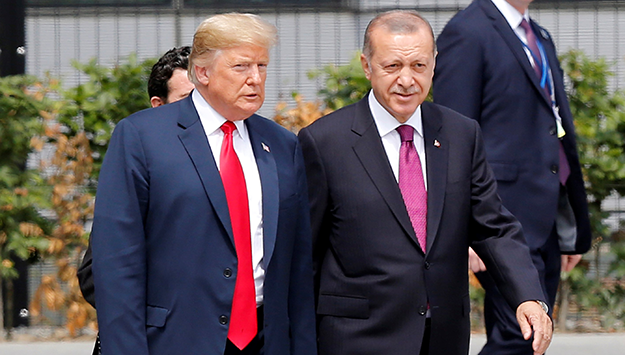
After a decade of post-Arab Spring isolation, Turkey’s leaders have recognized that their ambition to position the country as an agenda-setter on the world stage requires active engagement in all directions. President Recep Tayyip Erdoğan’s consolidation of executive authority has centralized foreign policy decision-making and tied it to his domestic political priorities, transforming the country’s revisionist approach to one shaped primarily by personal and pragmatic interests.
MEI Senior Fellow Brian Katulis engages friends, colleagues, and policy experts in casual conversations on the most important happenings in the Middle East.
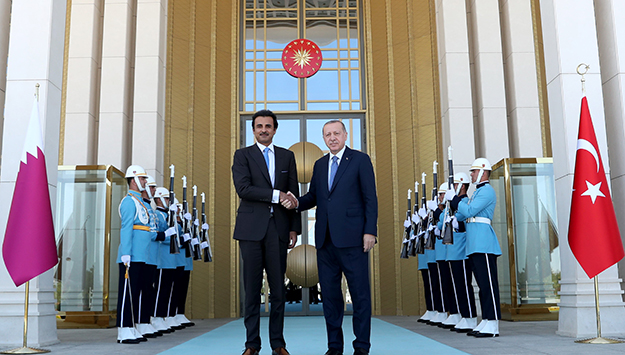
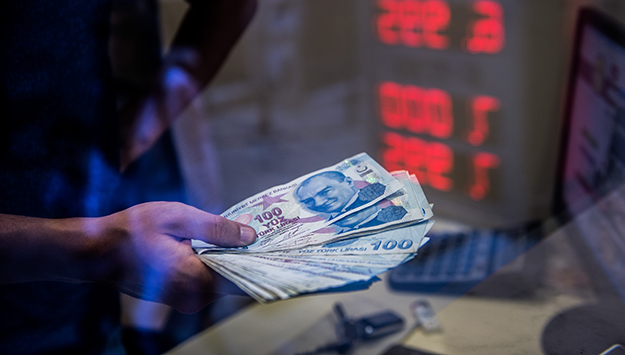
On Aug. 15, Qatari Emir Shaykh Tamim bin Hamad Al Thani pledged to invest $15 billion in Turkey’s economy. The pledge will provided temporary relief to Turkey’s beleaguered banking industry following tense Turkish-U.S. diplomatic relations that most recently led to a precipitous drop in the value of the Turkish lira.
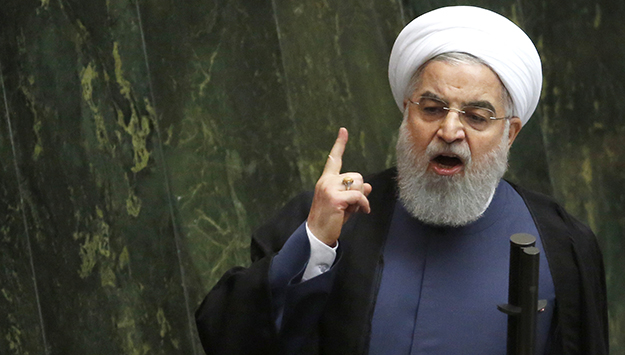
On Tuesday, President Hassan Rouhani appeared in front of Iran’s parliament to defend his government’s economic record. He faced a tough crowd. The body had already removed his economy minister, Masoud Karbasian, on Sunday. And before that, it had canned his labor minister, Ali Rabiei. Both were ousted on charges amounting to incompetence.
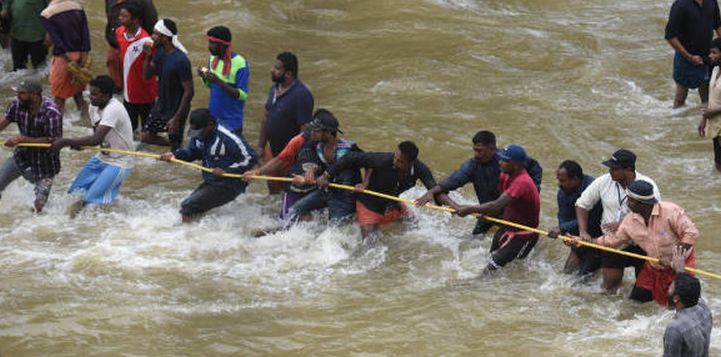
Community Leadership and Early Warning Systems in Fragile Disaster Zones
Over the past 25 years, the world has seen a rise in the frequency of natural disasters in rich and poor countries alike. Today, there are more people at risk from natural hazards than ever, with those in developing countries particularly at risk. This essay series explores measures that have been taken, and could be taken, in order to improve responses to the threat or occurrence of natural disasters in the MENA and Indo-Pacific regions.
The bureaucratic battle for Saudi Arabia’s future | Monday Briefing
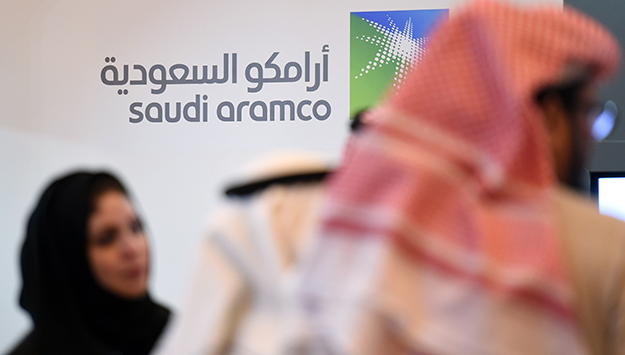
In this week’s Monday Briefing, MEI experts Jean-François Seznec, Randa Slim, and Charles Lister provide analysis on recent and upcoming events including Saudi Aramco’s stalled IPO, the Iraqi Kurds’ evolving role in government formation talks, and ratcheting tensions in Idlib.
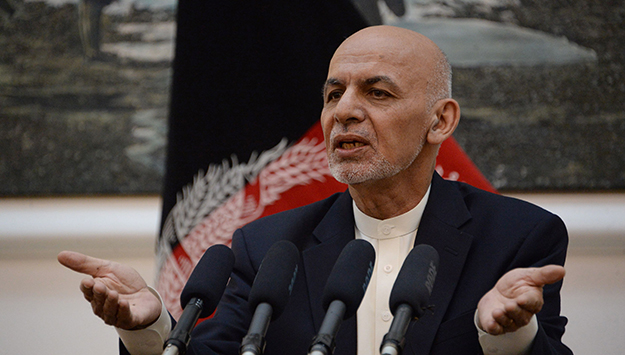
US-Taliban talks a momentous shift in Afghan strategy
In August 2017, President Donald Trump gave a speech outlining his Afghanistan policy, a major aim of which was to compel the Taliban to begin peace negotiations with the Kabul government by applying military pressure on the insurgency. Simultaneously, he criticized Pakistan—terming it deceitful—while praising neighboring India for its development work in Afghanistan.
Turkey is under enormous strain as it faces an economic crisis that has caused the lira to lose 40% of its value since the beginning of this year; an ongoing crisis in domestic politics; and an international relations crisis with the United States. Gönül Tol, MEI’s director of Turkish studies, and Ömer Taşpınar, professor at the National War College, join host Paul Salem to explain the causes of these challenges and what lies ahead.
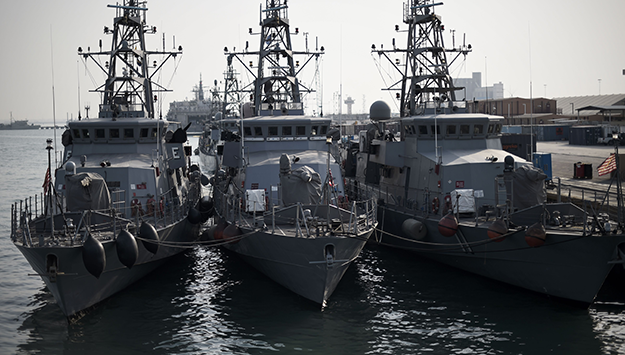
As Bahraini government security services cracked down hard on popular protests against the ruling Al-Khalifa family in February 2011, the U.S. Department of Defense quietly considered alternative basing options for the Fifth Fleet, stationed permanently in Bahrain since 1995.
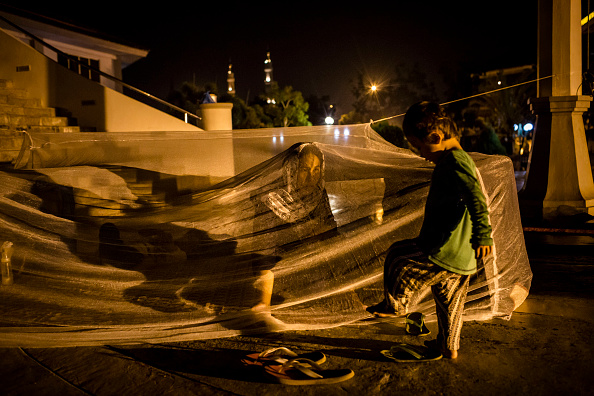
Afghan Hazara Refugees in Indonesia: In “Transit” or in “Limbo”?
Over the past 20 years, Indonesia — the world’s fourth most-populous country and the largest Muslim-majority nation — has evolved into a democracy based on tolerance and a moderate interpretation of Islam, and has emerged as one of Asia’s fastest-growing economies. This essay is part of a series on “Indonesia and the Middle East: Exploring Connections,” which examines the nature, scope, and implications of Indonesia’s ties with the MENA region.
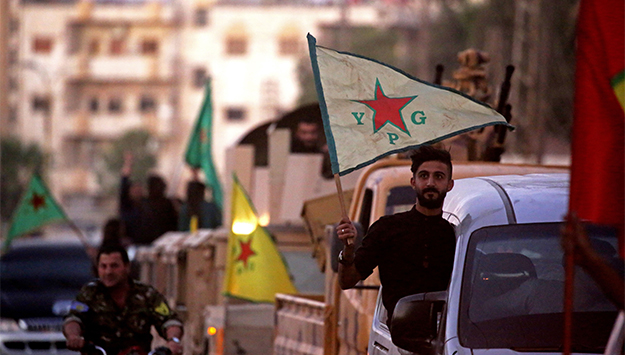
There are numerous, unmistakable signs that the crisis in Syria is moving to a new phase, one that will push Washington further to the sidelines. Not least among these fresh developments is the rapidly evolving situation in Syria’s northeast, where Washington’s Kurdish allies are slowly but surely reconciling with the Assad regime.
Can the US and Turkey mend fences in Manbij? | Monday Briefing
In this week’s Monday Briefing, MEI experts Gonul Tol, Robert S. Ford, Bilal Y. Saab, and Mirette F. Mabrouk provide analysis on recent and upcoming events including Turkey-U.S. cooperation in Syria amid diplomatic tensions, talks between U.S. and Russian officials on Syria policy, the implications of a new Iranian fighter jet, and Egypt’s revitalized work in regional diplomacy.
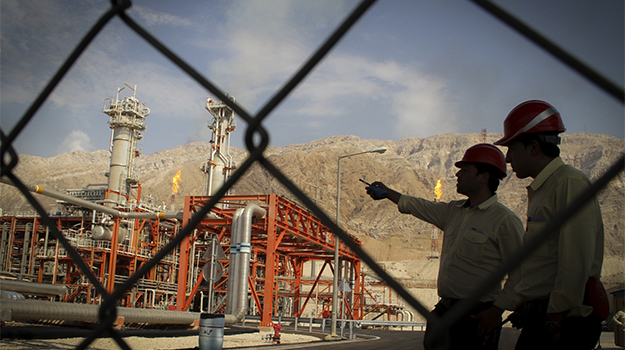
Last week, major news outlets reported that China National Petroleum Corporation had acquired French oil and gas company Total’s share in the development of Iran’s South Pars gas field, citing an elusive article published by Iranian state news agency IRNA.
Seven years after Syria’s civil uprising broke out, the war isn’t over, but it is entering a new phase. MEI Senior Fellow Robert Ford, the last U.S. ambassador to Syria, and Charles Lister, director of MEI’s Countering Violent Transnational Movements project, join host Paul Salem to discuss the state of play and how things may develop in the months ahead.
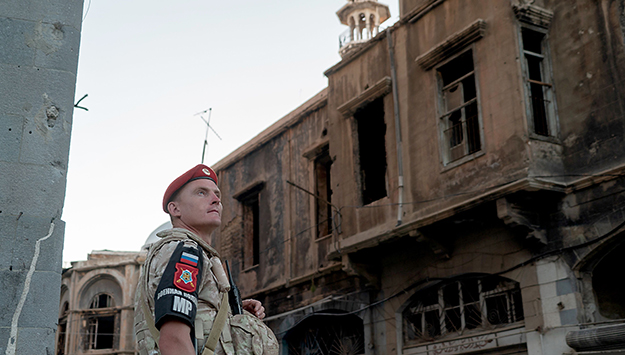
Following the Syrian government’s full reconquest of the country’s south, there are real signs that Russia intends to reduce its presence and responsibilities in Syria. Moscow has not stated this openly, in contrast to its three previous drawdown announcements. Each of these announcements came after a major victory, such as the recapture of Aleppo from rebels or eastern Syria from ISIS, and did not result in any tangible reductions. Despite an absence of fanfare, however, recent developments and statements indicate that a partial drawdown is already underway.
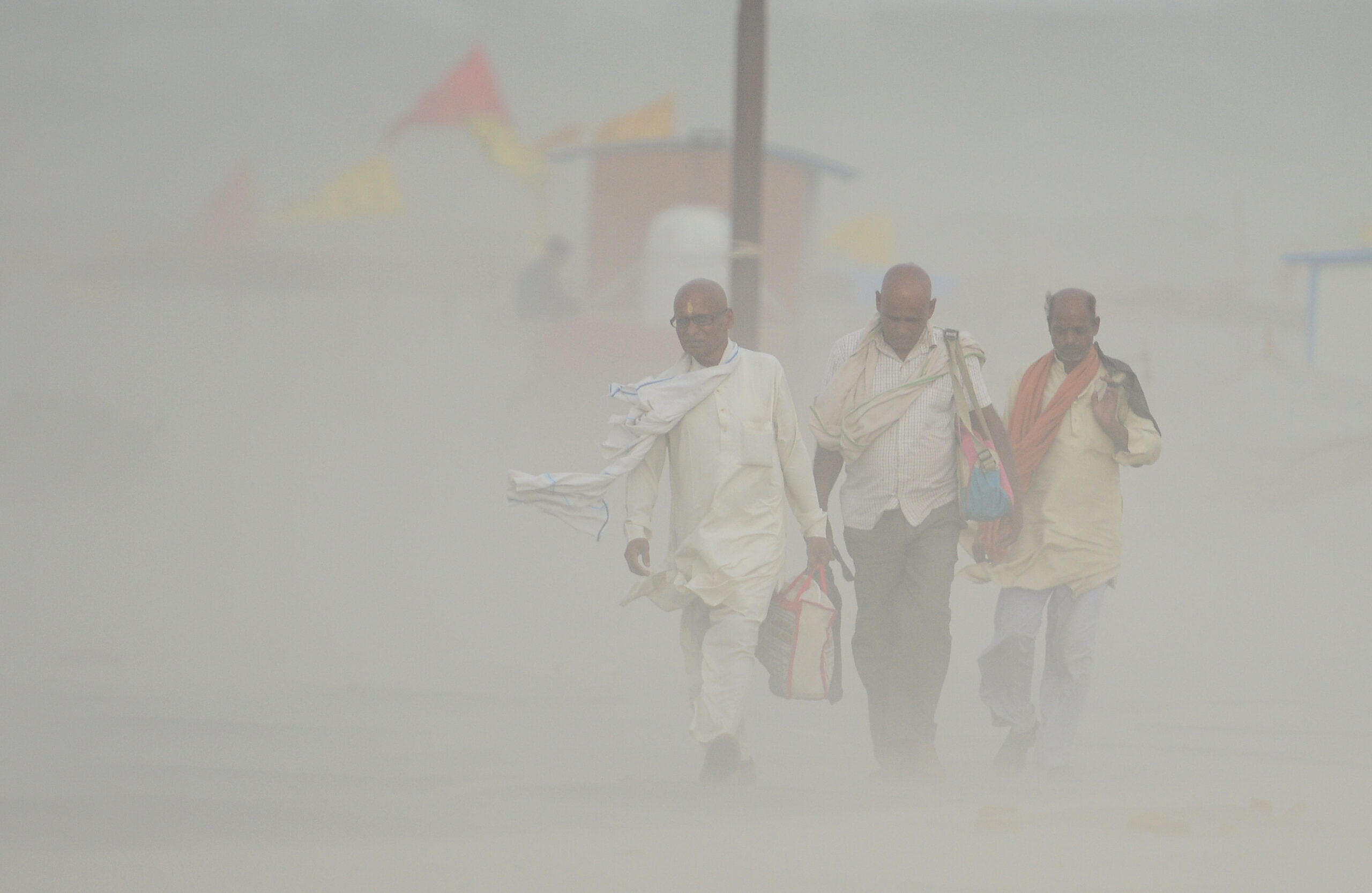
India and the Middle East: Building Joint Knowledge on Managing Sand and Dust Storms
Over the past 25 years, the world has seen a rise in the frequency of natural disasters in rich and poor countries alike. Today, there are more people at risk from natural hazards than ever, with those in developing countries particularly at risk. This essay series explores measures that have been taken, and could be taken, in order to improve responses to the threat or occurrence of natural disasters in the MENA and Indo-Pacific regions.
In this week’s Monday Briefing, MEI experts Gonul Tol, Robert S. Ford, Randa Slim, and Marvin G. Weinbaum provide analysis on Turkey’s currency crisis, talks in Ankara over the future of Idlib, Abadi’s chances of clinging to the premiership, and the Taliban’s capture of Ghazni.
The oldest peer-reviewed publication dedicated to the study of the modern Middle East, MEI’s flagship journal covers politics, society, and culture in the region.