Washington says it doesn’t know who runs Iran. Tehran insists its leadership is united. MEI Senior Fellow Alex Vatanka joins hosts Alistair Taylor and Matthew Czekaj to sort out where the truth lies. They look at the small circle of political and military figures now steering the war effort in Tehran: who they are, how they make decisions, and how unified they really are. They also discuss the current state of US-Iran negotiations, the role of the upcoming midterm elections in the United States, and how the Islamic Republic is preparing for a potential renewal of conflict afterward.
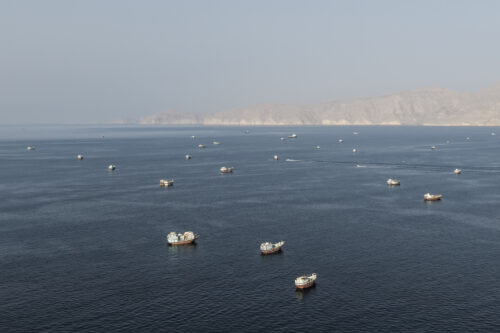
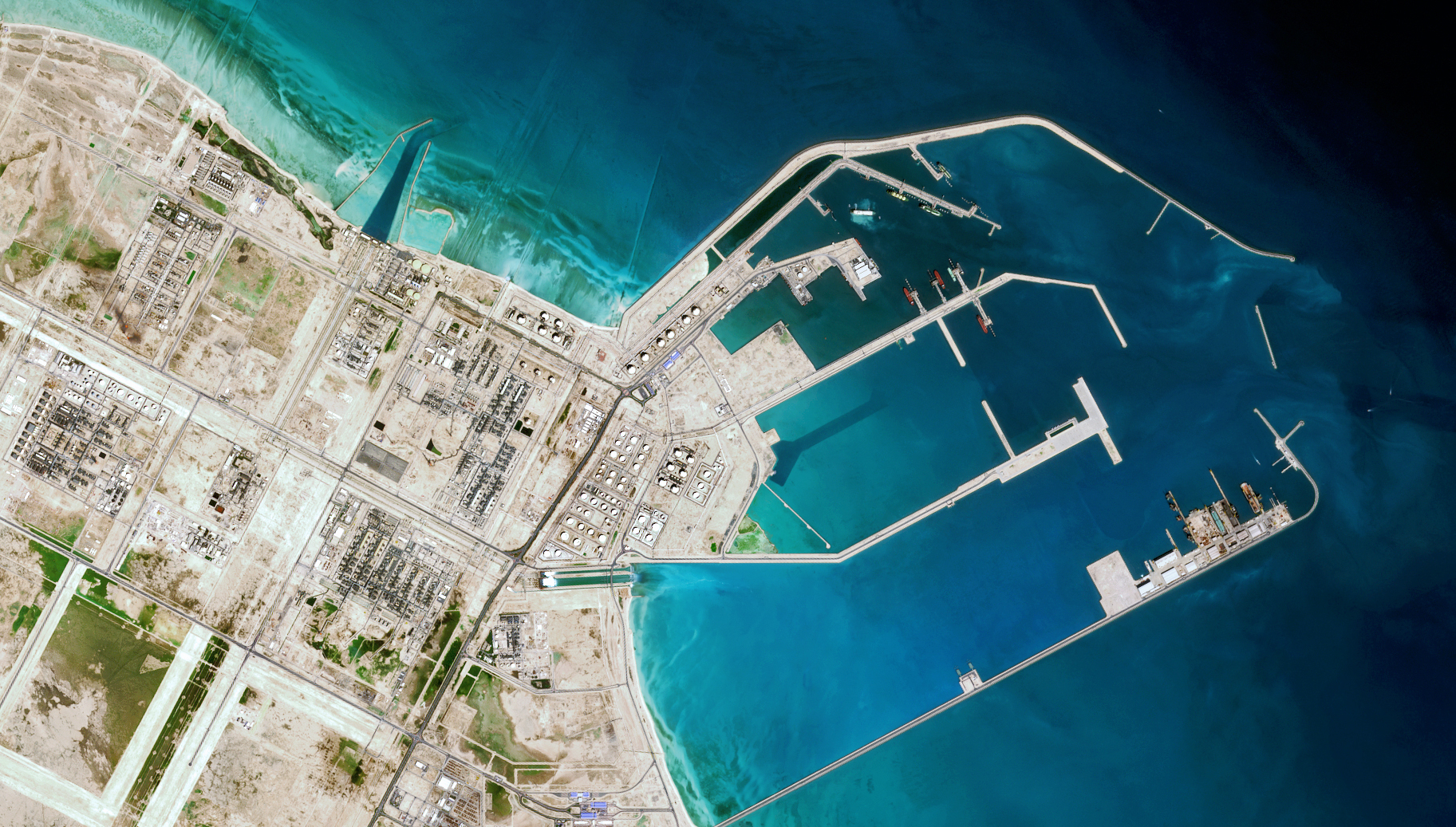
Crude oil is flowing out of the Gulf again, but the market is no better prepared for another disruption in the Strait of Hormuz. It has assembled a temporary system for managing one. Crude exports from the Gulf, excluding Iran, returned to pre-war levels in September, while total Gulf shipments reached 15.5 million barrels a day, more than 80% of the pre-conflict volume.
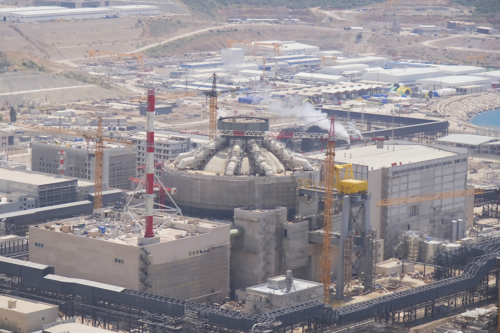
As a result of the Iran war, Turkish thinking about nuclear weapons appears to be shifting. Iran’s emergent ability to threaten regional states (and possible determination to acquire a nuclear weapon itself), growing concern about Israeli aggressiveness, doubts about US security guarantees, and greater Saudi nuclear autonomy are all pushing Ankara to consider a future nuclear option.
Since 1967, Israeli settlements in the West Bank have been a contested feature of the Israeli-Palestinian conflict. The ultimate disposition of the settlements and ongoing activity related to their growth have repeatedly defied agreement in negotiations over a resolution to the conflict.
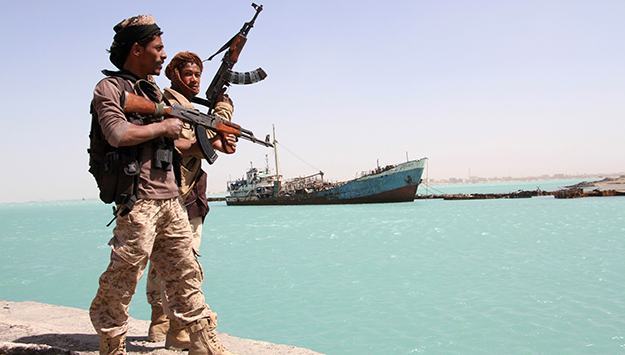
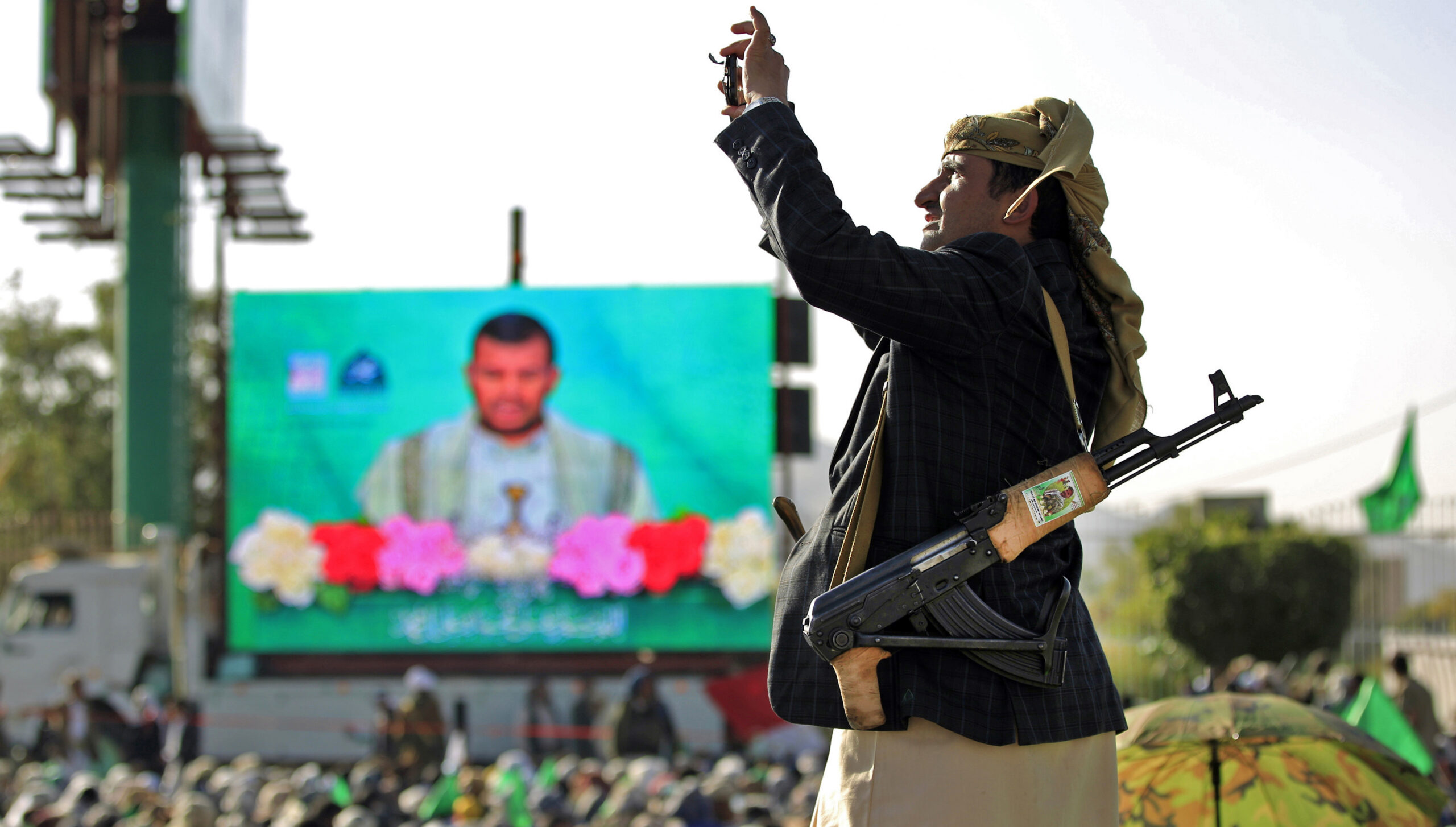
The Houthis are a political-military faction and Zaydi religious movement founded in northwestern Yemen in the 1980s. A key member of Iran’s Axis of Resistance with links to other militant organizations in the Arabian Peninsula and the Horn of Africa, the group has continued to pose a threat to Western interests on a global scale.
The India-Middle East-Europe Economic Corridor (IMEC) is a proposed multinational infrastructure initiative aimed at upgrading connectivity between the three regions through integrated trade, energy, and digital networks. Announced at the G20 summit in New Delhi in September 2023, IMEC is envisioned partially as a counterweight to China’s international infrastructure project, the Belt and Road Initiative.
After a decade of post-Arab Spring isolation, Turkey’s leaders have recognized that their ambition to position the country as an agenda-setter on the world stage requires active engagement in all directions. President Recep Tayyip Erdoğan’s consolidation of executive authority has centralized foreign policy decision-making and tied it to his domestic political priorities, transforming the country’s revisionist approach to one shaped primarily by personal and pragmatic interests.
MEI Senior Fellow Brian Katulis engages friends, colleagues, and policy experts in casual conversations on the most important happenings in the Middle East.
Houthi attack in strategic shipping lane could undermine oil markets
Saudi Arabia temporarily halted all oil shipments through the Bab al-Mandab strait on Wednesday, Jul. 25, after two of its very large crude carriers were attacked by Houthi rebels. According to Saudi and Yemeni officials, the attack was launched from the besieged port city of Hodeida.
Regional conflict and internal chaos have allowed militant jihadi groups to rise and flourish in Yemen. This paper analyzes two of the most prominent such groups, al-Qaeda in the Arabian Peninsula (AQAP) and the Islamic State in Yemen (ISY), by scrutinizing the factors that led to their respective ascents and examining the challenges and pressures that have caused their respective declines.
Anti-India Sentiments in South Asia: Terrorist Recruitment Narratives
India’s strategic choices in South Asia have prompted it to interfere in the domestic affairs of some of its neighbors. As a result, India has become a part of domestic politics of most of its neighboring states where anti-India sentiment is often used to bolster the nationalist credentials of various political formations. Importantly, such sentiments have been leveraged by Jihadist groups — especially those operating in Pakistan and Bangladesh — to shore up support for themselves.
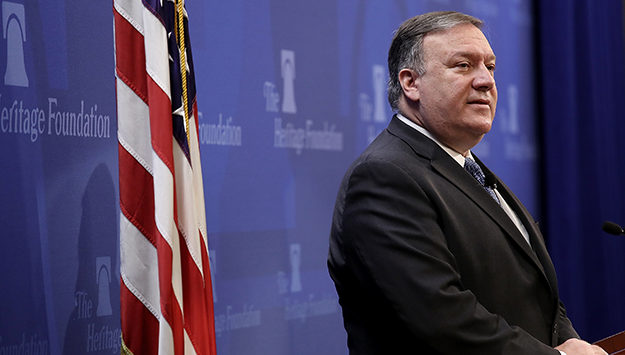
In this week’s Monday Briefing, MEI experts provide analysis on Secretary Pompeo’s speech on Iran, Erdogan’s decision to lift Turkey’s state of emergency, the cease-fire in Gaza, Iran’s continued threat in Syria, Trump’s tweets on Iran, and Vice President Dostum’s return to Afghanistan.
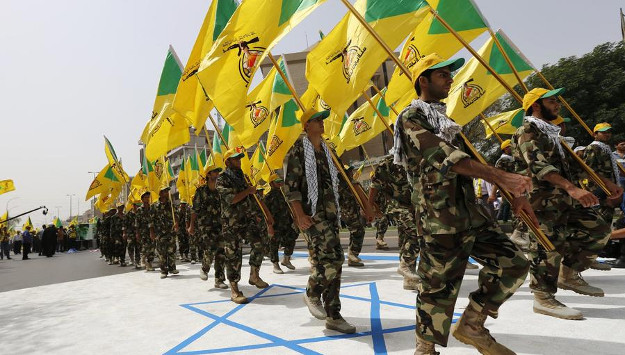
Iraqi Hezbollah threatens retaliation against U.S. if Israel attacks Iranian assets in Iraq
An Iranian-supported militia group in Iraq has threatened retaliation against the United States if Israel carries out any strikes against Iranian military personnel and assets inside Iraq,
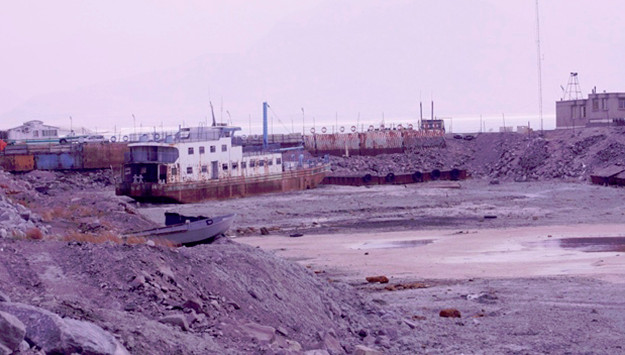
Tension between Iran and neighboring Afghanistan over water rights has reached new heights as declining rainfall, prolonged droughts, and mismanagement of water resources have severely affected agricultural production, food security and availability of drinking water in both countries. Tehran has warned of retaliatory actions if Kabul does not allow sufficient water into Iran’s water-stressed southeastern region, while Afghan officials accuse Iran’s Revolutionary Guards of aiding Taliban militants to sabotage dam projects in southern and western Afghanistan.
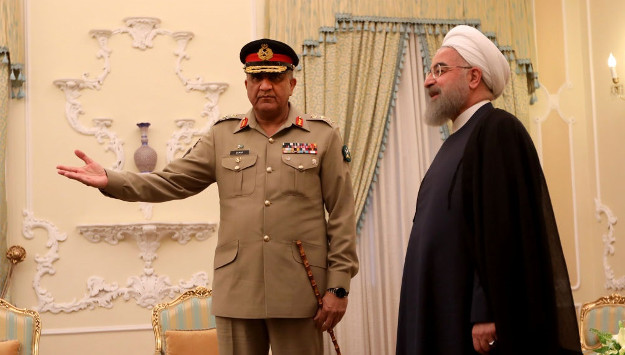
Iran and Pakistan agree to bolster defense ties and jointly produce military hardware
Iran and Pakistan have agreed to boost defense ties, enhance cooperation on border security and regional issues, and jointly manufacture military hardware, Iranian and Pakistan media reported. The agreements came during a high-level visit to Pakistan this week by an Iranian military delegation led by Chief of Staff of the Armed Forces Mohammad Hossein Bagheri.
Can the Hodeidah offensive open the door to dialogue?
With the Saudi-led coalition’s offensive operations against the strategic port and city of Hodeidah stalled, eyes are now on UN Special Envoy Martin Griffiths as he attempts to negotiate a political resolution. Fatima al-Asrar, senior analyst at the Arabia Foundation, and Sama’a al-Hamdani, director of the Yemen Cultural Institute for Heritage and the Arts, join guest host Gerald Feierstein to assess the state of the four-year-old Yemen conflict and its impact on the Yemeni people.
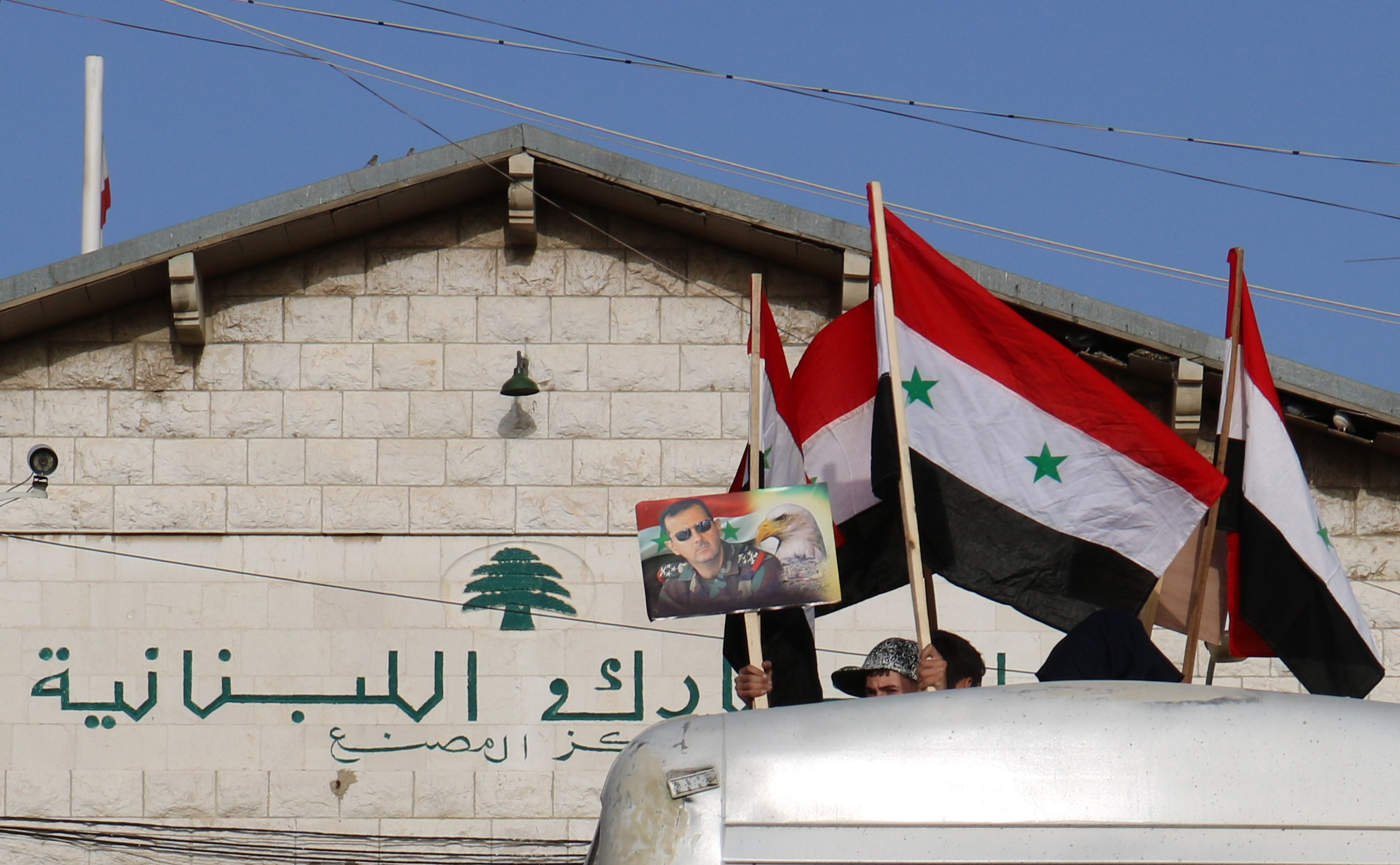
The Sectarian Dimension of the Syrian Civil War and Lebanese-Syrian Relations
The eruption of conflict between the Syrian regime and the armed opposition exacerbated the political and sectarian divisions within the Lebanese government, causing it to sever relations with Damascus and dissociate itself from the war. Nevertheless, the Lebanese government eventually was forced to coordinate with the Assad regime in order to manage the refugee crisis and other spillover effects of the conflict. Beirut’s dealings with Damascus reflect the overarching aim of mitigating the impact of the war on the relations between the Lebanese Sunni and Shiite communities.
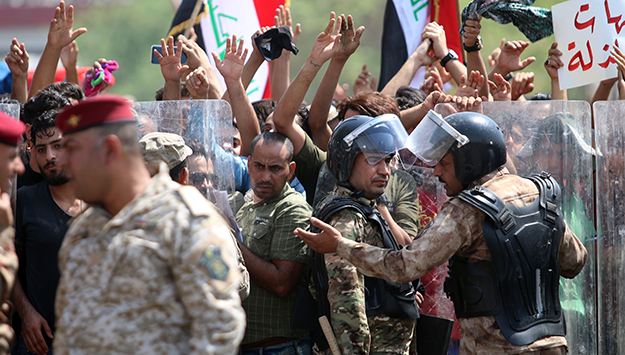
As protests roil Iraq, political elite seeks scapegoat
In this week’s Monday Briefing, MEI experts Randa Slim, Marvin G. Weinbaum, and Charles Lister provide analysis on recent and upcoming events including the ongoing protests in Iraq, the Sharifs’ return to Pakistan and their subsequent imprisonment, and pro-Assad forces’ westward push in Syria.
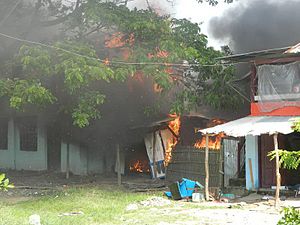
Sectarian-based conflicts — or at any rate, spasms of intercommunal violence characterized as such — are certainly not new. Nor is Iraq or, for that matter, the Middle East as a whole, the only locus of conflict depicted as being sectarian in nature, as the disturbing events in Burma/Myanmar, as well as in the Central African Repubic (CAR) and Nigeria clearly illustrate. With increasing frequency, media accounts of the civil war in Syria describe it in sectarian terms and report that the violence there has inflamed “sectarian tension” throughout the Gulf and beyond.
Even though energy production and exports are the lifeblood of all Arab states in the Gulf, the present crisis between Qatar on the one hand and Saudi Arabia, the United Arab Emirates, Bahrain, and Egypt on the other has had very little influence on the economics of oil and gas either internationally or within the region. However, the countries involved have a lot to gain from a resolution of the conflict, particularly if it leads to greater energy market integration.
Last week, rebel forces in southwestern Syria agreed to a Russia-brokered deal to surrender Deraa province and lay down their arms, possibly securing strategic victory for the Assad regime in the long-running Syrian conflict. MEI’s Robert Ford and Charles Lister join guest host Gerald Feierstein to discuss the significance of these developments and whether the United States is preparing to withdraw from Syria in a broader agreement with Russia.
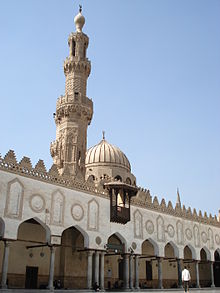
Embracing Moderation: Egypt’s al-Azhar and Indonesia’s Pesantren
Over the past 20 years, Indonesia — the world’s fourth most-populous country and the largest Muslim-majority nation — has evolved into a democracy based on tolerance and a moderate interpretation of Islam, and has emerged as one of Asia’s fastest-growing economies. This essay is part of a series on “Indonesia and the Middle East: Exploring Connections,” which examines the nature, scope, and implications of Indonesia’s ties with the MENA region.
The oldest peer-reviewed publication dedicated to the study of the modern Middle East, MEI’s flagship journal covers politics, society, and culture in the region.