Bonus Episode: Previewing Israel’s First Post-October 7 Election
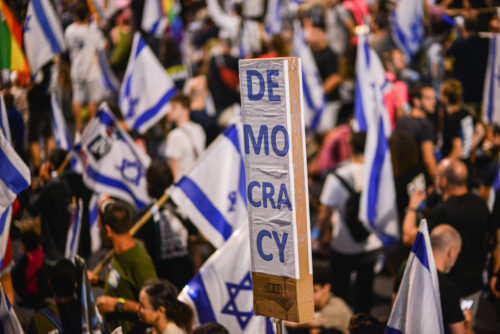
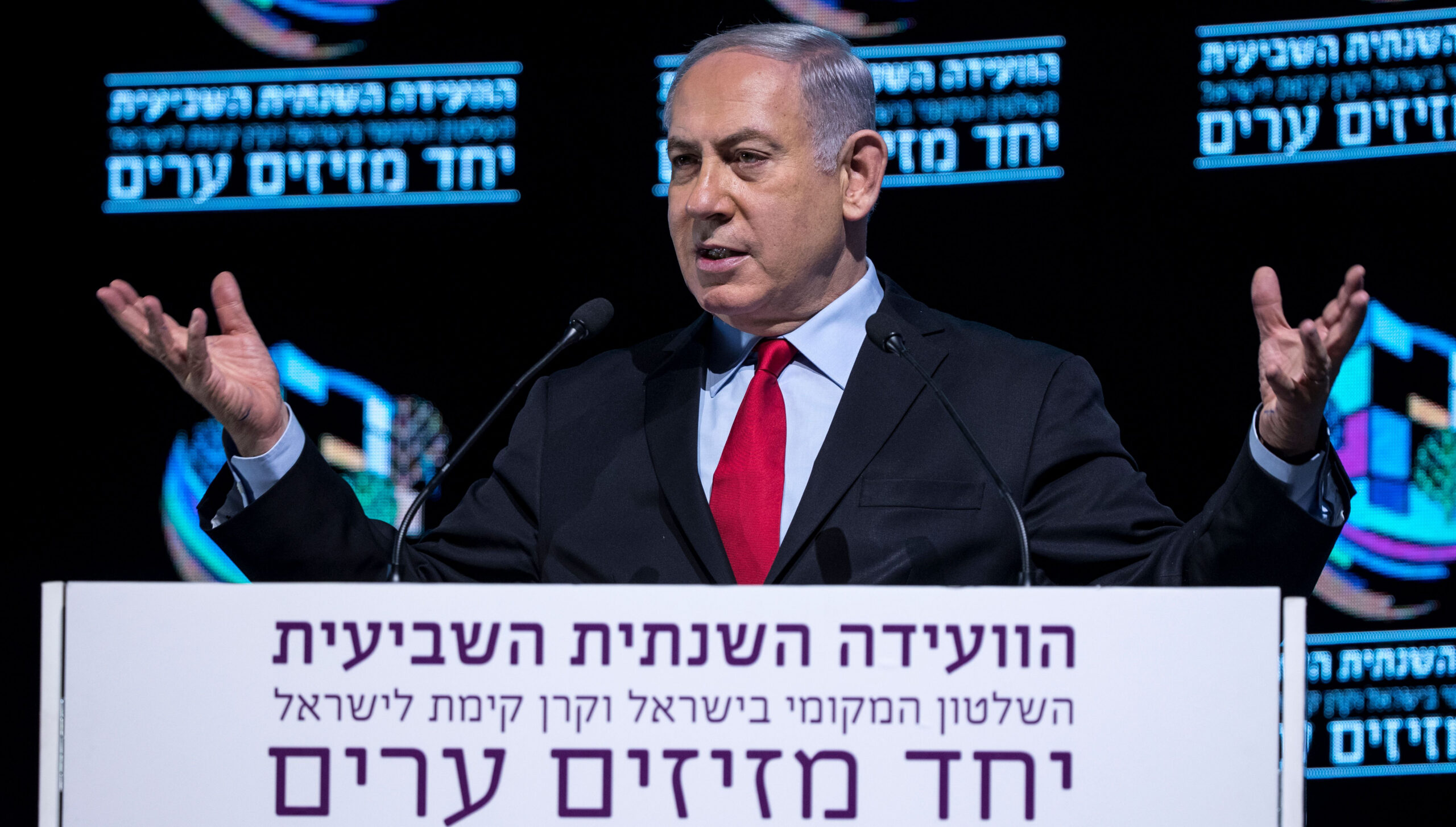
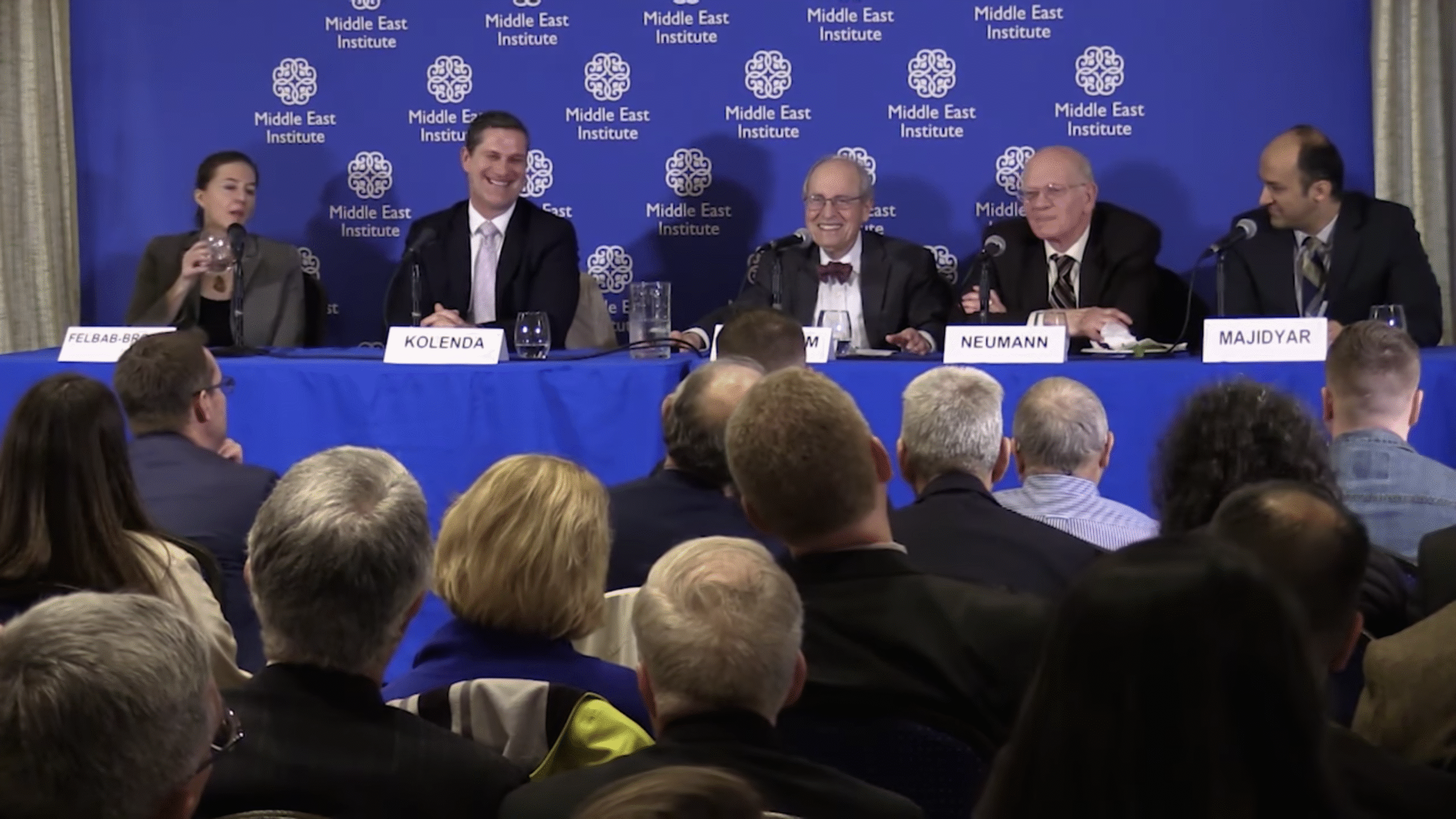
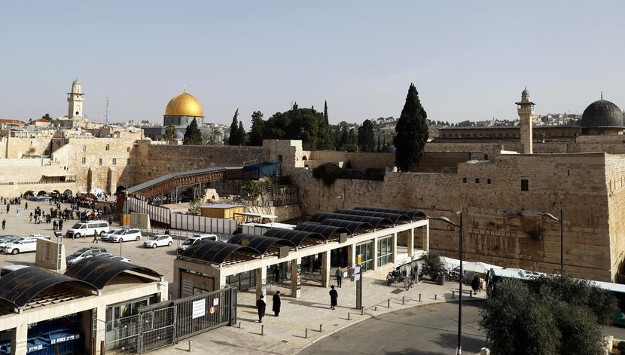
Israel is preparing to hold what may be its most consequential election in decades. On October 27, Prime Minister Benjamin Netanyahu will face his first electoral test since October 7, 2023. In this bonus episode of Middle East Focus, we present the audio from a recent MEI webinar, hosted in Israel on the eve of the vote. Senior Fellow Natan Sachs is joined by Dr. Shira Efron, Distinguished Chair for Israel Policy and senior fellow at the RAND Corporation, and Neri Zilber, veteran journalist and Financial Times correspondent. They explore what’s at stake in this historic election and how different outcomes could reshape Israel’s domestic politics and the wider region.
Israel Was Built on Hope. This Election May Be Our Last Chance to Save It
Israel’s national anthem, Hatikva, means “the hope.” Israel is not just another country, but the culmination of a 2,000-year-old dream of national redemption. The rebirth of the Jewish people’s ancestral homeland, just three years after the Holocaust, was a miraculous triumph of hope over all odds.
Today, that hope has been shattered and the elections on October 27 have become the most consequential in Israel’s history.
Washington says it doesn’t know who runs Iran. Tehran insists its leadership is united. MEI Senior Fellow Alex Vatanka joins hosts Alistair Taylor and Matthew Czekaj to sort out where the truth lies. They look at the small circle of political and military figures now steering the war effort in Tehran: who they are, how they make decisions, and how unified they really are. They also discuss the current state of US-Iran negotiations, the role of the upcoming midterm elections in the United States, and how the Islamic Republic is preparing for a potential renewal of conflict afterward.
Since 1967, Israeli settlements in the West Bank have been a contested feature of the Israeli-Palestinian conflict. The ultimate disposition of the settlements and ongoing activity related to their growth have repeatedly defied agreement in negotiations over a resolution to the conflict.
The Houthis are a political-military faction and Zaydi religious movement founded in northwestern Yemen in the 1980s. A key member of Iran’s Axis of Resistance with links to other militant organizations in the Arabian Peninsula and the Horn of Africa, the group has continued to pose a threat to Western interests on a global scale.
The India-Middle East-Europe Economic Corridor (IMEC) is a proposed multinational infrastructure initiative aimed at upgrading connectivity between the three regions through integrated trade, energy, and digital networks. Announced at the G20 summit in New Delhi in September 2023, IMEC is envisioned partially as a counterweight to China’s international infrastructure project, the Belt and Road Initiative.
After a decade of post-Arab Spring isolation, Turkey’s leaders have recognized that their ambition to position the country as an agenda-setter on the world stage requires active engagement in all directions. President Recep Tayyip Erdoğan’s consolidation of executive authority has centralized foreign policy decision-making and tied it to his domestic political priorities, transforming the country’s revisionist approach to one shaped primarily by personal and pragmatic interests.
MEI Senior Fellow Brian Katulis engages friends, colleagues, and policy experts in casual conversations on the most important happenings in the Middle East.
Envisioning Palestine: strategies for Palestinian self-determination
Relations between the U.S. and the Palestinians are in free-fall. The Trump administration’s decisions to recognize Jerusalem as Israel’s capital and then cut funding to UNRWA to force the Palestinians back to the negotiating table have been met with mass protests and official recriminations. Meanwhile, peace has never seemed more distant, with a recent poll showing support for a two-state solution at a historic low among both Israelis and Palestinians.
Iran’s negligible role in Iraq’s postwar reconstruction
While donor countries and organizations pledged $30 billion for Iraq’s reconstruction at an international conference held in Kuwait on February 14, Iran – which portrays itself as Iraq’s closest ally – made no financial commitments.
Iran’s allies in Iraq dial up calls for US withdrawal as parliamentary elections near
Several Iranian-supported Iraqi militia commanders and politicians this week called for the withdrawal of American troops from the country, argying that they are no longer needed as ISIS is now militarily defeated, Iranian and Iraqi media reported. A senior official of Asa’ib Ahl al-Haq (AAH), a unit within the Popular Mobilization Force with close ties with Iran’s elite Quds Force and the Lebanese Hezbollah, said today that the paramilitary forces and Iraqi parliament will not allow Washington to keep its troops in Iraq.
China, Jerusalem and the Israeli-Palestinian Conflict
On the surface, the Chinese reaction to the US decision to effectively recognize Jerusalem as the capital of Israel was clear. Following President Trump’s announcement to transfer the US embassy to the Holy City on December 6, 2017. Several days later, China voted with every other member on the UN Security Council (UNSC) to uphold the international consensus and previous UN decisions on Jerusalem. By going against world opinion, the US arguably looked out of step in relation to the conflict. By contrast, China’s alignment with international public opinion gave it the aura of a potential mediator. This essay considers whether Beijing has the political will and capacity to make a significant positive impact on the Israeli-Palestinian conflict.
Weekly briefing: Netanyahu faces a whirlwind of investigations
In this week’s Weekly Briefing, MEI experts Eran Etzion, Gonul Tol, and Ibrahim al-Assil provide analysis on recent and upcoming events including Benjamin Netanyahu investigations, the impact of Rex Tillerson’s visit to Turkey, and Russia’s presence in Eastern Ghouta.
Ex-IRGC chief threatens to “raze Tel Aviv to ground” if Israel takes action against Iran
The Iranian armed forces will destroy Tel Aviv if Israel makes any wrong moves against the Islamic Republic, Mohsen Rezaei, the secretary of Iran’s Expediency Council, warned on Monday. “If the Zionist regime intends to take any action against Iran, we will raze Tel Aviv to the ground,” the former chief commander of the Islamic Revolution Guards Corps (IRGC) added. “We will not even give you the opportunity to escape,” Rezaei said about Israeli Prime Minister Benjamin Netanyahu during his speech to IRGC commanders.
European powers step up efforts to address Iran’s destabilizing role in region
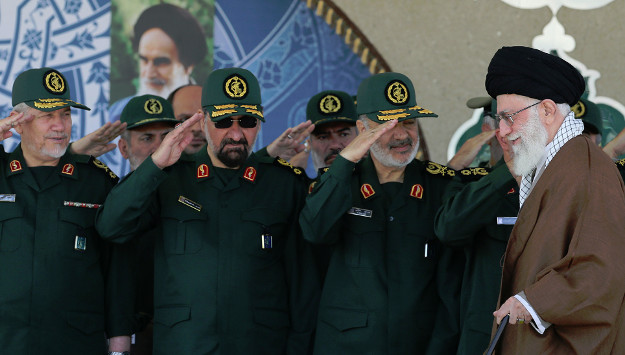
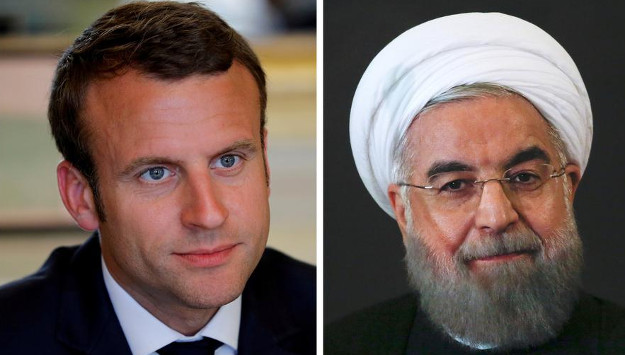
The Iranian Foreign Ministry reacted angrily to latest statements by France and Britain about Tehran’s hard power strategies that promote instability in the Middle East.
Iranian Navy plans to unveil “new generation of submarines”
The Iranian Navy will unveil a new domestically-built submarine in coming days, Rear Admiral Hossein Khanzadi, the chief commander of the naval forces of Iran’s Artesh (regular army)
Tehran stands to lose in Syria’s postwar reconstruction
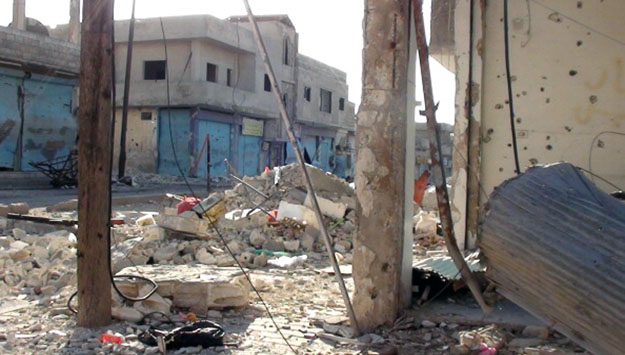
Tehran appears to be losing the race for Syria’s reconstruction despite all the blood, treasure and political capital the Islamic Republic has invested in the Assad regime’s survival over the past six years.
The war in Afghanistan, the longest in U.S. history, shows little sign of winding down. Despite hundreds of billions of dollars in military aid and state support, Afghanistan still struggles with resilient Taliban and Islamic State insurgencies. Recent brazen terrorist attacks and growing disunity among the country’s political leadership raise new doubts about its future.
Top Iranian military commander warns Israel of new Intifada
A senior Iranian military official has warned that there will be a “far more widespread” Intifada (uprising) against Israel in response to President Donald Trump’s recent decision to recognize Jerusalem as the Israeli capital, the Iranian media reported.
IRGC has established several military bases across Syria, says Arab paper
Iran seeks to turn Syria into its largest foreign military base by establishing military bases across the country and supporting militias, an article published in Alwatan Arab daily alleged.
Iran’s 50th flotilla of warships berthed at Sri Lankan port
The Iranian Navy’s 50th flotilla of warships docked at the Sri Lankan port of Colombo earlier today, Tasnim News Agency reported. According to public relations department of the Navy, the Iranian naval fleet included Shahid Naghdi and Bayandor destroyers and Tonb logistic-combat vessel. The Iranian naval commanders from Artesh (Iran’s regular Army) onboard plan to meet senior Sri Lankan military officials to seek ways of bolstering naval cooperation between the two countries.
Air pollution in Iran’s Khuzestan Province reaches “extremely dangerous” levels
Air pollution in the southwestern Iranian province of Khuzestan has reached “extremely dangerous” levels, the BBC Persian reports. All flights at the international airport in Ahvaz, Khuzestan’s capital, have been suspended, and schools in several cities such as in Ahvaz, Abadan, Khoramshahr, and Mahshr have temporarily shut down. A video clip published on the BBC Persian website shows that dense dust pollution has forced scores of residents to leave the area.
The oldest peer-reviewed publication dedicated to the study of the modern Middle East, MEI’s flagship journal covers politics, society, and culture in the region.