Bonus Episode: Previewing Israel’s First Post-October 7 Election
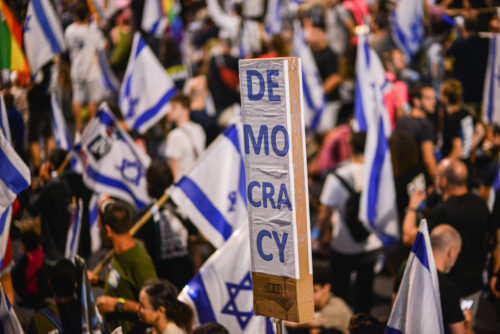
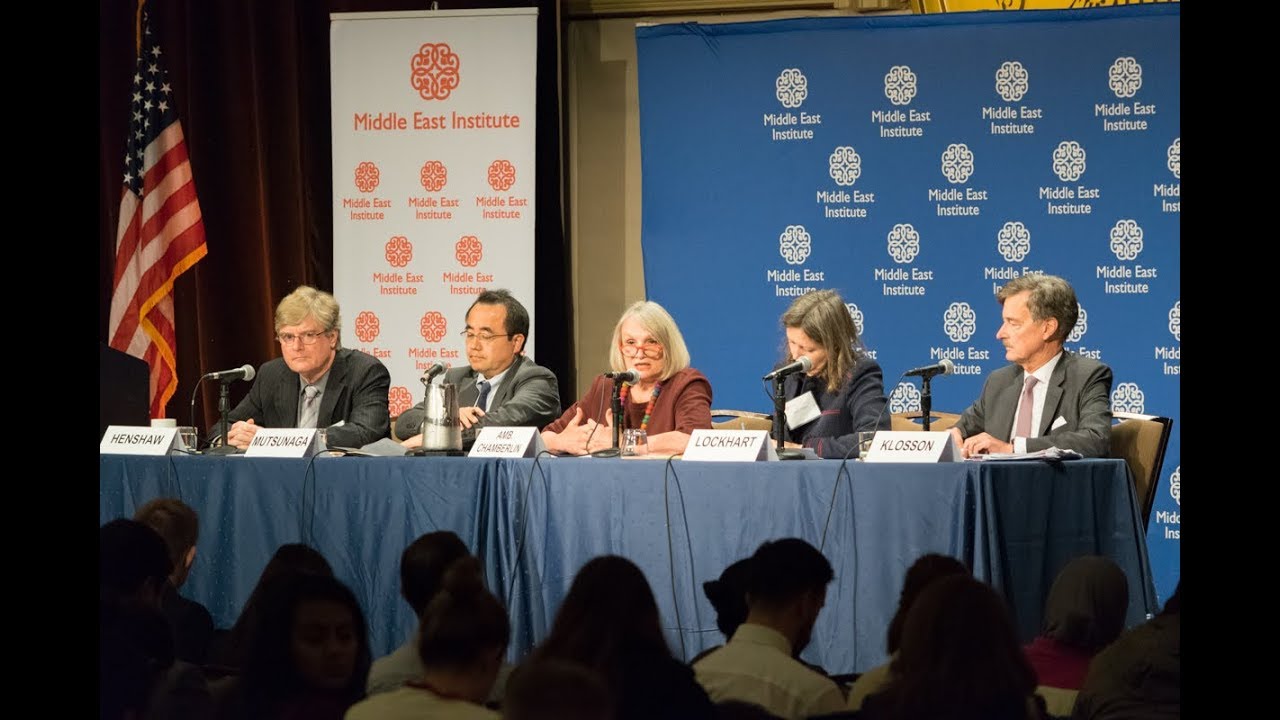
Israel is preparing to hold what may be its most consequential election in decades. On October 27, Prime Minister Benjamin Netanyahu will face his first electoral test since October 7, 2023. In this bonus episode of Middle East Focus, we present the audio from a recent MEI webinar, hosted in Israel on the eve of the vote. Senior Fellow Natan Sachs is joined by Dr. Shira Efron, Distinguished Chair for Israel Policy and senior fellow at the RAND Corporation, and Neri Zilber, veteran journalist and Financial Times correspondent. They explore what’s at stake in this historic election and how different outcomes could reshape Israel’s domestic politics and the wider region.
Israel Was Built on Hope. This Election May Be Our Last Chance to Save It
Israel’s national anthem, Hatikva, means “the hope.” Israel is not just another country, but the culmination of a 2,000-year-old dream of national redemption. The rebirth of the Jewish people’s ancestral homeland, just three years after the Holocaust, was a miraculous triumph of hope over all odds.
Today, that hope has been shattered and the elections on October 27 have become the most consequential in Israel’s history.
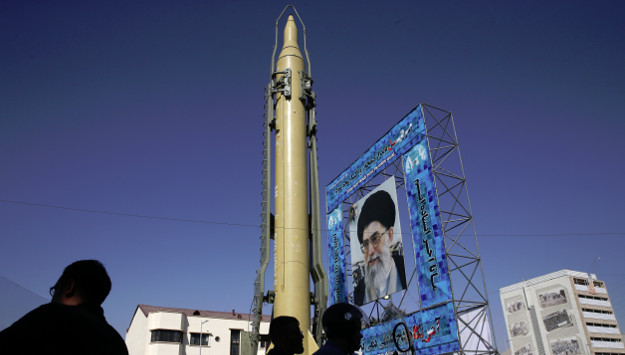
Washington says it doesn’t know who runs Iran. Tehran insists its leadership is united. MEI Senior Fellow Alex Vatanka joins hosts Alistair Taylor and Matthew Czekaj to sort out where the truth lies. They look at the small circle of political and military figures now steering the war effort in Tehran: who they are, how they make decisions, and how unified they really are. They also discuss the current state of US-Iran negotiations, the role of the upcoming midterm elections in the United States, and how the Islamic Republic is preparing for a potential renewal of conflict afterward.
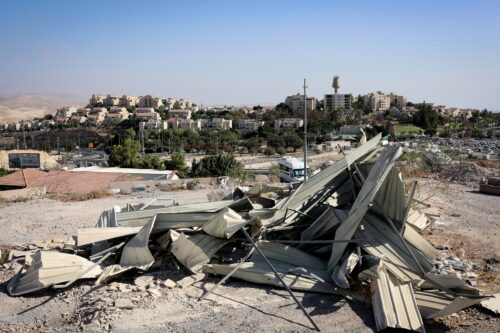
Since 1967, Israeli settlements in the West Bank have been a contested feature of the Israeli-Palestinian conflict. The ultimate disposition of the settlements and ongoing activity related to their growth have repeatedly defied agreement in negotiations over a resolution to the conflict.
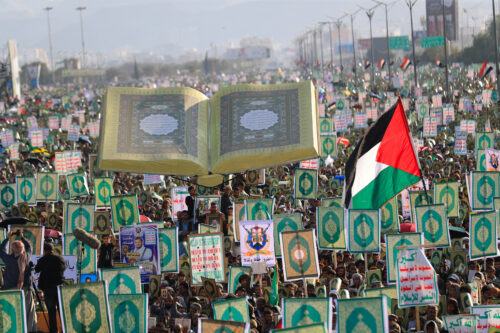
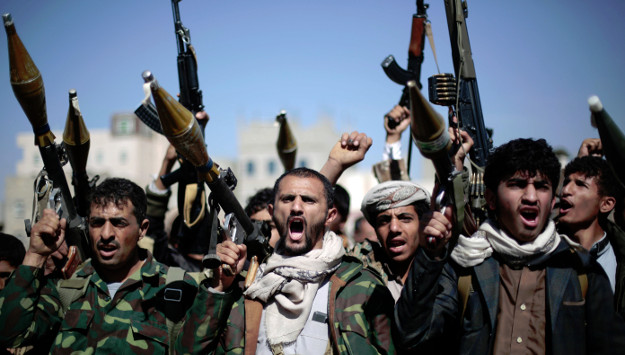
The Houthis are a political-military faction and Zaydi religious movement founded in northwestern Yemen in the 1980s. A key member of Iran’s Axis of Resistance with links to other militant organizations in the Arabian Peninsula and the Horn of Africa, the group has continued to pose a threat to Western interests on a global scale.
The India-Middle East-Europe Economic Corridor (IMEC) is a proposed multinational infrastructure initiative aimed at upgrading connectivity between the three regions through integrated trade, energy, and digital networks. Announced at the G20 summit in New Delhi in September 2023, IMEC is envisioned partially as a counterweight to China’s international infrastructure project, the Belt and Road Initiative.
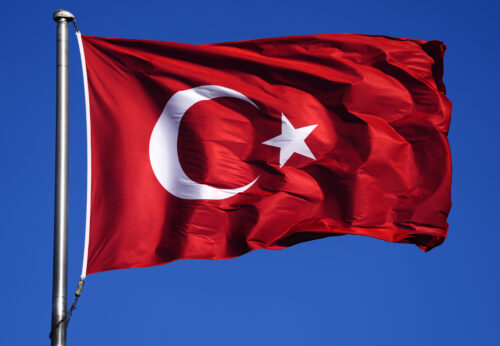
After a decade of post-Arab Spring isolation, Turkey’s leaders have recognized that their ambition to position the country as an agenda-setter on the world stage requires active engagement in all directions. President Recep Tayyip Erdoğan’s consolidation of executive authority has centralized foreign policy decision-making and tied it to his domestic political priorities, transforming the country’s revisionist approach to one shaped primarily by personal and pragmatic interests.
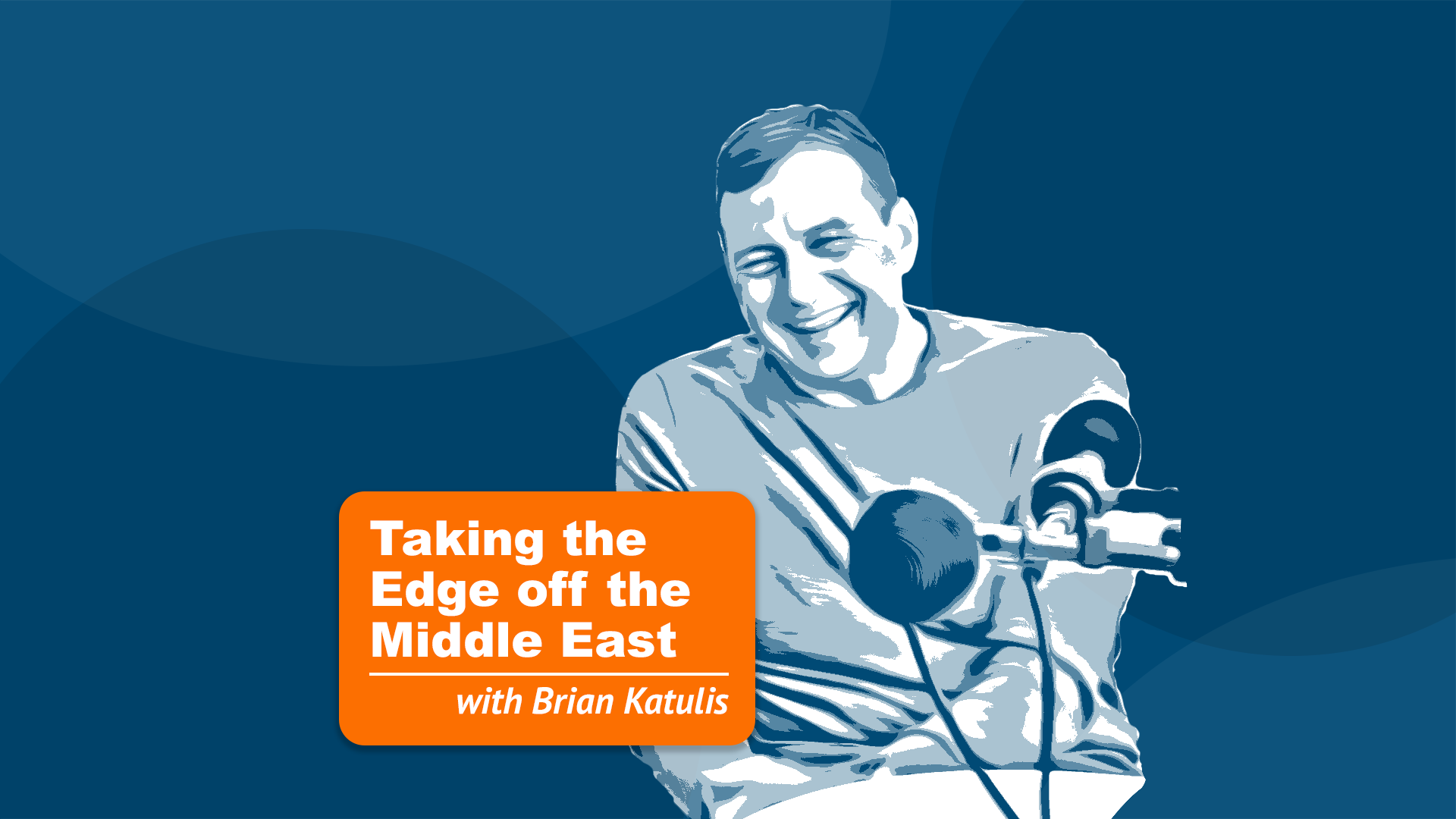
MEI Senior Fellow Brian Katulis engages friends, colleagues, and policy experts in casual conversations on the most important happenings in the Middle East.
I.R.G.C. Admits Aiding Houthis against Saudi-Led Coalition in Yemen
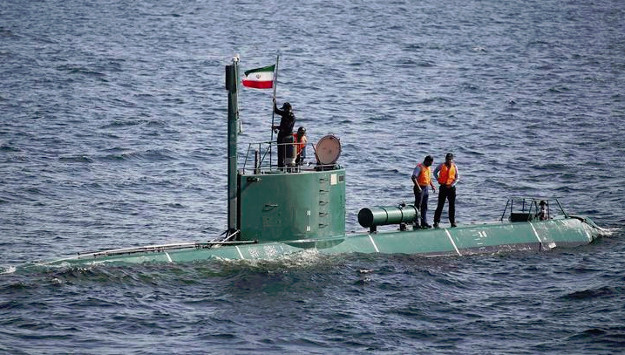
The head of the Islamic Revolution Guards Corps (I.R.G.C.) has admitted that Iran is providing assistance to the Houthi “resistance movement” fighting the Saudi-led coalition in Yemen. “Our assistance to the resistance front has been provided at the request of their people and governments, and Yemen is one of those examples. In Yemen, the power today lies in the hands of Ansarullah and Iran’s assistance is at the level of advisory and spiritual support, which Yemen needs more,” Major General Ali Jafari said at a press conference in Tehran on Thursday.
In Phone Call with Macron, Rouhani Defends Hezbollah, Rejects Any Change to Nuclear Deal
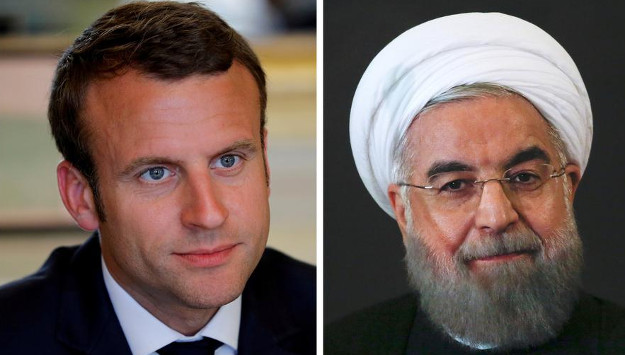
In a phone call on Tuesday, Iran’s President Hassan Rouhani urged his French counterpart Emmanuel Macron not to support Washington’s policies vis-à-vis Tehran, particularly regarding Iran’s missile program and regional policies and actions.
After ISIS, Fatemiyoun Vows to Fight with “Axis of Resistance” to Destroy Israel
With ISIS militarily defeated in Syria and Iraq, the Fatemiyoun Division, an all-Afghan Afghan Shiite militia group fighting in Syria, says its fighters will join the Lebanese Hezbollah and Iranian-sponsored Iraqi militia groups to fight Israel next.
Nobel Laureates Call on Iran to Free Death Row Sweden-Based Researcher
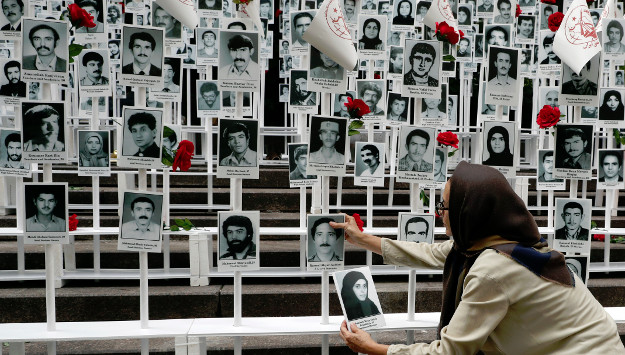
Seventy five Nobel laureates have called on the Iranian government to release Ahmadreza Jalali, a Sweden-based scholar jailed in Iran on allegations of spying for Israel, the BBC Persian reported.
Zarif’s Aide Hails Soleimani for Creating Transnational Force to Counter U.S.
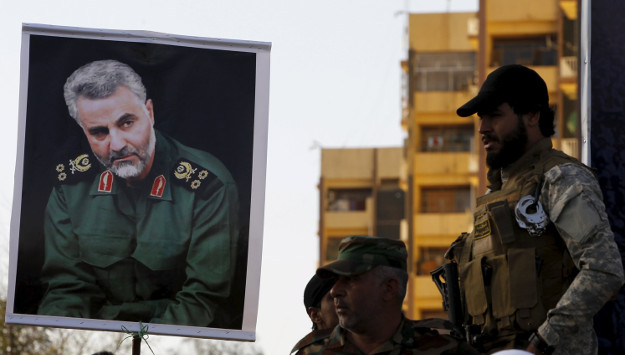
Hossein Sheikholeslam, a senior advisor to Iran’s Foreign Minister Javad Zarif, credited Iran’s elite Quds Force for “defeating” the Islamic State in Syria and Iraq and “foiling the American plots and calculations” in the region. In an interview with Tasnim News Agency, the former Iranian ambassador to Syria, commended Quds Force Commander Major General Qassem Soleimani for having created a multinational force of Shiite groups from South Asia to the Levant region in order to secure Iran’s objectives in the region.
This piece was co-authored by Bilal Saab and Kenneth M. Pollack, resident fellow at the American Enterprise Institute. Read the full op-ed on theWall Street Journal.
France and Egypt Try to Moderate Saudi-Iran Escalation | Monday Briefing
In this week’s Monday Briefing, MEI experts Paul Salem, Alex Vatanka, Randa Slim, Marvin G. Weinbaum, and Eran Etzion provide analysis on recent and upcoming events including the Arab League meeting in Cairo to moderate the Saudi-Iran escalation, Iran’s view of the Sochi Summit as a turning point, Putin’s effort to reach an agreement on Syria before presidential elections, Afghanistan’s response to the increase of US troops on their ground, and the political upheaval in Israel as Netanyahu’s corruption case continues.
In a meeting today in Tehran with the U.N. special representative for Afghanistan, Tadamichi Yamamo, Iran’s Foreign Minister Javad Zarif raised concern about the growing presence of ISIS fighters in Afghanistan, the Iranian media reported. Zarif emphasized that the Islamic Republic is ready to expand its cooperation with the U.N. and the Afghan government to counter the ISIS threat in Afghanistan and the broader region.
Iran Rules out Missile Talks in Defiance of International Pressure
French President Emmanuel Macron’s remarks on Friday about Iran’s destabilizing role in the Middle East and controversial missile program provoked angry reactions in Tehran.
U.S. Treasury Sanctions “Large-Scale” Iran-Linked Counterfeiting Network
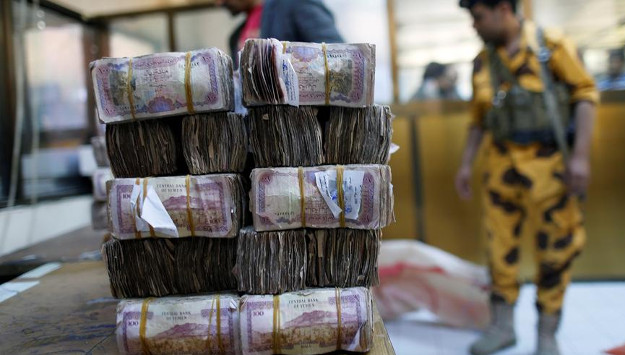
The U.S. Treasury Department today sanctioned a network of individuals and entities involved in counterfeiting Yemeni bank notes for the Islamic Revolution Guards Corps and assisting I.R.G.C.’s destabilizing activities. The network is said to have produced hundreds of millions of dollars in fake Yemeni cash, using “deceptive measures” to circumvent European export restrictions to buy advanced equipment needed to print the money for the I.R.G.C.’s elite Quds Force.
The war in Afghanistan has dragged on for 16 years, appearing to many Americans to have no end in sight or positive outcome. However, as Defense Secretary James Mattis recently testified, “Violence and progress in Afghanistan continue to coexist.” What is that progress, and what does it mean for Afghans themselves? Saad Mohseni, chairman and CEO of Moby Media Group, and Ahmad Majidyar, director of MEI’s IranObserved project, join host Paul Salem to discuss the positive changes taking place in the country.
The oldest peer-reviewed publication dedicated to the study of the modern Middle East, MEI’s flagship journal covers politics, society, and culture in the region.