Bonus Episode: Previewing Israel’s First Post-October 7 Election
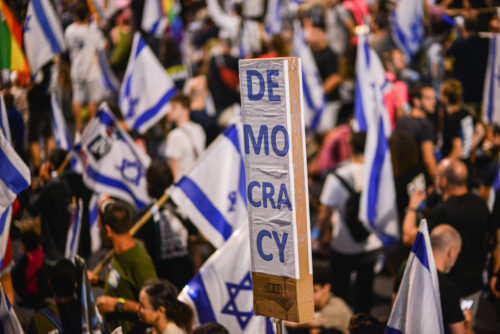
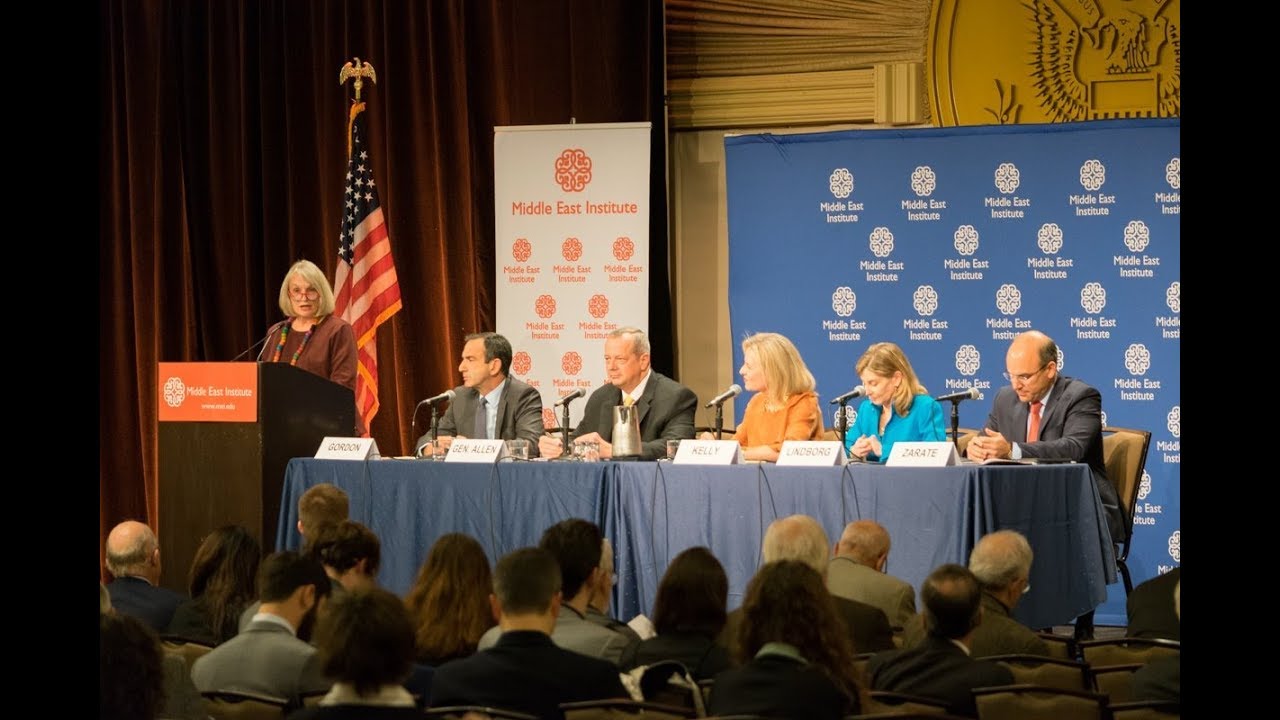
Israel is preparing to hold what may be its most consequential election in decades. On October 27, Prime Minister Benjamin Netanyahu will face his first electoral test since October 7, 2023. In this bonus episode of Middle East Focus, we present the audio from a recent MEI webinar, hosted in Israel on the eve of the vote. Senior Fellow Natan Sachs is joined by Dr. Shira Efron, Distinguished Chair for Israel Policy and senior fellow at the RAND Corporation, and Neri Zilber, veteran journalist and Financial Times correspondent. They explore what’s at stake in this historic election and how different outcomes could reshape Israel’s domestic politics and the wider region.
Israel Was Built on Hope. This Election May Be Our Last Chance to Save It
Israel’s national anthem, Hatikva, means “the hope.” Israel is not just another country, but the culmination of a 2,000-year-old dream of national redemption. The rebirth of the Jewish people’s ancestral homeland, just three years after the Holocaust, was a miraculous triumph of hope over all odds.
Today, that hope has been shattered and the elections on October 27 have become the most consequential in Israel’s history.
Washington says it doesn’t know who runs Iran. Tehran insists its leadership is united. MEI Senior Fellow Alex Vatanka joins hosts Alistair Taylor and Matthew Czekaj to sort out where the truth lies. They look at the small circle of political and military figures now steering the war effort in Tehran: who they are, how they make decisions, and how unified they really are. They also discuss the current state of US-Iran negotiations, the role of the upcoming midterm elections in the United States, and how the Islamic Republic is preparing for a potential renewal of conflict afterward.
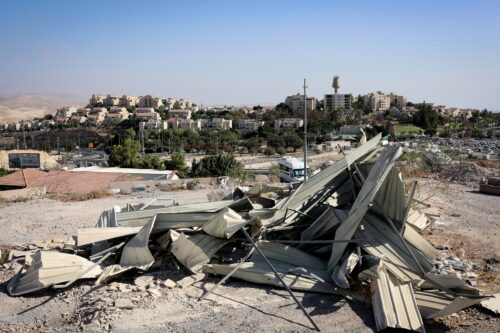
Since 1967, Israeli settlements in the West Bank have been a contested feature of the Israeli-Palestinian conflict. The ultimate disposition of the settlements and ongoing activity related to their growth have repeatedly defied agreement in negotiations over a resolution to the conflict.
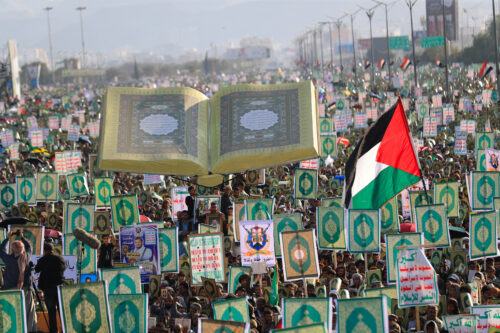
The Houthis are a political-military faction and Zaydi religious movement founded in northwestern Yemen in the 1980s. A key member of Iran’s Axis of Resistance with links to other militant organizations in the Arabian Peninsula and the Horn of Africa, the group has continued to pose a threat to Western interests on a global scale.
The India-Middle East-Europe Economic Corridor (IMEC) is a proposed multinational infrastructure initiative aimed at upgrading connectivity between the three regions through integrated trade, energy, and digital networks. Announced at the G20 summit in New Delhi in September 2023, IMEC is envisioned partially as a counterweight to China’s international infrastructure project, the Belt and Road Initiative.
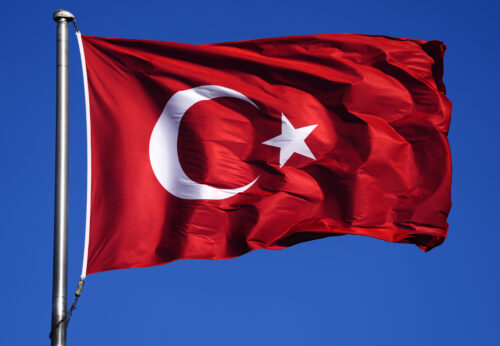
After a decade of post-Arab Spring isolation, Turkey’s leaders have recognized that their ambition to position the country as an agenda-setter on the world stage requires active engagement in all directions. President Recep Tayyip Erdoğan’s consolidation of executive authority has centralized foreign policy decision-making and tied it to his domestic political priorities, transforming the country’s revisionist approach to one shaped primarily by personal and pragmatic interests.
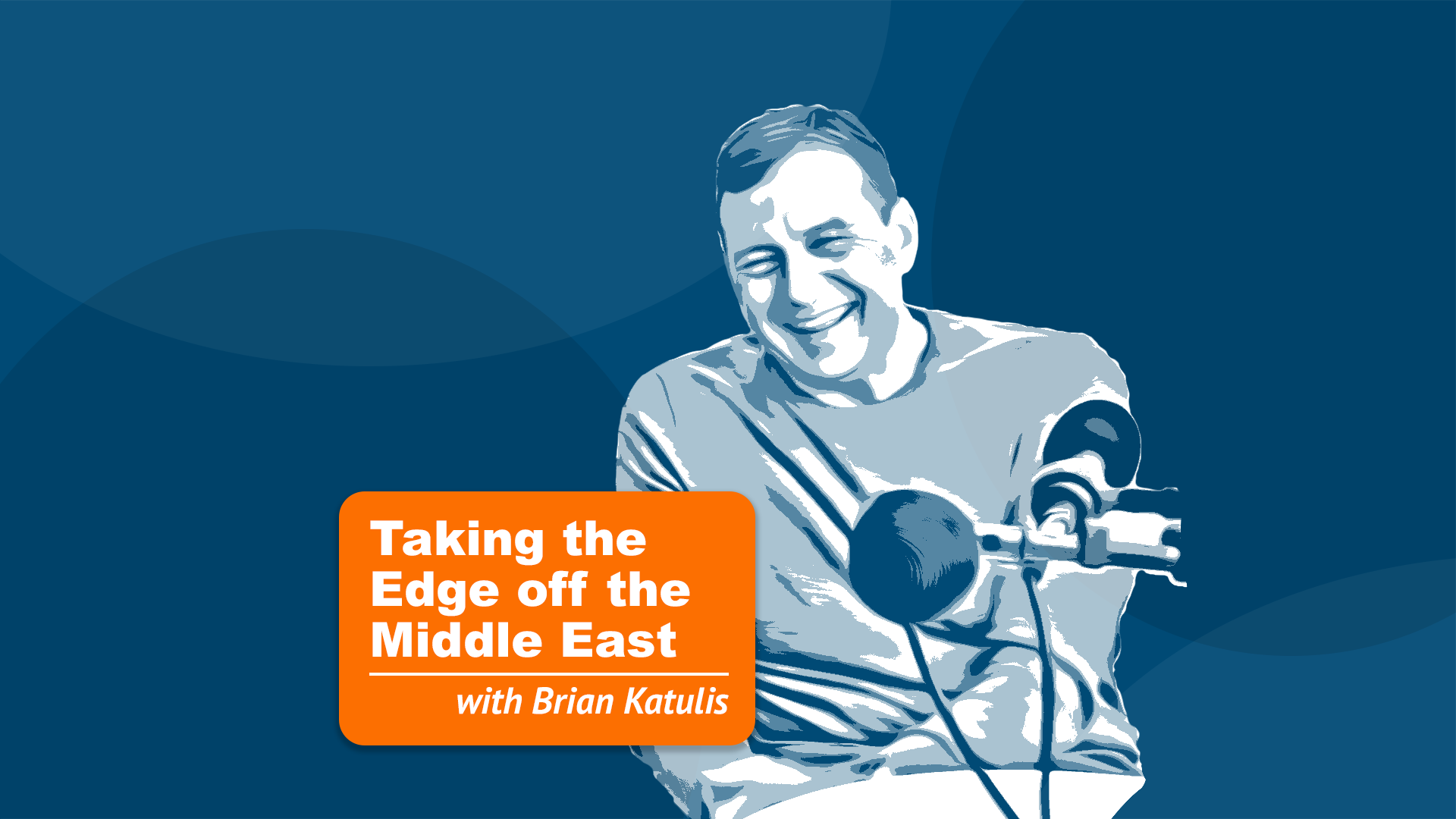
MEI Senior Fellow Brian Katulis engages friends, colleagues, and policy experts in casual conversations on the most important happenings in the Middle East.
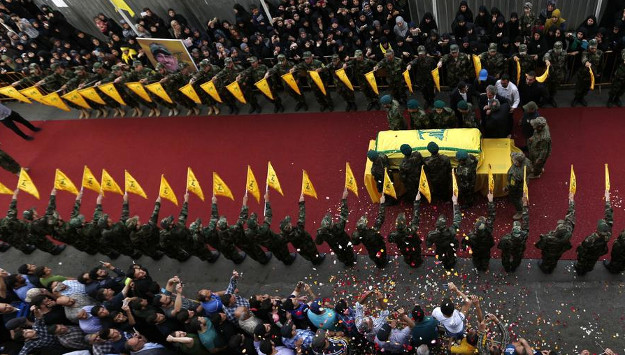
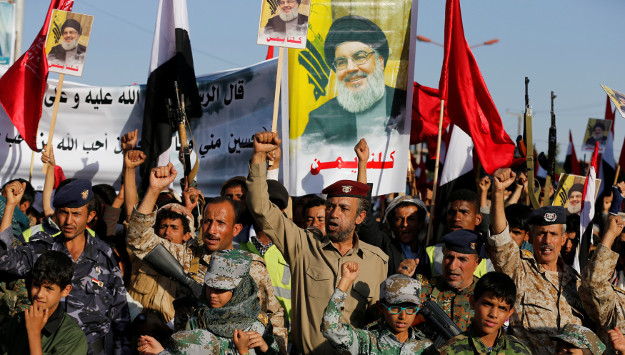
There was a time when Lebanon was a Syrian protectorate occupied by the Syrian Army. The Syrian war over the past six years, however, has somewhat reversed the roles – transforming Lebanese Hezbollah into a leading military force in Syria. Hezbollah has not only deployed thousands of its forces to fight in Syria, but it has also begun recruiting Syrian nationals.
Iran: Debt Payment Not Related to British Mother’s Release
The Iranian Foreign Ministry spokesman has rejected media reports that the British government’s willingness to pay Iran a decades-long debt of about $600 million is related to the potential release of a British mother jailed by the Islamic Republic. “The case of Nazanin Zaghari and the issue of the debt payment to Iran by the British government are separate matters,” Bahram Ghassemi told the Islamic Students’ News Agency today. “Ms.
I.R.G.C. Beating The Drums of War against U.S. in Syria
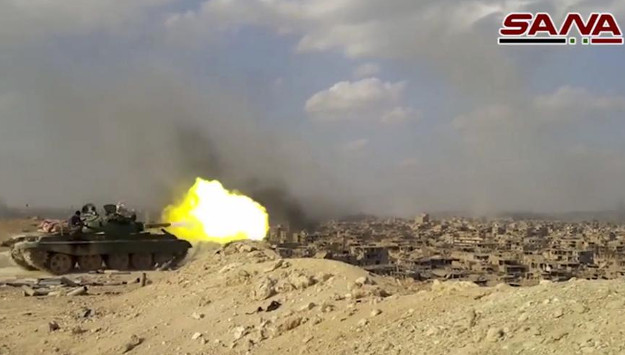
With ISIS on the brink of defeat, Tehran and Damascus say the next phase of the conflict in Syria is for the “resistance forces” to confront the U.S. military and its local allies, particularly the Syrian Democratic Force (S.D.F.). They have dialed up anti-American propaganda and warn that a “direct confrontation” with the U.S. will be necessary if Washington decides to keep its troops in Syria for the long haul.
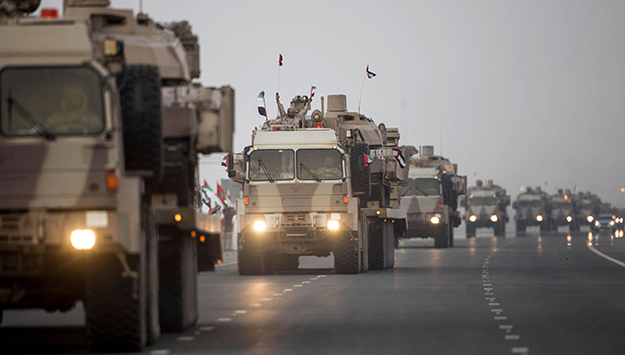
The war in Yemen is reshaping the armed forces of Arab Gulf states. It is the first time that Emirati and Saudi elite units are leading a war effort in their bid to counter Yemeni Houthi rebels and forces loyal to former President Ali Abdullah Saleh, as well as a counterterrorism campaign against jihadi groups, mainly Al-Qaeda in the Arabian Peninsula (AQAP).
Waves of Genocidal Terror against Rohingyas by Myanmar and the Resultant Exodus Since 1978
This essay aims to highlight the scope and rhythmic nature of Burma’s persecution of Rohingyas the devastating impact on the Rohingya population. First, it sets out to describe and help readers understand the evolving pretexts given by the successive Burmese governments and the methods of group destruction and resultant waves — five in total — of the outflow of Rohingyas in large number. Then it attempts to offer an interpretive framework within which this cycle of violence-exodus-lull is best understood.
Bahrain Claims Iran Plotted Pipeline Blast near Manama
The Bahraini government’s claim that Iran was directly involved in an oil pipeline explosion near the Bahraini capital of Manama is the latest sign of heightening tension in the Gulf region. Bahrain’s Interior Minister Sheikh Rashid bin Abdullah al-Khalifa said the blast was the latest example of a “terrorist act” under instructions from Tehran, the state-run Bahrain News Agency reported.
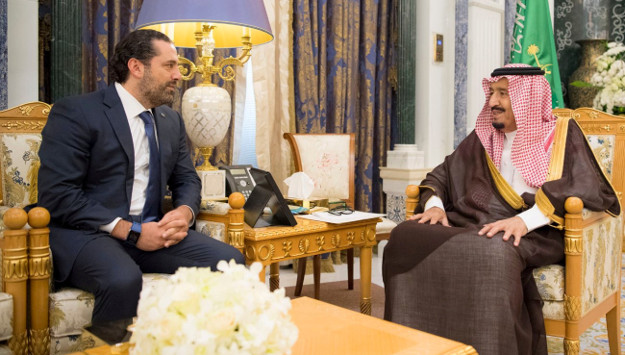
Khamenei’s Aide: We Hope Hariri Remains Lebanon’s Prime Minister
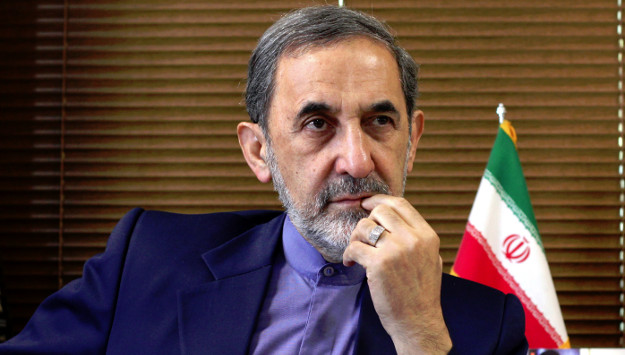
Ali Akbar Velayati, a top aide to Iranian Supreme Leader Ali Khamenei, said Tuesday that Tehran hopes Saad Hariri will return from Saudi Arabia and resume his position as Lebanon’s prime minister. “We support the unity between the March 8 and March 14 [alliances], which reached an agreement to form a government after a long time, and acted in unison to make Lebanon one of the region’s peaceful countries. This is the result of the understanding and logic of the [Lebanese] people and Islamic resistance.
Pakistan’s Army Chief: We’re Interested in Learning Experience of Basij from Iran
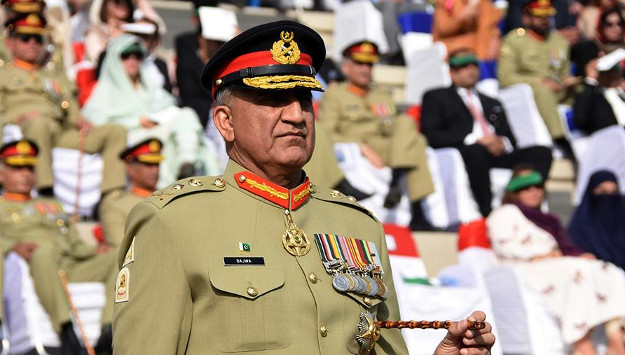
When the chief of the Pakistani Army visited Tehran last week, he told the commander of Iran’s Islamic Revolution Guards Corps (I.R.G.C.) that Pakistan is interested in learning from Iran’s experience of creating the Basij Organization and using “popular forces” to counter enemy threats, according to the Iran
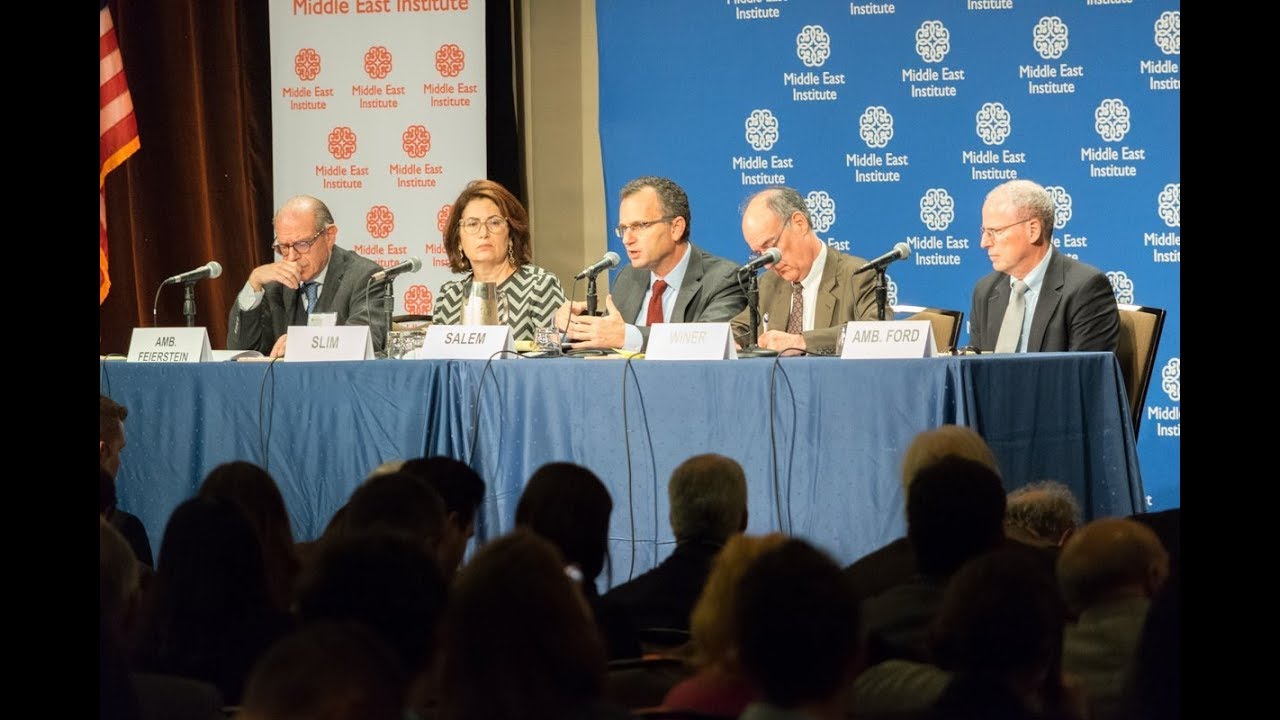
November 13, 2017 – The crisis between Saudi Arabia and Lebanon and the resignation of Prime Minister Saad Hariri appears to be largely about Yemen, says Paul Salem, Sr. Vice President for Policy Analysis, Research, and Programs at the Middle East Institute.
The Lebanon Crisis Pivots on Hezbollah’s Presence in Yemen | Monday Briefing
In this week’s Monday Briefing, contributors Paul Salem, Eran Etzion, Alex Vatanka, and Bilal Saab provide analysis on recent and upcoming events including the rising tension between Saudi Arabia and Lebanon over Hezbollah’s presence in Yemen, rumors that an Israeli attack on Lebanon is imminent, the Saudis’ latest attempt to round up collective action against Iran, and the new phase in the Saudi-Iran proxy war following the recent explosion of a pipeline in Bahrain.
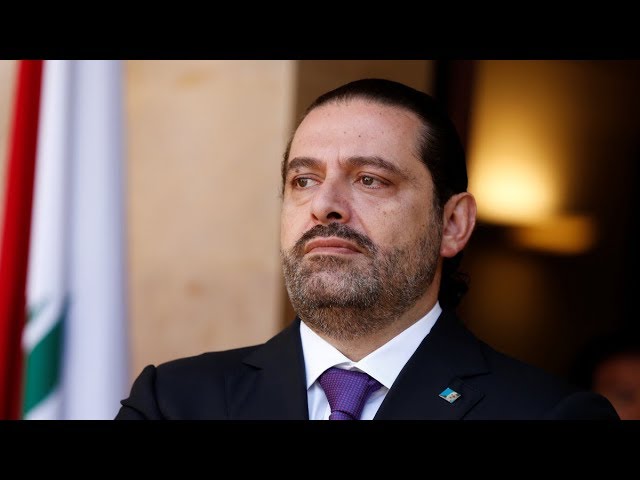
It takes a certain level of political naiveté or blindness to continue to believe that Lebanese Prime Minister Saad Hariri resigned last week of his own volition.
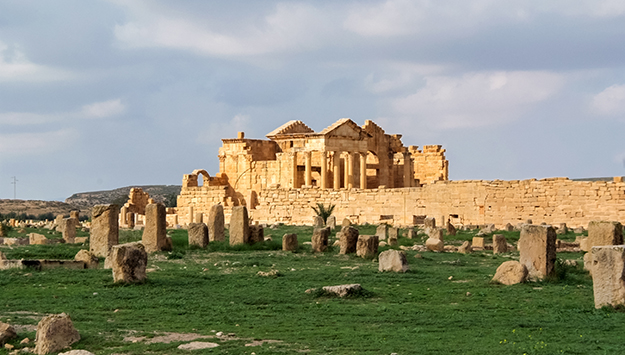
ISIS Eyes Tunisia’s Cultural Heritage as Militants Return
Looting and trafficking of antiquities in the Middle East and North Africa has reached unprecedented levels since the rise of ISIS. In a region with tens of thousands of archaeological sites, antiquities are as easily accessible as oil for terrorist groups controlling such archaeologically rich territory.
The oldest peer-reviewed publication dedicated to the study of the modern Middle East, MEI’s flagship journal covers politics, society, and culture in the region.