Bonus Episode: Previewing Israel’s First Post-October 7 Election
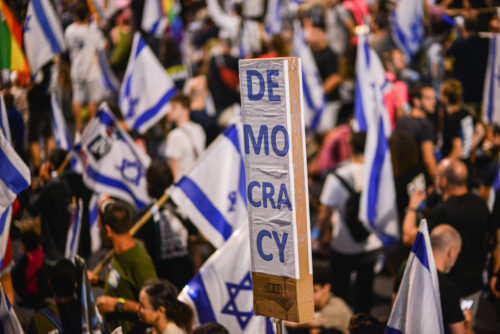
Israel is preparing to hold what may be its most consequential election in decades. On October 27, Prime Minister Benjamin Netanyahu will face his first electoral test since October 7, 2023. In this bonus episode of Middle East Focus, we present the audio from a recent MEI webinar, hosted in Israel on the eve of the vote. Senior Fellow Natan Sachs is joined by Dr. Shira Efron, Distinguished Chair for Israel Policy and senior fellow at the RAND Corporation, and Neri Zilber, veteran journalist and Financial Times correspondent. They explore what’s at stake in this historic election and how different outcomes could reshape Israel’s domestic politics and the wider region.
Israel Was Built on Hope. This Election May Be Our Last Chance to Save It
Israel’s national anthem, Hatikva, means “the hope.” Israel is not just another country, but the culmination of a 2,000-year-old dream of national redemption. The rebirth of the Jewish people’s ancestral homeland, just three years after the Holocaust, was a miraculous triumph of hope over all odds.
Today, that hope has been shattered and the elections on October 27 have become the most consequential in Israel’s history.
Washington says it doesn’t know who runs Iran. Tehran insists its leadership is united. MEI Senior Fellow Alex Vatanka joins hosts Alistair Taylor and Matthew Czekaj to sort out where the truth lies. They look at the small circle of political and military figures now steering the war effort in Tehran: who they are, how they make decisions, and how unified they really are. They also discuss the current state of US-Iran negotiations, the role of the upcoming midterm elections in the United States, and how the Islamic Republic is preparing for a potential renewal of conflict afterward.
Since 1967, Israeli settlements in the West Bank have been a contested feature of the Israeli-Palestinian conflict. The ultimate disposition of the settlements and ongoing activity related to their growth have repeatedly defied agreement in negotiations over a resolution to the conflict.
The Houthis are a political-military faction and Zaydi religious movement founded in northwestern Yemen in the 1980s. A key member of Iran’s Axis of Resistance with links to other militant organizations in the Arabian Peninsula and the Horn of Africa, the group has continued to pose a threat to Western interests on a global scale.
The India-Middle East-Europe Economic Corridor (IMEC) is a proposed multinational infrastructure initiative aimed at upgrading connectivity between the three regions through integrated trade, energy, and digital networks. Announced at the G20 summit in New Delhi in September 2023, IMEC is envisioned partially as a counterweight to China’s international infrastructure project, the Belt and Road Initiative.
After a decade of post-Arab Spring isolation, Turkey’s leaders have recognized that their ambition to position the country as an agenda-setter on the world stage requires active engagement in all directions. President Recep Tayyip Erdoğan’s consolidation of executive authority has centralized foreign policy decision-making and tied it to his domestic political priorities, transforming the country’s revisionist approach to one shaped primarily by personal and pragmatic interests.
MEI Senior Fellow Brian Katulis engages friends, colleagues, and policy experts in casual conversations on the most important happenings in the Middle East.
Top Afghan Military Official: We Have Evidence Iran Provides Weapons to Taliban
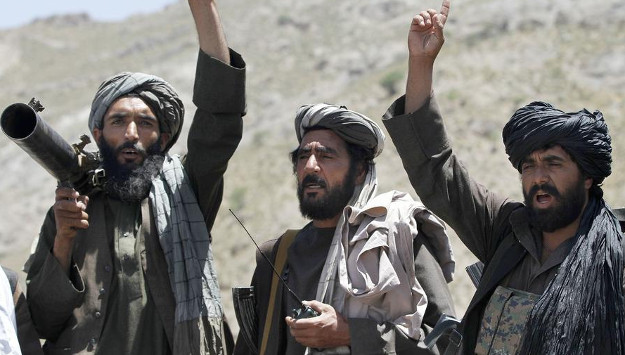
The Chief of General Staff for the Afghanistan National Defense and Security Forces has said that the Kabul government has evidence that Iran is providing weapons and other military assets to the Taliban in western Afghanistan. In an interview with the BBC Persian, Lieutenant General Mohammad Sharif Yaftali added that President Ashraf Ghani discussed the issue with his Iranian counterpart Hassan Rouhani last month in Tehran but did not disclose details of the meeting.
Fars News: U.N. Envoy’s Remarks Show “Regime Changers” Lost in Syria
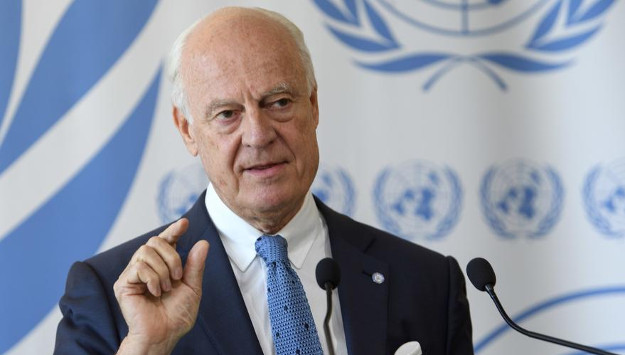
On Wednesday, U.N. Special Envoy Staffan de Mistura said the Syrian opposition must accept that it has not won the war against the regime of Bashar al-Assad. His comments, in the run-up to the next round of Syria talks in Kazakhstan, predictably drew positive reaction in Tehran and scorn by some rebel leaders. “The most significant part of the comments is not the proposal for peace talks, but the recognition that the ‘overthrow-Assad plan’ isn’t going to be won.
Reactions in Tehran to Nikki Haley’s Iran Nuclear Deal Remarks
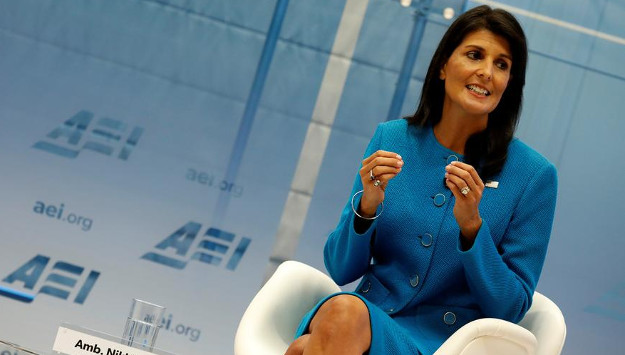
On Wednesday, the U.S. representative to the United Nations signaled that the Trump administration may de-certify Iran’s compliance with the 2015 nuclear agreement next month. Speaking at the American Enterprise Institute in Washington, D.C., Nikki Haley noted that such “de-certification” would not necessarily invalidate the nuclear deal, but suggested that it would be up to the Congress to decide whether the U.S. remains a party to the accord.
What will a Future Kurdish State Do with its Own Minorities?
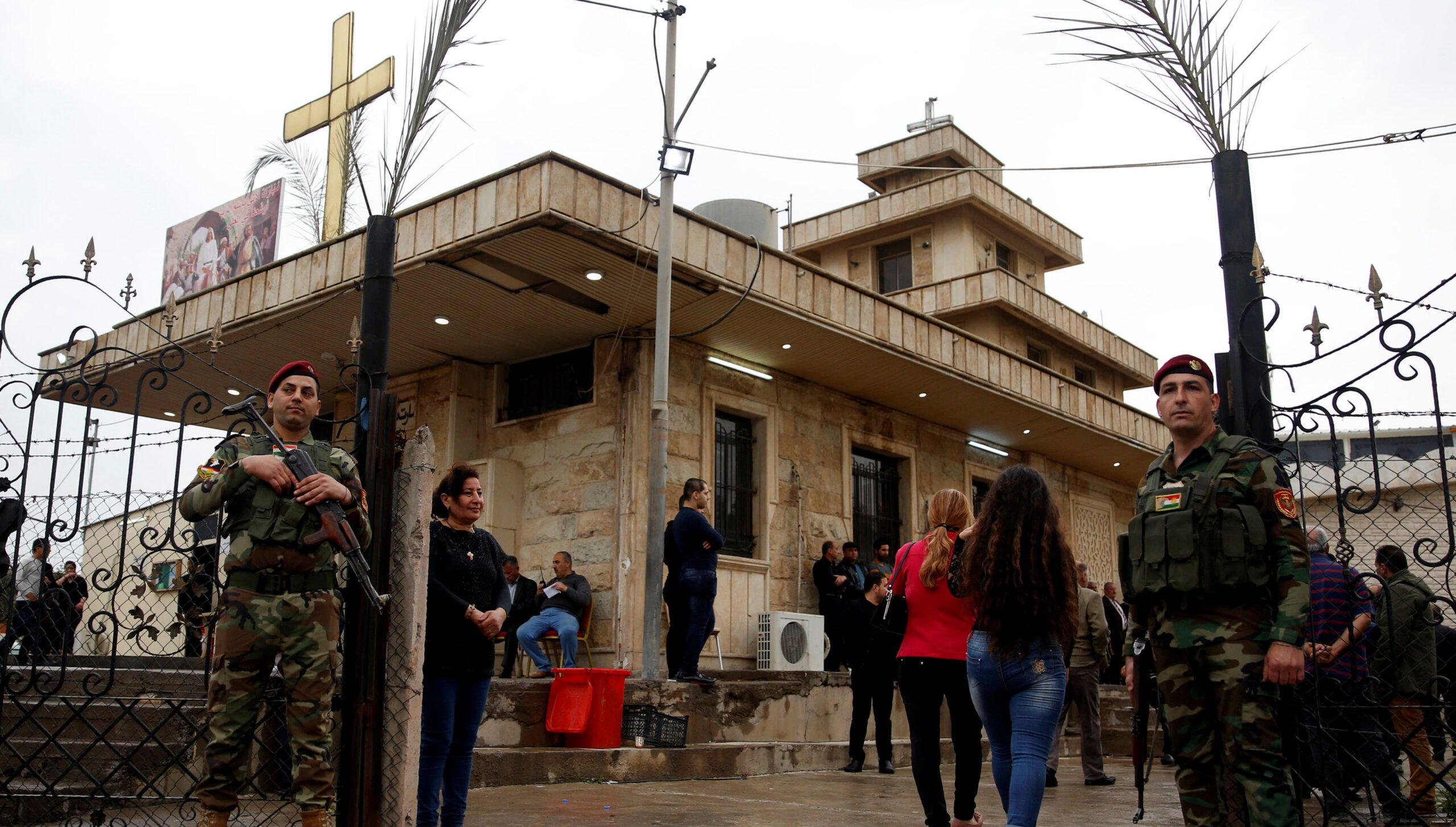
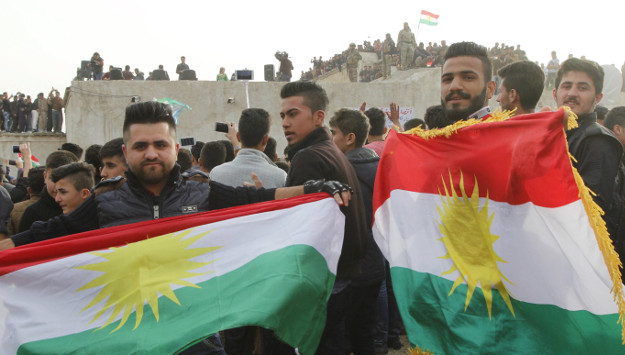
The Kurdistan Region of Iraq (K.R.I.) is expected to hold a referendum on independence from Iraq on September 25. While the disputes between Kurds and Iraq’s Sunni and Shiite Arab populations will be a key factor in any independence process, the realities of building a Kurdish state in northern Iraq will be made more complex by the enormous ethnic and religious diversity in the region.
Regional Cooperation on Refugee Protection: The Unanswered Questions
With record numbers of people displaced around the world, the issue of how regions might cooperate to manage forced migration, and respond to the needs of people on the move, has become more relevant than ever. In the Asia-Pacific, the need for some form of cooperation became particularly pressing during the Andaman Sea “crisis” of May 2015. However, despite a series of multilateral meetings in the wake of that period, it is not clear whether any meaningful progress towards this goal eventuated. As States in the region continue to grapple with the need for better coordination in their responses to displacement, this essay raises some of the lesser explored and as yet unanswered questions about whether and how regional cooperation on refugee protection might develop in this part of the world.
Qatar to Top Agenda of Kuwaiti Emir’s Washington Visit | Weekly Briefing
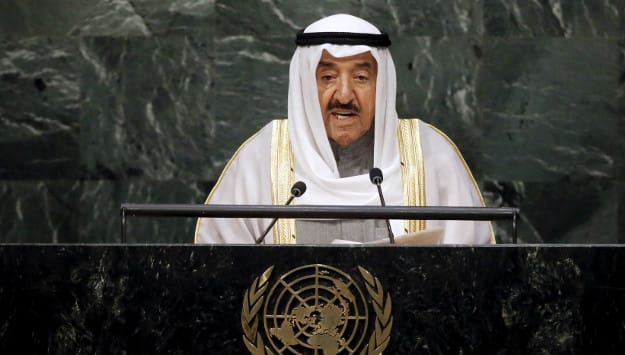
In this week’s briefing, MEI experts Gerald Feierstein, Charles Schmitz, Jonathan M. Winer, and Yousef Munayyer provide analysis on recent and upcoming events including Kuwaiti Emir Sheikh Sabah al-Sabah’s upcoming visit to Washington, recent clashes in Yemen, the French Foreign Minister’s trip to Libya, and the U.N. Human Rights Council’s discussion on Israel/Palestine.
Iran Hails End of Siege on Syria’s Deir Ezzor as Victory for “Resistance”
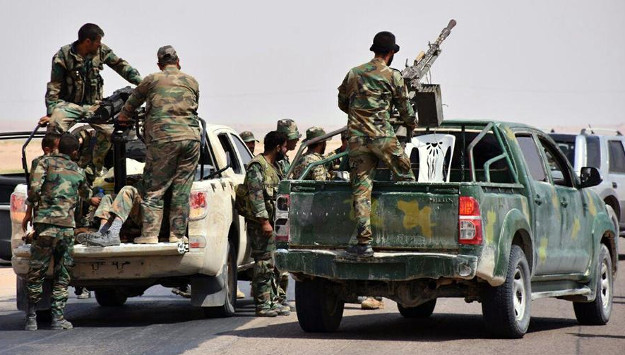
Iranian leaders today congratulated the Syrian government on the lifting of a siege of the eastern city of Deir Ezzor by the Islamic State. Iran’s Foreign Minister Javad Zarif described the end of the three-year siege as a “significant victory” in the fight against terrorism.
Iran Seeks to Boost Ties with South Africa, Particularly in Banking Sector
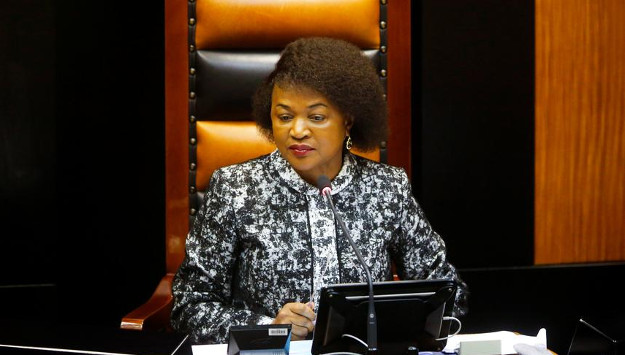
Top Iranian officials have called for cultivating comprehensive ties with South Africa, particularly in banking sector. In a meeting with visiting speaker of South Africa’s parliament Baleka Mbete this weekend, President Hassan Rouhani said Tehran is keen to boost its diplomatic and economic relations with the African nation.
Iran: Consequences of Referendum Will be Dire for Iraq and Region
Secretary of Iran’s Expediency Council Mohsen Rezaei has warned that the consequences of the Iraqi Kurdistan’s plan to hold an independence referendum will be dire for Iraq and the broader region. “Disintegration of Iraq would mark the beginning of widespread insecurity not only in Iraq, but in the entire region… We oppose such a referendum and call on the Kurdish leaders to halt that plan,” he said at a press conference in Baghdad on Monday.
Iran and Russia Discuss Next Diplomatic and Military Steps about Syria
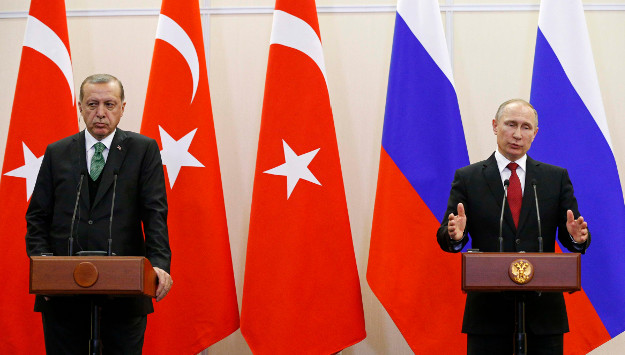
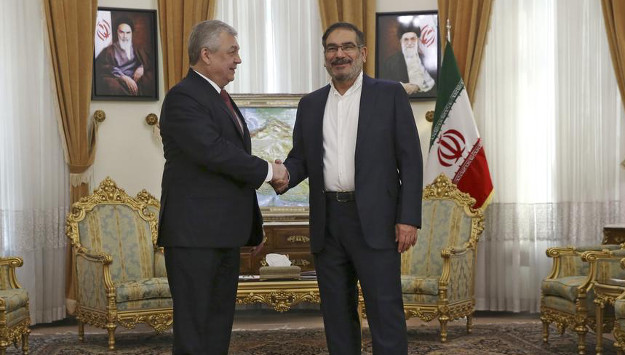
Russian President Vladimir Putin’s special envoy on Syria today met with Iranian officials in Tehran to assess the latest developments and coordinate the two countries’ military and diplomatic efforts regarding the Syrian war. According to Iranian media, Alexander Lavrentiev briefed Iranian officials on Moscow’s recent talks with other foreign powers regarding Syria ahead of the next Astana meeting.
MEI experts Paul Salem, Will Wechsler, Marvin Weinbaum, and Ahmad Majidyar discuss current issues in Afghanistan and Pakistan, and U.S. policy and strategic interests in the region.
Hezbollah-Islamic State Deal Divides Iraqi Leaders
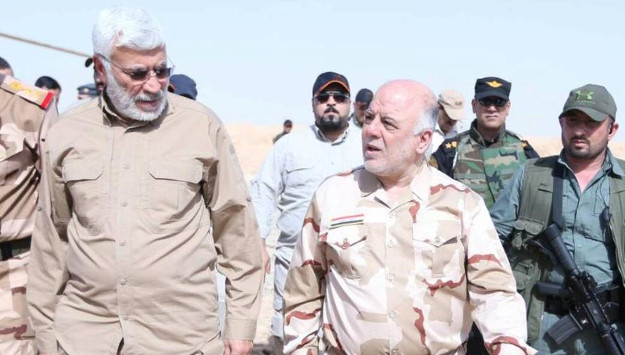
After Iraqi Prime Minister Haider al-Abadi criticized the latest Hezbollah and Syria-backed agreement to transfer Islamic State fighters from the Lebanese-Syrian border to eastern Syria near the Iraqi border, several Iraqi political and militia leaders close to Tehran voiced support for the deal and praised Hezbollah leader Hassan Nasrallah.
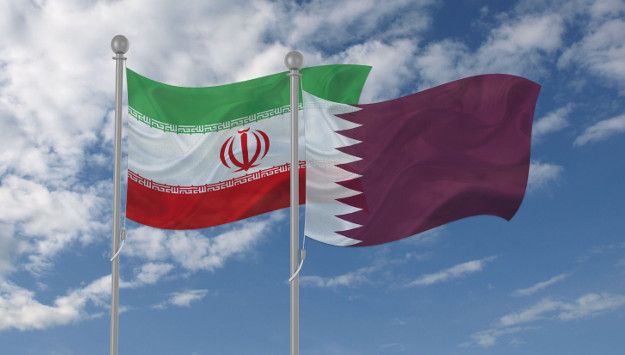
Iranian and Qatari Leaders Pledge to Expand Bilateral Ties
Iran opposes “unjust” sanctions against Qatar and is ready to expand its relations with the Arab country in all fields, President Hassan Rouhani said in a phone conversation with Qatari Emir Sheikh Tamim bin Hamad al-Thani on Thursday. “The Islamic Republic of Iran believes what was imposed on Qatar was unfair and that it fuels tension between regional countries. Iran will do all in its power to cooperate with and assist the Qatari people and government as well as to [promote] regional stability,” Rouhani added.
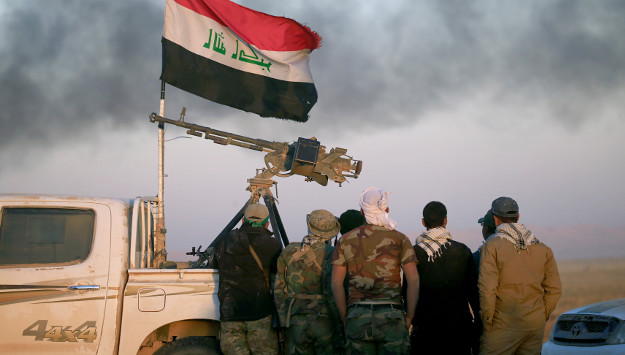
Iran-Backed Iraqi Paramilitary Forces Will Participate in Hawija Offensive
The spokesman of the Iraqi Popular Mobilization Forces (P.M.F.) has announced that the paramilitary forces will participate in the next major offensive against the Islamic State in Hawija city of Iraq’s Kirkuk Province. Ali al-Husseini said on Friday that the military operation will begin within a few days. There are about 2,000 Islamic State fighters in Hawija, Fars News Agency quotes a local official as saying. The P.M.F.
The oldest peer-reviewed publication dedicated to the study of the modern Middle East, MEI’s flagship journal covers politics, society, and culture in the region.