Bonus Episode: Previewing Israel’s First Post-October 7 Election
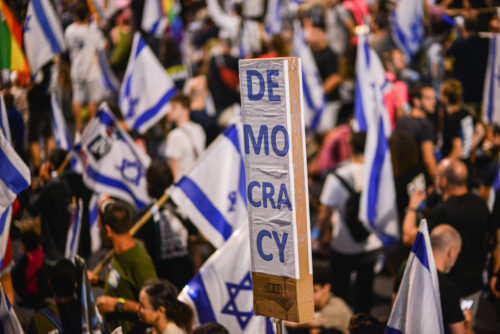
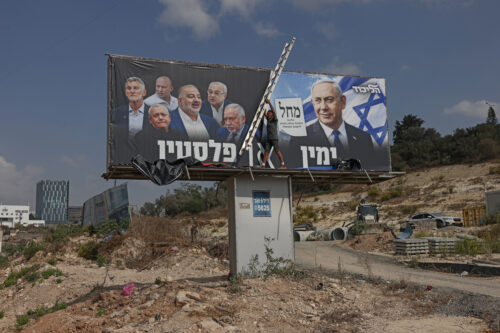
Israel is preparing to hold what may be its most consequential election in decades. On October 27, Prime Minister Benjamin Netanyahu will face his first electoral test since October 7, 2023. In this bonus episode of Middle East Focus, we present the audio from a recent MEI webinar, hosted in Israel on the eve of the vote. Senior Fellow Natan Sachs is joined by Dr. Shira Efron, Distinguished Chair for Israel Policy and senior fellow at the RAND Corporation, and Neri Zilber, veteran journalist and Financial Times correspondent. They explore what’s at stake in this historic election and how different outcomes could reshape Israel’s domestic politics and the wider region.
Israel Was Built on Hope. This Election May Be Our Last Chance to Save It
Israel’s national anthem, Hatikva, means “the hope.” Israel is not just another country, but the culmination of a 2,000-year-old dream of national redemption. The rebirth of the Jewish people’s ancestral homeland, just three years after the Holocaust, was a miraculous triumph of hope over all odds.
Today, that hope has been shattered and the elections on October 27 have become the most consequential in Israel’s history.
One striking thing about US President Donald Trump’s endorsement of Israeli Prime Minister Benjamin Netanyahu this past week is how isolated he was in making this call. The Israeli Prime Minister has become a widely detested figure worldwide following Israel’s war in Gaza—where Israel committed war crimes. This disdain was clearly on display in New York in September when dozens of diplomats streamed out of the hall during Netanyahu’s speech.
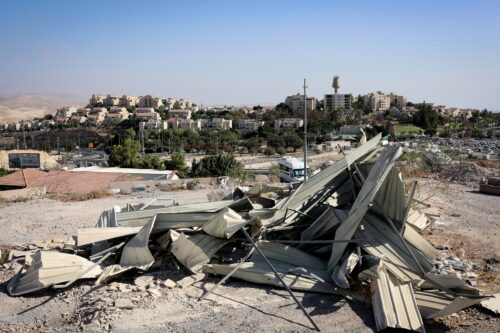
Since 1967, Israeli settlements in the West Bank have been a contested feature of the Israeli-Palestinian conflict. The ultimate disposition of the settlements and ongoing activity related to their growth have repeatedly defied agreement in negotiations over a resolution to the conflict.
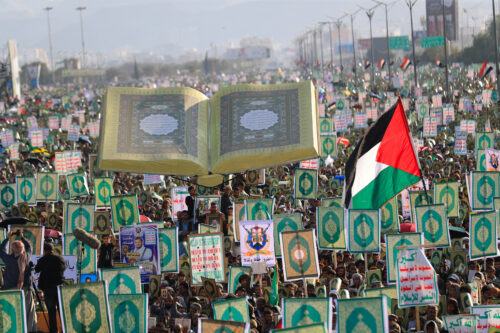
The Houthis are a political-military faction and Zaydi religious movement founded in northwestern Yemen in the 1980s. A key member of Iran’s Axis of Resistance with links to other militant organizations in the Arabian Peninsula and the Horn of Africa, the group has continued to pose a threat to Western interests on a global scale.
The India-Middle East-Europe Economic Corridor (IMEC) is a proposed multinational infrastructure initiative aimed at upgrading connectivity between the three regions through integrated trade, energy, and digital networks. Announced at the G20 summit in New Delhi in September 2023, IMEC is envisioned partially as a counterweight to China’s international infrastructure project, the Belt and Road Initiative.
After a decade of post-Arab Spring isolation, Turkey’s leaders have recognized that their ambition to position the country as an agenda-setter on the world stage requires active engagement in all directions. President Recep Tayyip Erdoğan’s consolidation of executive authority has centralized foreign policy decision-making and tied it to his domestic political priorities, transforming the country’s revisionist approach to one shaped primarily by personal and pragmatic interests.
MEI Senior Fellow Brian Katulis engages friends, colleagues, and policy experts in casual conversations on the most important happenings in the Middle East.
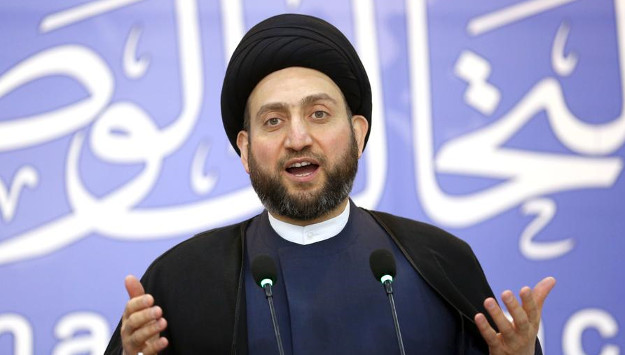
Top Iraqi Politician Says Baghdad Will Limit U.S. Military Role in Iraq after Mosul Battle
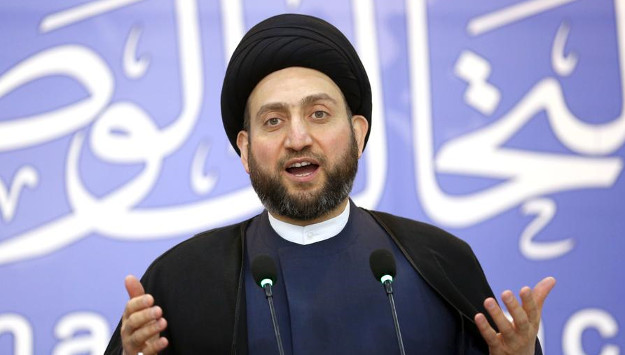
Ammar al-Hakim, the head of Iraq’s Shiite ruling coalition, has said during his visit to Tehran that the Baghdad government will reduce the number of American military advisors and their role after the liberation of Mosul. “We emphasize that we oppose the presence of their military forces the same way we opposed foreign military bases on the Iraqi soil,” Hakim said in an interview with Fars News Agency, which is affiliated with the Islamic Revolution Guards Corps (I.R.G.C.).
Growing Environmental Problems Strain Iran’s Ties with Its Neighbors
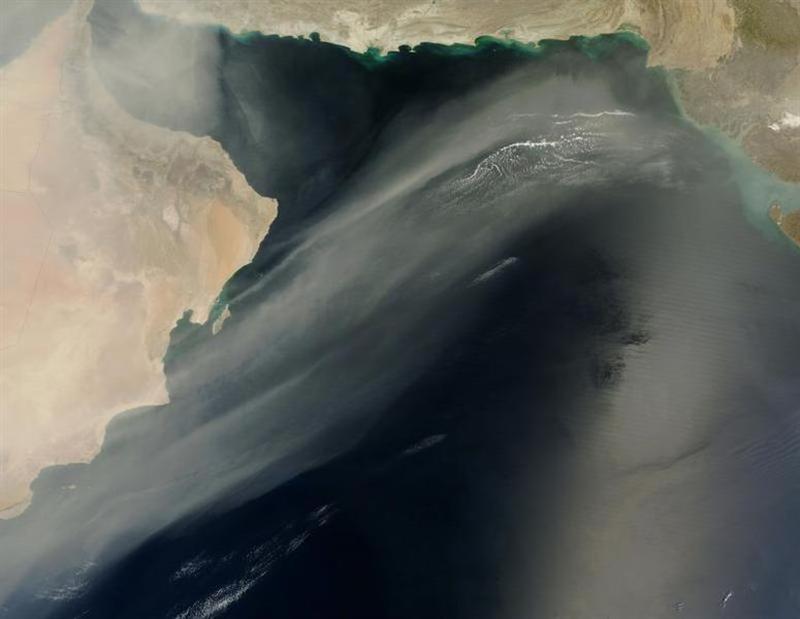
Iran’s growing environmental challenges have recently reached crisis point. Water scarcity and air pollution, in particular, have not only caused sociopolitical and security problems inside the country, but have also strained Iran’s relations with its neighbors. As the Islamic State is losing ground in Iraq and Syria, Iran and Turkey are particularly vying for the control of water in the region.
In this week’s Monday Briefing, MEI experts Allen Keiswetter, Gerald Feierstein, Eran Etzion, and Randa Slim provide analysis on recent and upcoming events including this week’s G-20 Summit, the ongoing G.C.C. crisis, Indian PM Narendra Modi’s visit to Israel, and the Astana talks on Syria.
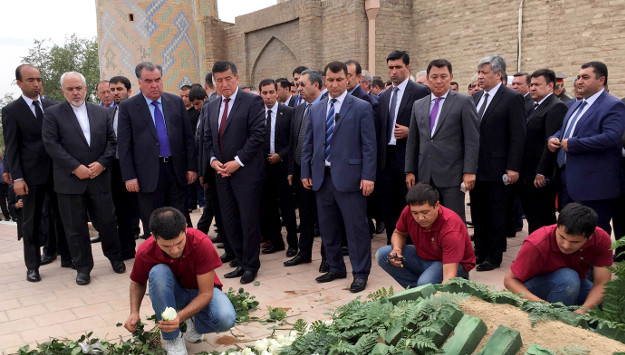
Senior Iraqi Leader Visits Tehran, Says Foreign Troops Not Allowed in Post-Islamic State Iraq
Ammar al-Hakim, the head of Iraq’s Shiite ruling coalition, has said that the Baghdad government will not allow a single foreign soldier to remain in Iraq after the fight against the Islamic State is over, Iranian media reported on Monday. Fars News Agency, an outlet affiliated with the Islamic Revolution G
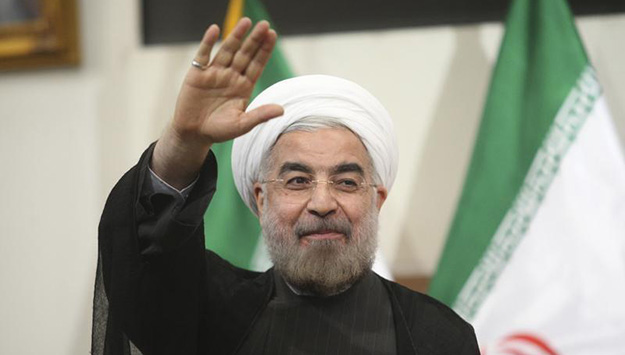
Rouhani Calls for “Revolutionary” Foreign Policy to “Isolate America”
Iranian President Hassan Rouhani has said that all centers of power in Iran should work together to seek the support of European and Asian powers to isolate the United States, the
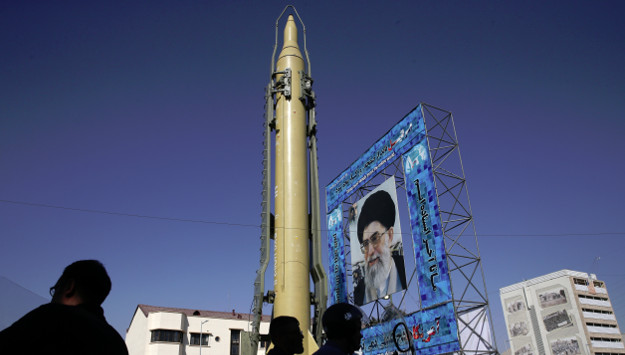
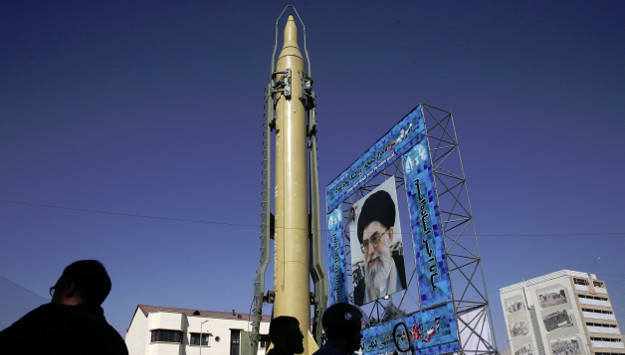
Iranian Parliament Seeks to Increase Budget for Missile Program, I.R.G.C. Quds Force
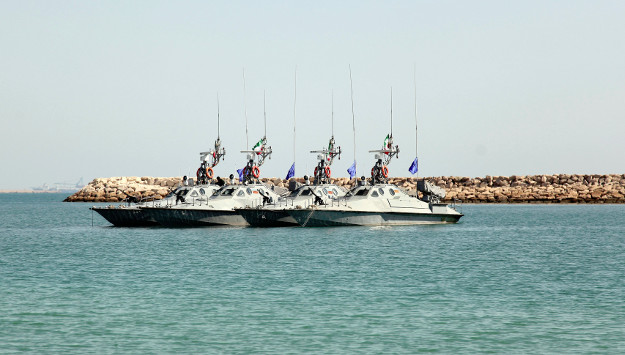
The Iranian parliament is finalizing a bill to increase the annual budget for the Islamic Revolution Guards Corps (I.R.G.C.), the Iranian media reported. The estimated surplus budget of more than half a billion dollars is specifically designed to help the I.R.G.C. to further enhance the country’s missile program and military activities in the region. The move came as a response to the latest U.S. Senate legislation that would impose new sanctions against Iran’s missile program.
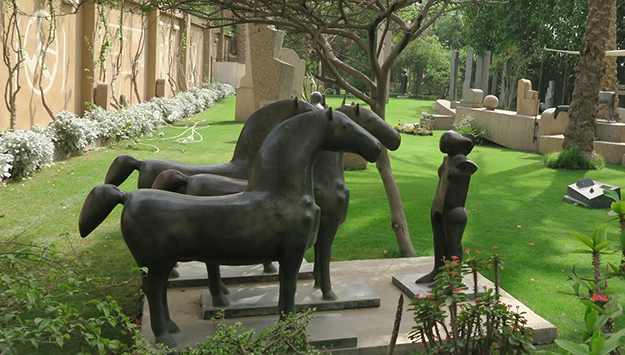
The road to Haraniyya, a formerly rural area just beyond the Giza pyramids, is now an eight-lane highway flanked by red-brick buildings packed and stacked as if designed by some demented cubist. But take the exit, cross a canal and tucked behind a wall of residential towers, the Museum of Adam Henein exists in magical contrast, a verdant stronghold of living art, and one of Cairo’s hidden treasures.
Al-Qaeda Affiliate and Ahrar al-Sham Compete for Control in Idlib
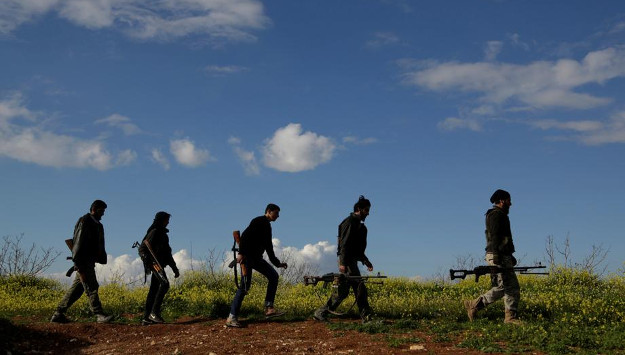
Idlib is currently the site of increasing competition between the two most dominant armed coalitions, the al-Qaeda-linked Hay’at Tahrir al-Sham (H.T.S.) and Ahrar al-Sham. The province has witnessed limited airstrikes since a de-escalation agreement, which came into effect on May 5, was brokered by Russia, Turkey, and Iran at the Astana talks. Idlib was one of four areas labeled as a de-escalation zone.
Iran Warns White House against “Playing with Fire” in Syria
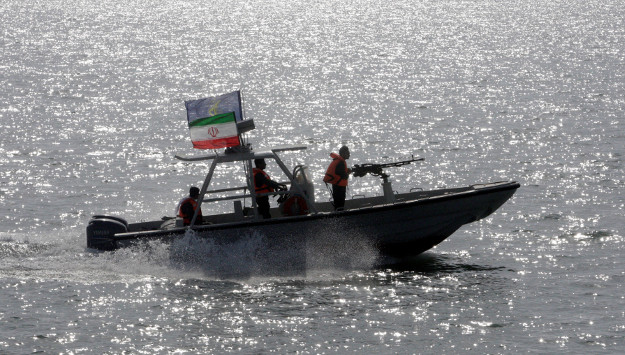
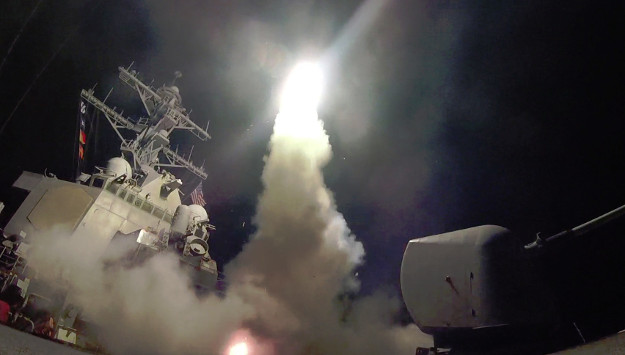
A senior Iranian official called on the Trump administration to avoid taking any further military action against the Syrian government and its allies and threatened that any such move would not go unanswered.
Iran’s Mixed Track Record of Fighting Drugs Trafficking
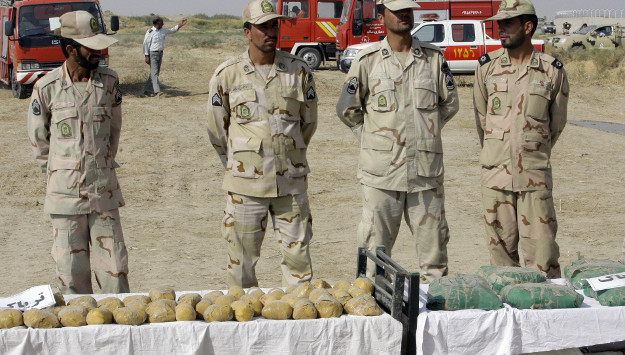
Iran’s anti-narcotics police forces have seized more than 16 tons of illicit drugs in the southern province of Hormozgan, the Iranian media reported. According to Hormozgan’s Police Chief Brigadier General Azizollah Maleki, the security forces confiscated the drugs from 219 vehicles over the past three months.
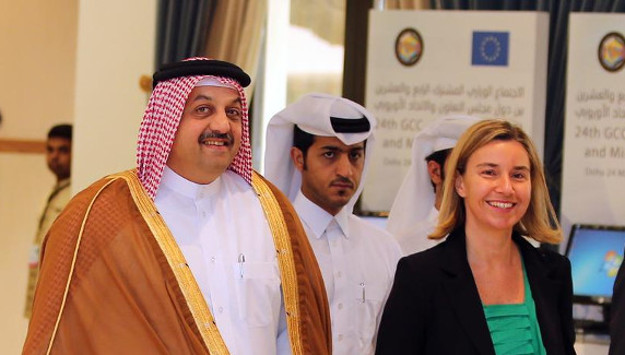
The ongoing Saudi-led blockade of Qatar came as a surprise to the international community, including the European Union. When Saudi Arabia, the U.A.E., Egypt, and Bahrain cut ties with the Qatari monarchy, the E.U. found itself in a new and complex political reality. Though the intra-Gulf crisis had been simmering for quite a long time, it seems that the Europeans were not prepared for such a scenario. Ultimately, Europe must consider the severity of the current crisis’ potential diplomatic and economic consequences.
The oldest peer-reviewed publication dedicated to the study of the modern Middle East, MEI’s flagship journal covers politics, society, and culture in the region.