Bonus Episode: Previewing Israel’s First Post-October 7 Election
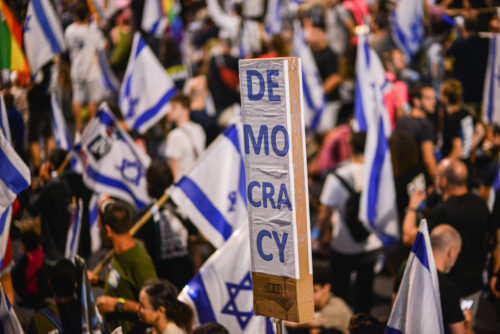
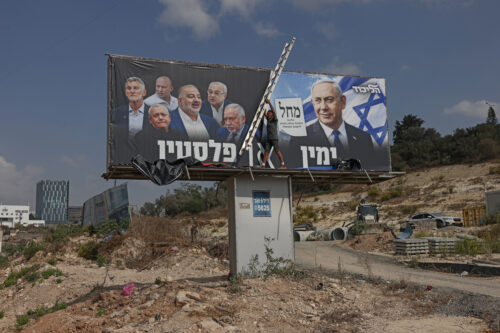
Israel is preparing to hold what may be its most consequential election in decades. On October 27, Prime Minister Benjamin Netanyahu will face his first electoral test since October 7, 2023. In this bonus episode of Middle East Focus, we present the audio from a recent MEI webinar, hosted in Israel on the eve of the vote. Senior Fellow Natan Sachs is joined by Dr. Shira Efron, Distinguished Chair for Israel Policy and senior fellow at the RAND Corporation, and Neri Zilber, veteran journalist and Financial Times correspondent. They explore what’s at stake in this historic election and how different outcomes could reshape Israel’s domestic politics and the wider region.
Israel Was Built on Hope. This Election May Be Our Last Chance to Save It
Israel’s national anthem, Hatikva, means “the hope.” Israel is not just another country, but the culmination of a 2,000-year-old dream of national redemption. The rebirth of the Jewish people’s ancestral homeland, just three years after the Holocaust, was a miraculous triumph of hope over all odds.
Today, that hope has been shattered and the elections on October 27 have become the most consequential in Israel’s history.
One striking thing about US President Donald Trump’s endorsement of Israeli Prime Minister Benjamin Netanyahu this past week is how isolated he was in making this call. The Israeli Prime Minister has become a widely detested figure worldwide following Israel’s war in Gaza—where Israel committed war crimes. This disdain was clearly on display in New York in September when dozens of diplomats streamed out of the hall during Netanyahu’s speech.
Since 1967, Israeli settlements in the West Bank have been a contested feature of the Israeli-Palestinian conflict. The ultimate disposition of the settlements and ongoing activity related to their growth have repeatedly defied agreement in negotiations over a resolution to the conflict.
The Houthis are a political-military faction and Zaydi religious movement founded in northwestern Yemen in the 1980s. A key member of Iran’s Axis of Resistance with links to other militant organizations in the Arabian Peninsula and the Horn of Africa, the group has continued to pose a threat to Western interests on a global scale.
The India-Middle East-Europe Economic Corridor (IMEC) is a proposed multinational infrastructure initiative aimed at upgrading connectivity between the three regions through integrated trade, energy, and digital networks. Announced at the G20 summit in New Delhi in September 2023, IMEC is envisioned partially as a counterweight to China’s international infrastructure project, the Belt and Road Initiative.
After a decade of post-Arab Spring isolation, Turkey’s leaders have recognized that their ambition to position the country as an agenda-setter on the world stage requires active engagement in all directions. President Recep Tayyip Erdoğan’s consolidation of executive authority has centralized foreign policy decision-making and tied it to his domestic political priorities, transforming the country’s revisionist approach to one shaped primarily by personal and pragmatic interests.
MEI Senior Fellow Brian Katulis engages friends, colleagues, and policy experts in casual conversations on the most important happenings in the Middle East.
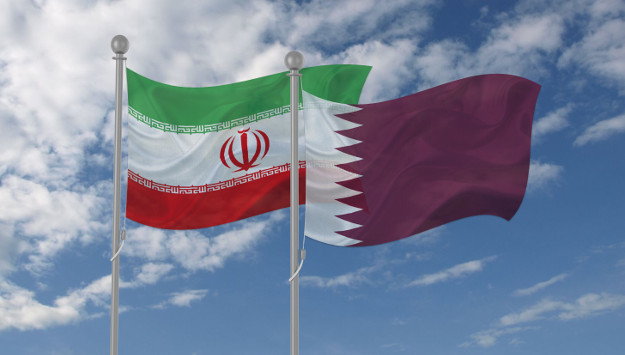
Iranian Media Weighs Pros and Cons of Tehran’s Role in Gulf Crisis
After President Donald Trump’s visit to Riyadh last month, Iranian leaders were worried about the creation of a U.S.-supported alliance of regional Arab states led by Saudi Arabia to counter Irani
Gertrude Bell: New Documentary Sheds Light on Woman who Helped Shape Iraq
She was a fearless trailblazer who spurned the comforts of Victorian England for a life of adventure and accomplishment, including extensive exploration through uncharted Arabia in the uneasy last days of the Ottoman Empire.
Letters from Baghdad: The Extraordinary Life and Times of Gertrude Bell, a documentary from New York-based filmmakers Zeva Oelbaum and Sabine Krayenbuhl, opened earlier this month in New York City, and will roll out to other major centers through July.
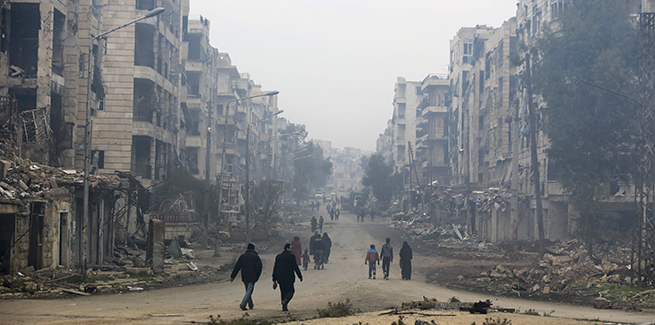
Six months after the heavily publicized defeat of Syrian rebel forces in Aleppo to the Assad government, the once magnificent metropolis and largest city of northern Syria is still reeling from the consequences of years of violent conflict. The elaborate communal, economic and material threads that for centuries had made up the social fabric underpinning the city’s wealth, as well as its physical and societal integrity, may have been irreparably damaged. Today, much of the city lies in rubble and many of its once proud inhabitants have been reduced to abject poverty.
It is said that a picture is worth a thousand words, presumably for what it depicts, but what is the value of what a picture doesn’t show? To some, it is nothing; for others, it is everything.
Two weeks ago, Tunisian security forces used excessive force to try to stop peaceful demonstrators in El Kamour Tataouine, killing one of them. Six years after the 2010-2011 uprising, many Tunisians are wondering what is left of their revolution.
The 2015 Chennai Flood: A Case for Developing City Resilience Strategies
In November-December 2015 Chennai and its neighboring coastal districts in India experienced torrential rainfall followed by a devastating flood. Amid the chaos and widespread impact, the event brought people and institutions in and outside Chennai together, to provide support to the victims affected by the flood. Help reached the affected areas and their residents from different sections of society and in variety of forms. The lessons from this case study and others like it can help urban centers elsewhere in Asia to plan for similar eventualities.
I.R.G.C. Outlet: U.S. and Its Allies Unable to Hamper Iran’s Objectives in Syria
Iran and its allied militia forces will continue to defy American threats, establish control over regions along Iraqi-Syrian border, foil “plots” by the U.S.
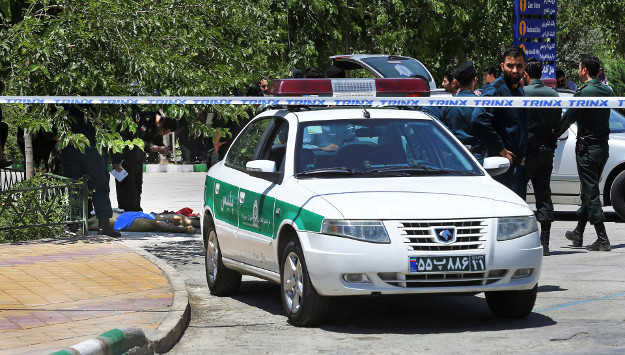
Iran Continues to Blame U.S. and Saudi Arabia for Tehran Attacks
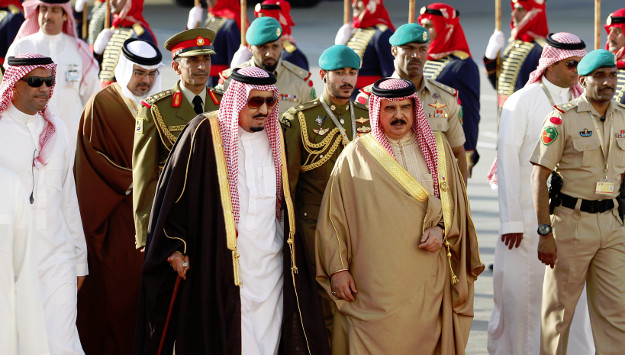
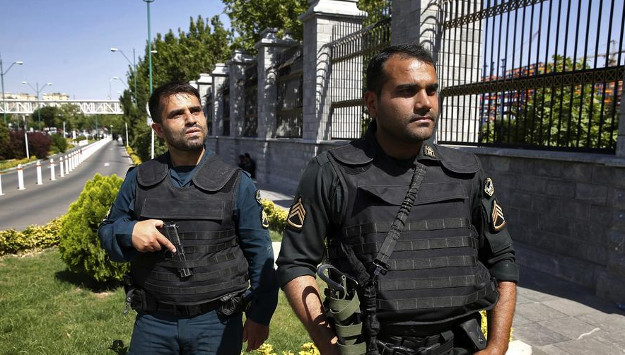
Iranian leaders continue to blame the United States and Saudi Arabia for last week’s terrorist attacks in Tehran although Iran’s Intelligence Ministry has confirmed that the Islamic State was behind the assaults.
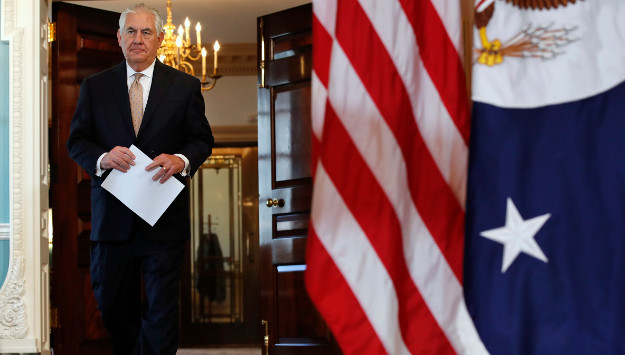
Can the Trump Admin get its Act Together on G.C.C. Crisis? | Monday Briefing
In this week’s Monday Briefing, MEI experts Gerald Feierstein, Robert S. Ford, Alex Vatanka, and Ruba Husari provide analysis on the Trump administration’s handling of the G.C.C. crisis, how Iran and energy markets have responded to it, and the escalating conflict in eastern Syria.
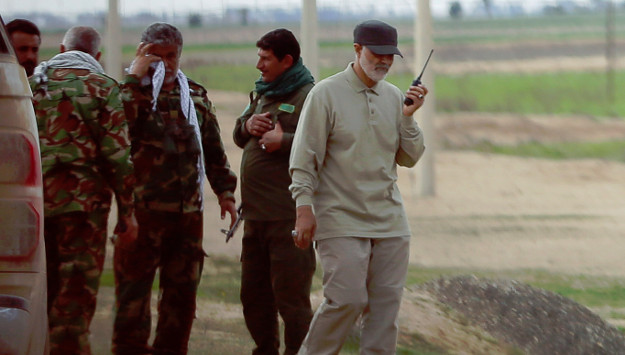
Afghan Militia Led by Soleimani Reach Syrian-Iraqi Border in Defiance of U.S.
Iranian-led Afghan Shiite militia forces have made significant territorial gains in southeastern Syria and have reached the shared border between Syria and Iraq, the Iranian media reports.
Authorities in Iran Kill Four Individuals Allegedly Linked with Islamic State
Iranian police forces have killed four individuals with alleged ties to the Islamic State in the southern province of Hormozgan, the Iranian media reported today. Azizollah Maleki, the provincial police chief, said an Islamic State flag, machine guns and explosives were also confiscated.
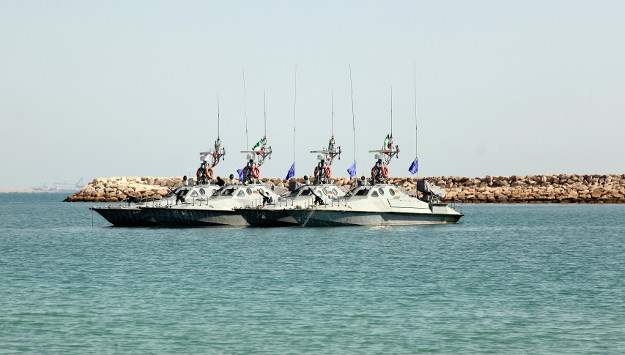
Iran Navy Commander: Iranian Warships to Continue Missions despite Regional Concerns
The commander of Iran’s Navy has accused the Gulf of Aden littoral states of attempting to disrupt the presence of Iranian naval flotillas in high seas, but he emphasized that the Iranian forces will continue their naval missions in the Gulf of Aden and in international waters beyond the region without paying attention to such “hostile” attempts.
The oldest peer-reviewed publication dedicated to the study of the modern Middle East, MEI’s flagship journal covers politics, society, and culture in the region.